We unleash your business potential by maximize the business innovation.
Send EmailHydroxyethyl Methyl Cellulose, Methyl 2-hydroxyethyl Cellulose, Hymetellose, Methoxy Hydroxy Ethyl Cellulose, HEMC, 9032-42-2
HYDROXYETHYL METHYL CELLULOSE (HEMC)
CAS No: 9032-42-2
Cellulose ether – Methyl and Hydroxyethyl modified
1. PRODUCT IDENTIFICATION
| Property | Description |
|---|---|
| Chemical Name | Methyl 2-hydroxyethyl cellulose |
| Common Names | Hydroxyethyl Methyl Cellulose (HEMC), Hymetellose |
| Trade Names | Tylose® MH (Shin-Etsu), Walocel® MK (Dow), Bermocoll® M (Nouryon) |
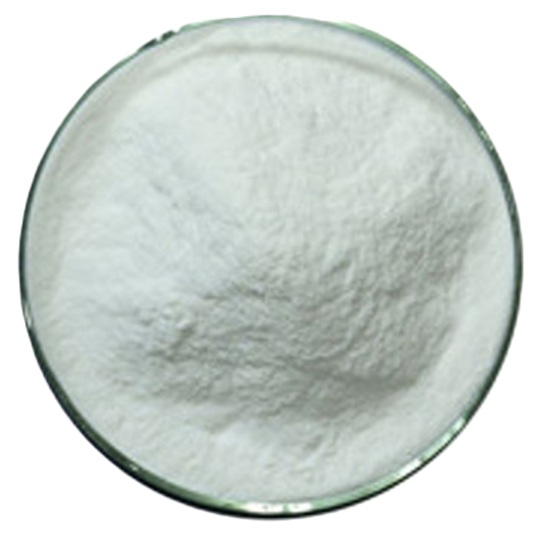
| Appearance | White to off‑white, free‑flowing powder |
| Odor | Slight characteristic, odorless |
| Structure | Cellulose backbone with methoxy (–OCH₃) and hydroxyethyl (–OCH₂CH₂OH) groups attached via ether bonds |
2. PHYSICAL AND CHEMICAL PROPERTIES
| Parameter | Value / Range | Notes |
|---|---|---|
| Density (true) | 1.28 – 1.30 g/cm³ (20 °C) | – |
| Bulk density | ~350 kg/m³ | Uncompacted |
| pH (1% solution, 20°C) | 5.5 – 8.0 | Neutral / slightly basic |
| Solubility | Soluble in cold water; swells/disperses in hot water | Insoluble in organic solvents |
| Surface tension (0.1%, 20°C) | 45 – 55 dyn/cm | Contributes to adhesion and sag resistance in construction |
| Flocculation temperature (0.5%) | 60 – 90 °C | Solution becomes turbid, viscosity drops |
| pH stability range | 3 – 11 | Suitable for acidic and alkaline systems (cement pH ~12-13 short‑term stable) |
| Thermo‑gelation | None (no significant gelation; unlike HPMC) | Only flocculation occurs |
3. DEGREE OF CHEMICAL MODIFICATION
| Component | Typical Value | Description |
|---|---|---|
| Methoxy content (–OCH₃) | ~26 wt.% (23–30) | Methyl substitution |
| Hydroxyethyl content (–OCH₂CH₂OH) | ~8 wt.% (6–10) | Hydroxyethyl substitution |
| Methyl D.S. (Degree of Substitution) | 1.3 – 2.2 mol/mol cellulose | Number of methyl groups per anhydroglucose unit |
| Hydroxyethyl M.S. (Molar Substitution) | 0.06 – 0.50 mol/mol cellulose | Total moles of hydroxyethyl |
4. VISCOSITY GRADES (Brookfield, 20°C, 2% solution)
HEMC is available in different viscosity grades for various applications:
| Viscosity Grade | 2% solution (mPa·s or cP) | Typical Application |
|---|---|---|
| Low | 400 – 1,500 | Food, cosmetics, sprayable coatings |
| Medium | 4,000 – 10,000 | Tablet coating, toothpaste, latex paints |
| High (Construction) | 15,000 – 25,000 | Mortars, tile adhesives, anti‑sag plasters |
| Very High | 35,000 – 60,000 | Special construction (self‑levelling screeds) |
Note: Measurement conditions: Brookfield RVT, spindle #4-7, 20 rpm. To avoid agglomeration, add powder slowly to water with sufficient mixing (30‑60 min).
5. FUNCTIONAL PROPERTIES
| Property | Description |
|---|---|
| Water retention | Prevents water loss in mortar and cement systems; improves hydration |
| Thickening / Rheology control | Pseudoplastic (shear‑thinning) behaviour; high viscosity at low shear |
| Sag resistance | Prevents slump on vertical surfaces – HEMC is superior to HPMC in this aspect |
| Adhesion | Lowers surface tension, increasing adhesion |
| Film formation | Transparent, flexible films; used in tablet coating and cosmetics |
| Emulsion stabilisation | Stabilises oil‑water mixtures |
6. DISSOLUTION TECHNIQUE (to prevent lumping)
HEMC is soluble in cold water, but the correct method must be followed:
Recommended method – Hot‑Cold:
-
Heat 1/3 of the required water to 80‑90°C.
-
Disperse the HEMC powder in the hot water (does not dissolve, only disperses).
-
Add the remaining 2/3 of water cold (5‑20°C) and mix.
-
The solution becomes clear and homogeneous as it cools.
Alternative: Pre‑wet the powder with glycol (PG) or alcohol, then add water.
Warning: Adding powder directly to cold water too quickly causes lumping (“fish eyes”).
7. APPLICATION AREAS AND TYPICAL DOSAGES
| Industry | Market Share | Typical Dosage (by weight) | Function |
|---|---|---|---|
| Construction | 65‑70% | 0.2 – 0.7% of dry mix | Water retention, workability, sag resistance |
| Cosmetics | ~10% | 0.3 – 1.0% | Viscosity, foam stability, emulsion |
| Paints & Coatings | ~5% | 0.2 – 0.5% | Rheology control (secondary thickener) |
| Pharmaceuticals | <5% | 2 – 5% (tablet binder/coating) | Film coating (HPMC is more common) |
| Food | <2% | 0.1 – 0.5% | Thickener (limited formulations) |
Pharmaceutical note: HEMC does not have a USP/NF or Ph.Eur. monograph as widely as HPMC. Therefore its use in pharmaceuticals is limited / rare. Main markets are construction and cosmetics.
8. COMPARISON WITH OTHER CELLULOSE ETHERS
| Property | HEMC | HPMC | HEC |
|---|---|---|---|
| Water retention (construction) | High | Very high | Low |
| Sag resistance | Very high | Medium | Low |
| Surface tension reduction | Good | Medium | Poor |
| Salt tolerance | Medium | Medium | High |
| Thermo‑gelation | None | Yes (60‑80°C) | None |
| Use in latex paints | Secondary | Secondary | Primary |
| Oil drilling fluids | Rare | Rare | Common |
| Pharmaceutical/food suitability | Limited | Excellent | Limited |
9. STORAGE AND SHELF LIFE
| Condition | Requirement |
|---|---|
| Temperature | Below +30 °C (prolonged >30°C reduces performance) |
| Humidity | Closed, dry environment (relative humidity <70%) |
| Packaging | Keep in original moisture‑proof packaging |
| Shelf life | 24 months from production date under proper conditions |
| Caking | If exposed to moisture, product cakes and loses solubility – do not use |
10. SAFETY AND HANDLING
-
Hazard classification: Non‑hazardous
-
Dust control: Avoid inhalation – use mask.
-
Skin/eyes: Non‑irritating, but mechanical irritation possible – rinse with plenty of water.
-
Fire: Not flammable, but dust cloud may be explosive (as with all organic dusts).
11. REGULATORY AND STANDARDS
| Region | Status |
|---|---|
| EU (REACH) | Registered |
| USA (TSCA) | Listed |
| Food (FDA) | 21 CFR 172.870 (for certain types) |
| Cosmetics (EU) | Approved as ingredient |
| Pharmacopoeia | No USP/NF monograph for HEMC (HPMC is available) |
12. TYPICAL CERTIFICATE OF ANALYSIS (COA) VALUES (High viscosity construction grade)
| Parameter | Typical Value |
|---|---|
| Appearance | White powder |
| Viscosity (2%, 20°C, Brookfield) | 18,000 ± 2,000 cP |
| Moisture (Karl Fischer) | ≤ 5.0% |
| pH (1% solution) | 6.0 – 7.5 |
| Methoxy content | 26 – 28% |
| Hydroxyethyl content | 7.5 – 8.5% |
| Heavy metals (as Pb) | ≤ 10 ppm |
| Residual solvents (methanol, ethanol) | ≤ 500 ppm |
13. SPECIAL NOTES AND WARNINGS
-
Cement systems: High pH (12-13) acts short‑term; HEMC does not hydrolyse, but prolonged (months) wet storage in cement may cause viscosity loss.
-
Microbial degradation: Cellulose ethers are biodegradable; add preservative to aqueous solutions stored for long periods.
-
Rheology selection: For vertical applications requiring sag resistance → HEMC; for horizontal mortars requiring better water retention → HPMC.