We unleash your business potential by maximize the business innovation.
Send EmailBetaine Anhydrous, Trimethyl Glycine, Glycine Betaine, 107-43-7
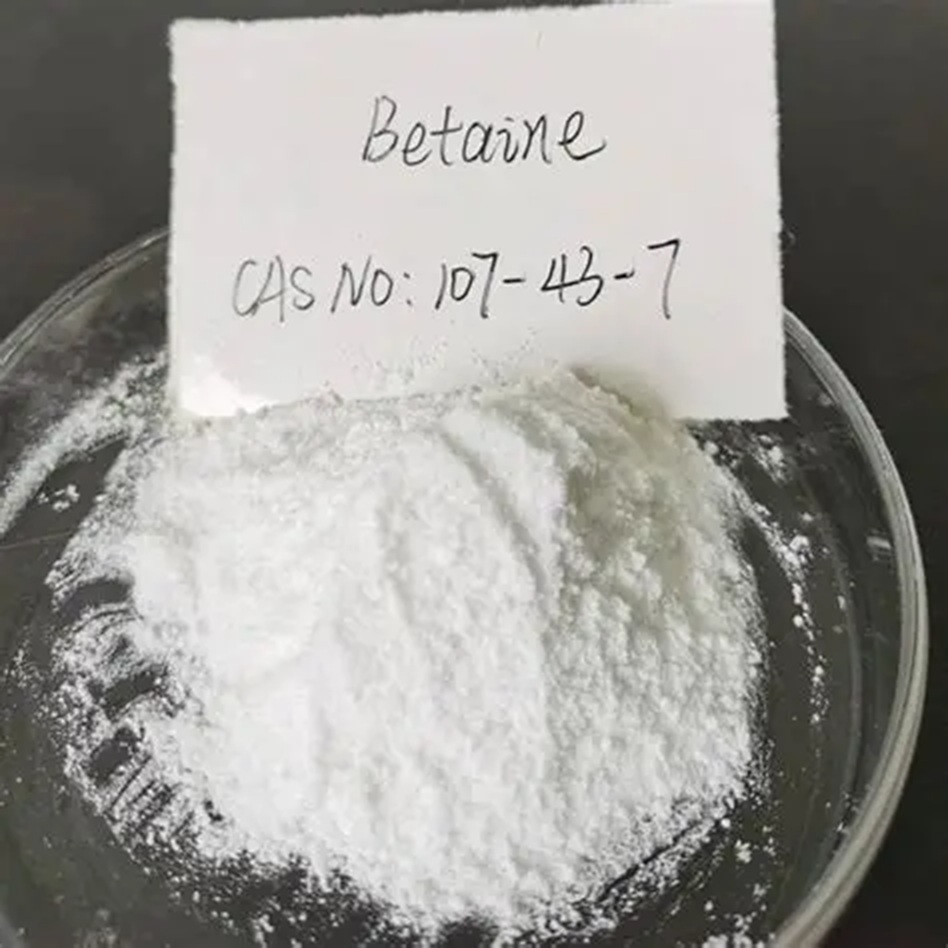
Betaine Anhydrous (CAS 107-43-7, also known as Trimethylglycine) is a naturally occurring compound found in beets, spinach, cereals, and seafood. It is widely used as a dietary supplement to support liver function, reduce homocysteine levels, and improve athletic performance. In Türkiye, it is available in sports nutrition products and as a feed additive for poultry and livestock.
Chemical Identity
-
Name: Betaine Anhydrous
-
Synonyms: Trimethylglycine, Glycine betaine
-
CAS Number: 107-43-7
-
Molecular Formula: C₅H₁₁NO₂
-
Molecular Weight: 117.15 g/mol
-
Appearance: White crystalline powder
-
Solubility: Highly soluble in water
Biological Role
-
Methyl donor: Provides methyl groups for biochemical reactions (homocysteine → methionine conversion).
-
Liver support: Helps prevent fatty liver disease and supports detoxification.
-
Osmoprotectant: Maintains cellular water balance under stress.
-
Sports nutrition: Enhances muscle endurance, strength, and recovery.
Applications
-
Pharmaceutical/Medical:
-
FDA-approved product (Cystadane) for treating homocystinuria.
-
Supports cardiovascular health by lowering homocysteine.
-
-
Sports Nutrition:
-
Improves power output and endurance.
-
Commonly included in pre-workout formulas.
-
-
Animal Feed:
-
Used as a feed additive for poultry and swine.
-
Improves nutrient absorption and growth rates.
-
-
Food/Nutraceuticals:
-
Found naturally in beets, spinach, whole grains, seafood, and wine.
-
Added to fortified foods and supplements.
-
Safety and Side Effects
-
Generally safe at recommended doses.
-
Possible side effects: Mild gastrointestinal discomfort, nausea, or diarrhea at high doses.
-
Precautions: Should not be combined with NSAIDs or corticosteroids due to risk of gastric irritation.
Comparison: Betaine Anhydrous vs Betaine Hydrochloride
| Property | Betaine Anhydrous | Betaine Hydrochloride |
|---|---|---|
| CAS | 107-43-7 | 590-46-5 |
| Molecular Weight | 117.15 g/mol | 153.61 g/mol |
| pH | Neutral | Acidic (~1 in solution) |
| Primary Use | Liver health, cardiovascular support, sports nutrition | Digestive aid, feed additive, methyl donor |
| Solubility | High in water | High in water & ethanol |
| Common Form | Powder, tablets, feed additive | Powder, capsules, premixes |