We unleash your business potential by maximize the business innovation.
Send EmailDiethyl Ether, Ether, Ethyl Ether, Ethoxy Ethane, Pronarcol, 60-29-7, DEE, 927820-24-4
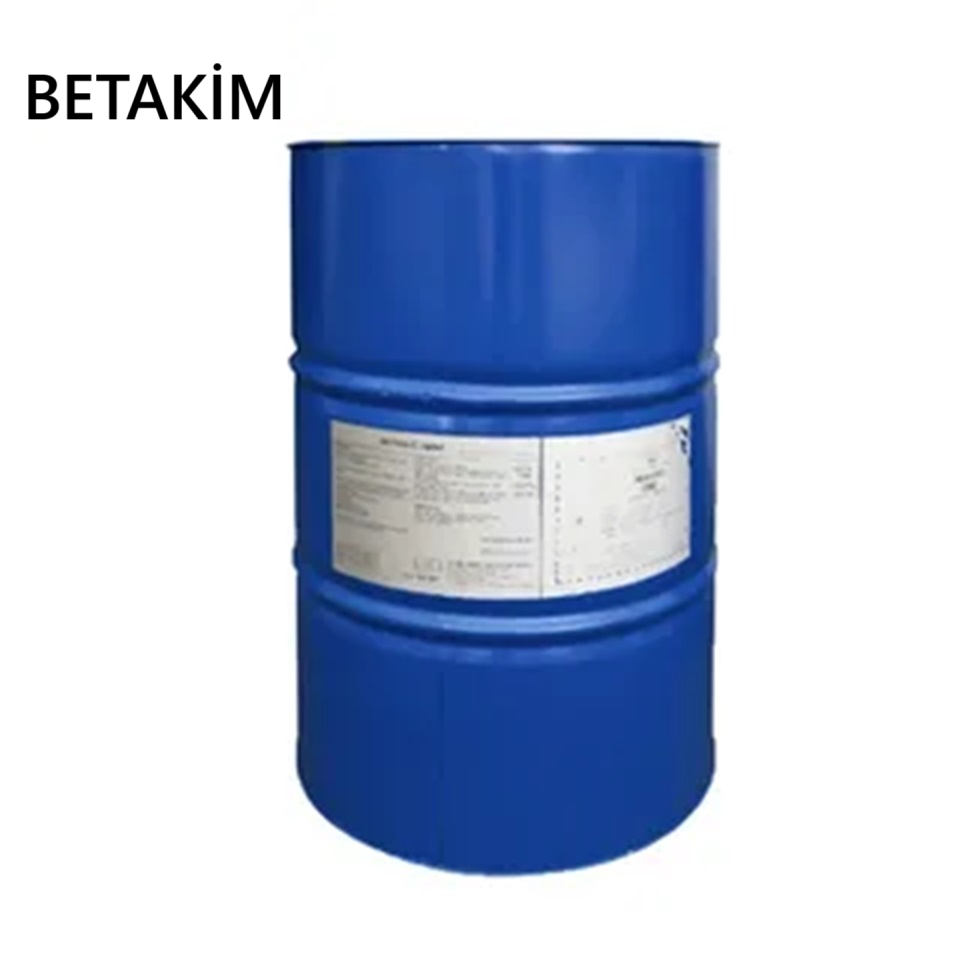
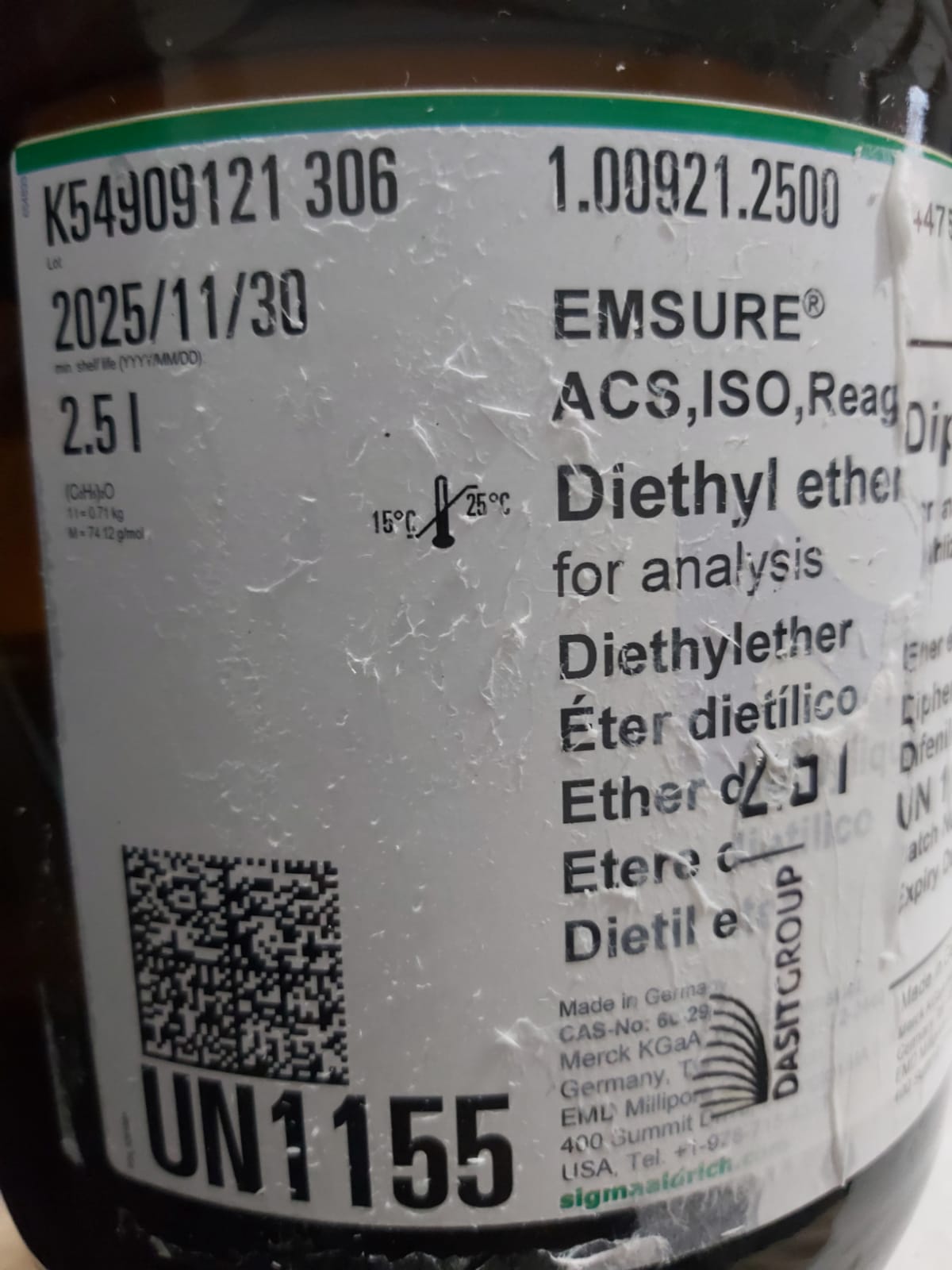
Diethyl Ether
1. Product Identity
| Property | Details |
|---|---|
| Product Name | Diethyl Ether |
| CAS Numbers | 60-29-7 (primary), 927820-24-4 (specific formulations/grades) |
| EINECS Number | 200-467-2 |
| Molecular Formula | C₄H₁₀O / (C₂H₅)₂O |
| Molecular Weight | 74.12 g/mol |
| IUPAC Name | Ethoxyethane |
| RTECS Number | KI2975000 |
| MeSH ID | D004986 |
2. Synonyms and Other Names
| Name | Description |
|---|---|
| Ether | Common short name |
| Ethyl ether | Alternative name |
| Diethyl oxide | Chemical description |
| Ethoxyethane | IUPAC name |
| Sulfuric ether | Historical name |
| Anaesthetic ether | Medical historical name |
| Anesthesia ether | Medical context |
| Ethyl oxide | Alternative chemical name |
| 3-Oxapentane | Systematic name |
| 1,1'-Oxybis[ethane] | Structural description |
| Pronarcol | Historical trade name |
| R 610 | Laboratory code |
| NSC 100036 | National Service Center code |
| Dietil Eter | Turkish name |
3. Product Description
Diethyl ether is a common organic solvent with the chemical formula (C₂H₅)₂O. At room temperature, it is a colorless, volatile, sweet-smelling, and highly flammable liquid. This compound belongs to the ether class and is frequently used as a solvent in laboratories and as a starting fluid for some engines. It is also known historically for its anesthetic properties.
Key Characteristics:
-
Highly volatile liquid
-
Extremely flammable
-
Characteristic sweet odor
-
Forms explosive vapor/air mixtures
-
Low boiling point
-
Rapid evaporation rate
4. Physical and Chemical Properties
| Property | Value |
|---|---|
| Appearance | Colorless, clear liquid |
| Odor | Sweet, characteristic ether odor |
| Density (20°C) | 0.7134 g/mL |
| Melting Point | -116.3°C |
| Boiling Point | 34.6°C |
| Flash Point | -45°C |
| Autoignition Temperature | 160-180°C |
| Vapor Pressure (20°C) | 440 mmHg |
| Vapor Density | 2.56 (vs air, heavier than air) |
| Refractive Index (20°C) | 1.3526 |
| Viscosity | 0.224 cP at 25°C |
| Surface Tension | 17.5 dyn/cm at 20°C |
| Solubility in Water | 6.9 g/100 mL at 20°C (limited) |
| Solubility of Water in Ether | 1.2 g/100 mL at 20°C |
| Miscibility | Miscible with ethanol, chloroform, benzene, and most organic solvents |
| Dielectric Constant | 4.33 at 20°C |
5. Historical Development
| Period | Development |
|---|---|
| 1540 | First discovered by German scientist Valerius Cordus through reaction of sulfuric acid and alcohol |
| 19th Century | Began being used as a general anesthetic agent in medicine |
| 1850s | Alexander William Williamson developed the Williamson Ether Synthesis |
| Modern Era | Replaced by safer alternatives like halothane and nitrous oxide in anesthesia |
6. Production and Synthesis
6.1. Industrial Process (Acid Ether Synthesis)
| Parameter | Details |
|---|---|
| Raw Material | Ethanol (C₂H₅OH) |
| Catalyst | Sulfuric acid (H₂SO₄) |
| Process | Dehydration of ethanol |
| Reaction Type | Acid-catalyzed dehydration |
| Scale | Industrial production |
The process involves:
-
Protonation of ethanol
-
Dehydration reaction forming ethylene
-
Vapor phase hydration of ethylene to regenerate ethanol
-
Formation of diethyl ether
6.2. Williamson Ether Synthesis (Laboratory Method)
| Parameter | Details |
|---|---|
| Process | Conversion of ethanol to alkoxide salt, then reaction with alkyl halide |
| Reaction Type | Nucleophilic substitution |
| Scale | Laboratory/preparative scale |
| Advantage | More precise control, specific ether production |
7. Applications and Uses
7.1. Industrial Solvent
| Application | Function |
|---|---|
| Polymer Production | Solvent for cellulose acetate and cellulose plastics |
| Chemical Manufacturing | Solvent for various organic reactions |
| Extraction Processes | Extraction of organic compounds |
| Dissolving Capability | Dissolves both polar and non-polar substances |
7.2. Laboratory and Research
| Application | Function |
|---|---|
| Organic Chemistry | Solvent for reactions and separations |
| Pharmacological Research | Extraction and purification |
| Pathology | Tissue processing and preservation |
| Chromatography | Mobile phase component |
| Crystallization | Recrystallization solvent |
7.3. Medical Applications (Historical)
| Application | Description |
|---|---|
| General Anesthesia | Historically used as an anesthetic agent |
| Mechanism | Induces short-term unconsciousness |
| Current Status | Largely replaced by safer alternatives |
7.4. Automotive Applications
| Application | Function |
|---|---|
| Starting Fluid | Helps engines start in cold climates |
| Fuel Additive | Research into diesel fuel blends |
| Combustion Aid | Improves ignition in certain conditions |
8. Safety Information
8.1. Fire and Explosion Hazards
| Hazard | Description |
|---|---|
| Extremely Flammable | Due to low flash point (-45°C) |
| Explosive Vapors | Forms explosive mixtures with air |
| Vapor Behavior | Heavier than air, accumulates in low areas |
| Static Electricity | Can be ignited by static discharge |
| Storage Risk | Peroxide formation possible on prolonged storage |
Safety Precautions:
-
Work in well-ventilated areas
-
Prevent static electricity buildup
-
Keep away from all ignition sources
-
Use appropriate labeling (NFPA 704)
-
Store in airtight containers away from light and heat
8.2. Health Effects
| Exposure Route | Effect |
|---|---|
| Inhalation | Respiratory tract irritation, drowsiness, dizziness, loss of motor skills |
| Skin Contact | Irritation, defatting of skin |
| Eye Contact | Irritation, potential corneal damage |
| Ingestion | Toxic effects, nausea, vomiting |
| Chronic Exposure | Potential liver and kidney damage, neurotoxicity risk |
Safety Precautions:
-
Use protective gloves and goggles
-
Avoid inhalation of vapors
-
Use appropriate personal protective equipment
-
Follow MSDS guidelines
-
Observe exposure limits
8.3. Exposure Limits
| Organization | Limit |
|---|---|
| ACGIH TLV-TWA | 400 ppm (1200 mg/m³) |
| NIOSH REL | 500 ppm (1500 mg/m³) |
| IDLH | 1900 ppm (10% LEL) |
9. Environmental Impact
| Aspect | Description |
|---|---|
| Atmospheric Behavior | Rapidly reacts during combustion; emissions depend on combustion conditions |
| Bioaccumulation | Low potential for bioaccumulation |
| Metabolism | Rapidly processed in biological systems, breaks down into harmless components |
| Aquatic Effects | Can be absorbed by aquatic organisms but does not persist |
10. Regulatory Information
| Organization | Classification / Requirement |
|---|---|
| GHS | Flammable liquids (Category 1), Health hazards |
| WHO Standards | Personal protection equipment, exposure limits, first aid measures |
| Labeling | Must carry appropriate hazard warnings |
| Storage | Special requirements for flammable materials |
11. Storage and Handling
| Parameter | Details |
|---|---|
| Storage Conditions | Cool, well-ventilated area away from ignition sources |
| Container | Airtight containers, protected from light |
| Temperature | Below room temperature, avoid heat |
| Shelf Life | Limited due to peroxide formation potential |
| Incompatibilities | Strong oxidizing agents, halogens, strong acids |
| Special Note | May form explosive peroxides on prolonged storage; test for peroxides before distillation |
12. Quality Parameters
| Parameter | Typical Value |
|---|---|
| Purity | ≥99.0% |
| Water Content | <0.1% |
| Peroxide Content | <10 ppm (as H₂O₂) |
| Non-volatile Matter | <0.001% |
| Acidity (as acetic acid) | <0.001% |
13. Research and Developments
| Area | Research Focus |
|---|---|
| Fuel Additives | Diesel fuel blends for improved combustion efficiency |
| Emission Reduction | Reducing harmful particulates in exhaust |
| Pathology | Tissue processing and preservation methods |
| Related Compounds | Comparison with dimethyl ether, methoxypropane |
14. Frequently Asked Questions
| Question | Answer |
|---|---|
| What are the main uses of diethyl ether? | Primarily used as an organic solvent in laboratories and industry; historically used as an anesthetic. |
| Can diethyl ether be purchased from pharmacies? | Availability varies by location; special permits or prescriptions may be required. |
| Is diethyl ether polar? | It is slightly polar due to the oxygen atom's electron pairs. |
| Does diethyl ether have anesthetic properties? | Yes, it was historically used as an anesthetic but has been replaced by safer alternatives. |
| How is diethyl ether produced? | Typically through acid-catalyzed dehydration of ethanol using sulfuric acid. |
15. Summary
Diethyl Ether (CAS: 60-29-7) is a highly volatile, flammable organic compound with the molecular formula C₄H₁₀O and molecular weight 74.12 g/mol. It is a colorless liquid with a characteristic sweet odor that rapidly evaporates at room temperature.
Key Physical Properties:
-
Boiling point: 34.6°C
-
Melting point: -116.3°C
-
Density: 0.7134 g/mL at 20°C
-
Flash point: -45°C
-
Vapor pressure: 440 mmHg at 20°C
Main Applications:
-
Industrial Solvent: Polymer production, extraction processes
-
Laboratory Use: Organic synthesis, chromatography, pathology
-
Medical History: Former anesthetic agent
-
Automotive: Starting fluid for cold engines
Safety Considerations:
-
Extremely flammable and forms explosive vapor mixtures
-
Vapors are heavier than air and accumulate in low areas
-
Health effects include irritation, drowsiness, and potential organ damage
-
Requires strict safety precautions during handling and storage
-
May form explosive peroxides on prolonged storage
Environmental Impact:
Low bioaccumulation potential; rapidly metabolized in biological systems; emissions during combustion depend on conditions.
Diethyl ether is a versatile but hazardous chemical that requires respect for its physical properties and strict adherence to safety protocols. While its use as an anesthetic has declined, it remains an important solvent in laboratory and industrial applications.