We unleash your business potential by maximize the business innovation.
Send EmailPolyvinyl Butyral, Polyvinyl Acetal, Recycled PVB, PVB Resin, PVB, 63148-65-2
POLYVINYL BUTYRAL (PVB) – TECHNICAL DATA SHEET
PRODUCT IDENTIFICATION INFORMATION
| Parameter | Information |
|---|---|
| Product Name | Polyvinyl Butyral |
| Abbreviation | PVB |
| Chemical Family | Polyvinyl Acetal |
| Synonyms | Polyvinyl Butyral, Polyvinyl Acetal, PVB Resin, Butvar |
| CAS Number | 63148-65-2 |
| EC Number | 613-157-8 |
| Obtained From | Acetalization of polyvinyl alcohol (PVA) with butyraldehyde |
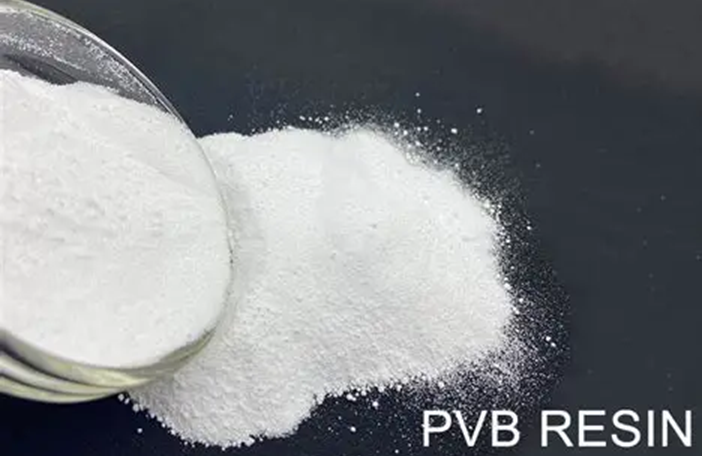
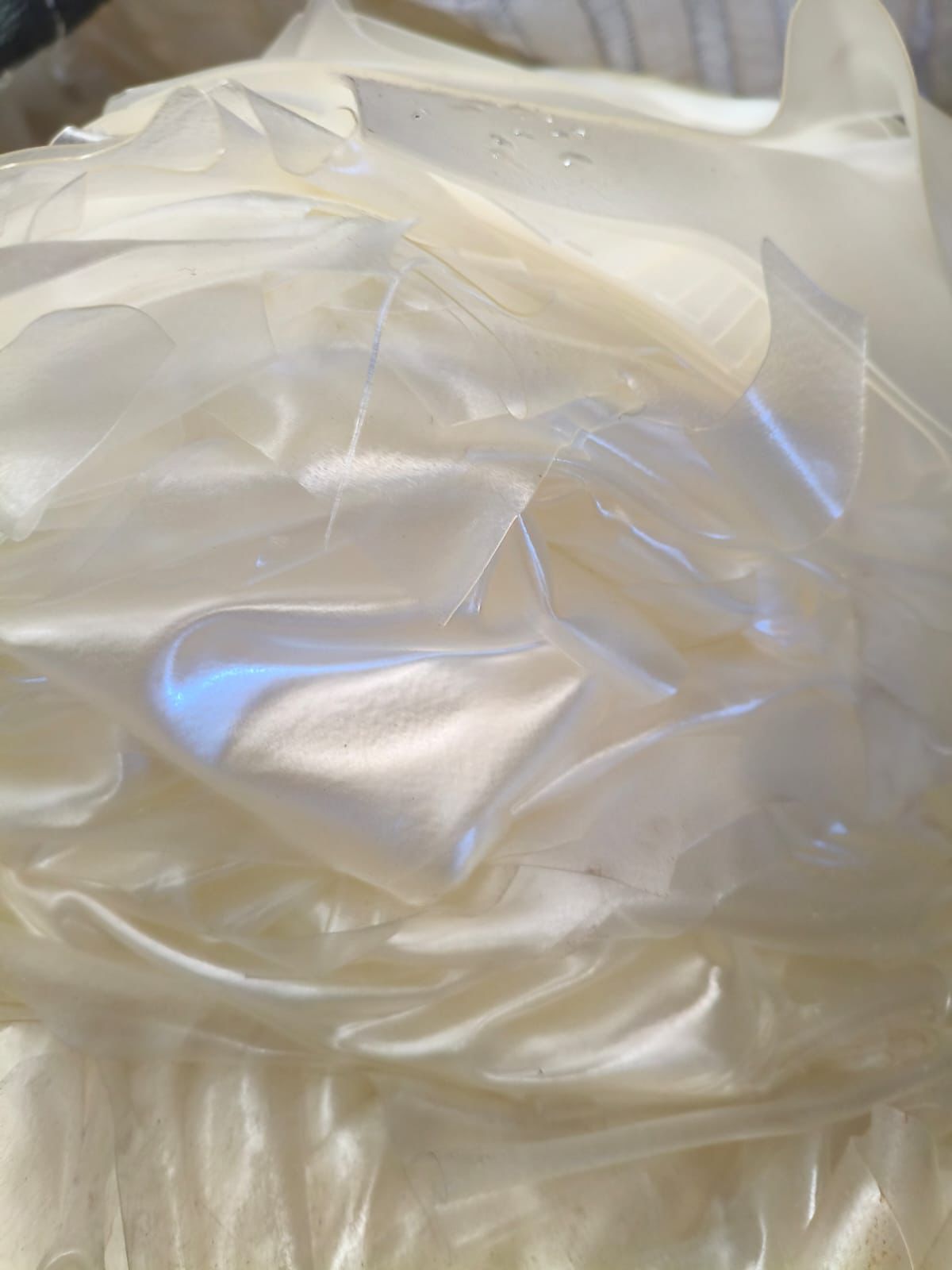
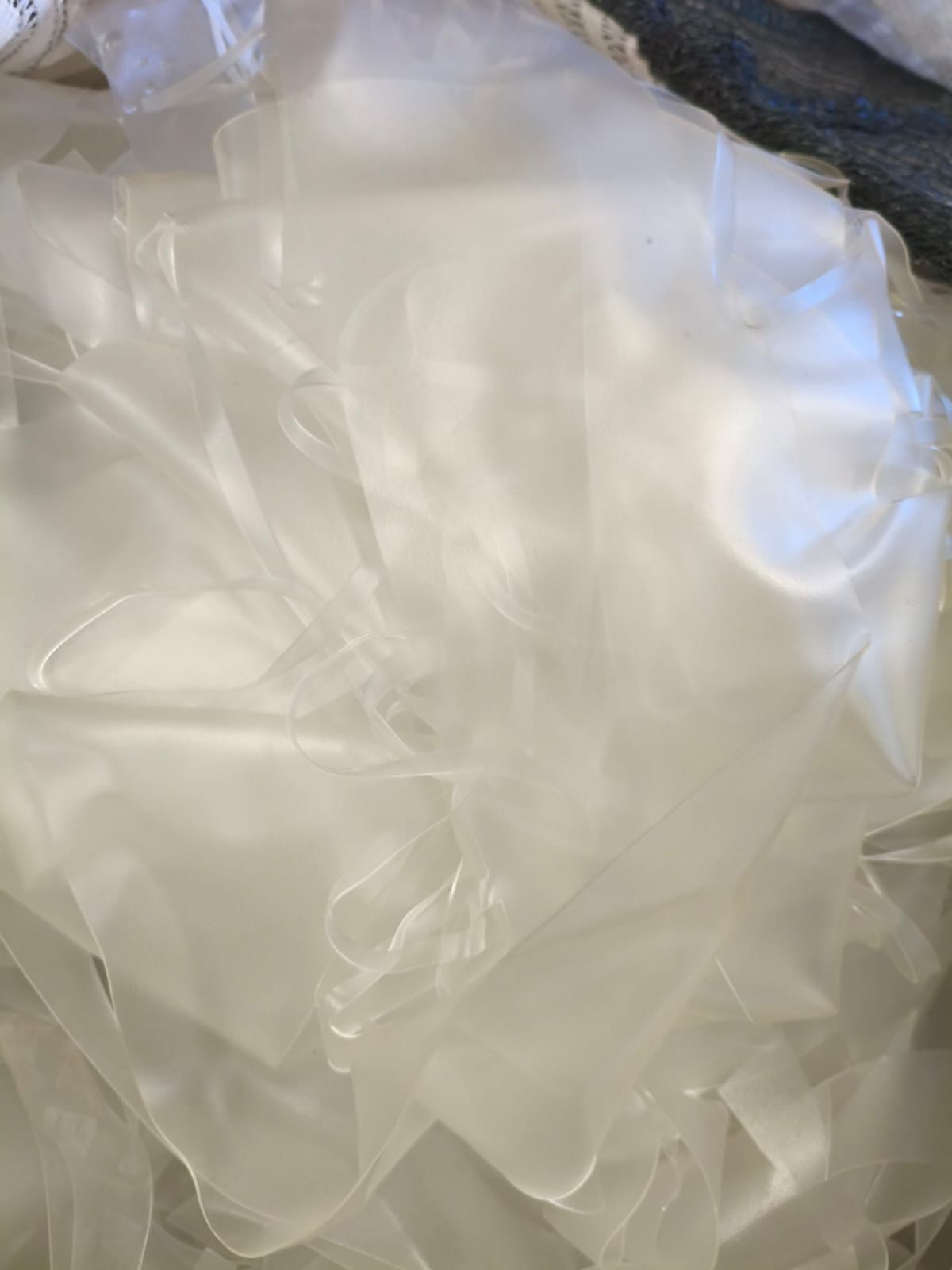
| Appearance | White to off-white powder/granules (resin); Transparent film (lamination) |
CHEMICAL STRUCTURE
    Polyvinyl Butyral (PVB) Structure

    Three Main Components:

    1. Butyral Groups (Main – 65-85%)
       CH₂ — CH — CH₂ — CH —
             |         |
             O         O
             |         |
             CH        CH₂
            /   \       |
           CH₂   CH₂   CHO
                 |
                CH₃

    2. Hydroxyl Groups (OH – 15-30%)
       CH₂ — CH —
             |
             OH

    3. Acetate Groups (OAc – 0-5%)
       CH₂ — CH —
             |
             OCOCH₃
Functional Groups:
-
Butyral Groups: Provide flexibility, adhesion, hydrophobicity
-
Hydroxyl Groups: Enable crosslinking, solubility, adhesion
-
Acetate Groups: Balance mechanical and chemical properties
SECTION 1: CHEMICAL IDENTITY AND DEFINITION
| Parameter | Information |
|---|---|
| Product Name | Polyvinyl Butyral |
| Abbreviation | PVB |
| Chemical Family | Polyvinyl Acetal |
| Synonyms (English) | Polyvinyl Butyral, Polyvinyl Acetal, PVB Resin, Butvar |
| Synonyms (Turkish) | Polivinil Bütiral, Polivinil Asetal, PVB Reçinesi |
| CAS Number | 63148-65-2 |
| EC Number | 613-157-8 |
| Molecular Formula | (C₈H₁₄O₂)ₙ · (C₂H₄O)ₙ · (C₄H₆O₂)ₙ |
| Chemical Class | Thermoplastic resin; polyvinyl alcohol derivative |
| Obtained From | Acetalization of polyvinyl alcohol with butyraldehyde |
| Appearance | White to off-white powder/granules (resin); Transparent film (lamination) |
| Odor | Slight characteristic odor |
SECTION 2: PHYSICAL AND CHEMICAL PROPERTIES
| Property | Value | Test Method / Note |
|---|---|---|
| Appearance | White to off-white powder/granules; Transparent film | Visual |
| Density | ~1.07 - 1.14 g/cm³ | ASTM D792 |
| Glass Transition Temperature (Tg) | ~60 - 75°C (without plasticizer) | DSC |
| Melting Temperature | ~150 - 200°C | - |
| Refractive Index | ~1.48 - 1.49 | Optical applications |
| Butyral Content | 65 - 85% | - |
| Hydroxyl (OH) Content | 15 - 30% | Depends on acetalization degree |
| Acetate Content | 0 - 5% | - |
| Viscosity (10% solution, 25°C) | 20 - 330 mPa·s | Grade dependent |
| Solubility in Water | Insoluble | - |
| Solubility in Alcohols | Soluble | Ethanol, methanol, isopropanol |
| Solubility in Esters | Soluble | Ethyl acetate, butyl acetate |
| Solubility in Ketones | Soluble | MEK, acetone |
| Solubility in Aromatics | Soluble | Toluene, xylene |
| Solubility in Hydrocarbons | Insoluble | Benzene, hexane |
| Volatile Matter | ≤ 1.0 - 2.0% | Gravimetric |
| Moisture Content | ≤ 0.5 - 1.0% | Karl Fischer |
| Ash Content | Low | Gravimetric (800°C) |
| Transparency (Film) | Optically clear | Visual |
| Yellowness Index (YI) | Low | Colorimetry |
| Light Transmission | High (%T) | UV-Vis Spectrophotometry |
SECTION 3: PVB GRADE TYPES AND CLASSIFICATION
Class 1: Laminated Glass Interlayer (Film) Grade
| Parameter | Typical Value | Description |
|---|---|---|
| Physical Form | Film or Granules | - |
| Appearance (Film) | Colorless, transparent, free of foreign matter | - |
| Density | ~1.07 - 1.14 g/cm³ | - |
| Butyral Content | ~78 - 85% | - |
| Hydroxyl (OH) Content | Medium – Low | - |
| Glass Transition Temperature (Tg) | ~60 - 75°C | Without plasticizer |
| Viscosity (10% solution, 25°C) | 40 - 80 mPa·s | - |
| Volatile Matter | ≤ 1.0 - 1.5% | - |
| Moisture Content | ≤ 0.5% | - |
| Ash Content | Low (indicator of cleanliness) | - |
| Film Thickness | 50 - 250 µm | - |
Application Areas:
-
Automotive windshields and side windows
-
Architectural safety glass
-
Acoustic laminated glass
-
UV-filtered glass
Performance Criteria:
-
High impact absorption and fragment retention upon breakage
-
Excellent optical clarity (%T) and low haze
-
High glass surface adhesion (Peel test)
-
Yellowing resistance (Yellowness Index - YI)
-
Good acoustic damping (depends on plasticizer formulation)
-
High uniformity in thickness tolerance
Class 2: Adhesive and Coating Binder (Powder/Granule) Grade
| Parameter | Typical Value | Description |
|---|---|---|
| Physical Form | White to light yellow powder or granules | - |
| Density | ~1.07 - 1.14 g/cm³ | - |
| Butyral Content | ~65 - 80% | - |
| Hydroxyl (OH) Content | Medium – High | - |
| Glass Transition Temperature (Tg) | ~60 - 75°C | Without plasticizer |
| Viscosity (10% solution, 25°C) | 60 - 120 mPa·s | - |
| Volatile Matter | ≤ 1.0 - 2.0% | - |
| Moisture Content | ≤ 1.0% | - |
| Ash Content | Low (indicator of cleanliness) | - |
Application Areas:
-
Adhesive resin for ceramic, metal, and textile surfaces
-
Flexible packaging and printing inks
-
Metal primers and anti-corrosive coatings
-
Wood coatings and varnish binders
-
Electrical insulation varnishes
-
Ceramic transfer printing and screen printing inks
SECTION 4: MOWITAL® SERIES GRADES
| Product Group | Grade | Viscosity (mPa·s) | Properties | Typical Use |
|---|---|---|---|---|
| BA Series | BA 20 S | 24-30 | Low viscosity, low acetalization | Printing inks, pigment dispersions |
| BA Series | BA 55 HH | 160-220 | High viscosity, high acetalization | Anti-corrosion primers, metal coatings |
| Polymer F | Polymer F | Wide range | 10-30% PVA, oil absorption | Fiber and powder binders, oil retention applications |
| SB Series | SB 70 HH | 280-330 | High viscosity, low ion content | Ceramic binders, food contact coatings |
Grade Nomenclature
| Symbol | Meaning | Description |
|---|---|---|
| S | Low Acetalization | More OH groups → more crosslinking |
| H | High Acetalization | Higher water resistance, solubility in non-polar solvents |
| HH | Very High Acetalization | Maximum water resistance, low polarity |
| Number (20, 55, 70) | Degree of Polymerization | Higher number → higher viscosity and molecular weight |
| SB | Special Butyral | Narrow viscosity tolerance, low ion content |
SECTION 5: THIN FILM SERIES (PLASTICIZER-FREE)
| Grade | Thickness (µm) | Properties | Typical Use |
|---|---|---|---|
| Thin Film 050 | 50 | Plasticizer-free, transparent film | Glass, metal, wood lamination |
| Thin Film 100 | 100 | Medium thickness | Composite laminates |
| Thin Film 250 | 250 | Thick film | Honeycomb structures, heavy laminates |
SECTION 6: VISCOSITY-BASED APPLICATION AREAS
| Viscosity Range | Application Area | Properties |
|---|---|---|
| Low (20-30 mPa·s) | Inks, pigment dispersions | Easy flow, good dispersion |
| Medium (60-120 mPa·s) | Coatings, primers, adhesion promoters | Good film formation, adhesion |
| High (160-220 mPa·s) | Corrosion primers, metal coatings | High strength, durability |
| Very High (280-330 mPa·s) | Ceramic binders, specialty coatings | Maximum strength, specialty applications |
| Film Form (50-250 µm) | Lamination, composite structures | Transparency, flexibility, safety |
SECTION 7: KEY FUNCTIONAL PROPERTIES
| Property | Description |
|---|---|
| Transparency | Optically clear, high light transmission → preferred for glass lamination |
| Flexibility | High flexibility, easy processability in film form |
| Impact Resistance | Holds glass fragments together upon breakage → safety and security |
| Adhesion | Strong bonding to glass, metal, plastic, and many other surfaces |
| Crosslinkability | Can be combined with epoxy, phenolic, or melamine resins |
| Solubility | Soluble in alcohols, esters, ketones, and aromatics; insoluble in water |
| Thermal Stability | Resistant to light and heat, long service life |
| Hydroxyl Content | Determines crosslinking and adhesion properties |
| Acoustic Damping | Provides sound insulation (depends on plasticizer formulation) |
| UV Resistance | Resistant to UV radiation, no yellowing |
SECTION 8: MAIN APPLICATION AREAS
| Industry / Application | Function | Class | Typical Use |
|---|---|---|---|
| Automotive Glass | Interlayer | Class 1 (Film) | Windshields, side windows, sunroofs |
| Architectural Glass | Interlayer | Class 1 (Film) | Safety glass, acoustic glass, fire-resistant glass |
| Printing Inks | Binder | Class 2 (Powder) | Screen printing, flexo, gravure inks |
| Adhesives | Binder | Class 2 (Powder) | Metal, wood, ceramic, textile adhesives |
| Corrosion Primers | Binder | Class 2 (Powder) | Metal primers, anti-corrosive coatings |
| Ceramics | Binder | Class 2 (Powder) | Ceramic binders, transfer printing |
| Composite Materials | Interlayer | Class 1 (Film) | Wood, metal, fiber, honeycomb structures |
| Electrical Insulation | Varnish | Class 2 (Powder) | Electrical insulation varnishes |
| Wood Coatings | Binder | Class 2 (Powder) | Wood varnishes, lacquer systems |
| Pigment Dispersion | Dispersant | Class 2 (Powder) | Homogeneous pigment distribution |
SECTION 9: RECYCLED PVB (rPVB)
| Parameter | Value | Description |
|---|---|---|
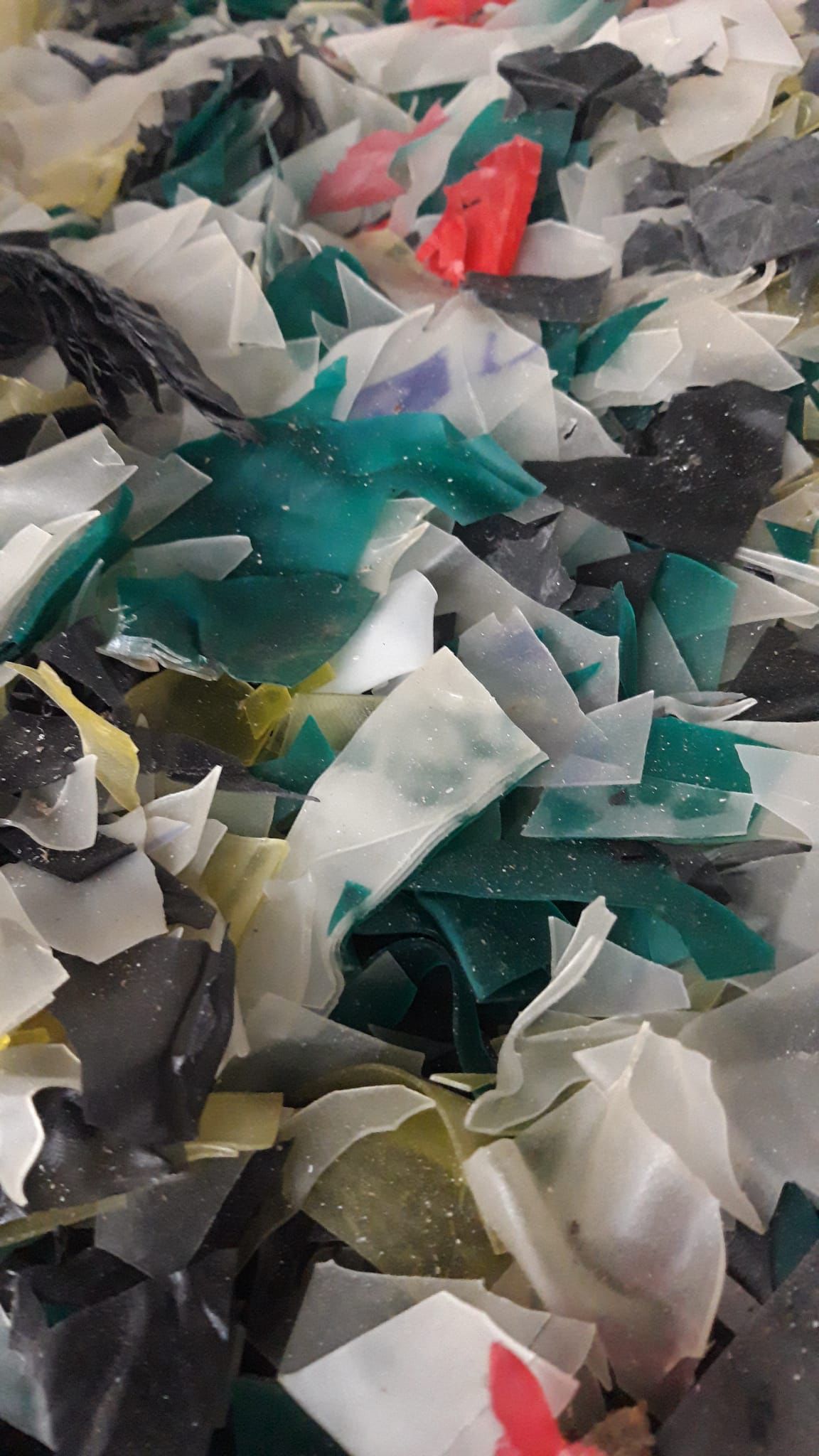
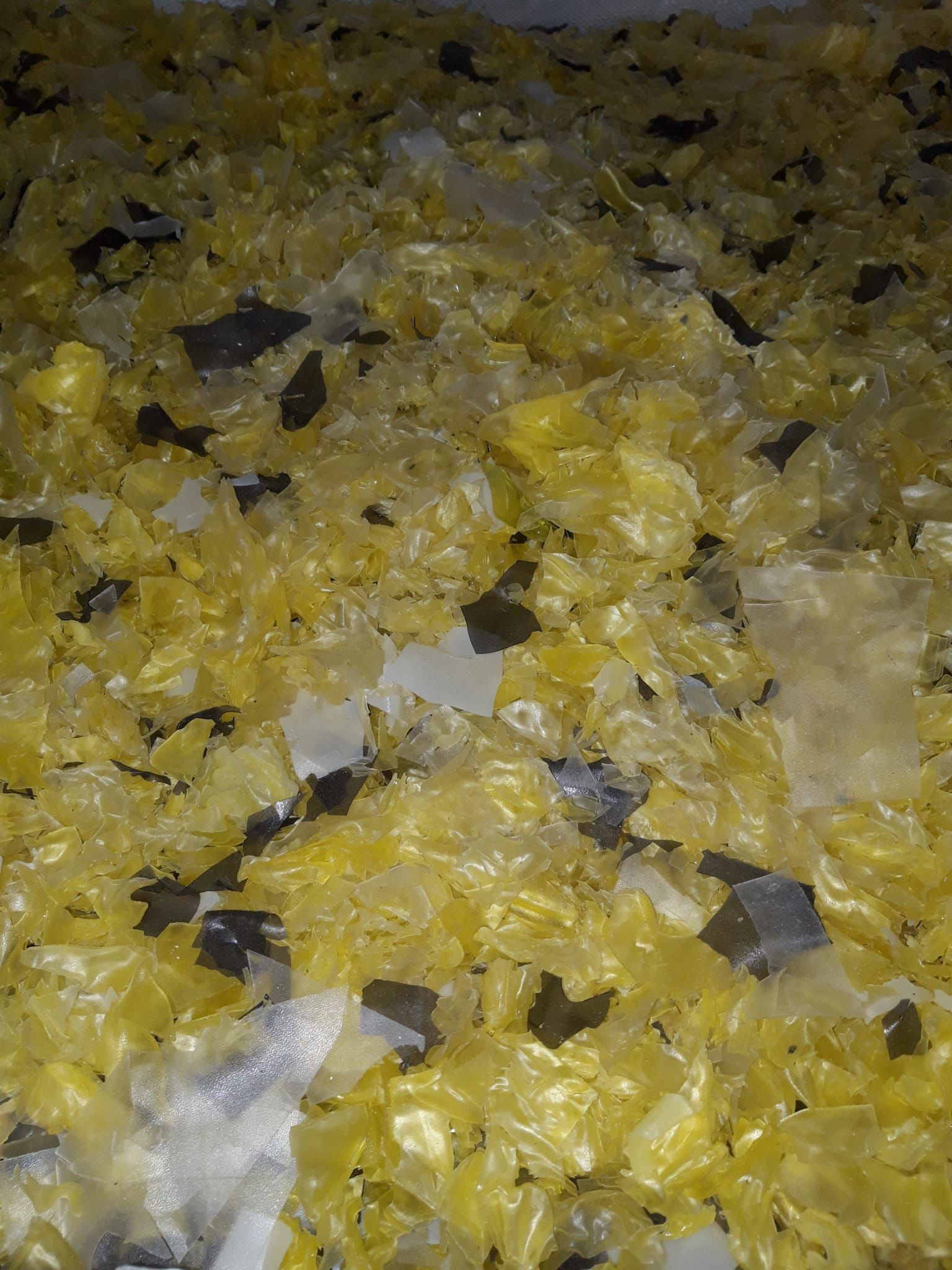
| Source | Laminated glass production edge trim, end-of-life glass | - |
| Processing | Mechanical and chemical recycling | - |
| Form | Granules / Powder | - |
| Purity | High (controlled process) | - |
| Particle Size | Controlled | - |
| Moisture Content | Controlled | - |
| Viscosity | Consistent | - |
| Color | White to light yellow | - |
| Cost Advantage | 20-40% lower | Compared to virgin PVB |
| Carbon Footprint | Low | Sustainable |
rPVB Application Advantages:
-
Cost Advantage: 20-40% lower price
-
Sustainability: Waste reduction, lower carbon footprint
-
Brand Value: Environmental approach, corporate prestige
-
Consistent Quality: Controlled recycling process
-
Less Equipment Wear: Lower volatile matter and gel particles
-
Use in Existing Lines: Same process as virgin PVB
rPVB Application Areas:
-
Printing inks (screen, flexo, gravure)
-
Adhesives (metal, wood, ceramic, textile)
-
Primers (anti-corrosive coatings)
-
Powder coatings (flow agent and binder)
-
Recycled laminated glass production
SECTION 10: FORMULATION RECIPES
Recipe A: Screen Printing Ink (Glass/Ceramic)
| Component | Virgin PVB (%) | rPVB (%) | Function |
|---|---|---|---|
| PVB Resin | 10.0 | - | Binder |
| rPVB Resin | - | 10.0 | Sustainable Binder |
| Ethyl Alcohol | 45.0 | 45.0 | Solvent |
| Ethyl Acetate | 25.0 | 25.0 | Fast-drying solvent |
| Butyl Glycol | 10.0 | 10.0 | Slow-drying, film formation |
| Plasticizer (DBP etc.) | 3.0 | 3.0 | Flexibility |
| Pigment | 7.0 | 7.0 | Colorant |
| Total | 100.0 | 100.0 | - |
| Cost Advantage | - | 20-40% Lower | - |
Recipe B: Metal Primer (Anti-Corrosive)
| Component | Virgin PVB (%) | rPVB (%) | Function |
|---|---|---|---|
| PVB Resin | 8.0 | - | Binder |
| rPVB Resin | - | 8.0 | Sustainable Binder |
| Isopropyl Alcohol (IPA) | 30.0 | 30.0 | Solvent |
| Methyl Ethyl Ketone (MEK) | 42.0 | 42.0 | Solvent |
| Zinc Phosphate | 15.0 | 15.0 | Anti-corrosive pigment |
| Talc | 3.0 | 3.0 | Filler, matting agent |
| Epoxy Resin (Crosslinker) | 2.0 | 2.0 | Chemical resistance enhancer |
| Total | 100.0 | 100.0 | - |
| Cost Advantage | - | 20-40% Lower | - |
Recipe C: Phenolic Crosslinked Coating
| Component | Virgin PVB (%) | rPVB (%) | Function |
|---|---|---|---|
| PVB Resin | 12.0 | - | Binder |
| rPVB Resin | - | 12.0 | Sustainable Binder |
| Ethanol | 50.0 | 50.0 | Solvent |
| Toluene | 30.0 | 30.0 | Solvent |
| Phenolic Resin (Crosslinker) | 5.0 | 5.0 | Crosslinker |
| Plasticizer | 3.0 | 3.0 | Flexibility |
| Total | 100.0 | 100.0 | - |
| Cost Advantage | - | 20-40% Lower | - |
SECTION 11: ALTERNATIVE MATERIALS COMPARISON
| Material | Advantages | Disadvantages vs. PVB | Application Area |
|---|---|---|---|
| EVA (Ethylene Vinyl Acetate) | Lower processing temperature, no yellowing, water resistant | Glass adhesion not as high as PVB | Solar panels, interior design |
| TPU (Thermoplastic Polyurethane) | Exceptional impact resistance and flexibility | Much more expensive | Bulletproof glass, special security |
| Ionoplast | Very high stiffness and adhesion, excellent optics | Very high cost vs. PVB | Structural glass, railings |
| Cast Resin (CIP) | Room temperature application, excellent void filling | Impact resistance not as high as PVB film | Cannot be used for automotive windshields |
SECTION 12: QUALITY SPECIFICATIONS (CLASS 2 - POWDER/GRANULE)
| Parameter | Specification | Test Method |
|---|---|---|
| Appearance | White to light yellow powder/granules | Visual |
| Assay (PVB) | ≥ 98.0% | - |
| Butyral Content | 65 - 80% | Titrimetric |
| Hydroxyl (OH) Content | 15 - 30% | Titrimetric |
| Acetate Content | 0 - 5% | Titrimetric |
| Viscosity (10% solution, 25°C) | 60 - 120 mPa·s | Brookfield |
| Volatile Matter | ≤ 1.0 - 2.0% | Gravimetric (105°C) |
| Moisture Content | ≤ 1.0% | Karl Fischer |
| Ash Content | ≤ 0.1 - 0.5% | Gravimetric (800°C) |
| Solubility | Soluble in ethanol, IPA, MEK, EtOAc | Visual |
| pH (1% Solution) | 5.0 - 7.0 | pH Meter |
| Chloride (Cl) | ≤ 0.01% | Titrimetric |
| Sulfate (SO₄) | ≤ 0.01% | Turbidimetric |
| Iron (Fe) | ≤ 0.001 - 0.005% | AAS / ICP |
| Particle Size | As per customer requirement | Sieve / Laser Diffraction |
SECTION 13: TOXICOLOGICAL PROFILE
| Parameter | Value |
|---|---|
| Acute Oral Toxicity (LD50, Rat) | > 5,000 mg/kg (low toxicity) |
| Acute Dermal Toxicity | Non-irritant |
| Acute Inhalation Toxicity | Mechanical irritation due to dust |
| Skin Irritation | Non-irritant |
| Eye Irritation | Non-irritant |
| Respiratory Irritation | Mechanical irritation due to dust |
| Chronic Toxicity | Low toxicity |
| Carcinogenicity | Not classified as carcinogenic |
| Mutagenicity | Not classified as mutagenic |
| Target Organs | Respiratory system (dust irritation) |
SECTION 14: GHS CLASSIFICATION AND LABELING
GHS Classification (Compliant with CLP and UN GHS):
| Hazard Class | Category | H-Statement |
|---|---|---|
| Generally not classified as hazardous | - | - |
Note: PVB is generally considered non-hazardous. However, powder form may cause mechanical irritation.
SECTION 15: PRECAUTIONARY STATEMENTS (P-CODES)
| Code | Statement |
|---|---|
| P261 | Avoid breathing dust/fume/gas/mist/vapors/spray |
| P264 | Wash hands thoroughly after handling |
| P271 | Use only outdoors or in a well-ventilated area |
| P280 | Wear protective gloves/protective clothing/eye protection/face protection |
| P302+P352 | IF ON SKIN: Wash with plenty of soap and water |
| P304+P340 | IF INHALED: Remove person to fresh air and keep comfortable for breathing |
| P305+P351+P338 | IF IN EYES: Rinse cautiously with water for several minutes. Remove contact lenses if present and continue rinsing |
| P312 | Call a POISON CENTER/doctor if you feel unwell |
| P332+P313 | If skin irritation occurs: Get medical advice/attention |
| P337+P313 | If eye irritation persists: Get medical advice/attention |
| P362+P364 | Take off contaminated clothing and wash it before reuse |
| P403+P233 | Store in a well-ventilated place. Keep container tightly closed |
| P501 | Dispose of contents/container in accordance with local/regional/national/international regulations |
SECTION 16: FIRST AID MEASURES
| Exposure Route | Action to Take |
|---|---|
| Inhalation | Move to fresh air immediately. Rest in a position comfortable for breathing. If symptoms persist, get medical attention. |
| Skin Contact | Wash with plenty of soap and water. Remove contaminated clothing. If skin irritation occurs, get medical advice/attention. |
| Eye Contact | Rinse immediately with plenty of water for at least 15 minutes. Keep eyelids open. Remove contact lenses if present. Continue rinsing. If eye irritation persists, get medical advice/attention. |
| Ingestion | Rinse mouth with water. Do NOT induce vomiting. Drink plenty of water. Get medical attention if symptoms occur. |
SECTION 17: FIREFIGHTING MEASURES
| Parameter | Information |
|---|---|
| Fire Hazard | Non-combustible. May decompose at high temperatures releasing toxic fumes. |
| Hazards During Fire | Thermal decomposition produces toxic fumes (CO, CO₂, NOx) |
| Suitable Extinguishers | Water fog, CO₂, dry chemical powder, foam |
| Special Protective Equipment | Self-contained breathing apparatus (SCBA), full protective clothing |
| Special Precautions | Prevent dust from entering sewers and waterways |
SECTION 18: STORAGE AND SHELF LIFE
| Parameter | Information |
|---|---|
| Storage Conditions | Store in a cool, dry, well-ventilated area; Keep away from direct sunlight and moisture; In original closed packaging |
| Container Requirements | Tightly closed, properly labeled containers |
| Materials to Protect From | Moisture, heat, direct sunlight |
| Shelf Life | 12 - 24 months (depending on manufacturer) |
| Stability Note | Stable to light and air; Protect from moisture |
SECTION 19: TRANSPORT INFORMATION
| Parameter | Information |
|---|---|
| UN Number | Not regulated (non-hazardous) |
| Hazard Class | Not applicable |
| Packing Group | Not applicable |
| ADR/RID | Not regulated |
| IMDG Code | Not regulated |
| IATA (Air) | Not regulated |
| Marine Pollutant | No |
SECTION 20: CRITICAL WARNINGS AND BEST PRACTICES
CRITICAL WARNINGS:
-
PVB dust may cause mechanical irritation if inhaled. Use appropriate dust control measures.
-
Non-combustible but may decompose at high temperatures.
-
Protect from moisture. Moisture causes turbidity and film defects in solutions.
-
Proper grade selection is critical for application success. Incorrect viscosity or acetalization degree will negatively affect performance.
-
Thin Film products do not contain plasticizers; require special processing conditions.
-
When using rPVB, slight viscosity differences between batches may occur; can be adjusted with solvent ratio.
-
Solvent-based systems must comply with VOC regulations.
-
Final product must meet relevant local optical, impact, and safety standards depending on application area (automotive, architectural).
BEST PRACTICE RECOMMENDATIONS:
-
Solution Preparation (Class 2): Powder or granule resin should be added slowly to the appropriate solvent mixture under controlled stirring. Allow sufficient dissolution and swelling time to prevent agglomeration. Keep water traces to a minimum.
-
Film Processing (Class 1): Extrusion/Calendering: 160-200°C processing range; moisture and solvent control is critical. Plasticizer: Typically formulated with 20-40% plasticizer for film performance. Lamination: Glass-interlayer-glass bonding requires autoclave at 10-14 bar pressure and 120-140°C temperature.
-
rPVB Usage: Prepare solvent mixture first; add rPVB slowly with continuous stirring. Allow 2-4 hours for complete dissolution. Protect the product from moisture after opening. For highest quality, filter the prepared solution through 10-20 micron filter.
-
Glass Lamination (Class 1): Select appropriate film thickness (50-250 µm); Use on clean, dry surfaces; Comply with safety standards for automotive and architectural applications.
-
Coatings and Inks (Class 2): Use medium viscosity grades for anti-corrosion primers; Use low viscosity grades for pigment dispersions.
-
Adhesives: Use PVB in pressure-sensitive and hot-melt adhesives; Can be modified with epoxy or isocyanate-based crosslinkers.
-
Handling: Use in well-ventilated areas; Avoid dust generation; Wear protective gloves, safety goggles, and appropriate respiratory protection.
-
Storage: Store in cool, dry, well-ventilated areas; Protect from direct sunlight and moisture; Keep in closed containers.
-
Disposal: Dispose of in accordance with local, regional, and national regulations.
RECYCLED PVB (rPVB) SPECIAL NOTES:
-
Moisture Control: Protect the product from moisture after opening. Moisture causes turbidity and film defects.
-
Viscosity Adjustment: Slight viscosity differences between rPVB batches may occur; can be easily adjusted with solvent ratio in your formulation.
-
Filtration: For highest quality, filter the prepared solution through a fine filter (10-20 microns) before use.
-
Cost Advantage: rPVB price is 20-40% lower than virgin PVB resin.
-
Sustainability: Recycling waste material reduces carbon footprint and waste disposal costs.
LEGAL DISCLAIMER:
The information provided in this document is based on our current knowledge and experience and is presented in good faith. However, as all conditions of use are beyond our control, this document does not constitute a binding specification or warranty. This Technical Data Sheet is for informational purposes only. Users are responsible for testing suitability for their own applications. For complete safety, storage, handling, transportation, waste, and regulatory compliance information, please refer to the official Safety Data Sheet (SDS/MSDS) provided by the manufacturer/supplier.