We unleash your business potential by maximize the business innovation.
Send EmailPhenol, Benzenol, Carbolic Acid, Hydroxybenzene, Phenyl Alcohol, 108‑95‑2
Phenol (C₆H₅OH) is an aromatic organic compound, also known as carbolic acid, widely used in resins, plastics, pharmaceuticals, and disinfectants. It is a benzene ring with a hydroxyl group (–OH) attached, making it the simplest member of the phenol family.
🧪 Chemical Properties
-
IUPAC name: Benzenol
-
Other names: Carbolic acid, Hydroxybenzene, Phenyl alcohol
-
CAS number: 108‑95‑2
-
Molecular formula: C₆H₆O
-
Molar mass: 94.11 g/mol
-
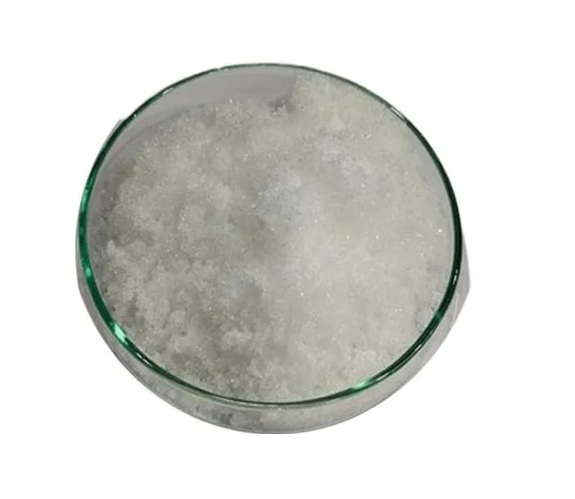
Appearance: Transparent crystalline solid
-
Odor: Sweet, tar‑like
-
Melting point: 40.5 °C
-
Boiling point: 181.7 °C
-
Density: 1.07 g/cm³
-
Solubility in water: 8.3 g/100 mL at 20 °C
🏭 Industrial Applications
-
Phenolic resins: Produced by reacting phenol with formaldehyde; used in laminates, adhesives, and coatings.
-
Plastics: Key raw material for Bakelite and other thermosetting plastics.
-
Pharmaceuticals: Used in antiseptics, mouthwashes, and as a precursor for drugs like aspirin.
-
Disinfectants: Historically used as a germicide (Joseph Lister’s surgical antiseptic).
-
Chemical intermediates: Basis for bisphenol A (BPA), caprolactam, and other industrial chemicals.
⚠️ Safety & Environmental Notes
-
Hazards: Corrosive, toxic if ingested or inhaled; causes burns on skin and eyes.
-
Handling: Requires gloves, goggles, and fume hood ventilation.
-
Environmental impact: Harmful to aquatic life; strict wastewater treatment required.
📊 Summary Table
| Property / Use | Details |
|---|---|
| CAS No | 108‑95‑2 |
| IUPAC name | Benzenol |
| Other names | Carbolic acid, Hydroxybenzene |
| Appearance | Transparent crystalline solid |
| Melting point | 40.5 °C |
| Boiling point | 181.7 °C |
| Main applications | Resins, plastics, disinfectants, pharmaceuticals |
| Safety notes | Corrosive, toxic, requires protective |
📊 Phenol – Sectoral Compliance Table (English)
| Sector / Application | Compliance & Standards | Key Uses | Risks / Notes |
|---|---|---|---|
| Chemical Industry | REACH, ISO 9001 | Bisphenol A (BPA), caprolactam, phenolic resins | Toxic and corrosive; strict workplace safety required |
| Plastics & Resins | ISO 14001, REACH | Bakelite, phenolic laminates, adhesives | VOC and formaldehyde emission control |
| Pharmaceuticals & Health | GMP, WHO guidelines | Antiseptics, precursors for drugs (e.g., aspirin) | Risk of overdose and toxicity |
| Disinfectants & Hygiene | EPA, WHO, Ministry of Health | Antiseptic solutions, disinfectants | Severe burns on skin/eyes upon contact |
| Automotive & Electronics | RoHS, UL certifications | Heat‑resistant parts, insulation materials | Electrical insulation and thermal resistance testing required |
| Furniture & Construction | ISO 14001, FSC‑compliant resins | Laminates, MDF, adhesive systems | VOC limits and indoor air quality compliance |
| Food Contact | FDA, EU 10/2011 (limited use) | Packaging resins (indirect contact only) | Not suitable for direct food contact |
⚠️ Notes
-
REACH & CLP classification: Phenol is corrosive, toxic, and environmentally hazardous.
-
Food sector: Only indirect contact applications are allowed; direct food contact is prohibited.
-
Pharmaceuticals: GMP compliance and controlled production are critical.
-
Environmental impact: Wastewater containing phenol must be treated; highly toxic to aquatic life.