We unleash your business potential by maximize the business innovation.
Send EmailPhenol, Benzenol, Carbolic Acid, Hydroxybenzene, Monohydroxybenzene, Phenyl Alcohol, 108‑95‑2
PHENOL (Benzenol, Carbolic Acid)
1. PRODUCT DEFINITION AND CHEMICAL IDENTITY
| Parameter | Description |
|---|---|
| Chemical Name (IUPAC) | Benzenol |
| Common Name | Phenol |
| Other Names | Carbolic acid, Hydroxybenzene, Phenyl alcohol, Monohydroxybenzene |
| CAS Number | 108-95-2 |
| EC Number | 203-632-7 |
| Molecular Formula | C₆H₆O (C₆H₅OH) |
| Molecular Weight | 94.11 g/mol |
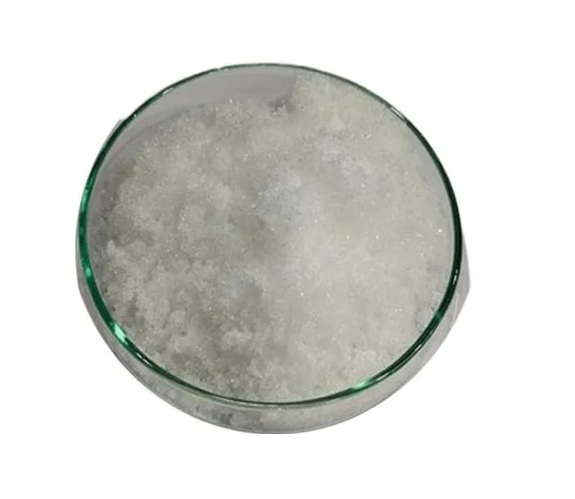
| Appearance | Colourless or white crystalline solid at room temperature; tends to turn pink on exposure to air and light |
| Odour | Sweetish, characteristic tar-like odour |
Warning: Phenol is highly corrosive and toxic. It is rapidly absorbed through the skin, can cause severe burns and systemic poisoning. Special personal protective equipment is mandatory when handling.
2. PHYSICAL AND CHEMICAL PROPERTIES
| Property | Value |
|---|---|
| Physical state | Crystalline solid (hygroscopic); liquid above 40.5 °C |
| Melting point | 40.5 °C |
| Boiling point | 181.7 °C (at 760 mmHg) |
| Flash point (closed cup) | 79 °C |
| Auto-ignition temperature | 715 °C |
| Density (solid) | 1.07 g/cm³ |
| Density (liquid at 50 °C) | 1.05 g/cm³ |
| Vapour pressure (20 °C) | 0.35 hPa (0.26 mmHg) |
| Solubility in water (20 °C) | 8.3 g/100 mL (limited; completely miscible above 66 °C) |
| Solubility (organic) | Fully miscible with ethanol, ether, chloroform, acetone, benzene, glycerol |
| pH (5% aqueous solution) | ~5–6 (weakly acidic) |
| pKa (25 °C) | 9.95 (weak acid) |
| Vapour density (air = 1) | 3.24 |
| Viscosity (50 °C) | 3.4 mPa·s |
3. FUNCTIONAL PROPERTIES
-
Resin intermediate: Reacts with formaldehyde to form phenolic resins (novolaks and resols), providing thermal resistance, adhesion, and chemical durability.
-
Chemical building block: Starting material for the production of bisphenol A (BPA), caprolactam (nylon 6), alkylphenols, salicylic acid, and many other industrial compounds.
-
Disinfectant / antiseptic: Denatures proteins and acts against bacteria and fungi; however, due to its toxicity, it has largely been replaced by safer phenol derivatives.
-
Extraction solvent: Used in the petroleum refining industry for the aromatic extraction of lubricating oils.
-
Weak acid character: Forms phenolate ions (phenoxide) in water, exhibiting mildly acidic behaviour; exploited in chemical separations and derivatisations.
4. ALTERNATIVE NAMES AND SYNONYMS
-
Phenol
-
Benzenol (IUPAC)
-
Carbolic acid (historical)
-
Hydroxybenzene
-
Phenyl alcohol
-
Monohydroxybenzene
-
Phenic acid (obsolete)
-
Hydroxy benzene
5. SECTORAL APPLICATIONS, USAGE RATES, AND EXAMPLE FORMULATIONS
| Sector | Purpose | Typical Usage / Notes |
|---|---|---|
| Phenolic Resins | Phenol + formaldehyde → novolak/resole resins; laminates, adhesives, brake pads, coatings | Phenol:formaldehyde molar ratio approx. 1:1.2–1.5 (acid catalyst for novolaks, base catalyst for resoles) |
| Plastics Industry | Bakelite and thermoset moulding compounds; BPA production (polycarbonate, epoxy resins) | Bakelite: phenol + formaldehyde + fillers; BPA: phenol:acetone 2:1 molar ratio, acid catalyst |
| Pharmaceuticals | Antiseptics, mouthwashes, intermediates for aspirin, etc. | Salicylic acid (aspirin precursor) via phenol carboxylation; antiseptic solutions 0.1–1.4% (restricted use) |
| Disinfectants | Historically as a surgical antiseptic; today phenol derivatives (cresols) are preferred | Lister's 5% phenol solution; not used in household disinfectants nowadays |
| Nylon 6 (Caprolactam) | Phenol → cyclohexanol → cyclohexanone → caprolactam | Phenol hydrogenation to cyclohexanol; caprolactam is the monomer for nylon 6 |
| Alkylphenols | Nonylphenol, dodecylphenol for surfactants and antioxidants | Produced via alkylation reactions |
| Petroleum Refining | Solvent for aromatic extraction of lubricating oils | Used in extraction columns at 50–200% ratio to oil |
Example Formulations:
-
Novolak Phenolic Resin (for moulding powder):
-
Phenol (melted): 100 parts
-
Formalin (37% formaldehyde): 75 parts (molar ratio ~0.8)
-
Acid catalyst (oxalic acid): 1–2 parts
-
Filler (wood flour): 100–200 parts
-
Hexamethylenetetramine (curing agent, added later): 10–15 parts
Water is removed during reaction; cooled, ground, and blended with curing agent.
-
-
Bisphenol A (BPA) Synthesis (simple recipe):
-
Phenol (2 mol, melted): 188 kg
-
Acetone (1 mol): 58 kg
-
Acid catalyst (anhydrous HCl): catalytic
-
Reaction at 45–60 °C, followed by neutralisation and crystallisation. Yield >95%.
-
-
Phenolic Disinfectant Solution (historical reference):
-
Phenol (crystalline): 5%
-
Water: 95%
Today largely replaced by quaternary ammonium compounds and iodophors due to toxicity and corrosivity risks.
-
6. ALTERNATIVES AND COMPARISON
| Alternative | Chemical Type | Comparison |
|---|---|---|
| Cresols (methylphenols) | Phenol derivatives (CH₃–C₆H₄OH) | Less toxic, better disinfectants; similar reactivity in resins |
| Bisphenol S/F as alternatives to BPA | Sulfone- or fluorene-based | Lower estrogenic activity compared to BPA; more expensive |
| Resorcinol (1,3-dihydroxybenzene) | Two hydroxyl groups | Higher reactivity in adhesives and resins; more expensive than phenol |
| Chlorhexidine, iodophors as disinfectants | Different chemical classes | Much less toxic than phenol, broad antimicrobial spectrum |
7. REGULATORY STATUS, SAFETY, AND ENVIRONMENT
-
GHS Classification (CLP Regulation, 1272/2008/EC):
-
Signal word: Danger
-
Hazard statements:
-
H301: Toxic if swallowed.
-
H311: Toxic in contact with skin.
-
H314: Causes severe skin burns and eye damage.
-
H331: Toxic if inhaled.
-
H411: Toxic to aquatic life with long lasting effects.
-
-
Precautionary statements (selected): P260, P264, P273, P280, P301+P310+P330, P302+P352+P310, P304+P340+P311, P305+P351+P338+P310.
-
-
Transport classification: UN 1671 (liquid/melt), UN 2312 (solid), Class 6.1 (toxic) / 8 (corrosive), Packing group II.
-
NFPA 704: Health: 3, Flammability: 2, Reactivity: 0.
-
Environmental impact: Very toxic to aquatic organisms; must not enter water, soil, or drains. Wastewater must be treated (activated carbon adsorption, biological treatment, or chemical oxidation).
-
Storage: Keep in tightly closed, light-protected containers in a cool (<30 °C), dry, well-ventilated area. Keep away from strong oxidisers, strong acids, food, and feedstuffs. If stored as solid, below 40 °C; as liquid, maintain at 50–60 °C in stainless steel or phenolic resin-lined tanks.
-
Personal protection: Full-face respirator, butyl rubber or neoprene gloves, acid-resistant clothing. In case of skin contact, remove contaminated clothing and wash the area with plenty of soap and water for at least 15 minutes; seek immediate medical attention.
8. FREQUENTLY ASKED QUESTIONS
Q1. Are phenol and carbolic acid the same?
Yes, “carbolic acid” is the historical name for phenol, dating from its use as an antiseptic. They are chemically identical.
Q2. Is phenol still used as an antiseptic today?
Direct use of pure phenol has greatly declined due to its toxicity and corrosivity, replaced by safer derivatives (e.g., chloroxylenol). It may still appear at low concentrations in some medicinal products, but is not suitable for household use.
Q3. Are special precautions required when working with phenol?
Absolutely. If splashed on skin, it is rapidly absorbed and can cause severe burns as well as systemic effects like kidney damage and cardiac arrhythmia. Full-face respirator, appropriate gloves, and protective clothing are mandatory; the work area must be well ventilated.
Q4. How should phenol be removed from water?
Even trace amounts in wastewater are hazardous. Industrial effluents must be treated by activated carbon, biological treatment, or chemical oxidation (ozone, Fenton). Collect spills with absorbent material for disposal as hazardous waste.
Q5. At what temperature does phenol liquefy?
Pure phenol melts at 40.5 °C. Therefore, in many applications, it is transported and processed as a liquid by heating. Trace heating is required to prevent crystallisation in pipes and tanks.
Q6. Can phenol-containing resins be used in food contact materials?
Phenolic resins (particularly BPA-based epoxy coatings) may be suitable for indirect food contact under specified conditions and with migration testing. Never used as a direct food additive. Must comply with relevant regulations (EU 10/2011, FDA 21 CFR).
Q7. Why does phenol turn pink over time?
Exposure to light and air causes oxidation, forming traces of quinones and other coloured oxidation products. This is an aesthetic issue and does not significantly affect quality. To prevent colour change, phenol should be stored in the dark in airtight containers.
9. QUICK REFERENCE TABLE
| Property | Value |
|---|---|
| CAS | 108-95-2 |
| Formula | C₆H₆O |
| Molecular weight | 94.11 g/mol |
| Melting point | 40.5 °C |
| Boiling point | 181.7 °C |
| Density | 1.07 g/cm³ (solid) |
| Solubility in water | 8.3 g/100 mL (20 °C) |
| Main uses | Phenolic resins, BPA, caprolactam, antiseptic |
| Hazard warning | Toxic, corrosive, harmful to the environment |