We unleash your business potential by maximize the business innovation.
Send EmailCaprolactam, Aminocaproic Lactam, 105‑60‑2
CAPROLACTAM (CAPROLACTAM / AMINOCAPROIC LACTAM)
PRODUCT IDENTIFICATION INFORMATION
| Parameter | Information |
|---|---|
| Product Name | Caprolactam / Caprolactam |
| Other Technical Names | ε-Caprolactam, Aminocaproic lactam, Azepan-2-one, Hexahydro-2H-azepin-2-one |
| CAS Number | 105-60-2 |
| EC Number | 203-313-2 |
| Chemical Formula | C₆H₁₁NO |
| Molecular Weight | 113.16 g/mol |
| IUPAC Name | Azepan-2-one |
| Product Family | Lactam |
| Appearance | White crystalline or powder |
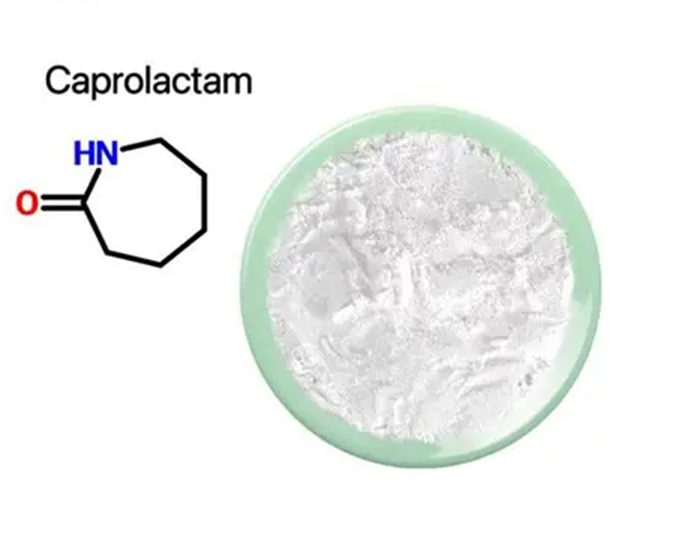
CHEMICAL STRUCTURE
    Caprolactam

    ε-Caprolactam - Azepan-2-one
    Molecular Formula: C₆H₁₁NO

         CH₂ — CH₂
        /         \
       CH₂         CH₂
        \         /
         CH₂ — C = O
             |
             NH

    Cyclic Lactam Structure
    Main Raw Material for Nylon-6 Production
    White Crystalline or Powder Form
    Soluble in Water and Organic Solvents
Molecular Formula: C₆H₁₁NO
Chemical Class: Lactam
Ring Structure: 7-Membered Ring (1 Nitrogen + 6 Carbon)
Appearance: White crystalline or powder
Melting Point: ~69°C
Boiling Point: ~270°C
SECTION 1: CHEMICAL IDENTITY AND DEFINITION
| Parameter | Information |
|---|---|
| Product Name | Caprolactam / Caprolactam |
| Other Technical Names (English) | Caprolactam, ε-Caprolactam, Aminocaproic lactam, Azepan-2-one, Hexahydro-2H-azepin-2-one, 2-Oxohexamethylenimine |
| Other Technical Names (Turkish) | Kaprolaktam, ε-Kaprolaktam, Aminokaproik Laktam |
| Other Technical Names (German) | Caprolactam, ε-Caprolactam, Azepan-2-on |
| Other Technical Names (French) | Caprolactame, ε-Caprolactame, Azépan-2-one |
| Other Technical Names (Spanish) | Caprolactama, ε-Caprolactama, Azepan-2-ona |
| CAS Number | 105-60-2 |
| EC Number | 203-313-2 |
| IUPAC Name | Azepan-2-one |
| Chemical Formula | C₆H₁₁NO |
| Molecular Weight | 113.16 g/mol |
| Chemical Class | Lactam |
| Appearance | White crystalline or powder |
| Odor | Slight characteristic |
| Color | White |
| Crystal Structure | Crystalline solid |
| Physical State | Solid (at room temperature) |
SECTION 2: PHYSICAL AND CHEMICAL PROPERTIES
| Property | Value | Test Method / Note |
|---|---|---|
| Appearance | White crystalline or powder | Visual |
| Chemical Formula | C₆H₁₁NO | - |
| Molecular Weight | 113.16 g/mol | Calculated |
| Melting Point | ~69°C | - |
| Boiling Point | ~270°C | - |
| Density | ~1.01 g/cm³ (at 70°C) | - |
| Solubility | Soluble in water; Soluble in organic solvents | - |
| Vapor Pressure | Low | - |
| pH | Neutral (when dissolved in water) | - |
| Flash Point | ~140°C | - |
| Autoignition Temperature | ~350°C | - |
SECTION 3: CHEMICAL PROPERTIES AND REACTIVITY
| Parameter | Information |
|---|---|
| Chemical Character | Lactam; Main raw material for Nylon-6 production via ring-opening polymerization |
| Stability | Stable under normal conditions; Hygroscopic (absorbs moisture) |
| Reactivity | Forms Polyamide-6 (PA6) via ring-opening polymerization; Reacts with strong acids and bases |
| Incompatible Materials | Strong acids, strong bases, oxidizing agents, moisture |
| Polymerization | ε-Caprolactam → (ring-opening) → Polyamide-6 (Nylon-6) |
| Solubility in Water | Soluble in water |
| Special Property | Key raw material for Nylon-6 production; Used in textile, automotive, plastic and packaging industries |
SECTION 4: APPLICATION AREAS
4.1 Nylon-6 Production (Main Use)
| Application | Explanation |
|---|---|
| Nylon-6 Polymerization | Caprolactam is the main raw material for Polyamide-6 (PA6) production via ring-opening polymerization. |
| Textile Yarns | PA6 is used in textile yarns, carpets and fabrics. |
| Automotive Tire Cords | Used in tire cords in the automotive industry. |
| Engineering Plastics | Used in production of durable engineering plastics. |
| Packaging Films | Used in production of food packaging and industrial packaging films. |
4.2 Cast Polyamide (PA6 G)
| Application | Explanation |
|---|---|
| Gears | Used in high-strength gear production. |
| Bearings | Used in bearing and bushing production. |
| Machine Parts | Used in high-strength machine parts. |
4.3 Resins and Adhesives
| Application | Explanation |
|---|---|
| MDF (Medium Density Fiberboard) | Used in resin formulations for MDF production. |
| Laminates | Used in laminate production. |
| Impregnated Paper | Used in paper impregnation processes. |
| Specialty Resin Formulations | Used in specialty resin and adhesive formulations. |
SECTION 5: OTHER NAMES AND SYNONYMS
| Type | Name |
|---|---|
| Turkish Names | Kaprolaktam, ε-Kaprolaktam, Aminokaproik Laktam |
| English Names | Caprolactam, ε-Caprolactam, Aminocaproic lactam, Azepan-2-one, Hexahydro-2H-azepin-2-one, 2-Oxohexamethylenimine, Capron PK4, Extrom 6N |
| German Names | Caprolactam, ε-Caprolactam, Azepan-2-on |
| French Names | Caprolactame, ε-Caprolactame, Azépan-2-one |
| Spanish Names | Caprolactama, ε-Caprolactama, Azepan-2-ona |
| Chemical Names | Hexahydro-2H-azepin-2-one; 2-Azacycloheptanone; 2-Ketohexamethylenimine |
| CAS Number | 105-60-2 |
| EC Number | 203-313-2 |
| Chemical Formula | C₆H₁₁NO |
SECTION 6: INDUSTRY SUITABILITY TABLE
| Industry / Application | Suitability & Standards | Key Uses | Risks / Points of Caution |
|---|---|---|---|
| Textile | OEKO-TEX®, REACH, ISO 9001 | Nylon-6 yarn, carpets, fabrics | Chemical residue control in dyeing and finishing |
| Automotive | IATF 16949, REACH | Tire cords, engineering plastics | High temperature and mechanical strength requirements |
| Plastics & Packaging | FDA (food contact), EU 10/2011 | Packaging films, engineering parts | Migration tests mandatory for food contact |
| Electrical & Electronics | RoHS, UL certifications | Insulation parts, connectors | Heat resistance and electrical insulation tests |
| Furniture & Construction | ISO 14001, FSC compliant resin | MDF, laminates, adhesives | Formaldehyde emission and VOC limits |
| Chemicals & Resins | ISO 9001, REACH | Impregnation resins, adhesives | Solvent and VOC control in work environment |
| Food Contact | FDA, EU food contact regulations | Packaging films | Only certified production suitable for food contact |
SECTION 7: HEALTH AND SAFETY INFORMATION
| Parameter | Information |
|---|---|
| Health Risks | May cause irritation to skin, eyes and respiratory tract; Prolonged exposure may affect liver and kidneys |
| Working Conditions | Gloves, goggles, mask and adequate ventilation required |
| Environmental Impact | Wastewater must not be released untreated; Harmful to aquatic life |
| GHS Classification | Irritant, hazardous to the environment |
| Storage | Cool, dry and well-ventilated area; Protect from moisture; In closed containers |
SECTION 8: TOXICOLOGICAL PROFILE
| Parameter | Value |
|---|---|
| Acute Oral Toxicity | Moderate toxicity (LD50 ~ 1155 mg/kg) |
| Skin Irritation | Irritant |
| Eye Irritation | Irritant |
| Inhalation | May cause respiratory tract irritation |
| Prolonged Exposure | May affect liver and kidneys |
| Carcinogenicity | Not classified as carcinogenic |
| Target Organs | Liver, kidneys, respiratory system, skin, eyes |
SECTION 9: STORAGE AND SHELF LIFE
| Parameter | Information |
|---|---|
| Storage Conditions | Cool, dry and well-ventilated area; Protect from moisture; In closed containers |
| Container Requirements | Keep in original packaging, tightly closed |
| Materials to Protect From | Moisture, oxidizing agents, acids, bases, high heat |
| Shelf Life | 1-2 years (under proper storage conditions) |
| Stability Note | Hygroscopic; Protect from moisture |
SECTION 10: PACKAGING OPTIONS
| Packaging Type | Quantity | Material |
|---|---|---|
| Bag | 25 kg | PE lined kraft / HDPE |
| Plastic Drum | 25-50 kg | HDPE |
| Bigbag | 500-1000 kg | PE lined woven polypropylene |
| Bulk | Custom quantities | Container / Tanker |
SECTION 11: TRANSPORT INFORMATION
| Parameter | Information |
|---|---|
| UN Number | 3259 (Amines, solid, corrosive, n.o.s.) or not regulated |
| Hazard Class | 8 (Corrosive) or not regulated |
| Packing Group | III |
| ADR/RID | 8, PG III (depending on classification) |
| IMDG Code | 8, PG III (depending on classification) |
| IATA (Air) | 8, PG III (depending on classification) |
| Transport Temperature | Ambient temperature; Protect from moisture |
SECTION 12: REGULATORY STATUS
| Region / Authority | Status |
|---|---|
| European Union | REACH registered; Classified as irritant and hazardous to environment |
| USA (FDA) | Suitable for food contact (under certain conditions) |
| Turkey | Industrial raw material; Subject to KKDIK regulation |
| REACH | Registered |
| CLP | Classified (Irritant, hazardous to environment) |
| RoHS | Compliant |
SECTION 13: SUMMARY TABLE
| Parameter | Value |
|---|---|
| Product | Caprolactam / Caprolactam |
| CAS Number | 105-60-2 |
| Chemical Formula | C₆H₁₁NO |
| Molecular Weight | 113.16 g/mol |
| Appearance | White crystalline or powder |
| Melting Point | ~69°C |
| Boiling Point | ~270°C |
| Main Use | Nylon-6 production |
| Other Uses | Cast polyamide, resins, adhesives |
| Shelf Life | 1-2 years |
| UN Number | 3259 (depending on classification) |
| Special Features | Key raw material for Nylon-6; Hygroscopic |
SECTION 14: CRITICAL WARNINGS AND BEST PRACTICES
CRITICAL WARNINGS:
-
Hygroscopic (absorbs moisture). Store in closed containers in dry environment.
-
May cause irritation to skin, eyes and respiratory tract. Use appropriate protective equipment.
-
Prolonged exposure may affect liver and kidneys.
-
Wastewater must not be released untreated. Harmful to aquatic life.
-
Key raw material for Nylon-6 production. Critical for textile, automotive, plastic and packaging industries.
-
Food contact only certified products from certified manufacturers should be used.
-
High temperature and mechanical strength tests are required for demanding applications.
-
Classified as irritant and hazardous to environment under REACH and CLP.
BEST PRACTICE RECOMMENDATIONS:
9. Nylon-6 Production:
Use caprolactam in ring-opening polymerization for Polyamide-6 (PA6) production. Suitable for textile yarns, carpets, automotive tire cords and engineering plastics.
10. Cast Polyamide:
Use in high-strength applications such as gears, bearings and machine parts.
11. Resins and Adhesives:
Use in MDF, laminates, impregnated paper and specialty resin formulations.
12. Storage:
Store in cool, dry and well-ventilated areas in closed containers; protect from moisture.
13. Use:
Use gloves, goggles, mask and adequate ventilation; rinse with plenty of water upon contact.
14. Waste Management:
Wastewater must not be released untreated; dispose in accordance with environmental regulations.
15. Hygiene:
Wash hands after use; do not eat, drink or smoke while using.
16. Certification:
Ensure relevant certifications for food contact, textile, automotive and electronics applications.
RECOMMENDED STORAGE CONDITIONS:
| Parameter | Requirement |
|---|---|
| Storage Temperature | 15-30°C |
| Humidity | <60% relative humidity |
| Container | Closed, sealed containers |
| Location | Cool, dry, well-ventilated area |
LEGAL DISCLAIMER:
The information provided in this document is based on our current knowledge and experience and is provided in good faith; however, since all conditions of use are beyond our control, it does not constitute a binding specification or warranty. This Technical Data Sheet is for informational purposes only. Users are responsible for testing suitability for their own applications. For complete safety, storage, use, handling, disposal and regulatory compliance information, reference should be made to the official Safety Data Sheet (SDS/MSDS) provided by the manufacturer/supplier.