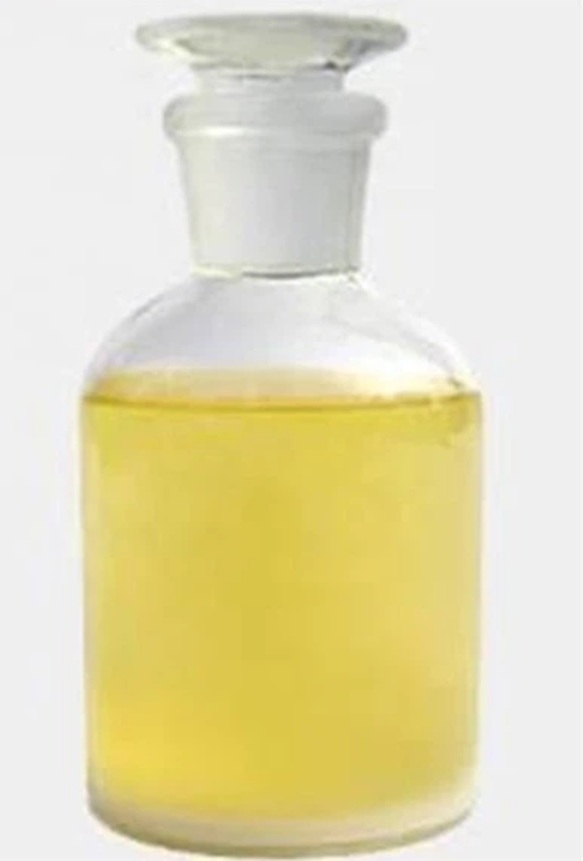
Dimethyl Phthalate, Dimethyl o-Phthalate, DMP, 131-11-3
DIMETHYL PHTHALATE (DMP)
CAS Number: 131-11-3
EC Number (EINECS): 205-011-6
Molecular Formula: C₁₀H₁₀O₄
Molecular Weight: 194.19 g/mol
REACH Status: Registered
SECTION 1: PRODUCT IDENTIFICATION AND CHEMICAL IDENTITY
| Parameter |
Description |
| Chemical Name (IUPAC) |
Dimethyl benzene-1,2-dicarboxylate |
| Other Names |
Dimethyl Phthalate, DMP, Dimethyl o-Phthalate, 1,2-Benzenedicarboxylic acid dimethyl ester, Phthalic acid dimethyl ester, o-Phthalic acid dimethyl ester |
| CAS Number |
131-11-3 |
| EC Number (EINECS) |
205-011-6 |
| Molecular Formula |
C₁₀H₁₀O₄ |
| Molecular Weight |
194.19 g/mol |
| Chemical Class |
Phthalate ester (diester of phthalic acid) |
| Structure |
C₆H₄(COOCH₃)₂ (benzene ring with two ester groups at ortho position) |
| Appearance |
Colorless, clear liquid |
| Odor |
Slightly sweet, mild aromatic odor |
| Purity (GC) |
≥ 99.5% |
SECTION 2: PHYSICAL AND CHEMICAL PROPERTIES
| Property |
Value |
| Molecular Formula |
C₁₀H₁₀O₄ |
| Molecular Weight |
194.19 g/mol |
| Appearance |
Colorless, clear liquid |
| Odor |
Slightly sweet, mild |
| Boiling Point |
~282 °C (at 760 mmHg) |
| Melting Point |
~0 °C (34.7 °F) |
| Density (20°C) |
~1.19 g/cm³ |
| Density (25°C) |
~1.189 g/cm³ |
| Refractive Index (n²⁰D) |
~1.515 |
| Viscosity (25°C) |
~17 cP |
| Flash Point |
~146 °C (closed cup) |
| Autoignition Temperature |
~460 °C |
| Vapor Pressure (20°C) |
< 0.01 mmHg (very low) |
| pH (aqueous) |
Neutral (~7.0) |
| Solubility in Water |
~4.3 g/L (25°C) (slightly soluble) |
| LogP (octanol/water) |
1.56 (moderately hydrophobic) |
| Vapor Density (air=1) |
6.7 (heavier than air) |
| Acid Value |
≤ 0.05 mg KOH/g |
| Ester Value |
~575 mg KOH/g |
| Moisture Content |
≤ 0.15% |
| Volatile Matter |
≤ 0.5% (3 hours at 105°C) |
SECTION 3: SOLUBILITY PROFILE
| Solvent |
Solubility |
Condition |
| Water |
Slightly soluble (~4.3 g/L) |
25°C |
| Acetone |
Completely miscible |
- |
| Ethanol |
Completely miscible |
- |
| Methanol |
Completely miscible |
- |
| Benzene |
Completely miscible |
- |
| Toluene |
Completely miscible |
- |
| Xylene |
Completely miscible |
- |
| Ethyl Acetate |
Completely miscible |
- |
| Chloroform |
Completely miscible |
- |
| Mineral Oils |
Completely miscible |
- |
| Aliphatic Hydrocarbons |
Partially miscible |
- |
Critical Note: DMP has low water solubility (4.3 g/L) but is completely miscible with most organic solvents. Its moderate LogP (1.56) indicates balanced hydrophilic/lipophilic character.
SECTION 4: CHEMICAL PROPERTIES AND REACTIONS
| Property |
Description |
| Chemical Class |
Phthalate diester (aromatic ester) |
| Functional Groups |
Two ester groups (-COOCH₃) attached to benzene ring |
| Reactivity |
Low under normal conditions; undergoes typical ester reactions |
| Hydrolysis (Acidic) |
Hydrolyzes to phthalic acid and methanol under acidic conditions |
| Hydrolysis (Basic) |
Hydrolyzes to phthalate salts and methanol under basic conditions (saponification) |
| Transesterification |
Reacts with other alcohols in presence of acid/base catalysts |
| Thermal Decomposition |
> 300°C releases phthalic anhydride, methanol, CO, CO₂ |
| Oxidation |
Combustible; reacts with strong oxidizers |
4.1. Stability
| Parameter |
Information |
| Thermal Stability |
Stable under normal conditions (up to ~282°C) |
| Polymerization |
Does not polymerize |
| Incompatibilities |
Strong oxidizers, strong acids, strong bases (at elevated temperatures) |
| Corrosivity |
Non-corrosive to most metals |
| Decomposition Products |
Phthalic anhydride, methanol, CO, CO₂ |
SECTION 5: SPECTRAL DATA
| Parameter |
Value |
| FTIR (KBr, cm⁻¹) |
3070 (C-H aromatic), 2950 (C-H aliphatic), 1725 (C=O ester), 1600 (C=C aromatic), 1280 (C-O ester), 1120 (C-O-C) |
| ¹H-NMR (CDCl₃, ppm) |
7.70 (dd, 2H, aromatic H-3,6), 7.50 (dd, 2H, aromatic H-4,5), 3.85 (s, 6H, CH₃) |
| ¹³C-NMR (CDCl₃, ppm) |
167.5 (C=O), 132.0 (aromatic C-1,2), 131.5 (aromatic C-3,6), 128.5 (aromatic C-4,5), 52.0 (CH₃) |
| UV (λmax, MeOH) |
277 nm, 285 nm |
| Mass Spectrometry (EI-MS) |
194 [M]⁺, 163 [M-OCH₃]⁺, 149 [phthalic anhydride]⁺ |
SECTION 6: PURITY AND QUALITY SPECIFICATIONS
| Parameter |
Standard Grade |
High Purity Grade |
| Purity (GC) |
≥ 99.0% |
≥ 99.5% |
| Color (APHA) |
≤ 10 |
≤ 5 |
| Acid Value (mg KOH/g) |
≤ 0.05 |
≤ 0.02 |
| Ester Value (mg KOH/g) |
575 - 585 |
576 - 582 |
| Moisture (Karl Fischer) |
≤ 0.15% |
≤ 0.05% |
| Density (20°C) |
1.188 - 1.192 g/cm³ |
1.189 - 1.191 g/cm³ |
| Refractive Index (n²⁰D) |
1.514 - 1.516 |
1.515 - 1.516 |
| Ash Content |
≤ 0.01% |
≤ 0.005% |
| Volatile Matter |
≤ 0.5% |
≤ 0.3% |
| Appearance |
Clear, colorless |
Clear, colorless |
| Odor |
Mild, characteristic |
Mild, characteristic |
SECTION 7: MAJOR APPLICATIONS AND END-USES
7.1. Personal Care and Cosmetics
| Application |
Function |
Suitability |
| Fragrances / Perfumes |
Fixative, enhances longevity of fragrance |
High |
| Nail Polish |
Solvent, film-forming additive |
High |
| Hair Sprays |
Plasticizer, formulation stabilizer |
High |
| Personal Care Products |
Solvent and carrier (deodorants, lotions, creams) |
Regulated |
| Sunscreens |
Solvent for UV filters |
Moderate |
7.2. Plastics and Polymers
| Application |
Function |
Suitability |
| Cellulose Acetate |
Plasticizer for acetate films and fibers |
High |
| Cellulose Nitrate |
Plasticizer, compatibility enhancer |
High |
| Polyvinyl Acetate (PVAc) |
Plasticizer, improves flexibility |
High |
| Synthetic Resins |
Plasticizer, low migration additive |
Limited |
| Polymethyl Methacrylate (PMMA) |
Plasticizer, optical clarity enhancer |
Limited |
| PVC (Polyvinyl Chloride) |
Plasticizer (limited, mainly for PVC plastisols) |
Limited |
| Rubber Industry |
Plasticizer for synthetic rubber |
High |
7.3. Coatings and Inks
| Application |
Function |
Suitability |
| Varnishes |
Solvent, plasticizer, resin compatibilizer |
High |
| Lacquers |
Solvent, plasticizer, film flexibility enhancer |
High |
| Industrial Paints |
Solvent, viscosity modifier |
High |
| Printing Inks |
Carrier solvent, plasticizer |
High |
| Wood Finishes |
Plasticizer, flow and leveling agent |
High |
7.4. Adhesives and Sealants
| Application |
Function |
Suitability |
| Epoxy Adhesives |
Plasticizer, flexibility enhancer |
High |
| PVC Adhesives |
Plasticizer, viscosity modifier |
High |
| Contact Adhesives |
Tackifier, flexibility |
High |
| Hot Melt Adhesives |
Plasticizer, viscosity reducer |
Limited |
7.5. Insect Repellents
| Application |
Function |
Suitability |
| Mosquito Repellents |
Active ingredient in repellent formulations |
High |
| Insect Repellents |
Active ingredient (often combined with DEET) |
High |
| Animal Repellents |
Active ingredient for pest control |
Moderate |
7.6. Pharmaceutical and Medical
| Application |
Function |
Suitability |
| Tablet Coatings |
Plasticizer for film coatings |
Grade-dependent |
| Capsule Production |
Reduces brittleness in gelatin capsules |
Grade-dependent |
| Controlled Release Formulations |
Modulates active ingredient release |
Limited |
| Solvent |
Stabilizer in some liquid formulations |
Regulated |
7.7. Agricultural Chemicals
| Application |
Function |
Suitability |
| Pesticide Formulations |
Solvent and carrier |
Environmentally restricted |
| Fungicide Formulations |
Solvent and carrier |
Restricted |
| Liquid Fertilizers |
Enhances homogeneous distribution |
Limited |
| Emulsifier Additive |
Facilitates oil-water mixing |
Limited |
7.8. Industrial and Specialty Chemicals
| Application |
Function |
Suitability |
| Catalyst Carrier |
In organic peroxide formulations |
High |
| Organic Peroxides |
Additive in peroxide formulations |
High |
| Gas Chromatography |
Stationary phase liquid |
High |
| Dielectric Fluids |
Component in specialty fluids |
Moderate |
| Lubricant Additives |
Reduces friction in rubber/plastic processing |
Moderate |
| Textile Auxiliaries |
Carrier in dyeing processes |
Moderate |
7.9. Packaging and Films
| Application |
Function |
Suitability |
| Flexible Films |
Plasticizer for cellulose acetate films |
Non-food |
| Protective Coatings |
Solvent and stabilizer |
Industrial |
| Blister Packaging |
Optical clarity enhancer |
Limited |
| Industrial Packaging |
Viscosity modifier |
High |
SECTION 8: DERIVATIVES AND BY-PRODUCTS
| Compound |
Description |
| Phthalic Anhydride |
Hydrolysis product, precursor for other phthalates |
| Phthalic Acid |
Hydrolysis product |
| Monomethyl Phthalate (MMP) |
Partial hydrolysis product, metabolite |
| Methanol |
Hydrolysis by-product |
| Other Phthalates (DEP, DBP, DOP) |
Produced by transesterification |
SECTION 9: COMPARISON OF COMMON PHTHALATES
| Property |
DMP (Dimethyl) |
DEP (Diethyl) |
DBP (Dibutyl) |
DEHP/DOP (Diethylhexyl) |
DIDP (Diisodecyl) |
| Molecular Formula |
C₁₀H₁₀O₄ |
C₁₂H₁₄O₄ |
C₁₆H₂₂O₄ |
C₂₄H₃₈O₄ |
C₂₈H₄₆O₄ |
| Molecular Weight |
194 g/mol |
222 g/mol |
278 g/mol |
390 g/mol |
446 g/mol |
| Boiling Point |
282 °C |
298 °C |
340 °C |
385 °C |
>400 °C |
| Volatility |
High |
Moderate |
Low |
Very low |
Very low |
| Water Solubility |
Slightly soluble (4.3 g/L) |
Slight (1.1 g/L) |
Insoluble |
Insoluble |
Insoluble |
| LogP |
1.56 |
2.47 |
4.45 |
7.50 |
9.37 |
| Main Use |
Insect repellent, cellulose acetate, specialty polymers |
Cosmetics, perfume fixative, cellulose acetate |
PVC, adhesives, rubber, lacquers |
PVC, vinyl, cable coatings, flooring |
Cables, automotive, durable PVC |
| Toxicological Status |
Relatively low toxicity |
Low toxicity |
Endocrine disruptor concern |
Environmental concerns, restricted |
Safer alternative, low migration |
| Usage Share (per 100 units) |
8% |
12% |
15% |
40% |
25% |
SECTION 10: PRODUCTION METHODS AND RAW MATERIALS
10.1. Main Production Methods
| Method |
Description |
| Direct Esterification |
Phthalic anhydride + 2 Methanol (excess) → Dimethyl phthalate + Water (acid-catalyzed, most common) |
| Transesterification |
Reaction of phthalic acid esters with methanol |
10.2. Raw Materials
| Raw Material |
Role |
| Phthalic Anhydride |
Main precursor (from o-xylene or naphthalene oxidation) |
| Methanol |
Alcohol component (excess for esterification) |
| Acid Catalyst |
Sulfuric acid, p-toluenesulfonic acid (esterification catalyst) |
| Neutralizing Agent |
Sodium carbonate, caustic soda |
SECTION 11: INDUSTRY SUITABILITY MATRIX
| Industry |
Application |
Suitability |
| Cosmetics & Personal Care |
Fragrance fixative, solvent, plasticizer |
High |
| Plastics & Polymers |
Plasticizer (cellulose acetate, PVAc, rubber) |
High |
| Insect Repellents |
Active ingredient |
High |
| Coatings & Paints |
Solvent, plasticizer, viscosity modifier |
High |
| Adhesives & Sealants |
Plasticizer, flexibility enhancer |
High |
| Printing Inks |
Carrier solvent, plasticizer |
High |
| Pharmaceuticals |
Tablet coating plasticizer |
Grade-dependent |
| Agriculture |
Pesticide solvent, carrier |
Environmentally restricted |
| Packaging |
Plasticizer for films |
Non-food only |
| Household & Cleaning |
Solvent, stabilizer, fragrance fixative |
High |
| Food Contact |
Prohibited (not food-grade) |
Not Suitable |
| Direct Water Treatment |
Not applicable |
Not Suitable |
SECTION 12: TOXICOLOGY AND HEALTH EFFECTS
| Parameter |
Value / Description |
| GHS Classification |
Not classified as hazardous (in many jurisdictions), but phthalates are subject to regulatory scrutiny |
| Oral LD50 (Rat) |
~5,000 - 10,000 mg/kg (low acute toxicity) |
| Dermal LD50 (Rabbit) |
> 5,000 mg/kg |
| Inhalation LC50 (Rat) |
> 5 mg/L (4 hours) |
| Skin Irritation |
Mild or not irritating |
| Eye Irritation |
Mild irritating |
| Skin Sensitization |
Not sensitizing |
| Endocrine Disruption |
Limited evidence; less potent than other phthalates (DBP, DEHP) |
| Mutagenicity |
Negative (Ames test, in vitro studies) |
| Carcinogenicity |
Not classified (IARC Group 3: not classifiable) |
| Reproductive Toxicity |
Lower concern compared to high molecular weight phthalates |
| Target Organs |
Liver, kidneys (in high dose animal studies) |
12.1. Regulatory Status
| Regulation |
Status |
| EU REACH |
Registered; not on SVHC list |
| EU Cosmetic Directive |
Allowed in cosmetics (concentration restrictions may apply) |
| EU Toys Directive |
Restricted in toys and childcare articles |
| FDA (USA) |
Not approved for food contact (indirect food additive) |
| California Prop 65 |
Not listed |
| EPA (USA) |
Listed; subject to reporting |
SECTION 13: ECOTOXICOLOGY AND ENVIRONMENTAL BEHAVIOR
| Parameter |
Value / Description |
| Fish Toxicity (LC50, 96 hours) |
~100 - 200 mg/L (various fish species) |
| Daphnia Toxicity (EC50, 48 hours) |
~50 - 150 mg/L |
| Algae Toxicity (EC50, 72 hours) |
~50 - 150 mg/L |
| Bacteria Toxicity (EC50) |
> 1,000 mg/L |
| Bioaccumulation Factor (BCF) |
Low (LogP = 1.56, BCF < 100) |
| Biodegradability |
Readily biodegradable (OECD 301, ≥ 60%, 28 days) |
| Hydrolysis |
Slow hydrolysis under environmental conditions (half-life: years) |
| Photodegradation |
Reacts with hydroxyl radicals in atmosphere (half-life: ~1 day) |
| Soil Mobility |
Moderate mobility (Koc ~ 100-500) |
| Bioaccumulation Potential |
Low (LogP < 3) |
| Persistence |
Low (readily biodegradable but hydrolytically stable) |
| Water Hazard Class (WGK Germany) |
WGK 1 (slight hazard to water) |
Ecotoxicological Summary: DMP has moderate aquatic toxicity (LC₅₀/EC₅₀ 50-200 mg/L). It is readily biodegradable (OECD 301) and has low bioaccumulation potential (LogP = 1.56). However, as a phthalate ester, environmental persistence and potential endocrine effects require proper handling and waste management. Classified as WGK 1 (slight hazard to water).
SECTION 14: SAFETY MEASURES AND PERSONAL PROTECTIVE EQUIPMENT
| Parameter |
Information |
| Respiratory Protection |
Not normally required in well-ventilated areas; use organic vapor cartridge at elevated concentrations |
| Gloves |
Chemically resistant (nitrile, butyl rubber, neoprene) |
| Eye Protection |
Chemical safety goggles |
| Body Protection |
Chemical apron (for bulk handling) |
| Ventilation |
General ventilation sufficient; local exhaust at process points |
| Engineering Controls |
Closed systems when possible |
SECTION 14.5: STORAGE INFORMATION
| Parameter |
Information |
| Storage Conditions |
Cool, dry, well-ventilated area |
| Temperature |
Room temperature (15-30°C); avoid excessive heat |
| Container |
HDPE drums, metal drums, IBC tanks, flexitanks, ISO tanks |
| Materials to Avoid |
Strong oxidizers, strong acids, strong bases (at elevated temperature) |
| Shelf Life |
24 months (under recommended storage conditions) |
| Special Notes |
Protect from moisture to prevent hydrolysis; keep away from ignition sources |
SECTION 15: TRANSPORT AND PACKAGING
15.1. Packaging Options
| Packaging Type |
Capacity |
| HDPE / Metal Drum |
230 kg |
| IBC Tank |
1,180 kg |
| Flexitank |
22 - 24 MT |
| ISO Tank Container |
22 - 24 MT |
15.2. Transport Information
| Parameter |
Information |
| UN Number |
Not regulated (not classified as dangerous goods) |
| Hazard Class |
Not applicable |
| Packing Group |
Not applicable |
| Proper Shipping Name |
Dimethyl Phthalate |
| ADR/RID |
Not regulated |
| IMDG Code |
Not regulated |
| IATA (Air) |
Not regulated |
| Marine Pollutant |
No |
| Transport Notes |
Keep away from heat; prevent leakage |
SECTION 16: FIRE-FIGHTING MEASURES
| Parameter |
Information |
| Fire Hazard |
Combustible liquid (flash point 146°C); not readily flammable |
| Extinguishing Media |
Water fog, foam, CO₂, dry chemical |
| Special Hazards |
When heated > 300°C, releases phthalic anhydride, methanol, CO, CO₂ |
| Decomposition Products |
Phthalic anhydride, methanol, CO, CO₂ |
| Protective Equipment |
Self-contained breathing apparatus (SCBA), full protective clothing |
| Explosion Risk |
None; vapor/air mixtures not explosive |
| Water Use |
Avoid excessive water; prevent runoff entering drains |
SECTION 17: ACCIDENTAL RELEASE AND CLEANUP
| Parameter |
Information |
| Personal Protection |
Gloves, safety goggles, protective clothing (if bulk spill) |
| Ventilation |
Increase ventilation |
| Control |
Stop source; contain spill with absorbent materials |
| Cleanup Methods |
Soak up with absorbent material (sand, earth, vermiculite); collect in sealed containers |
| Environmental Precautions |
Prevent entry into drains, sewers, and water bodies (low water solubility, but still a potential pollutant) |
| Waste Disposal |
According to local regulations; incineration (hazardous waste) |
SECTION 18: FIRST AID MEASURES
| Exposure Route |
Action |
| Inhalation |
Move person to fresh air. If breathing difficulty, administer oxygen. Seek medical attention if symptoms persist. |
| Skin Contact |
Wash with soap and plenty of water. Remove contaminated clothing. |
| Eye Contact |
Rinse with plenty of water for at least 15 minutes. Seek medical attention if irritation persists. |
| Ingestion |
Do NOT induce vomiting. Rinse mouth with water. Drink plenty of water. Seek medical attention immediately. |
SECTION 19: REGULATORY INFORMATION
| Region / Authority |
Status |
| EU REACH (EC 1907/2006) |
Registered |
| Turkey KKDİK |
Registration required |
| USA TSCA |
Listed |
| USA FDA |
Not approved for food contact; food additive indirect |
| EU Cosmetics Regulation |
Allowed (with restrictions) |
| EU Toy Directive 2009/48/EC |
Restricted in toys |
| Japan (ENCS) |
Listed |
| China (IECSC) |
Listed |
| Korea (KECL) |
Listed |
| Australia (AICS) |
Listed |
| Canada (DSL) |
Listed |
| GHS Classification |
Not classified as hazardous (varies by jurisdiction) |
SECTION 20: SUMMARY AND CRITICAL WARNINGS
Basic Properties
| Property |
Value |
| Appearance |
Colorless, clear liquid |
| Odor |
Slightly sweet, mild |
| CAS |
131-11-3 |
| Formula |
C₁₀H₁₀O₄ |
| Molecular Weight |
194.19 g/mol |
| Boiling Point |
282 °C |
| Melting Point |
~0 °C |
| Water Solubility |
4.3 g/L (slightly soluble) |
| LogP |
1.56 |
| Flash Point |
146 °C |
| Primary Use |
Insect repellent, plasticizer for cellulose acetate, solvent, fragrance fixative |
CRITICAL WARNINGS
-
Phthalate Regulatory Scrutiny: DMP is a phthalate ester and subject to regulatory oversight. While less restricted than high molecular weight phthalates (DEHP, DBP), it is still regulated in toys, cosmetics, and food contact applications.
-
Environmental Concerns: As a phthalate, DMP can have environmental impacts despite being readily biodegradable. Disposal must comply with local environmental regulations. Classified as WGK 1 (slight hazard to water).
-
Endocrine Disruption: DMP has lower endocrine disruption potential compared to other phthalates (DBP, DEHP, BBP). However, as a phthalate, it is subject to ongoing toxicological review.
-
Not Food Grade: DMP is not approved for direct food contact applications. Use only in non-food industrial and consumer applications.
-
Low Toxicity: DMP has relatively low acute toxicity (LD₅₀ > 5,000 mg/kg) but handling with appropriate PPE is still recommended.
-
Storage: Protect from moisture (hydrolysis risk) and strong oxidizers. Store in well-ventilated areas away from heat and ignition sources.
-
Sustainability: DMP is derived from fossil-based feedstocks (phthalic anhydride from o-xylene/naphthalene). Bio-based alternatives are under development.
-
Cosmetics Use: DMP is allowed in cosmetics as a fragrance fixative and solvent. However, concentration limits may apply depending on the region.
IMPORTANT DISCLAIMER: This Technical Data Sheet (TDS) is for informational purposes only and is based on available scientific data. The user is solely responsible for determining the product's suitability for their specific application and for complying with all applicable local, national, and international regulations. For complete safety, storage, handling, transportation, disposal, and regulatory compliance information, always refer to the official Safety Data Sheet (SDS/MSDS) provided by the manufacturer/supplier. Users are responsible for testing the product in their own processes and applications. All local, national, and international regulations must be followed when working with DMP.