We unleash your business potential by maximize the business innovation.
Send EmailCetyl Stearyl Alcohol, Cetearyl Alcohol, Cetostearyl Alcohol, C16-18 Alcohol, 67762-27-0, 8005-44-5, 67762-30-5
CETEARYL ALCOHOL (CETOSTEARYL ALCOHOL)
SECTION 1: PRODUCT IDENTITY AND CHEMICAL IDENTIFICATION
| Parameter | Information |
|---|---|
| Product Name | Cetearyl Alcohol |
| Chemical Name (IUPAC) | Hexadecan-1-ol; octadecan-1-ol (mixture) |
| Common Name (INCI) | Cetearyl Alcohol |
| Other Names | Cetostearyl Alcohol, Cetyl Stearyl Alcohol, Setostearyl Alcohol, Alcohols (C16-18), Cetyl/stearyl alcohol |
| Chemical Class | Fatty alcohols (mixture) |
| Main Components | Cetyl Alcohol (C₁₆H₃₄O) and Stearyl Alcohol (C₁₈H₃₈O) |
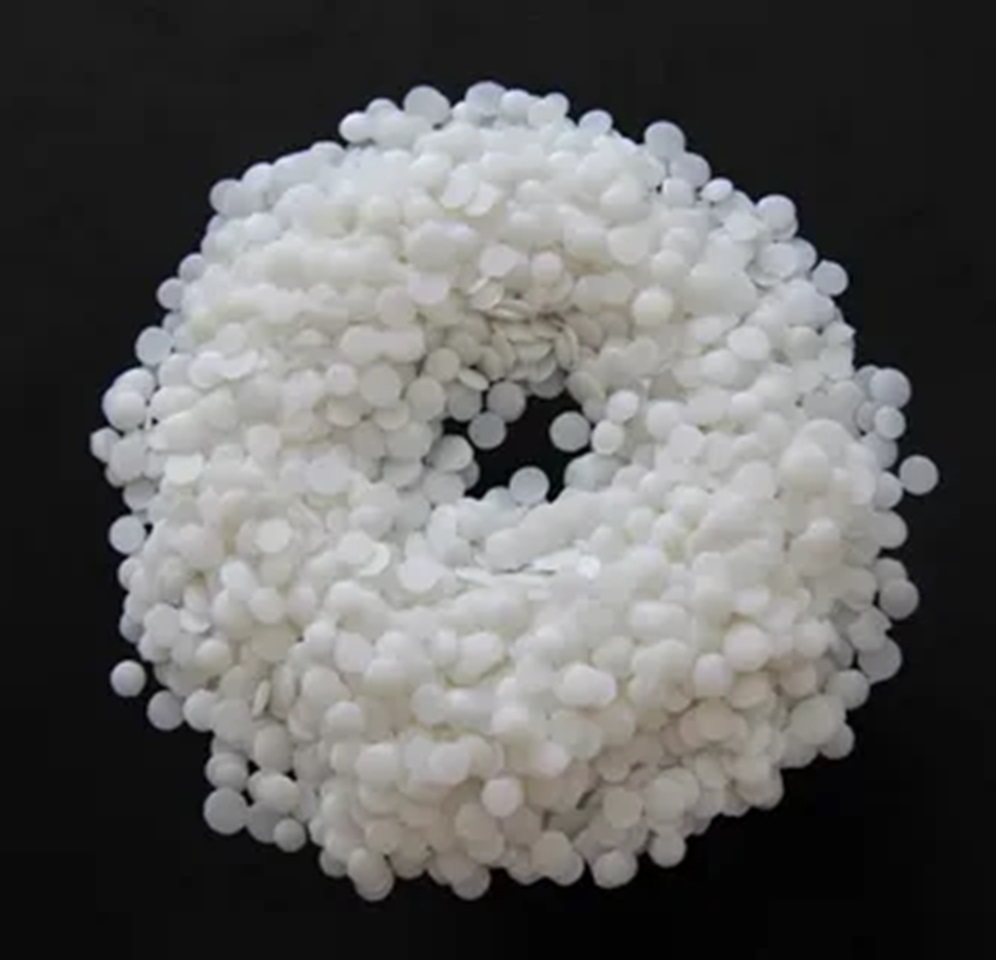
| Appearance | White, waxy flakes, pastilles or solid mass |
| Odor | Slight, characteristic fatty alcohol odor |
| Physical State (20-25°C) | Solid (waxy) |
| Source | Natural (coconut oil, palm oil) or synthetic |
SECTION 2: CHEMICAL STRUCTURE
Structure Description:
    CH₃—(CH₂)₁₄—CH₂—OH      (Cetyl Alcohol - C16)
    CH₃—(CH₂)₁₆—CH₂—OH      (Stearyl Alcohol - C18)

    Cetearyl Alcohol
    Mixture of C16 and C18 fatty alcohols
    (Typically ~30-70% Cetyl / 30-70% Stearyl)
Simplified Structure:
    C16H33OH + C18H37OH

    Cetearyl Alcohol
    (Saturated primary fatty alcohol mixture)
| Parameter | Description |
|---|---|
| Molecular Formula (Representative) | C₃₄H₇₂O₂ |
| Molecular Weight (Representative) | ~512.94 g/mol |
| Carbon Chain Length | 16 and 18 carbons (mixture) |
| Chain Type | Saturated (single bonds) |
| Functional Group | Primary hydroxyl (-OH) |
| Structure | Linear (straight chain) |
| Hydrophilic Part | Terminal hydroxyl groups (-OH) |
| Lipophilic Part | Long hydrocarbon chains |
| Amphiphilic Character | Yes (both hydrophilic and lipophilic) |
SECTION 3: CAS NUMBER REFERENCE TABLE
| CAS Number | EC Number | Description / Scope |
|---|---|---|
| 67762-27-0 | 267-008-6 | Most commonly used CAS number. Identifies C16-18 fatty alcohol mixture (Cetearyl Alcohol / Cetostearyl Alcohol). Listed as primary identifier by PubChem and ECHA. |
| 8005-44-5 | — | Another valid CAS number frequently used for Cetearyl Alcohol. Listed as primary identifier with 67762-27-0 in PubChem. No official EC counterpart. |
| 67762-30-5 | 267-009-1 | Valid CAS number identifying C14-18 fatty alcohol range. Used commercially for Cetearyl Alcohol products. |
Important Notes:
-
267-008-6 EC number belongs to 67762-27-0 CAS number.
-
267-009-1 EC number belongs to 67762-30-5 CAS number.
-
All three CAS numbers are valid and accepted identifiers for Cetearyl Alcohol.
SECTION 4: PHYSICAL AND CHEMICAL PROPERTIES
| Property | Value / Description | Test Method / Note |
|---|---|---|
| Appearance | White, waxy flakes, pastilles or solid mass | Visual |
| Color | White to very pale yellow | Visual |
| Odor | Slight, characteristic fatty alcohol odor | Olfactometric |
| Melting Point | 48 – 56 °C (varies by C16:C18 ratio) | DSC / Capillary |
| Boiling Point | ~249 °C | - |
| Flash Point | ~132.85 °C | ASTM D93 |
| Density | ~0.842 g/cm³ | ASTM D4052 |
| Water Solubility | Insoluble | General Method |
| Ethanol Solubility | Partially soluble | General Method |
| Ether, Oils, Esters | Soluble | General Method |
| Refractive Index | ~1.46 | ASTM D1218 |
| HLB Value | ~15.5 | - |
| Acid Value | ≤0.5 mg KOH/g | Titrimetric |
| Iodine Value | ≤1.0 g I₂/100g | Titrimetric |
| Saponification Value | ≤2.0 mg KOH/g | Titrimetric |
| Hydroxyl Value | 210 – 235 mg KOH/g | Titrimetric |
| Ash Content | ≤0.1% | Gravimetric |
| Stability | Highly resistant to oxidation; stable under normal storage | - |
SECTION 5: PRODUCT TYPES AND COMPARISON TABLE
Final consistency and sensory feel are determined by the ratio of Cetyl (C16) and Stearyl (C18) alcohols.
| Type (Cetyl:Stearyl) | Composition | Characteristic Properties | Preferred Applications |
|---|---|---|---|
| 30:70 Type | 30% Cetyl (C16), 70% Stearyl (C18) | Harder, denser and more stable emulsions. Stronger thickening and stabilizing effect due to higher stearyl alcohol content. Higher melting point. | Rich night creams, protective hand creams, ointment bases, solid sticks (deodorant sticks, lip balms). Preferred in formulations requiring high stability and no phase separation. |
| 50:50 Type | 50% Cetyl, 50% Stearyl | Homogeneous distribution due to balanced crystal structure. Ideal average between softness of cetyl alcohol and hardness of stearyl alcohol. Most commonly used and considered "standard" type. | Moisturizing creams and lotions, body milks, hair conditioners and masks, shampoos, sunscreens. Suitable for both O/W and W/O emulsions. |
| 70:30 Type | 70% Cetyl, 30% Stearyl | Softer, creamier and velvety texture feel. Moisturizing and softening effect is more dominant due to high cetyl alcohol content. Provides sufficient softening to be used as hair conditioner active ingredient alone. | Hair conditioners and treatment masks (where softening effect is primary), soothing creams for sensitive skin, lip balms, serums. |
SECTION 6: FUNCTIONAL PROPERTIES
| Property | Description |
|---|---|
| Co-emulsifier and Emulsion Stabilizer | Non-ionic co-emulsifier. Strengthens the interfacial film formed by the primary emulsifier, preventing droplet coalescence and providing long-term emulsion stability. Effective in both O/W and W/O systems. |
| Thickener / Viscosity Modifier | Forms a three-dimensional crystalline gel network (lamellar phases) within the formulation, trapping emulsion droplets and increasing viscosity. Provides rich, creamy texture; ensures easy spreadability and a luxurious, lasting feel on the skin. |
| Emollient | Forms a thin, protective, lipophilic film on skin and hair surfaces. This film reduces transepidermal water loss (TEWL), providing moisturization, softness, and a smooth, non-greasy skin feel. |
| Opacifier | Imparts a desirable matte, creamy and opaque appearance to liquid or gel-based formulations, enhancing visual aesthetics. |
| Structuring Agent | Provides structural integrity and hardness in solid and semi-solid formulations (sticks, balms). |
SECTION 7: INDUSTRY APPLICATIONS AND USAGE RATES
| Product Type | Recommended Usage Rate | Notes |
|---|---|---|
| Face and Body Creams | 1 – 5% | Adjustable according to desired consistency. 50:50 type is very common here. |
| Lotions | 1 – 4% | Ideal for more fluid formulations. |
| Hair Conditioners and Masks | 2 – 8% | Provides significant softening and consistency. 70:30 or 50:50 types preferred. |
| Anhydrous Products (Balms, Sticks, Solid Shampoos) | 5 – 25% | Used to create solid structure and adjust hardness. 30:70 type is particularly suitable for these applications. |
| General Cream Formulations | 2 – 3% | Typical use level, generally sufficient to stabilize emulsion and impart pleasant texture. |
Critical Note: Cetearyl Alcohol functions as a co-emulsifier and thickener, not a primary emulsifier. It must be used together with a suitable primary emulsifier to achieve a stable emulsion.
SECTION 8: RECOMMENDED EMULSIFIER COMBINATIONS
| Formulation Goal | Recommended Emulsifier System |
|---|---|
| Natural / Organic products | Glyceryl Stearate & Cetearyl Alcohol & Sodium Stearoyl Lactylate blends or Cetearyl Glucoside & Cetearyl Alcohol blends |
| Light and fast-absorbing lotions | Sucrose Polystearate & Cetearyl Alcohol based systems |
| Products requiring high pH stability (e.g., hair straighteners) | Cetearyl Alcohol & Ceteareth-20 combinations or Cetearyl Glucoside & Cetearyl Alcohol combinations |
| Luxurious and velvety texture goal | Glyceryl Stearate & Cetearyl Alcohol & Sodium Stearoyl Lactylate based systems (liquid crystal forming types) |
| Pharmaceutical / Medical formulations | Cetearyl Alcohol & Sodium Lauryl Sulfate & Sodium Cetearyl Sulfate combinations or PEG derivative emulsifying waxes |
SECTION 9: QUALITY SPECIFICATIONS (USP/EP)
| Parameter | Specification | Test Method |
|---|---|---|
| Appearance | White, waxy flakes, pastilles or solid mass | Visual |
| Odor | Slight, characteristic fatty alcohol odor | Olfactometric |
| Melting Point | 48 – 56 °C | DSC / Capillary |
| Acid Value | ≤0.5 mg KOH/g | Titrimetric |
| Iodine Value | ≤1.0 g I₂/100g | Titrimetric |
| Saponification Value | ≤2.0 mg KOH/g | Titrimetric |
| Hydroxyl Value | 210 – 235 mg KOH/g | Titrimetric |
| Ash Content | ≤0.1% | Gravimetric |
| Heavy Metals (Pb) | ≤10 ppm | ICP-MS |
| Arsenic (As) | ≤2 ppm | ICP-MS |
| Lead (Pb) | ≤2 ppm | ICP-MS |
| Microbiological Purity | TAMC ≤10² CFU/g; TYMC ≤10¹ CFU/g | USP <61> |
| E. coli | Negative in 1g | USP <62> |
| Salmonella spp. | Negative in 25g | USP <62> |
SECTION 10: SAFETY AND TOXICOLOGICAL PROFILE
| Parameter | Value / Description |
|---|---|
| GHS Classification | Not classified as hazardous substance |
| Signal Word | None |
| Hazard Pictograms | None |
| Acute Oral Toxicity (LD50, Rat) | >5000 mg/kg (very low toxicity) |
| Acute Dermal Toxicity (LD50, Rabbit) | >2000 mg/kg (low toxicity) |
| Skin Irritation | Not irritant at typical use concentrations |
| Eye Irritation | May cause mild irritation (dust/mechanical) |
| Skin Sensitization | Very low sensitization potential |
| Carcinogenicity | Not carcinogenic (IARC, NTP) |
| Mutagenicity | Not mutagenic |
| Reproductive Toxicity | No reproductive toxicity |
| Biodegradability | Readily biodegradable |
| Comedogenicity | Generally non-comedogenic (low pore-clogging risk) |
| CIR Assessment | Safe for cosmetic use |
| FDA Status | GRAS (21 CFR 184.1) |
SECTION 11: GHS CLASSIFICATION AND LABELING
GHS Classification (in accordance with 1272/2008/EC):
| Hazard Class | Category | H-Statement |
|---|---|---|
| Not classified as hazardous substance | – | – |
Signal Word: None (Not classified as hazardous)
Hazard Pictograms: None
NFPA 704 Hazard Classification:
| Health | Flammability | Reactivity | Special |
|---|---|---|---|
| 0 | 1 | 0 | - |
| (Minimal health hazard) | (Combustible) | (Stable) | (None) |
SECTION 12: PRECAUTIONARY STATEMENTS (P-CODES)
| Code | Statement |
|---|---|
| P264 | Wash hands thoroughly after handling |
| P280 | Wear protective gloves/protective clothing/eye protection/face protection |
| P302+P352 | IF ON SKIN: Wash with plenty of soap and water |
| P305+P351+P338 | IF IN EYES: Rinse cautiously with water for several minutes. Remove contact lenses if present and continue rinsing |
| P332+P313 | If skin irritation occurs: Get medical advice/attention |
| P337+P313 | If eye irritation persists: Get medical advice/attention |
| P362+P364 | Take off contaminated clothing and wash it before reuse |
| P403+P233 | Store in a well-ventilated place. Keep container tightly closed |
| P501 | Dispose of contents/container in accordance with local/regional/national/international regulations |
SECTION 13: FIRST AID MEASURES
| Route of Exposure | Action |
|---|---|
| Inhalation | Dust or vapor not expected. If respiratory discomfort occurs, move to fresh air. |
| Skin Contact | Wash with plenty of soap and water. Seek medical attention if irritation develops. |
| Eye Contact | Rinse thoroughly with plenty of water for at least 15 minutes. Keep eyelids open. Seek medical attention if irritation persists. |
| Ingestion | Rinse mouth with water. Do NOT induce vomiting. Seek medical attention. |
SECTION 14: FIREFIGHTING MEASURES
| Parameter | Information |
|---|---|
| Fire Hazard | Combustible solid (Flash Point: ~132.85°C) |
| Fire-Related Hazards | CO, CO₂ |
| Suitable Extinguishing Media | Water mist, CO₂, dry chemical powder, foam |
| Unsuitable Extinguishing Media | Water jet (may spread burning material) |
| Special Protective Equipment | SCBA, full protective clothing |
SECTION 15: STORAGE AND SHELF LIFE
| Parameter | Information |
|---|---|
| Storage Conditions | Store in a cool (<25°C), dry, well-ventilated area; protect from direct sunlight and strong odors. |
| Temperature Limits | 15-25°C (ideal); do not exceed 30°C |
| Container Requirements | Tightly closed containers (PE-lined paper bags, HDPE containers) |
| Incompatible Materials | Heat, moisture, strong odors (absorption) |
| Shelf Life | 24-36 months (unopened original packaging, under proper storage conditions) |
| Signs of Degradation | Darkening color, odor change, caking |
SECTION 16: PACKAGING OPTIONS
| Packaging Type | Quantity / Capacity | Material | Application Area |
|---|---|---|---|
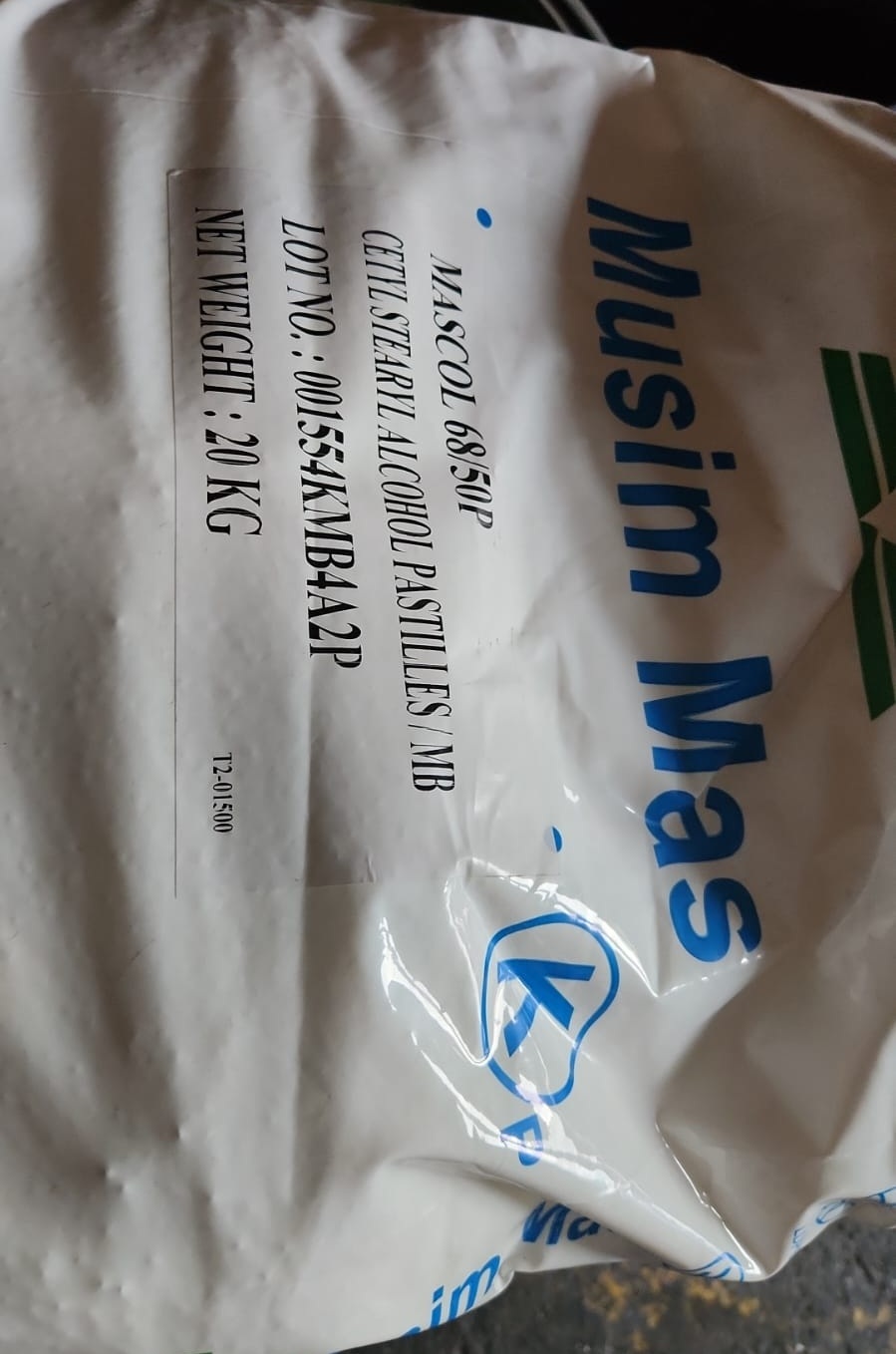
| PE-Lined Kraft Bag | 10 kg, 25 kg | Kraft paper / PE liner | Industrial, cosmetic, food |
| HDPE Pail | 5 kg, 10 kg, 25 kg | HDPE | Pharmaceutical, cosmetic |
| Fiber Drum (PE Lined) | 25 kg, 50 kg | Fiber / PE liner | Industrial supply |
| IBC Container | 500 kg, 1000 kg | HDPE | Large-scale industrial supply |
| HDPE Drum | 25 kg, 50 kg | HDPE | Industrial, bulk supply |
| Big Bag | 500 kg, 1000 kg | Polypropylene (PE lined) | Bulk transport |
SECTION 17: TRANSPORTATION INFORMATION
| Parameter | Information |
|---|---|
| UN Number | Not applicable (not classified as dangerous substance) |
| Hazard Class | Not applicable |
| Packing Group | Not applicable |
| ADR/RID | Not classified as dangerous goods |
| IMDG Code | Not marine pollutant |
| IATA (Air) | Not classified as dangerous goods; can be transported by air |
| Transport Temperature | Ambient temperature; protect from heat, moisture, and light |
| Transport Precautions | Moisture-proof packaging; keep away from strong odors |
| Marine Pollutant | No |
SECTION 18: REGULATORY STATUS
| Region / Authority | Status |
|---|---|
| USA (FDA) | GRAS (21 CFR 184.1); Approved as food additive |
| European Union (EC) | Approved as cosmetic ingredient (EC 1223/2009); Approved as food additive |
| Turkey | Approved as cosmetic, pharmaceutical and food ingredient |
| USP/NF | Official monograph |
| EP | Official monograph |
| REACH | Registered substance |
| TSCA (USA) | Listed |
| CIR | Safe for cosmetic use |
| California (Prop 65) | Not listed |
| Halal | Yes (plant-derived, with certification) |
| Kosher | Yes (with certification) |
| Vegan | Yes (plant-derived) |
SECTION 19: OTHER NAMES AND SYNONYMS
| Type | Name |
|---|---|
| Turkish Names | Setil Stearil Alkol, Setostearyl Alkol, Cetyl Stearyl Alkol |
| English Names | Cetearyl Alcohol, Cetostearyl Alcohol, Cetyl Stearyl Alcohol |
| INCI Name | Cetearyl Alcohol |
| Trade Marks | Lanette O, Crodacol CS, Speziol C18 Pharma, Tego Alkanol 1618 |
| CAS Numbers | 67762-27-0 (primary), 8005-44-5, 67762-30-5 |
| EC Numbers | 267-008-6 (primary), 267-009-1 |
| PubChem CID | 12837 |
| FDA UNII | 2D9S8777C9 |
| HS Code | 2905.17 |
SECTION 20: FREQUENTLY ASKED QUESTIONS
| Question | Answer |
|---|---|
| Q1: What is the difference between Cetyl Alcohol and Cetearyl Alcohol? | Cetyl alcohol (C16) alone is a pure ingredient. Cetearyl Alcohol is a mixture containing both cetyl alcohol (C16) and stearyl alcohol (C18). This mixture offers superior emulsifying, stabilizing, and thickening properties compared to either component alone and is the industry standard. |
| Q2: Is Cetearyl Alcohol harmful or drying to the skin? | No. Unlike simple, volatile alcohols like ethanol, it is a fatty, waxy alcohol that functions as an emollient. It forms a protective layer that prevents moisture loss, leaving skin smooth, soft, and conditioned without a greasy residue. |
| Q3: Is it suitable for natural or vegan formulations? | Yes. Typically derived from plant-based sources such as coconut or palm oil, making it suitable for both natural and vegan-friendly formulations. Always verify the source with your supplier. |
| Q4: What is its main function in hair conditioners? | It functions as a thickener, giving the product a luxurious, rich texture. Simultaneously, it coats the hair shafts, soothes the cuticle, reduces static electricity, and provides emollient benefits. |
| Q5: Why should it be combined with another emulsifier? | Cetearyl Alcohol is a co-emulsifier and thickener, not a primary emulsifier. It stabilizes the emulsion created by a stronger, primary emulsifier. Using it alone will not reliably form a stable cream or lotion. |
| Q6: Is Cetearyl Alcohol comedogenic? | It is generally considered non-comedogenic (low pore-clogging risk). It is suitable for acne-prone skin formulations. |
SECTION 21: SUMMARY TABLE
| Property | Value |
|---|---|
| Primary CAS | 67762-27-0 |
| INCI Name | Cetearyl Alcohol |
| Composition | Mixture of Cetyl (C16) and Stearyl (C18) alcohols |
| Appearance | White waxy flakes / pastilles |
| Melting Point | 48 – 56 °C |
| Water Solubility | Insoluble; soluble in oils |
| Primary Functions | Co-emulsifier, thickener, emollient, opacifier |
| Typical Usage Rate | 1 – 8% |
| Shelf Life | 24-36 months |
| Storage | Cool (<25°C), dry, airtight |
| GHS Signal Word | None (Not hazardous) |
| UN Number | Not applicable |
| FDA Status | GRAS |
| Halal / Kosher / Vegan | Yes (plant-derived) |
SECTION 22: CRITICAL WARNINGS AND BEST PRACTICES
CRITICAL WARNINGS:
-
Co-emulsifier Role: Cetearyl Alcohol is a co-emulsifier and thickener, not a primary emulsifier. It must be used together with a primary emulsifier for stable emulsions.
-
Melting Temperature: Melts at 48-56°C. Must be melted at 60-70°C before addition to formulations.
-
Cooling Rate: Slow cooling after emulsion formation is critical for stable crystalline structure and desired texture. Rapid cooling may cause grainy or rough texture.
-
Correct Type Selection: Choose the correct C16:C18 ratio based on application (30:70, 50:50, 70:30).
-
Odor Absorption: Due to its waxy structure, it can absorb strong odors. Caution is needed in perfumed formulations.
-
Source Verification: For vegan and natural products, verify that the source is plant-based (coconut, palm).
BEST PRACTICE RECOMMENDATIONS:
-
Addition: Add to oil phase. Melt at 60-70°C before emulsification with water phase.
-
Concentration: Creams: 1-5%; Lotions: 1-4%; Hair conditioners: 2-8%; Sticks: 5-25%.
-
Correct Type Selection: Use 30:70 for rich creams; 50:50 for general use; 70:30 for hair conditioners.
-
Primary Emulsifier Combination: Use with Cetearyl Glucoside, Glyceryl Stearate, Sodium Stearoyl Lactylate or PEG derivatives.
-
Mixing: Moderate speed mixing is sufficient for homogeneous melt.
-
Cooling: Continue mixing during slow cooling (1-2°C/minute) after emulsion formation.
-
Antioxidant: Add BHT (0.01-0.1%) or Vitamin E for long-term storage.
-
Storage: Store in cool, dry, airtight containers. Keep away from strong odors.
-
Personal Protective Equipment: Nitrile gloves, safety goggles (for molten material).
-
Quality Control: Regularly perform melting point, acid value, iodine value, hydroxyl value, microbiological purity tests.
LEGAL DISCLAIMER:
The information provided in this document is based on our current knowledge and experience and is presented in good faith. However, as all conditions of use are beyond our control, it does not constitute a binding specification or guarantee. This Technical Data Sheet is for informational purposes only. Users are responsible for testing suitability for their own applications and for complying with all local, regional, and national regulations. For complete safety, storage, use, handling, waste, and regulatory compliance information, please refer to the official Safety Data Sheet (SDS/MSDS) provided by the manufacturer/supplier.