We unleash your business potential by maximize the business innovation.
Send EmailCetyl Alcohol, Hexadecanol, Cetanol, Palmityl Alcohol, Ethal, Ethol, 36653-82-4
CETYL ALCOHOL
SECTION 1: PRODUCT IDENTITY AND CHEMICAL IDENTIFICATION
| Parameter | Information |
|---|---|
| Product Name | Cetyl Alcohol |
| Chemical Name (IUPAC) | Hexadecan-1-ol |
| Common Names | Cetyl Alcohol, Cetanol, Palmityl Alcohol, Hexadecanol |
| Synonyms (English) | Cetyl Alcohol, Hexadecanol, Cetanol, Palmityl Alcohol, 1-Hexadecanol, C16 Alcohol, Ethal, Ethol |
| CAS Number | 36653-82-4 |
| EC Number (EINECS) | 253-149-0 |
| Molecular Formula | C₁₆H₃₄O (CH₃-(CH₂)₁₅-OH) |
| Molecular Weight | 242.44 g/mol |
| Chemical Class | Saturated primary fatty alcohol; Fatty alcohol |
| Source | Natural (coconut oil, palm kernel oil) or synthetic (Ziegler process) |
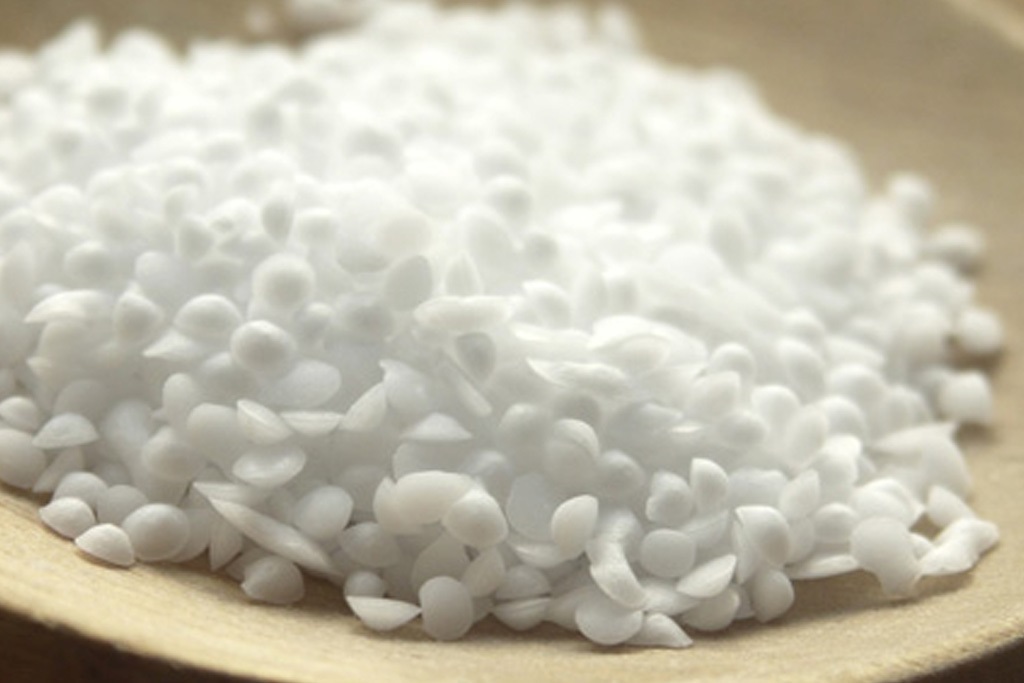
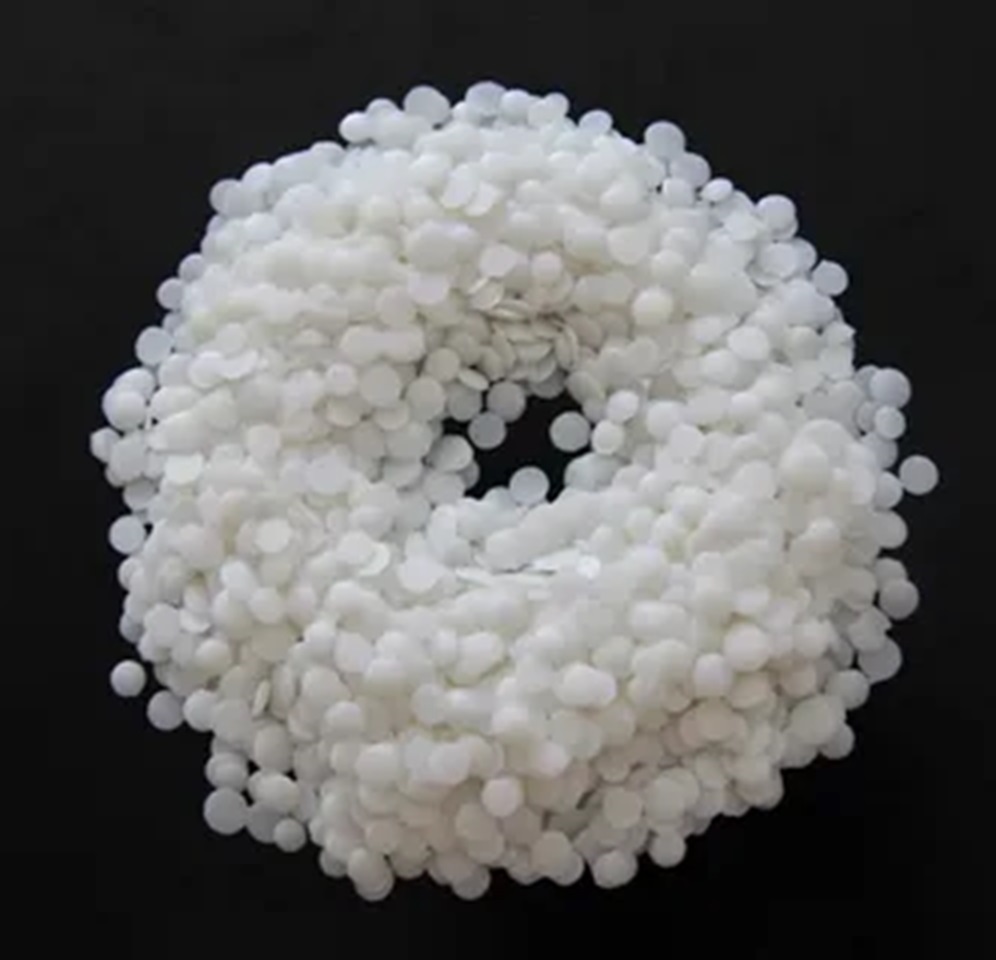
| Appearance | White, waxy flakes, granules or pastilles |
| Odor | Characteristic, mild, clean odor |
| Physical State (20-25°C) | Solid (waxy) |
| INCI Name | Cetyl Alcohol |
SECTION 2: CHEMICAL STRUCTURE
Structure Description:
    CH₃—(CH₂)₁₄—CH₂—OH

    Hexadecan-1-ol
    Cetyl Alcohol
    C₁₆H₃₄O
Simplified Structure:
    CH₃—(CH₂)₁₅—OH

    Cetyl Alcohol
    (Saturated primary fatty alcohol)
| Parameter | Description |
|---|---|
| Molecular Formula | C₁₆H₃₄O |
| Molecular Weight | 242.44 g/mol |
| Carbon Chain Length | 16 carbons (C16) |
| Chain Type | Saturated (single bonds) |
| Functional Group | Primary hydroxyl (-OH) |
| Structure | Linear (straight chain) |
| Hydrophilic Part | Terminal hydroxyl group (-OH) |
| Lipophilic Part | Long hydrocarbon chain (C15H31) |
| Amphiphilic Character | Yes (both hydrophilic and lipophilic) |
| SMILES | CCCCCCCCCCCCCCCCO |
| InChI | InChI=1S/C16H34O/c1-2-3-4-5-6-7-8-9-10-11-12-13-14-15-16-17/h17H,2-16H2,1H3 |
| InChI Key | BIXHRBFZLLFBFL-UHFFFAOYSA-N |
| Hydrogen Bond Donors | 1 |
| Hydrogen Bond Acceptors | 1 |
| Rotatable Bond Count | 14 |
| Polar Surface Area (PSA) | 20.2 Ų |
SECTION 3: PHYSICAL AND CHEMICAL PROPERTIES
| Property | Value | Test Method / Note |
|---|---|---|
| Appearance | White, waxy flakes, granules or pastilles | Visual |
| Odor | Characteristic, mild, clean odor | Olfactometric |
| Molecular Weight | 242.44 g/mol | Calculated |
| Melting Point | ~49.3 °C (pure); 47 – 51 °C (commercial) | DSC / Capillary |
| Boiling Point | 344 °C (760 mmHg, decomposes) | - |
| Flash Point | 185 °C | ASTM D93 |
| Density (20°C) | 0.81 g/cm³ | ASTM D4052 |
| Water Solubility (20°C) | Practically insoluble (<0.1 mg/L) | General Method |
| Ethanol Solubility | Readily soluble | General Method |
| Ether Solubility | Readily soluble | General Method |
| Chloroform Solubility | Readily soluble | General Method |
| Acetone Solubility | Readily soluble | General Method |
| Mineral and Vegetable Oils | Highly miscible | General Method |
| Log P (Octanol/Water) | ~7.0 (highly lipophilic) | Calculated |
| Vapor Pressure (25°C) | Very low | - |
| Stability | Highly resistant to oxidation; Stable under normal storage | - |
| Reactivity | Typical primary alcohol reactions: esterification, ethoxylation, sulfation | - |
| Acid Value | ≤0.5 mg KOH/g | Titrimetric |
| Iodine Value | ≤1.0 g I₂/100g | Titrimetric |
| Saponification Value | ≤1.0 mg KOH/g | Titrimetric |
| Hydroxyl Value | 220 – 235 mg KOH/g | Titrimetric |
| Ash Content | ≤0.05% | Gravimetric |
SECTION 4: FUNCTIONAL PROPERTIES
| Property | Description |
|---|---|
| Co-emulsifier and Emulsion Stabilizer | Acts as a non-ionic co-emulsifier in oil-in-water (O/W) emulsions, strengthening the interfacial film formed by the primary emulsifier. The hydroxyl group orients towards the water phase while the long hydrocarbon chain orients towards the oil phase, increasing film density and elasticity. This prevents droplet coalescence and enhances long-term stability. |
| Thickener / Viscosity Modifier | Swells in the continuous aqueous phase, forming a three-dimensional crystalline gel network (lamellar phases) that traps emulsion droplets. This increases formulation viscosity, providing desired "body" and preventing flow. Rheology can be precisely controlled by adjusting cetyl alcohol concentration. |
| Emollient | Forms a thin, lipophilic film on the skin surface upon application. This film provides an occlusive effect, temporarily reducing transepidermal water loss (TEWL) and moisturizing the stratum corneum. It also fills spaces between dry, rough skin cells, providing a smooth, soft, and silky skin feel. |
| Opacifier | Imparts a pearlescent or opaque (matte) appearance to liquid formulations such as shampoos, enhancing visual aesthetics. |
| Structuring Agent | Provides structural integrity and hardness in sticks (lipsticks, deodorants) and solid oil-based products. |
| Base and Carrier | Acts as a base in pharmaceutical ointments and suppositories; serves as a carrier for active ingredients in topical formulations. |
SECTION 5: FATTY ALCOHOLS COMPARISON
| Property | Cetyl Alcohol (C16) | Stearyl Alcohol (C18) | Cetearyl Alcohol (C16-18) | Myristyl Alcohol (C14) | Behenyl Alcohol (C22) |
|---|---|---|---|---|---|
| Chain Length | 16 Carbon | 18 Carbon | 16 and 18 Blend | 14 Carbon | 22 Carbon |
| CAS Number | 36653-82-4 | 112-92-5 | 67762-27-0 | 112-72-1 | 661-19-8 |
| Melting Point (°C) | ~49 | ~59 | ~49-56 | ~38 | ~70 |
| Skin Feel | Silky, velvety, smooth | Heavier, more substantive | Balanced, versatile | Lighter, less greasy | Very substantive, protective film |
| Texture | Creamy, balanced | Harder, less spreadable | Balanced, industry standard | Softer, lighter | Very hard, strong structuring |
| Spreadability | Good | Moderate | Good-Moderate | Excellent | Low |
| Typical Use | General purpose creams, lotions | Harder creams, sticks, balms | Most creams and lotions | Light lotions, serums | Very hard sticks, protective creams |
SECTION 6: INDUSTRY APPLICATIONS
| Industry | Application | Typical Usage Rate | Application Notes |
|---|---|---|---|
| Cosmetics & Personal Care | Co-emulsifier, thickener, emollient, opacifier | 0.5 – 6% | Add to oil phase; melt before emulsification with water phase (50-70°C) |
| Pharmaceutical | Cream/ointment base, viscosity modifier, suppository additive | 1 – 10% (topical); 5-10% (suppositories) | Significantly increases water absorption capacity of petrolatum bases |
| Food Industry | Glazing agent, color/flavor carrier | <1% (by GMP) | Used as surface coating for confectionery and fruits; FDA GRAS |
| Industrial & Technical | Lubricant, chemical intermediate, evaporation inhibitor | 1 – 20% (lubricants) | Effective as thread lubricant for nuts and bolts; raw material for surfactants and esters |
| Textile | Softener, finishing agent | Variable | Provides softness to textile surfaces |
| Plastics & Rubber | Lubricant, mold release agent | Variable | Processing aid in polymer processing |
SECTION 7: TYPICAL FORMULATION CONCENTRATIONS
| Application | Recommended Concentration | Notes |
|---|---|---|
| Face Creams | 2-6% | For consistency and stability |
| Body Lotions | 1-4% | For light emollient effect |
| Shampoos | 0.5-2% | Opacifier and thickener |
| Hair Conditioners | 1-5% | Emollient and antistatic effect |
| Sunscreens | 2-5% | Emulsion stabilization |
| Pharmaceutical Ointments | 2-10% | Base and thickener |
| Lipsticks and Sticks | 5-15% | Hardness and structure |
| Deodorant Sticks | 5-20% | Solid structure and application ease |
| Suppositories | 5-10% | As base |
| Industrial Lubricants | 1-20% | Lubricating properties |
SECTION 8: FORMULATION GUIDELINES
| Parameter | Recommendation |
|---|---|
| Addition Method | Add to oil phase; melt at 50-70°C before emulsification with water phase |
| Melting Temperature | 50-70°C (above melting point) |
| Mixing | Moderate speed mixing for homogeneous melt |
| Cooling | Slow cooling after emulsion formation is important for stable crystalline structure |
| pH Range | Stable in pH 3.0 – 9.0 |
| Compatibility | Compatible with most oils, esters, emulsifiers and cationic/anionic/non-ionic ingredients |
| Synergy | Better texture when combined with stearyl alcohol or cetearyl alcohol |
| Carriers | Can be combined with mineral oil, triglycerides, esters |
| Antioxidants | BHT or Vitamin E may be added to prevent oxidation |
SECTION 9: QUALITY SPECIFICATIONS (USP/EP)
| Parameter | Specification | Test Method |
|---|---|---|
| Appearance | White, waxy flakes, granules or pastilles | Visual |
| Odor | Characteristic, mild, clean odor | Olfactometric |
| Melting Point | 47 – 51 °C | DSC / Capillary |
| Acid Value | ≤0.5 mg KOH/g | Titrimetric |
| Iodine Value | ≤1.0 g I₂/100g | Titrimetric |
| Saponification Value | ≤1.0 mg KOH/g | Titrimetric |
| Hydroxyl Value | 220 – 235 mg KOH/g | Titrimetric |
| Ash Content | ≤0.05% | Gravimetric |
| Heavy Metals (Pb) | ≤10 ppm | ICP-MS |
| Arsenic (As) | ≤2 ppm | ICP-MS |
| Lead (Pb) | ≤2 ppm | ICP-MS |
| Microbiological Purity | TAMC ≤10² CFU/g; TYMC ≤10¹ CFU/g | USP <61> |
| E. coli | Negative in 1g | USP <62> |
| Salmonella spp. | Negative in 25g | USP <62> |
| S. aureus | Negative in 1g | USP <62> |
| P. aeruginosa | Negative in 1g | USP <62> |
SECTION 10: SAFETY AND TOXICOLOGICAL PROFILE
| Parameter | Value / Description |
|---|---|
| GHS Classification | Not classified as hazardous substance |
| Signal Word | None |
| Hazard Pictograms | None |
| Acute Oral Toxicity (LD50, Rat) | >5000 mg/kg (very low toxicity) |
| Acute Dermal Toxicity (LD50, Rabbit) | >2000 mg/kg (low toxicity) |
| Skin Irritation | Not irritant at typical use concentrations |
| Eye Irritation | May cause mild irritation (dust/mechanical) |
| Skin Sensitization | Very low sensitization potential |
| Carcinogenicity | Not carcinogenic (IARC, NTP) |
| Mutagenicity | Not mutagenic |
| Reproductive Toxicity | No reproductive toxicity |
| Biodegradability | Readily biodegradable |
| Comedogenicity | Low-comedogenic (formulation dependent) |
| CIR Assessment | Safe for cosmetic use |
| FDA Status | GRAS (21 CFR 184.1) |
SECTION 11: GHS CLASSIFICATION AND LABELING
GHS Classification (in accordance with 1272/2008/EC):
| Hazard Class | Category | H-Statement |
|---|---|---|
| Not classified as hazardous substance | – | – |
Signal Word: None (Not classified as hazardous)
Hazard Pictograms: None
NFPA 704 Hazard Classification:
| Health | Flammability | Reactivity | Special |
|---|---|---|---|
| 0 | 1 | 0 | - |
| (Minimal health hazard) | (Combustible) | (Stable) | (None) |
SECTION 12: PRECAUTIONARY STATEMENTS (P-CODES)
| Code | Statement |
|---|---|
| P264 | Wash hands thoroughly after handling |
| P280 | Wear protective gloves/protective clothing/eye protection/face protection |
| P302+P352 | IF ON SKIN: Wash with plenty of soap and water |
| P305+P351+P338 | IF IN EYES: Rinse cautiously with water for several minutes. Remove contact lenses if present and continue rinsing |
| P332+P313 | If skin irritation occurs: Get medical advice/attention |
| P337+P313 | If eye irritation persists: Get medical advice/attention |
| P362+P364 | Take off contaminated clothing and wash it before reuse |
| P403+P233 | Store in a well-ventilated place. Keep container tightly closed |
| P501 | Dispose of contents/container in accordance with local/regional/national/international regulations |
SECTION 13: FIRST AID MEASURES
| Route of Exposure | Action |
|---|---|
| Inhalation | Dust or vapor not expected. If respiratory discomfort occurs, move to fresh air. |
| Skin Contact | Wash with plenty of soap and water. Seek medical attention if irritation develops. |
| Eye Contact | Rinse thoroughly with plenty of water for at least 15 minutes. Keep eyelids open. Seek medical attention if irritation persists. |
| Ingestion | Rinse mouth with water. Do NOT induce vomiting. Seek medical attention. |
SECTION 14: FIREFIGHTING MEASURES
| Parameter | Information |
|---|---|
| Fire Hazard | Combustible solid (Flash Point: 185°C) |
| Fire-Related Hazards | CO, CO₂ |
| Suitable Extinguishing Media | Water mist, CO₂, dry chemical powder, foam |
| Unsuitable Extinguishing Media | Water jet (may spread burning material) |
| Special Protective Equipment | SCBA, full protective clothing |
SECTION 15: STORAGE AND SHELF LIFE
| Parameter | Information |
|---|---|
| Storage Conditions | Store in a cool (<25°C), dry, well-ventilated area; protect from direct sunlight, excessive heat, and strong odors. |
| Temperature Limits | 15-25°C (ideal); do not exceed 30°C |
| Humidity | Low humidity environment |
| Container Requirements | Tightly closed containers (PE-lined paper bags, HDPE containers) |
| Incompatible Materials | Heat, moisture, strong odors (absorption) |
| Shelf Life | 24-36 months (unopened original packaging, under proper storage conditions) |
| Signs of Degradation | Darkening color, odor change, caking |
SECTION 16: PACKAGING OPTIONS
| Packaging Type | Quantity / Capacity | Material | Application Area |
|---|---|---|---|
| PE-Lined Kraft Bag | 10 kg, 25 kg | Kraft paper / PE liner | Industrial, cosmetic, food |
| HDPE Pail | 5 kg, 10 kg, 25 kg | HDPE | Pharmaceutical, cosmetic |
| Fiber Drum (PE Lined) | 25 kg, 50 kg | Fiber / PE liner | Industrial supply |
| IBC Container | 500 kg, 1000 kg | HDPE | Large-scale industrial supply |
| HDPE Drum | 25 kg, 50 kg | HDPE | Industrial, bulk supply |
| Big Bag | 500 kg, 1000 kg | Polypropylene (PE lined) | Bulk transport |
SECTION 17: TRANSPORTATION INFORMATION
| Parameter | Information |
|---|---|
| UN Number | Not applicable (not classified as dangerous substance) |
| Hazard Class | Not applicable |
| Packing Group | Not applicable |
| ADR/RID | Not classified as dangerous goods |
| IMDG Code | Not marine pollutant |
| IATA (Air) | Not classified as dangerous goods; can be transported by air |
| Transport Temperature | Ambient temperature; protect from heat, moisture, and light |
| Transport Precautions | Moisture-proof packaging; keep away from strong odors |
| Marine Pollutant | No |
SECTION 18: REGULATORY STATUS
| Region / Authority | Status |
|---|---|
| USA (FDA) | GRAS (21 CFR 184.1); Approved as food additive |
| European Union (EC) | Approved as cosmetic ingredient (EC 1223/2009); Approved as food additive |
| Turkey | Approved as cosmetic, pharmaceutical and food ingredient |
| USP/NF | Official monograph |
| EP | Official monograph |
| REACH | Registered substance |
| TSCA (USA) | Listed |
| CIR | Safe for cosmetic use |
| California (Prop 65) | Not listed |
| Halal | Yes (plant-derived, with certification) |
| Kosher | Yes (with certification) |
| Vegan | Yes (plant-derived) |
SECTION 19: OTHER NAMES AND SYNONYMS
| Type | Name |
|---|---|
| Turkish Names | Setil Alkol, Hekzadekanol, Setanol, Palmitil Alkol |
| English Names | Cetyl Alcohol, Hexadecanol, Cetanol, Palmityl Alcohol, 1-Hexadecanol, C16 Alcohol, Ethal, Ethol |
| INCI Name | Cetyl Alcohol |
| Trade Marks | Lanette 16, Crodacol C, Speziol C16, Tego Alkanol 16 |
| CAS Number | 36653-82-4 |
| EC Number | 253-149-0 |
| PubChem CID | 2682 |
| FDA UNII | 936JST6JCN |
| HS Code | 2905.17 |
SECTION 20: FREQUENTLY ASKED QUESTIONS
| Question | Answer |
|---|---|
| Q1: Is cetyl alcohol the same as the alcohol in hand sanitizers? | No. Cetyl alcohol is a waxy, fatty solid. The "alcohol" in sanitizers is ethyl alcohol (ethanol), a volatile, drying liquid. Cetyl alcohol is not drying and is used to moisturize and soften the skin. |
| Q2: Does cetyl alcohol dry out my skin or hair? | Absolutely not. As an emollient, it forms a protective layer that prevents moisture loss, leaving skin and hair smooth, soft, and conditioned. It does not have the drying effect of simple, volatile alcohols. |
| Q3: Can cetyl alcohol be used in vegan or natural formulations? | Yes, when derived from plant-based sources such as coconut or palm oil, it is considered vegan-friendly and suitable for natural formulations. It is crucial to verify the source with your supplier. |
| Q4: Why is cetyl alcohol often used with other fatty alcohols like stearyl alcohol? | Blending fatty alcohols such as cetyl (C16) and stearyl (C18) creates a synergistic effect. This blend, commonly sold as cetearyl alcohol, provides a smoother, more spreadable consistency than either component alone and is easier for formulators to work with, often yielding superior skin feel. |
| Q5: Is cetyl alcohol comedogenic? | Cetyl alcohol is considered low to moderately comedogenic (typically 2-3/5 on the scale). For acne-prone skin, concentrations should be limited or balanced with other fatty alcohols in formulations. |
SECTION 21: SUMMARY TABLE
| Property | Value |
|---|---|
| CAS Number | 36653-82-4 |
| Molecular Formula | C₁₆H₃₄O |
| Molecular Weight | 242.44 g/mol |
| Appearance | White, waxy flakes, granules or pastilles |
| Melting Point | ~49 °C |
| Flash Point | 185 °C |
| Water Solubility | Practically insoluble |
| Primary Functions | Co-emulsifier, thickener, emollient, opacifier |
| Main Applications | Cosmetics, pharmaceutical, food, industrial |
| Shelf Life | 24-36 months |
| Storage | Cool (<25°C), dry, airtight |
| GHS Signal Word | None (Not hazardous) |
| UN Number | Not applicable |
| FDA Status | GRAS |
| Halal / Kosher / Vegan | Yes (plant-derived) |
SECTION 22: CRITICAL WARNINGS AND BEST PRACTICES
CRITICAL WARNINGS:
-
Melting Temperature: Cetyl alcohol melts at 47-51°C. It must be melted at 50-70°C before addition to formulations.
-
Cooling Rate: Slow cooling after emulsion formation is critical for stable crystalline structure and desired texture. Rapid cooling may cause grainy or rough texture.
-
Comedogenicity: For acne-prone skin, concentrations above 2% may be comedogenic. Limit concentration in sensitive formulations.
-
Odor Absorption: Due to its waxy structure, it can absorb strong odors. Caution is needed in perfumed formulations.
-
Source Verification: For vegan and natural products, verify that the source is plant-based (coconut, palm). It may be animal-derived (sperm whale) but this is rare today.
-
High Temperature: Decomposition begins above 200°C. Avoid excessive heating.
BEST PRACTICE RECOMMENDATIONS:
-
Addition: Add to oil phase. Melt at 50-70°C before emulsification with water phase.
-
Concentration: Creams: 2-6%; Lotions: 1-4%; Shampoos: 0.5-2%; Lipsticks and sticks: 5-15%.
-
Combination: Better texture and stability when used with stearyl alcohol or cetearyl alcohol.
-
Mixing: Moderate speed mixing is sufficient for homogeneous melt. High shear is not required.
-
Cooling: Continue mixing during slow cooling (1-2°C/minute) after emulsion formation.
-
Antioxidant: Add BHT (0.01-0.1%) or Vitamin E for long-term storage.
-
Storage: Store in cool, dry, airtight containers. Keep away from strong odors.
-
Personal Protective Equipment: Nitrile gloves, safety goggles (for molten material).
-
Quality Control: Regularly perform melting point, acid value, iodine value, hydroxyl value, microbiological purity tests.
-
Sustainability: Pay attention to sourcing from sustainable sources (RSPO certified palm).
LEGAL DISCLAIMER:
The information provided in this document is based on our current knowledge and experience and is presented in good faith. However, as all conditions of use are beyond our control, it does not constitute a binding specification or guarantee. This Technical Data Sheet is for informational purposes only. Users are responsible for testing suitability for their own applications and for complying with all local, regional, and national regulations. For complete safety, storage, use, handling, waste, and regulatory compliance information, please refer to the official Safety Data Sheet (SDS/MSDS) provided by the manufacturer/supplier.