We unleash your business potential by maximize the business innovation.
Send EmailGlyceryl Monostearate, Glycerin Monostearate, Glycerol Monostearate, GMS, GMS40, GMS60, GMS90, E471, 123-94-4
GLYCERYL MONOSTEARATE (GMS, E471)
1. PRODUCT DEFINITION AND CHEMICAL IDENTITY
| Parameter | Description |
|---|---|
| Chemical Name (IUPAC) | 2,3-Dihydroxypropyl octadecanoate |
| Common Name | Glyceryl Monostearate (GMS) |
| Food Additive Code | E471 |
| CAS Number | 123-94-4 (primary); 31566-31-1, 11099-07-3, 342394-34-7 (alternative records) |
| Molecular Formula | C21H42O4 (monostearate) |
| Molecular Weight | 358.56 g/mol |
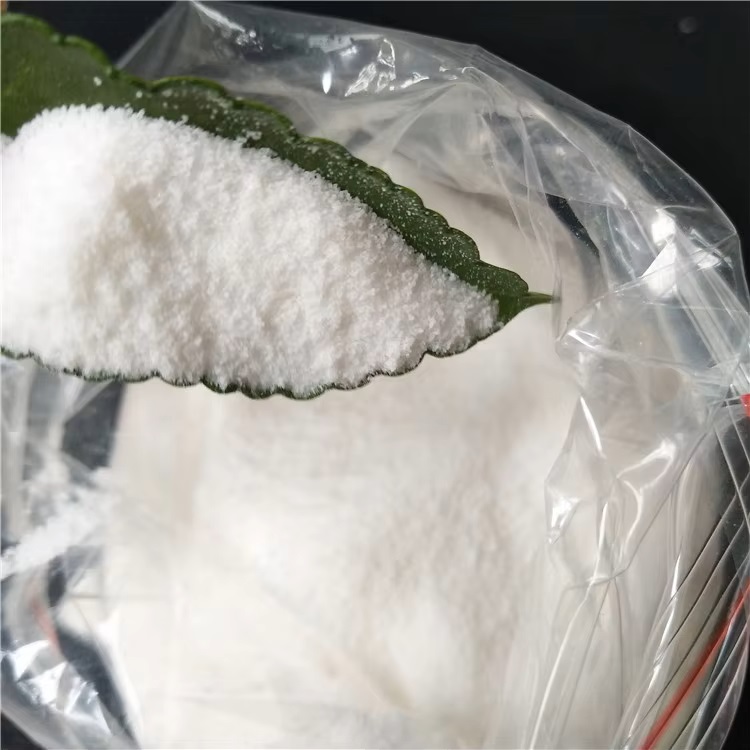
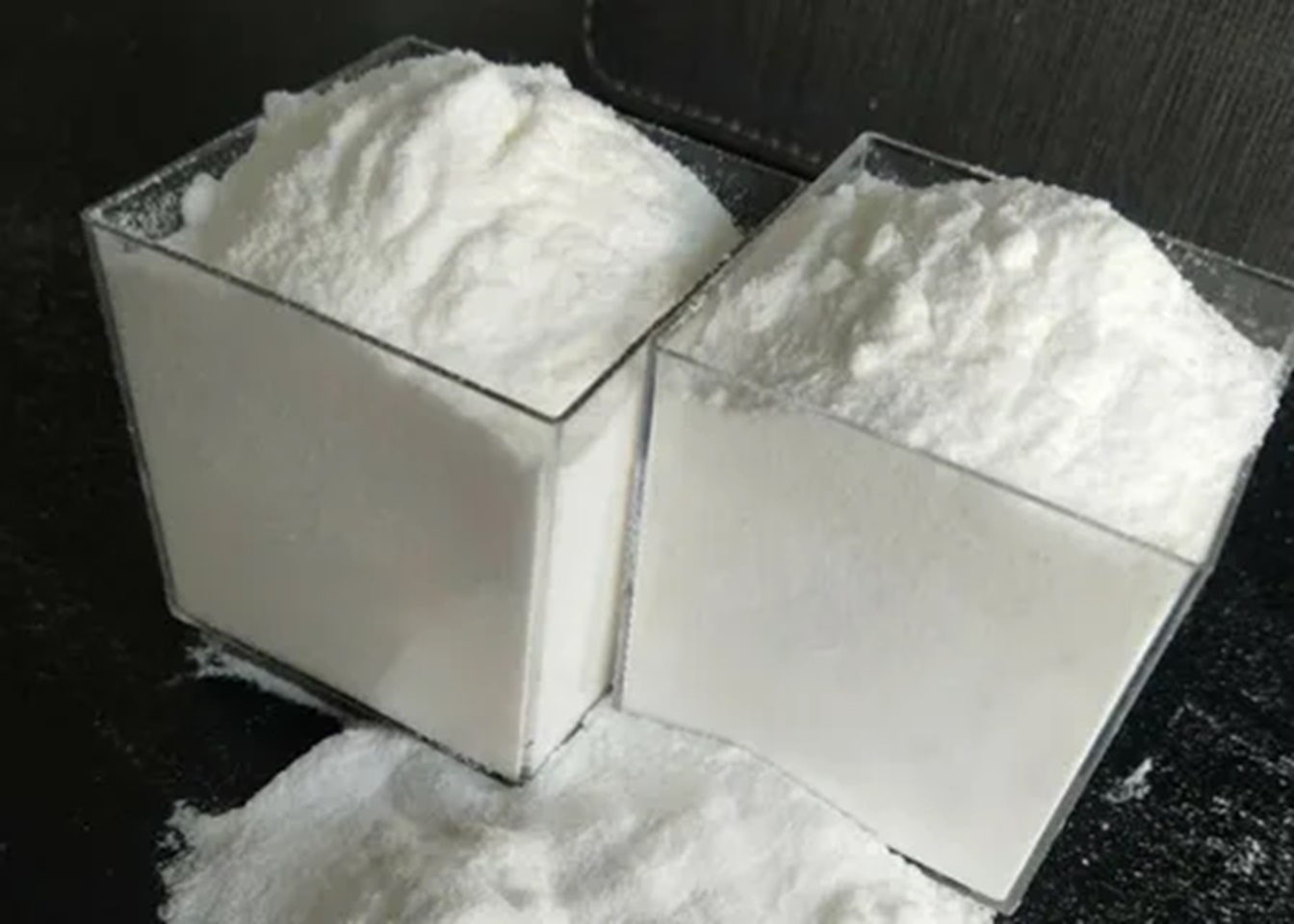
| Appearance | White, waxy solid (available as powder, beads, or flakes) |
| Odour | Odourless or faint characteristic fatty acid odour |
Note: Glyceryl Monostearate is a non-ionic, low HLB (3.6 – 4.2) emulsifier obtained by the esterification of glycerol and stearic acid. It tends to form water-in-oil (W/O) emulsions. It is a versatile additive widely used as an emulsifier, stabilizer, thickener, and lubricant in food, cosmetic, pharmaceutical, and industrial applications. It holds GRAS (Generally Recognized As Safe) status with the FDA and is considered safe as a food additive.
2. PHYSICAL AND CHEMICAL PROPERTIES
| Property | Value / Description |
|---|---|
| Physical form | White, waxy solid; powder, beads, or flakes |
| Melting point | ~58 – 65 °C (varies with purity) |
| Density | ~0.97 g/cm³ |
| HLB Value | 3.6 – 4.2 (low HLB; suitable for water-in-oil emulsions) |
| Solubility in water | Insoluble; dispersible in hot water |
| Solubility in organic solvents | Soluble in hot ethanol, isopropanol, acetone, and chlorinated solvents; partially soluble in hot vegetable oils |
| Stability | Stable under normal conditions; oxidative stability depends on the fatty acid composition |
3. FUNCTIONAL PROPERTIES
-
Emulsifier (W/O): Thanks to its low HLB value, it enables the formation and stabilization of water-in-oil (W/O) emulsions. It prevents the separation of oil and water phases in food, cosmetic, and pharmaceutical formulations.
-
Stabilizer and Thickener: Provides the desired creamy consistency and texture in products like ice cream, margarine, creams, and lotions; reduces the formation of ice crystals and maintains homogeneity throughout the shelf life.
-
Emollient: Forms a protective, lipophilic barrier on the skin, preventing transepidermal water loss (TEWL) and imparting a soft, smooth skin feel.
-
Lubricant and Mould Release Agent: Reduces friction as an internal lubricant in plastic and rubber processing, facilitates mould release, and provides antistatic properties.
-
Controlled Release Agent: Used in pharmaceutical tablets and capsules within matrix systems that regulate the release rate of the drug in the body.
-
Dough Softener and Volume Enhancer: Increases the gas-holding capacity of dough in bread and bakery products, resulting in softer, more voluminous products that stay fresh longer.
4. COMMERCIAL GRADING AND PRODUCT TYPES
| Product Type | Monoglyceride Content (%) | Characteristics | Primary Application Areas |
|---|---|---|---|
| GMS40 | ~40% | Lower monoglyceride content, moderate emulsifying power, economical | Food additive (bread, ice cream, margarine), basic cosmetic formulations |
| GMS60 | ~60% | Moderately pure, stronger emulsifying power, versatile | Food industry (confectionery, dairy), pharmaceutical capsule filling, cosmetics |
| GMS90 | ~90% | High purity, powerful emulsifier, low HLB | Pharmaceutical controlled-release systems, premium cosmetics, plastic additives |
| Self-Emulsifying GMS | 40–60% + auxiliary surfactants | Self-emulsifying, rapid solubility | Instant food products, liquid pharmaceutical solutions |
5. SECTORAL APPLICATIONS AND SUITABILITY TABLE
| Sector | GMS40 (~40%) | GMS60 (~60%) | GMS90 (~90%) |
|---|---|---|---|
| Food | Bread, ice cream, margarine, cakes (texture & emulsion) | Confectionery, dairy, beverage emulsions | Sensitive food formulations, special products requiring low HLB |
| Cosmetics | Basic creams, lotions, soaps | Moisturizers, hair care, makeup bases | Premium skincare, sunscreens, advanced emulsion systems |
| Pharmaceutical | Basic capsule filling agent | Capsule filling, stabilizer, solvent | Controlled-release systems, high-purity drug formulations |
| Plastics | Basic lubricant additive | Antistatic additive, mould release agent | Antistatic and lubricant in high-performance plastics |
| Food Packaging | Basic surfactant additives | Shelf-life extension, barrier enhancement | Superior barrier and stability in sensitive packaging materials |
| Candles & Waxes | Consistency enhancer | Emulsifier, stabilizer | Premium candle formulations, durable structures |
| Agriculture & Feed | Emulsion additive in animal feed | Stabilizer in vitamin/mineral premixes | Controlled-release agent in sensitive feed formulations |
| Textiles | Basic finishing and softening agent | Emulsion stabilizer, antistatic additive | Specialty formulations for premium textile chemicals |
6. ALTERNATIVE NAMES AND SYNONYMS
| Category | Names |
|---|---|
| Chemical Nomenclature | Octadecanoic acid, 2,3-dihydroxypropyl ester; Stearic acid 1-monoglyceride; 2,3-Dihydroxypropyl octadecanoate; Glyceryl 1-octadecanoate |
| Structural / Isomeric Names | 1-Monostearin; Alpha-Monostearin; Glycerol alpha-monostearate; Glycerol 1-monostearate; 1-Monostearoylglycerol; 1-Glyceryl stearate |
| Trade / Brand Names | Aldo 33, Aldo 75, Aldo MSD, Aldo MSLG, Tegin 55G, Emerest 2407, Sandin EU |
| Food Additive Code | E471 |
7. ALTERNATIVES AND COMPARISON
| Alternative | Comparison with GMS |
|---|---|
| Glyceryl Distearate | Higher melting point; firmer structure. GMS is more common and versatile. |
| Glyceryl Monooleate | Lower melting point, liquid form; unsaturated. GMS is more stable and in solid form. |
| Sorbitan Monostearate (Span 60) | Similar HLB; can be used as an alternative to GMS in food and cosmetics. |
| Cetyl Alcohol | More of a co-emulsifier and thickener than a primary emulsifier; GMS alone is a stronger emulsifier. |
| Lecithin (E322) | Natural, higher HLB; more suitable for O/W emulsions. GMS is ideal for W/O emulsions. |
8. SAFETY, STORAGE, AND REGULATORY INFORMATION
-
GHS Classification: Not classified as a hazardous substance or mixture.
-
Food Additive (E471): Holds GRAS (Generally Recognized As Safe) status with the FDA; permitted in the EU and Turkish Food Codex. Used under the quantum satis principle (as much as is sufficient according to good manufacturing practice) in most foods.
-
Halal / Kosher / Vegan: Depends on the source. GMS produced from vegetable sources (palm, soy, rapeseed) can obtain halal, kosher, and vegan certification. Certification is required for animal-derived products.
-
Storage:
-
Store in a cool (<30 °C), dry, and well-ventilated area in tightly sealed, original packaging.
-
Protect from moisture, heat sources, and direct sunlight.
-
Store separately from strong oxidizing agents.
-
-
Shelf Life: At least 24 months in original, sealed packaging under proper storage conditions.
-
Packaging: Typically 25 kg kraft paper bags or cartons with PE inner liner.
9. FREQUENTLY ASKED QUESTIONS
Q1: What is the difference between GMS40, GMS60, and GMS90?
The number indicates the percentage of monoglyceride (pure glyceryl monostearate) in the product. GMS90 has the highest purity and the strongest emulsifying power, making it ideal for pharmaceutical and advanced cosmetic applications. GMS40 is more economical and sufficient for basic food and cosmetic applications. GMS60 is a versatile, balanced option.
Q2: Is GMS soluble in water?
No, GMS is insoluble in water. However, it can be dispersed in hot water (>60 °C) to form an emulsion. Phase separation may occur upon cooling without a co-emulsifier.
Q3: Why does GMS have a low HLB value?
GMS has a long hydrophobic fatty acid chain (stearic acid, C18) and a small hydrophilic head portion with only two free hydroxyl groups. The dominance of the hydrophobic part gives it a low HLB value of 3.6-4.2, making it particularly suitable for water-in-oil (W/O) emulsions.
Q4: Can GMS be used in vegan products?
Yes, if it is produced from vegetable-derived stearic acid (e.g., palm oil, soybean oil), it can be used in vegan products. A plant-source certificate should be requested from the supplier.
Q5: Is E471 the same as pure GMS?
E471 is a food additive code that describes the general mixture of mono- and diglycerides of edible fatty acids. Pure GMS (like GMS90) is a specific form of this mixture with a high monoglyceride content. Not every E471 is GMS; E471 represents a broader mixture.
10. QUICK REFERENCE TABLE
| Property | Value |
|---|---|
| CAS | 123-94-4 |
| Formula | C21H42O4 |
| Molecular Weight | 358.56 g/mol |
| Appearance | White waxy solid (powder/beads/flakes) |
| Melting Point | ~58 – 65 °C |
| HLB Value | 3.6 – 4.2 |
| Food Additive Code | E471 |
| Main Function | Low HLB emulsifier, stabilizer, thickener, lubricant |
| Purest Form | GMS90 (~90% monoglyceride) |