We unleash your business potential by maximize the business innovation.
Send EmailVaseline, Petrolatum, Cream White, Paraffin jelly, Petroleum Jelly, Soft Paraffin, Mineral Jelly, 8009-03-8
PETROLATUM (PETROLEUM JELLY / VASELINE)
1. PRODUCT DEFINITION AND CHEMICAL IDENTITY
| Parameter | Description |
|---|---|
| Chemical Name | Petrolatum |
| Common Name | Petroleum Jelly, Vaseline, Soft Paraffin |
| CAS Number | 8009-03-8 |
| EC Number | 232-373-2 |
| Chemical Structure | A semi-solid mixture of mixed long-chain hydrocarbons (predominantly C25 and higher) |
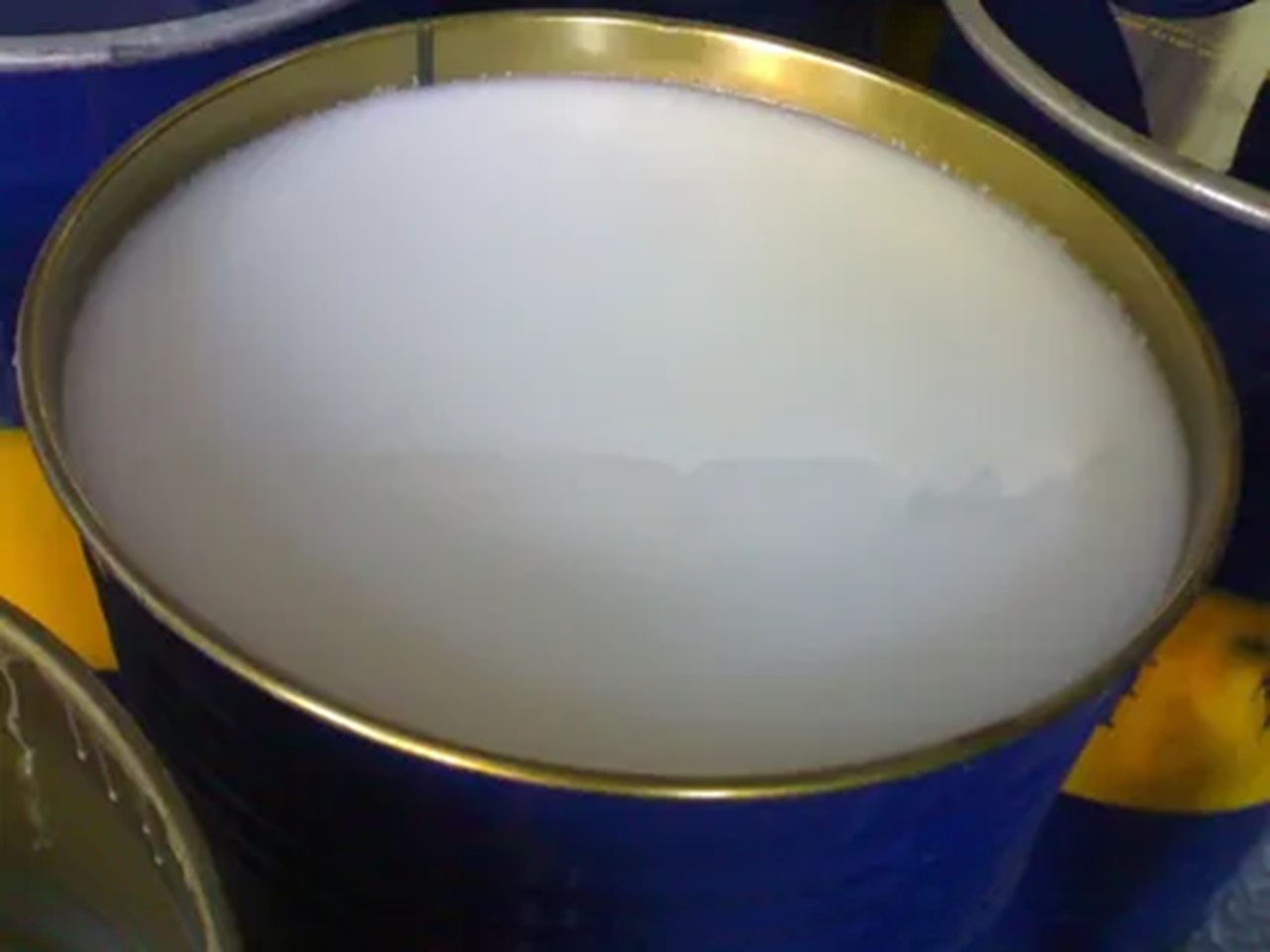
| Appearance | Semi-solid, translucent, white, or slightly yellowish/amber gel |
| Odour | Neutral or faint hydrocarbon odour |
| Origin | A highly refined by-product of petroleum refining; derived from high-purity white paraffinic hydrocarbons |
Note: Petrolatum is a chemically inert, semi-solid, waxy substance produced by the high-temperature refining of heavy hydrocarbon fractions obtained during base oil production. This process includes decolourization (e.g., with activated carbon), deodorization, filtration, and sterilization. It is recognized by the U.S. Food and Drug Administration (FDA) as an over-the-counter (OTC) skin protectant and is widely used in cosmetic skincare, as a pharmaceutical ointment base, and in a vast array of industrial applications.
2. PHYSICAL AND CHEMICAL PROPERTIES
| Property | Value / Description |
|---|---|
| Physical form | Semi-solid, translucent or opaque white-yellowish gel |
| Melting point | 38 – 60 °C (varies by grade) |
| Density | ~0.83 – 0.88 g/cm³ |
| Colour | White, yellowish, amber (depending on purity) |
| Odour | Neutral or slight hydrocarbon |
| Solubility in water | Insoluble |
| Solubility in organic solvents | Soluble in hot organic solvents and oils |
| Stability | Chemically inert; highly resistant to oxidation and air exposure |
3. FUNCTIONAL PROPERTIES AND MODE OF ACTION
-
Occlusive Skin Protectant and Moisturizer: Petroleum jelly forms a water-impermeable, lipophilic barrier film on the skin's surface. This occlusive layer physically blocks the evaporation of water from the skin (transepidermal water loss - TEWL) by up to 99%. This allows the skin to moisturize and repair itself, making it effective especially for dry, cracked skin, diaper rash, and minor wounds.
-
Inert Ointment and Cream Base: Due to its chemical inertness and non-reactivity, it serves as an ideal carrier and base for active ingredients (e.g., antibiotics, disinfectants, vitamins) in pharmaceutical and cosmetic formulations. It does not compromise the stability of active substances and allows for homogeneous application to the skin.
-
Protective Barrier and Lubricant: In industrial applications, it protects metal surfaces from corrosion (rust), insulates electrical contacts, and acts as an effective, long-lasting lubricant for mechanical parts (bicycle chains, gears).
-
Mould Release Agent and Process Aid: Its non-stick property makes it useful as a mould release agent in plastics, rubber, and candle manufacturing.
-
Makeup Remover and Fixative: It is an effective solvent for gently dissolving and removing makeup, especially waterproof products. It can also be used as a fixative to increase the longevity of products like lipstick and blush.
4. COMMERCIAL GRADING AND VARIANTS
| Grade / Type | Purity | Colour | Main Application |
|---|---|---|---|
| White Petroleum Jelly USP/EP | Highest (Pharmaceutical) | Pure White, Translucent | Pharma (ointment base, eye ointment), baby products, lip balm |
| Cosmetic Grade White | High (Cosmetic) | White | Cosmetic creams, lotions, hair pomades |
| Yellow / Amber Grade | Technical | Yellowish – Amber | Industrial protectant (Cosmoline type), anti-rust, mould release |
| Technical Grade | Technical | Variable | General industrial lubrication, electrical insulation, thermal actuators |
5. SECTORAL APPLICATIONS AND USAGE AREAS
| Sector | Application |
|---|---|
| Cosmetics & Personal Care | Moisturizing base (creams, lotions, lip balm), skin barrier protectant, baby products (diaper rash cream), hair styling pomade, makeup remover, lipstick and blush fixative |
| Pharmaceutical & Medical | Ointment and pomade carrier (antibiotics, antiseptics), tissue protectant, dermatological formulations, eye ointments, nasal dryness prevention, stool passage facilitation, wound and tattoo care |
| Industrial & Technical | Metal surface protectant (anti-rust, Cosmoline), electrical insulation, rubber and tire additive, mechanical part lubricant (bicycle chains), mould release agent, candle manufacturing additive, thermal expansion medium (mechanical actuators) |
| Laboratory & Analytical | Histology (tissue embedding medium), forensic analysis (nitrate residue test), electronic component encapsulation, neutron radiation shielding, thermal printer ink carrier |
| Leather Care | Protecting and polishing leather shoes and bags |
| Ear Protection | Applied to the outer ear to prevent ear pain caused by cold weather or wind |
6. PRODUCTION PROCESS (SUMMARY)
Petrolatum is produced by refining heavy hydrocarbon fractions from base oil production through the following steps:
-
Decolourization: Treatment with colour-removing filters (e.g., activated carbon)
-
Deodorization: Odour removal process
-
Filtration: Removal of solid particles and impurities
-
Sterilization: High-temperature treatment for microbiological cleanliness
7. ALTERNATIVES AND COMPARISON
| Alternative | Comparison with Petrolatum |
|---|---|
| Lanolin (Wool Fat) | Natural, offers better absorption but has a higher allergy potential. Petrolatum is more inert and provides a stronger occlusive barrier. |
| Vegetable Oils and Butters (Shea Butter, Cocoa Butter, Beeswax) | Preferred in natural cosmetics; do not provide as strong an occlusive barrier as petrolatum but have additional nourishing properties. |
| Silicone-Based Barriers (Dimethicone) | Lighter feel; volatile silicones are preferred in cosmetics. Petrolatum is heavier, more persistent, and more economical. |
| Mineral Oil (Liquid Paraffin) | In liquid form; petrolatum, with its semi-solid form, creates a more lasting and protective film. |
| Beeswax | Natural, harder, and less occlusive; often used together with petrolatum in lip balms. |
8. SAFETY, STORAGE, AND REGULATORY INFORMATION
-
GHS Classification: Not classified as a hazardous substance or mixture. It is chemically inert and skin-compatible.
-
FDA Approval: Recognized by the U.S. Food and Drug Administration (FDA) as an over-the-counter (OTC) skin protectant. Pharmaceutical grade (USP/EP) products are suitable for use in drug formulations.
-
Comedogenicity: When highly refined (White USP Grade), petrolatum is generally considered non-comedogenic (does not clog pores). However, it should be used with caution on very oily and acne-prone skin.
-
Storage:
-
Store in a cool (<30 °C), dry, and well-ventilated area in tightly sealed packaging.
-
Keep away from heat sources and direct sunlight.
-
Store separately from strong oxidizing agents.
-
-
Shelf Life: Due to its chemical inertness, the shelf life is very long under proper storage conditions (typically 3-5 years).
9. FREQUENTLY ASKED QUESTIONS
Q1: Does petroleum jelly clog pores?
Highly refined, pure white pharmaceutical-grade petrolatum (White Petroleum Jelly USP) is generally considered non-comedogenic (does not clog pores) for most skin types. It forms a barrier on the skin's surface but does not penetrate into the pores. However, it is advisable to use it cautiously on excessively oily and acne-prone skin.
Q2: What is the difference between petroleum jelly and liquid paraffin (mineral oil)?
Both are highly refined hydrocarbon mixtures derived from petroleum. The fundamental difference is the physical form: petrolatum is semi-solid (longer-chain hydrocarbons, C25+), while liquid paraffin is liquid. Due to its semi-solid structure, petrolatum forms a more lasting and protective film on the skin.
Q3: Is petroleum jelly natural?
Petroleum jelly is a by-product of petroleum refining. Therefore, although it originates from a natural source, it undergoes chemical processing and is generally not accepted in "natural cosmetic" certifications. Vegetable oils, shea butter, or beeswax can be recommended for those seeking natural alternatives.
Q4: Can petroleum jelly be applied to wounds?
Yes, for minor cuts, abrasions, and burns, it can create a protective barrier, helping to shield the wound from external factors and allowing it to heal faster by staying moist. However, it should not be used on deep, dirty, or infected wounds; medical attention should be sought in these cases.
Q5: What is the difference between the various colours of petroleum jelly (white, yellow, amber)?
The colour difference indicates the degree of refining. White petroleum jelly has the highest purity and is suitable for pharmaceutical and cosmetic use. The yellow and amber types are of lower purity and are used for industrial/technical purposes (e.g., anti-rust, lubricant). Only white, pharmaceutical-grade petroleum jelly should be used for health and skincare applications.
10. QUICK REFERENCE TABLE
| Property | Value |
|---|---|
| CAS | 8009-03-8 |
| Common Name | Petroleum Jelly, Petrolatum, Vaseline |
| Appearance | Semi-solid, white – amber gel |
| Melting Point | 38 – 60 °C |
| Density | ~0.83 – 0.88 g/cm³ |
| Main Function | Occlusive skin protectant, moisturizer, inert ointment base |
| Purest Form | White Petroleum Jelly USP/EP (Pharmaceutical Grade) |
| Main Uses | Skincare, pharmaceuticals, industrial protection, cosmetics |