We unleash your business potential by maximize the business innovation.
Send EmailVaseline, Paraffin jelly, Petroleum Jelly, Cream White, Soft Paraffin, Mineral Jelly, 8009-03-8
PETROLATUM (VASELINE / PETROLEUM JELLY)
SECTION 1: PRODUCT IDENTITY AND CHEMICAL IDENTIFICATION
| Parameter | Description |
|---|---|
| Chemical Name | Petrolatum |
| Common Name | Vaseline, Petroleum Jelly, Petrolatum Jelly |
| CAS Number | 8009-03-8 |
| EC Number (EINECS) | 232-373-2 |
| REACH Registration Number | Available (varies by manufacturer) |
| Chemical Structure | Complex mixture of long-chain saturated and unsaturated hydrocarbons (C₂₅ and above, semi-solid mixture) |
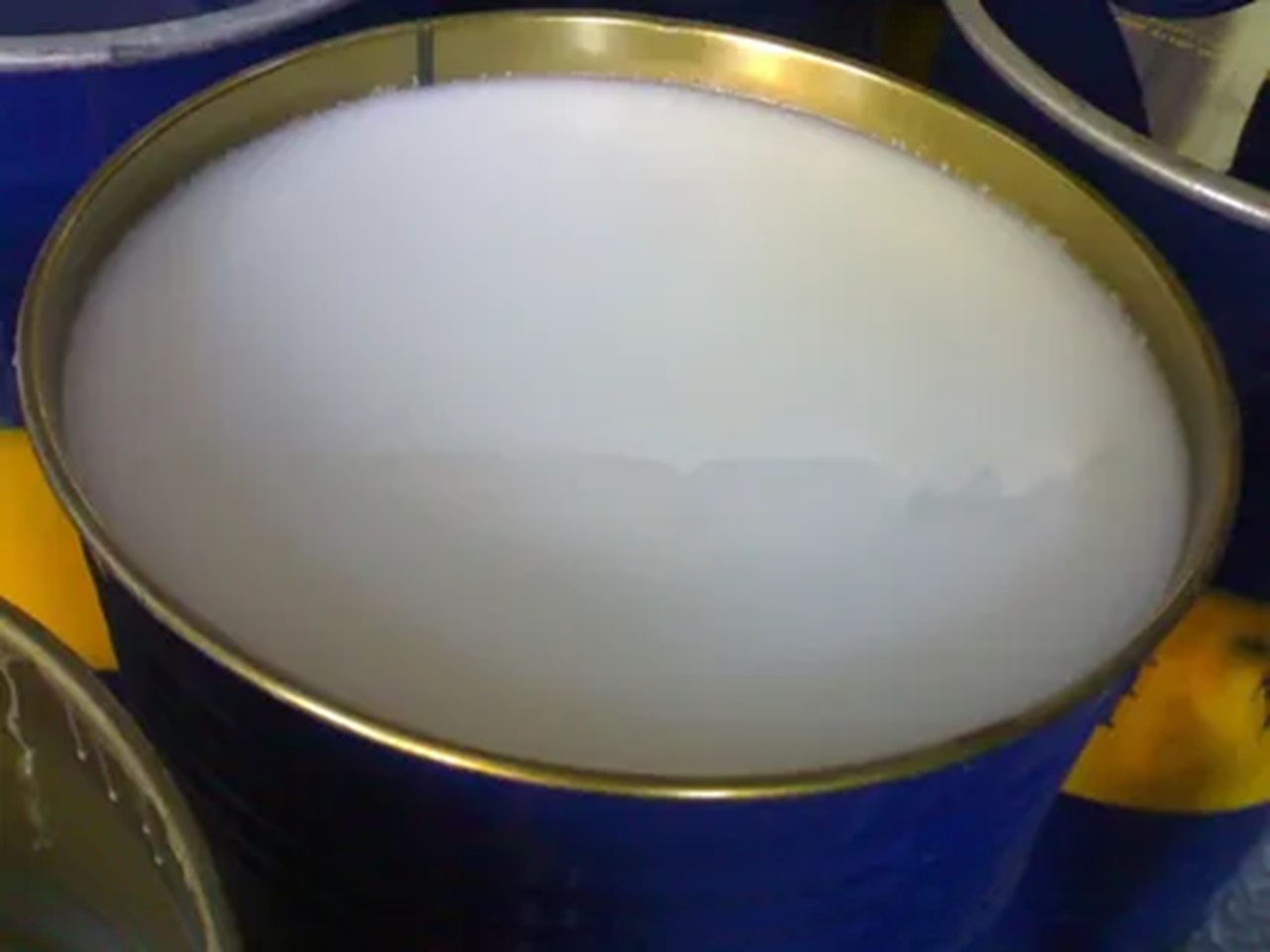
| Appearance | Semi-solid, translucent, white or slightly yellowish/amber colored jelly |
| Odor | Neutral or slight hydrocarbon odor |
| Origin | By-product of petroleum refining; produced from high-purity white paraffinic hydrocarbons |
| Chemical Class | Aliphatic hydrocarbon mixture; mineral-derived |
| Molecular Weight | Variable (average ~400-600 g/mol) |
Note: Petrolatum (Vaseline) is a chemically inert, semi-solid, waxy substance produced by high-temperature refining, decolorization, deodorization, filtration, and sterilization of heavy hydrocarbon fractions obtained during base oil production from petroleum refining. It is approved by the U.S. Food and Drug Administration (FDA) as an over-the-counter (OTC) skin protectant and is widely used in cosmetic skin care, as a pharmaceutical ointment base, and in a wide variety of industrial applications.
SECTION 2: PHYSICAL AND CHEMICAL PROPERTIES
| Property | Value / Description | Test Method / Note |
|---|---|---|
| Physical Form | Semi-solid, translucent or opaque white-yellowish jelly | Visual |
| Melting Point | 38 – 60 °C (varies by grade) | ASTM D127 |
| Density (20°C) | ~0.83 – 0.88 g/cm³ | ASTM D4052 |
| Color | White, yellowish, amber (depending on purity grade) | Visual / ASTM D1500 |
| Odor | Neutral or slight hydrocarbon | Olfactometric |
| Solubility in Water | Insoluble | General Method |
| Solubility in Organic Solvents | Soluble in hot organic solvents and oils | General Method |
| Stability | Chemically inert; highly resistant to oxidation and atmospheric effects | - |
| Viscosity (100°C) | 5 – 15 cSt (grade dependent) | ASTM D445 |
| Flash Point | >200°C | ASTM D92 |
| Autoignition Temperature | >300°C | - |
| Dielectric Constant | ~2.0 – 2.5 | - |
| pH (Aqueous) | Neutral (approximately 7) | pH Meter |
| Refining Degree | High (USP/EP grade) to Low (Technical grade) | - |
SECTION 3: CHEMICAL STRUCTURE AND COMPOSITION
| Parameter | Description |
|---|---|
| Main Components | Saturated and unsaturated high molecular weight hydrocarbons (paraffinic, naphthenic, and aromatic components) |
| Hydrocarbon Chain Length | Generally in the range of C₂₅ – C₅₀ |
| Paraffin Content | ~65-75% (linear and branched alkanes) |
| Naphthenic Content | ~20-30% (cycloalkanes) |
| Aromatic Content | <5% (negligible in highly refined products) |
| Microcrystalline Wax Content | Variable (depending on product grade) |
| Mineral Oil Content | Generally <5% (quality dependent) |
| Sulfur Content | <0.1% (in refined products) |
| Nitrogen Content | Trace amounts |
| Oxygen Content | Trace amounts (oxidized compounds) |
| Metals (heavy metals) | Trace amounts (<1 ppm) |
| Additives | Antioxidants (BHT, BHA, etc.) may be present in some formulations |
SECTION 4: FUNCTIONAL PROPERTIES AND MECHANISM OF ACTION
| Property | Description |
|---|---|
| Occlusive Skin Protectant & Moisturizer | Petrolatum forms a waterproof, lipophilic barrier film on the skin surface. This occlusive layer physically prevents water evaporation (transepidermal water loss - TEWL) by up to 99%. This allows the skin to hydrate and repair itself; particularly effective on dry, cracked skin, diaper rash, and minor wounds. |
| Inert Ointment & Cream Base | Due to its chemical inertness and lack of reactivity, it serves as an ideal carrier and base for active ingredients (e.g., antibiotics, disinfectants, vitamins) in pharmaceutical and cosmetic formulations. It does not destabilize active substances and ensures homogeneous application to the skin. |
| Protective Barrier & Lubricant | In industrial applications, it protects metal surfaces from corrosion (rust), insulates electrical contacts, and serves as an effective, long-lasting lubricant for mechanical parts (bicycle chains, gears). |
| Mold Release Agent & Processing Aid | Its non-stick properties make it useful as a mold release agent in the production of plastics, rubber, and wax. |
| Makeup Remover & Fixative | It effectively dissolves and removes makeup, especially waterproof products. It can also be used as a fixative to increase the longevity of lipsticks and blushes. |
| Moisture Barrier | Not only on skin but also on wood, leather, and other porous surfaces, it forms a protective layer that prevents moisture loss. |
| Emollient | Softens and smooths the skin, reducing flaking and cracking. |
| Diluent & Carrier | Carries oil-soluble active ingredients in formulations and ensures homogeneous distribution. |
SECTION 5: COMMERCIAL GRADES AND VARIANTS
| Grade / Type | Purity | Color | Melting Point | Primary Application |
|---|---|---|---|---|
| White Petroleum Jelly USP/EP | Highest (Pharmaceutical) | Pure White, Clear | 45-55°C | Pharmaceuticals (ointment base, eye ointment), baby products, lip balm |
| Cosmetic Grade White | High (Cosmetic) | White | 42-52°C | Cosmetic creams, lotions, hair pomades |
| White Mineral Jelly | High (Technical) | White | 40-50°C | Food machinery lubrication, light industrial |
| Yellow / Amber Grade | Technical | Yellowish – Amber | 38-48°C | Industrial protective (Cosmoline type), rust preventive, mold release |
| Technical Grade | Technical | Variable | 38-60°C | General industrial lubrication, electrical insulation, thermal actuators |
| Food Grade (White) | High | White | 42-52°C | Food equipment lubrication, protective coating |
| Pharmaceutical Grade | Highest | Pure White | 45-55°C | Prescription and OTC pharmaceutical formulations |
SECTION 6: INDUSTRY APPLICATIONS AND USAGE AREAS
| Industry / Sector | Application | Details |
|---|---|---|
| Cosmetics & Personal Care | Moisturizing base | Key ingredient in creams, lotions, lip balm formulations |
| Cosmetics & Personal Care | Skin barrier protectant | Protects dry and sensitive skin from external factors |
| Cosmetics & Personal Care | Baby products | Diaper rash preventive creams and lotions |
| Cosmetics & Personal Care | Hair styling | Pomades and hair jellies for shine and hold |
| Cosmetics & Personal Care | Makeup remover | Gently dissolves waterproof makeup |
| Cosmetics & Personal Care | Lipstick & blush | As a fixative and glossifier |
| Pharmaceutical & Medical | Ointment carrier | Base for antibiotic, antiviral, antifungal ointments |
| Pharmaceutical & Medical | Tissue protectant | Wound, burn, and tattoo aftercare |
| Pharmaceutical & Medical | Eye ointments | As a sterile, inert carrier |
| Pharmaceutical & Medical | Nasal dryness preventive | Nasal ointments and jellies |
| Pharmaceutical & Medical | Laxative | Stool softening (rectal) |
| Industrial & Technical | Rust preventive | Protective coating on metal surfaces (Cosmoline type) |
| Industrial & Technical | Electrical insulation | Insulator for cables and electrical contacts |
| Industrial & Technical | Lubricant | Bicycle chains, gears, bearings |
| Industrial & Technical | Mold release agent | Plastic, rubber, wax molds |
| Industrial & Technical | Thermal actuators | Thermal expansion medium |
| Laboratory & Analytical | Histology | Tissue embedding medium (paraffin blocks) |
| Laboratory & Analytical | Forensic analysis | Nitric residue testing |
| Laboratory & Analytical | Electronics | Component encapsulation, neutron shielding |
| Leather Care | Shoe protection | Polishing and moisturizing leather shoes and bags |
| Sports & Health | Ear protection | Protection of the auricle against cold weather and wind |
SECTION 7: PHARMACOPOEIA COMPLIANCE
| Pharmacopoeia | Standard | Specifications |
|---|---|---|
| USP (United States Pharmacopeia) | White Petrolatum USP | White color, specified melting range, acidity/alkalinity test, hydrocarbon composition |
| EP (European Pharmacopoeia) | White Petrolatum EP | Similar to USP standards; additional purity and microbiological tests |
| JP (Japanese Pharmacopoeia) | White Petrolatum JP | Specific quality requirements for Asian market |
| BP (British Pharmacopoeia) | White Petrolatum BP | British Pharmacopoeia standards |
| FDA OTC Monograph | Skin Protectant | Approved as an over-the-counter skin protectant |
| Microbiological Limits | USP <61> | Total aerobic microbial count <10² CFU/g |
| Heavy Metal Limits | USP <231> | Lead <2 ppm, Arsenic <1 ppm, Mercury <0.5 ppm |
| Polycyclic Aromatic Hydrocarbons (PAH) | EP / USP | ≤ 1 ppm (including benzo(a)pyrene) |
SECTION 8: MANUFACTURING PROCESS
| Step | Description | Temperature / Conditions |
|---|---|---|
| Raw Material Preparation | Selection of heavy hydrocarbon fractions from petroleum refining | Ambient temperature |
| Vacuum Distillation | Separation of fractions with desired viscosity and melting range | 200-350°C / Vacuum |
| Decolorization (Color Removal) | Treatment with activated clay, activated carbon, or silica gel | 100-200°C |
| Deodorization (Odor Removal) | Removal of odor-causing compounds by steam distillation or hydrogenation | 200-300°C / Hydrogen |
| Hydrogenation | Saturation of unsaturated hydrocarbons; stability enhancement | 200-300°C / H₂ pressure / Catalyst |
| Filtration | Removal of fine particles, clay, and other impurities | 100-150°C / Pressure filter |
| Sterilization | High-temperature heat treatment; ensuring microbiological safety | 150-200°C |
| Quality Control | Melting point, color, odor, viscosity, purity tests | - |
| Packaging | Hot or cold filling; packaging under inert atmosphere | - |
SECTION 9: ALTERNATIVES AND COMPARISON
| Alternative | Source | Comparison with Petrolatum | Advantages | Disadvantages |
|---|---|---|---|---|
| Lanolin | Animal (Wool wax) | Natural, better absorption; higher allergy potential | Nourishing, emulsifying | Allergy risk, heavy feel |
| Shea Butter | Plant-based | Natural, vitamin-rich; less occlusive | Skin nourishing, anti-inflammatory | More expensive, less protective |
| Beeswax | Natural | Harder, less occlusive; used with petrolatum | Natural, good hardness | Heavy feel on skin, low protection |
| Cocoa Butter | Plant-based | Natural, chocolate-scented; more brittle | Nourishing, pleasant scent | Shorter shelf life, more expensive |
| Dimethicone | Synthetic (Silicone) | Lighter feel, volatile; petrolatum more economical | Light feel, good spreadability | More expensive, less long-lasting |
| Mineral Oil (Liquid Paraffin) | Mineral | Liquid form; forms less persistent film | Light, easy application | Shorter duration of protection |
| Coconut Oil | Plant-based | Natural, antimicrobial; less protective | Light, pleasant scent | Liquid at room temperature, less persistent |
| Squalane | Plant/Animal-based | Natural, skin-compatible; much more expensive | Light, good absorption, non-comedogenic | Very high cost |
SECTION 10: SAFETY PROFILE
| Parameter | Information |
|---|---|
| GHS Classification | Not classified as hazardous substance or mixture. Chemically inert and compatible with skin. |
| Acute Oral Toxicity (LD50, Rat) | >5000 mg/kg (low toxicity) |
| Acute Dermal Toxicity (LD50, Rabbit) | >2000 mg/kg (low toxicity) |
| Acute Inhalation Toxicity | Low toxicity; very low vapor pressure |
| Skin Irritation | May cause mild irritation (rare) |
| Eye Irritation | May cause mechanical irritation; low chemical irritation |
| Skin Sensitization | Does not cause sensitization (non-sensitizing) |
| Carcinogenicity | Not classified as carcinogenic; IARC Group 3 (Not classifiable) |
| Mutagenicity | Not mutagenic |
| Reproductive Toxicity | Reproductive toxicity not known |
| Target Organ Toxicity (STOT) | No target organ toxicity known with repeated exposure |
| Aspiration Hazard | May be an aspiration hazard in liquid form (low risk in solid/semi-solid form) |
| Comedogenicity | Non-comedogenic in refined USP grade; may be comedogenic in lower grades |
| FDA Approval | Approved as OTC skin protectant (21 CFR 347) |
| Cosmetics Regulation (EC 1223/2009) | Usage permitted; specific purity requirements apply |
SECTION 11: TOXICOLOGICAL ASSESSMENT
| Parameter | Value / Description |
|---|---|
| Acute Oral Toxicity (LD50) | >5000 mg/kg (rat) |
| Acute Dermal Toxicity (LD50) | >2000 mg/kg (rabbit) |
| Skin Irritation | Score: 0-1/8 (mildly irritating) |
| Eye Irritation | Score: 0-1/110 (mild mechanical irritation) |
| Skin Sensitization | Negative (Buehler test) |
| Subchronic Toxicity (90 days) | NOAEL: >1000 mg/kg/day (rat) |
| Carcinogenicity | Negative (in tested animal species) |
| Genotoxicity | Negative (Ames test, micronucleus test) |
| Reproductive Developmental Toxicity | Negative (rat) |
| Bioaccumulation Potential | Low (hydrocarbon chains are biodegradable) |
| Dermal Absorption | Very low (high molecular weight, lipophilic) |
| Immunotoxicity | Not known (low potential) |
| Neurotoxicity | Not known (low potential) |
| EC50 (Daphnia magna) | >100 mg/L (low toxicity) |
| LC50 (Fish) | >100 mg/L (low toxicity) |
SECTION 12: STORAGE AND SHELF LIFE
| Parameter | Information |
|---|---|
| Storage Conditions | Store in a cool (<30°C), dry, and well-ventilated area in tightly sealed containers. |
| Temperature Limits | 15-30°C (ideal); do not exceed 40°C |
| Humidity | Low humidity environment (not hygroscopic) |
| Light | Protect from direct sunlight and UV rays (accelerates oxidation) |
| Incompatible Materials | Keep away from strong oxidizing agents (e.g., chlorine, hydrogen peroxide, nitric acid) |
| Container Requirements | Tightly sealed, inert material containers (glass, aluminum, stainless steel, HDPE) |
| Shelf Life | 3-5 years (under proper storage conditions); FDA USP grade: 5 years |
| Signs of Oxidation | Color change (yellowing), odor change (rancid/burnt), viscosity increase |
| Stability Warning | Prolonged exposure to high temperature (>60°C) and UV light may cause oxidation |
| Antioxidant Additives | Some formulations contain BHT, BHA, or Vitamin E (to prevent oxidation) |
| Reprocessing | Reprocessing/refining possible at the end of shelf life (industrial grade) |
SECTION 13: REGULATORY AND LEGISLATIVE STATUS
| Region / Authority | Status | Description |
|---|---|---|
| USA (FDA) | Approved | 21 CFR 347 (OTC Skin Protectant); 21 CFR 172.880 (Food Grade) |
| USA (TSCA) | Listed | Registered under Toxic Substances Control Act |
| European Union (EC) | Approved | EC 1223/2009 (Cosmetics); EC 1907/2006 (REACH registered) |
| Turkey (KKDIK) | Registered | Subject to the Regulation on Registration, Evaluation, Authorization and Restriction of Chemicals |
| IARC | Group 3 | Not classifiable as to carcinogenicity to humans |
| NTP (USA) | Not Listed | Not classified as carcinogenic by the National Toxicology Program |
| OSHA (USA) | Regulated | Subject to Occupational Safety and Health Administration standards |
| California Prop 65 | Not Listed | Not listed as carcinogen or reproductive toxin |
| ECHA | Approved | Registered under the European Chemicals Agency |
| Kosher Certification | Suitable (certain manufacturers) | Can obtain Kosher certification (depending on product source) |
| Halal Certification | Suitable (certain manufacturers) | Can obtain Halal certification (depending on product source) |
SECTION 14: PACKAGING OPTIONS
| Packaging Type | Quantity / Capacity | Material | Application Area |
|---|---|---|---|
| Plastic Jar | 50 g, 100 g, 250 g, 500 g | HDPE / PP (food and pharmaceutical grade) | Retail, pharmacy, cosmetics |
| Metal Tin | 50 g, 100 g, 500 g | Tin / Aluminum (internal coated) | Retail, traditional packaging |
| Plastic Tube | 15 g, 30 g, 50 g, 100 g | LDPE / PP | Travel sizes, cosmetics |
| Plastic Drum | 25 kg, 50 kg, 100 kg, 200 kg | HDPE (Industrial grade) | Industrial use, bulk supply |
| Metal Drum | 25 kg, 50 kg, 100 kg, 200 kg | Stainless steel / Lined steel | Food and pharmaceutical industry |
| IBC Container | 500 kg, 1000 kg | Corrosion-resistant HDPE / Steel | Large-scale industrial supply |
| Glass Jar | 30 g, 50 g, 100 g | Amber glass / Clear glass | Pharmaceutical, premium cosmetics |
| Liquid Filling (Hot) | Variable | Various (suitable for hot filling) | Industrial processes |
SECTION 15: TRANSPORTATION INFORMATION
| Parameter | Information |
|---|---|
| UN Number | Not applicable (not classified as dangerous substance) |
| Hazard Class | Not applicable |
| Packing Group | Not applicable |
| ADR/RID | Not classified as dangerous goods |
| IMDG Code | Not classified as dangerous goods; not marine pollutant |
| IATA (Air) | Not classified as dangerous goods; can be transported by air |
| Transport Temperature | Ambient temperature (temperate); protect from freezing (brittleness) |
| Hot Transport | Can be transported as liquid above melting point (insulated tanker) |
| Spill Cleanup | Collect mechanically; clean with absorbent material; do not let enter water or sewers |
| Precautions | Keep away from heat sources, direct sunlight, and oxidizing agents |
| Labeling | Not hazardous; but "Industrial Use" or "Food Grade" labeling required |
| Marine Pollutant | No |
SECTION 16: QUALITY CONTROL AND ANALYTICAL METHODS
| Parameter | Test Method | Specification |
|---|---|---|
| Melting Point | USP <741> / ASTM D127 | 45-55°C (USP grade) |
| Color | ASTM D1500 / Visual | White (USP) / Yellow (Technical) |
| Odor | Olfactometric | Neutral or slight hydrocarbon |
| Acidity / Alkalinity | USP <401> / EP | Neutral (titration) |
| Density (20°C) | ASTM D4052 | 0.83-0.88 g/cm³ |
| Viscosity (100°C) | ASTM D445 | 5-15 cSt |
| Water Solubility | USP / EP | Insoluble |
| Loss on Heating | USP <731> | <0.5% |
| Heavy Metals | USP <231> / ICP-MS | Pb <2 ppm, As <1 ppm, Hg <0.5 ppm |
| Polycyclic Aromatic Hydrocarbons | EP / USP / HPLC | Benzo(a)pyrene <1 ppm; total PAH <10 ppm |
| Microbiological Purity | USP <61> | TAMC <10² CFU/g; TYMC <10¹ CFU/g |
| Antioxidant Content (BHT/BHA) | HPLC (optional) | As per specification (if present) |
| Flash Point | ASTM D92 | >200°C |
| Residue on Ignition | USP <281> | <0.05% |
| Absorption Spectroscopy | UV-VIS | Absorption limits at specific wavelengths |
SECTION 17: ENVIRONMENTAL IMPACT AND DISPOSAL
| Parameter | Information |
|---|---|
| Biodegradability | Limited; slowly biodegradable (mineral oil derivative) |
| Aquatic Toxicity (EC50) | >100 mg/L (Daphnia magna) - low toxicity |
| Aquatic Toxicity (LC50) | >100 mg/L (fish) - low toxicity |
| Soil Mobility | Low; high soil adsorption; low risk of groundwater contamination |
| Bioaccumulation Potential | Low-Medium; long-chain hydrocarbons may bioaccumulate |
| Persistence | Medium-High; persistent in the environment (hydrocarbon mixture) |
| Disposal Method | Dispose of in accordance with local, regional, and national regulations |
| Incineration | Controlled incineration facilities; energy recovery possible |
| Landfill | Not hazardous waste (refined products); disposal in accordance with regulations |
| Recycling | Recovery and re-refining possible (industrial grade) |
| Sewer Discharge | Do not discharge into sewers, water resources, or soil |
| Environmental Precautions | Prevent environmental spread during spills; collect with absorbent material |
| Ecotoxicity Note | May form a film on water surfaces at high concentrations, hindering oxygen transfer |
SECTION 18: FIRST AID MEASURES
| Route of Exposure | Action |
|---|---|
| Inhalation | Vapor or aerosol formation is not expected. If respiratory discomfort occurs, move to fresh air. Seek medical attention if symptoms persist. |
| Skin Contact | Normally does not irritate. Remove contaminated clothing. Wash with plenty of soap and water. Seek medical attention if irritation occurs. |
| Eye Contact | Rinse thoroughly with plenty of water for at least 15 minutes. Keep eyelids open. Remove contact lenses if present. Seek medical attention if irritation persists. |
| Ingestion | Seek medical attention if swallowed. Do NOT induce vomiting. Inducing vomiting is not recommended due to aspiration risk. Clean any remaining material from the mouth. |
| In Case of Aspiration | Seek immediate emergency medical attention if breathing difficulties, coughing, or cyanosis occurs. |
| Note to Physician | Aspiration pneumonitis risk with massive ingestion. Symptomatic treatment is administered. |
| Note | Since the product is semi-solid, the risk of aspiration is lower than in liquid form. However, if melted (liquid), there is an aspiration hazard. |
SECTION 19: FREQUENTLY ASKED QUESTIONS
| Question | Answer |
|---|---|
| Q1: Does petrolatum clog pores? | Highly refined, pure white pharmaceutical grade petrolatum (White Petroleum Jelly USP) is generally considered non-comedogenic (does not clog pores) for most skin types. It forms a barrier on the skin surface but does not penetrate into pores. However, caution is recommended on very oily and acne-prone skin. |
| Q2: What is the difference between petrolatum and liquid paraffin (mineral oil)? | Both are highly refined hydrocarbon mixtures derived from petroleum. The main difference is physical form: petrolatum is semi-solid (longer chain hydrocarbons, C25+), while liquid paraffin is liquid. Petrolatum forms a longer-lasting and more protective film on the skin due to its semi-solid structure. |
| Q3: Is petrolatum natural? | Petrolatum is a by-product of petroleum refining. Therefore, although it is naturally sourced, it is generally not accepted in "natural cosmetic" certifications because it undergoes chemical processing. For those seeking natural alternatives, vegetable oils, shea butter, or beeswax can be recommended. |
| Q4: Can petrolatum be applied to wounds? | Yes, for minor cuts, scrapes, and burns, it can form a protective barrier, protecting the wound from external factors and helping it heal faster by staying moist. However, it should not be used on deep, dirty, or infected wounds; in such cases, medical attention should be sought. |
| Q5: What is the difference between different colored petrolatums (white, yellow, amber)? | Color difference indicates the degree of refining. White petrolatum is of the highest purity and is suitable for pharmaceutical and cosmetic use. Yellow and amber colored ones have lower purity and are used for industrial/technical purposes (e.g., rust preventive, lubricant). Only white, pharmaceutical grade petrolatum should be used for health and skin care. |
| Q6: Is petrolatum safe for babies? | Yes, USP/EP grade white petrolatum is widely used in babies as a diaper rash preventive and skin protectant. However, when applied to babies' hands, they should be prevented from putting it in their mouths, and entry into the respiratory tract should be prevented. |
| Q7: Can petrolatum be used on lips? | Yes, it is the main ingredient in lip balms. It moisturizes lips and prevents dryness and cracking. Pure pharmaceutical grade petrolatum should be preferred. |
| Q8: How is petrolatum used on burns? | For minor, superficial burns (1st degree), it can be applied as a thin layer after cooling. It keeps the burn surface moist and protects against infection. However, it should not be used on 2nd and 3rd degree burns and blistered burns; medical attention must be sought. |
| Q9: Is petrolatum effective for makeup removal? | Yes, it is highly effective for gently dissolving waterproof makeup products (mascara, foundation, liquid eyeliner). It removes makeup without irritating the skin and also moisturizes it. |
| Q10: What is the difference between petrolatum and moisturizing cream? | Petrolatum is not a moisturizing agent, but an occlusive (moisture barrier) agent. Moisturizers draw or add water to the skin; petrolatum prevents the evaporation of water already in the skin. Therefore, petrolatum is most effective when applied to pre-moistened (damp) skin. |
SECTION 20: QUICK REFERENCE TABLE
| Property | Value |
|---|---|
| CAS Number | 8009-03-8 |
| EC Number | 232-373-2 |
| Common Names | Vaseline, Petrolatum Jelly, Petroleum Jelly |
| Chemical Class | Aliphatic hydrocarbon mixture |
| Appearance | Semi-solid, white – amber jelly |
| Melting Point | 38 – 60 °C |
| Density | ~0.83 – 0.88 g/cm³ |
| Water Solubility | Insoluble |
| Flash Point | >200°C |
| Primary Function | Occlusive skin protectant, moisturizer, inert ointment base |
| Purest Grade | White Petroleum Jelly USP/EP (Pharmaceutical Grade) |
| Main Applications | Skin care, pharmaceuticals, industrial protection, cosmetics |
| Shelf Life | 3-5 years |
| GHS Classification | Not hazardous |
| UN Number | Not applicable |
| FDA Approval | OTC Skin Protectant, 21 CFR 347 |
| Comedogenicity | Non-comedogenic (USP grade) |
| Carcinogenicity | IARC Group 3 (Not classifiable) |
| Storage Temperature | <30°C |
SECTION 21: QUALITY SPECIFICATIONS (TECHNICAL GRADE)
| Parameter | Specification | Test Method |
|---|---|---|
| Appearance | Semi-solid, homogeneous, translucent or opaque | Visual |
| Color | White (USP / Cosmetic); Yellow-amber (Technical) | ASTM D1500 / Visual |
| Melting Point | 45-55°C (USP); 38-60°C (Technical) | ASTM D127 / USP <741> |
| Density (20°C) | 0.83 - 0.88 g/cm³ | ASTM D4052 |
| Viscosity (100°C) | 5 - 15 cSt | ASTM D445 |
| Flash Point | >200°C | ASTM D92 |
| Acidity / Alkalinity (Neutrality) | Neutral (≤0.05 mg KOH/g) | USP <401> |
| Water Soluble Matter | ≤0.1% | USP / EP |
| Residue on Ignition | ≤0.05% | USP <281> |
| Loss on Heating | ≤0.5% | USP <731> |
| Heavy Metals (Pb) | ≤2 ppm | USP <231> / ICP-MS |
| Arsenic (As) | ≤1 ppm | USP <231> / ICP-MS |
| Mercury (Hg) | ≤0.5 ppm | USP <231> / ICP-MS |
| Polycyclic Aromatic Hydrocarbons (PAH) | Benzo(a)pyrene ≤1 ppm; Total PAH ≤10 ppm | EP / HPLC |
| Total Aerobic Microbial Count (TAMC) | ≤10² CFU/g | USP <61> |
| Total Yeast & Mold Count (TYMC) | ≤10¹ CFU/g | USP <61> |
| Escherichia coli | Negative | USP <62> |
| Pseudomonas aeruginosa | Negative | USP <62> |
| Staphylococcus aureus | Negative | USP <62> |
| Antioxidant (BHT/BHA) | As per specification (if present) | HPLC |
SECTION 22: OTHER NAMES AND SYNONYMS
| Type | Name |
|---|---|
| Turkish Names | Vazelin, Petrol Jeli, Beyaz Vazelin, Sarı Vazelin, Tıbbi Vazelin |
| English Names | Petrolatum, Petroleum Jelly, White Petrolatum, Yellow Petrolatum, Soft Paraffin, Mineral Jelly |
| Pharmaceutical Names | White Petrolatum USP, Petrolatum Album, Vaselinum Album, Vaselinum Flavum |
| Cosmetic Names | Petrolatum, Petrolatum Jelly, Cosmetic Grade Petrolatum |
| Industrial Names | Technical Petrolatum, Industrial Petroleum Jelly, Cosmoline, Rust Preventive Jelly |
| Trade Marks | Vaseline®, K-Y Jelly® (different formulation), Aquaphor® (contains), CeraVe® (contains) |
| CAS Number | 8009-03-8 |
| EC Number | 232-373-2 |
| EINECS Name | Petrolatum |
| INDEX Number | Not applicable |
SECTION 23: CRITICAL WARNINGS AND BEST PRACTICES
CRITICAL WARNINGS:
-
Avoid prolonged exposure to high temperature (>60°C) and UV light. Oxidation will cause color and odor degradation.
-
Use only the appropriate grade for the correct application. Always prefer White USP/EP grade for pharmaceutical and cosmetic use. Industrial grade (yellow/amber) should not be used for skin care.
-
Prevent environmental spread during spills. Do not allow to enter water sources or sewers.
-
Be careful with temperature when in molten (liquid) state. Molten petrolatum can cause burns due to temperature.
-
Not flammable but at high temperature, its vapors can react with oxidizers.
-
Keep away from strong oxidizing agents (chlorine, hydrogen peroxide, nitric acid).
-
Keep out of reach of children. There is an aspiration risk if large amounts are swallowed.
-
Use on wounds: Do not use on deep, dirty, or infected wounds, 2nd and 3rd degree burns, and blistered wounds; seek medical attention.
BEST PRACTICE RECOMMENDATIONS:
-
Correct Grade Selection: Choose the petrolatum grade appropriate for your application. White USP/EP for pharmaceutical/cosmetic, Technical or Yellow grade for industrial use.
-
Storage: Store in a cool (<30°C), dry place protected from UV light, in tightly sealed containers.
-
Skin Application: Apply petrolatum to slightly damp skin, not dry skin. This maximizes the occlusive effect and traps moisture in the skin.
-
Wound Care: For minor wounds, apply a thin layer after cleaning. Provides a moist environment for wound healing.
-
Makeup Removal: Apply to waterproof makeup using a cotton pad, wait a few seconds, and gently wipe. Then wash with regular cleanser.
-
Industrial Use: Apply as a thin film layer for rust prevention, lubrication, and as a mold release agent.
-
Hygiene: Use a spatula or appropriate applicator in shared use to prevent contamination.
-
Waste Management: Do not pour used petrolatum into sewers. Dispose of as hazardous waste in accordance with regulations or send for recycling/re-refining.
-
Mixing Warning: When formulating petrolatum with other ingredients, mix at appropriate temperature (above melting point). Ensure continuous mixing for homogeneous mixture.
-
Microbiological Control: Regularly monitor the microbiological quality (USP <61>) of petrolatum in pharmaceutical and cosmetic formulations.
LEGAL DISCLAIMER:
The information provided in this document is based on our current knowledge and experience and is presented in good faith; however, it does not constitute a binding specification or guarantee as all conditions of use are beyond our control. This Technical Data Sheet is for informational purposes only. Users are responsible for testing suitability for their own applications. For complete safety, storage, use, handling, waste, and regulatory compliance information, please refer to the official Safety Data Sheet (SDS/MSDS) provided by the manufacturer/supplier.