We unleash your business potential by maximize the business innovation.
Send EmailZinc Stearate, Zinc dioctadecanoate, Zinc Octadecanoate, Zinc Soap, 557-05-1
ZINC STEARATE
PRODUCT IDENTIFICATION INFORMATION
| Parameter | Information |
|---|---|
| Product Name | Zinc Stearate |
| Chemical Name (IUPAC) | Zinc dioctadecanoate |
| Synonyms (Turkish) | Çinko Stearat, Çinko Dioktadekanoat, Çinko Oktadekanoat, Çinko Sabunu |
| Synonyms (English) | Zinc Stearate, Zinc Dioctadecanoate, Zinc Octadecanoate, Zinc Distearate, Stearic Acid Zinc Salt, Octadecanoic Acid Zinc Salt, Zinc Soap |
| CAS Number | 557-05-1 |
| EC Number (EINECS) | 209-151-9 |
| Molecular Formula | Zn(C₁₈H₃₅O₂)₂ (typically written as C₃₆H₇₀O₄Zn) |
| Molecular Weight | 632.34 g/mol (pure distearate) |
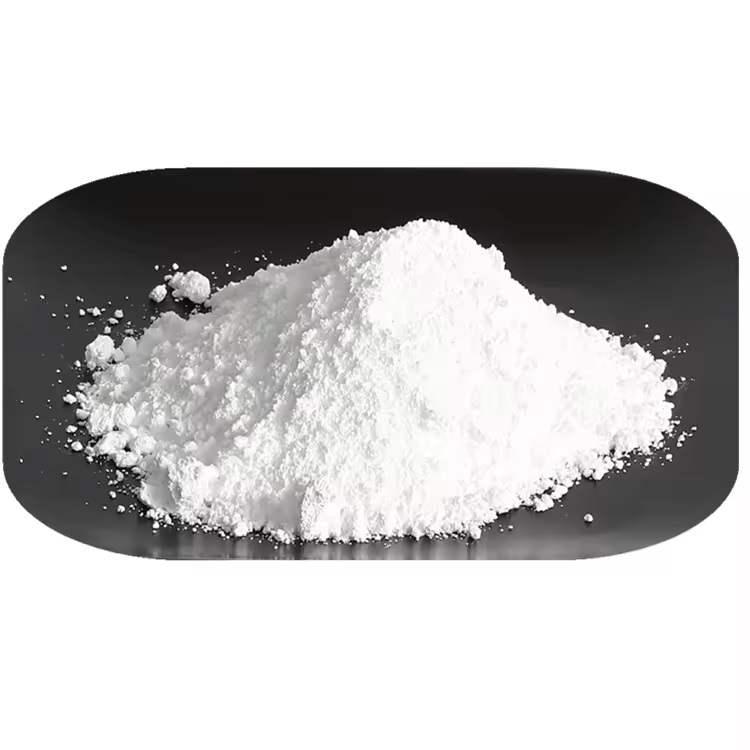
| Appearance | White, fine, soft powder; odorless |
CHEMICAL STRUCTURE
Zinc Stearate
O
║
Zn — O — C — (CH₂)₁₆ — CH₃
|
O
║
C — (CH₂)₁₆ — CH₃
Molecular Formula: Zn(C₁₈H₃₅O₂)₂ or C₃₆H₇₀O₄Zn
SMILES: [Zn+2].[O-]C(=O)CCCCCCCCCCCCCCCCC.[O-]C(=O)CCCCCCCCCCCCCCCCC
InChI: InChI=1S/2C18H36O2.Zn/c2*1-2-3-4-5-6-7-8-9-10-11-12-13-14-15-16-17-18(19)20;/h2*2-17H2,1H3,(H,19,20);/q;;+2/p-2
InChIKey: VUYZGGQGHKLSDJ-UHFFFAOYSA-L
Structure: Zinc ion (Zn²⁺) coordinated to two stearate anions (C₁₈H₃₅O₂⁻); Long hydrocarbon chains provide hydrophobic properties; "Soap" or metallic soap structure.
SECTION 1: CHEMICAL IDENTITY AND DESCRIPTION
| Parameter | Information |
|---|---|
| Product Name | Zinc Stearate |
| Chemical Name (IUPAC) | Zinc dioctadecanoate |
| Synonyms (Turkish) | Çinko Stearat, Çinko Dioktadekanoat, Çinko Oktadekanoat, Çinko Sabunu |
| Synonyms (English) | Zinc Stearate, Zinc Dioctadecanoate, Zinc Octadecanoate, Zinc Distearate, Stearic Acid Zinc Salt, Octadecanoic Acid Zinc Salt, Zinc Soap |
| CAS Number | 557-05-1 |
| EC Number (EINECS) | 209-151-9 |
| Molecular Formula | Zn(C₁₈H₃₅O₂)₂ (typically C₃₆H₇₀O₄Zn) |
| Molecular Weight | 632.34 g/mol (pure distearate); ~623.33 g/mol (technical grade with palmitate content) |
| Chemical Class | Metallic soap; Metal carboxylate; Fatty acid salt |
| Physical State (20°C) | Solid (fine powder) |
| Odor | Odorless |
| Color | White |
| Taste | Soapy, slightly metallic (do not ingest) |
| Texture | Soft, soapy, greasy to touch |
SECTION 2: PHYSICAL AND CHEMICAL PROPERTIES
| Property | Value | Test Method / Note |
|---|---|---|
| Appearance | White, fine, soft powder; soapy to touch | Visual / Touch |
| Odor | Odorless | Olfactometric |
| Molecular Weight | 632.34 g/mol (pure distearate) | Calculated |
| Density (20°C) | ~0.997 g/cm³ | ASTM D4052 |
| Bulk Density | 0.2 – 0.4 g/cm³ (typical) | – |
| Melting Point | 120 – 124°C | DSC |
| Decomposition Temperature | >300°C | – |
| Solubility in Cold Water | Practically insoluble | General Method |
| Solubility in Hot Water | Practically insoluble (disperses with surfactants) | General Method |
| Solubility in Ethanol | Insoluble in cold; Slightly soluble in hot ethanol | General Method |
| Solubility in Acetone | Insoluble | General Method |
| Solubility in Aromatic Hydrocarbons | Slightly soluble when heated | General Method |
| Solubility in Vegetable Oils | Slightly soluble | General Method |
| Solubility in Mineral Acids | Decomposes to stearic acid and zinc salts | General Method |
| Moisture Content | ≤ 1.0% | Gravimetric (105°C) |
| Ash Content | ~10-14% (as ZnO) | Gravimetric (800°C) |
| Zinc Content | ~10.0 – 10.5% | Titrimetric / AAS |
| Free Fatty Acid (as Stearic Acid) | ≤ 1.0% | Titrimetric |
| Particle Size | 2 – 10 µm (typical); Grade dependent | Sieve / Laser Diffraction |
| pH (10% Slurry) | 6.0 – 8.0 (neutral to slightly alkaline) | pH Meter |
| Hydrophobicity | Highly hydrophobic (water repellent) | – |
| Hygroscopicity | Very low (practically non-hygroscopic) | – |
| Thermal Stability | Stable up to 200-250°C; Decomposes >300°C | TGA |
| Compatibility | Compatible with most polymers, waxes, oils, and organic solvents | – |
| Surface Activity | Mild surfactant; Acts as lubricant and release agent | – |
SECTION 3: METALLIC SOAPS COMPARISON
| Property | Zinc Stearate | Calcium Stearate | Magnesium Stearate | Lithium Stearate |
|---|---|---|---|---|
| CAS Number | 557-05-1 | 1592-23-0 | 557-04-0 | 4485-12-5 |
| Molecular Weight | 632.34 | 607.03 | 591.27 | 542.89 |
| Melting Point (°C) | 120-124 | 150-180 | 132-140 | 205-210 |
| Appearance | White powder | White powder | White powder | White powder |
| Hydrophobicity | High | High | Moderate | High |
| Lubricity | Good | Good | Excellent | Excellent |
| Thermal Stability | Good | Good | Good | Very Good |
| PVC Stabilization | Good (co-stabilizer) | Excellent | Poor | Poor |
| Primary Use | Lubricant, release agent | PVC stabilizer | Tablet lubricant | Grease thickener |
| FDA/GRAS Status | Limited (food contact only) | Limited | GRAS (pharma/food) | No |
SECTION 4: CHEMICAL PROPERTIES AND REACTIVITY
| Parameter | Information |
|---|---|
| Chemical Character | Metallic soap (zinc salt of long-chain fatty acid); Metal carboxylate; Mild Lewis acid |
| Stability | Stable under normal conditions; Thermally stable up to 200-250°C; Practically non-hygroscopic |
| Reactivity | Reacts with strong acids to form stearic acid and zinc salts; Reacts with strong oxidizing agents; May act as a mild Lewis acid (catalytic effect in some reactions) |
| Incompatible Materials | Strong mineral acids (decomposition to stearic acid and zinc salts), strong oxidizing agents (oxidation), strong bases (saponification) |
| Polymerization | Does not polymerize |
| Decomposition Products (Heating) | Zinc oxide (ZnO), zinc salts, hydrocarbons (combustion products) |
| Acid Reaction | Zn(C₁₈H₃₅O₂)₂ + 2HCl → 2C₁₈H₃₆O₂ (stearic acid) + ZnCl₂ |
| Hydrolysis | Resistant to hydrolysis under normal conditions |
| Thermal Decomposition | >300°C: ZnO, fatty acid derivatives, hydrocarbons |
| Oxidation | Resistant to oxidation (stearate is saturated fatty acid) |
| Compatibility | Compatible with most polymers (PE, PP, PVC, rubbers), waxes, and oils |
| Surface Activity | Reduces friction and adhesion; Provides hydrophobic surface coating |
SECTION 5: PRODUCTION METHODS
Method 1: Direct Reaction (Precipitation Process)
Reaction: 2C₁₇H₃₅COOH (stearic acid) + Zn(OH)₂ → Zn(C₁₈H₃₅O₂)₂ + 2H₂O
Description: Stearic acid is heated to its melting point (70-80°C); Zinc hydroxide (or zinc oxide) is added slowly with stirring; Reaction proceeds at 80-120°C; Water formed is removed by distillation or vacuum; Product is cooled, ground, and sieved to desired particle size. Most common industrial method.
Method 2: Metathesis (Double Decomposition) Process
Reaction: 2C₁₇H₃₅COONa (sodium stearate) + ZnSO₄ → Zn(C₁₈H₃₅O₂)₂↓ + Na₂SO₄
Description: Sodium stearate (from stearic acid + NaOH) is reacted with zinc sulfate in aqueous solution; Zinc stearate precipitates as a white solid; Precipitate is filtered, washed, dried, and ground. Gives very fine particle size.
Method 3: Fusion Process
Process: Stearic acid + ZnO (or Zn(OH)₂) → Zinc stearate (molten state)
Description: Stearic acid and zinc oxide are mixed and heated above melting point (>120°C) in a fusion kettle; Reaction proceeds in molten state; Product is cooled and pulverized. Higher purity grade is obtained.
Method 4: In-situ Formation (Polymer Compounding)
Process: Zinc oxide + Stearic acid → Zinc stearate (formed during compounding)
Description: Zinc oxide and stearic acid are added directly to rubber or plastic compounds; Zinc stearate forms in-situ during processing (especially common in rubber vulcanization). This is not a production method but an application method.
SECTION 6: FUNCTIONAL PROPERTIES AND MECHANISM OF ACTION
| Property | Description |
|---|---|
| Lubricant (Internal/External) | Reduces friction between polymer chains (internal lubrication); Reduces friction between polymer and processing equipment (external lubrication); Lowers melt viscosity and improves flow; Prevents adhesion to metal surfaces |
| Release Agent / Mold Release | Forms a thin lubricating layer on mold surfaces; Prevents sticking of rubber, plastic, or metal powders; Essential in compression molding, injection molding, and powder metallurgy |
| PVC Heat Stabilizer Co-stabilizer | Acts as acid acceptor (scavenges HCl released during PVC degradation); Synergistic effect with calcium stearate and organotin stabilizers; Used in rigid and flexible PVC applications |
| Water Repellent / Hydrophobic Agent | Provides hydrophobic surface properties due to long hydrocarbon chains; Reduces water absorption in construction materials, coatings, and textiles |
| Matting Agent / Surface Leveler | Controls gloss and sheen in paints and coatings; Provides uniform surface finish; Used in flat and semi-gloss paint formulations |
| Anti-caking Agent / Flow Improver | Prevents agglomeration of powders; Improves flow properties of dry powder blends; Reduces bridging in hoppers and silos |
| Defoamer / Anti-foaming Agent | Reduces foam formation in water-based systems; Used in paints, coatings, and construction materials |
| Pigment Dispersant / Suspension Aid | Improves dispersion of pigments and fillers; Prevents settling and sedimentation; Provides stability to pigment suspensions |
| Polishing Agent / Abrasive Lubricant | Lubricates abrasive particles in sandpaper and polishing compounds; Improves surface finish quality; Reduces heat buildup during polishing |
| Grinding Aid | Used in grinding processes to reduce agglomeration and improve efficiency |
SECTION 7: MAIN APPLICATION AREAS
| Industry / Application | Function | Typical Use / Concentration |
|---|---|---|
| Plastics & Rubber | Lubricant, mold release, acid acceptor, PVC co-stabilizer | PVC compounds: 0.1 – 1.0 phr; Rubber dusting powder: 1 – 5 phr; Mold release: 0.5 – 2.0% |
| Paints & Coatings | Matting agent, defoamer, anti-settling agent, sanding aid | Paints/coatings: 1 – 5% by weight; Varnishes: 2 – 10%; Water-based systems: 0.5 – 2.0% |
| Construction Chemicals | Water repellent in cement-based mortars, grouts, and insulation materials | 0.5 – 3% of cement weight (dry blended) |
| Cosmetics & Personal Care | Emulsifier, thickener, lubricity agent in powders, foundations, creams | Powder formulations: 1 – 10%; Emulsions: 0.5 – 3% |
| Pharmaceuticals | Anti-tacking agent and lubricant in tablets (mainly external use) | Tablet compression: up to 2% (external phase) |
| Paper & Packaging | Surface sizing, water resistance for specialty paper and thermal paper | Coating formulations: 0.2 – 1.0% |
| Textile | Hydrophobic finish and surface smoothness agent | 0.5 – 2% (by bath weight) |
| Abrasives & Polishing | Lubricant and binder in sandpaper and polishing compounds | Abrasive mixtures: 1 – 3% |
| Powder Metallurgy | Internal lubricant and mold release for pressing | 0.5 – 1.5% of metal powder weight |
| Ink Industry | Anti-skinning and dispersion agent in offset inks | 0.5 – 2% |
| Adhesives & Sealants | Release agent and lubricant | 0.5 – 2% |
| Animal Feed | Flow agent and anti-caking agent | 0.5 – 1.5% |
SECTION 8: SAMPLE FORMULATIONS
PVC Pipe Formulation (Internal Lubricant):
| Component | Amount |
|---|---|
| PVC Resin | 100 kg |
| Stabilizer (Ca/Zn) | 2.5 kg |
| Zinc Stearate | 0.3 kg |
| Calcium Stearate | 0.7 kg |
| Processing Aids | As required |
| Fillers | As required |
Cement-Based Waterproofing Mortar:
| Component | Amount |
|---|---|
| Portland Cement | 100 kg |
| Silica Sand | 150 kg |
| Zinc Stearate | 2 kg (dry blended) |
| Redispersible Polymer Powder | 3 kg |
Transparent Face Powder (Cosmetics):
| Component | Amount |
|---|---|
| Talc | 70 g |
| Zinc Stearate | 8 g |
| Silica Microspheres | 10 g |
| Magnesium Stearate | 2 g |
| Nylon-12 | 10 g |
SECTION 9: QUALITY SPECIFICATIONS
| Parameter | Technical Grade | Cosmetic Grade | Pharmaceutical Grade | Test Method |
|---|---|---|---|---|
| Appearance | White fine powder | White fine powder | White fine powder | Visual |
| Assay (Zinc Stearate) | ≥ 90.0% | ≥ 92.0% | ≥ 94.0% | Titrimetric |
| Zinc Content | 10.0 – 10.5% | 10.0 – 10.5% | 10.0 – 10.5% | AAS / Titrimetric |
| Free Fatty Acid (as Stearic Acid) | ≤ 1.5% | ≤ 1.0% | ≤ 0.5% | Titrimetric |
| Moisture Content | ≤ 1.0% | ≤ 0.5% | ≤ 0.3% | Gravimetric (105°C) |
| Ash Content (as ZnO) | 13.0 – 14.5% | 13.0 – 14.5% | 13.0 – 14.5% | Gravimetric (800°C) |
| Melting Point | 120 – 124°C | 120 – 124°C | 120 – 124°C | DSC |
| Particle Size (D90) | ≤ 10 µm | ≤ 5 µm | ≤ 5 µm | Laser Diffraction |
| Heavy Metals (Pb) | ≤ 10 ppm | ≤ 5 ppm | ≤ 2 ppm | AAS / ICP |
| Arsenic (As) | ≤ 3 ppm | ≤ 2 ppm | ≤ 1 ppm | AAS / ICP |
| Lead (Pb) | ≤ 10 ppm | ≤ 5 ppm | ≤ 2 ppm | AAS / ICP |
| Zinc Oxide | ≤ 0.5% | ≤ 0.3% | ≤ 0.1% | Titrimetric |
| Bulk Density | 0.2 – 0.4 g/cm³ | 0.2 – 0.4 g/cm³ | 0.2 – 0.4 g/cm³ | – |
| pH (10% Slurry) | 6.0 – 8.0 | 6.0 – 8.0 | 6.0 – 8.0 | pH Meter |
| Sieve Residue (45 µm) | ≤ 0.5% | ≤ 0.2% | ≤ 0.1% | Sieve Analysis |
SECTION 10: TOXICOLOGICAL PROFILE
| Parameter | Value |
|---|---|
| Acute Oral Toxicity (LD50, Rat) | > 5,000 mg/kg (practically non-toxic) |
| Acute Dermal Toxicity | Non-irritating; No significant toxicity |
| Acute Inhalation Toxicity | Dust may cause respiratory irritation |
| Skin Irritation | Non-irritating (soapy texture) |
| Eye Irritation | May cause mild mechanical irritation (dust) |
| Chronic Toxicity | Non-toxic; No known chronic effects |
| Carcinogenicity | Not classified as carcinogenic |
| Mutagenicity | Not mutagenic |
| Reproductive Toxicity | No reproductive toxicity |
| Target Organs | None (non-toxic); Respiratory tract (dust irritation) |
| Occupational Exposure Limit (8h TWA) | Not established (non-hazardous dust); General dust limit: 10 mg/m³ |
| Special Toxicity Note | Non-toxic; Practically non-hygroscopic; Low hazard; Dust may cause mechanical irritation to eyes, skin, and respiratory system; Avoid inhalation of dust; Not approved as direct food additive (unlike magnesium stearate); Limited food contact applications with regional compliance |
SECTION 11: GHS CLASSIFICATION AND LABELING
GHS Classification (in accordance with CLP and UN GHS):
| Hazard Class | Category | H-Statement |
|---|---|---|
| Not classified as hazardous | – | – |
SIGNAL WORD: NONE (not classified as hazardous)
Hazard Pictograms: NONE
Hazard Statements (H-Codes): Not classified as hazardous under GHS regulations.
EU Risk & Safety Phrases (Old System):
| Code | Statement |
|---|---|
| Not classified | – |
| S22 | Do not breathe dust |
| S24/25 | Avoid contact with skin and eyes |
| S37/39 | Wear suitable gloves and eye/face protection |
NFPA 704 Hazard Classification:
| Health | Flammability | Reactivity | Special |
|---|---|---|---|
| 1 | 1 | 0 | - |
| (Slight health hazard – dust) | (Combustible – dust cloud may form explosive mixture) | (Stable) | (None) |
SECTION 12: PRECAUTIONARY STATEMENTS (P-CODES)
| Code | Statement |
|---|---|
| P261 | Avoid breathing dust/fume/gas/mist/vapors/spray |
| P264 | Wash hands thoroughly after handling |
| P271 | Use only outdoors or in a well-ventilated area |
| P280 | Wear protective gloves/protective clothing/eye protection/face protection |
| P302+P352 | IF ON SKIN: Wash with plenty of soap and water |
| P304+P340 | IF INHALED: Remove person to fresh air and keep comfortable for breathing |
| P305+P351+P338 | IF IN EYES: Rinse cautiously with water for several minutes. Remove contact lenses if present and continue rinsing |
| P312 | Call a POISON CENTER/doctor if you feel unwell (dust irritation) |
| P332+P313 | If skin irritation occurs: Get medical advice/attention |
| P337+P313 | If eye irritation persists: Get medical advice/attention |
| P362+P364 | Take off contaminated clothing and wash it before reuse |
| P403+P233 | Store in a well-ventilated place. Keep container tightly closed |
| P501 | Dispose of contents/container in accordance with local/regional/national/international regulations |
SECTION 13: FIRST AID MEASURES
| Exposure Route | Action to Take |
|---|---|
| Inhalation | Remove to fresh air immediately. If respiratory irritation develops (dust inhalation), seek medical attention. Drink water to clear throat. |
| Skin Contact | Wash with plenty of soap and water. If irritation persists, get medical attention. |
| Eye Contact | Rinse immediately with plenty of water for at least 15 minutes. Keep eyelids open. Remove contact lenses if present. If irritation persists, seek medical attention. |
| Ingestion | Rinse mouth. Drink plenty of water. Generally non-toxic. If large quantities are ingested and symptoms occur, seek medical attention. |
| General | Dust may cause mechanical irritation; Use appropriate protective equipment. |
SECTION 14: FIREFIGHTING MEASURES
| Parameter | Information |
|---|---|
| Fire Hazard | Combustible organic material. Dust cloud may form explosive mixture with air (if finely dispersed). Flash point >200°C. |
| Hazards Arising from Fire | Thermal decomposition produces zinc oxide (ZnO) fumes, stearic acid, and hydrocarbons. |
| Suitable Extinguishing Media | Water spray, CO₂, dry chemical powder, foam. |
| Unsuitable Extinguishing Media | Water jet (may spread dust) |
| Special Protective Equipment | Self-contained breathing apparatus (SCBA), full protective clothing (for surrounding fire). |
| Special Precautions | Prevent dust from entering sewers and waterways. Avoid dust cloud formation. |
SECTION 15: STORAGE AND SHELF LIFE
| Parameter | Information |
|---|---|
| Storage Conditions | Store in a cool, dry, well-ventilated area (<30°C); Protect from direct sunlight, heat, and moisture; Avoid dust cloud formation. |
| Container Requirements | Tightly closed, moisture-proof containers (plastic bags, paper bags with PE liner, fiber drums). |
| Materials to Protect From | Strong mineral acids (decomposition), strong oxidizing agents, strong bases; Heat sources. |
| Shelf Life | 24 – 36 months (in unopened original packaging, under proper storage conditions). |
| Stability Note | Very stable under normal conditions; Practically non-hygroscopic; Keep container tightly closed after opening; Protect from excessive humidity and heat. |
| Special Storage Requirements | Store in a dry, well-ventilated warehouse; Avoid exposure to rain, sun, and moisture; Avoid dust accumulation (explosion risk); Keep away from incompatible materials. |
SECTION 16: PACKAGING OPTIONS
| Packaging Type | Quantity | Material |
|---|---|---|
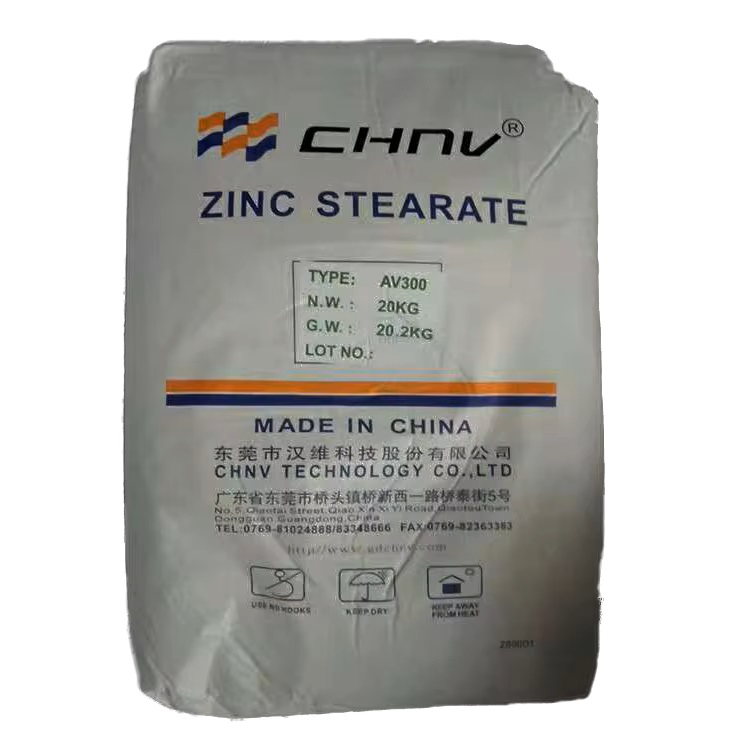
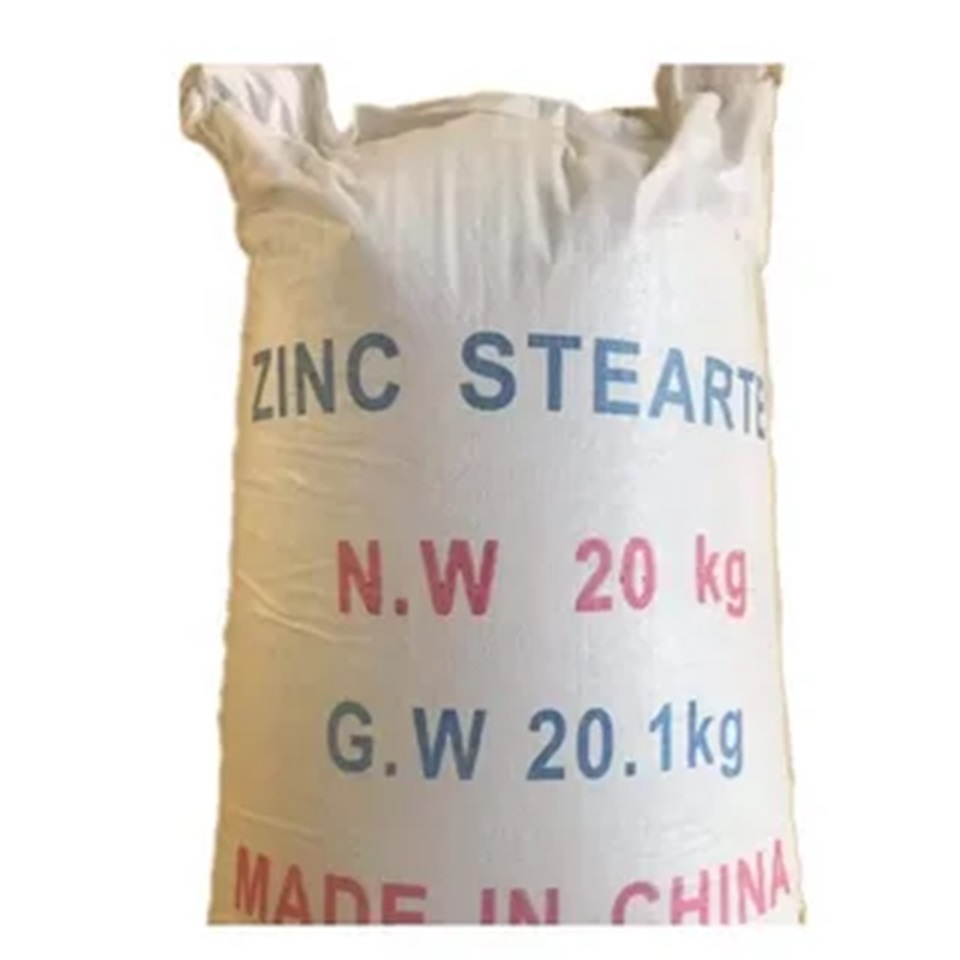
| Multi-layer Paper Bag | 10 kg, 15 kg, 20 kg | PE-lined kraft paper bag (moisture-proof) |
| Plastic Bag | 5 kg, 10 kg, 20 kg | PE bag (inner-lined, sealed, moisture-proof) |
| Fiber Drum | 20 kg, 25 kg | PE-lined fiberboard drum |
| Plastic Drum | 25 kg, 50 kg | HDPE / Polypropylene |
| FIBC / Big Bag | 500 kg, 1000 kg | PE-lined, moisture-resistant PP woven bag |
| Small Pack | 1 kg, 5 kg | Foil-lined plastic bags (laboratory/sample) |
SECTION 17: TRANSPORT INFORMATION
| Parameter | Information |
|---|---|
| UN Number | Not regulated (non-hazardous) |
| Hazard Class | Not applicable |
| Packing Group | Not applicable |
| ADR/RID | Not regulated |
| IMDG Code | Not regulated (non-hazardous) |
| IATA (Air) | Not regulated (non-hazardous) |
| Marine Pollutant | No |
| Transport Temperature | Ambient temperature; Protect from moisture. |
SECTION 18: REGULATORY STATUS
| Region / Authority | Status |
|---|---|
| European Union | REACH registered; Not classified as hazardous; Listed in EINECS (209-151-9); Food contact approved (EU 10/2011) with migration limits |
| USA (TSCA) | Listed (TSCA Inventory) |
| USA (FDA) | Limited food contact applications (21 CFR); Not GRAS as direct food additive; Approved for use in cosmetics (21 CFR 73.2252 – color additive) |
| Turkey | Industrial chemical; Subject to KKDIK regulation; Cosmetic ingredient approved (INCI: Zinc Stearate) |
| IARC | Not classified (non-toxic, non-carcinogenic) |
| NTP | Not listed |
| OSHA | Not regulated as toxic or carcinogenic substance |
| California (Prop 65) | Not listed |
| EU Cosmetic Regulation | Approved as cosmetic ingredient; INCI: Zinc Stearate |
| FDA (Color Additive) | Approved as color additive for cosmetics (21 CFR 73.2252) – subject to purity requirements |
SECTION 19: OTHER NAMES AND SYNONYMS
| Type | Name |
|---|---|
| Turkish Names | Çinko Stearat, Çinko Dioktadekanoat, Çinko Oktadekanoat, Çinko Sabunu |
| English Names | Zinc Stearate, Zinc Dioctadecanoate, Zinc Octadecanoate, Zinc Distearate, Stearic Acid Zinc Salt, Octadecanoic Acid Zinc Salt, Zinc Soap |
| Chemical Names | Zinc dioctadecanoate; Zinc octadecanoate; Stearic acid, zinc salt; Octadecanoic acid, zinc salt |
| CAS Number | 557-05-1 |
| EC Number | 209-151-9 |
| Molecular Formula | Zn(C₁₈H₃₅O₂)₂ or C₃₆H₇₀O₄Zn |
| HS Code | 2915.70 |
| INCI Name | Zinc Stearate |
| Synonyms | Zinc Distearate, Zinc Soap (rubber/plastics industry), Dusting Powder (rubber), Zinc Salt of Stearic Acid |
SECTION 20: SUMMARY TABLE
| Parameter | Value |
|---|---|
| Product | Zinc Stearate |
| CAS Number | 557-05-1 |
| Molecular Formula | Zn(C₁₈H₃₅O₂)₂ (C₃₆H₇₀O₄Zn) |
| Molecular Weight | 632.34 g/mol (pure distearate) |
| Appearance | White, fine, soft powder |
| Density | ~0.997 g/cm³ |
| Melting Point | 120 – 124°C |
| Solubility in Water | Practically insoluble |
| Primary Function | Lubricant, release agent, stabilizer, water repellent |
| Main Application Areas | Plastics & rubber, paints & coatings, construction, cosmetics, pharmaceuticals, paper, textiles, powder metallurgy |
| Shelf Life | 24 – 36 months |
| GHS Signal Word | NONE (not classified as hazardous) |
| UN Number | Not regulated |
| Special Properties | Hydrophobic; Soapy texture; Low hygroscopicity; Good thermal stability; Non-toxic |
SECTION 21: CRITICAL WARNINGS AND BEST PRACTICES
CRITICAL WARNINGS:
-
Not classified as hazardous under GHS. Non-toxic, non-irritating, non-carcinogenic.
-
Combustible organic material. May form explosive dust clouds when finely dispersed. Avoid dust accumulation.
-
Dust may cause mechanical irritation to eyes, skin, and respiratory system. Use appropriate dust control measures.
-
Not approved as direct food additive (unlike magnesium stearate). Limited food contact applications with regional compliance.
-
Practically non-hygroscopic – does not absorb moisture from air. Advantage for moisture-sensitive formulations.
-
Incompatibilities: Strong mineral acids (decomposition to stearic acid and zinc salts), strong oxidizing agents, strong bases.
-
Melting point 120-124°C – melts during polymer processing to provide lubrication.
-
Soapy texture – provides lubricity and anti-tack properties.
-
Zinc content ~10-10.5% – important for PVC stabilization and vulcanization applications.
BEST PRACTICE RECOMMENDATIONS:
Plastics & Rubber Industry: Use as internal/external lubricant in PVC compounds (0.1-1.0 phr); Use as mold release agent and dusting powder in rubber (1-5 phr); Use as PVC heat stabilizer co-stabilizer (synergistic with calcium stearate); Pre-blend with polymer before compounding; For rubber, use as dusting powder to prevent sheets from sticking; For rigid PVC, typical ratio: Ca/Zn stearate 2:1 to 3:1.
Paints & Coatings: Use as matting agent, defoamer, and anti-settling agent; Add at 1-5% by weight in paints/coatings; For varnishes: 2-10%; Add during pigment dispersion stage; Provides sanding aid for surface finishing; Use in flat and semi-gloss formulations.
Construction Chemicals: Use as water repellent in cement-based mortars and grouts; Add 0.5-3% of cement weight; Dry blend with cement and fillers before water addition; Improves water resistance and reduces capillary water absorption.
Cosmetics & Personal Care: Use as emulsifier, thickener, and lubricity agent in powders and foundations; Powder formulations: 1-10%; Emulsions: 0.5-3%; Provides soft, silky, soapy feel; Improves adhesion and spreadability; Approved INCI name: Zinc Stearate.
Pharmaceuticals: Use as anti-tacking agent and lubricant in tablets (external use); Tablet compression: up to 2% (external phase); Not for internal use as primary lubricant (magnesium stearate preferred); Ensure pharmaceutical grade quality.
Paper & Packaging: Use in specialty paper and thermal paper coatings; Provides water resistance and improved surface properties; Coating formulations: 0.2-1.0%; Apply as surface sizing.
Textile: Use as hydrophobic finish and surface smoothness agent; 0.5-2% by bath weight; Apply to fabrics for water repellency.
Powder Metallurgy: Use as internal lubricant and mold release agent; 0.5-1.5% of metal powder weight; Mix thoroughly with metal powder before pressing; Improves green strength and reduces ejection force.
Handling: Use in well-ventilated areas; Avoid dust formation; Use dust masks (N95/FFP2) when handling powder; Use gloves and safety goggles.
Personal Protective Equipment: Dust mask (N95/FFP2 or higher), safety goggles, protective gloves (nitrile, neoprene). Not required for solution/dispersion handling.
Hygiene: Wash hands thoroughly after handling; Do not eat, drink, or smoke while using.
Storage: Store in tightly closed, moisture-proof containers; Store in a cool, dry, well-ventilated area (<30°C); Protect from direct sunlight, heat, and moisture; Avoid dust accumulation (explosion risk); Keep away from incompatible materials; Shelf life: 24-36 months under proper conditions.
Spill Management: Sweep or vacuum (HEPA) and place in suitable sealed container; Avoid dust formation; Do not allow entry into drains or waterways.
Disposal: Dispose of in accordance with local, regional, and national regulations; Non-hazardous waste; Can be incinerated in compliance with regulations.
SPECIAL NOTE ON PVC STABILIZATION:
Zinc stearate is a key component in calcium-zinc (Ca/Zn) PVC stabilizer systems:
-
Function: Acts as acid acceptor (scavenges HCl); Provides long-term heat stability; Synergistic effect with calcium stearate.
-
Mechanism: Zinc stearate reacts with HCl to form zinc chloride; Calcium stearate reacts with zinc chloride to regenerate zinc stearate (synergistic cycle); Prevents discoloration and degradation of PVC.
-
Typical ratio: Calcium stearate : Zinc stearate = 2:1 to 3:1.
-
Limitation: Zinc stearate alone can cause "zinc burn" (sudden degradation) if overused; Balanced with calcium stearate for optimal performance.
-
Applications: Rigid PVC pipes, profiles, films; Flexible PVC cables, hoses; Food contact PVC (with appropriate approvals).
SPECIAL NOTE ON COSMETIC APPLICATIONS:
Zinc stearate is widely used in cosmetic powders and color cosmetics:
-
INCI Name: Zinc Stearate
-
Function: Provides soft, silky, soapy feel; Improves adhesion and spreadability; Acts as emollient and thickener; Imparts smoothness and opacity.
-
Applications: Face powders, foundations, blushes, eye shadows, lipsticks.
-
Concentration: 1-10% in powders; 0.5-3% in emulsions.
-
FDA Status: Approved as color additive for cosmetics (21 CFR 73.2252 – subject to purity requirements).
-
EU Status: Approved cosmetic ingredient.
-
Purity Requirements: Low heavy metals (Pb < 5 ppm, As < 2 ppm); Low free fatty acid (< 1.0%); Fine particle size (< 5 µm).
SPECIAL NOTE ON RUBBER VULCANIZATION:
Zinc stearate is used in rubber processing:
-
Function: Activates vulcanization (as zinc oxide precursor); Lubricates rubber sheets (dusting powder); Prevents sticking of uncured rubber.
-
Mechanism: Zinc stearate reacts with stearic acid to form zinc soap; Zinc soap accelerates sulfur vulcanization; Provides faster cure and improved physical properties.
-
Application: Dusting powder on uncured rubber sheets (1-5 phr); Activator in rubber compounds (0.5-2 phr); Prevents adhesion to molds and calenders.
-
Advantage: Provides excellent release properties; Improves surface finish of rubber products.
SPECIAL NOTE ON FOOD CONTACT APPROVALS:
Zinc stearate has limited food contact approvals:
-
EU: Approved under EU 10/2011 for food contact plastics; Specific migration limits apply (zinc migration ≤ 25 mg/kg food).
-
USA (FDA): Listed in 21 CFR for certain food contact applications; Not GRAS as direct food additive.
-
Not a direct food additive (unlike magnesium stearate which is GRAS).
-
Check regional regulations before use in food contact applications.
-
Ensure compliance with specific migration limits for zinc and stearic acid.
LEGAL DISCLAIMER:
The information provided in this document is based on our current knowledge and experience and is presented in good faith. However, as all conditions of use are beyond our control, it does not constitute a binding specification or warranty. This Technical Data Sheet is for informational purposes only. Users are responsible for testing the suitability for their own applications. For complete safety, storage, use, handling, waste, and regulatory compliance information, please refer to the official Safety Data Sheet (SDS/MSDS) provided by the manufacturer/supplier.