We unleash your business potential by maximize the business innovation.
Send EmailCerium Hydroxide, Cerium Tetrahydroxide, Cerium Hydrate, 12014-56-1
CERIUM HYDROXIDE (CERIUM(IV) HYDROXIDE)
Chemical Name: Cerium(IV) Hydroxide / Cerium Tetrahydroxide
CAS Number: 12014-56-1
EC Number: 234-599-7
UN Number: 3262 (Corrosive solid, basic, inorganic)
Customs Tariff Code: 2846.10.20.00 (Rare earth hydroxides)
1. PRODUCT IDENTIFICATION AND CHEMICAL IDENTITY
| Parameter | Description |
|---|---|
| Chemical Name (IUPAC) | Cerium(IV) hydroxide |
| Other Names | Cerium Hydrate, Cerium Hydroxide, Cerium Tetrahydroxide, Ce(OH)₄ |
| CAS Number | 12014-56-1 |
| EC Number (EINECS) | 234-599-7 |
| Molecular Formula | Ce(OH)₄ |
| Molecular Weight | 208.14 g/mol |
| Chemical Class | Inorganic hydroxide / Rare earth metal hydroxide |
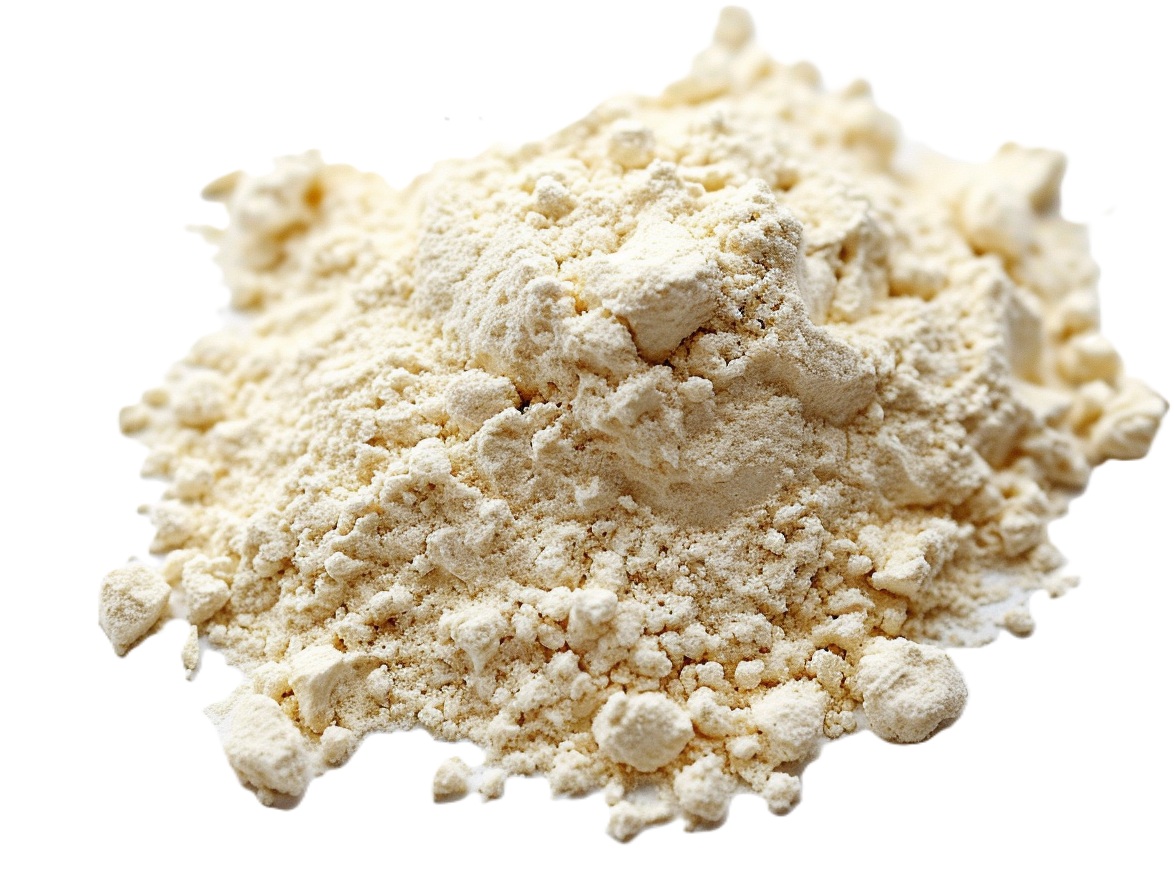
| Appearance | Yellowish to light brown powder or crystalline mass |
| Odor | Odorless |
| Density | ~4.5-5 g/cm³ |
| Crystal Structure | Amorphous / Hydroxide phase |
CHEMICAL STRUCTURE AND DESCRIPTION:
Cerium Hydroxide (Ce(OH)₄) is the hydroxide salt of cerium in the +4 oxidation state. It appears as a yellowish to light brown, amorphous powder or crystalline mass. It is insoluble in water but dissolves in strong mineral acids. Cerium is the most abundant rare earth element with unique redox properties (Ce³⁺/Ce⁴⁺). Cerium Hydroxide is an important precursor for cerium oxide (CeO₂) production and is widely used in automotive catalytic converters, optical materials, glass polishing powders, and nanotechnology.
Structural Features:
-
Insoluble in water
-
Dissolves in strong mineral acids
-
Yellowish-brown appearance
-
Thermal decomposition yields CeO₂
-
Key precursor for cerium-based catalytic and optical materials
-
Cerium in +4 oxidation state (Ce⁴⁺)
-
Not hygroscopic
2. PHYSICAL AND CHEMICAL PROPERTIES
| Property | Value |
|---|---|
| Molecular Formula | Ce(OH)₄ |
| Molecular Weight | 208.14 g/mol |
| Appearance | Yellowish to light brown powder or crystalline mass |
| Odor | Odorless |
| Density | ~4.5-5 g/cm³ |
| Melting Point | Not distinct; decomposes on heating |
| Boiling Point | ~100°C (reported) |
| Decomposition Temperature | ~300-700°C (to CeO₂) |
| Solubility in Water | Insoluble |
| Solubility in Strong Mineral Acids | Soluble |
| Solubility in Organic Solvents | Insoluble |
| Hygroscopicity | Not hygroscopic |
| Thermal Decomposition | Ce(OH)₄ → CeO₂ + 2H₂O ↑ |
| Redox Properties | Ce⁴⁺/Ce³⁺ redox couple (oxygen storage capacity) |
| Optical Properties | Polishing and optical coating applications |
| Crystal Structure | Amorphous |
Cerium Hydroxide is a yellowish to light brown, odorless, amorphous powder or crystalline mass with a density of approximately 4.5-5 g/cm³. It is insoluble in water but dissolves in strong mineral acids. Upon heating, it decomposes to cerium oxide (CeO₂). Due to the Ce⁴⁺/Ce³⁺ redox couple, it exhibits high oxygen storage capacity, making it valuable for catalytic applications.
3. SOLUBILITY PROFILE
| Solvent | Solubility | Conditions |
|---|---|---|
| Water | Insoluble | All temperatures |
| Dilute Acids | Slightly soluble | - |
| Strong Mineral Acids | Soluble | Forms Ce⁴⁺ salts |
| Hydrochloric Acid | Soluble | CeCl₄ formation |
| Nitric Acid | Soluble | Ce(NO₃)₄ formation |
| Organic Solvents | Insoluble | - |
Cerium Hydroxide is insoluble in water and organic solvents. It dissolves in strong mineral acids, forming the corresponding cerium(IV) salts. It is slightly soluble in dilute acids.
4. CHEMICAL PROPERTIES AND REACTIONS
| Property | Description |
|---|---|
| Chemical Class | Inorganic hydroxide / Rare earth metal hydroxide |
| Oxidation State | Ce⁴⁺ (+4) |
| Redox Properties | Ce⁴⁺ → Ce³⁺ + e⁻ (oxygen storage capacity) |
| Thermal Decomposition | Ce(OH)₄ → CeO₂ + 2H₂O ↑ (~300-700°C) |
| Acid Dissolution | Dissolves in strong mineral acids forming Ce⁴⁺ salts |
| Reduction | Ce⁴⁺ can be reduced to Ce³⁺ |
| Precipitation | Forms hydroxide precipitate from Ce⁴⁺ solutions |
| Basic Properties | Basic hydroxide |
Cerium Hydroxide is a typical basic hydroxide. Upon heating, it decomposes to cerium oxide (CeO₂). Due to the Ce⁴⁺/Ce³⁺ redox couple, it has oxygen storage and release capacity, a property critical for automotive catalytic converters. It dissolves in strong mineral acids to form cerium(IV) salts.
Key Chemical Reactions:
Thermal Decomposition:
Ce(OH)₄ → CeO₂ + 2H₂O ↑ (~300-700°C)
Acid Dissolution:
Ce(OH)₄ + 4HCl → CeCl₄ + 4H₂O
Redox Reaction (Reduction):
Ce(OH)₄ + e⁻ → Ce(OH)₃ + OH⁻
Precipitation Reaction:
Ce⁴⁺ + 4OH⁻ → Ce(OH)₄ ↓
5. SPECIFICATIONS (TECHNICAL AND HIGH PURITY)
| Parameter | Technical Grade | High Purity |
|---|---|---|
| Purity (Ce(OH)₄) | ≥ 99.0% | ≥ 99.9% - 99.999% |
| Appearance | Yellowish-brown powder | Light yellowish powder |
| Cerium Oxide (CeO₂) | Calculated | Calculated |
| Iron (Fe) | ≤ 0.01% | ≤ 0.001% |
| Calcium (Ca) | ≤ 0.01% | ≤ 0.001% |
| Magnesium (Mg) | ≤ 0.01% | ≤ 0.001% |
| Sodium (Na) | ≤ 0.05% | ≤ 0.01% |
| Chloride (Cl) | ≤ 0.01% | ≤ 0.005% |
| Sulfate (SO₄) | ≤ 0.01% | ≤ 0.005% |
| Loss on Ignition | ~15-20% | ~15-20% |
| Shelf Life | ~2 years | ~2 years |
Cerium Hydroxide is available in various grades from technical (≥ 99%) to high purity (≥ 99.999%). High purity grades are essential for optical, catalytic, and electronic applications.
6. APPLICATIONS AND INDUSTRIAL USES
6.1. Cerium Oxide (CeO₂) Production (Most Important Application)
| Application | Description |
|---|---|
| Primary Precursor | Thermal decomposition yields high-purity CeO₂ |
| Catalyst Precursor | Used in automotive catalytic converter production |
| Optical Precursor | Used in optical material production |
| Polishing Precursor | Used in glass polishing powder (CMP) production |
Cerium Hydroxide is the most important precursor for cerium oxide (CeO₂) production. Upon heating, it decomposes to CeO₂, which is essential for automotive catalytic converters, optical glass, glass polishing powders, and ceramic applications.
6.2. Catalyst Applications (Critical Application)
| Application | Description |
|---|---|
| Automotive Catalytic Converters | Oxygen storage in three-way catalysts |
| Oxygen Storage | Ce⁴⁺/Ce³⁺ redox cycle provides oxygen storage and release |
| Chemical Catalysts | Used in various chemical synthesis processes |
| Petrochemical | Used in catalytic processes |
Cerium's redox properties (Ce⁴⁺/Ce³⁺) provide critical oxygen storage capacity for automotive catalytic converters.
6.3. Glass Polishing and Optical Applications
| Application | Description |
|---|---|
| Glass Polishing Powders | Optical glass, lens, mirror, and semiconductor polishing (CMP) |
| Optical Coatings | Thin film and coating applications |
| Optical Glasses | UV transmittance control |
| Laser Materials | Used in certain laser systems |
6.4. Electronics and Semiconductor Applications
| Application | Description |
|---|---|
| CMP Slurry | Semiconductor wafer polishing |
| Sputtering Targets | Thin film deposition |
| Semiconductor Doping | Used as a dopant |
| Electronic Materials | Specialty electronic applications |
6.5. Nanotechnology
| Application | Description |
|---|---|
| CeO₂ Nanoparticles | Source material for nanoparticle production |
| Nanomaterials | Advanced nanomaterial synthesis |
| Catalytic Nanomaterials | Nanocatalyst applications |
6.6. Defense and Advanced Ceramics
| Application | Description |
|---|---|
| Advanced Ceramics | High-temperature applications |
| Optical Coatings | Defense and aerospace systems |
| Heat-Resistant Coatings | Thermal barrier applications |
7. ALTERNATIVE / EQUIVALENT PRODUCTS
| Product | Description | Preference Reason |
|---|---|---|
| Cerium Oxide (CeO₂) | Direct use in catalysts and optics | Already oxidized form |
| Cerium Nitrate (Ce(NO₃)₄) | Soluble cerium source | Water-soluble, easy processing |
| Cerium Chloride (CeCl₄) | Alternative soluble form | Water-soluble, different anion |
| Lanthanum Hydroxide (La(OH)₃) | Similar rare earth hydroxide properties | Different catalytic properties |
| Zirconium Hydroxide (Zr(OH)₄) | Alternative for coatings and ceramics | Lower cost, different properties |
8. SECTOR SUITABILITY TABLE
| Sector / Application | Suitability | Description |
|---|---|---|
| Catalysts | Critical | CeO₂ catalyst production precursor |
| Optics | High | Polishing powders, coatings, glass additives |
| Electronics | High | CMP, semiconductor doping |
| Nanotechnology | Suitable | CeO₂ nanoparticle production source |
| Defense | Suitable | Optical coatings and advanced ceramics |
| Cosmetics | Not Suitable | Direct use not recommended |
| Food & Pharmaceuticals | Prohibited | Not permitted due to hydroxide structure |
9. COMMON NAMES
-
Cerium hydrate
-
Cerium hydroxide
-
Yellowish rare earth powder
-
Cerium salt
-
Cerium tetrahydroxide
-
Ce(OH)₄
10. PRODUCTION PROCESS
| Stage | Description |
|---|---|
| Starting Material | Cerium salts (Ce³⁺) or cerium-containing solutions |
| Oxidation | Oxidation of Ce³⁺ to Ce⁴⁺ (with H₂O₂ or other oxidizers) |
| Precipitation | Hydroxide precipitation with sodium hydroxide or ammonium hydroxide |
| Reaction | Ce⁴⁺ + 4OH⁻ → Ce(OH)₄ ↓ |
| Filtration | Separation of precipitate from mother liquor |
| Washing | Washing to remove impurities |
| Drying | Controlled drying |
| Grinding | Grinding to desired particle size |
| Packaging | Packaging |
Reaction Equation:
Ce³⁺ → Ce⁴⁺ + e⁻ (oxidation)
Ce⁴⁺ + 4OH⁻ → Ce(OH)₄ ↓
Production Types: Technical and high purity grades
Major Producing Countries: China, India, United States
Commercial Purity: Ranges from 99% to 99.999%
11. SAFETY AND TOXICOLOGY
| Parameter | Value |
|---|---|
| GHS Classification | GHS05 (Corrosion) |
| Hazard Statements | H290 (May be corrosive to metals), H314 (Causes severe skin burns and eye damage), H318 (Causes serious eye damage) |
| Precautionary Statements | P234, P260, P280, P301+P330+P331, P303+P361+P353, P305+P351+P338 |
| Signal Word | Danger |
| UN Number | 3262 (Corrosive solid, basic, inorganic) |
| Hazard Class | 8 (Corrosive substances) |
| Packing Group | III |
| Skin Contact | Causes severe burns |
| Eye Contact | Causes serious eye damage |
| Inhalation | May cause respiratory tract irritation |
| Carcinogenicity | Not classified |
| Ecotoxicity | Low to moderate aquatic toxicity |
SPECIAL WARNINGS: Cerium Hydroxide is classified as a corrosive substance (UN 3262) . It causes severe skin burns and serious eye damage. Protective equipment (gloves, safety goggles, protective clothing) must be used. While cerium compounds are generally of low toxicity, the basic and corrosive nature requires careful handling.
12. TRANSPORT INFORMATION
| Parameter | Information |
|---|---|
| UN Number | 3262 (Corrosive solid, basic, inorganic) |
| Hazard Class | 8 (Corrosive substances) |
| Packing Group | III |
| Proper Shipping Name | Corrosive solid, basic, inorganic (Cerium hydroxide) |
| Marine Pollutant | Yes |
| ADR/RID Label | 8 |
Cerium Hydroxide is classified as a corrosive substance (UN 3262, Class 8) . Proper packaging and labeling are required for transport.
13. REGULATORY INFORMATION
| Region | Status |
|---|---|
| EU | REACH registered |
| Turkey (KKDİK) | Mandatory compliance; registration required |
| USA (TSCA) | Listed |
| EINECS | 234-599-7 |
| Customs Tariff Code | 2846.10.20.00 |
Cerium Hydroxide is registered in all major industrial markets. KKDİK registration is required for use in Turkey.
14. STORAGE AND HANDLING
| Parameter | Information |
|---|---|
| Storage Conditions | Cool, dry, well-ventilated area |
| Container Requirements | Tightly closed containers |
| Materials to Avoid | Strong acids, reducing agents |
| Shelf Life | ~2 years (under proper storage) |
| Hygroscopicity | Not hygroscopic |
| Packaging Options | 100 g, 500 g, 1 kg, 5 kg, 25 kg |
Handling Notes:
-
CRITICAL: This compound is corrosive (UN 3262). Avoid contact with skin, eyes, and respiratory tract.
-
Avoid dust formation and inhalation
-
Avoid skin and eye contact (use protective gloves and safety goggles)
-
Use in well-ventilated areas
-
Keep away from strong acids and reducing agents
-
Prevent environmental release
15. FIRE-FIGHTING MEASURES
| Parameter | Information |
|---|---|
| Fire Hazard | Not flammable |
| Extinguishing Media | Water spray, CO₂, dry chemical powder |
| Special Hazards | Thermal decomposition releases H₂O |
| Protective Equipment | Self-contained breathing apparatus (SCBA), full protective clothing |
| Decomposition Products | Cerium oxides, H₂O |
Cerium Hydroxide is not flammable. Thermal decomposition may release water vapor.
16. ACCIDENTAL RELEASE MEASURES
| Parameter | Information |
|---|---|
| Personal Protection | Wear appropriate PPE (protective clothing, gloves, safety goggles) |
| Ventilation | Increase ventilation |
| Containment | Prevent dust dispersion; contain spill |
| Cleaning Methods | Carefully sweep or vacuum; place in appropriate disposal container |
| Environmental Precautions | Prevent entry into drains, sewers, and water bodies |
| Waste Disposal | Dispose according to local regulations |
In case of spillage, appropriate personal protective equipment must be worn. Due to its corrosive nature, careful cleaning is required.
17. FIRST AID MEASURES
| Exposure Route | Action |
|---|---|
| Inhalation | Move person to fresh air. If breathing difficulty occurs, administer oxygen. Seek medical attention. |
| Skin Contact | Wash with plenty of water for at least 15 minutes; remove contaminated clothing. Seek immediate medical attention. |
| Eye Contact | Rinse immediately with plenty of water for at least 15 minutes. Remove contact lenses if present. Seek immediate medical attention. |
| Ingestion | Rinse mouth with water. Do NOT induce vomiting. Seek immediate medical attention. |
Special Notes:
-
Cerium Hydroxide is corrosive; skin and eye contact may cause severe burns
-
Medical personnel should be informed about corrosive substance exposure
-
In case of ingestion, do not induce vomiting due to possible aspiration risk
18. RAW MATERIALS AND DOWNSTREAM PRODUCTS
18.1. Raw Materials (Upstream)
| Raw Material | Description |
|---|---|
| Cerium Salts (Ce³⁺) | Starting material for precipitation |
| Hydrogen Peroxide (H₂O₂) | Oxidizing agent (Ce³⁺ → Ce⁴⁺) |
| Sodium Hydroxide (NaOH) | Precipitation agent |
| Ammonium Hydroxide (NH₄OH) | Alternative precipitation agent |
18.2. Downstream Products
| Product | Application |
|---|---|
| Cerium Oxide (CeO₂) | Catalysts, optical glass, polishing powders |
| Catalytic Converters | Automotive emissions control |
| Glass Polishing Powders | Optical glass, lens, mirror polishing |
| CeO₂ Nanoparticles | Nanotechnology, biomedical applications |
| Advanced Ceramics | High-temperature applications |
19. QUALITY CONTROL PARAMETERS
| Parameter | Analytical Method | Description |
|---|---|---|
| Purity | Titration / ICP | Complexometric titration or ICP analysis |
| Cerium Content | Gravimetric / ICP | Determined as CeO₂ |
| Oxidation State | Redox Titration | Ce⁴⁺/Ce³⁺ ratio determination |
| Loss on Ignition | Gravimetric | Calcination to CeO₂ |
| Metal Impurities | ICP-MS / ICP-OES | Fe, Ca, Mg, Na, Zn, Cu, etc. |
| Anion Impurities | Ion Chromatography | Cl⁻, SO₄²⁻, NO₃⁻, etc. |
| Appearance | Visual | Yellowish-brown powder |
| Particle Size | Laser Diffraction | Particle size distribution |
| Acid Solubility | Visual | Clear solution after acid dissolution |
20. SUMMARY AND CRITICAL WARNINGS
SUMMARY:
Cerium Hydroxide (Ce(OH)₄, CAS 12014-56-1) is a yellowish to light brown, amorphous powder or crystalline mass with a molecular weight of 208.14 g/mol and density of approximately 4.5-5 g/cm³. It is insoluble in water but dissolves in strong mineral acids. Thermal decomposition yields cerium oxide (CeO₂). The Ce⁴⁺/Ce³⁺ redox couple provides high oxygen storage capacity.
Its most important application is as a precursor for cerium oxide (CeO₂) used in automotive catalytic converters, optical glass, glass polishing powders (CMP), and catalyst applications. Cerium's redox properties make it critical for oxygen storage in three-way catalysts. It is also used in glass polishing, optical coatings, electronics, and nanotechnology.
The compound is classified as corrosive (UN 3262, Class 8) . It causes severe skin burns and serious eye damage. Storage should be in cool, dry, well-ventilated areas away from strong acids and reducing agents. Not hygroscopic. Shelf life is approximately 2 years under proper storage conditions.
Key Properties:
| Property | Value |
|---|---|
| Appearance | Yellowish to light brown powder |
| Chemical Formula | Ce(OH)₄ |
| Molecular Weight | 208.14 g/mol |
| CAS Number | 12014-56-1 |
| EC Number | 234-599-7 |
| Density | ~4.5-5 g/cm³ |
| Decomposition Temperature | ~300-700°C (to CeO₂) |
| Water Solubility | Insoluble |
| Hygroscopicity | Not hygroscopic |
| Primary Use | CeO₂ precursor, catalysts, polishing powders |
Major Application Areas:
| Sector | Applications |
|---|---|
| Catalysts | Automotive catalytic converters, oxygen storage |
| Optics | Glass polishing powders (CMP), optical coatings |
| Electronics | Semiconductor polishing, sputtering targets |
| Nanotechnology | CeO₂ nanoparticles |
| Defense | Advanced ceramics, optical coatings |
Key Safety Points:
-
CORROSIVE: UN 3262, Class 8, Packing Group III
-
SKIN BURNS: Causes severe skin burns and eye damage (H314)
-
STORAGE: Cool, dry, well-ventilated, away from acids and reducing agents
-
PROTECTIVE EQUIPMENT: Protective clothing, gloves, safety goggles
-
REDOX PROPERTIES: Oxygen storage capacity (Ce⁴⁺/Ce³⁺)
CRITICAL WARNINGS:
-
CORROSIVE SUBSTANCE (UN 3262): Cerium Hydroxide is classified as a corrosive substance (UN 3262, Class 8). Causes severe skin burns and serious eye damage. Appropriate PPE is mandatory.
-
AUTOMOTIVE CATALYST CRITICALITY: Cerium provides oxygen storage capacity in three-way catalytic converters through the Ce⁴⁺/Ce³⁺ redox cycle, enabling efficient conversion of CO, NOx, and hydrocarbons.
-
REDOX PROPERTIES: Cerium's ability to exist in both +3 and +4 oxidation states provides exceptional catalytic properties. Ce(OH)₄ is produced through oxidation of Ce³⁺ salts.
-
CMP APPLICATIONS: Cerium oxide derived from Cerium Hydroxide is used in chemical mechanical polishing (CMP) slurries for semiconductor manufacturing, requiring high purity and controlled particle size.
-
CUSTOMS CLASSIFICATION: The correct customs tariff code is 2846.10.20.00 (Rare earth hydroxides).
-
REGULATORY COMPLIANCE: REACH, KKDİK, and TSCA registration requirements apply. Not permitted for food, cosmetic, or pharmaceutical applications.
-
NOT HYGROSCOPIC: Non-hygroscopic nature provides storage and handling advantages compared to some other hydroxides.
-
Ce⁴⁺ STABILITY: Cerium(IV) hydroxide is less stable than cerium(III) hydroxide and tends to reduce. Keep away from reducing agents during storage.
Important Disclaimer: This Technical Data Sheet (TDS) is for informational purposes only. The information provided is based on available data and is believed to be accurate. However, the user is solely responsible for determining the suitability of the product for their specific applications and for complying with all applicable regulations and safety requirements. For complete safety, handling, storage, and regulatory compliance information, always refer to the official Safety Data Sheet (SDS/MSDS) provided by the manufacturer/supplier. All local, national, and international regulations must be followed when working with Cerium Hydroxide.