We unleash your business potential by maximize the business innovation.
Send EmailAerosil 200, Fumed Silica, Pyrogenic Silica, Silicon Dioxide, 7631-86-9
AEROSIL 200 (FUMED SILICA)
SECTION 1: PRODUCT IDENTITY AND CHEMICAL IDENTIFICATION
| Parameter | Information |
|---|---|
| Product Name | Aerosil 200 |
| Chemical Name | Silicon Dioxide (Amorphous) |
| Synonyms (Turkish) | Füme Silika, Pirojenik Silika, Silika, Aerosil |
| Synonyms (English) | Fumed Silica, Pyrogenic Silica, Silicon Dioxide, Silica |
| CAS Number | 7631-86-9 (for Aerosil 200) |
| EC Number (EINECS) | 231-545-4 |
| Molecular Formula | SiO₂ |
| Molecular Weight | 60.08 g/mol |
| Chemical Class | Inorganic oxide; Amorphous silica |
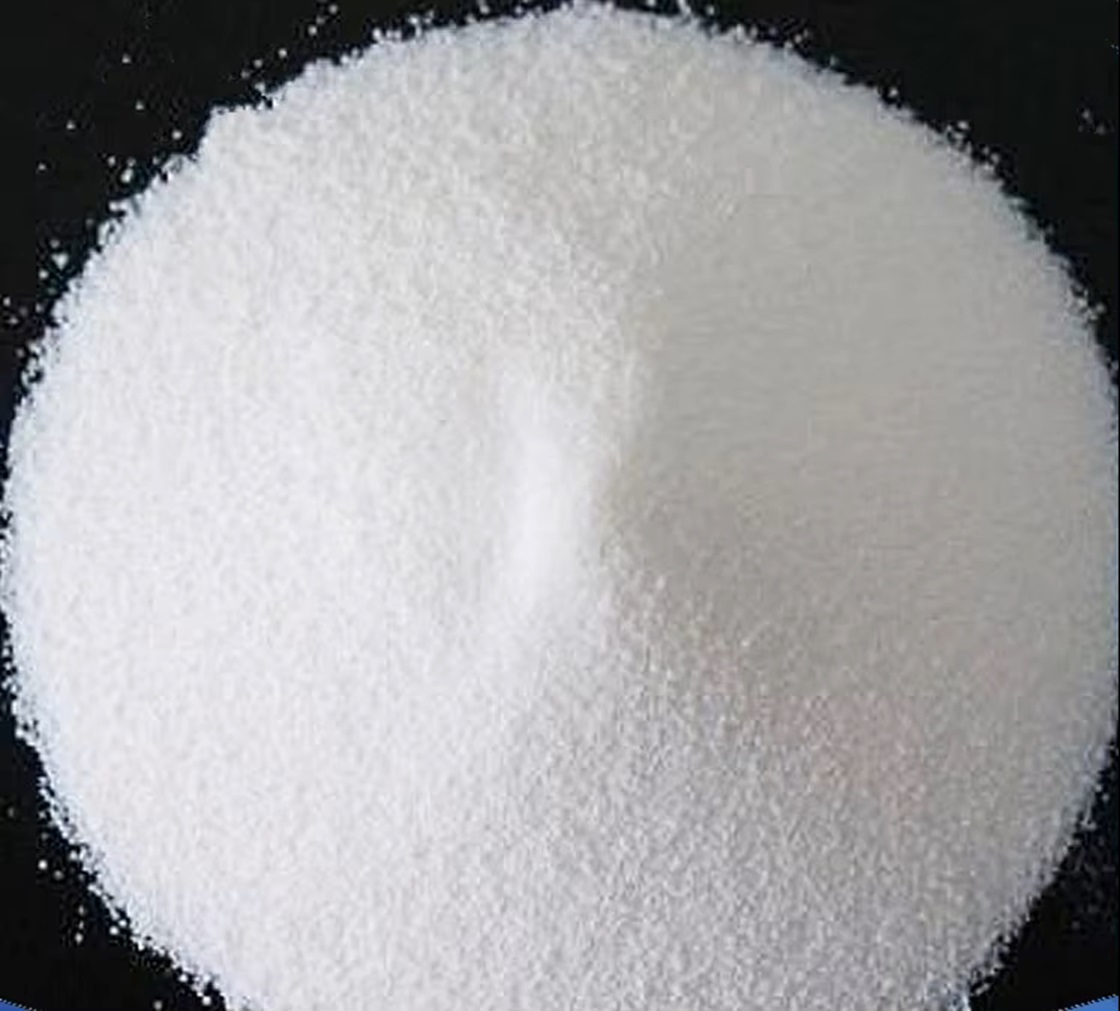
| Physical State (20°C) | Solid (powder) |
| Color | White |
| Odor | Odorless |
| Surface Property | Hydrophilic |
| Type | Fumed (Pyrogenic) Amorphous Silica |
SECTION 2: CHEMICAL STRUCTURE
Structure Description:
              O
              ‖
    —Si—O—Si—O—Si—
      |     |     |
      O     O     O
      |     |     |
    —Si—O—Si—O—Si—
      |     |     |
      O     O     O
      |     |     |
    —Si—O—Si—O—Si—

    Aerosil 200
    Amorphous Silica (SiO₂) network
    High surface area (~200 m²/g)
Simplified Structure:
    SiO₂ (Amorphous, submicron particles)

    Aerosil 200
    Hydrophilic Fumed Silica
| Parameter | Description |
|---|---|
| Base Material | Fumed (pyrogenic) silica (SiO₂) |
| Structure | Amorphous (not crystalline) |
| Surface Property | Hydrophilic |
| Surface Groups | Silanol (-SiOH) |
| Surface Area (BET) | ~200 ± 25 m²/g |
| Primary Particle Size | ~12 nm |
| Agglomerate Size | ~1-5 μm |
| Tapped Density | ~50 g/L |
| pH (4% Aqueous Dispersion) | 3.8 – 4.5 |
| SiO₂ Content | ≥99.8% |
SECTION 3: PHYSICAL AND CHEMICAL PROPERTIES
| Property | Value | Test Method / Note |
|---|---|---|
| Appearance | White, fine powder | Visual |
| Odor | Odorless | Olfactometric |
| Molecular Weight | 60.08 g/mol | Calculated |
| Tapped Density | ~50 g/L | ASTM D4164 |
| True Density | ~2.2 g/cm³ | - |
| Surface Area (BET) | 175-225 m²/g | DIN 66131 |
| Primary Particle Size | ~12 nm | TEM / SEM |
| Agglomerate Size | ~1-5 μm | Laser Diffraction |
| pH (4% Aqueous Dispersion) | 3.8 – 4.5 | DIN EN ISO 787-9 |
| Loss on Drying (105°C) | ≤1.5% | Gravimetric |
| Loss on Ignition (1000°C) | ≤2.0% | Gravimetric |
| SiO₂ Content | ≥99.8% | Gravimetric |
| Water Solubility | Insoluble | General Method |
| Dispersion in Organic Solvents | Dispersible | General Method |
| Flash Point | >200°C | - |
| Melting Point | >1000°C (glass melting) | - |
| Dusting | High (hydrophilic) | - |
| Hygroscopicity | High (absorbs moisture) | - |
SECTION 4: AEROSIL 200 vs AEROSIL R 202 COMPARISON
| Property | Aerosil 200 | Aerosil R 202 |
|---|---|---|
| Surface Property | Hydrophilic | Hydrophobic |
| Surface Area (BET) | 175-225 m²/g | 100-130 m²/g |
| Modification | None | PDMS (polydimethylsiloxane) |
| Carbon Content | None | ~2-4% |
| Primary Particle (nm) | ~12 | 7-14 |
| pH (4% Aqueous) | 3.8-4.5 | 4.0-6.0 |
| Water-Based Systems | Dispersible | Not dispersible |
| Oil-Based Systems | Dispersible | Dispersible |
| Main Application | Water-based, general purpose | Oil-based, cosmetics |
| Dusting | High | Low |
SECTION 5: AEROSIL GRADES COMPARISON
| Property | Aerosil 200 | Aerosil 300 | Aerosil 380 | Aerosil R 972 |
|---|---|---|---|---|
| Surface Property | Hydrophilic | Hydrophilic | Hydrophilic | Hydrophobic |
| Surface Area (BET) | 175-225 | 300-350 | 380-420 | 90-130 |
| Modification | None | None | None | DDS |
| Primary Particle (nm) | 12 | 7 | 7 | 16 |
| pH (4% Aqueous) | 3.8-4.5 | 3.8-4.5 | 3.8-4.5 | 3.8-5.0 |
| Main Use | General purpose | High viscosity | Very high viscosity | Epoxy, oily systems |
SECTION 6: FUNCTIONAL PROPERTIES
| Property | Description |
|---|---|
| Thickener | Increases viscosity in formulations; Provides non-Newtonian flow behavior; High rheological effect at low concentrations. |
| Emulsifier | Stabilizes oil-water emulsions; Prevents emulsion separation; Reduces surfactant requirements. |
| Rheology Control | Regulates flow properties; Provides thixotropic behavior; Application ease and flow control. |
| Flow Regulator | Improves flowability in powder formulations; Prevents caking and sticking; Acts as lubricant and glidant in tablet production. |
| Moisture Absorber | High surface area adsorbs moisture; Prevents products from absorbing moisture; Extends shelf life. |
| Filler Material | Adds volume and hardness to composites; Improves mechanical strength; Enhances abrasion resistance. |
| Catalyst Carrier | High surface area provides adsorption properties; Used as catalyst support. |
SECTION 7: MAIN APPLICATION AREAS
| Industry / Application | Function | Typical Concentration |
|---|---|---|
| Cosmetics (Creams, Lotions) | Thickener, emulsifier, rheology control | 0.5-5% |
| Cosmetics (Makeup, Sunscreens) | Oil absorber, thickener | 0.5-3% |
| Pharmaceutical (Tablets) | Flow regulator, glidant, lubricant | 0.1-1% |
| Pharmaceutical (Capsules) | Flow regulator, anti-adherent | 0.1-1% |
| Pharmaceutical (Topical Creams) | Thickener, emulsion stabilizer | 0.5-3% |
| Food Additive (E551) | Flow regulator, anti-caking agent | 0.1-1% |
| Paints and Coatings | Rheology control, viscosity adjustment | 0.5-5% |
| Adhesives and Sealants | Thickener, flow control | 0.5-3% |
| Epoxy and Resin Systems | Rheology control, sag resistance | 0.5-3% |
| Silicone Rubber | Filler, mechanical strength | 5-20% |
| Spray and Aerosol | Suspension stabilizer | 0.5-2% |
SECTION 8: FORMULATION GUIDELINES
| Parameter | Recommendation |
|---|---|
| Concentration | Typical concentration: 0.5-5% (depending on formulation) |
| Addition Method | Dispersion with high-speed mixing; Recommended to add at final stage; Disperse using three-roll mill or high-shear mixer. |
| Dispersion Medium | Dispersible in water; Dispersible in organic solvents (ethanol, isopropanol); Dispersible in oily systems. |
| pH Range | Stable in pH 3.0 – 9.0; Stable in acidic and basic environments. |
| Temperature Resistance | Stable from -20°C to +200°C; Avoid prolonged exposure at high temperatures. |
| Activation | Pre-wetting recommended; High effect even at low concentrations; Activated by high shear force. |
| Compatibility | Compatible with most organic and inorganic components; Compatible with polymers, oils, resins, solvents. |
| Synergistic Effects | Combination with other hydrophilic and hydrophobic silicas; Use with organo-clays, polymers; Synergy with viscosity enhancers. |
| Dust Control | Should be used to minimize dust formation; Well-ventilated area; Dust mask recommended. |
SECTION 9: SAMPLE FORMULATIONS
Skin Cream (Water-Based):
| Component | Quantity |
|---|---|
| Aerosil 200 | 1.0% |
| Water | 75.0% |
| Oil Phase (liquid oils, emulsifiers) | 20.0% |
| Preservatives, Fragrance | As required |
Instructions: Add to water phase; Disperse with high-speed mixing; Emulsify with oil phase; Homogenize.
Tablet Flow Regulator (Pharmaceutical):
| Component | Quantity |
|---|---|
| Aerosil 200 | 0.2-0.5% |
| Active Ingredient | As required |
| Excipients (Filler, Binder) | As required |
Instructions: Add during final mixing stage; Ensure homogeneous blend; Direct compression or granulation.
SECTION 10: QUALITY SPECIFICATIONS
| Parameter | Specification | Test Method |
|---|---|---|
| Appearance | White, fine powder | Visual |
| SiO₂ Content | ≥99.8% | Gravimetric |
| Surface Area (BET) | 175-225 m²/g | DIN 66131 |
| Primary Particle Size | ~12 nm | TEM / SEM |
| pH (4% Aqueous Dispersion) | 3.8 – 4.5 | DIN EN ISO 787-9 |
| Loss on Drying (105°C) | ≤1.5% | Gravimetric |
| Loss on Ignition (1000°C) | ≤2.0% | Gravimetric |
| Tapped Density | ~50 g/L | ASTM D4164 |
| Heavy Metals (Pb) | ≤10 ppm | ICP-MS |
| Arsenic (As) | ≤2 ppm | ICP-MS |
| Lead (Pb) | ≤3 ppm | ICP-MS |
| Cadmium (Cd) | ≤1 ppm | ICP-MS |
| Mercury (Hg) | ≤1 ppm | ICP-MS |
| Microbiological Purity | TAMC ≤10² CFU/g; TYMC ≤10¹ CFU/g | USP <61> |
| E. coli | Negative in 1g | USP <62> |
| Salmonella spp. | Negative in 25g | USP <62> |
SECTION 11: SAFETY PROFILE AND TOXICOLOGICAL ASSESSMENT
| Parameter | Value / Description |
|---|---|
| GHS Classification | Not classified as hazardous substance (amorphous) |
| Signal Word | None (not hazardous) |
| Hazard Pictograms | None |
| Hazard Statements (H-Codes) | None |
| Acute Oral Toxicity (LD50, Rat) | >5000 mg/kg (low toxicity) |
| Acute Inhalation Toxicity | Dust inhalation may cause irritation |
| Skin Irritation | Not irritant |
| Eye Irritation | May cause mild irritation (mechanical) |
| Skin Sensitization | Does not cause sensitization |
| Carcinogenicity | Amorphous silica not classified (IARC) |
| Mutagenicity | Not mutagenic |
| Reproductive Toxicity | No reproductive toxicity |
| Target Organs | Respiratory tract (dust) |
| Occupational Exposure Limit | 4 mg/m³ (8-hour TWA) |
| Systemic Toxicity | Low |
| Ecology | Insoluble in water; Low toxicity |
| Silicosis Risk | Aerosil 200 is amorphous silica, not crystalline silica. No silicosis risk if no conversion to crystalline silica occurs. However, dust inhalation may cause mechanical irritation. |
SECTION 12: GHS CLASSIFICATION AND LABELING
GHS Classification (in accordance with 1272/2008/EC):
| Hazard Class | Category | H-Statement |
|---|---|---|
| Not classified as hazardous substance | – | – |
Signal Word: None (Not classified as hazardous)
Hazard Pictograms: None
NFPA 704 Hazard Classification:
| Health | Flammability | Reactivity | Special |
|---|---|---|---|
| 1 | 0 | 0 | - |
| (Minimal health hazard) | (Non-combustible) | (Stable) | (None) |
SECTION 13: PRECAUTIONARY STATEMENTS (P-CODES)
| Code | Statement |
|---|---|
| P261 | Avoid breathing dust/fume/gas |
| P264 | Wash hands thoroughly after handling |
| P271 | Use only outdoors or in a well-ventilated area |
| P280 | Wear protective gloves/protective clothing/eye protection/face protection |
| P304+P340 | IF INHALED: Remove person to fresh air and keep comfortable for breathing |
| P305+P351+P338 | IF IN EYES: Rinse cautiously with water for several minutes. Remove contact lenses if present and continue rinsing |
| P403+P233 | Store in a well-ventilated place. Keep container tightly closed |
| P501 | Dispose of contents/container in accordance with local/regional/national/international regulations |
SECTION 14: FIRST AID MEASURES
| Route of Exposure | Action |
|---|---|
| Inhalation | If inhaled as powder, move to fresh air. Seek medical attention if respiratory symptoms persist. |
| Skin Contact | Remove contaminated clothing. Wash with plenty of soap and water. Seek medical attention if irritation develops. |
| Eye Contact | Rinse thoroughly with plenty of water for at least 15 minutes. Keep eyelids open. Remove contact lenses if present. Seek medical attention if irritation persists. |
| Ingestion | Rinse mouth with water. Do NOT induce vomiting. Drink 1-2 glasses of water. Seek medical attention. |
| Note | Symptomatic treatment is administered. No specific antidote available. |
SECTION 15: FIREFIGHTING MEASURES
| Parameter | Information |
|---|---|
| Fire Hazard | Non-combustible. Remains as inert powder at high temperatures. |
| Fire-Related Hazards | No thermal decomposition products (inorganic). |
| Suitable Extinguishing Media | Water mist, CO₂, dry chemical powder, foam. |
| Unsuitable Extinguishing Media | Water jet (may spread dust) |
| Special Protective Equipment | Self-contained breathing apparatus (SCBA), full protective clothing. |
| Special Precautions | Prevent dust from entering sewers and water bodies. |
SECTION 16: STORAGE AND SHELF LIFE
| Parameter | Information |
|---|---|
| Storage Conditions | Store in a cool, dry, well-ventilated area; protect from direct sunlight and moisture. |
| Temperature Limits | 15-25°C (ideal); do not exceed 30°C |
| Humidity | Low humidity environment (hygroscopic) |
| Light | No light protection required |
| Container Requirements | Tightly closed, moisture-resistant containers (PE-lined bags, HDPE containers) |
| Incompatible Materials | Strong alkalis, hydrofluoric acid |
| Shelf Life | 24-36 months (unopened original packaging, under proper storage conditions) |
| Shelf Life (After Opening) | 12-24 months (under proper storage conditions) |
| Signs of Degradation | Caking, moisture absorption, reduced flowability |
| Stability Warning | Stable under normal conditions; May cake in high humidity |
SECTION 17: PACKAGING OPTIONS
| Packaging Type | Quantity / Capacity | Material | Application Area |
|---|---|---|---|
| PE-Lined Kraft Bag | 10 kg, 20 kg | Kraft paper / PE liner | Industrial supply |
| Multi-layer Paper Bag | 10 kg, 20 kg | Paper (air and moisture-proof) | Industrial, food |
| HDPE Drum | 10 kg, 20 kg | HDPE (opaque, moisture barrier) | Pharmaceutical, cosmetic |
| Aluminum Foil Bag | 1 kg, 5 kg | Aluminum / PE (moisture-proof) | High purity, pharmaceutical |
| IBC Container | 500 kg, 1000 kg | UV-protected HDPE | Large-scale industrial supply |
SECTION 18: TRANSPORTATION INFORMATION
| Parameter | Information |
|---|---|
| UN Number | Not applicable (not classified as dangerous substance) |
| Hazard Class | Not applicable |
| Packing Group | Not applicable |
| ADR/RID | Not classified as dangerous goods |
| IMDG Code | Not marine pollutant |
| IATA (Air) | Not classified as dangerous goods; can be transported by air |
| Transport Temperature | Ambient temperature; protect from moisture |
| Transport Precautions | Moisture-proof packaging |
| Spill Cleanup | Collect mechanically; clean with absorbent material; avoid dust generation |
| Marine Pollutant | No |
SECTION 19: REGULATORY STATUS
| Region / Authority | Status |
|---|---|
| USA (FDA) | GRAS (21 CFR 182.1711); Approved as food additive |
| USA (EPA) | Listed as inert ingredient |
| European Union (EC) | Approved as food additive (E551) |
| Turkey | Approved as food additive, pharmaceutical and cosmetic excipient; Subject to KKDIK regulation |
| ECHA (REACH) | Registered substance |
| TSCA (USA) | Listed |
| California (Prop 65) | Not listed |
| Halal | Yes (synthetic, not animal-derived) |
| Kosher | Yes (with certification) |
| Vegan | Yes (synthetic) |
SECTION 20: OTHER NAMES AND SYNONYMS
| Type | Name |
|---|---|
| Turkish Names | Aerosil 200, Fume Silika, Pirojenik Silika, Silika |
| English Names | Aerosil 200, Fumed Silica, Pyrogenic Silica, Silicon Dioxide |
| Trade Marks | Aerosil 200, Cab-O-Sil M5, Cabosil, HDK N20 |
| CAS Number | 7631-86-9 |
| EC Number | 231-545-4 |
| E Number | E551 (food additive) |
| HS Code | 2811.22 |
SECTION 21: SUMMARY TABLE
| Parameter | Value |
|---|---|
| CAS Number | 7631-86-9 |
| Chemical Structure | Amorphous SiO₂ |
| Appearance | White, fine powder |
| Surface Property | Hydrophilic |
| Surface Area (BET) | 175-225 m²/g |
| Primary Particle Size | ~12 nm |
| pH (4% Aqueous) | 3.8 – 4.5 |
| SiO₂ Content | ≥99.8% |
| Primary Function | Thickener, rheology control, flow regulator, filler |
| Main Applications | Cosmetics, pharmaceuticals, food, industrial |
| Shelf Life | 24-36 months |
| Storage | Cool, dry, air-tight |
| GHS Classification | Not hazardous |
| UN Number | Not applicable |
| FDA Status | GRAS (21 CFR 182.1711) |
| Halal / Kosher / Vegan | Yes |
SECTION 22: CRITICAL WARNINGS AND BEST PRACTICES
CRITICAL WARNINGS:
-
Dust Control: Should be used to minimize dust formation. Airborne dust concentrations may cause respiratory irritation.
-
Hygroscopicity: Absorbs moisture; may cake in humid environments. Store in tightly closed containers.
-
Amorphous Structure: Aerosil 200 is amorphous silica, not crystalline silica (quartz). No silicosis risk if no conversion to crystalline silica occurs. However, dust inhalation may cause mechanical irritation.
-
Dispersion: Requires high shear force for dispersion; low shear force results in insufficient dispersion.
-
Storage: Must be protected from moisture; moisture causes caking.
-
Incompatible Materials: Do not contact with strong alkalis (NaOH, KOH) and hydrofluoric acid (HF).
BEST PRACTICE RECOMMENDATIONS:
-
Concentration: Typical concentration 0.5-5%; adjust according to desired viscosity.
-
Addition Method: Add during final stage of formulation; disperse with high-speed mixing.
-
Pre-dispersion: Pre-wetting improves dispersion; wet in water or suitable solvent.
-
High Shear: Use three-roll mill or high-shear mixer for dispersion.
-
pH Control: Stable in pH 3.0-9.0; stable in acidic and basic environments.
-
Synergy: Can be used with other hydrophilic and hydrophobic silicas.
-
Personal Protective Equipment: Dust mask (N95/FFP2), safety goggles, protective clothing.
-
Hygiene: Wash hands thoroughly after handling; Do not eat, drink or smoke when using this product.
-
Quality Control: Regularly perform surface area (BET), pH, loss on drying, microbiological purity tests.
-
Storage: Store in cool, dry, air-tight containers. Keep tightly closed after opening.
LEGAL DISCLAIMER:
The information provided in this document is based on our current knowledge and experience and is presented in good faith. However, as all conditions of use are beyond our control, it does not constitute a binding specification or guarantee. This Technical Data Sheet is for informational purposes only. Users are responsible for testing suitability for their own applications and for complying with all local, regional, and national regulations. For complete safety, storage, use, handling, waste, and regulatory compliance information, please refer to the official Safety Data Sheet (SDS/MSDS) provided by the manufacturer/supplier. Aerosil 200 is amorphous silica; no silicosis risk if no conversion to crystalline silica occurs. However, dust inhalation may cause mechanical irritation.