We unleash your business potential by maximize the business innovation.
Send EmailMethyl Pyrrolidone, N-Methyl Pyrrolidon, NMP, 872-50-4
N-METHYL-2-PYRROLIDONE (NMP)
PRODUCT IDENTIFICATION INFORMATION
| Parameter | Information |
|---|---|
| Product Name | N-Methyl-2-pyrrolidone |
| Chemical Name (IUPAC) | 1-Methyl-2-pyrrolidinone |
| Synonyms (Turkish) | Metil Pirolidon, N-Metil Pirolidon, NMP |
| Synonyms (English) | N-Methyl-2-pyrrolidone, N-Methylpyrrolidone, NMP, N-Methyl-2-pyrrolidinone, 1-Methyl-2-pyrrolidinone, Pharmasolve |
| CAS Number | 872-50-4 |
| EC Number (EINECS) | 212-828-1 |
| Molecular Formula | C₅H₉NO |
| Molecular Weight | 99.13 g/mol |
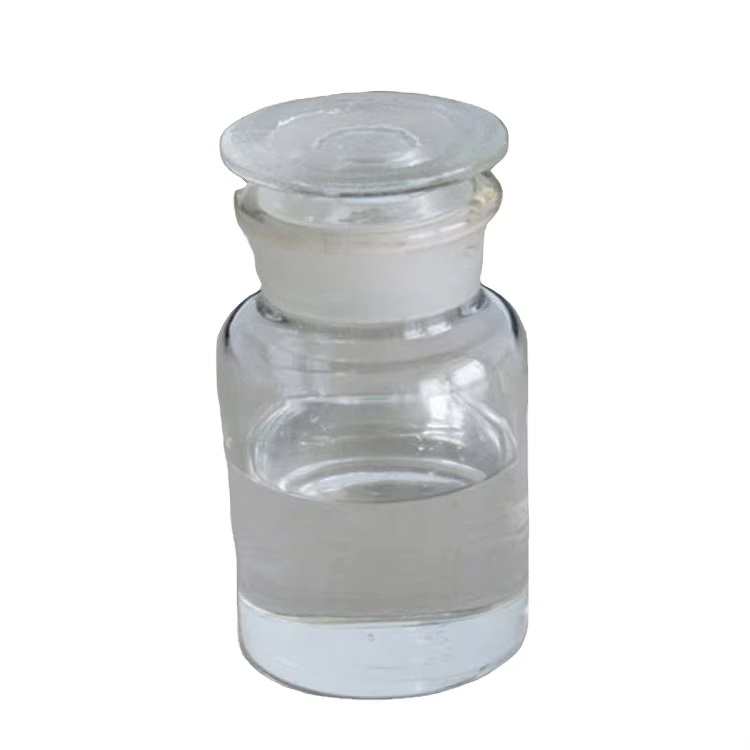
| Appearance | Colorless to slightly yellowish clear liquid |
CHEMICAL STRUCTURE
N-Methyl-2-pyrrolidone (NMP)
O
║
C
/
CH₂ CH₂
| |
CH₂ CH₂
\ /
N—CH₃
Molecular Formula: C₅H₉NO
SMILES: CN1CCCC1=O
InChI: InChI=1S/C5H9NO/c1-6-4-2-3-5(6)7/h2-4H2,1H3
InChIKey: SECXISVLQFMRJM-UHFFFAOYSA-N
Structure: Five-membered lactam ring (pyrrolidone) with a methyl group attached to the nitrogen atom; Dipolar aprotic solvent.
SECTION 1: CHEMICAL IDENTITY AND DESCRIPTION
| Parameter | Information |
|---|---|
| Product Name | N-Methyl-2-pyrrolidone |
| Chemical Name (IUPAC) | 1-Methyl-2-pyrrolidinone |
| Synonyms (Turkish) | Metil Pirolidon, N-Metil Pirolidon, NMP |
| Synonyms (English) | N-Methyl-2-pyrrolidone, N-Methylpyrrolidone, NMP, N-Methyl-2-pyrrolidinone, 1-Methyl-2-pyrrolidinone, Pharmasolve |
| CAS Number | 872-50-4 |
| EC Number (EINECS) | 212-828-1 |
| Molecular Formula | C₅H₉NO |
| Molecular Weight | 99.13 g/mol |
| Chemical Class | Dipolar aprotic solvent; Lactam; Heterocyclic compound |
| Physical State (20°C) | Liquid |
| Odor | Mild, amine-like odor |
| Color | Colorless to slightly yellowish |
| Taste | Bitter (experimental; not for ingestion) |
SECTION 2: PHYSICAL AND CHEMICAL PROPERTIES
| Property | Value | Test Method / Note |
|---|---|---|
| Appearance | Colorless to slightly yellowish clear liquid | Visual |
| Odor | Mild, amine-like | Olfactometric |
| Molecular Weight | 99.13 g/mol | Calculated |
| Density (20°C) | 1.028 g/cm³ | ASTM D4052 |
| Melting Point | -24°C | DSC |
| Boiling Point | 202 – 204°C (at 760 mmHg) | - |
| Flash Point | 91°C (closed cup) | Pensky-Martens |
| Autoignition Temperature | 245°C | - |
| Vapor Pressure | 0.29 mmHg (at 20°C) | - |
| Viscosity (25°C) | 1.65 cP | Brookfield |
| Refractive Index (20°C) | 1.468 | - |
| Surface Tension (25°C) | 40.7 mN/m | - |
| Dipole Moment | 4.09 Debye | - |
| Dielectric Constant (25°C) | 32.0 | - |
| Solubility in Water | Miscible in all proportions | General Method |
| Solubility in Organic Solvents | Miscible with alcohols, ethers, ketones, aromatic hydrocarbons, chlorinated solvents | General Method |
| pH (10% Aqueous Solution) | 7.5 – 10.0 | pH Meter |
| Stability | Stable under normal conditions | - |
| Hygroscopicity | Hygroscopic (absorbs moisture from air) | - |
| Henry's Law Constant | 2.7 x 10⁻⁶ atm·m³/mol | - |
| log P (Octanol/Water) | -0.38 | - |
SECTION 3: SOLVENT COMPARISON
| Property | NMP | DMSO | DMF | GBL | Propylene Carbonate |
|---|---|---|---|---|---|
| CAS Number | 872-50-4 | 67-68-5 | 68-12-2 | 96-48-0 | 108-32-7 |
| Molecular Weight | 99.13 | 78.13 | 73.09 | 86.09 | 102.09 |
| Boiling Point (°C) | 202-204 | 189 | 153 | 204 | 240 |
| Density (g/cm³) | 1.028 | 1.100 | 0.948 | 1.130 | 1.205 |
| Flash Point (°C) | 91 | 87 | 58 | 98 | 132 |
| Dipole Moment (D) | 4.09 | 3.96 | 3.86 | 4.12 | 4.94 |
| Dielectric Constant | 32.0 | 46.7 | 36.7 | 39.0 | 64.9 |
| Miscibility with Water | Miscible | Miscible | Miscible | Miscible | Slightly miscible |
| Primary Use | Solvent, coating | Solvent, extraction | Solvent, synthesis | Solvent, intermediate | Electrolyte, solvent |
| Toxicity | Reproductive toxin | Low toxicity | Moderate toxicity | Moderate toxicity | Low toxicity |
SECTION 4: CHEMICAL PROPERTIES AND REACTIVITY
| Parameter | Information |
|---|---|
| Chemical Character | Dipolar aprotic solvent; Lactam; Strongly polar; High solvating power for polar and non-polar compounds |
| Stability | Stable under normal conditions; Thermally stable up to high temperatures; Hygroscopic |
| Reactivity | Reacts with strong oxidizing agents (exothermic, may cause fire); Reacts with strong acids (hydrolysis to aminovaleric acid); Reacts with strong bases (ring opening); May form salts with acids |
| Incompatible Materials | Strong oxidizing agents (peroxides, nitrates, permanganates, chromates), strong mineral acids (hydrolysis), strong bases (ring opening), halogen compounds, isocyanates (exothermic reaction) |
| Polymerization | Does not polymerize |
| Degradation Products (Heating) | Carbon monoxide, carbon dioxide, nitrogen oxides (NOx), water (combustion); Thermal decomposition >300°C |
| Hydrolysis | Hydrolyzes with strong acids to form 4-methylaminobutyric acid (or aminovaleric acid) |
| Acid Reaction | NMP + HCl (conc.) → 1-methyl-2-pyrrolidinium chloride (salt formation) |
| Base Reaction | NMP + NaOH (conc.) → ring opening (4-methylaminobutyrate) |
| Solvation | Excellent solvating ability for polymers (PVDF, PAN, PEEK, polyamides, polyimides, etc.) |
| Complex Formation | Forms complexes with Lewis acids and metal salts |
| Hygroscopicity | Absorbs moisture from the air; Should be protected from exposure to humid air |
SECTION 5: PRODUCTION METHODS
Method 1: Gamma-Butyrolactone (GBL) and Methylamine Process
Reaction: C₄H₆O₂ (GBL) + CH₃NH₂ → C₅H₉NO (NMP)
Description: Gamma-butyrolactone (GBL) is reacted with methylamine (aqueous or gaseous) under high temperature and pressure (200-300°C, 30-50 bar); The reaction proceeds through ring opening followed by cyclization; Product is purified by distillation (dehydration and fractionation). Most common and economical industrial method.
Method 2: Succinic Anhydride and Methylamine Process
Reaction: Succinic anhydride + CH₃NH₂ → N-methylsuccinimide → NMP (hydrogenation)
Description: Succinic anhydride is reacted with methylamine to form N-methylsuccinimide; N-methylsuccinimide is hydrogenated (catalytic hydrogenation) to produce NMP; Less common, used for specific high-purity grades.
Method 3: Dehydrocyclization of 1,4-Butanediol with Methylamine
Process: 1,4-Butanediol + CH₃NH₂ → NMP (catalytic dehydrocyclization)
Description: 1,4-Butanediol and methylamine are reacted over a catalyst (copper, nickel or palladium-based); Dehydrocyclization reaction produces NMP and water; Used in some industrial processes.
Method 4: Furfural Route (Bio-based NMP)
Process: Furfural → GBL → NMP
Description: Furfural (from biomass) is converted to GBL; GBL is reacted with methylamine to produce NMP; This route produces bio-based NMP with lower carbon footprint; Gaining importance due to sustainability concerns.
SECTION 6: FUNCTIONAL PROPERTIES AND MECHANISM OF ACTION
| Property | Description |
|---|---|
| Dipolar Aprotic Solvent | Exhibits high polarity without acidic protons; Dissolves both polar and non-polar compounds; Excellent solvent for a wide range of organic and inorganic compounds |
| High Solvation Power | Strong ability to solvate cations (through carbonyl oxygen) and anions (through methyl groups); Excellent solubility for many polymers, resins, and active ingredients |
| High Polymer Solvency | Dissolves high-performance polymers: PVDF (polyvinylidene fluoride), PAN (polyacrylonitrile), PEEK (polyether ether ketone), polyamides, polyimides, cellulose derivatives |
| Chemical Stability | Thermally stable; Chemically stable under normal conditions; Resistant to hydrolysis (except in strong acids/bases) |
| Low Volatility | High boiling point (202-204°C) and low vapor pressure; Reduces solvent loss during processing; Safer working environment (lower VOC emissions) |
| Co-solvent Effect | Acts as an excellent co-solvent in multi-component systems; Improves solubility of active ingredients in formulations |
| Penetration Enhancer | Enhances skin penetration in transdermal formulations; Used in pharmaceutical and cosmetic applications |
| Selective Absorption | Used in gas purification (1,3-butadiene, acetylene recovery) due to selective solubility of hydrocarbons |
SECTION 7: MAIN APPLICATION AREAS
| Industry / Application | Function | Typical Use |
|---|---|---|
| Lithium-Ion Battery Production | Electrode coating solvent | Dissolves PVDF binder for cathode and anode materials; Ensures homogeneous slurry preparation; Used at 60-80% of electrode slurry formulation |
| Chemical & Polymer Industry | Solvent, reaction medium | High-performance polymer dissolution (PVDF, PAN, PEEK); Resin production (epoxy, polyurethane); Organic synthesis reactions (alkylation, amidation, cross-coupling) |
| Pharmaceutical Industry | Co-solvent, penetration enhancer | API (active pharmaceutical ingredient) dissolution; Transdermal formulations (drug delivery); Oral formulations; Sterile manufacturing; GMP-compliant solvent |
| Petrochemical & Refining | Selective solvent | 1,3-Butadiene recovery (gas separation); Acetylene recovery; H₂S absorption for hydrodesulfurization processes |
| Paints & Coatings | Solvent, dispersion agent | Pigment dispersion; Paint stripper (effective on metal and plastic surfaces); Resin viscosity control; Coating formulations |
| Electronics & Semiconductor | Solvent, cleaner | Circuit board cleaning (photolithography residue removal); Surface treatment solvent for metal-coated plastics |
| Agriculture (Pesticides) | Solvent, stabilizer | Pesticide formulations (emulsion stabilization); Dissolves active ingredients; Improves formulation effectiveness |
| Adhesives & Sealants | Solvent | Dissolves adhesive components; Improves application properties |
| Plastics & Surface Cleaning | Solvent | Cleans plastic surfaces (mold release agents, contaminants); Paints and coatings removal |
| Textile & Dyeing | Solvent | Dye carrier; Fiber treatment; Synthetic fiber processing |
| Agrochemicals | Formulation solvent | Herbicide, fungicide, and insecticide formulations |
SECTION 8: QUALITY SPECIFICATIONS
| Parameter | Technical Grade | High Purity Grade | Pharmaceutical Grade (Pharmasolve) | Electronic Grade | Test Method |
|---|---|---|---|---|---|
| Appearance | Colorless to slightly yellowish liquid | Colorless liquid | Colorless liquid | Colorless liquid | Visual |
| Assay (NMP) | ≥ 99.5% | ≥ 99.8% | ≥ 99.9% | ≥ 99.9% | GC / HPLC |
| Moisture Content | ≤ 0.1% | ≤ 0.05% | ≤ 0.03% | ≤ 0.01% | Karl Fischer |
| Density (20°C) | 1.026 – 1.030 | 1.027 – 1.030 | 1.027 – 1.030 | 1.027 – 1.030 | ASTM D4052 |
| Refractive Index (20°C) | 1.467 – 1.469 | 1.467 – 1.469 | 1.467 – 1.469 | 1.467 – 1.469 | - |
| pH (10% Aqueous) | 7.5 – 10.0 | 7.5 – 10.0 | 7.5 – 10.0 | 7.5 – 10.0 | pH Meter |
| Color (APHA) | ≤ 50 | ≤ 20 | ≤ 15 | ≤ 10 | ASTM D1209 |
| Acidity (as Acetic Acid) | ≤ 0.02% | ≤ 0.01% | ≤ 0.005% | ≤ 0.005% | Titrimetric |
| Residue on Evaporation | ≤ 0.02% | ≤ 0.01% | ≤ 0.005% | ≤ 0.001% | Gravimetric |
| Total Heavy Metals | ≤ 10 ppm | ≤ 5 ppm | ≤ 2 ppm | ≤ 1 ppm | AAS / ICP |
| Water Insoluble | ≤ 0.01% | ≤ 0.005% | ≤ 0.001% | ≤ 0.001% | Gravimetric |
| Particle Count | – | – | – | Customer requirement | Microscopy / LPC |
| GMP Compliance | – | – | Yes | – | – |
SECTION 9: TOXICOLOGICAL PROFILE
| Parameter | Value |
|---|---|
| Acute Oral Toxicity (LD50, Rat) | ~ 3,914 mg/kg (moderate toxicity) |
| Acute Dermal Toxicity (LD50, Rabbit) | > 2,000 mg/kg (low dermal toxicity) |
| Acute Inhalation Toxicity (LC50, Rat) | > 5,100 mg/m³ (4 hours) |
| Skin Irritation | Mildly irritating |
| Eye Irritation | Irritating (causes reversible damage) |
| Dermal Absorption | Readily absorbed through skin |
| Chronic Toxicity | Liver and kidney toxicity at high doses (animal studies) |
| Carcinogenicity | Not classified as carcinogenic (IARC Group 3: Not classifiable) |
| Mutagenicity | Non-mutagenic (Ames test negative) |
| Reproductive Toxicity | REPRODUCTIVE TOXIN (Category 1B – EU) ; May cause harm to unborn child; Fertility may be impaired |
| Developmental Toxicity | Teratogenic in animal studies (high doses); Developmental toxicity observed |
| Target Organs | Reproductive system, liver, kidneys, eyes, skin |
| Occupational Exposure Limit (8h TWA) | ACGIH TLV: 10 ppm (40 mg/m³) (skin) (proposed); EU OEL: 10 ppm (skin) |
| Special Toxicity Note | Reproductive toxin – EU REACH Annex XVII restricted (Entry 71); May cause harm to unborn child (R61); May impair fertility; Readily absorbed through skin – wear appropriate PPE; Use only with adequate ventilation and skin protection |
SECTION 10: GHS CLASSIFICATION AND LABELING
GHS Classification (in accordance with CLP and UN GHS):
| Hazard Class | Category | H-Statement |
|---|---|---|
| Acute Toxicity (Oral) | Category 4 | H302 |
| Acute Toxicity (Inhalation) | Category 4 | H332 |
| Eye Irritation | Category 2 | H319 |
| Reproductive Toxicity | Category 1B | H360FD |
| Specific Target Organ Toxicity (Single Exposure) | Category 3 | H335 |
Signal Word: DANGER
Hazard Pictograms: GHS05 (Corrosion), GHS07 (Exclamation Mark), GHS08 (Health Hazard)
Hazard Statements (H-Codes):
| Code | Statement |
|---|---|
| H302 | Harmful if swallowed |
| H319 | Causes serious eye irritation |
| H332 | Harmful if inhaled |
| H335 | May cause respiratory irritation |
| H360FD | May damage fertility. May damage the unborn child |
EU Risk & Safety Phrases (Old System):
| Code | Statement |
|---|---|
| R61 | May cause harm to the unborn child |
| R36/38 | Irritating to eyes and skin |
| R20/21/22 | Harmful by inhalation, in contact with skin and if swallowed |
| S53 | Avoid exposure – obtain special instructions before use |
| S45 | In case of accident or if you feel unwell, seek medical advice immediately |
NFPA 704 Hazard Classification:
| Health | Flammability | Reactivity | Special |
|---|---|---|---|
| 2 | 2 | 0 | - |
| (Moderate health hazard) | (Combustible – must be preheated to ignite) | (Stable) | (None) |
SECTION 11: PRECAUTIONARY STATEMENTS (P-CODES)
| Code | Statement |
|---|---|
| P201 | Obtain special instructions before use |
| P202 | Do not handle until all safety precautions have been read and understood |
| P260 | Do not breathe dust/fume/gas/mist/vapors/spray |
| P264 | Wash hands thoroughly after handling |
| P270 | Do not eat, drink or smoke when using this product |
| P271 | Use only outdoors or in a well-ventilated area |
| P280 | Wear protective gloves/protective clothing/eye protection/face protection |
| P281 | Use personal protective equipment as required |
| P301+P312 | IF SWALLOWED: Call a POISON CENTER/doctor if you feel unwell |
| P304+P340 | IF INHALED: Remove person to fresh air and keep comfortable for breathing |
| P305+P351+P338 | IF IN EYES: Rinse cautiously with water for several minutes. Remove contact lenses if present and continue rinsing |
| P308+P313 | IF exposed or concerned: Get medical advice/attention |
| P312 | Call a POISON CENTER/doctor if you feel unwell |
| P337+P313 | If eye irritation persists: Get medical advice/attention |
| P362+P364 | Take off contaminated clothing and wash it before reuse |
| P403+P233 | Store in a well-ventilated place. Keep container tightly closed |
| P405 | Store locked up |
| P501 | Dispose of contents/container in accordance with local/regional/national/international regulations |
SECTION 12: FIRST AID MEASURES
| Exposure Route | Action to Take |
|---|---|
| Inhalation | Remove to fresh air immediately. If breathing is difficult, give oxygen. If symptoms (headache, dizziness, respiratory irritation) persist, seek medical attention. |
| Skin Contact | Remove contaminated clothing immediately. Wash skin with plenty of soap and water for at least 15 minutes. NMP is readily absorbed through skin. Seek medical attention if irritation develops. |
| Eye Contact | Rinse immediately with plenty of water for at least 15 minutes. Keep eyelids open. Remove contact lenses if present. Continue rinsing. Seek medical attention (H319). |
| Ingestion | Rinse mouth. Do NOT induce vomiting (risk of aspiration). Drink plenty of water. Seek immediate medical attention. |
| General | Reproductive toxin – men and women of childbearing age should take special precautions. Pregnant women must avoid exposure. |
SECTION 13: FIREFIGHTING MEASURES
| Parameter | Information |
|---|---|
| Fire Hazard | Combustible liquid. Flash point: 91°C (closed cup). Burns with a yellow flame. May form explosive mixtures with air at elevated temperatures. |
| Hazards Arising from Fire | Thermal decomposition produces toxic gases: carbon monoxide (CO), carbon dioxide (CO₂), nitrogen oxides (NOx). |
| Suitable Extinguishing Media | Alcohol-resistant foam, CO₂, dry chemical powder, water spray (for cooling). |
| Unsuitable Extinguishing Media | Water jet (may spread fire) |
| Special Protective Equipment | Self-contained breathing apparatus (SCBA), full protective clothing (for surrounding fire). |
| Special Precautions | Containers may explode in fire. Cool containers with water spray. Prevent from entering sewers and waterways. |
SECTION 14: STORAGE AND SHELF LIFE
| Parameter | Information |
|---|---|
| Storage Conditions | Store in a cool, dry, well-ventilated area; PROTECT FROM MOISTURE and humidity; Keep away from heat, sparks, open flames, and direct sunlight. |
| Container Requirements | Tightly closed, corrosion-resistant containers (stainless steel, aluminum, HDPE, glass). Use inert atmosphere (nitrogen) to prevent moisture pick-up. |
| Materials to Protect From | Strong oxidizing agents, strong acids, strong bases, moisture, heat sources. |
| Shelf Life | 24 – 36 months (in unopened original packaging, under proper storage conditions). |
| Stability Note | Hygroscopic – absorbs moisture from air; Keep container tightly closed after opening; Degradation may occur upon prolonged exposure to light and air; Nitrogen blanketing recommended. |
| Special Storage Requirements | Store in a well-ventilated area; Keep away from direct sunlight; Protect from moisture; Store locked up (due to reproductive toxicity); Separate from incompatible materials. |
SECTION 15: PACKAGING OPTIONS
| Packaging Type | Quantity | Material |
|---|---|---|
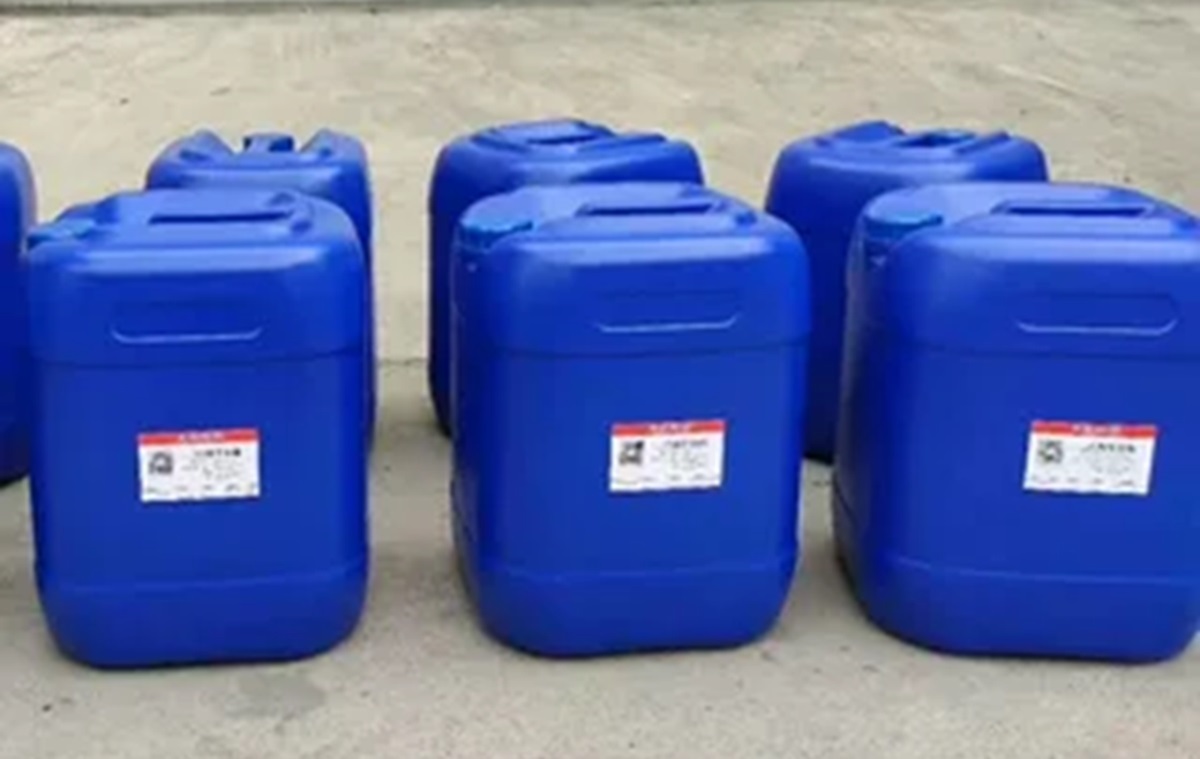
| Plastic Can | 1 L, 5 L, 10 L | HDPE (high-density polyethylene) |
| Plastic Drum | 20 L, 25 L, 30 L | HDPE (high-density polyethylene) |
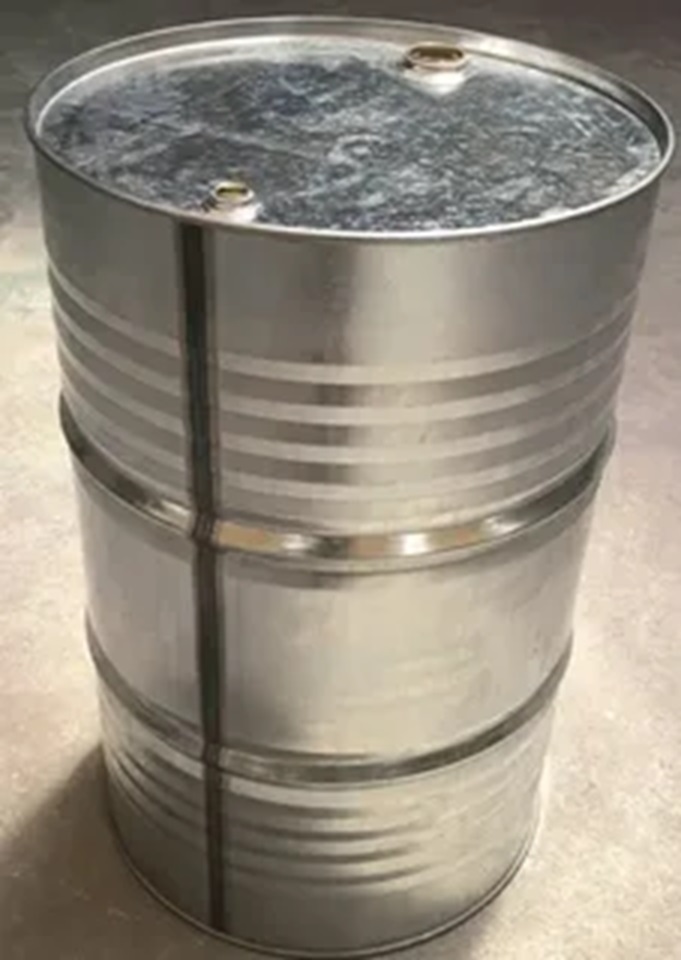
| Steel Drum | 200 L | Stainless steel or lined carbon steel |
| IBC Container | 1000 L | Stainless steel or lined carbon steel |
| Bulk Tanker | 10,000 – 25,000 L | Stainless steel |
| Glass Bottle | 500 mL, 1 L | Amber glass (laboratory/sample) |
SECTION 16: TRANSPORT INFORMATION
| Parameter | Information |
|---|---|
| UN Number | UN 2922 (Corrosive liquid, toxic, n.o.s. – NMP) |
| Hazard Class | 8 (Corrosive substances) |
| Subsidiary Hazard | 6.1 (Toxic substances) |
| Packing Group | III |
| ADR/RID | Class 8, PG III, UN 2922 |
| IMDG Code | Class 8, PG III, UN 2922 (Marine Pollutant: Yes) |
| IATA (Air) | Class 8, PG III, UN 2922 |
| Marine Pollutant | Yes |
| Transport Temperature | Ambient temperature; Protect from moisture. |
SECTION 17: REGULATORY STATUS
| Region / Authority | Status |
|---|---|
| European Union | REACH registered; RESTRICTED under REACH Annex XVII (Entry 71) ; Reproductive toxin Category 1B; OEL: 10 ppm (skin) |
| EU Cosmetics Regulation | Banned in cosmetic products (Annex II) – not permitted |
| USA (TSCA) | Listed (TSCA Inventory) |
| USA (EPA) | Regulated under Toxic Substances Control Act; HAP (Hazardous Air Pollutant) – listed |
| USA (FDA) | Not approved as food additive; Pharmaceutical use as excipient (limited, with restrictions) |
| Turkey | Industrial chemical; Subject to KKDIK regulation (REACH-aligned); Reproductive toxin; Restricted for specific uses |
| IARC | Group 3 (Not classifiable as carcinogenic to humans) |
| NTP | Not listed |
| OSHA | Regulated; PEL (Proposed): 10 ppm |
| California (Prop 65) | Listed (Reproductive toxicity – female reproductive) |
| Canada (DSL) | Listed |
| Australia (AICS) | Listed |
SECTION 18: OTHER NAMES AND SYNONYMS
| Type | Name |
|---|---|
| Turkish Names | Metil Pirolidon, N-Metil Pirolidon, NMP |
| English Names | N-Methyl-2-pyrrolidone, N-Methylpyrrolidone, NMP, N-Methyl-2-pyrrolidinone, 1-Methyl-2-pyrrolidinone, N-Methyl-γ-butyrolactam |
| Chemical Names | 1-Methyl-2-pyrrolidinone; N-Methylpyrrolidin-2-one; N-Methyl-α-pyrrolidone |
| CAS Number | 872-50-4 |
| EC Number | 212-828-1 |
| Molecular Formula | C₅H₉NO |
| HS Code | 2933.79 |
| RTECS | UY5790000 |
| Synonyms | Pharmasolve (pharmaceutical grade), NMP, NM-2P, N-Methyl-2-pyrrolidinone |
SECTION 19: SUMMARY TABLE
| Parameter | Value |
|---|---|
| Product | N-Methyl-2-pyrrolidone (NMP) |
| CAS Number | 872-50-4 |
| Molecular Formula | C₅H₉NO |
| Molecular Weight | 99.13 g/mol |
| Appearance | Colorless to slightly yellowish clear liquid |
| Density (20°C) | 1.028 g/cm³ |
| Boiling Point | 202 – 204°C |
| Flash Point | 91°C |
| pH (10% Aqueous) | 7.5 – 10.0 |
| Primary Function | Dipolar aprotic solvent |
| Main Application Areas | Lithium-ion batteries (electrode coating), chemical & polymer industry, pharmaceutical, petrochemical, paints & coatings, electronics, agriculture |
| Shelf Life | 24 – 36 months |
| GHS Signal Word | DANGER |
| UN Number | UN 2922 (Corrosive, toxic) |
| Special Properties | Dipolar aprotic; High solvation power; Low volatility; Water miscible; Hygroscopic |
| Regulatory Classification | Reproductive toxin Category 1B (EU); REACH restricted (Annex XVII, Entry 71); Prop 65 listed |
SECTION 20: CRITICAL WARNINGS AND BEST PRACTICES
CRITICAL WARNINGS:
-
Reproductive toxin (H360FD) – May damage fertility and the unborn child. Men and women of childbearing age must take special precautions. Pregnant women must avoid exposure.
-
Harmful if swallowed (H302) and inhaled (H332). Avoid ingestion and inhalation. Use with adequate ventilation.
-
Causes serious eye irritation (H319). Wear eye protection. In case of eye contact, rinse with plenty of water and seek medical attention.
-
Readily absorbed through skin. Use appropriate skin protection (impervious gloves). Avoid prolonged or repeated skin contact.
-
Combustible liquid (flash point 91°C). Keep away from heat, sparks, and open flames.
-
Hygroscopic – absorbs moisture from air. Keep containers tightly closed. Protect from moisture.
-
Incompatibilities: Strong oxidizing agents (violent reaction, fire risk), strong acids (hydrolysis), strong bases (ring opening), isocyanates, halogen compounds.
-
REACH restricted substance – EU Annex XVII, Entry 71 restricts use of NMP in certain applications; Check local regulations before use.
-
Banned in cosmetic products under EU Cosmetics Regulation (Annex II).
BEST PRACTICE RECOMMENDATIONS:
Lithium-Ion Battery Production: Use as electrode coating solvent for PVDF binder dissolution; Typical usage: 60-80% of electrode slurry formulation; Use high-purity electronic grade to avoid contamination; Avoid moisture (water causes PVDF gelation); NMP can be recovered and recycled via distillation; Ensure proper worker protection (PPE, local exhaust ventilation).
Chemical & Polymer Industry: Use as solvent for high-performance polymers (PVDF, PAN, PEEK, polyamides, polyimides); Use as reaction medium in organic synthesis; Excellent solvent for alkylation, amidation, and cross-coupling reactions; Recover NMP by distillation for cost efficiency and environmental compliance.
Pharmaceutical Industry: Use as co-solvent and penetration enhancer in transdermal formulations; Use in API dissolution (pharmaceutical grade Pharmasolve); Ensure GMP compliance; Use only in controlled environments with strict hygiene standards; Avoid use if safer alternatives are available.
Petrochemical & Refining: Use as selective solvent for 1,3-butadiene and acetylene recovery; Use in H₂S absorption for hydrodesulfurization; Optimize solvent recovery systems for efficiency.
Paints & Coatings: Use as solvent for pigment dispersion; Use as paint stripper (effective on metal and plastic surfaces); Use for resin viscosity control; Follow VOC regulations; Consider alternative solvents for restricted applications.
Electronics Industry: Use for circuit board cleaning (photolithography residue removal); Use as surface treatment solvent; Use electronic grade for semiconductor applications; Avoid particulate contamination.
Alternative Solvents (for restricted applications): Consider DMSO (lower reproductive toxicity) for many applications; Consider DMF (similar properties, but also regulated); Consider GBL (similar properties, NMP precursor); Consider Cyrene (bio-based, safer alternative); Consider Sulfolane (petrochemical applications); Consider Propylene Carbonate (lithium battery applications); Selection depends on specific application requirements.
Handling: Use in well-ventilated areas (local exhaust ventilation); Avoid skin contact – wear impervious gloves (nitrile, neoprene, butyl); Avoid eye contact – wear safety goggles; Use closed systems when possible; Use respiratory protection (organic vapor cartridge) if ventilation inadequate.
Personal Protective Equipment: Chemical-resistant gloves (nitrile, neoprene, butyl – breakthrough time >8 hours), chemical splash goggles (face shield recommended), protective clothing (impervious), NIOSH-approved respirator with organic vapor cartridge (if ventilation inadequate), safety shower and eyewash station nearby.
Hygiene: Wash hands thoroughly after handling; Do not eat, drink, or smoke while using; Remove contaminated clothing and wash before reuse; Shower after handling; Pregnant women and women of childbearing age should avoid exposure.
Storage: Store in tightly closed, corrosion-resistant containers (stainless steel, aluminum, HDPE, glass); Store in a cool, dry, well-ventilated area; Use inert atmosphere (nitrogen) to prevent moisture pick-up; Keep away from heat, sparks, open flames, and direct sunlight; Store locked up (due to reproductive toxicity); Separate from incompatible materials; Shelf life: 24-36 months under proper conditions.
Spill Management: Evacuate area; Wear full protective equipment; Ventilate area; Contain spill with inert absorbent material (sand, vermiculite); Prevent from entering drains or waterways; Collect and place in suitable sealed container; Dispose of as hazardous waste.
Disposal: Dispose of in accordance with local, regional, and national regulations; NMP waste is considered hazardous (toxic, corrosive); Consider solvent recovery and recycling; Do not discharge to sewers without treatment; Incineration in compliance with regulations.
SPECIAL NOTE ON REGULATORY RESTRICTIONS:
-
EU REACH Annex XVII, Entry 71: NMP is restricted for use in certain applications. Restrictions apply to:
-
Professional and industrial uses (risk assessment required)
-
Uses where concentration > 0.3% in products
-
Specific uses require authorization (supply chain communication)
-
-
EU Cosmetics Regulation: NMP is banned in cosmetic products (Annex II, Entry 1272).
-
California Proposition 65: Listed as reproductive toxin (female reproductive).
-
US EPA: Listed as Hazardous Air Pollutant (HAP). Regulated emissions.
-
China: Restricted in certain electronic and manufacturing applications.
-
Check local regulations before use, as restrictions vary by country and application.
SPECIAL NOTE ON ALTERNATIVE SOLVENTS:
Due to regulatory restrictions and health concerns, NMP alternatives are increasingly used:
| Alternative | Advantages over NMP | Disadvantages |
|---|---|---|
| DMSO | Lower reproductive toxicity; Biocompatible; Higher solvation power for some compounds | Lower boiling point; Strong odor; Skin penetration enhancer (carries other compounds) |
| DMF | Similar solvation properties; Lower viscosity | Also regulated; Reproductive toxin (less restricted); Carcinogenic concerns |
| GBL | Similar chemical properties; Precursor to NMP | Also metabolizes to GHB (regulated); Similar toxicity profile |
| Cyrene™ | Bio-based; Low toxicity; Environmentally friendly | Higher cost; Limited availability; Newer solvent – less proven |
| Sulfolane | Excellent for petrochemical applications | High melting point; Higher viscosity; Limited solubility for some polymers |
| Propylene Carbonate | Low toxicity; Excellent for lithium batteries; Environmentally friendly | Lower solubility for some polymers; Higher viscosity |
Selection Criteria:
-
Toxicity and environmental impact (DMSO, Cyrene offer lower health risks)
-
Solvency power (DMF, Sulfolane are strong polymer solvents)
-
Application requirements (lithium batteries → Propylene Carbonate)
-
Regulatory compliance (REACH restrictions)
-
Cost and availability
LEGAL DISCLAIMER:
The information provided in this document is based on our current knowledge and experience and is presented in good faith. However, as all conditions of use are beyond our control, it does not constitute a binding specification or warranty. This Technical Data Sheet is for informational purposes only. Users are responsible for testing the suitability for their own applications. For complete safety, storage, use, handling, waste, and regulatory compliance information, please refer to the official Safety Data Sheet (SDS/MSDS) provided by the manufacturer/supplier. Special attention must be paid to regulatory restrictions – NMP is a restricted substance under EU REACH (Annex XVII, Entry 71).