We unleash your business potential by maximize the business innovation.
Send EmailButyl Alcohol, 1-Butanol, n-Butyl Alcohol, 71-36-3, 35296-72-1
1-Butanol (Butyl Alcohol, n-Butyl Alcohol)
1. Product Identity
| Property | Details |
|---|---|
| Product Name | 1-Butanol / Butyl Alcohol / n-Butyl Alcohol / Butanol |
| CAS Numbers | 71-36-3, 35296-72-1 |
| EINECS Number | 200-751-6 |
| Molecular Formula | C₄H₁₀O |
| Molecular Weight | 74.12 g/mol |
| MDL Number | MFCD00002902 |
| BRN | 969148 |
| Merck Index | 14,1540 |
| JECFA Number | 85 |
| HS Code | 2905 13 00 |
| UN Number | UN 1120 |
| Hazard Class | 3 (Flammable liquid) |
| Packing Group | III |
| RTECS | EO1400000 |
| WGK Germany | 1 |
| TSCA Status | Yes (Listed) |
2. Synonyms and Other Names
| Name | Context |
|---|---|
| 1-Butanol | IUPAC name |
| Butyl Alcohol | Common name |
| n-Butyl Alcohol | Normal butyl alcohol |
| Butanol | Short name |
| n-Butanol | International usage |
| Butan-1-ol | Systematic name |
| Propylcarbinol | Alternative name |
| Butyric alcohol | Historical name |
| Natural Butyl Alcohol | Natural source designation |
| Butanol (French) | French language variant |
| Butylowy alkohol | Polish language variant |
3. Physical and Chemical Properties
| Property | Value |
|---|---|
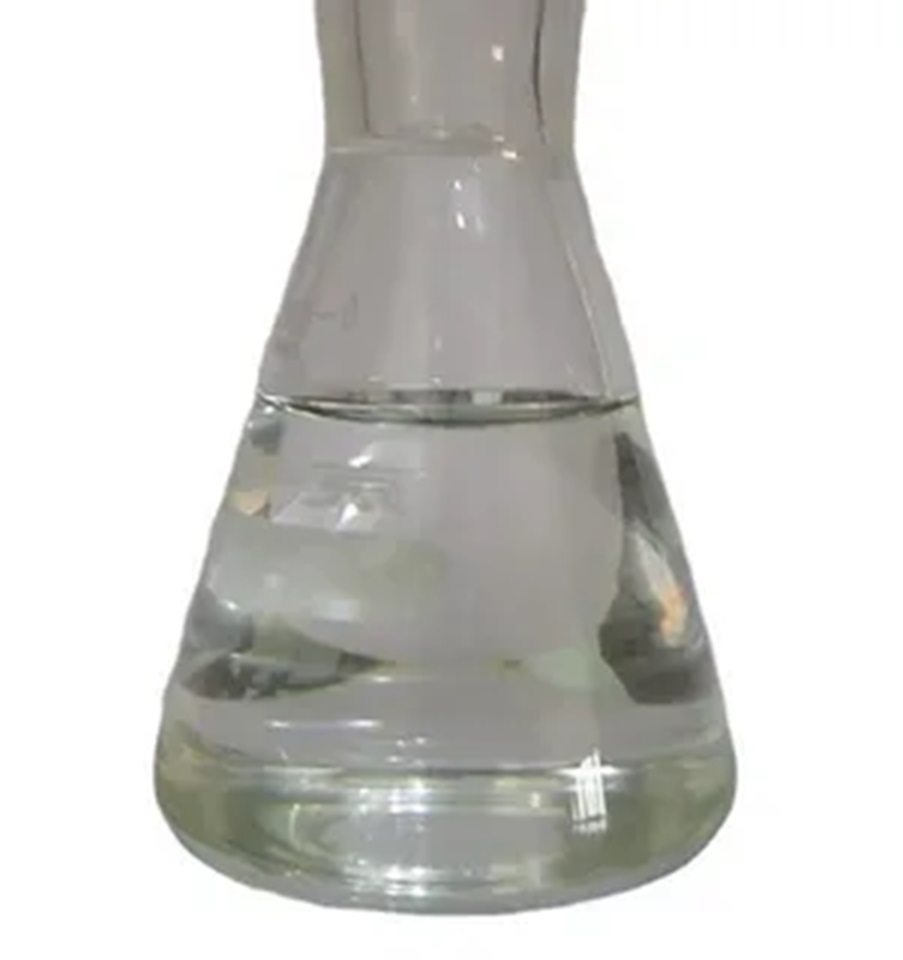
| Appearance | Colorless clear liquid |
| Color (APHA) | ≤ 10 |
| Odor | Alcohol-like, pungent, strong, characteristic, mildly alcoholic, non-residual |
| Taste | Alcohol-like |
| Density (25°C) | 0.81 g/mL |
| Relative Density (25°C) | 0.807 – 0.809 |
| Melting Point | -90 °C |
| Boiling Point | 116-118 °C |
| Distillation Range | 116-119°C (boiling distance not more than 1.5°C) |
| Flash Point | 35-38 °C (95°F) |
| Autoignition Temperature | 649°F (343°C) |
| Refractive Index (n20/D) | 1.399 |
| pH (70 g/L, 20°C) | 7 (neutral) |
| pKa | 15.24 ± 0.10 (predicted) |
| Vapor Pressure (20°C) | 6.7 hPa |
| Vapor Density | 2.55 (vs air) |
| Explosive Limit | 1.4 – 11.3% (volume fraction) |
| Stability | Stable, flammable |
| Sensitivity | Moisture sensitive |
4. Solubility Information
| Solvent | Solubility / Details |
|---|---|
| Water (20°C) | 80 g/L (7.7% by weight) |
| Water in n-Butanol (20°C) | 20.1% by weight |
| DMSO | Soluble |
| Ethanol | Miscible |
| Ether | Miscible |
| Other Organic Solvents | Miscible |
5. Spectroscopic Properties
| Wavelength | Maximum Absorbance (Amax) |
|---|---|
| λ: 215 nm | 1.00 |
| λ: 220 nm | 0.50 |
| λ: 240 nm | 0.10 |
| λ: 260 nm | 0.04 |
| λ: 280-400 nm | - |
6. Exposure Limits
| Organization | Limit |
|---|---|
| NIOSH (TLV-TWA) | 300 mg/m³ (100 ppm) |
| ACGIH | 150 mg/m³ (50 ppm) |
| IDLH (NIOSH) | 8000 ppm |
| Immediately Dangerous to Life/Health | 1,400 ppm |
7. Toxicity Data
| Parameter | Value |
|---|---|
| Oral LD50 (Rat) | 4.36 g/kg (Smyth); 790 mg/kg; 4360 mg/kg |
| Intraperitoneal LD50 (Mouse) | 603 mg/kg |
| Percutaneous LD50 (Rabbit) | 3400 mg/kg |
| Inhalation LC50 (Rat, 4h) | 24240 mg/m³ |
| Skin Irritation (Rabbit, 24h) | Moderate (20 mg) |
| Eye Irritation (Rabbit) | Severe (2 mg, 24h) |
8. Product Description
1-Butanol (butyl alcohol, n-butyl alcohol) is a primary alcohol with four carbon atoms. It is a colorless liquid with a characteristic alcoholic odor and a taste of alcohol. At room temperature, it has a wine-like odor. It has three isomers: isobutanol, sec-butanol, and tert-butanol.
Key Characteristics:
-
Strong refraction
-
Forms an explosive mixture with air
-
Combustion and explosion caused by open flame and high heat energy
-
Severe reaction with oxidizing agents
-
Constant boiling mixture with ethanol (63% ethanol, 37% water) at 92°C
9. Applications and Uses
9.1. Chemical Industry
| Application | Function |
|---|---|
| Butyl Acetate Production | Raw material for the synthesis of butyl acetate solvent |
| Dibutyl Phthalate Production | Raw material for phthalate plasticizers |
| Phosphoric Acid Plasticizers | Raw material for phosphoric acid-based plasticizers |
| Butyl Acrylate | Raw material for acrylate production |
| Ethylene Glycol Butyl Ether | Solvent production |
| Butyraldehyde Production | Intermediate in organic synthesis |
| Butyric Acid Production | Intermediate in organic synthesis |
| Butylamine Production | Intermediate in organic synthesis |
| Butyl Lactate Production | Intermediate in organic synthesis |
9.2. Polymer and Resin Industry
| Application | Function |
|---|---|
| Melamine Resin | Solvent and reactant in resin production |
| Acrylic Acid | Solvent and reactant in acrylic production |
| Epoxy Varnish | Solvent in epoxy formulations |
| Alkyd Resin Coatings | Additive in coating formulations |
| Plastics and Rubber Products | Intermediate for plasticizers |
9.3. Food and Flavor Industry
| Application | Function | Typical Dosage |
|---|---|---|
| Food Flavoring | Preparation of banana, cream, cheese, and other food flavors | - |
| Candy | Flavoring agent | 34 mg/kg |
| Baked Goods | Flavoring agent | 32 mg/kg |
| Soft Drinks | Flavoring agent | 12 mg/kg |
| Cold Drinks | Flavoring agent | 7.0 mg/kg |
| Cream | Flavoring agent | 4.0 mg/kg |
| Alcoholic Beverages | Flavoring agent | 1.0 mg/kg |
9.4. Pharmaceutical Industry
| Application | Function |
|---|---|
| Pharmaceutical Excipient | Solvent and defoamer |
| Antibiotics | Extraction agent |
| Hormones | Extraction agent |
| Vitamins | Extraction agent |
9.5. Agricultural Industry
| Application | Function |
|---|---|
| Herbicide Intermediate | Intermediate for 2,4-D butyl ester, butachlor, pyriflometrin |
| Pesticide Formulations | Solvent and intermediate |
9.6. Analytical Chemistry
| Application | Function |
|---|---|
| Chromatographic Reagent | Standard substance for chromatographic analysis |
| Arsenic Acid Determination | Colorimetric determination |
| Separation Agent | Separation of potassium, sodium, lithium |
| Chlorate Solvent | Solvent for chlorates |
9.7. Other Industrial Applications
| Application | Function |
|---|---|
| Solvent | Solvent for organic dyes, printing inks, extraction processes |
| Dewaxing Agent | Dewaxing agent in petroleum processing |
| Extraction Agent | Extraction agent for spices and essential oils |
| Pigment Diluent | Diluent for pigments |
10. Quality Specifications
| Parameter | High Grade | First Grade | Qualified Product |
|---|---|---|---|
| Appearance | Transparent liquid, no visible impurities | Transparent liquid, no visible impurities | Transparent liquid, no visible impurities |
| Chromaticity (Platinum-Cobalt) | ≤ 5 | ≤ 10 | ≤ 15 |
| Density (20°C) g/cm³ | 0.809-0.811 | 0.809-0.811 | 0.808-0.812 |
| n-Butanol Content (%) | ≥ 99.50 | ≥ 99.0 | ≥ 98.0 |
| Acidity (as Acetic Acid) (%) | ≤ 0.003 | ≤ 0.005 | ≤ 0.01 |
| Sulfuric Acid Color Test | ≤ 20 | ≤ 40 | -- |
| Moisture (%) | ≤ 0.10 | ≤ 0.10 | ≤ 0.2 |
| Evaporation Residue (%) | ≤ 0.003 | ≤ 0.005 | ≤ 0.01 |
11. Pharmaceutical Grade Specifications
| Test | Specification |
|---|---|
| Acidity | Consumption of 0.02 mol/L ethanolic KOH ≤ 2.5 mL |
| Aldehyde Compounds | No color development |
| Non-Volatile Residue | ≤ 4 mg per 100 mL |
| Dibutyl Ether Content | ≤ 0.2% |
| Total Impurities | ≤ 0.5% of total peak area |
12. Production Methods
There are three main industrial processes for n-butanol production:
Method 1: Fermentation Method (Historical)
| Parameter | Details |
|---|---|
| Raw Materials | Grains, cereals, dried yams, molasses |
| Process | Hydrolysis and fermentation with acetone-butanol bacteria at 36-37°C |
| Fermentation Products | Butanol, acetone, ethanol (ratio approximately 6:3:1) |
| Status | Gradually eliminated with petrochemical industry development |
Method 2: Carbonyl Synthesis Method (Reppe Process)
| Parameter | Details |
|---|---|
| Raw Materials | Propylene, carbon monoxide, hydrogen |
| Catalyst | Cobalt or rhodium |
| Temperature | 130-160°C |
| Pressure | 20-25 MPa |
| Products | n-Butyraldehyde and isobutyraldehyde |
| Final Step | Hydrogenation of n-butyraldehyde to n-butanol |
Method 3: Aldol Condensation Method
| Parameter | Details |
|---|---|
| Raw Materials | Acetaldehyde |
| Step 1 | Condensation and dehydration to crotonaldehyde |
| Step 2 | Hydrogenation at 180°C, 0.29 MPa with nickel-chromium catalyst |
| Consumption per Ton | 1300 kg acetaldehyde (98.5%), 674 kg hydrogen |
One-Step Synthesis Method
| Parameter | Details |
|---|---|
| Raw Materials | Propylene, carbon monoxide, water |
| Catalyst | Iron pentacarbonyl, N-butyl pyrrolidine |
| Temperature | 100-104°C |
| Pressure | 1.5 MPa |
| Conversion Rate | 8-10% per pass |
13. Safety and Incompatibilities
| Incompatible Materials | Description |
|---|---|
| Strong Acids | May react violently |
| Strong Oxidizing Agents | Fire and explosion risk |
| Aluminum | May cause corrosion |
| Acid Chlorides | May react violently |
| Acid Anhydrides | May react violently |
| Copper | May cause corrosion |
| Copper Alloys | May cause corrosion |
| Chromium Trioxide | Store separately |
14. Storage Conditions
| Parameter | Details |
|---|---|
| Temperature | +5°C to +30°C (storage temperature not exceeding 30°C) |
| Moisture Sensitivity | Protect from moisture |
| Light | Protect from direct sunlight |
| Ventilation | Store in cool, well-ventilated warehouse |
| Container | Keep container tightly sealed |
| Ignition Sources | Keep away from fire and heat sources |
| Separate Storage | Store separately from oxidizing agents |
15. Regulatory Information
| Agency | Classification / Limit |
|---|---|
| FDA | Permitted as solvent with no residue (§ 173.1) |
| FDA (Flavoring) | Permitted for use as fragrance with no residue (§ 172.515) |
| FEMA | GRAS status |
| FAO/WHO | ADI not specified (1994) |
| GB 2760-96 (China) | Permitted flavorant |
| UN Classification | Class 3 (Flammable liquid), UN1120, Packing Group III |
| HS Code | 2905 13 00 |
16. History
| Year | Event |
|---|---|
| 1852 | First discovered by French chemist C.-A. Fuz in fusel oil from fermentation process |
| 1913 | British company produced acetone and n-butanol as by-product from corn fermentation |
| World War II | German company produced n-butanol by propylene carbonyl synthesis |
| 1950s | Rapid development of synthetic n-butanol with petrochemical industry rise |
17. Summary
1-Butanol (Butyl Alcohol, n-Butyl Alcohol, CAS: 71-36-3, 35296-72-1) is a primary alcohol with molecular formula C₄H₁₀O and molecular weight 74.12 g/mol. It is a colorless, clear liquid with a characteristic pungent alcoholic odor and a taste of alcohol.
Key Physical Properties:
-
Melting point: -90°C
-
Boiling point: 116-118°C
-
Density: 0.81 g/mL
-
Flash point: 35-38°C
-
Solubility in water: 80 g/L (20°C)
-
Refractive index: 1.399
Main Application Areas:
-
Chemical Industry: Production of butyl acetate, dibutyl phthalate, phosphoric acid plasticizers, butyl acrylate
-
Polymer Industry: Melamine resin, acrylic acid, epoxy varnish, alkyd resin coatings
-
Food Industry: Flavoring agent for banana, cream, cheese flavors
-
Pharmaceutical: Excipient, solvent, extraction agent for antibiotics, hormones, vitamins
-
Agriculture: Intermediate for herbicides
-
Analytical Chemistry: Chromatographic reagent, separation agent
Safety Considerations:
-
Flammable liquid
-
Forms explosive mixtures with air (1.4-11.3%)
-
Severe eye irritant
-
Moderate skin irritant
-
Toxic if swallowed
-
Incompatible with strong acids, strong oxidizing agents, aluminum, copper alloys
-
Store in cool, ventilated area away from ignition sources
Quality Grades:
Available in high grade (≥99.5%), first grade (≥99.0%), and qualified product (≥98.0%) with varying specifications for chromaticity, acidity, moisture, and evaporation residue.