We unleash your business potential by maximize the business innovation.
Send EmailPolytetrafluoroethylene, Poly Tetra Fluoro Ethylene, PTFE, 9002-84-0
POLYTETRAFLUOROETHYLENE (PTFE) – CHEMICAL PROFILE
1. QUICK FACTS
| Parameter | Information |
|---|---|
| Chemical Name | Polytetrafluoroethylene |
| Common Name | PTFE / Teflon® |
| CAS Number | 9002-84-0 |
| Chemical Formula | (C₂F₄)ₙ |
| Density | 2.15 – 2.20 g/cm³ |
| Melting Point | ~327 °C |
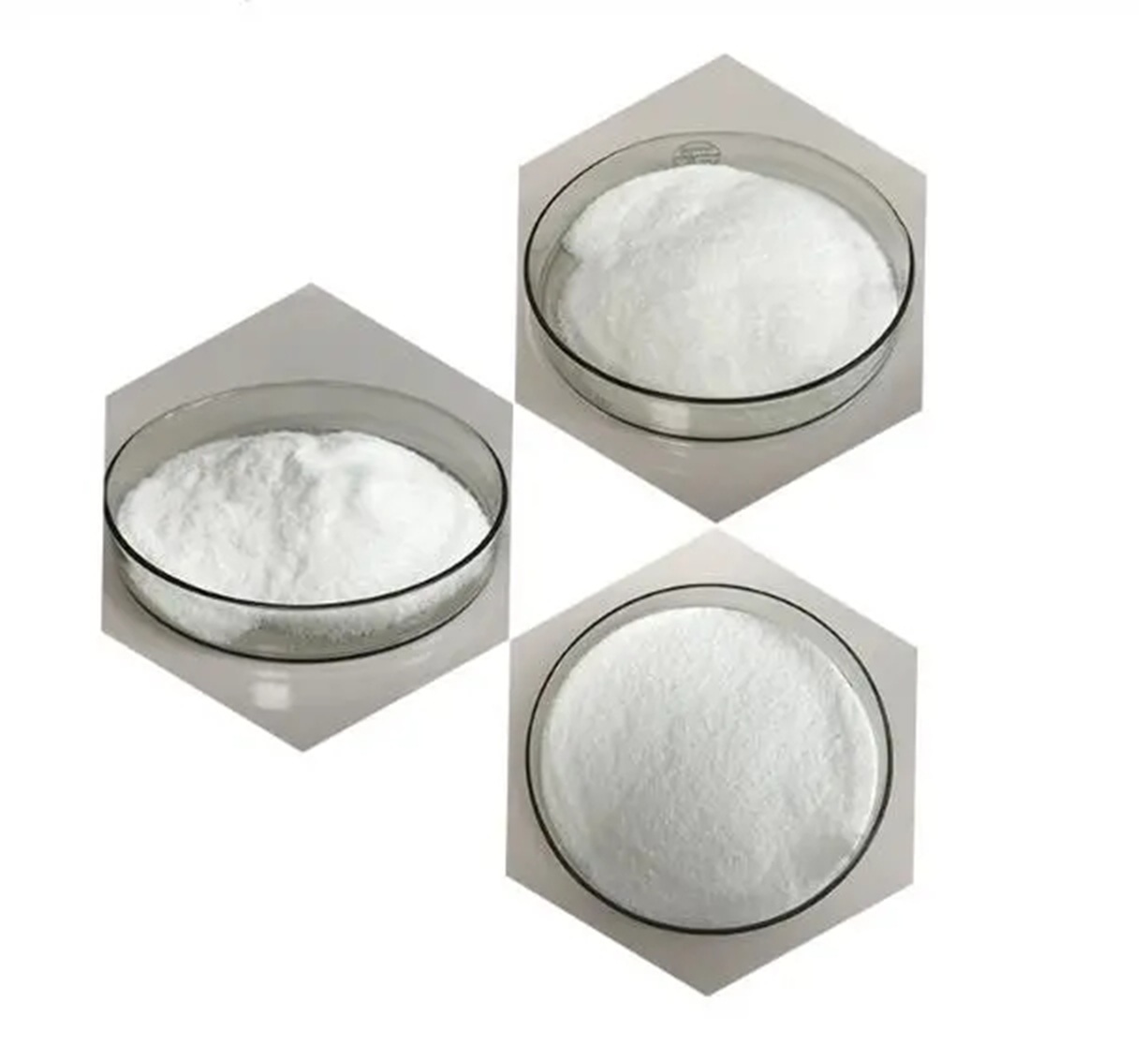
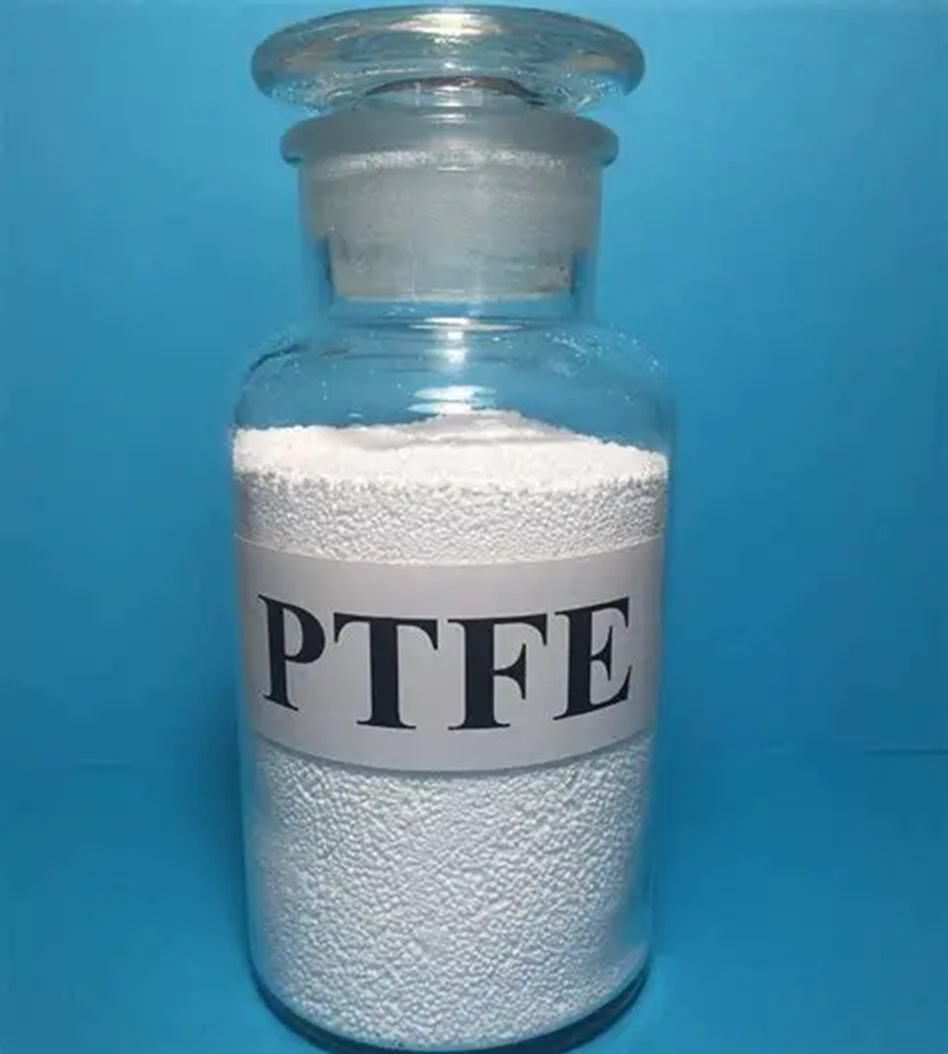
| Appearance | White, odorless powder or granules |
| Packaging | 25 kg bags, drums, IBC |
| Chemical Class | Fluoropolymer (thermoplastic) |
2. WHAT IS PTFE?
Polytetrafluoroethylene (PTFE) is a synthetic fluoropolymer of tetrafluoroethylene. It is a high-performance engineering plastic known for its exceptional chemical resistance, non-stick properties, high thermal stability, and excellent electrical insulation. PTFE is most commonly known by the brand name Teflon® (DuPont). It is produced as a white powder or granules and processed into various shapes such as films, rods, tubes, and coatings.
3. PHYSICAL PROPERTIES
| Property | Value |
|---|---|
| Appearance | White powder, granules, or solid |
| Chemical Formula | (C₂F₄)ₙ |
| Density | 2.15 – 2.20 g/cm³ |
| Melting Point | ~327 °C |
| Maximum Continuous Service Temperature | 260 °C |
| Decomposition Temperature | > 400 °C |
| Thermal Conductivity | ~0.25 W/m·K |
| Coefficient of Friction | 0.05 – 0.10 (very low) |
| Water Absorption | < 0.01% |
| Dielectric Strength | ~60 kV/mm |
| Dielectric Constant (1 MHz) | ~2.1 |
| Surface Energy | Very low (non-stick) |
| Tensile Strength | ~20 – 35 MPa |
| Elongation at Break | ~200 – 400% |
4. CHEMICAL PROPERTIES
| Property | Information |
|---|---|
| Chemical Formula | (C₂F₄)ₙ |
| CAS Number | 9002-84-0 |
| Chemical Class | Fluoropolymer |
| Chemical Resistance | Excellent against acids, bases, solvents, and oxidizing agents |
| Inertness | Highly chemically inert |
| Oxygen Index | > 95% (self-extinguishing) |
| UV Resistance | Excellent |
| Weather Resistance | Excellent |
| Aging Resistance | Excellent |
5. CHEMICAL STRUCTURE
Structure Formula:
text
-[CF₂ – CF₂]ₙ-
Structure Description:
PTFE consists of a carbon backbone with fluorine atoms attached to each carbon, forming a helical structure. The carbon-fluorine bond is one of the strongest in chemistry, contributing to the material's exceptional stability, inertness, and low surface energy.
Polymerization Reaction:
nC₂F₄ → [C₂F₄]ₙ
6. KEY PROPERTIES AND ADVANTAGES
| Property | Description |
|---|---|
| Non-Stick Surface | Lowest coefficient of friction of any solid material |
| Chemical Inertness | Resistant to almost all chemicals and solvents |
| High Temperature Resistance | Stable up to 260°C continuously |
| Excellent Electrical Insulation | Outstanding dielectric properties |
| Low Friction | Self-lubricating surface |
| UV Resistance | Excellent outdoor durability |
| Water Repellency | Hydrophobic surface |
| Biocompatibility | Suitable for medical applications |
| Non-Flammable | Self-extinguishing material |
| Weather Resistance | Excellent resistance to outdoor exposure |
7. APPLICATIONS
7.1. Non-Stick Coatings
| Application | Description |
|---|---|
| Cookware | Non-stick frying pans and pots |
| Bakeware | Baking sheets and molds |
| Food Processing | Conveyor belts and release surfaces |
| Household Items | Irons, waffle makers, sandwich makers |
7.2. Electrical and Electronics
| Application | Description |
|---|---|
| Wire Insulation | High-temperature wire and cable insulation |
| Printed Circuit Boards | Dielectric layers and insulators |
| Connectors | High-frequency connectors and insulators |
| Semiconductor | Chemical-resistant components |
| Antennas | Coaxial cable insulation |
7.3. Chemical Industry
| Application | Description |
|---|---|
| Seals and Gaskets | Chemical-resistant seals for reactors and pipes |
| Piping Systems | Corrosion-resistant linings |
| Valves and Pumps | Chemical-resistant components |
| Heat Exchangers | Corrosion-resistant tubes |
| Laboratory Equipment | Beakers, tubing, stirrers |
7.4. Mechanical and Industrial
| Application | Description |
|---|---|
| Bearings | Self-lubricating plain bearings |
| Dry Lubricants | Powder lubricants for mechanisms |
| Sliding Surfaces | Low-friction guide rails |
| Springs | Corrosion-resistant springs |
| Gears | Non-lubricated gears |
7.5. Medical and Healthcare
| Application | Description |
|---|---|
| Catheters | Biocompatible tubing |
| Grafts | Vascular grafts and stents |
| Surgical Instruments | Non-stick surfaces |
| Dental Floss | PTFE-coated floss |
| Drug Delivery | Coated medical devices |
7.6. Other Applications
| Application | Description |
|---|---|
| Textile Coatings | Waterproof and breathable fabrics |
| Automotive | Gaskets, seals, and linings |
| Aerospace | High-temperature components |
| Construction | Membrane structures and roofs |
| Optics | Anti-reflective coatings |
8. PTFE GRADES AND FORMS
| Form | Description |
|---|---|
| Powder | Fine powder for compression molding |
| Granules | Free-flowing granules for molding |
| Dispersion | Aqueous dispersion for coatings |
| Film | Thin sheets for wrapping and insulation |
| Rod | Round rods for machining |
| Tube | Seamless tubing for fluid transfer |
| Sheet | Flat sheets for gaskets and seals |
| Fiber | PTFE fibers for textiles and seals |
9. SECTOR SUITABILITY TABLE
| Sector | Suitability | Description |
|---|---|---|
| Textile | ✔ | Coatings and insulation applications |
| Paints & Coatings | ✔ | Non-stick and protective coatings |
| Electrical | ✔ | Insulation and dielectric materials |
| Food Contact | ✔ | FDA-compliant grades available |
| Medical | ✔ | Biocompatible applications |
| Automotive | ✔ | Seals, gaskets, and bearings |
| Aerospace | ✔ | High-temperature components |
| Chemical Processing | ✔ | Corrosion-resistant equipment |
| Construction | ✔ | Membranes and sealing materials |
10. PRODUCTION PROCESS
| Step | Description |
|---|---|
| 1. Monomer Production | Tetrafluoroethylene (TFE) produced from chloroform |
| 2. Polymerization | Free radical polymerization in emulsion or suspension |
| 3. Coagulation | PTFE particles are coagulated and filtered |
| 4. Washing | Removal of surfactants and impurities |
| 5. Drying | Moisture removal |
| 6. Sintering | Thermal processing into solid shapes |
| 7. Finishing | Machining or cutting to final dimensions |
11. SAFETY AND HEALTH INFORMATION
| Parameter | Information |
|---|---|
| Hazard (Normal Conditions) | Non-hazardous |
| GHS Classification | Not classified as hazardous |
| Decomposition (>400°C) | Toxic gases (perfluoroisobutene, HF) may be released |
| Dust | May cause mechanical irritation |
| Skin Contact | Non-irritating |
| Eye Contact | May cause mechanical irritation |
| Ingestion | Not absorbed; low toxicity |
| Carcinogenicity | Not classified as carcinogenic |
11.1. FIRST AID MEASURES
| Route of Exposure | Action |
|---|---|
| Inhalation | Remove to fresh air. If respiratory irritation, seek medical attention. |
| Skin Contact | Wash with plenty of soap and water. |
| Eye Contact | Rinse thoroughly with water for at least 15 minutes. Seek medical attention. |
| Ingestion | Rinse mouth. Drink plenty of water. Seek medical attention. |
12. STORAGE AND HANDLING
| Parameter | Information |
|---|---|
| Storage Conditions | Cool, dry, well-ventilated area |
| Container Requirements | Tightly closed, original packaging |
| Protect From | Direct sunlight, high heat, strong oxidizing agents |
| Shelf Life | Unlimited (with proper storage) |
| Dust Precautions | Avoid dust formation; use respiratory protection in dust-generating operations |
13. TRANSPORT INFORMATION
| Parameter | Information |
|---|---|
| UN Number | Not regulated (not a hazardous material) |
| Hazard Class | Not applicable |
| Packing Group | Not applicable |
| ADR/RID | Not regulated |
| IMDG Code | Not regulated |
| IATA (Air) | Not regulated |
14. PACKAGING OPTIONS
| Packaging Type | Quantity | Material |
|---|---|---|
| Plastic Lined Bag | 25 kg | PP/PE |
| Plastic Drum | 25-50 kg | HDPE |
| Fibre Drum | 25-50 kg | Fibreboard |
| IBC Container | 500-1000 kg | HDPE/Steel |
15. REGULATORY STATUS
| Region / Authority | Status |
|---|---|
| European Union (REACH) | Registered substance |
| USA (FDA) | 21 CFR 177.1550 (Food Contact) |
| USA (EPA TSCA) | Listed on TSCA inventory |
| ISO | 9001:2015 certified production |
| REACH | Annex XVII compliant |
| EFSA | Approved for food contact (specific grades) |
16. TRADE NAMES AND MANUFACTURERS
| Trade Name | Manufacturer |
|---|---|
| Teflon® | Chemours (DuPont) |
| Fluon® | AGC |
| Hostaflon® | 3M/Dyneon |
| Polyflon™ | Daikin |
| Algoflon® | Solvay |
Manufacturing Countries:
-
USA
-
Germany
-
China
-
Japan
-
Italy
-
India
17. ALTERNATIVE PRODUCTS
| Alternative | Description |
|---|---|
| PFA (Perfluoroalkoxy) | Melt-processable, similar properties |
| FEP (Fluorinated Ethylene Propylene) | Melt-processable, higher transparency |
| UHMWPE (Ultra High Molecular Weight Polyethylene) | Lower cost, lower temperature resistance |
| ETFE (Ethylene Tetrafluoroethylene) | Higher mechanical strength |
| PVDF (Polyvinylidene Fluoride) | Lower cost, good chemical resistance |
18. ENVIRONMENTAL ASPECTS
| Parameter | Information |
|---|---|
| Recyclability | Limited (requires thermal processing) |
| Waste Management | Incineration (specialized) or landfill |
| Carbon Footprint | High energy consumption in production |
| Environmental Persistence | Very high (does not degrade naturally) |
| Bioaccumulation | Potential for bioaccumulation |
| PFAS Concerns | Subject to regulatory scrutiny |
19. OTHER NAMES AND SYNONYMS
| Type | Name |
|---|---|
| Turkish Names | Politetrafloroetilen, Teflon |
| English Names | Polytetrafluoroethylene, PTFE, Teflon® |
| Chemical Names | Polytetrafluoroethene |
| Common Names | Non-stick coating material |
20. SUMMARY AND CRITICAL WARNINGS
Product Summary
| Parameter | Value |
|---|---|
| Product | Polytetrafluoroethylene (PTFE) |
| CAS Number | 9002-84-0 |
| Formula | (C₂F₄)ₙ |
| Density | 2.15 – 2.20 g/cm³ |
| Melting Point | ~327 °C |
| Appearance | White powder/granules |
| Primary Applications | Non-stick coatings, electrical insulation, seals, medical devices |
CRITICAL WARNINGS
1. THERMAL DECOMPOSITION: PTFE must not be heated above 400°C. Thermal decomposition releases toxic gases including perfluoroisobutene (PFIB) and hydrogen fluoride (HF). Use proper ventilation during processing.
2. NON-STICK PROPERTY: PTFE has the lowest coefficient of friction of any solid material. This makes it ideal for non-stick coatings but challenging for adhesion. Surface preparation is required for bonding.
3. CHEMICAL INERTNESS: PTFE is resistant to almost all chemicals. This is an advantage but also means it is difficult to bond, weld, or print on. Special surface treatments (plasma, chemical etching) are required for adhesion.
4. CREEP (COLD FLOW): PTFE deforms under sustained load (cold flow). Design engineering applications must account for this property.
5. FOOD CONTACT: Only FDA-compliant PTFE grades (21 CFR 177.1550) should be used for food contact applications. Verify compliance.
6. MEDICAL APPLICATIONS: Medical-grade PTFE must be biocompatible and sterilizable. Verify appropriate certification.
7. RECYCLING: PTFE recycling is limited and requires specialized thermal processing. Contact certified recyclers.
8. PFAS REGULATIONS: PTFE is subject to increasing regulatory scrutiny due to PFAS concerns. Monitor regulatory developments.
9. DUST PRECAUTIONS: Powdered PTFE dust may cause mechanical irritation. Use appropriate dust control and respiratory protection.
10. STORAGE: Store in a cool, dry place away from direct sunlight and strong oxidizing agents.
IMPORTANT DISCLAIMER: This Technical Data Sheet (TDS) is for informational purposes only and is prepared based on available technical data. The user is responsible for determining the suitability of the product for their specific application and for complying with all local, national, and international regulations. For complete safety, storage, use, handling, disposal, and regulatory compliance information, refer to the official Safety Data Sheet (SDS/MSDS) provided by the manufacturer/supplier. This document is not a substitute for professional or medical advice.