We unleash your business potential by maximize the business innovation.
Send EmailIsopropylamine, 2-Propanamine, Monoisopropylamine, Mono Isopropyl Amine, IPA, MIPA, 75-31-0
Isopropylamine (Monoisopropylamine – IPA)
CAS Number: 75-31-0
Chemical Formula: C₃H₉N
Molecular Weight: 59.11 g/mol
EC Number: 200-860-9
Synonyms: 2-Propanamine, Monoisopropylamine, Mono Isopropyl Amine, IPA, MIPA, Propan-2-amine, Isopropyl amine, NSC 7524
1. CHEMICAL IDENTITY
| Parameter | Information |
|---|---|
| Product Name | Isopropylamine |
| IUPAC Name | Propan-2-amine |
| CAS Number | 75-31-0 |
| Molecular Formula | C₃H₉N |
| Molecular Weight | 59.11 g/mol |
| EC Number | 200-860-9 |
| Chemical Class | Primary Aliphatic Amine |
| Synonyms | 2-Propanamine, Monoisopropylamine, Mono Isopropyl Amine, IPA, MIPA, Propan-2-amine, Isopropyl amine, NSC 7524 |
2. PHYSICAL PROPERTIES
| Parameter | Value |
|---|---|
| Physical State (20°C) | Liquid |
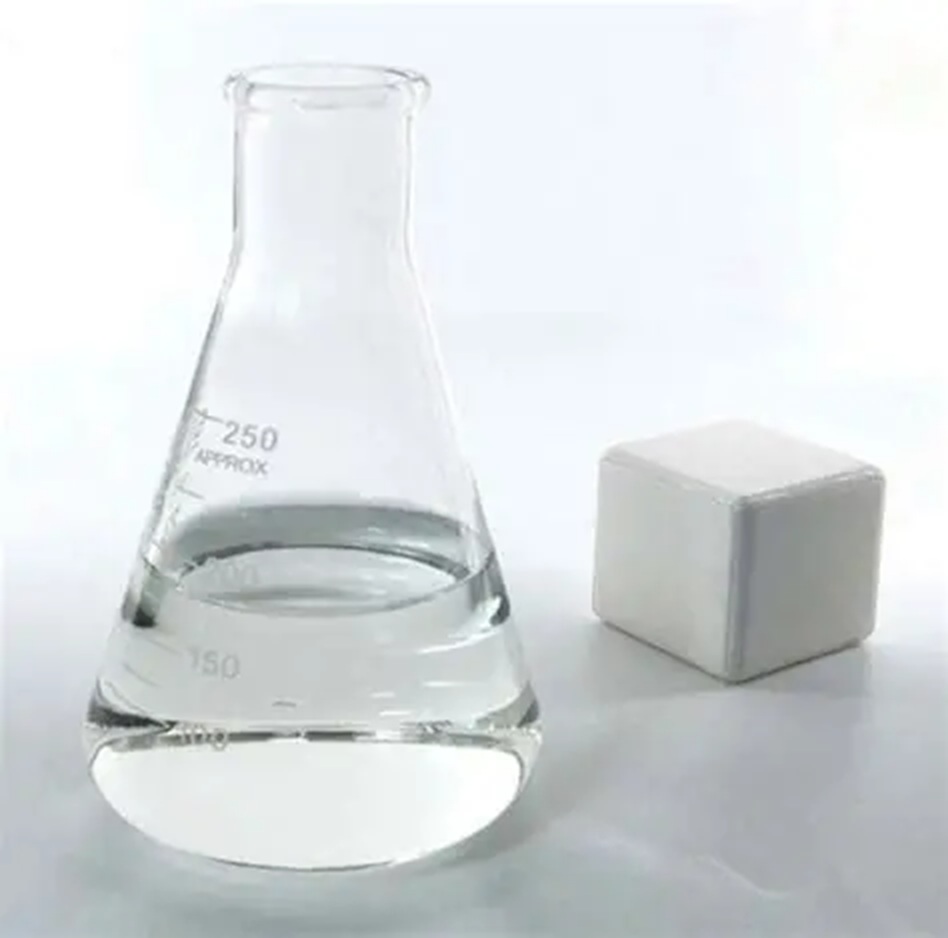
| Color | Colorless |
| Appearance | Clear liquid |
| Odor | Strong ammonia-like, pungent, irritating |
| Melting Point | ~ -101 °C |
| Boiling Point | 32 – 35 °C |
| Flash Point | -26 °F (-32 °C) (closed cup) |
| Autoignition Temperature | 402 °C (756 °F) |
| Density (20°C) | 0.688 g/cm³ |
| Vapor Density (air=1) | 2.04 (heavier than air) |
| Vapor Pressure (20°C) | ~700 hPa (very high) |
| Refractive Index (20°C) | 1.374 |
| pKa (25°C) | ~10.6 (basic) |
| Viscosity (20°C) | ~0.4 cP |
3. THERMODYNAMIC PROPERTIES
| Parameter | Value |
|---|---|
| Specific Heat Capacity (25°C) | ~2.3 J/g·K |
| Heat of Vaporization | ~32 kJ/mol |
| Heat of Combustion | ~-2,400 kJ/mol |
| Critical Temperature | ~200°C |
| Critical Pressure | ~4.5 MPa |
4. SOLUBILITY PROPERTIES
| Solvent | Solubility |
|---|---|
| Water | Fully miscible |
| Ethanol | Fully miscible |
| Acetone | Fully miscible |
| Ether | Fully miscible |
| Benzene | Fully miscible |
| Chloroform | Fully miscible |
| Hydrocarbons (aliphatic, aromatic) | Miscible |
| Mineral Oils | Miscible |
5. CHEMICAL PROPERTIES AND REACTIVITY
| Parameter | Information |
|---|---|
| Chemical Class | Primary Aliphatic Amine |
| Basicity | Strong base (pKa ~10.6) |
| Reactivity with Acids | Exothermic neutralization; forms salts |
| Reactivity with Carbonyls | Forms imines and Schiff bases |
| Reactivity with Isocyanates | Forms ureas |
| Reactivity with Epoxides | Ring-opening reaction |
| Reactivity with Oxidizers | Strong oxidizers may cause fire or explosion |
| Absorption of CO₂ | Absorbs carbon dioxide from air (forms carbamate) |
| Stability | Stable but highly flammable |
6. PRODUCTION PROCESS
| Step | Description |
|---|---|
| Raw Material | Acetone |
| Reaction Type | Reductive amination |
| Reagents | Acetone + Ammonia + Hydrogen |
| Catalyst | Nickel or cobalt catalyst |
| Reaction | (CH₃)₂C=O + NH₃ + H₂ → (CH₃)₂CH-NH₂ + H₂O |
| Alternative Route | Isopropanol + Ammonia (dehydrogenation/amination) |
| Purification | Distillation (boiling point 32-35°C) |
7. FUNCTIONAL PROPERTIES
| Function | Description |
|---|---|
| Primary Amine | High reactivity; serves as intermediate in organic synthesis |
| Neutralizing Agent | Effectively neutralizes acidic solutions; forms salts with acids |
| Solvent | Miscible with water and organic solvents; good formulation compatibility |
| Base Catalyst | Catalyzes various organic reactions (aldol, condensation) |
| Salt Former | Forms water-soluble salts with acids (e.g., glyphosate isopropylamine salt) |
8. APPLICATIONS – AGRICULTURAL CHEMICALS
| Application | Function | Importance |
|---|---|---|
| Glyphosate Isopropylamine Salt | Counter-ion for glyphosate herbicide; improves water solubility and herbicidal activity | Primary use (~80% of production) |
| Pesticide Intermediates | Intermediate for synthesis of various pesticides and insecticides | Major use |
| Herbicide Formulations | Direct component in liquid herbicide formulations | Common use |
Glyphosate Salt Formation:
Glyphosate (acid) + Isopropylamine → Glyphosate Isopropylamine Salt (water-soluble herbicide)
9. APPLICATIONS – PHARMACEUTICAL INDUSTRY
| Application | Function |
|---|---|
| Pharmaceutical Intermediates | Intermediate in synthesis of various active pharmaceutical ingredients (APIs) |
| Salt Former | Forms salts with acidic drug substances |
| Synthesis Reagent | Reagent in organic synthesis of drug molecules |
10. APPLICATIONS – INDUSTRIAL CHEMICALS
| Application | Function |
|---|---|
| Corrosion Inhibitors | Component in corrosion inhibitor formulations for metal protection |
| Rubber Chemicals | Intermediate for rubber accelerators and vulcanization agents |
| Surfactants and Emulsifiers | Starting material for surfactant synthesis |
| Organic Synthesis | Solvent and catalyst in various industrial organic reactions |
| Water Treatment | pH adjustment and neutralizing agent |
11. APPLICATIONS – OTHER USES
| Industry | Application |
|---|---|
| Paint and Coatings | pH adjuster, neutralizing agent |
| Textile | Dyeing and finishing auxiliaries |
| Gas Treatment | Acid gas scrubbing (CO₂ and H₂S removal) |
| Laboratory | General reagent in organic synthesis |
| Plastics | Monomer or intermediate for specialty polymers |
12. COMPARISON: ISOPROPYLAMINE vs. ALTERNATIVES
| Property | Isopropylamine | Methylamine | Ethylamine | n-Propylamine |
|---|---|---|---|---|
| Molecular Formula | C₃H₉N | CH₃NH₂ | C₂H₅NH₂ | C₃H₉N (linear) |
| Boiling Point (°C) | 32-35 | -6.3 | 16.6 | 48-49 |
| pKa | ~10.6 | ~10.6 | ~10.7 | ~10.6 |
| Solubility in Water | Fully miscible | Fully miscible | Fully miscible | Fully miscible |
| Toxicity | Lower than methylamine | Higher | Moderate | Moderate |
| Primary Use | Glyphosate salt | Pharmaceuticals | Pesticides | Organic synthesis |
13. COMPARISON: ISOPROPYLAMINE vs. DIMETHYLAMINE
| Property | Isopropylamine | Dimethylamine |
|---|---|---|
| Structure | Primary amine | Secondary amine |
| Formula | C₃H₉N | (CH₃)₂NH |
| Boiling Point (°C) | 32-35 | 7.4 |
| pKa | ~10.6 | ~10.7 |
| Glyphosate Salt | Yes (common) | Yes (Dimethylamine salt available) |
| Odor | Ammonia-like | Fishy, pungent |
| Toxicity | Lower | Higher |
14. COMPARISON: ISOPROPYLAMINE vs. MONOISOPROPANOLAMINE (MIPA)
| Property | Isopropylamine | Mono Isopropanolamine (MIPA) |
|---|---|---|
| CAS Number | 75-31-0 | 78-96-6 |
| Formula | C₃H₉N | C₃H₉NO |
| Structure | Pure primary amine | Amino-alcohol (amine + OH group) |
| Boiling Point | 32-35°C | 160°C |
| Physical State | Volatile liquid | Viscous, hygroscopic liquid |
| Primary Use | Glyphosate salt, pesticides | Detergents, cosmetics, gas scrubbing |
| Not | Different CAS numbers – NOT the same product |
15. SAFETY AND TOXICOLOGICAL PROFILE
| Parameter | Value |
|---|---|
| Acute oral toxicity (rat, LD₅₀) | 820 mg/kg (moderate toxicity) |
| Acute dermal toxicity (rabbit, LD₅₀) | 1,000 – 2,000 mg/kg |
| Acute inhalation (rat, LC₅₀, 4 hours) | 4,000 ppm |
| Skin irritation | Corrosive; causes severe burns |
| Eye irritation | Corrosive; causes serious eye damage |
| Skin sensitization | May cause sensitization |
| Carcinogenicity | Not classified as carcinogenic |
| Mutagenicity | Negative |
GHS Classification:
| Hazard Class | Description |
|---|---|
| H224 | Extremely flammable liquid and vapor (flash point -26°F) |
| H302 | Harmful if swallowed |
| H311 | Toxic in contact with skin |
| H314 | Causes severe skin burns and eye damage |
| H331 | Toxic if inhaled |
| H335 | May cause respiratory irritation |
16. POTENTIAL HEALTH EFFECTS
| Route of Exposure | Effect |
|---|---|
| Inhalation | Causes respiratory tract irritation, coughing, shortness of breath; high concentrations may cause pulmonary edema |
| Skin Contact | Corrosive; causes severe burns, blistering, possible chemical burns |
| Eye Contact | Corrosive; causes severe eye damage, possible blindness |
| Ingestion | Harmful; causes burns to mouth, throat, stomach; nausea, vomiting, abdominal pain |
| Chronic Exposure | Prolonged exposure may cause dermatitis; liver and kidney effects in severe cases |
17. FIRST AID MEASURES
| Exposure | First Aid Procedure |
|---|---|
| Inhalation | Remove to fresh air immediately. If breathing is difficult, give oxygen. If breathing stops, give artificial respiration. Seek immediate medical attention. |
| Skin Contact | Remove contaminated clothing immediately. Rinse skin with plenty of water for at least 15 minutes. Seek medical attention. |
| Eye Contact | Rinse with plenty of water for at least 15-20 minutes, holding eyelids open. Seek immediate medical attention. |
| Ingestion | Do NOT induce vomiting. Rinse mouth. Drink water to dilute. Seek immediate medical attention. |
18. FIRE FIGHTING MEASURES
| Parameter | Information |
|---|---|
| Flash Point | -26 °F (-32 °C) (closed cup) |
| Autoignition Temperature | 402 °C (756 °F) |
| Flammability Limits (vol% in air) | Lower: 2.0%, Upper: 10.4% |
| Suitable Extinguishing Media | Dry chemical powder, CO₂, alcohol-resistant foam, water fog (for cooling) |
| Unsuitable Extinguishing Media | High-pressure water jet (may spread fire) |
| Firefighter PPE | Full protective clothing with positive pressure SCBA |
| Combustion Products | Carbon monoxide (CO), carbon dioxide (CO₂), nitrogen oxides (NOₓ) |
| Special Hazard | Extremely flammable; vapor forms explosive mixtures with air |
19. STORAGE AND HANDLING
| Parameter | Requirement |
|---|---|
| Storage Temperature | 0-25°C (refrigerated preferred due to low boiling point) |
| Container Material | Stainless steel, carbon steel (avoid copper, zinc, galvanized surfaces) |
| Incompatible Materials | Strong oxidizing agents, strong acids, acid chlorides, isocyanates, epoxides |
| Protection | Keep away from heat, sparks, open flames; use explosion-proof equipment |
| Ventilation | Provide adequate ventilation (local exhaust) |
| Container Closure | Tightly sealed (volatile) |
| Shelf Life | 12-24 months under proper storage |
| Special Precautions | Bond and ground containers during transfer; avoid static discharge |
20. SUMMARY AND CRITICAL INFORMATION
Description: Isopropylamine (CAS 75-31-0) is a colorless, volatile liquid with a strong ammonia-like pungent odor. It is a primary aliphatic amine with a low boiling point (32-35°C) and high vapor pressure. It is fully miscible with water and most organic solvents. Isopropylamine is a strong base (pKa ~10.6) and reacts readily with acids to form water-soluble salts.
Key Advantages:
-
Highly effective counter-ion for glyphosate herbicide (water-soluble salt)
-
Strong base with high reactivity for organic synthesis
-
Fully miscible with water and organic solvents
-
Volatile (easy removal from reaction mixtures)
-
Low molecular weight (high amine content per gram)
Key Limitations/Considerations:
-
Extremely flammable (flash point -26°F) – requires stringent safety measures
-
Low boiling point (32-35°C) – requires refrigerated storage and handling
-
Corrosive to skin, eyes, and respiratory tract
-
Toxic by all routes of exposure (oral, dermal, inhalation)
-
Strong ammonia-like odor (detectable at very low concentrations)
Major Applications Summary:
| Sector | Primary Use | Importance |
|---|---|---|
| Agricultural Chemicals | Glyphosate isopropylamine salt (herbicides) | Critical (~80% of consumption) |
| Pharmaceutical | Intermediates for API synthesis | Significant |
| Industrial | Corrosion inhibitors, rubber chemicals, surfactants | Moderate |
Comparison to Similar Products:
| Product | CAS | Key Difference | Application |
|---|---|---|---|
| Isopropylamine | 75-31-0 | Primary amine, volatile | Glyphosate salt |
| Mono Isopropanolamine (MIPA) | 78-96-6 | Contains OH group (amino-alcohol) | Detergents, gas scrubbing |
| Dimethylamine | 124-40-3 | Secondary amine | Alternative glyphosate salt |
Important Distinction: Isopropylamine (CAS 75-31-0) is NOT the same as Mono Isopropanolamine (MIPA, CAS 78-96-6). They have different chemical structures, physical properties, and applications.
Safety Summary:
-
GHS Classification: Extremely flammable (H224), Corrosive (H314), Toxic (H302+H311+H331)
-
Require PPE: Chemical goggles, face shield, chemical-resistant gloves, protective clothing, respiratory protection (organic vapor cartridge)
-
First aid: Immediate water rinsing for skin/eye contact; do NOT induce vomiting if ingested
-
Storage: Cool (0-25°C), well-ventilated, explosion-proof area, away from oxidizers and acids
Conclusion: Isopropylamine is a critical industrial chemical, primarily used as the counter-ion for glyphosate herbicide (Roundup and similar products). Its high reactivity, water miscibility, and volatile nature make it valuable for agricultural chemical production, pharmaceutical intermediates, and industrial applications. However, its extreme flammability, corrosivity, and toxicity require stringent safety protocols for handling, storage, and transport. For glyphosate salt production, isopropylamine remains the preferred choice due to optimal herbicidal activity and formulation properties.