We unleash your business potential by maximize the business innovation.
Send EmailIsopropylamine, 2-Propanamine, Monoisopropylamine, IPA, MIPA, 75-31-0
Isopropylamine
1. Identity
-
Chemical Name: Isopropylamine
-
CAS Number: 75-31-0
-
Molecular Formula: C3H9N
-
Molecular Weight: 59.11 g/mol
-
Synonyms: 2-Propanamine, Monoisopropylamine
2. Physical & Chemical Properties
-
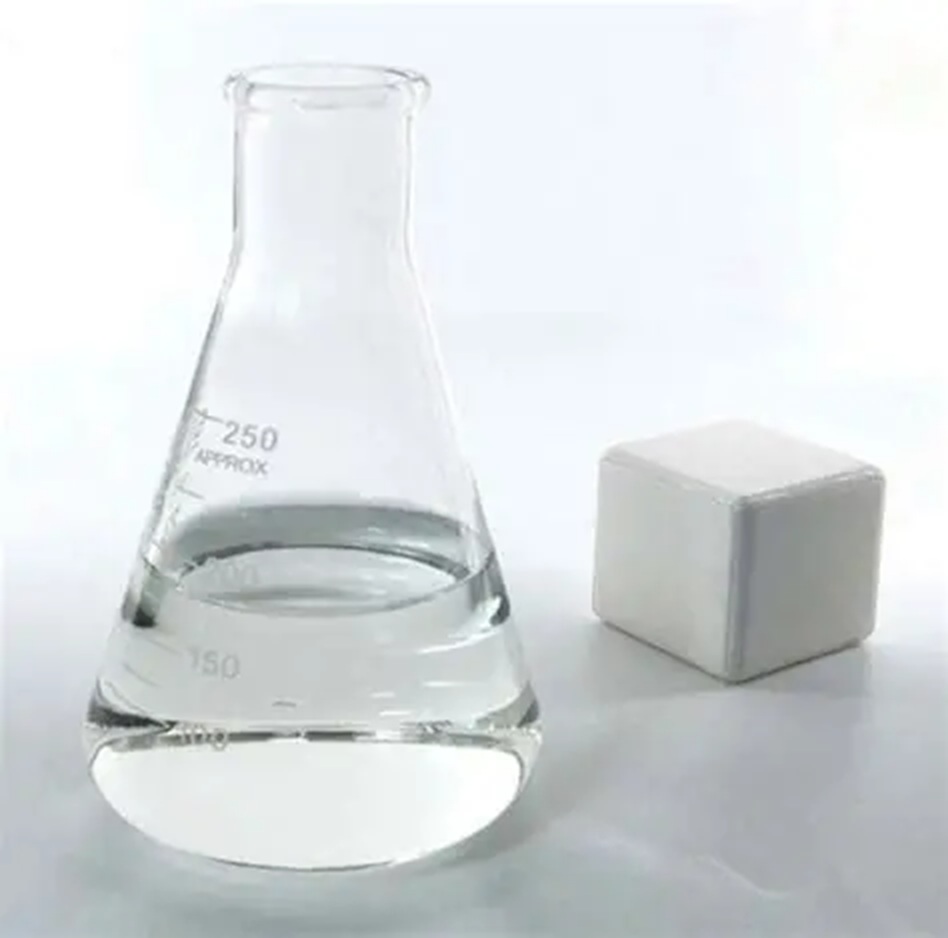
Appearance: Colorless liquid
-
Odor: Strong ammoniacal, pungent, irritating
-
Density: ~0.688 g/cm³ (20 °C)
-
Boiling Point: 32–35 °C
-
Melting Point: ~-101 °C
-
pKa: ~10.6 (at 25 °C)
-
Solubility: Miscible with water, ethanol, ether; dissolves in acetone, hydrocarbons, mineral oils
-
Flash Point: −26 °F
-
Vapor Pressure: ~9.2 psi (20 °C)
-
Explosive Limits: 2–10.4% (v/v in air)
3. Functional Characteristics
-
Primary Amine: Highly reactive, used in synthesis of intermediates
-
Neutralizing Agent: Effective for acid neutralization in formulations
-
Volatile & Water-Miscible: Facilitates blending in agrochemical and industrial products
4. Applications
-
Agrochemicals:
-
Herbicide salts (e.g., glyphosate isopropylamine salt)
-
Pesticide intermediates
-
-
Pharmaceuticals:
-
Intermediate in drug synthesis
-
-
Industrial Uses:
-
Corrosion inhibitors
-
Rubber chemicals
-
Surfactants and emulsifiers
-
Solvent and catalyst in organic synthesis
-
5. Safety & Regulation
-
Strongly irritating to eyes, skin, and respiratory tract
-
TLV-TWA exposure limit: 5 ppm
-
Requires PPE (gloves, goggles, respirator in high concentrations)
-
Storage: Cool, ventilated area, away from heat sources
📌 Isopropylamine – Sectoral Compatibility & Alternatives
1. Identity
-
Chemical Name: Isopropylamine
-
CAS Number: 75-31-0
-
Molecular Formula: C3H9N
-
Molecular Weight: 59.11 g/mol
-
Synonyms:
-
2-Propanamine
-
Monoisopropylamine
-
Propan-2-amine
-
IPA (commercial abbreviation, note: also used for isopropyl alcohol)
-
NSC 7524
-
2. Sectoral Compatibility
| Sector / Field | Application Role | Mandatory Use | Example Products |
|---|---|---|---|
| 🌱 Agrochemicals | Glyphosate salt production, pesticide intermediates | ✅ Yes | Herbicide formulations |
| 💊 Pharmaceuticals | Intermediate in drug synthesis | ⚪ Optional | Active pharmaceutical ingredients |
| 🏭 Industrial | Corrosion inhibitors, rubber chemicals | ⚪ Optional | Metal protection, rubber additives |
| 🧪 Organic Synthesis | Solvent, catalyst | ⚪ Optional | Laboratory and industrial synthesis |
3. Alternatives
🔹 Similar Primary Amines
-
Methylamine (CH3NH2) → Smaller, highly reactive, used in pharma and pesticides.
-
Ethylamine (C2H5NH2) → Applied in pesticide and pharmaceutical synthesis.
-
n-Propylamine (C3H9N, straight chain) → Alternative to isopropylamine, but with different physical properties.
🔹 Functional Alternatives
-
Dimethylamine (DMA) → Neutralizing agent in glyphosate and herbicide salts.
-
Ethanolamine → Used in pesticide formulations and detergents.
-
Diisopropylamine (DIPA) → Base and catalyst in organic synthesis.
-
Triethylamine (TEA) → Common solvent and catalyst, inexpensive.
4. Advantages / Disadvantages Comparison
| Alternative | Structure Type | Application Area | Advantage | Disadvantage |
|---|---|---|---|---|
| Methylamine | Primary amine | Pharma, pesticide synthesis | Cheap, reactive | More toxic, volatile |
| Ethylamine | Primary amine | Pesticides, pharma | Similar reactivity | Lower solubility |
| n-Propylamine | Primary amine | Organic synthesis | Readily available | Different physical profile |
| Dimethylamine | Secondary amine | Herbicide salts | Used in glyphosate | Strong odor, toxicity |
| Ethanolamine | Amino alcohol | Pesticides, detergents | Dual function (amine + alcohol) | More expensive |
| Diisopropylamine | Secondary amine | Organic synthesis, catalyst | Stable | Lower solubility |
| Triethylamine | Tertiary amine | Solvent, catalyst | Common, cheap | Less reactive base |
🎯 Summary
-
Isopropylamine (75-31-0) is indispensable in agrochemicals, especially glyphosate salt production.
-
In pharmaceuticals and industry, it serves as an optional intermediate or solvent.
-
Alternatives include methylamine, ethylamine, n-propylamine, dimethylamine, ethanolamine, diisopropylamine, and triethylamine.
-
Critical Note: For glyphosate salt production, isopropylamine is irreplaceable; alternatives lead to performance loss or different toxicity profiles.
📌 Isopropylamine
1. Main Abbreviations
-
IPA → Isopropylamine ⚠️ Note: IPA is also widely used for Isopropyl Alcohol, so context is important.
-
MIPA → Monoisopropylamine (alternative name, same product).
-
2-PA → 2-Propanamine (derived from IUPAC systematic name).
2. Registry Codes
-
NSC 7524 → U.S. National Cancer Institute chemical code.
-
EC Number: 200-860-9
-
CAS Number: 75-31-0
🎯 Summary
-
The most common English abbreviations are IPA, MIPA, 2-PA, NSC 7524.
-
CAS 75-31-0 is the unique identifier for Isopropylamine.
-
Always clarify “IPA” in documents, since it can mean Isopropyl Alcohol or Isopropylamine.