We unleash your business potential by maximize the business innovation.
Send EmailIsononanoic Acid, Tert-Nonanoic Acid, 7-Methyloctanoic Acid, 3302-10-1, 26896-18-4
Isononanoic Acid
1. Identity
-
English Name: Isononanoic Acid
-
Turkish Name: İsononanoik Asit
-
CAS Numbers: 26896-18-4 / 3302-10-1
-
EC Number: 248-092-3
-
Molecular Formula: C9H18O2
-
Molecular Weight: 158.24 g/mol
-
Synonyms:
-
7-Methyloctanoic acid
-
3,5,5-Trimethylhexanoic acid
-
tert-Nonanoic acid
-
Iso-nonanoic acid
-
INA / IN Acid (commercial abbreviations)
-
Isononansäure (DE), Acide Isononanoïque (FR), Ácido Isononanoico (ES)
-
2. Physical & Chemical Properties
-
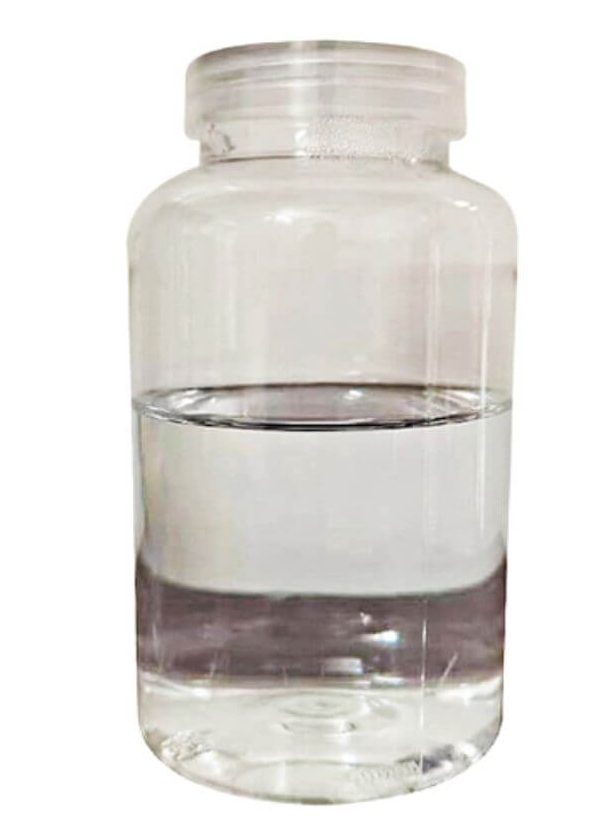
Appearance: Colorless to pale yellow liquid
-
Odor: Mild characteristic
-
Density: ~0.89 g/cm³ (20 °C)
-
Boiling Point: ~250 °C
-
pKa: ~4.9 (moderate carboxylic acid strength)
-
Solubility: Limited in water, soluble in organic solvents
-
Thermal Stability: Stable above 200 °C in polymer systems
-
Production Route: Oxidation of isononyl aldehyde
3. Functional Characteristics
-
Branched-chain structure → low yellowing tendency
-
Enhances stability and performance in alkyd resins
-
Provides thermal oxidative resistance in polyolester lubricants
-
Acts as emulsifier/stabilizer in cosmetic formulations
-
Improves flexibility and processability in plastics and coatings
4. Applications in Product Manufacturing
-
Polyolester Synthetic Lubricants → compressor oils, motor oils, heat transfer fluids (mandatory)
-
Alkyd Resins → industrial paints, stoving enamels, automotive coatings (mandatory)
-
Metal Soaps (Driers) → calcium, zinc, cobalt salts for paints and varnishes (mandatory)
-
Cosmetic Emulsions → creams, lotions (optional)
-
Plastic Additives → plasticizers, polymer modifiers (optional)
5. Sectoral Compatibility
| Sector / Field | Application Role | Mandatory Use | Example Products |
|---|---|---|---|
| 🎨 Paints & Coatings | Alkyd resin modifier, metal soap driers | ✅ Yes | Industrial paints, enamels, automotive coatings |
| 🏭 Plastics & Polymers | Flexibility enhancer, plastic additive | ⚪ Optional | Plasticizers, polymer blends |
| 🚗 Automotive | Synthetic lubricants, coatings | ✅ Yes (lubricants) | Motor oils, automotive paints |
| ⚡ Energy | Heat transfer fluids, compressor oils | ✅ Yes | Synthetic lubricants |
| 🧴 Cosmetics & Detergents | Emulsion stabilizer, oil phase additive | ⚪ Optional | Creams, lotions |
| 🌱 Agriculture & Food | Auxiliary solvent/additive | ⚪ Optional | Specialty formulations |
6. Market & Supply Information
-
Packaging: 200 kg drums, 1000 kg IBCs, bulk tankers
-
MOQ: 200 kg (drum)
-
Storage: Cool, dry, well-ventilated area; avoid direct sunlight
-
Logistics: Not classified under ADR → easier transport
-
Market Trends: Stable demand in Europe/US/Japan; rapid growth in China
7. Safety & Regulatory
-
MSDS: Skin/eye irritation risk → PPE required
-
Hazard Class: Low hazard profile
-
REACH compliant
-
FDA accepted for cosmetic applications
-
Sustainability: Low VOC contribution, suitable for eco-friendly formulations
🔬 Alternatives to Isononanoic Acid
1. Branched-Chain Carboxylic Acids
-
Isovaleric Acid (C5) → Used in flavorings, coatings, and specialty esters.
-
Pentanoic Acid (Valeric Acid) → Applied in lubricants and plasticizers.
-
Straight-Chain Nonanoic Acid → Similar chain length but less stable; higher yellowing tendency compared to branched isononanoic acid.
2. Esters of Isononanoic Acid
-
Isononyl Isononanoate → Cosmetic emollient ester, provides soft non-greasy feel, improves skin hydration.
-
Other Isononyl Esters → Used in lubricants and coatings for flexibility and stability.
3. Functional Alternatives in Applications
-
Lubricants:
-
Alternatives include adipic acid esters, sebacic acid esters, and phthalates (though less eco-friendly).
-
-
Coatings:
-
Alternatives are straight-chain fatty acids (nonanoic, decanoic), but they cause more yellowing.
-
-
Cosmetics:
-
Alternatives include esters like isopropyl myristate, caprylic/capric triglycerides, and volatile silicones.
-
📊 Comparison Table
| Alternative | Structure Type | Main Use Case | Pros | Cons |
|---|---|---|---|---|
| Isononyl Isononanoate | Branched ester | Cosmetics (emollient) | Soft feel, low viscosity | Limited industrial use |
| Isovaleric Acid | Branched acid | Flavors, coatings | Strong odor, reactive | Limited stability |
| Pentanoic Acid | Straight acid | Lubricants, plasticizers | Simple chemistry | Lower performance |
| Nonanoic Acid (straight) | Straight acid | Coatings, lubricants | Readily available | Higher yellowing |
| Sebacic Acid esters | Dicarboxylic | Lubricants, polymers | High stability | Higher cost |