We unleash your business potential by maximize the business innovation.
Send EmailAlSi Master Alloy, AlSi20, AlSi30, AlSi50, 7440-21-3, 7429-90-5, 7440-70-2, 7440-32-6, 7439-89-6, 7439-92-1, 7440-31-5, 7440-66-6
ALUMINUM SILICON MASTER ALLOY (AlSi)
ALSI MASTER ALLOY / WAFFLE / INGOT
1. PRODUCT IDENTIFICATION AND CHEMICAL IDENTITY
| Parameter | Information |
|---|---|
| Product Name | Aluminum Silicon Master Alloy |
| Chemical Name | Aluminum-Silicon Alloy, AlSi Master Alloy |
| Other Names | Silicon-Aluminum Modifier, High-Si Alloy Additive, AlSi Waffle, AlSi Additive Ingot, Casting Silicon Alloy |
| Chemical Composition | Al + Si (Silicon content varies by variant) |
| CAS Numbers (Component Based) | Silicon (Si): 7440-21-3, Aluminum (Al): 7429-90-5, Calcium (Ca): 7440-70-2, Titanium (Ti): 7440-32-6, Iron (Fe): 7439-89-6, Lead (Pb): 7439-92-1, Tin (Sn): 7440-31-5, Zinc (Zn): 7440-66-6 |
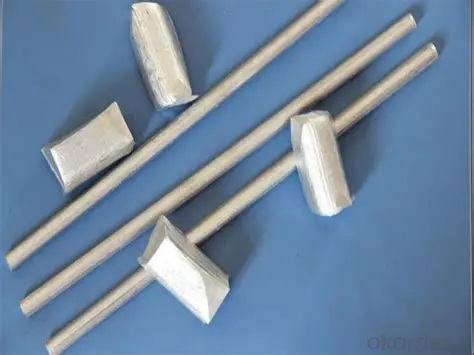
| Appearance | Silver-gray metallic waffle or ingot |
| Odor | Odorless |
| Physical State (20°C) | Solid (metallic) |
2. CHEMICAL STRUCTURE
2.1. Molecular Structure
Aluminum Silicon master alloy consists of silicon phases homogeneously distributed within an aluminum matrix. Silicon dissolves in aluminum or forms eutectic phases, improving the alloy's fluidity, wear resistance, and thermal conductivity. High silicon content enables adjustment of the target Si ratio in aluminum casting alloys.
Structural Features:
                ALUMINUM SILICON MASTER ALLOY (AlSi)
                          |
                Al Matrix + Si Phases
                          |
        +----------------+----------------+
        |                |                |
    Eutectic Si       Primary Si       Homogeneous
    Phases            Phases           Distribution
2.2. Structural Properties
| Parameter | Value |
|---|---|
| Crystal Structure | Al matrix (FCC) + Si phases |
| Density | ~2.6–2.7 g/cm³ |
| Melting Point | ~580–660 °C (depending on Si content) |
| Appearance | Silver-gray metallic waffle or ingot |
| Physical Form | Waffle Ingot |
3. COMMERCIAL VARIANTS AND COMPOSITIONS
3.1. AlSi Master Alloy Variants
| Variant | Silicon (Si) Content | Aluminum (Al) Content | Description |
|---|---|---|---|
| AlSi20 | 18.0 – 22.0% | Remainder | Medium silicon content, standard casting applications |
| AlSi30 | 28.0 – 32.0% | Remainder | High silicon content, special casting applications |
| AlSi50 | 48.0 – 51.0% | Remainder | Very high silicon content, special alloy production |
3.2. Typical Impurity Limits (All Variants)
| Parameter | Max. Value |
|---|---|
| Iron (Fe) | ≤ 0.30% |
| Calcium (Ca) | ≤ 0.05% |
| Titanium (Ti) | ≤ 0.05% |
| Lead (Pb) | ≤ 0.05% |
| Tin (Sn) | ≤ 0.05% |
| Zinc (Zn) | ≤ 0.05% |
| Other Total Impurities | ≤ 0.10% |
4. PHYSICAL AND CHEMICAL PROPERTIES
| Property | Value | Description |
|---|---|---|
| Appearance | Silver-gray metallic | - |
| Odor | Odorless | - |
| Chemical Composition | Al + Si | Varies depending on variant |
| Density | ~2.6–2.7 g/cm³ | - |
| Melting Point | ~580–660 °C | Depends on Si content |
| Solubility in Water (25°C) | Insoluble | - |
| Solubility in Acids | Soluble | Releases hydrogen gas |
| Physical Form | Waffle Ingot | - |
| Packaging | Boxed protected waffle ingots, optional vacuum packaging | - |
5. STABILITY AND REACTIVITY
| Parameter | Information |
|---|---|
| Chemical Stability | Stable under normal conditions; forms a passive oxide layer on the surface. |
| Conditions to Avoid | Oxidizing atmosphere at high temperatures, strong acids, moisture. |
| Incompatible Materials | Strong acids, strong bases, oxidizing agents. |
| Hazardous Decomposition Products | Upon oxidation at high temperatures: aluminum oxide (Al₂O₃) and silicon oxide (SiO₂). |
| Hazardous Polymerization | Will not occur. |
| Hygroscopicity | Low; does not absorb moisture under normal conditions. |
5.1. Chemical Reactions
-
Oxidation (at High Temperature):
4Al + 3O₂ → 2Al₂O₃
Si + O₂ → SiO₂ -
Reaction with Acids:
2Al + 6HCl → 2AlCl₃ + 3H₂↑
6. APPLICATION AREAS
6.1. Silicon Source in Aluminum Alloys
| Application | Function | Details |
|---|---|---|
| AlSi Alloy Production | Silicon ratio adjustment | Mandatory additive for achieving target Si ratio |
| Casting Alloys | Fluidity improvement | Preferred in AlSi-based casting alloys |
| Property Enhancement | Wear resistance and thermal conductivity | Silicon addition improves mechanical and thermal properties |
6.2. Sectoral Applications
| Application | Sector |
|---|---|
| Engine Blocks, Cylinder Heads, Pistons, Brake Parts, Transmission Housings | Automotive |
| Structural and Thermal Components | Aerospace |
| Structural Profiles, Architectural Elements, Heat Sinks | Construction |
| Special Alloys for Thermal Management | Electrical / Electronics |
6.3. Sectoral Suitability Table
| Sector | Suitability | Explanation |
|---|---|---|
| Automotive | Suitable | Used in engine and brake parts |
| Aerospace | Suitable | Preferred in structural and thermal components |
| Construction | Suitable | Architectural profiles and fasteners |
| Electrical/Electronics | Limited | Can be used in special alloys for thermal management |
| Food Packaging | Not Suitable | Not suitable for food contact |
7. STANDARDS AND COMPLIANCE
| Standard | Description |
|---|---|
| EN 1706 | European aluminum casting alloy standards |
| ASTM B179 | American aluminum casting alloy standards |
| JIS H5302 | Japanese aluminum casting alloy standards |
8. ALTERNATIVE / SUBSTITUTE PRODUCTS
| Alternative | Description | When to Use |
|---|---|---|
| AlSi20 | Medium silicon content | Standard casting applications |
| AlSi30 | High silicon content | Applications requiring high Si |
| AlSi50 | Very high silicon content | Special alloy production |
| Pure Silicon | Elemental Si | Direct alloying, more difficult to dissolve |
| AlSi12 | Low silicon content | Applications requiring low Si |
9. SAFETY AND TOXICOLOGY
| Parameter | Value |
|---|---|
| Acute Oral Toxicity (LD50, Rat) | > 2,000 mg/kg (low toxicity) |
| Dermal Toxicity | Low |
| Skin Irritation | Mild irritant |
| Eye Irritation | Mild to moderate irritant |
| Inhalation | Metal dust inhalation may cause respiratory tract irritation. |
| Carcinogenicity | Not classified as carcinogenic. |
| Mutagenicity | Not mutagenic. |
| Chronic Effects | Long-term data on aluminum and silicon compounds is limited. |
| Environmental Hazards | Low to moderate aquatic toxicity. |
9.1. GHS Classification
| Hazard Class | Category | H-Statement |
|---|---|---|
| Flammable Solid (Metal Dust) | Category 1 | H228: Flammable solid. |
| Skin Irritation | Category 2 | H315: Causes skin irritation. |
| Eye Irritation | Category 2A | H319: Causes serious eye irritation. |
| Specific Target Organ Toxicity | Category 3 | H335: May cause respiratory irritation. |
Signal Word: WARNING
Hazard Pictograms: GHS02 (Flame), GHS07 (Exclamation Mark)
10. STORAGE AND SHELF LIFE
| Parameter | Condition |
|---|---|
| Storage Conditions | Store in a cool, dry, and well-ventilated area. |
| Container Requirements | Dry, moisture-free environment; store in original packaging. |
| Temperature | Room temperature (15-25°C). |
| Shelf Life | Unlimited under appropriate conditions (except surface oxidation). |
| Stability Note | Stable under normal conditions; forms a passive oxide layer on the surface. |
11. PACKAGING OPTIONS
| Packaging Type | Quantity | Material |
|---|---|---|
| Waffle Ingot | 5 kg, 10 kg, 20 kg | Boxed protected, optional vacuum packaging |
| Ingot | 1 kg, 5 kg, 10 kg | Plastic wrap or coated metal cases |
| Granule | 1 kg, 5 kg, 10 kg, 25 kg | Moisture-proof plastic bags or drums |
12. TRANSPORT INFORMATION
| Parameter | Information |
|---|---|
| UN Number | Not classified (specific regulations apply for metal alloys) |
| Hazard Class | - |
| Packing Group | - |
| ADR/RID | Not regulated (except powder form) |
| IMDG | Not regulated (except powder form) |
| IATA | Not regulated (except powder form) |
| HS Code | 7601.20.00.00.00 (Unwrought aluminum alloys) |
13. REGULATORY STATUS
| Region / Authority | Status |
|---|---|
| European Union (REACH) | Registered as an alloy; evaluated by components |
| Turkey (KKDIK) | Compliance required |
| TSCA (USA) | Registered |
| China | Registered; major production and export country |
14. OTHER NAMES AND SYNONYMS
| Name | Description |
|---|---|
| AlSi Master Alloy | Common name |
| AlSi20 / AlSi30 / AlSi50 | Silicon-containing variants |
| Silicon-Aluminum Modifier | Functional name |
| AlSi Waffle | Physical form name |
| AlSi Additive Ingot | Usage description |
| Casting Silicon Alloy | Usage description |
15. QUICK REFERENCE TABLE
| Property | Value |
|---|---|
| Density | ~2.6–2.7 g/cm³ |
| Melting Point | ~580–660 °C |
| Silicon Content (Variant Dependent) | 18% – 51% |
| Physical Form | Waffle Ingot |
| HS Code | 7601.20.00.00.00 |
| GHS Signal Word | WARNING |
16. CRITICAL WARNINGS AND BEST PRACTICES
CRITICAL WARNINGS:
-
Silicon Addition: AlSi master alloy is used to adjust silicon ratio in aluminum alloys. It is a mandatory additive for achieving target Si ratio.
-
Fluidity and Wear Resistance: Silicon addition improves alloy fluidity, wear resistance, and thermal conductivity.
-
Quality and Origin: Phase stability and impurity control are critical for casting performance. Trader-sourced products may show variability in purity and origin.
-
Oxidation: Oxidizes in oxidizing atmospheres at high temperatures; inert atmosphere or vacuum is required for melting operations.
-
Acid Reactivity: Reacts with strong acids releasing hydrogen gas.
BEST PRACTICE RECOMMENDATIONS:
-
Storage:
-
Store in a cool, dry, and well-ventilated area.
-
Store in original packaging, moisture-free environment.
-
Keep away from acids and oxidizing agents.
-
Store at room temperature (15-25°C).
-
-
Handling:
-
Add to molten aluminum bath in controlled amounts.
-
Calculate correct dosage to achieve target Si ratio.
-
Ensure proper mixing conditions for optimum homogenization.
-
Use vacuum or inert atmosphere (Ar, N₂) for melting operations.
-
-
Waste Management:
-
Dispose of in accordance with local regulations.
-
Do not discharge into water sources.
-
For large quantities, aluminum and silicon recovery should be considered.
-
LEGAL DISCLAIMER
This Technical Data Sheet (TDS) is for informational purposes only and has been prepared based on available technical data. The user is solely responsible for determining the suitability of the product for their specific applications and for complying with all local, national, and international regulations. For complete safety, storage, handling, transport, disposal, and regulatory compliance information, the official Safety Data Sheet (SDS/MSDS) provided by the manufacturer/supplier must be consulted. This document does not substitute professional advice. Aluminum Silicon master alloy is a critical additive material in the aluminum casting industry; correct variant selection and application conditions directly affect final alloy performance.