We unleash your business potential by maximize the business innovation.
Send EmailAscorbyl Palmitate, Cetyl Ascorbate, L-Ascorbic Acid Palmitate, Ascorbyl Acid Palmitate, E304, 137-66-6
Ascorbyl Palmitate
1. Product Identity
| Property | Details |
|---|---|
| Product Name | Ascorbyl Palmitate |
| CAS Number | 137-66-6 |
| Molecular Formula | C₂₂H₃₈O₇ |
| Molecular Weight | 414.53 g/mol |
| EINECS Number | 205-305-4 |
| Chemical Name | L-Ascorbic acid 6-palmitate |
| Food Additive Code | E304 |
2. Synonyms and Other Names
| Name | Context |
|---|---|
| Ascorbyl-6-palmitate | Chemical description |
| Palmitic acid ascorbate | Ester form |
| Cetyl Ascorbate | Alternative name |
| L-Ascorbic Acid 6-Hexadecanoate | Systematic name |
| Ascorbic Acid Palmitate | Common name |
| Palmitic Acid, Ascorbic Acid Ester | Structural description |
| 6-Mono Palmitoyl-L-Ascorbate | Derivative name |
| Vitamin C Palmitate | Commercial name |
3. Product Description
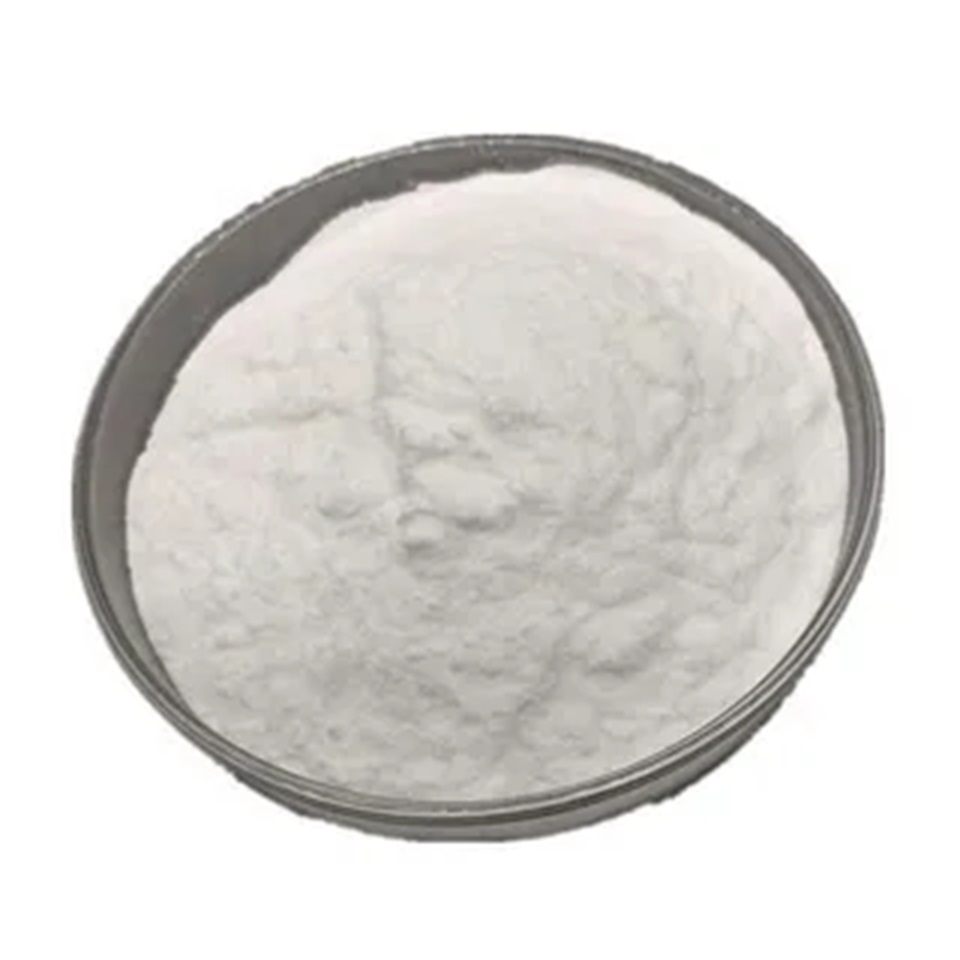
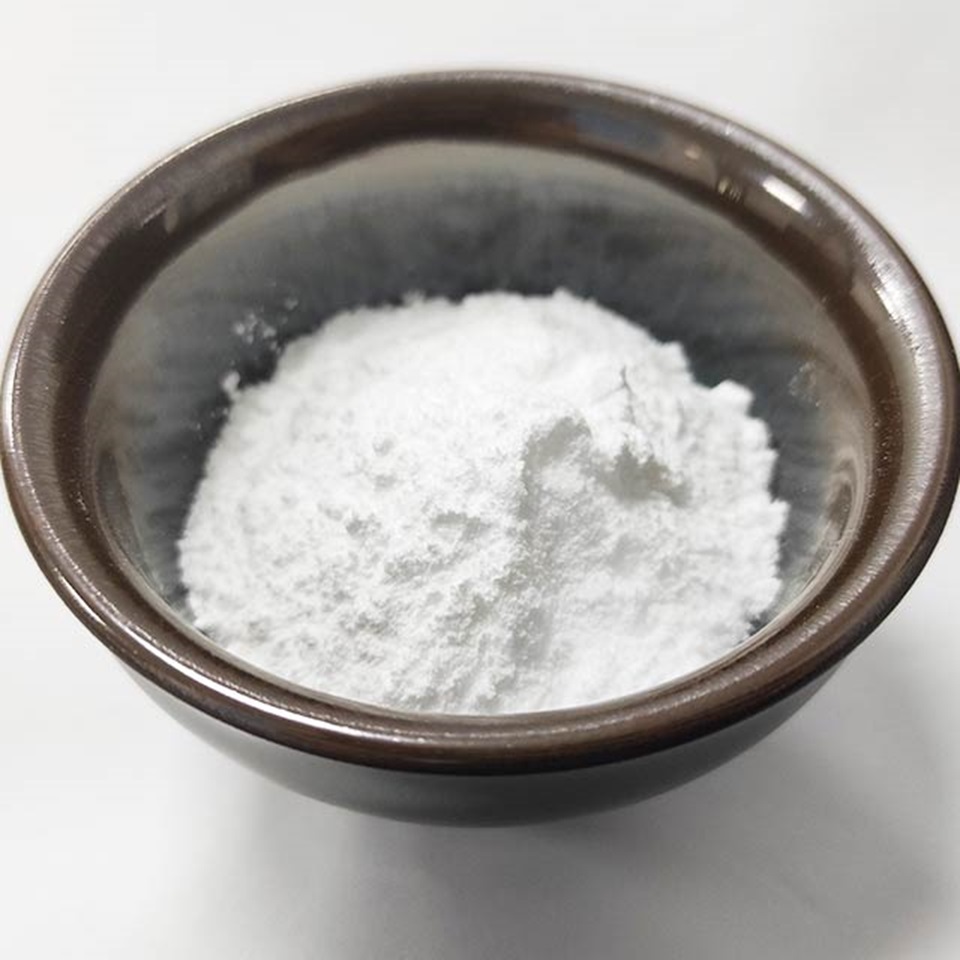
Ascorbyl palmitate is an ester composed of ascorbic acid (vitamin C) and palmitic acid. Compared to vitamin C, it has much better stability and forms a fat-soluble form of vitamin C. It is a white or yellowish-white powder with a slight citrus odor.
Key Characteristics:
-
Fat-soluble form of vitamin C
-
High stability
-
Soluble in both water and lipids (dual solubility)
-
Antioxidant properties
-
Nutritional enhancer
4. Physical and Chemical Properties
| Property | Value |
|---|---|
| Appearance | White or yellowish-white powder |
| Odor | Slight citrus odor |
| Molecular Weight | 414.53 g/mol |
| Melting Point | 107-117 °C |
| Solubility | Soluble in both water and lipids |
| Stability | Much better stability compared to vitamin C |
| Heat Resistance | Resistant to high temperatures |
5. Chemical Structure and Properties
Ascorbyl palmitate is an ester formed from ascorbic acid and palmitic acid. This structure provides:
-
Dual Solubility: Exhibits solubility in both water and lipids
-
Cell Membrane Integration: Dual solubility allows incorporation into cell membranes where it neutralizes free radicals and helps protect healthy tissues
-
Stability: Shows much better stability compared to vitamin C
6. Applications and Uses
6.1. Food Industry
| Application Area | Function | Maximum Dosage |
|---|---|---|
| Fatty Foods | Antioxidant preservative | 0.2 g/kg |
| Edible Oils | Antioxidant | 0.2 g/kg |
| Animal and Vegetable Oils | Antioxidant | 0.2 g/kg |
| Instant Noodles | Antioxidant preservative | 0.2 g/kg |
| Hydrogenated Vegetable Oils | Antioxidant | 0.2 g/kg |
| Infant Formulas | Nutritional supplement | 0.01 g/kg |
| Milk Powders | Nutritional supplement | 0.01 g/kg |
| Cooking and Frying Oils | Antioxidant | Appropriate amount |
Special Note: Its antioxidant effect in lard is better than in vegetable oils.
6.2. Cosmetic Industry
| Application Area | Function |
|---|---|
| High-Quality Cosmetics | Antioxidant, skin regenerating |
| Skin Care Products | Stimulates collagen synthesis, significantly improves skin elasticity |
| Anti-Aging Products | Free radical neutralization |
| Sunscreens | Antioxidant protection |
6.3. Pharmaceutical and Health Products
| Application Area | Function |
|---|---|
| Pharmaceuticals | Nutritional supplement, antioxidant |
| Health Products | Vitamin C supplementation |
| Dietary Supplements | Antioxidant, vitamin support |
6.4. Other Industrial Applications
| Application Area | Function |
|---|---|
| Dyes | Antioxidant, stabilizer |
| Pesticides | Formulation aid |
| Pharmaceutical Intermediates | Synthesis intermediate |
7. Functions and Effects
| Function | Description |
|---|---|
| Antioxidant | Neutralizes free radicals, prevents oxidation |
| Color Stabilizer | Preserves product color |
| Nutritional Enhancer | Provides vitamin C supplementation |
| Collagen Synthesis Stimulator | Increases collagen production in skin |
| Skin Elasticity Enhancer | Significantly improves skin elasticity |
| In Vivo and In Vitro Antioxidant | Antioxidant effect both inside and outside the body |
| Vitamin E Antioxidant Enhancer | Enhances the antioxidant effect of vitamin E |
8. Advantages
| Advantage | Description |
|---|---|
| High Stability | Much better stability compared to vitamin C |
| Dual Solubility | Soluble in both water and fat, allowing integration into cell membranes |
| Heat Resistance | Resistant to high temperatures, suitable for cooking and frying applications |
| Wide Application Range | Can be used in food, cosmetic, pharmaceutical, and industrial applications |
| Effective Antioxidant | Better antioxidant effect, especially in lard compared to vegetable oils |
9. Safety and Storage
| Parameter | Details |
|---|---|
| Storage Conditions | Store in a cool, dry place, protect from light |
| Stability | High stability under proper conditions |
| Usage | Safely used in food, cosmetic, and pharmaceutical applications |
10. Summary
Ascorbyl Palmitate (CAS: 137-66-6) is an ester composed of ascorbic acid (vitamin C) and palmitic acid. Compared to vitamin C, it has much better stability and forms a fat-soluble form of vitamin C. It is a white or yellowish-white powder with a slight citrus odor.
Key Properties:
-
Soluble in both water and lipids (dual solubility)
-
High stability and heat resistance
-
Strong antioxidant effect
-
Nutritional enhancer function
-
Stimulates collagen synthesis, improves skin elasticity
Main Application Areas:
-
Food Industry: Fatty foods, edible oils, infant formulas, milk powders, instant noodles
-
Cosmetic Industry: High-quality cosmetics, skin care products, anti-aging products
-
Pharmaceutical: Pharmaceuticals, health products, dietary supplements
-
Other: Dyes, pesticides, pharmaceutical intermediates
Functions:
-
Antioxidant
-
Color stabilizer
-
Nutritional enhancer
-
Collagen synthesis stimulator
-
Skin elasticity enhancer
Advantages:
-
Much better stability compared to vitamin C
-
Can integrate into cell membranes due to dual solubility
-
Resistant to high temperatures
-
Wide application range
Ascorbyl palmitate is a valuable derivative that increases the stability of vitamin C and makes it fat-soluble. Widely used in food, cosmetic, and pharmaceutical industries, this compound both provides antioxidant protection and enhances nutritional value.