We unleash your business potential by maximize the business innovation.
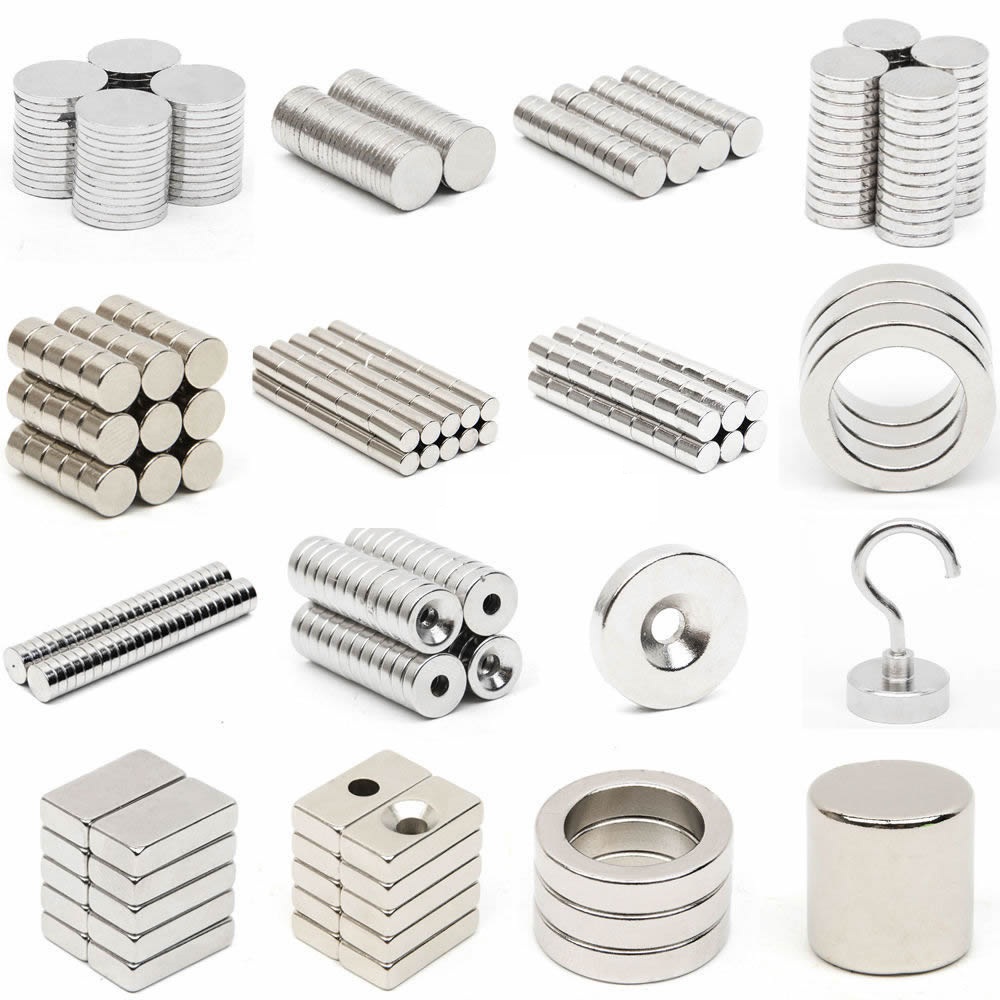
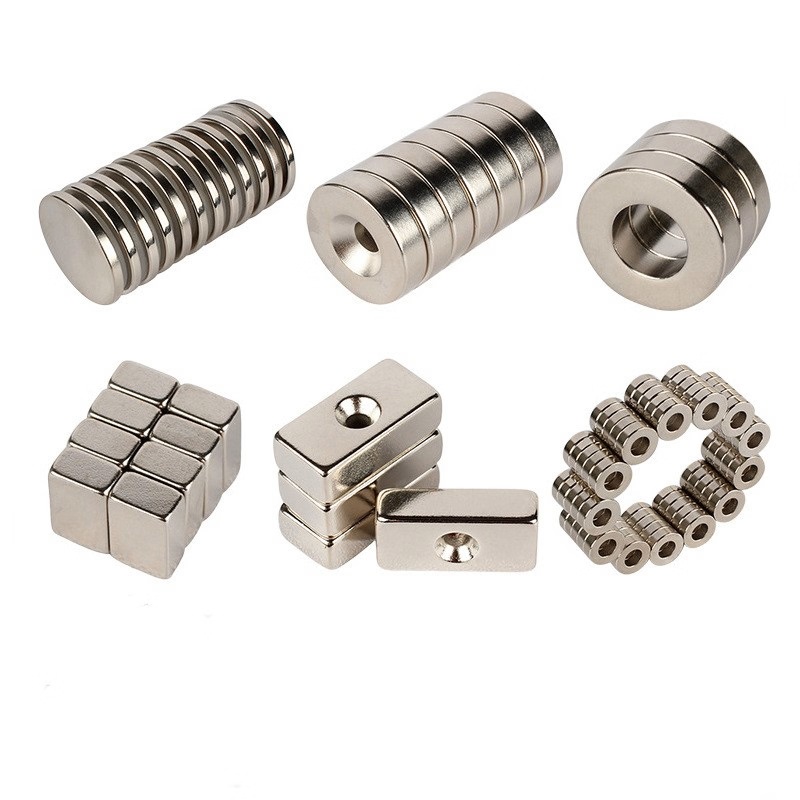
Send EmailNeodymium-Iron-Boron Alloy, Neodymium Magnet, NdFeB Magnet
NEODYMIUM-IRON-BORON ALLOY (NdFeB)
NEODYMIUM MAGNET / NDFEB MAGNET
1. PRODUCT IDENTIFICATION AND CHEMICAL IDENTITY
| Parameter | Information |
|---|---|
| Product Name | Neodymium-Iron-Boron Alloy |
| Chemical Name | Neodymium-Iron-Boron Alloy, NdFeB Magnet |
| Other Names | Super Magnet, Neo Magnet, Magnetic King, Rare Earth Magnet |
| Chemical Formula | Nd₂Fe₁₄B |
| CAS Number | 7440-00-8 (General for NdFeB alloy) |
| EC Number (EINECS) | None (considered as a mixture) |
| Appearance | Silver-gray, metallic |
| Odor | Odorless |
| Physical State (20°C) | Solid (metallic) |
2. CHEMICAL STRUCTURE
2.1. Molecular Structure
Neodymium-Iron-Boron (NdFeB) alloy is the strongest commercially available permanent magnet material in the world. The magnetic phase is Nd₂Fe₁₄B with a tetragonal crystal structure. Neodymium (Nd) provides magnetic anisotropy (unpaired 4f electrons), while iron (Fe) provides high magnetization (unpaired 3d electrons). Boron (B) stabilizes the crystal structure. The alloy is hard and brittle; prone to fracture.
Structural Features:
                    NEODYMIUM-IRON-BORON ALLOY [Nd₂Fe₁₄B]
                          |
                Nd₂Fe₁₄B Tetragonal Crystal Structure
                          |
        +----------------+----------------+
        |                |                |
    Nd Magnetic      Fe High         B Crystal
    Anisotropy       Magnetization   Stabilizer
2.2. Structural Properties
| Parameter | Value |
|---|---|
| Crystal Structure | Tetragonal (Nd₂Fe₁₄B) |
| Magnetic Phase | Nd₂Fe₁₄B |
| Density | ~7.5 g/cm³ |
| Appearance | Silver-gray, metallic |
| Melting Point | ~1350 °C |
| Magnetizability | Very high (remanent magnetization ~1.3 T) |
| Brittleness | Hard and brittle; prone to fracture |
| Oxidation Sensitivity | Rapidly oxidizes in humid air; protective coating required |
3. PHYSICAL AND CHEMICAL PROPERTIES
| Property | Value | Description |
|---|---|---|
| Appearance | Silver-gray, metallic | - |
| Odor | Odorless | - |
| Chemical Formula | Nd₂Fe₁₄B | - |
| Molecular Weight | ~1077.4 g/mol | - |
| Density | ~7.5 g/cm³ | - |
| Melting Point | ~1350 °C | - |
| Solubility in Water (25°C) | Insoluble | - |
| Solubility in Acids | Soluble | Releases hydrogen gas |
| Remanent Magnetization (Br) | ~1.3 T (13 kGs) | Varies by grade |
| Coercivity (Hcj) | 876 – 2388 kA/m | Varies by grade |
| Energy Product (BH)max | 200 – 440 kJ/m³ | Varies by grade |
| Max. Operating Temperature | 80 – 200 °C | Varies by grade |
| Corrosion Resistance | Poor | Protective coating required |
| Oxidation Sensitivity | High | Rapidly oxidizes in humid air |
3.1. NdFeB Magnet Grades and Properties
Sintered NdFeB magnets are available in various performance grades:
| Grade | Br (mT/kGs) | Hcb (kA/m) | Hcj (kA/m) | (BH)max (kJ/m³/MGOe) | Max. Operating Temp. (°C) |
|---|---|---|---|---|---|
| N35 | 1170-1220 / 11.7-12.2 | ≥860 | ≥955 | 263-287 / 33-36 | 80 |
| N38 | 1220-1250 / 12.2-12.5 | ≥876 | ≥955 | 287-310 / 36-39 | 80 |
| N40 | 1250-1280 / 12.5-12.8 | ≥876 | ≥955 | 302-326 / 38-41 | 80 |
| N42 | 1280-1320 / 12.8-13.2 | ≥892 | ≥955 | 318-342 / 40-43 | 80 |
| N45 | 1320-1380 / 13.2-13.8 | ≥892 | ≥955 | 342-366 / 43-46 | 80 |
| N48 | 1380-1420 / 13.8-14.2 | ≥923 | ≥876 | 366-390 / 46-49 | 80 |
| N50 | 1380-1440 / 13.8-14.4 | ≥923 | ≥955 | 376-408 / 47-51 | 80 |
| N52 | 1430-1480 / 14.3-14.8 | ≥860 | ≥876 | 398-422 / 50-53 | 80 |
High Temperature Grades (H, SH, UH, EH): Higher Hcj (≥1353 to ≥2388 kA/m) for operating temperatures up to 200°C+.
4. STABILITY AND REACTIVITY
| Parameter | Information |
|---|---|
| Chemical Stability | Stable under normal conditions but rapidly oxidizes in humid air. |
| Conditions to Avoid | Humid environments, high moisture, strong acids, oxidizing atmosphere, temperatures above 200°C (grade dependent). |
| Incompatible Materials | Strong acids, moisture, oxidizing agents. |
| Hazardous Decomposition Products | Upon oxidation: neodymium oxide (Nd₂O₃) and iron oxide (Fe₂O₃). |
| Hazardous Polymerization | Will not occur. |
| Hygroscopicity | Low; however, oxidation accelerates in humid environments. |
4.1. Chemical Reactions
-
Oxidation (in Humid Air):
4Nd + 3O₂ → 2Nd₂O₃
4Fe + 3O₂ → 2Fe₂O₃ -
Reaction with Acids:
2Nd + 6HCl → 2NdCl₃ + 3H₂↑
Fe + 2HCl → FeCl₂ + H₂↑
5. PRODUCTION PROCESS
| Stage | Process | Description |
|---|---|---|
| 1. Rare Earth Extraction | Neodymium oxide (Nd₂O₃) reduced to neodymium metal | Molten salt electrolysis / metallothermic reduction |
| 2. Alloying | Neodymium metal alloyed with iron and boron | Vacuum melting or strip casting |
| 3. Pulverization | Alloy ground into fine powder | Jet mill |
| 4. Pressing and Orientation | Powder pressed in magnetic field | Magnetic field alignment |
| 5. Sintering | Pressed parts heated to bond | High temperature densification |
| 6. Finishing and Coating | Cutting, grinding, surface coating (Ni, Zn, epoxy) | Corrosion protection |
| 7. Magnetization | Final product magnetized in strong field | Forms permanent magnet |
5.1. Major Producing Countries and Companies
| Country | Companies |
|---|---|
| China | JL MAG, Zhong Ke San Huan, Ningbo Yunsheng |
| Japan | Hitachi Metals, Shin-Etsu Chemical |
| USA | MP Materials, Electron Energy Corporation |
| Germany | Vacuumschmelze |
6. APPLICATION AREAS
6.1. Primary Applications
| Application | Sector |
|---|---|
| Electric Vehicle (EV) Motors | Automotive |
| Wind Turbine Generators | Renewable Energy |
| MRI Devices | Medical Imaging |
| Speakers and Headphones | Electronics |
| Hard Disk Drives (HDD) | Data Storage |
| Robotics and Drone Motors | Industrial Automation / Aerospace |
| Defense Systems | Radar, Guidance Systems |
| Automotive Sensors | ABS, Electric Power Steering |
| Industrial Separators | Magnetic Separation |
| Magnetic Sensors | Industrial and Consumer Electronics |
| Actuators | Automation Systems |
6.2. Sectoral Suitability Table
| Sector | Suitability | Explanation |
|---|---|---|
| Automotive | Suitable | EV motors, sensor systems, EPS |
| Electronics | Suitable | HDD, speakers, microphones, smartphones |
| Defense | Suitable | Guidance systems, radar, critical components |
| Medical | Suitable | MRI, magnetic separators, diagnostic equipment |
| Renewable Energy | Suitable | Wind turbine generators |
| Robotics | Suitable | Actuators, servo motors |
| Food Industry | Not Suitable | Contamination risk, corrosion |
| Textile | Limited | Only in smart textile sensor systems |
7. COMPARISON WITH OTHER MAGNET MATERIALS
| Property | Neodymium (NdFeB) | Samarium-Cobalt (SmCo) | Ferrite | Alnico |
|---|---|---|---|---|
| Strength | Highest | Very high | Low | Medium |
| Energy Product (BH)max | 200-440 kJ/m³ | 150-200 kJ/m³ | 10-40 kJ/m³ | 10-88 kJ/m³ |
| Max. Operating Temp. | 80-200°C (grade dependent) | 250-350°C | 250°C | 450-550°C |
| Corrosion Resistance | Poor (coating required) | Good | Excellent | Good |
| Brittleness | Very brittle | Very brittle | Brittle | Less brittle |
| Cost | Medium | High | Low | Medium |
| Primary Use | High-performance motors, EV | High temperature applications | Low-cost consumer products | High temperature sensors |
8. ALTERNATIVE / SUBSTITUTE PRODUCTS
| Alternative | When to Use |
|---|---|
| Samarium-Cobalt (SmCo) | High temperature applications (>200°C); better corrosion resistance |
| Ferrite Magnets | Low-cost, low-performance applications; high corrosion resistance |
| Alnico Alloys | High temperature tolerance (up to 550°C); lower magnetic strength |
9. SAFETY AND TOXICOLOGY
| Parameter | Value |
|---|---|
| Acute Oral Toxicity (LD50, Rat) | > 2,000 mg/kg (low toxicity) |
| Dermal Toxicity | Low |
| Skin Irritation | Mild irritant |
| Eye Irritation | Mild to moderate irritant |
| Inhalation | Metal dust inhalation may cause respiratory tract irritation. |
| Carcinogenicity | Not classified as carcinogenic. |
| Mutagenicity | Not mutagenic. |
| Chronic Effects | Long-term data on neodymium, iron, and boron compounds is limited. |
| Environmental Hazards | Low to moderate aquatic toxicity. |
9.1. GHS Classification (Final Magnet Product)
| Hazard Class | Category | Description |
|---|---|---|
| Physical Hazards | - | Strong magnetic field hazards |
| Health Hazards | - | Crushing/pinching hazard; ingestion hazard (small magnets) |
9.2. Safety Precautions
| Hazard | Precaution |
|---|---|
| Strong Magnetic Fields | Keep away from pacemakers, medical implants, credit cards, electronic devices |
| Crushing / Pinching | Handle carefully; use non-magnetic tools for separation |
| Ingestion (Small Magnets) | Keep away from children; swallowing multiple magnets can cause serious internal injury |
| Flying Particles | Wear eye protection when handling; magnets may snap together forcefully |
| Flammability | Not flammable (bulk material) – fine powder may be pyrophoric |
10. STORAGE AND SHELF LIFE
| Parameter | Condition |
|---|---|
| Storage Conditions | Store in a cool, dry, and well-ventilated area. |
| Container Requirements | Dry, moisture-free environment; should be stored with protective coating. |
| Temperature | Room temperature (15-25°C); maximum operating temperature depends on grade. |
| Protect From | Moisture, humidity, strong acids, oxidizing agents, high temperatures (grade dependent). |
| Shelf Life | 10+ years under proper storage (with protective coating). |
11. PACKAGING OPTIONS
| Packaging Type | Quantity | Material |
|---|---|---|
| Coated Magnets | Custom sizes | With Ni, Zn, Sn, Au, Epoxy coating |
| Sintered Block | Custom sizes | Vacuum packaging, inert atmosphere |
| Powder / Granule | 1 kg, 5 kg, 10 kg, 25 kg | Airtight, moisture-proof plastic bags or drums |
12. TRANSPORT INFORMATION
| Parameter | Information |
|---|---|
| UN Number | Not classified (specific regulations apply for metal alloys) |
| Hazard Class | - |
| Packing Group | - |
| ADR/RID | Not regulated (except powder form) |
| IMDG | Not regulated (except powder form) |
| IATA | Not regulated (except powder form) |
| HS Code | 8505.11.00.00.00 (Permanent magnets) |
13. REGULATORY STATUS
| Region / Authority | Status |
|---|---|
| European Union (REACH) | Registered (varies by manufacturer) |
| Turkey (KKDIK) | Compliance required |
| TSCA (USA) | Registered; critical material status |
| China | Registered; major production and export country |
14. OTHER NAMES AND SYNONYMS
| Name | Description |
|---|---|
| NdFeB | Common abbreviation |
| Neodymium Magnet | Alternative name |
| Super Magnet | Commercial name |
| Neodymium-Iron-Boron Alloy | Descriptive name |
| Rare Earth Magnet | Category name |
| Magnetic King | Common name |
| Neo Magnet | Commercial name |
Database Identifiers:
-
CAS: 7440-00-8 (Neodymium metal)
-
HS Code: 8505.11.00.00.00
15. QUICK REFERENCE TABLE
| Property | Value |
|---|---|
| Chemical Formula | Nd₂Fe₁₄B |
| Appearance | Silver-gray, metallic |
| Density | ~7.5 g/cm³ |
| Melting Point | ~1350 °C |
| Remanent Magnetization (Br) | ~1.3 T (13 kGs) |
| Energy Product (BH)max | 200 – 440 kJ/m³ |
| Max. Operating Temperature | 80 – 200 °C (grade dependent) |
| HS Code | 8505.11.00.00.00 |
16. CRITICAL WARNINGS AND BEST PRACTICES
CRITICAL WARNINGS:
-
Corrosion Susceptibility: NdFeB magnets have the weakest corrosion resistance among common magnetic materials. Protective coatings (Ni, Zn, epoxy, gold) are required for most applications.
-
Brittleness: The material is hard and brittle. Handle carefully to avoid fracture or chipping.
-
Strong Magnetic Fields: Magnets produce extremely strong magnetic fields. Keep away from electronic devices, credit cards, and pacemakers. Use non-magnetic tools for handling.
-
Coating Options: Common coatings include nickel (Ni), zinc (Zn), tin (Sn), gold (Au), and epoxy resin.
-
Temperature Limitations: Standard N-grade magnets operate up to 80°C. For higher temperatures, select high Hcj grades (H, SH, UH, EH).
-
Critical Raw Material: Neodymium is classified as a critical raw material by many countries due to supply chain concerns.
-
Ingestion Hazard: Small magnets pose an ingestion hazard for children; swallowing multiple magnets can cause serious internal injury.
BEST PRACTICE RECOMMENDATIONS:
-
Storage:
-
Store in a cool, dry, and well-ventilated area.
-
Ensure a dry, moisture-free environment.
-
Keep away from acids and oxidizing agents.
-
Store at room temperature (15-25°C).
-
-
Handling:
-
If in powder form, use in well-ventilated areas.
-
Use a dust mask (N95 or better), protective goggles, and gloves.
-
Avoid dust formation and inhalation.
-
Wash hands thoroughly after handling.
-
Use non-magnetic tools when handling magnetized parts.
-
Do not leave uncoated magnets in humid environments.
-
Be careful of sliding or snapping hazards when separating magnets.
-
-
Waste Management:
-
Dispose of in accordance with local regulations.
-
Do not discharge into water sources.
-
For large quantities, rare earth recovery should be considered (valuable metal).
-
LEGAL DISCLAIMER
This Technical Data Sheet (TDS) is for informational purposes only and has been prepared based on available technical data. The user is solely responsible for determining the suitability of the product for their specific applications and for complying with all local, national, and international regulations. For complete safety, storage, handling, transport, disposal, and regulatory compliance information, the official Safety Data Sheet (SDS/MSDS) provided by the manufacturer/supplier must be consulted. This document does not substitute professional advice. NdFeB magnets are the strongest permanent magnets in the world; they require protective coating and proper storage; they must be handled with care due to strong magnetic fields.