We unleash your business potential by maximize the business innovation.
Send EmailAcetyl-L-Carnitine, Levocarnitine Acetyl, Acetyllevocarnitine, Acetyl Carnitine, ALCAR, ALC, 3040-38-8
L‑Carnitine Forms
-
L‑Carnitine Base (Free form)
-
CAS No: 541‑15‑1
-
Pure form without salt or ester. Commonly used in dietary supplements. Highly hygroscopic, acidic taste. Preferred for clinical carnitine deficiency.
-
-
L‑Carnitine Tartrate
-
CAS No: 36687‑82‑8 (Note: 36687‑47‑9 is incorrect)
-
The most common form for athletes. Provides fast absorption. Preferred for performance and fat metabolism support. Low hygroscopicity, easy to tablet.
-
-
Acetyl‑L‑Carnitine (ALCAR)
-
CAS No: 3040‑38‑8
-
Known for its effects on brain function and the nervous system. Used in nootropic supplements for cognitive performance. Crosses the blood-brain barrier, neuroprotective.
-
-
Propionyl‑L‑Carnitine
-
CAS No: 119793‑66‑7 (HCl salt) (Note: 511‑97‑1 is incorrect)
-
Recognized for its benefits on vascular health and circulation. Used in peripheral artery disease, heart failure, and angina. Supports vasodilation.
-
-
L‑Carnitine Fumarate
-
CAS No: 90471‑79‑7
-
Supports energy production and heart health. Also found in sports nutrition products. The fumarate ion directly contributes to the Krebs cycle. High bioavailability.
-
Acetyl-L-Carnitine (ALCAR)
1. Basic Chemical Information
| Parameter | Value |
|---|---|
| Product Name | Acetyl-L-Carnitine |
| Synonyms | Acetyl-L-carnitine, ALC, ALCAR, Levocarnitine acetyl, Acetyllevocarnitine |
| CAS Number | 3040-38-8 (usually as hydrochloride salt) |
| Chemical Formula | C₉H₁₇NO₄ (base) / C₉H₁₈ClNO₄ (HCl salt) |
| Molecular Weight | 203.23 g/mol (HCl salt) |
| Active L-Carnitine Ratio | ~80% (as base) |
2. Physical and Chemical Properties
| Property | Description |
|---|---|
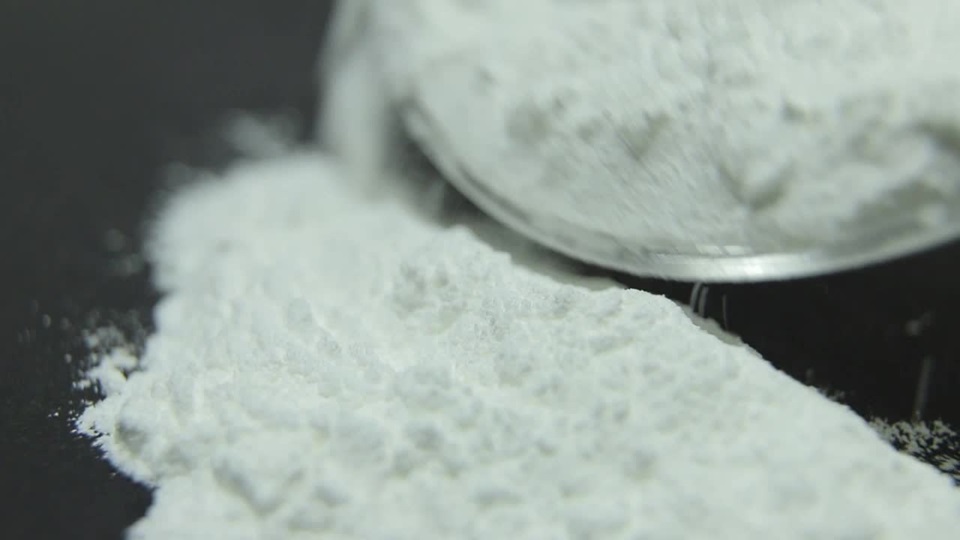
| Appearance | White crystalline powder |
| Odor | Characteristic, slightly acidic (acetic notes) |
| Solubility | Freely soluble in water (>100 g/L) |
| pH (1% solution) | ~5.0 (more neutral than other salts) |
| Hygroscopicity | Moderate (less than L-Carnitine base) |
| Melting Point | ~194°C (HCl salt) |
| Optical Rotation [α]²⁵ᴅ | -28° to -30° (c=1, H₂O) |
3. Unique Properties of Acetyl-L-Carnitine
-
Easily crosses the blood-brain barrier (BBB) – other carnitine forms do not.
-
Acetyl group contributes to the synthesis of the neurotransmitter acetylcholine.
-
Supports mitochondrial energy production while exhibiting neuroprotective effects.
-
Clinical evidence for age-related cognitive decline, peripheral neuropathy, and depression.
-
Antioxidant properties (reduces mitochondrial reactive oxygen species).
-
Provides acetyl groups to the Krebs cycle in addition to fatty acid transport.
4. Comparison with Other Carnitine Types
| Feature | Levocarnitine (Base) | Carnitine Tartrate | Acetyl-L-Carnitine | Propionyl-L-Carnitine | Carnitine Fumarate |
|---|---|---|---|---|---|
| Crosses BBB | Very little | No | Yes (high) | Partially | No |
| Bioavailability | ~14-18% | ~15-20% | ~20-25% (fastest) | ~15% | ~25-30% |
| Neuroprotective effect | Low | None | High | Moderate | Low |
| Acetylcholine support | No | No | Yes | No | No |
| Primary use | Deficiency, cardiac | Sports, fat loss | Brain, nerves, neuropathy | Cardiac, vascular | Energy, mitochondria |
| Stomach tolerance | Poor | Moderate | Good | Good | Excellent |
| Fat oxidation | ++ | +++ | + | + | +++ |
| Antioxidant capacity | Low | Low | High | Moderate | High |
5. Applications and Uses
| Area | Details |
|---|---|
| Cognitive function / Memory | Mild cognitive impairment (MCI), Alzheimer's (adjunctive), age-related memory loss |
| Peripheral neuropathy | Diabetic neuropathy, chemotherapy-induced neuropathy, HIV-associated neuropathy |
| Depression (especially elderly) | Adjunct to antidepressants, dysthymia |
| Neurodegenerative diseases | Parkinson’s disease, multiple sclerosis (MS) – supportive |
| Chronic fatigue syndrome | Energy and cognitive fog reduction |
| Sports nutrition | Mental focus, fatigue delay (endurance sports) |
| Male infertility | Sperm motility and DNA integrity (combined with L-Carnitine) |
| Autism spectrum disorder | Some studies show cognitive/behavioral improvement |
6. Usage Protocols
| Condition | Dosage | Timing | Duration |
|---|---|---|---|
| Mild cognitive impairment (MCI) | 1500-2000 mg/day (divided) | Morning & noon (evening may cause insomnia) | 6-12 months |
| Alzheimer’s (adjunct) | 1500-3000 mg/day | 2-3 divided doses | 6-12 months |
| Diabetic neuropathy | 500-1000 mg 2-3 times/day | With meals | 6-12 months |
| Chemotherapy neuropathy | 500-1000 mg 2-3 times/day | Throughout chemo cycles | 3-6 months |
| Depression in elderly | 1000-2000 mg/day | Morning & noon | 8-12 weeks |
| Chronic fatigue | 1000-1500 mg/day | Morning empty stomach | 8-12 weeks |
| Sports (mental focus) | 500-1500 mg pre-exercise | 45-60 min before | As needed |
Note: May cause insomnia if taken in the evening. Best taken no later than noon.
7. Alternatives
| Alternative | Mechanism | Difference from ALCAR |
|---|---|---|
| Citicoline (CDP-Choline) | Acetylcholine precursor, neuroprotective | Less mitochondrial effect |
| Phosphatidylserine | Cell membrane integrity, cortisol reduction | Different pathway, more stress-related |
| R-alpha-lipoic acid (ALA) | Antioxidant, mitochondrial support | Synergistic with ALCAR for neuropathy |
| Bacopa monnieri | Cognitive enhancement, AChE inhibition | Herbal, slower onset |
| Huperzine A | Acetylcholinesterase inhibitor | Only acetylcholine levels, no mitochondrial effect |
| L-Carnitine + Omega-3 | Fatty acid transport + anti-inflammatory | Does not cross BBB |
8. Other Names (Synonyms)
-
Acetyl-L-carnitine hydrochloride
-
ALCAR
-
Levocarnitine acetyl
-
Acetyllevocarnitine
-
(R)-Acetylcarnitine
-
Trade names: Alcar®, Nicetile®, Acetylcarnitine®
9. Frequently Asked Questions (FAQs) – ALCAR
Q1: Is acetyl-L-carnitine the same as regular L-carnitine?
A: No. ALCAR has an acetyl group attached, allowing it to cross the blood-brain barrier and support acetylcholine levels. Regular L-carnitine primarily acts in muscle and heart.
Q2: What is ALCAR best for?
A: Strongest evidence is for cognitive function (age-related memory decline, mild Alzheimer’s) and peripheral neuropathy (diabetic, chemotherapy-induced). Also beneficial for depression in elderly and chronic fatigue.
Q3: What are the side effects?
A: Generally well tolerated. High doses (>3 g/day) may cause stomach upset, nausea, diarrhea, and insomnia (if taken in evening). Rarely restlessness or agitation.
Q4: How long does it take to work?
A: Cognitive effects typically require 4-8 weeks of regular use. Neuropathic pain improvement may be felt within 3-4 weeks.
Q5: Who should not take it?
A: Pregnant/nursing women (insufficient safety data). Those with bipolar disorder or mania (theoretical risk of mania). Low potential interaction with anticoagulants (warfarin).
Q6: Is ALCAR beneficial for athletes?
A: Yes, especially for mental focus, delaying fatigue, and post-exercise recovery. However, for pure fat oxidation, Carnitine Tartrate is superior.
Q7: What should be taken with ALCAR?
A: For neuropathy, R-alpha-lipoic acid (ALA) shows synergy. For cognitive support, can be combined with Citicoline or Phosphatidylserine.
Q8: Does ALCAR cause weight loss?
A: Not directly, but it supports energy metabolism and may indirectly help by enhancing exercise performance.
10. Conclusion: Who Should Choose Acetyl-L-Carnitine?
| Goal / Condition | Recommendation |
|---|---|
| Memory loss, mild cognitive impairment | ALCAR (1st choice) |
| Peripheral neuropathy (diabetic, chemo) | ALCAR + ALA (gold standard) |
| Elderly depression (add-on to antidepressants) | ALCAR |
| Chronic fatigue / brain fog | ALCAR |
| Mental focus in sports | ALCAR (pre-exercise) |
| Pure fat oxidation / muscle performance | Carnitine Tartrate is better |
| Cardiovascular disease | Propionyl-L-Carnitine or L-Carnitine |