We unleash your business potential by maximize the business innovation.
Send EmailAlpha Lipoic Acid, α-Lipoic Acid, DL-Thioctic Acid, ALA, 1077-28-7
Alpha Lipoic Acid
1. Product Identity
| Property | Details |
|---|---|
| Product Name | Alpha Lipoic Acid (α-Lipoic Acid) |
| CAS Number | 1077-28-7 |
| Molecular Formula | C₈H₁₄O₂S₂ |
| Molecular Weight | 206.32 g/mol |
| Purity | ≥ 95% |
2. Synonyms and Other Names
| Name | Context / Notes |
|---|---|
| DL-Thioctic Acid | Racemic form |
| DL-6,8-Dithiooctanoic acid | Chemical description |
| 1,2-Dithiolane-3-valeric acid | Systematic name |
| Lipoic Acid | Common name |
| Thioctic Acid | Pharmaceutical name |
| α-Lipoic Acid | Scientific designation |
| LA | Abbreviation |
| ALA | Abbreviation |
3. Product Description
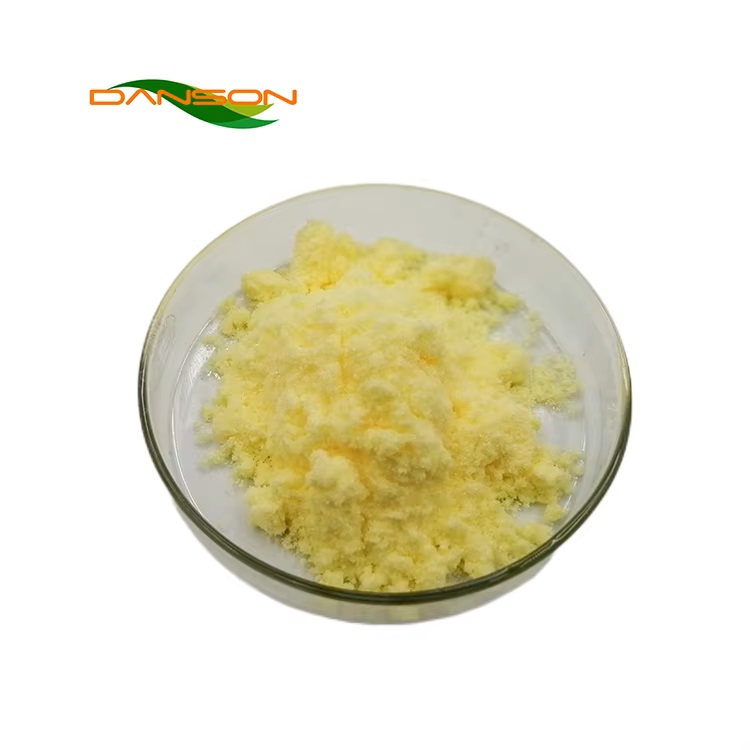
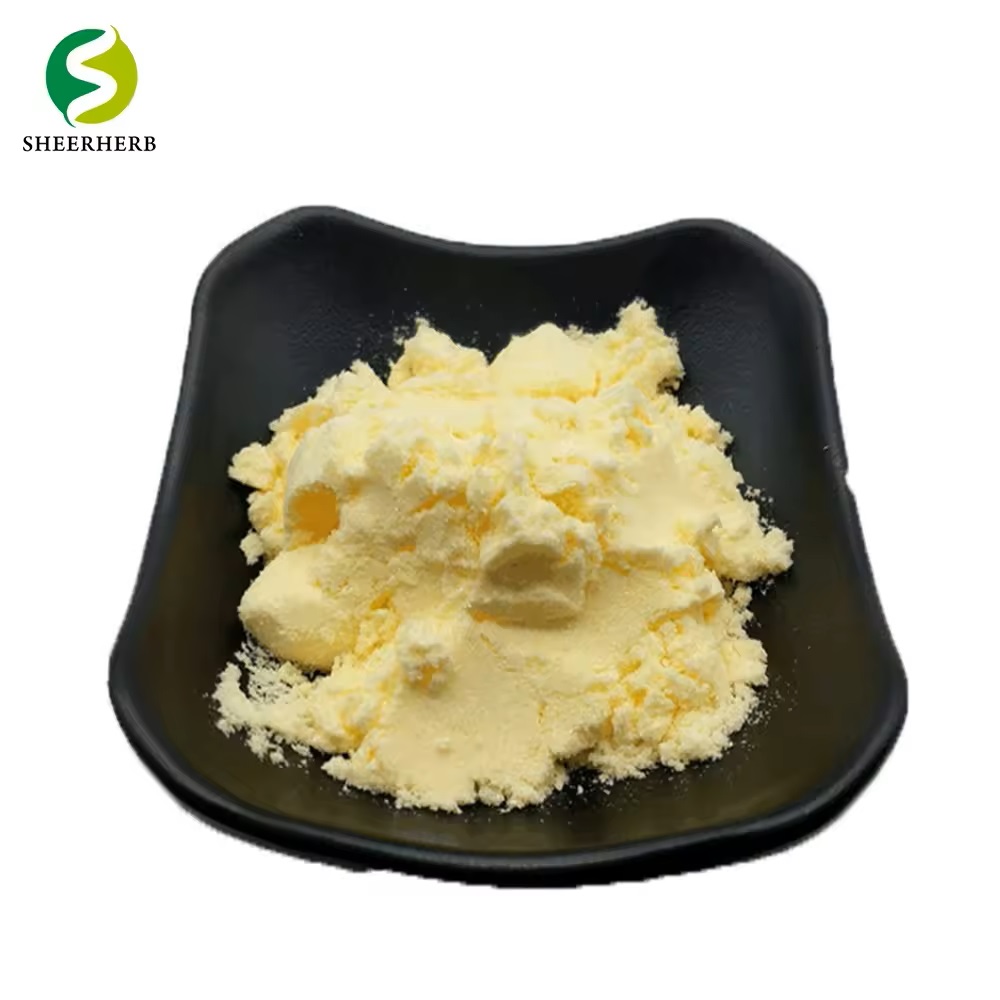
Alpha lipoic acid (ALA), also known as lipoic acid (LA), α-lipoic acid, and thioctic acid, is an organosulfur compound derived from octanoic acid. ALA is normally produced in animals and is necessary for aerobic metabolism. It is a coenzyme similar to vitamins found in mitochondria and eliminates free radicals that accelerate aging and cause diseases.
Alpha lipoic acid enters cells after being absorbed from the intestinal tract and has both fat-soluble and water-soluble properties. It is produced and available as a dietary supplement in some countries where it is marketed as an antioxidant and is available as a pharmaceutical drug in other countries.
Key Characteristics:
-
Naturally occurring fatty acid found in every cell of the body
-
Essential for energy production in normal body functions
-
Converts glucose (blood sugar) into energy
-
Functions as an antioxidant in both water and fat environments
-
Can recycle other antioxidants (vitamin C, glutathione)
-
Increases glutathione formation
4. Biological Functions
| Function | Description |
|---|---|
| Metabolic Antioxidant | Regulates NF-κB signal transduction and protects against oxidative injury |
| Enzyme Cofactor | Required for the activity of pyruvate dehydrogenase, glycine decarboxylase, and other enzyme complexes |
| Radical Scavenging | Acts as a non-specific scavenger of reactive oxygen species (ROS) |
| Antioxidant Recycling | Recycles vitamin C and glutathione after they are used |
| GSH Synthesis | Accelerates glutathione synthesis |
| Transcription Factor Regulation | Regulates NF-κB activity |
5. Mechanism of Action
| Process | Description |
|---|---|
| Intracellular Reduction | The exogenous compound is reduced intracellularly by enzymes |
| Reduced Form Activity | Involved in radical scavenging, recycling of other antioxidants, accelerating GSH synthesis, and regulating transcription factor activity |
6. Pharmacological Effects
| Effect | Description |
|---|---|
| Renal Protection | Prevents decrease in renal antioxidant defense system |
| Lipid Peroxidation | Prevents increase in lipid peroxidation |
| Platinum Accumulation | Reduces platinum content in tissues |
| Plasma Creatinine | Prevents increase in plasma creatinine concentrations |
| Macrophage Activity | Decreases phagocytosis of myelin by macrophages |
7. Stereoisomerism
| Isomer | Property |
|---|---|
| Dextral (R-isomer) | Limited physical activity |
| Lipoic Acid (S-isomer) | Basically no physical activity and no side effects |
8. Applications and Uses
8.1. Pharmaceutical Applications
| Application | Description |
|---|---|
| Acute and Chronic Hepatitis | Therapeutic agent |
| Liver Cirrhosis | Hepatoprotective |
| Hepatic Coma | Adjunctive therapy |
| Fatty Liver | Treatment support |
| Diabetes | Management of diabetic complications |
| Alzheimer's Disease | Neuroprotective effects |
| Antioxidant Health Product | Dietary supplement |
8.2. Animal Feed Applications
| Application | Function |
|---|---|
| Growth Performance | Improves growth performance and meat quality to increase economic benefits |
| Metabolism Regulation | Coordinates sugar, fat, and amino acid metabolism to improve animal immune function |
| Feed Antioxidant | Protects and promotes the absorption and transformation of VA, VE, and other oxidation nutrients in feed |
| Heat Stress Protection | Ensures and improves livestock and poultry production performance and egg production in heat stress environments |
9. Research Findings
| Study Area | Findings |
|---|---|
| Renal Antioxidant Defense | Prevents decrease in renal antioxidant defense system |
| Lipid Peroxidation | Inhibits lipid peroxidation |
| Platinum Content | Reduces platinum accumulation in tissues |
| Plasma Creatinine | Maintains normal plasma creatinine levels |
| Myelin Phagocytosis | Decreases phagocytosis of myelin by macrophages |
10. Summary
Alpha Lipoic Acid (CAS: 1077-28-7, Molecular Formula: C₈H₁₄O₂S₂, Molecular Weight: 206.32 g/mol, Purity: ≥95%) is an organosulfur compound derived from octanoic acid. It is a metabolic antioxidant that regulates NF-κB signal transduction and protects against oxidative injury.
Key Properties:
-
Naturally occurring in every cell of the body
-
Essential for energy production and glucose conversion
-
Unique antioxidant that functions in both water and fat environments
-
Recycles other antioxidants (vitamin C, glutathione)
-
Increases glutathione synthesis
-
Both fat-soluble and water-soluble
Main Application Areas:
-
Pharmaceutical: Treatment of hepatitis, liver cirrhosis, hepatic coma, fatty liver, diabetes, Alzheimer's disease; antioxidant health products
-
Animal Feed: Growth promoter, metabolism regulator, feed antioxidant, heat stress protector
Biological Functions:
-
Metabolic antioxidant regulating NF-κB signal transduction
-
Cofactor for pyruvate dehydrogenase and glycine decarboxylase
-
Free radical scavenger
-
Antioxidant recycling agent
-
Transcription factor regulator
Pharmacological Effects:
-
Renal protection
-
Prevention of lipid peroxidation
-
Reduction of platinum accumulation
-
Maintenance of normal plasma creatinine levels
-
Decreased myelin phagocytosis by macrophages
Alpha lipoic acid is a vitamin-like compound with limited physical activity in its dextral form, while its other isomer has minimal physical activity and no side effects. It is widely used in both pharmaceutical and veterinary applications for its antioxidant and metabolic regulatory properties.