We unleash your business potential by maximize the business innovation.
Send EmailAlpha Lipoic Acid, DL-Thioctic Acid, Dithiooctanoic Acid, ALA, 1077-28-7
ALPHA LIPOIC ACID (ALA)
SECTION 1: PRODUCT IDENTITY AND CHEMICAL IDENTIFICATION
| Parameter | Information |
|---|---|
| Product Name | Alpha Lipoic Acid (α-Lipoic Acid) |
| Chemical Name (IUPAC) | (±)-1,2-Dithiolane-3-pentanoic acid |
| Synonyms (Turkish) | Alfa Lipoik Asit, α-Lipoik Asit, DL-Tiyoktik Asit |
| Synonyms (English) | Alpha Lipoic Acid, DL-Thioctic Acid, 6,8-Dithiooctanoic acid, ALA |
| CAS Number | 1077-28-7 |
| EC Number (EINECS) | 214-071-2 |
| Molecular Formula | C₈H₁₄O₂S₂ |
| Molecular Weight | 206.33 g/mol |
| Chemical Class | Organic sulfur compound; Dithiolane derivative |
| Pharmacological Class | Antioxidant; Coenzyme; Mitochondrial metabolite |
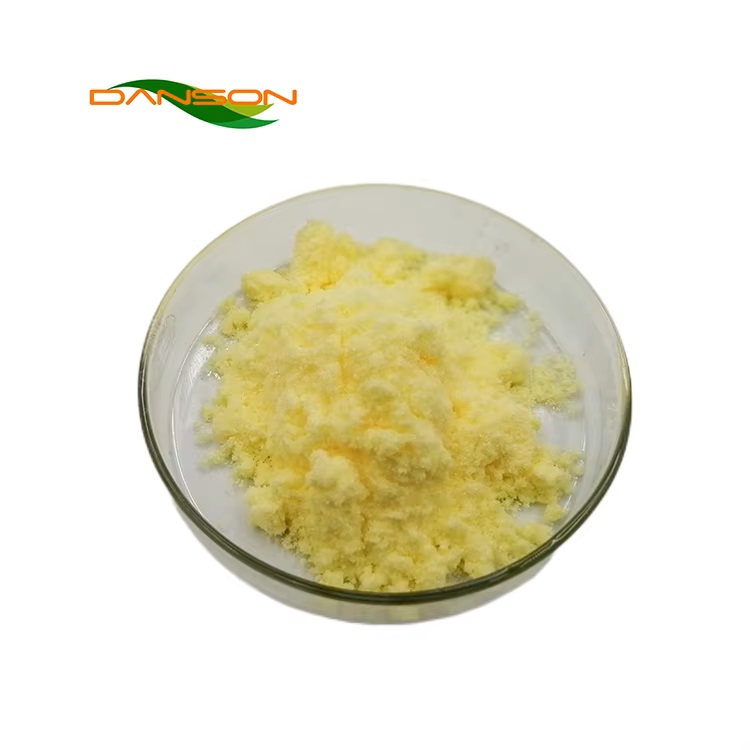
| Physical State (20°C) | Solid (powder) |
| Color | Light yellow |
| Odor | Almost odorless |
SECTION 2: CHEMICAL STRUCTURE
         O
         ‖
    HO—C—CH₂—CH₂—CH₂—CH—CH₂
                       |     \
                       S     S
                       |     |
                       CH₂—CH₂

    Alpha Lipoic Acid
    (±)-1,2-Dithiolane-3-pentanoic acid
    C₈H₁₄O₂S₂
Simplified Structure:
    HOOC—(CH₂)₄—C—CH₂—CH₂
                   \     /
                    S   S
                     \ /
                      C

    Alpha Lipoic Acid
    (Dihydrolipoic acid form: HOOC—(CH₂)₄—CH—SH
                                     |
                                    CH₂
                                     |
                                    CH₂
                                     |
                                    SH )
| Parameter | Description |
|---|---|
| Molecular Formula | C₈H₁₄O₂S₂ |
| Molecular Weight | 206.33 g/mol |
| Chemical Class | Organic sulfur compound; Dithiolane derivative |
| Functional Groups | Carboxylic acid (-COOH), disulfide (-S-S-), dithiolane ring |
| Chirality | Optically active (R and S enantiomers) |
| Racemic Form | DL-α-lipoic acid (equal amounts of R and S) |
| R-Form | Naturally occurring form (biologically active) |
| S-Form | Synthetic form (less active) |
| SMILES | C1CSSCC1CCCCC(=O)O |
| InChI | InChI=1S/C8H14O2S2/c9-8(10)3-1-2-4-7-5-6-11-12-7/h7H,1-6H2,(H,9,10) |
| InChI Key | AGBQKNBQESQNFD-UHFFFAOYSA-N |
| Hydrogen Bond Donors | 1 |
| Hydrogen Bond Acceptors | 4 |
| Rotatable Bond Count | 5 |
| Polar Surface Area (PSA) | 40.5 Ų |
SECTION 3: PHYSICAL AND CHEMICAL PROPERTIES
| Property | Value | Test Method / Note |
|---|---|---|
| Appearance | Light yellow powder | Visual |
| Odor | Almost odorless | Olfactometric |
| Molecular Weight | 206.33 g/mol | Calculated |
| Melting Point | 60 – 62°C | DSC / Capillary |
| Boiling Point | Decomposes >286°C | - |
| Boiling Point (Alternative) | 160-165°C (ignites) | - |
| Density (23°C) | ~1.4 g/cm³ | - |
| Density (Estimated) | 1.2888 g/cm³ | Calculated |
| Refractive Index | 1.5200 (estimated) | - |
| pKa | 4.75 ± 0.10 (estimated) | - |
| Water Solubility (20°C) | ~0.87-0.9 g/L | General Method |
| Hot Water Solubility | Increases | General Method |
| Ethanol Solubility (20°C) | 50 mg/mL | General Method |
| Benzene, Chloroform, Ether | Readily soluble | General Method |
| 10% NaOH Solution | Soluble | General Method |
| Log P (Octanol/Water, 25°C) | 2.53 | Calculated / Experimental |
| pH (Saturated Aqueous Solution) | ~4.5-5.0 | pH Meter |
| Vapor Pressure | Very low | - |
| Flash Point | >100°C | - |
| Thermal Stability | Stable up to 60°C; decomposes at higher temperatures | - |
| Hygroscopicity | Low (not hygroscopic) | - |
| Optical Activity | Optically active (R/S enantiomers) | Polarimetry |
| UV Maximum (λmax) | ~330 nm | UV-VIS Spectrophotometer |
| Surface Activity | Low | - |
SECTION 4: R AND S ENANTIOMERS COMPARISON
| Property | R-α-Lipoic Acid | S-α-Lipoic Acid | DL-α-Lipoic Acid (Racemic) |
|---|---|---|---|
| Optical Rotation [α]D | +104° (R) | -104° (S) | 0° (racemic) |
| Natural Source | Yes (mitochondria) | No | No (synthetic) |
| Biological Activity | High (cofactor) | Low (inactive) | Moderate (R active, S inactive) |
| Enzymatic Activity | Yes (coenzyme) | No | Partial (only R) |
| Mitochondrial Binding | Strong | Weak | Moderate |
| Antioxidant Capacity | High | Low | Moderate |
| Clinical Use | Preferred (pure R) | Not used | Common (cheaper) |
| Price | High | - | Low-Moderate |
SECTION 5: BIOLOGICAL FUNCTION AND MECHANISM OF ACTION
| Property | Description |
|---|---|
| Antioxidant Mechanism | Directly scavenges free radicals (ROS, RNS); Regenerates oxidized antioxidants (vitamin C, vitamin E, glutathione); Chelates metal ions (Cu²⁺, Fe³⁺). |
| Coenzyme Role | Acts as a cofactor for α-keto acid dehydrogenase complexes (pyruvate dehydrogenase, α-ketoglutarate dehydrogenase) in mitochondria; Plays a critical role in energy metabolism. |
| Redox Cycling | Undergoes redox cycling between disulfide (-S-S-) and thiol (-SH) groups; Conversion between lipoic acid and dihydrolipoic acid (DHLA); Regulates intracellular redox balance. |
| Mitochondrial Protection | Protects mitochondrial membrane from oxidative damage; Supports mitochondrial biogenesis; Reduces age-related mitochondrial dysfunction. |
| Glucose Metabolism | Increases insulin sensitivity; Stimulates glucose uptake (via AMPK pathway); Used in neuropathy treatment. |
| Neuroprotection | Protects neurons from oxidative damage; Neuroprotective effect in Alzheimer's and Parkinson's disease models; Supports nerve regeneration. |
| Metal Chelation | Binds Cu²⁺ and Fe³⁺ ions, inhibiting Fenton reaction; Reduces metal-induced oxidative damage. |
SECTION 6: COMMERCIAL GRADES AND VARIANTS
| Grade / Type | Purity | Appearance | Enantiomer | Primary Application |
|---|---|---|---|---|
| Cosmetic Grade | ≥99.0% | Light yellow powder | DL (racemic) / R | Anti-aging creams, serums, lotions |
| Food Supplement Grade | ≥99.0% | Light yellow powder | DL (racemic) / R | Capsules, tablets, powder blends |
| Pharmaceutical Grade | ≥99.5% | Light yellow powder | R (pure) / DL | Pharmaceutical formulations, neuropathy treatment |
| Research Grade (R&D) | ≥99.5% | Light yellow powder | R / S / DL | Analytical standards, formulation development |
| Pure R-Form | ≥99.5% | Light yellow powder | R | High biological activity products |
| DL-Form (Racemic) | ≥99.0% | Light yellow powder | DL (50/50) | Common use, economical |
SECTION 7: PHARMACOKINETIC PROPERTIES
| Parameter | Value / Description |
|---|---|
| Oral Bioavailability | ~30-40% (with first-pass metabolism) |
| Peak Plasma Concentration (Cmax) | ~2-4 µg/mL (after 600 mg oral dose) |
| Peak Time (Tmax) | ~1-2 hours (oral) |
| Plasma Half-Life (t½) | ~1.5-2.5 hours |
| Volume of Distribution (Vd) | ~0.5-1.0 L/kg |
| Protein Binding | ~80-90% (albumin) |
| Metabolism | Hepatic (β-oxidation, methylation, reduction) |
| Elimination | • Urine: ~60-70% (as metabolites) • Feces: ~20-30% |
| Intracellular Distribution | Mitochondria, cytosol, nucleus |
| Redox Cycling | Intracellular redox systems convert lipoic acid ↔ dihydrolipoic acid |
| Biological Half-Life (Intracellular) | ~30-60 minutes |
| Placental Transfer | Yes (crosses placenta) |
| Breast Milk Transfer | Unknown |
SECTION 8: CLINICAL USE AND INDICATIONS
| Indication | Dose | Route | Duration | Evidence Level |
|---|---|---|---|---|
| Diabetic Neuropathy | 600-1800 mg/day | Oral / IV | 3-12 months | Strong Clinical Evidence |
| Antioxidant Support | 300-600 mg/day | Oral | Continuous | Clinical Studies |
| Cardiovascular Protection | 300-600 mg/day | Oral | Continuous | Preclinical / Limited |
| Neurodegenerative Diseases | 600-1200 mg/day | Oral | Variable | Preclinical / Pilot |
| Migraine Prophylaxis | 600 mg/day | Oral | 3-6 months | Clinical Studies |
| Inflammatory Diseases | 600-1200 mg/day | Oral | Variable | Preclinical / Limited |
| Anti-aging | 300-600 mg/day | Oral | Continuous | Observational |
| Cosmetic (Topical) | 0.5-5% | Cream / Serum | Continuous | Clinical Studies |
SECTION 9: QUALITY SPECIFICATIONS
| Parameter | Specification | Test Method |
|---|---|---|
| Appearance | Light yellow powder | Visual |
| Assay (Alpha Lipoic Acid) | ≥99.0% | HPLC / Titration |
| Melting Point | 60 – 62°C | DSC / Capillary |
| Water Content | ≤0.5% | Karl Fischer |
| Residue on Ignition | ≤0.1% | Gravimetric |
| Heavy Metals (Pb) | ≤10 ppm | ICP-MS |
| Arsenic (As) | ≤2 ppm | ICP-MS |
| Lead (Pb) | ≤3 ppm | ICP-MS |
| Cadmium (Cd) | ≤1 ppm | ICP-MS |
| Mercury (Hg) | ≤1 ppm | ICP-MS |
| Related Substances (Single) | ≤0.5% | HPLC |
| Related Substances (Total) | ≤1.0% | HPLC |
| Optical Rotation (R-Form) | +100° to +110° (c=1, CHCl₃) | Polarimetry |
| Optical Rotation (DL-Form) | -5° to +5° (c=1, CHCl₃) | Polarimetry |
| Particle Size | As per customer specification | Laser Diffraction |
| Microbiological Purity | TAMC ≤10² CFU/g; TYMC ≤10¹ CFU/g | USP <61> |
| E. coli | Negative in 1g | USP <62> |
| Salmonella spp. | Negative in 25g | USP <62> |
SECTION 10: SAFETY PROFILE AND TOXICOLOGICAL ASSESSMENT
| Parameter | Value / Description |
|---|---|
| GHS Classification | Warning |
| Signal Word | Warning |
| Hazard Pictograms | GHS07 (Exclamation mark), GHS09 (Environment) |
| Hazard Statements (H-Codes) | H302 (Harmful if swallowed); H315 (Causes skin irritation); H317 (May cause allergic skin reaction); H319 (Causes serious eye irritation); H411 (Toxic to aquatic life with long-lasting effects) |
| Precautionary Statements (P-Codes) | P261, P273, P280, P301+P312, P302+P352, P305+P351+P338 |
| Acute Oral Toxicity (LD50, Rat) | ~1,190 mg/kg |
| Acute Dermal Toxicity (LD50, Rabbit) | >2000 mg/kg |
| Skin Irritation | Irritant (Category 2) |
| Eye Irritation | Causes serious eye irritation (Category 2) |
| Skin Sensitization | May cause allergic skin reactions (Category 1) |
| Carcinogenicity | Not classified as carcinogenic |
| Mutagenicity (Ames test) | Negative |
| Chromosomal Aberration Test | Negative |
| Gene Mutation Test | Negative |
| Micronucleus Test | Negative |
| Reproductive Toxicity | No reproductive toxicity |
| NOAEL (Rat, 90 days) | ~300 mg/kg/day |
| RTECS | JP1192000 - irritant effects, respiratory insufficiency, convulsions, fatigue |
| Drug Interactions | • Chemotherapeutics (cisplatin, carboplatin) • Thyroid hormones (levothyroxine) • Antidiabetic drugs |
SECTION 11: GHS CLASSIFICATION AND LABELING
GHS Classification (in accordance with 1272/2008/EC):
| Hazard Class | Category | H-Statement |
|---|---|---|
| Acute Toxicity (Oral) | Category 4 | H302 |
| Skin Irritation | Category 2 | H315 |
| Eye Irritation | Category 2 | H319 |
| Skin Sensitization | Category 1 | H317 |
| Aquatic Chronic Toxicity | Category 2 | H411 |
Signal Word: Warning
Hazard Pictograms: GHS07 (Exclamation mark), GHS09 (Environment)
NFPA 704 Hazard Classification:
| Health | Flammability | Reactivity | Special |
|---|---|---|---|
| 1 | 1 | 0 | - |
| (Minimal health hazard) | (Combustible) | (Stable) | (None) |
SECTION 12: PRECAUTIONARY STATEMENTS (P-CODES)
| Code | Statement |
|---|---|
| P261 | Avoid breathing dust/fume/gas |
| P264 | Wash hands thoroughly after handling |
| P270 | Do not eat, drink or smoke when using this product |
| P271 | Use only outdoors or in a well-ventilated area |
| P273 | Avoid release to the environment |
| P280 | Wear protective gloves/protective clothing/eye protection/face protection |
| P301+P312 | IF SWALLOWED: Call a POISON CENTER/doctor if you feel unwell |
| P302+P352 | IF ON SKIN: Wash with plenty of soap and water |
| P304+P340 | IF INHALED: Remove person to fresh air and keep comfortable for breathing |
| P305+P351+P338 | IF IN EYES: Rinse cautiously with water for several minutes. Remove contact lenses if present and continue rinsing |
| P332+P313 | If skin irritation occurs: Get medical advice/attention |
| P337+P313 | If eye irritation persists: Get medical advice/attention |
| P362+P364 | Take off contaminated clothing and wash it before reuse |
| P403+P233 | Store in a well-ventilated place. Keep container tightly closed |
| P405 | Store locked up |
| P501 | Dispose of contents/container in accordance with local/regional/national/international regulations |
SECTION 13: FIRST AID MEASURES
| Route of Exposure | Action |
|---|---|
| Inhalation | If inhaled as powder, move to fresh air. Seek medical attention if respiratory symptoms persist. |
| Skin Contact | Remove contaminated clothing. Wash with plenty of soap and water. Seek medical attention if irritation develops. |
| Eye Contact | Rinse thoroughly with plenty of water for at least 15 minutes. Keep eyelids open. Remove contact lenses if present. Seek medical attention if irritation persists. |
| Ingestion | Rinse mouth with water. Do NOT induce vomiting. Drink 1-2 glasses of water. Seek medical attention. |
| Note | Symptomatic treatment is administered. No specific antidote available. |
SECTION 14: FIREFIGHTING MEASURES
| Parameter | Information |
|---|---|
| Fire Hazard | Combustible organic matter. Dust explosion risk. |
| Flash Point | >100°C |
| Fire-Related Hazards | Thermal decomposition produces carbon oxides (CO, CO₂) and sulfur oxides (SOₓ). |
| Suitable Extinguishing Media | Water mist, CO₂, dry chemical powder, foam. |
| Unsuitable Extinguishing Media | Water jet (may spread burning material) |
| Special Protective Equipment | Self-contained breathing apparatus (SCBA), full protective clothing. |
| Special Precautions | Prevent dust from entering sewers and water bodies. Avoid dust cloud formation. |
SECTION 15: STORAGE AND SHELF LIFE
| Parameter | Information |
|---|---|
| Storage Conditions | Store in a cool (<25°C), dry, well-ventilated area; protect from direct sunlight and moisture. Keep in tightly closed containers. |
| Temperature Limits | 15-25°C (ideal); do not exceed 30°C |
| Humidity | Low humidity environment |
| Light | Light sensitive; Light-proof containers (amber glass, aluminum, opaque HDPE) |
| Oxygen | Protect against oxidation; keep containers tightly closed |
| Incompatible Materials | Strong oxidizing agents, strong acids, strong bases |
| Container Requirements | Light-proof, moisture-proof containers: Amber glass bottles, aluminum foil bags, HDPE |
| Shelf Life | 24-36 months (unopened original packaging, under proper storage conditions) |
| Shelf Life (After Opening) | 12-18 months (under proper storage conditions) |
| Signs of Degradation | Color change (darkening), caking, odor change, HPLC impurity increase |
| Stability Warning | May degrade under light, heat, and oxygen; Oxidized product turns from yellow to dark yellow |
SECTION 16: PACKAGING OPTIONS
| Packaging Type | Quantity / Capacity | Material | Application Area |
|---|---|---|---|
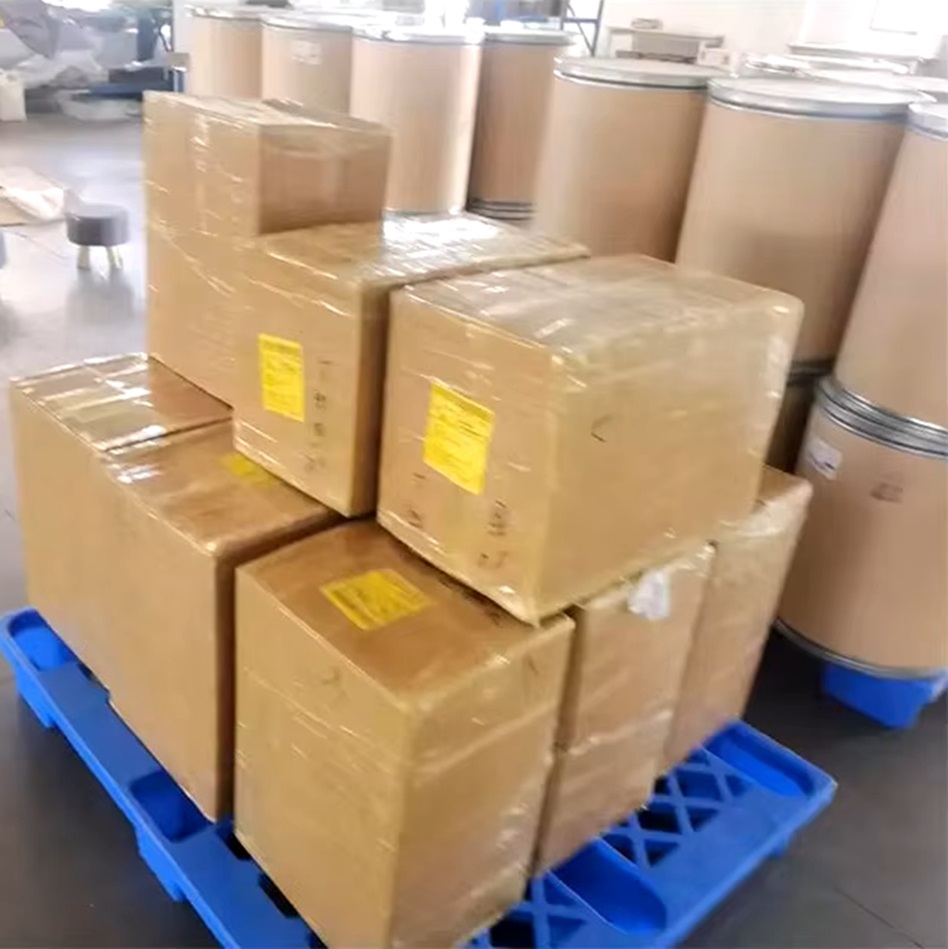
| Aluminum Foil Bag | 1 kg, 5 kg, 10 kg, 25 kg | Aluminum / PE (light and moisture proof) | Cosmetic, food supplement, pharmaceutical |
| HDPE Drum | 25 kg, 50 kg | HDPE (opaque, moisture barrier) | Industrial supply |
| Amber Glass Bottle | 100 g, 500 g, 1 kg | Amber glass (UV protected) | Laboratory, high purity |
| PE-Lined Kraft Bag | 10 kg, 25 kg | Kraft paper / PE liner | Economical packaging |
| IBC Container | 500 kg, 1000 kg | UV-protected HDPE | Large-scale industrial supply |
SECTION 17: TRANSPORTATION INFORMATION
| Parameter | Information |
|---|---|
| UN Number | UN 3077 (Environmentally Hazardous Substance, Solid, N.O.S.) |
| Hazard Class | Class 9 - Miscellaneous Dangerous Goods |
| Packing Group | III |
| ADR/RID | Class 9; UN 3077; Packing Group III |
| IMDG Code | Class 9; UN 3077; Marine pollutant: Yes |
| IATA (Air) | Class 9; UN 3077; Packing Group III |
| Transport Label | Class 9 / Environment |
| Marine Pollutant | Yes |
| Transport Temperature | Ambient temperature; protect from heat, moisture, and light |
| Transport Precautions | Light-proof packaging; keep away from strong oxidizing agents |
SECTION 18: REGULATORY STATUS
| Region / Authority | Status |
|---|---|
| USA (FDA) | Approved as dietary supplement; GRAS |
| European Union (EC) | Approved as food supplement; EFSA approved; Approved as cosmetic ingredient |
| Turkey | Approved as food supplement, pharmaceutical and cosmetic ingredient; Subject to KKDIK regulation |
| ECHA (REACH) | Registered substance (pre-registered) |
| TSCA (USA) | Listed |
| DSD (Dangerous Substances Directive) | Xi (Irritant), N (Dangerous for the environment) |
| California (Prop 65) | Not listed |
| Halal | Yes (synthetic, not animal-derived) |
| Kosher | Yes (with certification) |
| Vegan | Yes (synthetic) |
SECTION 19: OTHER NAMES AND SYNONYMS
| Type | Name |
|---|---|
| Chemical Name (IUPAC) | (±)-1,2-Dithiolane-3-pentanoic acid |
| Common Names (Turkish) | Alfa Lipoik Asit, α-Lipoik Asit, DL-Tiyoktik Asit |
| Common Names (English) | Alpha Lipoic Acid, DL-Thioctic Acid, 6,8-Dithiooctanoic acid, ALA |
| Abbreviations | ALA, α-LA, THT |
| R-Form | R-α-Lipoic Acid (natural form) |
| S-Form | S-α-Lipoic Acid |
| Reduced Form | Dihydrolipoic Acid (DHLA) |
| CAS Number | 1077-28-7 |
| EC Number | 214-071-2 |
| BRN | 81853 |
| PubChem CID | 6112 |
| DrugBank ID | DB00142 |
| FDA UNII | 73Y7P0K73Y |
| HS Code | 2930.90 |
SECTION 20: SUMMARY TABLE
| Parameter | Value |
|---|---|
| CAS Number | 1077-28-7 |
| Molecular Formula | C₈H₁₄O₂S₂ |
| Molecular Weight | 206.33 g/mol |
| Appearance | Light yellow powder |
| Melting Point | 60 – 62°C |
| Water Solubility | ~0.87-0.9 g/L |
| Log P | 2.53 |
| Primary Function | Antioxidant; Coenzyme; Free radical scavenger |
| Clinical Indications | Diabetic neuropathy, antioxidant support, neurodegeneration |
| Typical Dose | 300-600 mg/day (oral); 600-1800 mg/day (neuropathy) |
| Bioavailability | ~30-40% (oral) |
| Plasma Half-Life | ~1.5-2.5 hours |
| Shelf Life | 24-36 months |
| Storage | Cool (<25°C), dry, light-protected |
| GHS Signal Word | Warning |
| UN Number | 3077 |
| Hazard Class | Class 9 |
| FDA Status | Approved as dietary supplement (GRAS) |
| Halal / Kosher / Vegan | Yes |
SECTION 21: CRITICAL WARNINGS AND BEST PRACTICES
CRITICAL WARNINGS:
-
Light Sensitivity: Alpha Lipoic Acid is light sensitive. Store in light-proof containers (amber glass, aluminum, HDPE).
-
Temperature Sensitivity: Melting point is 60-62°C. Melts and may degrade above 60°C.
-
Oxidation Sensitivity: Sensitive to oxygen; oxidizes from yellow to dark yellow. Antioxidant addition recommended.
-
Skin Sensitization: May cause allergic skin reactions (H317). Avoid skin contact.
-
Environmental Toxicity: Toxic to aquatic life with long-lasting effects (H411). Avoid release to the environment.
-
Drug Interactions: Potential interaction with chemotherapeutics (cisplatin, carboplatin), thyroid hormones (levothyroxine), and antidiabetic drugs.
-
High Doses: High doses (≥1800 mg/day) may cause gastrointestinal discomfort, nausea, headache.
-
Dust Explosion: Dust explosion risk; avoid dust formation and ensure adequate ventilation.
BEST PRACTICE RECOMMENDATIONS:
-
Form Selection: Use R-α-lipoic acid (pure, natural form) for applications requiring high biological activity; DL-α-lipoic acid (racemic) for common use and economical products.
-
Concentration (Cosmetic): Typical concentration 0.5-5%; Optimum concentration 1-2%; Up to 5% considered safe.
-
Formulation (Cosmetic): Dissolve in water phase or oil phase; dissolve at 40-50°C; avoid high temperatures (>60°C); stabilize at pH 4.0-6.0.
-
Antioxidant Use: Add Vitamin E (0.1-0.5%) or BHT (0.01-0.1%) to formulations; prevents oxidation and color change.
-
Chelator Use: Add EDTA (0.05-0.1%) to bind metal ions; improves stability.
-
Dosage (Oral): Diabetic neuropathy: 600-1800 mg/day; antioxidant support: 300-600 mg/day; take with meals (GI tolerance).
-
Light Protection: Use amber glass, aluminum or opaque HDPE containers; protect with UV filters.
-
Personal Protective Equipment: Nitrile or neoprene gloves (minimum 0.11 mm thickness), safety goggles, dust mask (P2 type), protective clothing.
-
Hygiene: Wash hands thoroughly after handling; Do not eat, drink or smoke when using this product.
-
Storage: Store in cool, dry, light-proof containers; Inert atmosphere (nitrogen) recommended to prevent oxidation; Shelf life 24-36 months.
LEGAL DISCLAIMER:
The information provided in this document is based on our current knowledge and experience and is presented in good faith. However, as all conditions of use are beyond our control, it does not constitute a binding specification or guarantee. This Technical Data Sheet is for informational purposes only and does not constitute medical advice. Users are responsible for testing suitability for their own applications and for complying with all local, regional, and national regulations. For complete safety, storage, use, handling, waste, and regulatory compliance information, please refer to the official Safety Data Sheet (SDS/MSDS) provided by the manufacturer/supplier. Alpha Lipoic Acid is a dietary supplement/cosmetic ingredient; its medical use should be under the supervision of a healthcare professional.