We unleash your business potential by maximize the business innovation.
Send EmailTetrakis Hydroxy Methyl Phosphonium Sulfate, Octakis Hydroxymethyl Diphosphonium Sulfate, THPS, THPS 75, 55566-30-8
TETRAKIS(HYDROXYMETHYL)PHOSPHONIUM SULFATE (THPS)
1. Chemical Identity and Material Classification
-
Chemical Name: Tetrakis(hydroxymethyl)phosphonium Sulfate
-
Synonyms: THPS, Tetrakis Hydroxymethyl Phosphonium Sulfate, Octakis(hydroxymethyl)diphosphonium sulfate, Bis[tetrakis(hydroxymethyl)phosphonium] sulfate
-
CAS Number: 55566-30-8
-
Molecular Formula: C₈H₂₄O₁₂P₂S
-
Molecular Weight: 406.28 g/mol
-
EC Number: 259-709-1
-
Typical Commercial Form: 75% aqueous solution (THPS 75%)
2. Physical Properties (75% Aqueous Solution)
| Property | Value |
|---|---|
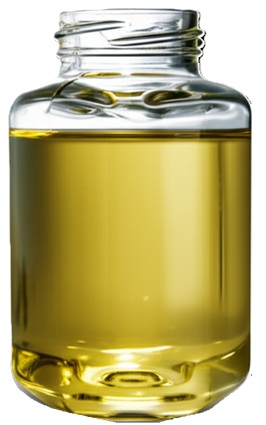
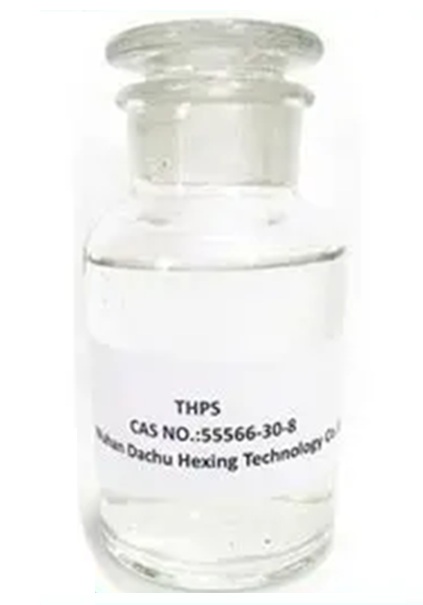
| Appearance | Clear, colorless to pale yellow liquid |
| Odor | Slight characteristic odor |
| Concentration | 75 ± 1% w/w (typical commercial grade) |
| Density (20°C) | 1.35–1.40 g/cm³ |
| pH (as is) | 3.0–5.0 (acidic) |
| Viscosity (20°C) | 15–30 cP (centipoise) |
| Freezing point | Approximately -20°C |
| Boiling point | Decomposes before boiling |
| Flash point | >100°C (non-flammable) |
| Solubility in water | Fully miscible |
| Solubility in organic solvents | Soluble in alcohols; insoluble in hydrocarbons |
3. Chemical Properties and Structure
3.1 Molecular Structure
-
Structure type: Quaternary phosphonium salt with four hydroxymethyl groups (–CH₂OH) attached to phosphorus
-
Cation: [P(CH₂OH)₄]⁺
-
Anion: SO₄²⁻ (sulfate)
-
Stoichiometry: Two phosphonium cations per sulfate anion: [P(CH₂OH)₄]₂SO₄
3.2 Key Chemical Characteristics
| Parameter | Value |
|---|---|
| Active phosphorus content | ~7.6% (in 75% solution) |
| Formaldehyde content (free) | ≤ 0.1% (typical) |
| Potential formaldehyde release | Yes (upon decomposition) |
| Stability | Stable at pH 3–5; decomposes at pH >8 or elevated temperatures |
3.3 Decomposition Reactions
| Condition | Reaction | Products |
|---|---|---|
| High temperature (>60°C) | [P(CH₂OH)₄]₂SO₄ → Degradation | Formaldehyde, phosphoric acid derivatives |
| Alkaline pH (>8) | Rapid decomposition | Tris(hydroxymethyl)phosphine oxide (THPO), formaldehyde |
| Biological degradation | Aerobic/anaerobic breakdown | CO₂, H₂O, phosphate, sulfate |
4. Antimicrobial Mechanism
4.1 Mode of Action
| Step | Description |
|---|---|
| 1 | THPS penetrates microbial cell walls/membranes |
| 2 | Reacts with intracellular proteins (thiol groups –SH) |
| 3 | Causes protein denaturation and enzyme inactivation |
| 4 | Disrupts cellular functions → cell death |
| 5 | Degrades to non-toxic phosphonic acid derivatives in environment |
4.2 Antimicrobial Spectrum
| Microorganism Type | Efficacy | Typical Concentration |
|---|---|---|
| Bacteria (Gram-positive) | High | 10–100 ppm |
| Bacteria (Gram-negative) | High | 10–100 ppm |
| Sulfate-reducing bacteria (SRB) | Very High | 10–50 ppm |
| Fungi | Moderate–High | 50–200 ppm |
| Algae | Moderate | 50–150 ppm |
| Biofilm-forming bacteria | High | 50–150 ppm |
4.3 Comparison with Other Biocides
| Property | THPS | Glutaraldehyde | Isothiazolinone | DBNPA |
|---|---|---|---|---|
| Efficacy vs SRB | Excellent | Good | Moderate | Good |
| Biodegradability | Excellent | Moderate | Low | High |
| Aquatic toxicity | Low | Moderate | High | Moderate |
| Formaldehyde release | Low (potential) | None | None | None |
| pH stability range | 3–8 | 4–9 | 4–8 | 5–8 |
| Temperature stability | Good (<60°C) | Good | Good | Moderate |
| Corrosivity | Low | Low | Low | Moderate |
5. Production Method
5.1 Synthesis Route
| Step | Reaction | Description |
|---|---|---|
| 1 | P(OCH₃)₃ + 4CH₂O + H₂O → [P(CH₂OH)₄]⁺ + by-products | Trimethyl phosphite reacts with formaldehyde |
| 2 | 2[P(CH₂OH)₄]⁺ + H₂SO₄ → [P(CH₂OH)₄]₂SO₄ + 2H⁺ | Neutralization with sulfuric acid to form sulfate salt |
5.2 Process Parameters
| Parameter | Value |
|---|---|
| Reaction temperature | 30–50°C (controlled) |
| pH control | Maintained during neutralization |
| Final concentration | Adjusted to 75% w/w |
| By-products | Methanol (recovered), water |
| Yield | >90% |
6. Quality Specifications (75% Solution)
| Parameter | Specification |
|---|---|
| Appearance | Clear to slightly hazy, colorless to pale yellow liquid |
| THPS content (w/w) | 75 ± 1% |
| pH (as is) | 3.0–5.0 |
| Density (20°C) | 1.35–1.40 g/cm³ |
| Refractive index (nD20) | 1.420–1.430 |
| Free formaldehyde | ≤ 0.1% |
| Chloride (Cl) | ≤ 0.1% |
| Phosphorous acid (H₃PO₃) | ≤ 0.5% |
| Heavy metals (as Pb) | ≤ 10 ppm |
| Iron (Fe) | ≤ 10 ppm |
7. Industrial Applications – Water Treatment
7.1 Cooling Water Systems
| Parameter | Value |
|---|---|
| Application | Microbiological control (biofilm, algae, bacteria, SRB) |
| Typical dosage (continuous) | 10–50 ppm (active THPS) |
| Shock dosing | 50–150 ppm (2–4 hours) |
| pH range | 4–8 (optimal) |
| Temperature range | 0–60°C |
| Compatibility | Compatible with most corrosion inhibitors (phosphonates, azoles, zinc) |
7.2 Oil and Gas Field Applications (Primary Use)
| Parameter | Value |
|---|---|
| Application | Control of sulfate-reducing bacteria (SRB) in water injection systems, produced water, drilling fluids |
| SRB control dosage | 10–50 ppm |
| Biofilm removal | 50–150 ppm |
| Advantages | Rapid kill time (minutes to hours), biodegradable, non-persistent |
| Injection water compatibility | Compatible with seawater, produced water, formation brines |
7.3 Paper Industry
| Parameter | Value |
|---|---|
| Application | Microbial control in process water, paper machine deposits |
| Typical dosage | 10–100 ppm |
| Benefits | Reduces slime formation, improves paper quality, reduces downtime |
7.4 Wastewater Treatment
| Parameter | Value |
|---|---|
| Application | Odor control (H₂S), microbial control in collection systems |
| Typical dosage | 10–50 ppm |
| H₂S reduction | Effective (by controlling SRB) |
8. Industrial Applications – Flame Retardant Textiles
8.1 Application Details
| Parameter | Value |
|---|---|
| Application | Flame retardant finish for cotton, cotton blends, and cellulosic fabrics |
| Mechanism | THPS reacts with cellulose and ammonia to form durable flame retardant polymer |
| Process | THPS + urea/ammonia → crosslinked polymer on fabric |
| Typical add-on | 15–25% weight gain |
| Flame retardancy standard | BS 5852, NFPA 701, EN 470-1 |
8.2 Advantages as Flame Retardant
-
Durable finish (withstands multiple washes)
-
No toxic halogen compounds (halogen-free)
-
Low smoke generation
-
Does not significantly affect fabric hand feel
9. Industrial Applications – Leather Processing
| Parameter | Value |
|---|---|
| Application | Biocide in leather tanning and preservation |
| Typical dosage | 0.1–0.5% (on weight of hide) |
| Benefits | Prevents bacterial degradation of hides during soaking and bating |
10. Environmental Fate and Biodegradation
10.1 Biodegradation Data
| Parameter | Value |
|---|---|
| Ready biodegradability (OECD 301) | Readily biodegradable (>60% in 28 days) |
| Ultimate degradation products | CO₂, H₂O, phosphate, sulfate |
| Half-life in water (aerobic) | Hours to days |
| Half-life in sediment | 1–10 days |
| Bioaccumulation potential | Low (log Kow <0) |
10.2 Aquatic Toxicity
| Parameter | Value |
|---|---|
| Fish (LC₅₀, 96 hours) | 10–50 mg/L (moderate toxicity) |
| Daphnia magna (EC₅₀, 48 hours) | 10–40 mg/L |
| Algal toxicity (EC₅₀, 72 hours) | 5–25 mg/L |
| Aquatic toxicity classification | H411 (Toxic to aquatic life with long-lasting effects) – but rapidly degrades |
11. Safety and Toxicology
11.1 Acute Toxicity
| Parameter | Value |
|---|---|
| Oral LD₅₀ (rat) | 1,200–2,000 mg/kg (moderate toxicity) |
| Dermal LD₅₀ (rabbit) | >2,000 mg/kg |
| Inhalation LC₅₀ (rat, 4 hours) | >5 mg/L (dust/mist) |
| Skin irritation | Mild to moderate irritant |
| Eye irritation | Moderate to severe irritant |
| Skin sensitization | Non-sensitizer (typical) |
11.2 Chronic Toxicity
| Parameter | Value |
|---|---|
| Mutagenicity | Negative (Ames test) |
| Carcinogenicity | Not classified (IARC Group 3) |
| Reproductive toxicity | NOAEL = 100 mg/kg/day (animal studies) |
| Formaldehyde release concern | Minimal at normal use conditions; potential at elevated temperatures or alkaline pH |
11.3 Occupational Exposure Limits
| Authority | Limit | Type |
|---|---|---|
| ACGIH (for formaldehyde, potential release) | 0.3 ppm (ceiling) | As formaldehyde |
| Supplier recommended limit | 1 mg/m³ (as THPS) | TWA (8 hour) |
12. Safety Precautions and Personal Protective Equipment (PPE)
-
Hazards:
-
Causes skin and eye irritation
-
Harmful if swallowed
-
Decomposes at high temperature or alkaline pH to release formaldehyde (suspected carcinogen)
-
-
Reactivity:
-
Incompatible with strong alkalis (rapid decomposition)
-
Incompatible with strong oxidizing agents
-
Stable in acidic to neutral pH (3–7)
-
-
PPE (recommended):
-
Chemical-resistant gloves (nitrile or neoprene, EN 374)
-
Safety goggles with side shields (EN 166)
-
Protective clothing (acid-resistant)
-
Respiratory protection (if mist present – P2 filter)
-
-
Engineering controls:
-
Local exhaust ventilation (LEV) for mist control
-
Eyewash stations and safety showers
-
-
First aid:
-
Inhalation: Move to fresh air; if breathing difficulty, administer oxygen; seek medical attention
-
Skin contact: Wash with soap and copious water for 15 minutes; remove contaminated clothing
-
Eye contact: Rinse with water for 15–20 minutes, lifting eyelids; seek immediate medical attention
-
Ingestion: Rinse mouth; do NOT induce vomiting; drink water or milk; seek medical attention
-
13. Storage and Shelf Life
-
Storage conditions:
-
Cool, dry, well-ventilated area (10–30°C)
-
Keep tightly closed in original packaging (HDPE or plastic containers)
-
Protect from direct sunlight and heat sources
-
Protect from freezing (can freeze at -20°C; thaw and mix before use)
-
Store away from strong alkalis and oxidizing agents
-
Do not store near food or feed
-
-
Shelf life:
-
Unopened container: 12–24 months
-
Opened container: 6 months (if properly resealed, protected from contamination)
-
-
Degradation indicators:
-
Darkening of color (yellow to brown)
-
Formaldehyde odor (decomposition)
-
pH change (increase indicates degradation)
-
14. Transport Information
| Regulation | Classification |
|---|---|
| UN Number | 1760 (Corrosive liquid, n.o.s.) |
| ADR/RID | Class 8 (Corrosive), Packing group III |
| IMDG | Class 8, PG III |
| IATA | Class 8, PG III |
| Proper shipping name | Corrosive liquid, n.o.s. (tetrakis(hydroxymethyl)phosphonium sulfate) |
| Hazard label | Corrosive (8) |
| Marine pollutant | No (but aquatic toxicity noted) |
15. Synonyms and Common Names
-
English: Tetrakis(hydroxymethyl)phosphonium sulfate, THPS, Tetrakis Hydroxymethyl Phosphonium Sulfate, Octakis(hydroxymethyl)diphosphonium sulfate, Bis[tetrakis(hydroxymethyl)phosphonium] sulfate
-
Common abbreviations: THPS, THPS 75%, THPS75%
-
Common industry names: Biocide, Microbiocide, Flame retardant chemical, Oilfield chemical, Cooling tower biocide
-
Turkish: Tetrakis Hidroksimetil Fosfonyum Sülfat, THPS, Tetrakis hidroksi metil sülfat
16. Standards Compliance
| Standard | Compliance |
|---|---|
| REACH (EC 1907/2006) | Registered |
| TSCA (US) | Listed |
| RoHS | Compliant (no restricted substances) |
| BPR (EU Biocidal Products Regulation) | Active substance under review for certain product types |
| NSF/ANSI 60 | Certified for certain grades (drinking water treatment) |
17. Why Choose THPS? (Technical Summary)
| Advantage | Description |
|---|---|
| Excellent SRB control | Highly effective against sulfate-reducing bacteria in oilfield water injection systems |
| Rapid kill time | Minutes to hours vs. hours to days for some alternatives |
| Biodegradable | Readily biodegradable (>60% in 28 days) – environmentally friendly |
| Low toxicity profile | Lower toxicity than glutaraldehyde, isothiazolinones, and many alternative biocides |
| Non-persistent | Degrades rapidly in the environment – does not bioaccumulate |
| Dual functionality | Biocide + flame retardant + H₂S scavenger |
| Halogen-free flame retardant | No toxic halogens (bromine, chlorine) – low smoke, durable finish |
| Corrosion compatibility | Non-corrosive to common metals at use concentrations |
| Effective at low dosages | 10–50 ppm for most applications |
| Stable under acidic conditions | Excellent stability at pH 3–5; usable at pH 3–8 |
| Limitation note: | Decomposes at alkaline pH (>8) and elevated temperatures (>60°C) – potential formaldehyde release. Requires proper handling PPE. |
18. Limitations and Precautions
| Limitation | Description / Solution |
|---|---|
| Alkaline pH instability | Decomposes rapidly at pH >8 (releases formaldehyde) – avoid in alkaline systems without testing |
| High temperature degradation | Decomposes above 60°C (accelerated) – do not use in high-temperature systems |
| Potential formaldehyde release | Under decomposition conditions (heat, alkali) – ensure adequate ventilation |
| Eye and skin irritant | Use appropriate PPE (goggles, gloves, protective clothing) |
| Aquatic toxicity (concentrated) | Avoid direct discharge to water bodies (toxic at high concentrations) |
| Limited organic solvent solubility | Not effective in hydrocarbon-based systems (use water-based applications) |
19. Application Guidelines
19.1 Cooling Water Treatment
| Parameter | Recommendation |
|---|---|
| Typical dosage | 10–50 ppm continuous; 50–150 ppm shock |
| Feeding method | Direct injection via metering pump |
| Monitoring | Residual concentration (colorimetric or HPLC) |
19.2 Oilfield Water Injection
| Parameter | Recommendation |
|---|---|
| Typical dosage | 10–50 ppm (based on water flow) |
| Contact time | Minimum 30–60 minutes |
| Compatibility testing | Required with produced water, formation brine, and other additives |
19.3 Flame Retardant Textile Treatment
| Parameter | Recommendation |
|---|---|
| THPS concentration | 10–20% in pad bath |
| Application method | Pad-dry-cure process |
| Curing temperature | 150–170°C |
| Ammonia treatment | Required for durable finish |
20. Sectoral Suitability Summary Table
| Sector | Application | Typical Dosage | Alternatives |
|---|---|---|---|
| Water Treatment | Cooling tower biocide, biofilm control | 10–50 ppm (continuous) | Glutaraldehyde, DBNPA, isothiazolinones |
| Oil & Gas | SRB control in water injection, produced water | 10–50 ppm | Glutaraldehyde, DBNPA, tetrakis(hydroxymethyl)phosphonium chloride (THPC) |
| Textile | Flame retardant finish for cotton | 10–20% pad bath | THPC, phosphonium salt derivatives, halogenated FRs |
| Paper Industry | Slime control, microbial deposits | 10–100 ppm | Isothiazolinones, glutaraldehyde |
| Leather Processing | Hide preservation (soaking, bating) | 0.1–0.5% (on weight of hide) | Bronopol, isothiazolinones |
| Wastewater | Odor control (H₂S), SRB control | 10–50 ppm | Nitrate injection, chlorine dioxide |
| Drilling Fluids | Biocide for drilling muds | 50–200 ppm | Glutaraldehyde, THPC |
| Industrial Water | Closed loop systems, process water | 10–50 ppm | Isothiazolinones, bronopol |
| Gas Storage | Microbiological control in gas storage wells | 10–100 ppm | Glutaraldehyde, THPC |
This TDS is prepared in compliance with ISO 11014-1 format and is intended for water treatment specialists, oilfield chemical engineers, textile chemists, paper industry professionals, leather processors, and procurement professionals. Certificates of Analysis (CoA), Safety Data Sheets (SDS), biocide efficacy test reports, and sample validation reports are available upon request.