We unleash your business potential by maximize the business innovation.
Send EmailAcetylcysteine, N-Acetylcysteine, Acetyl-L-Cysteine, Acetylcysteinum, NAC, 616-91-1
ACETYLCYSTEINE (N-ACETYLCYSTEINE / NAC)
Acetylcysteine / N-Acetyl-L-cysteine / NAC
CAS Number: 616-91-1
EC Number: 210-498-3
1. IDENTIFICATION
| Property | Information |
|---|---|
| Chemical Name | N-Acetyl-L-cysteine |
| Synonyms | Acetylcysteine, NAC, N-Acetylcysteine, N-Acetyl-L-cysteine, Acetylcysteinum |
| Chemical Formula | C₅H₉NO₃S |
| Molecular Weight | 163.19 g/mol |
| CAS Number | 616-91-1 |
| EC Number (EINECS) | 210-498-3 |
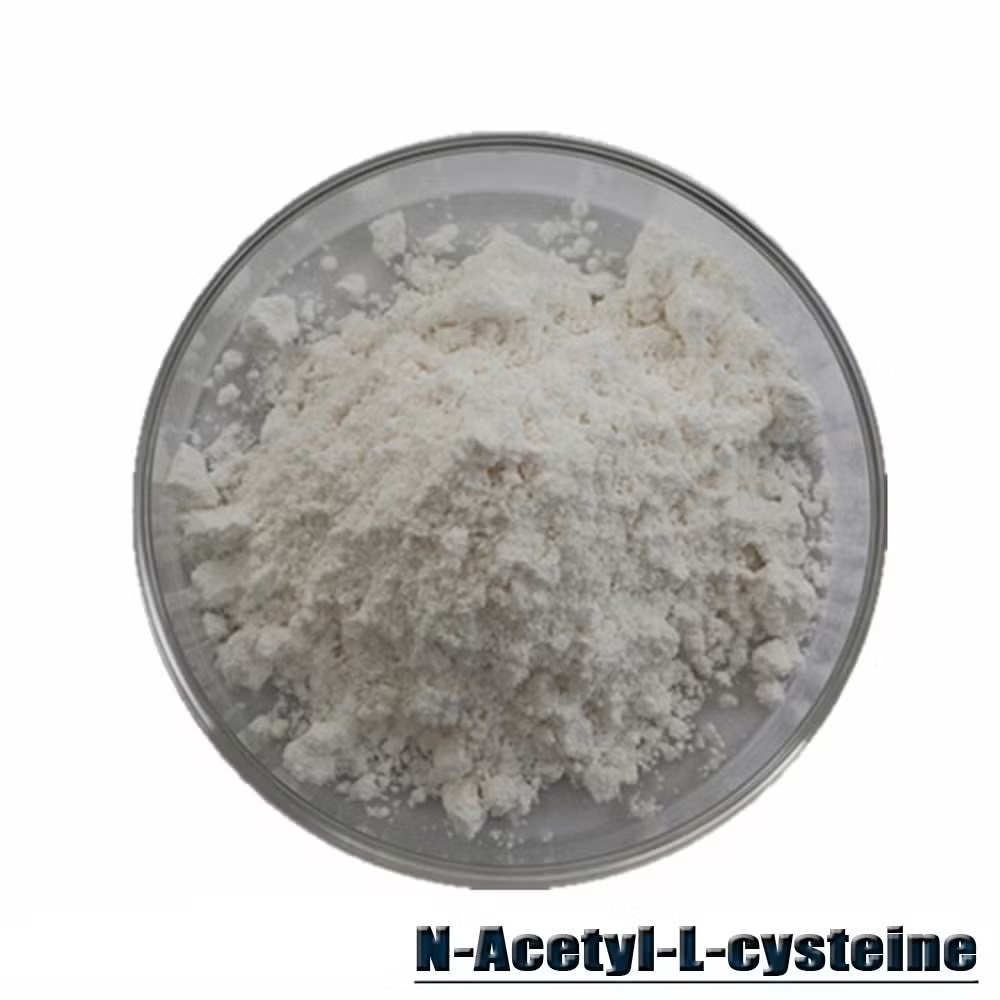
| Appearance | White to off-white crystalline powder |
| Odor | Slight characteristic odor (sulfur-like) |
| Drug Class | Mucolytic agent, Antidote, Antioxidant |
2. PHYSICAL PROPERTIES
| Property | Value |
|---|---|
| Physical State (20°C) | Solid (crystalline powder) |
| Appearance | White to off-white, free-flowing crystalline powder |
| Odor | Slight characteristic sulfur/ acetic acid odor |
| Molecular Weight | 163.19 g/mol |
| Melting Point | 106 – 110 °C (decomposes) |
| Density | ~1.5 g/cm³ |
| Solubility in Water (20°C) | Very soluble (~100-300 g/L) |
| Solubility in Ethanol | Slightly soluble |
| Solubility in Organic Solvents | Practically insoluble in chloroform, ether |
| pH (10% solution) | 2.0 – 2.8 (acidic) |
| pKa | 3.3 (carboxyl), 9.5 (thiol) |
| Log P (octanol/water) | -0.5 to -1.0 |
| Hygroscopicity | Slightly hygroscopic |
3. CHEMICAL PROPERTIES
| Property | Information |
|---|---|
| Chemical Formula | C₅H₉NO₃S |
| Molecular Weight | 163.19 g/mol |
| Chemical Class | Amino acid derivative (acetylated cysteine) |
| Structure | N-acetylated derivative of L-cysteine |
| Functional Groups | Thiol (-SH), carboxylic acid (-COOH), amide (-NHCOCH₃) |
| Ionization | Amphoteric (both acidic and basic groups) |
| Stability | Stable under normal storage conditions; may oxidize in air to form disulfides |
| Reactivity | Thiol group readily undergoes oxidation (forms dimers) |
| Incompatible Materials | Strong oxidizing agents, alkalis, some metals (copper, iron) |
Chemical Structure:
HOOC-CH(NHCOCH₃)-CH₂-SH
Dimerization (Oxidation):
2 NAC (HS-) + [O] → NAC-S-S-NAC (N-Acetylcysteine disulfide / DiNAC)
4. MECHANISM OF ACTION
4.1. Mucolytic Effect
| Parameter | Description |
|---|---|
| Mechanism | Free thiol group (-SH) breaks disulfide bonds (-S-S-) in mucoproteins, reducing mucus viscosity |
| Reaction | Protein-S-S-Protein + 2 NAC-SH → 2 Protein-SH + NAC-S-S-NAC |
| Result | Thins thick, viscous mucus; makes it easier to expectorate |
| Applications | COPD, bronchitis, sinusitis, cystic fibrosis |
4.2. Antioxidant Effect (Glutathione Precursor)
| Parameter | Description |
|---|---|
| Mechanism | NAC is deacetylated to L-cysteine, which is a rate-limiting precursor for glutathione (GSH) synthesis |
| Reaction | NAC → L-Cysteine → γ-Glu-Cys + Gly → Glutathione (GSH) |
| Result | Replenishes intracellular glutathione levels, neutralizes free radicals |
| Applications | Acetaminophen (paracetamol) overdose, liver protection, oxidative stress |
4.3. Paracetamol (Acetaminophen) Antidote
| Parameter | Description |
|---|---|
| Mechanism | NAC replenishes hepatic glutathione, which detoxifies the toxic metabolite NAPQI (N-acetyl-p-benzoquinone imine) |
| Result | Prevents hepatotoxicity (liver damage) |
| Timing | Most effective within 8-10 hours of paracetamol overdose |
| Route | Intravenous (hospital setting) or oral |
5. PHARMACEUTICAL FORMS
| Form | Strength | Route of Administration | Primary Use |
|---|---|---|---|
| Effervescent Tablet | 200 mg, 600 mg | Oral | Mucolytic |
| Sachet (Granules/Powder) | 200 mg, 600 mg, 900 mg, 1200 mg | Oral | Mucolytic |
| Syrup / Oral Solution | 100 mg/5 mL, 200 mg/5 mL | Oral | Mucolytic (pediatric) |
| Capsule / Tablet (immediate release) | 600 mg | Oral | Mucolytic, antioxidant supplement |
| IV Injection / Infusion | 150 mg/mL, 200 mg/mL, 300 mg/3 mL | Intravenous | Paracetamol overdose (antidote), severe mucolytic |
| Inhalation Solution (Nebulizer) | 100 mg/mL, 200 mg/mL | Inhalation (nebulization) | Cystic fibrosis, bronchopulmonary diseases |
6. APPLICATIONS (THERAPEUTIC USES)
6.1. Respiratory Diseases (Mucolytic) – Primary Use
| Application | Description |
|---|---|
| Chronic Obstructive Pulmonary Disease (COPD) | Reduces mucus viscosity, improves expectoration |
| Acute Bronchitis | Thickens mucus thinning, relieves cough |
| Sinusitis | Helps clear nasal and sinus secretions |
| Pneumonia | Aids in mucus clearance |
| Cystic Fibrosis | Reduces mucus viscosity (via nebulization) |
| Bronchiectasis | Improves airway clearance |
Typical Adult Dosage: 600 mg once daily (or 200 mg 2-3 times daily) as effervescent tablet or sachet
6.2. Paracetamol (Acetaminophen) Overdose – Antidote
| Parameter | Information |
|---|---|
| Indication | Acute acetaminophen (paracetamol) poisoning to prevent hepatotoxicity |
| Protocol | 21-dose IV protocol or 72-hour oral protocol (hospital setting) |
| Time Window | Most effective within 8-10 hours of ingestion |
| Route | Intravenous (preferred) or oral |
6.3. Antioxidant & Liver Protection
| Application | Description |
|---|---|
| Hepatoprotection | Protects liver from toxins, alcohol, drugs |
| Non-alcoholic Fatty Liver Disease (NAFLD) | May improve liver function tests |
| Contrast-induced Nephropathy | May reduce kidney damage from contrast dyes |
| Heavy Metal Toxicity | Supports glutathione-mediated detoxification |
6.4. Psychiatric & Neurological Applications (Research/Adjunctive)
| Application | Evidence Level |
|---|---|
| Depression (adjunctive) | Some studies show benefit (modulates glutamate) |
| Bipolar Disorder (adjunctive) | Preliminary evidence |
| Obsessive-Compulsive Disorder (OCD) | Some positive studies |
| Addiction (cocaine, nicotine) | Limited evidence |
| Schizophrenia (adjunctive) | Mixed results |
6.5. Other Applications
| Application | Description |
|---|---|
| Radiation-induced Mucositis | Reduces viscosity of mucus in cancer patients |
| Acute Respiratory Distress Syndrome (ARDS) | Antioxidant support |
| Fertility Support (Male) | May improve sperm quality (antioxidant effect) |
| COVID-19 (investigational) | Studied as antioxidant/mucolytic (mixed results) |
7. DOSAGE GUIDELINES (THERAPEUTIC)
| Indication | Route | Dosage | Frequency |
|---|---|---|---|
| Mucolytic (Adult) | Oral | 600 mg | Once daily (or 200 mg 2-3 times daily) |
| Mucolytic (Pediatric 2-7 years) | Oral | 100-200 mg | 2-3 times daily |
| Mucolytic (Pediatric 7-14 years) | Oral | 200-400 mg | 2-3 times daily |
| Cystic Fibrosis | Nebulization | 300-600 mg | 1-2 times daily |
| Paracetamol Overdose (IV) | IV | 150 mg/kg loading, then 50 mg/kg q4h x 3, then 100 mg/kg q4h x 3 | 21-dose protocol |
| Antioxidant Supplement | Oral | 600-1200 mg | Once daily |
8. QUALITY SPECIFICATIONS (PHARMACEUTICAL GRADE)
| Parameter | Specification |
|---|---|
| Appearance | White to off-white crystalline powder |
| Assay (Dried basis) | 98.0 – 101.0% |
| Identification | Positive (IR, HPLC, Chemical tests) |
| Specific Optical Rotation | +21.0° to +27.0° |
| pH (1% solution) | 2.0 – 2.8 |
| Loss on Drying | ≤ 1.0% |
| Residue on Ignition | ≤ 0.2% |
| Heavy Metals (as Pb) | ≤ 10 ppm |
| Arsenic (As) | ≤ 1 ppm |
| Iron (Fe) | ≤ 10 ppm |
| Chloride (Cl) | ≤ 0.04% |
| Sulfate (SO₄) | ≤ 0.03% |
| Related Substances (Impurities) | ≤ 0.5% total |
| N-Acetylcysteine Disulfide (DiNAC) | ≤ 2.0% |
| Residual Solvents | Meets ICH Q3C requirements |
| Microbial Limits | Total aerobic count ≤ 1000 CFU/g, Yeast/Mold ≤ 100 CFU/g, Absence of Salmonella, E. coli |
9. SAFETY & HEALTH INFORMATION
GHS Classification (for bulk powder)
| Hazard Class | Category |
|---|---|
| Skin Irritation | Category 3 (H316) |
| Eye Irritation | Category 2A (H319) |
| Specific Target Organ Toxicity (Single exposure) | Category 3 (H335) |
Hazard Statements (H-Codes)
| Code | Statement |
|---|---|
| H316 | Causes mild skin irritation |
| H319 | Causes serious eye irritation |
| H335 | May cause respiratory irritation |
Precautionary Statements (P-Codes)
| Code | Statement |
|---|---|
| P261 | Avoid breathing dust |
| P264 | Wash thoroughly after handling |
| P280 | Wear protective gloves and eye protection |
| P302+P352 | IF ON SKIN: Wash with plenty of water |
| P305+P351+P338 | IF IN EYES: Rinse cautiously with water for several minutes |
Adverse Effects (Therapeutic Use)
| Type | Effects |
|---|---|
| Common | Nausea, vomiting, diarrhea, stomach upset, rash, fever |
| Less Common | Headache, dizziness, drowsiness, stomatitis, rhinorrhea |
| Serious (Rare) | Severe allergic reactions (urticaria, angioedema, bronchospasm, anaphylaxis), hemoptysis (bloody cough), jaundice, dark urine |
Contraindications
| Condition | Status |
|---|---|
| Hypersensitivity to NAC | Absolute contraindication |
| Peptic Ulcer | Caution (may irritate gastric mucosa) |
| Asthma (inhalation form) | Caution (may cause bronchospasm) |
First Aid Measures
| Exposure Route | Action |
|---|---|
| Inhalation | Remove to fresh air. Seek medical attention if respiratory irritation occurs. |
| Skin Contact | Wash with plenty of water and soap. |
| Eye Contact | Rinse immediately with plenty of water for at least 15 minutes. Seek medical attention. |
| Ingestion | Rinse mouth. Seek medical attention if large amount ingested (medicinal product – overdose requires medical supervision). |
10. DRUG INTERACTIONS
| Drug Class | Interaction |
|---|---|
| Nitroglycerin | May enhance vasodilatory effect (hypotension risk) |
| Activated Charcoal | May reduce NAC absorption (avoid concomitant administration) |
| Antibiotics (some) | May reduce antibiotic efficacy (administer 2 hours apart) |
| Cough Suppressants (antitussives) | May reduce mucolytic efficacy |
| Carbamazepine | Possible interaction (monitor) |
11. STORAGE & HANDLING
| Parameter | Information |
|---|---|
| Storage Conditions | Cool, dry, well-ventilated area; 15-25°C recommended |
| Container Requirements | Tightly closed, moisture-proof containers (HDPE, lined drums, foil-lined bags) |
| Protect From | Moisture, light, air (oxidation), strong oxidizing agents, alkalis |
| Shelf Life (Pharmaceutical grade) | 24-36 months (when stored properly in unopened packaging) |
| Hygroscopicity | Slightly hygroscopic |
| Oxidation Sensitivity | Thiol group oxidizes in air to form disulfide dimer (DiNAC) |
| Packaging Options | 1 kg, 5 kg, 10 kg, 25 kg drums/bags; 500 kg/1000 kg FIBC |
Storage Note: NAC is sensitive to oxidation. Store in airtight containers, preferably under nitrogen blanket for long-term storage. Elevated temperature and humidity accelerate degradation.
12. ENVIRONMENTAL INFORMATION
| Parameter | Information |
|---|---|
| Biodegradability | Readily biodegradable |
| Aquatic Toxicity | Low toxicity |
| Bioaccumulation | Not expected |
| Waste Disposal | Dispose according to local regulations (pharmaceutical waste) |
13. TRANSPORT INFORMATION
| Parameter | Information |
|---|---|
| UN Number | Not regulated (non-hazardous) |
| Hazard Class | None |
| Packing Group | Not applicable |
14. REGULATORY INFORMATION
| Region | Status |
|---|---|
| EU | Approved medicinal substance; available by prescription (Rx) and over-the-counter (OTC in some countries) |
| USA (FDA) | Approved as prescription drug (Acetadote® IV, Mucomyst® inhalation); NAC as dietary supplement (DSHEA) |
| Turkey | Approved prescription drug; marketed under various brand names (Asist, ACT, Alles, Asteine, Bronpax, Cisteil, Mucolator, Muconex, Mentonex, Extal, Farmasist, etc.) |
| UK (MHRA) | Approved |
| Japan (PMDA) | Approved |
| WHO | Included in WHO Essential Medicines List |
| FDA (Supplements) | NAC is legally available as a dietary supplement in the US (as of 2022, DEA removed restrictions) |
15. SYNONYMS & OTHER NAMES
| Turkish Name | English Name |
|---|---|
| Asetilsistein | Acetylcysteine |
| N-Asetil L-sistein | N-Acetyl-L-cysteine |
| NAC | NAC |
| Asetil-L-Sistein | Acetyl-L-cysteine |
| N-Asetilsistein | N-Acetylcysteine |
Trade Names (Turkey & Global):
| Trade Name | Form | Country/Region |
|---|---|---|
| Asist | Ampoule, sachet, capsule, effervescent tablet | Turkey |
| ACT | Granule, ampoule | Turkey |
| Alles | Effervescent tablet (600 mg) | Turkey |
| Asteine | Effervescent tablet (600 mg) | Turkey |
| Bronpax | Effervescent tablet (900 mg) | Turkey |
| Cisteil | Sachet (1200 mg) | Turkey |
| Mucolator | Sachet (1200 mg), syrup | Turkey |
| Muconex | Effervescent tablet (600 mg) | Turkey |
| Mentonex | Effervescent granule (900 mg) | Turkey |
| Extal | Effervescent tablet (200 mg) | Turkey |
| Farmasist | Ampoule (300 mg) | Turkey |
| Fluimucil | Sachet, effervescent, ampoule | Europe (Italy, etc.) |
| Mucomyst | Solution | USA |
| Acetadote | IV solution | USA |
| NAC 600 | Capsule/tablet | Global (supplement) |
16. NATURAL SOURCES
| Source | Content | Notes |
|---|---|---|
| Onion (Allium cepa) | Contains NAC and other cysteine derivatives | Low concentration |
| Garlic (Allium sativum) | Contains NAC and allicin derivatives | Low concentration |
| Supplements | Synthetic NAC (pharmaceutical grade) | Most common source |
Note: Natural sources contain only trace amounts. Pharmaceutical and supplement NAC is produced synthetically.
17. COMPARISON: NAC vs L-CYSTEINE vs GLUTATHIONE
| Property | NAC | L-Cysteine | Glutathione (GSH) |
|---|---|---|---|
| Molecular Weight | 163.19 | 121.16 | 307.32 |
| Oral Bioavailability | High (~4-10% as NAC, but effectively increases cysteine) | Moderate | Very low (degrades in gut) |
| Stability | Moderate (oxidizes to disulfide) | Low (oxidizes easily) | Low (degrades in solution) |
| Mucolytic Activity | Yes (direct) | No | No |
| Glutathione Precursor | Yes (rate-limiting) | Yes | No (must be broken down) |
| Primary Use | Mucolytic, antidote, antioxidant | Nutritional supplement | Direct antioxidant (IV only) |
18. SUMMARY
Acetylcysteine (N-Acetylcysteine / NAC, CAS 616-91-1) is an acetylated derivative of the amino acid L-cysteine. It is a versatile pharmaceutical agent with three primary mechanisms: mucolytic (breaks disulfide bonds in mucus), antioxidant (precursor to glutathione), and hepatoprotective (antidote for acetaminophen/paracetamol overdose).
Key Features:
| Feature | Description |
|---|---|
| Appearance | White to off-white crystalline powder |
| Molecular Weight | 163.19 g/mol |
| Solubility | Very soluble in water |
| Stability | Slightly hygroscopic; thiol group oxidizes in air |
Main Therapeutic Applications:
| Use | Route | Primary Indication |
|---|---|---|
| Mucolytic | Oral, Inhalation | COPD, bronchitis, sinusitis, cystic fibrosis |
| Antidote | IV (or oral) | Acetaminophen (paracetamol) overdose |
| Antioxidant | Oral | Liver protection, oxidative stress, nutritional supplement |
Pharmaceutical Forms:
-
Effervescent tablets (200 mg, 600 mg)
-
Sachets/granules (200 mg, 600 mg, 900 mg, 1200 mg)
-
Syrup/oral solution (100-200 mg/5 mL)
-
Capsules/tablets (600 mg)
-
IV injection/infusion (150-200 mg/mL)
-
Inhalation solution (100-200 mg/mL)
Key Safety Points:
-
WELL-TOLERATED – Generally safe at therapeutic doses
-
SIDE EFFECTS – Nausea, vomiting, diarrhea (common); allergic reactions (rare)
-
STORAGE – Protect from moisture and air; store in airtight containers
-
RX STATUS – Prescription drug for therapeutic use (mucolytic, antidote); available as dietary supplement in some countries (e.g., USA)
19. IMPORTANT NOTES
-
Pharmaceutical vs Supplement Grade: Pharmaceutical grade NAC (for prescription drugs) meets stricter purity standards (pharmacopeia compliance: USP, Ph. Eur., JP). Supplement grade NAC may have less stringent quality requirements. Always specify required grade for your application.
-
Oxidation Sensitivity: NAC contains a free thiol group (-SH) that readily oxidizes in air to form N-acetylcysteine disulfide (DiNAC). This dimer is less active. Store in airtight containers; for long-term storage, consider nitrogen blanketing.
-
Mucolytic Mechanism: NAC directly breaks disulfide bonds in mucus glycoproteins, thinning viscous secretions. This is a chemical (not enzymatic) process.
-
Paracetamol Overdose Timing: NAC is most effective within 8-10 hours of paracetamol ingestion. After this window, efficacy decreases but treatment is still beneficial. Always hospital setting for IV administration.
-
Effervescent Tablet Preparation: Effervescent tablets must be dissolved in water (not swallowed whole). If vomiting occurs within 1 hour of administration, redosing may be required.
-
Nebulizer Use: Inhalation solution should be used with a nebulizer. The solution may have a sulfur-like odor (characteristic, not an indication of degradation). Clean equipment after each use.
-
Allergic Reactions: Although rare, severe allergic reactions (anaphylaxis, angioedema, bronchospasm) can occur. Patients with asthma are at higher risk for bronchospasm with inhaled NAC.
-
Drug Interactions: NAC may enhance the vasodilatory effect of nitroglycerin (hypotension risk). Administer antibiotics separately (2 hours apart) as NAC may reduce their efficacy when mixed.
-
Cosmetic Use: NAC is used in some cosmetic formulations (anti-aging, skin lightening) for its antioxidant properties. However, regulatory status varies by country.
-
Regulatory Status Variation: NAC is regulated differently across countries. In the US, it is available both as a prescription drug (Acetadote®, Mucomyst®) and as a dietary supplement. In the EU and Turkey, NAC is primarily a prescription-only medication (some OTC status for low-dose mucolytic). Always check local regulations.
Important Disclaimer: This Technical Data Sheet (TDS) is for informational purposes only. For complete safety, handling, storage, and regulatory compliance information, always refer to the official Safety Data Sheet (SDS) and product information provided by the manufacturer/supplier. This document is not a substitute for medical advice. NAC should only be used under medical supervision for therapeutic indications.