We unleash your business potential by maximize the business innovation.
Send EmailLiquid Carbon Dioxide, Carbonic Anhydride, E290, 124-38-9
Liquid Carbon Dioxide (Liquid CO₂ – E290)
CAS Number: 124-38-9
Chemical Formula: CO₂
Molecular Weight: 44.01 g/mol
EC Number: 204-696-9
E Number: E290
UN Number: 2187
Synonyms: Carbon Dioxide, Carbonic Anhydride, E290, UN 2187, MDL MFCD00011491
1. CHEMICAL IDENTITY
| Parameter | Information |
|---|---|
| Product Name | Liquid Carbon Dioxide (High Purity Grade) |
| IUPAC Name | Carbon dioxide |
| CAS Number | 124-38-9 |
| Chemical Formula | CO₂ |
| Molecular Weight | 44.01 g/mol |
| EC Number | 204-696-9 |
| E Number | E290 |
| UN Number | 2187 |
| Chemical Class | Inorganic gas, Acid anhydride |
| Synonyms | Carbon Dioxide, Carbonic Anhydride, E290, UN 2187, MDL MFCD00011491 |
2. PHYSICAL PROPERTIES (Liquid State)
| Parameter | Value |
|---|---|
| Physical State at 20°C (1 atm) | Gas (Liquid only under pressure or at low temperature) |
| Color | Colorless |
| Odor | Odorless |
| Taste | Slightly acidic (when dissolved in water) |
| Molecular Weight | 44.01 g/mol |
| Boiling Point (1 atm) | -78.5 °C (sublimes directly from solid to gas) |
| Critical Temperature | 31.0 °C (87.8 °F) |
| Critical Pressure | 7.39 MPa (73.8 bar) |
| Density (liquid at 0°C, 34.4 bar) | 0.914 g/cm³ |
| Density (liquid at 20°C, 57 bar) | 0.770 g/cm³ |
| Vapor Pressure (20°C) | 57.3 bar (5.73 MPa) |
| Triple Point | -56.6 °C at 5.18 bar |
| Viscosity (liquid at 0°C) | 0.12 cP |
3. THERMODYNAMIC PROPERTIES
| Parameter | Value |
|---|---|
| Heat of Vaporization (at -78.5°C) | 571 kJ/kg |
| Heat of Formation (gas, 25°C) | -393.5 kJ/mol |
| Specific Heat Capacity (gas, 25°C) | 0.84 kJ/kg·K |
| Specific Heat Ratio (Cp/Cv) | 1.30 at 25°C |
| Thermal Conductivity (gas, 0°C) | 0.0146 W/m·K |
| Critical Density | 0.464 g/cm³ |
4. SOLUBILITY PROPERTIES
| Solvent | Solubility |
|---|---|
| Water (20°C, 1 atm) | 1.69 g/L (0.169 g/100 mL) |
| Water (20°C, 1 bar) | Slightly soluble (forms carbonic acid) |
| Ethanol | Soluble |
| Acetone | Soluble |
| Most Organic Solvents | Soluble |
Note: CO₂ solubility in water increases with pressure (Henry's Law) and decreases with temperature.
5. CHEMICAL PROPERTIES AND REACTIVITY
| Parameter | Information |
|---|---|
| Acidity in Water | Forms carbonic acid (H₂CO₃) - weakly acidic (pH ~4-5 in saturated solution) |
| Reaction with Water | CO₂ + H₂O ⇌ H₂CO₃ ⇌ H⁺ + HCO₃⁻ ⇌ 2H⁺ + CO₃²⁻ |
| Reaction with Alkalis | Forms carbonates and bicarbonates |
| Reaction with Metals | Corrosive to some metals in presence of moisture |
| Reactivity with Oxidizers | Inert (does not react with oxidizers) |
| Reactivity with Reducing Agents | Can be reduced to CO (carbon monoxide) at high temperatures |
| Chemical Stability | Stable under normal conditions |
| Incompatible Materials | Strong reducing agents, alkali metals (Na, K), moisture (may cause corrosion) |
6. PRODUCT SPECIFICATIONS (ISBT Standards – Beverage Grade)
| Parameter | Maximum Value | Unit | Test Method |
|---|---|---|---|
| Purity | Min. 99.9 | % v/v | ISBT 2.0 |
| Moisture (H₂O) | — | ppm | ISBT 3.0 |
| Oxygen (O₂) | 20 | ppm | ISBT 4.0 |
| Carbon Monoxide (CO) | 30 | ppm | ISBT 5.0 |
| Ammonia (NH₃) | 20 | ppm | ISBT 6.0 |
| Nitrogen Oxides (NOx) | 10 | ppm | ISBT 7.0 |
| • NO | 5 | ppm | ISBT 7.2 |
| • NO₂ | 2.5 | ppm | ISBT 7.1 |
| Non-Volatile Residue (NVR) | 2.5 | ppm | ISBT 8.0 |
| Organic Non-Volatile Residue (NVOR) | 10 | ppm | ISBT 8.0 |
| Methanol (CH₃OH) | 5 | ppm | ISBT 9.0 |
| Total Hydrocarbons (as CH₄) | 10 | ppm | ISBT 10.0 |
| Non-Methane Hydrocarbons (TNMHC) | 50 | ppm | ISBT 10.1 |
| Acetaldehyde (AA) | 2.5 | ppm | ISBT 11.0 |
| Benzene (C₆H₆) | 0.2 | ppb | ISBT 12.0 |
| Total Sulfur (excluding SO₂) | 20 | ppm | ISBT 13.0 |
| Sulfur Dioxide (SO₂) | 0.1 | ppm | ISBT 14.0 |
7. PHYSICAL APPEARANCE AND TASTE
| Parameter | Requirement |
|---|---|
| Solid CO₂ (Dry Ice) | No foreign odor |
| Appearance in Water | No color or turbidity |
| Taste and Odor | No foreign taste or odor |
8. PRODUCTION SOURCE
| Parameter | Information |
|---|---|
| Raw Material Source | Corn fermentation (agricultural origin) |
| Process | Fermentation of corn → CO₂ capture → Purification → Liquefaction |
| Sustainability | Renewable source (biogenic CO₂) |
| GMO Status | GMO-free |
| Allergen Status | Allergen-free |
9. FORMS OF CARBON DIOXIDE
| Form | Conditions | Temperature | Applications |
|---|---|---|---|
| Gas (CO₂) | Atmospheric pressure | Above -78.5°C | Carbonation, blanketing |
| Liquid (LCO₂) | 5-60 bar pressure | -56.6°C to 31°C | Transport, storage, carbonation |
| Solid (Dry Ice) | Atmospheric pressure | -78.5°C | Refrigeration, dry ice blasting |
10. APPLICATIONS – FOOD AND BEVERAGE INDUSTRY
| Application | Function | Typical Use Level |
|---|---|---|
| Carbonated Beverages (Soft Drinks, Beer, Sparkling Water) | Provides effervescence, acidity, preservative effect | 1.5-4.5 g/L (0.15-0.45% w/v) |
| Dry Ice Production | Refrigeration, freezing, transport of frozen foods | As required |
| Modified Atmosphere Packaging (MAP) | Extends shelf life of fresh and processed foods | 20-60% in gas mixture |
| pH Adjustment | Lowers pH in food processing | As required |
| Freeze Drying | Cooling agent | As required |
11. APPLICATIONS – MEDICAL AND HEALTHCARE
| Application | Function |
|---|---|
| Cryotherapy (Liquid CO₂) | Removal of skin lesions (warts, moles, skin tags) |
| Surgical Cooling | Cooling of surgical instruments and lasers |
| Medical Gas (Gas Form) | Respiratory stimulation (mixed with oxygen for COPD) |
| MRI Scanning | CO₂ as contrast agent (injectable form) |
| Dental Applications | Dry ice for tissue removal |
12. APPLICATIONS – INDUSTRIAL
| Application | Function |
|---|---|
| Welding (Shielding Gas) | Protects welding area from oxidation (MAG welding) |
| Chemical Synthesis | Raw material for urea, methanol, carbonates, salicylic acid |
| Supercritical CO₂ Extraction | Solvent for decaffeination, hop extraction |
| Fire Suppression Systems | Inert gas for clean agent fire extinguishing |
| Metal Cleaning | Dry ice blasting for surface cleaning |
| Oil and Gas Industry | Enhanced oil recovery (EOR) |
13. APPLICATIONS – ENVIRONMENTAL
| Application | Function |
|---|---|
| Wastewater Treatment | pH neutralization of alkaline effluents |
| Flue Gas Treatment | Cooling and conditioning |
| Greenhouse Cultivation | CO₂ enrichment for plant growth (photosynthesis) |
| Carbon Capture and Storage (CCS) | Permanent storage of captured CO₂ |
14. REGULATORY COMPLIANCE
| Regulation | Status |
|---|---|
| Turkish Food Codex | Approved as E290 |
| EU Food Additive Regulation | Approved as E290 |
| ISBT Standard | Beverage grade quality |
| EU 1169/2011 | Allergen declaration compliant |
| EU 1829/2003 | GMO-free (from GMO-free source) |
| EU 1830/2003 | GMO traceability compliant |
| ADI (Acceptable Daily Intake) | Not specified (safe as used) |
| GRAS Status (FDA) | Generally Recognized as Safe for food applications |
15. SAFETY AND TOXICOLOGICAL PROFILE
| Parameter | Value |
|---|---|
| Acute inhalation toxicity (rat, LC₅₀, 4 hours) | 200,000 ppm (20% v/v) – Low toxicity |
| Skin irritation | Non-irritating (gas/liquid can cause cold burns – cryogenic) |
| Eye irritation | Non-irritating (liquid can cause cryogenic burns) |
| Skin sensitization | Not a sensitizer |
| Carcinogenicity | Not classified as carcinogenic |
| Mutagenicity | Negative |
GHS Classification (Gas under pressure):
| Hazard Class | Description |
|---|---|
| H280 | Contains gas under pressure; may explode if heated |
| Asphyxiant | May displace oxygen and cause rapid suffocation in confined spaces |
| Cryogenic hazard (liquid) | May cause cryogenic burns (cold contact) |
16. HEALTH EFFECTS
| Route of Exposure | Effect |
|---|---|
| Inhalation (Low concentration) | Increased breathing rate, mild headache (symptoms at 1-3% CO₂) |
| Inhalation (High concentration) | Dizziness, confusion, increased heart rate, loss of consciousness, asphyxiation (>5-10% CO₂) |
| Skin Contact (Liquid) | Cryogenic burns (frostbite) – causes tissue damage similar to thermal burns |
| Eye Contact (Liquid) | Cryogenic burns to cornea, possible blindness |
| Ingestion | Not applicable (gas/liquid evaporates rapidly) |
17. FIRST AID MEASURES
| Exposure | First Aid Procedure |
|---|---|
| Inhalation | Remove to fresh air immediately. If breathing is difficult, give oxygen. If breathing stops, give artificial respiration. Seek immediate medical attention. |
| Skin Contact (Liquid) | DO NOT rub frozen area. Rinse with lukewarm water (not hot or cold). Remove constrictive clothing. Cover with sterile dressing. Seek medical attention. |
| Eye Contact (Liquid) | Rinse with plenty of water for at least 15 minutes. Seek immediate medical attention. |
Important Note: Liquid CO₂ causes cryogenic burns (frostbite). Treat as cold burns, not chemical burns.
18. FIRE FIGHTING MEASURES
| Parameter | Information |
|---|---|
| Flammability | Non-flammable (does not burn) |
| Flash Point | Not applicable |
| Autoignition Temperature | Not applicable |
| Suitable Extinguishing Media | All extinguishing media are suitable (CO₂ itself is an extinguishing agent) |
| Special Hazard | Pressure release may cause container rupture or explosion if heated |
| Firefighter PPE | Self-contained breathing apparatus (SCBA) in confined spaces (risk of oxygen displacement) |
19. STORAGE AND TRANSPORT
| Parameter | Requirement |
|---|---|
| Storage Temperature | Ambient (storage vessels are pressure vessels) |
| Storage Pressure | Liquid stored under own vapor pressure (approx. 57 bar at 20°C) |
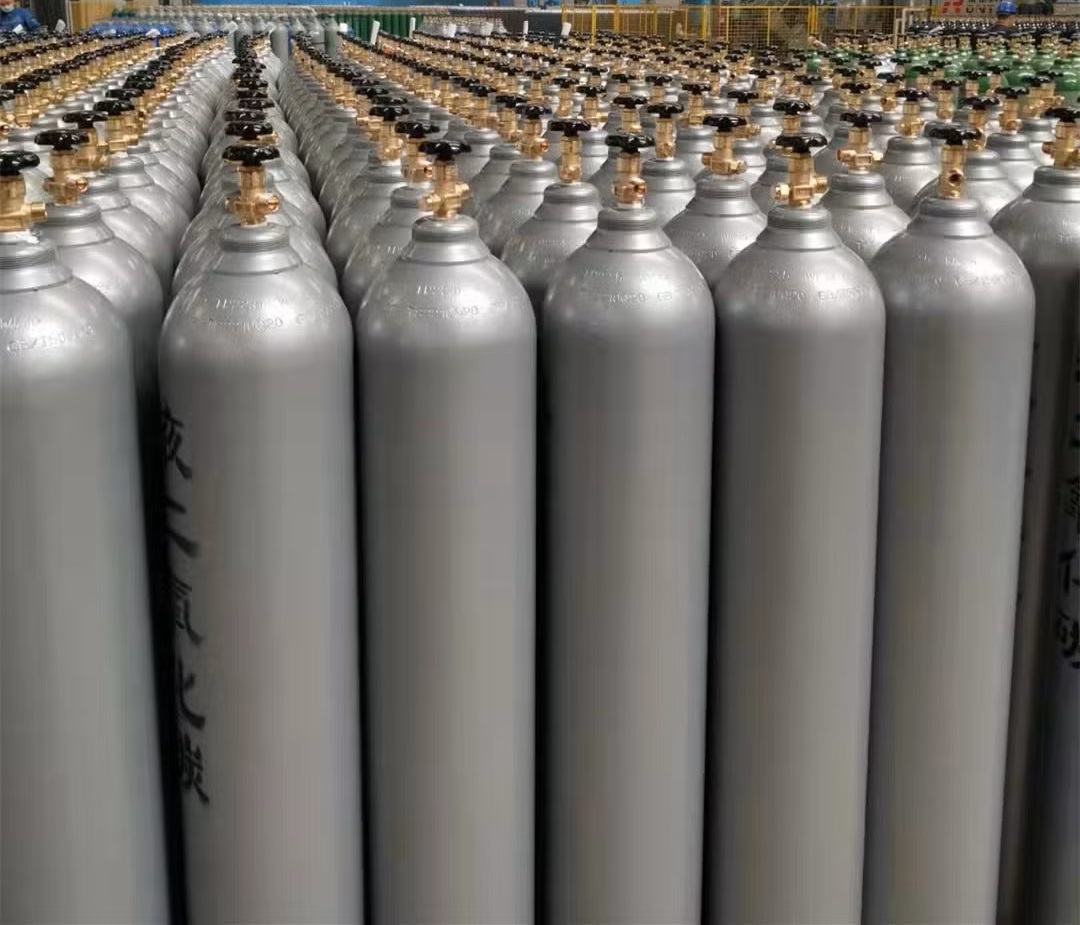
| Container Type | Insulated pressure vessels (cryogenic tanks) or high-pressure cylinders |
| Storage Location | Well-ventilated area, away from heat sources, direct sunlight |
| Incompatible Materials | Strong reducing agents, alkali metals (Na, K), moisture |
| Transport Class | 2.2 (Non-flammable, non-toxic gas) |
| Transport Label | Non-flammable gas |
| ADR Documents | Required for bulk transport (food-grade tankers certified for food transport) |
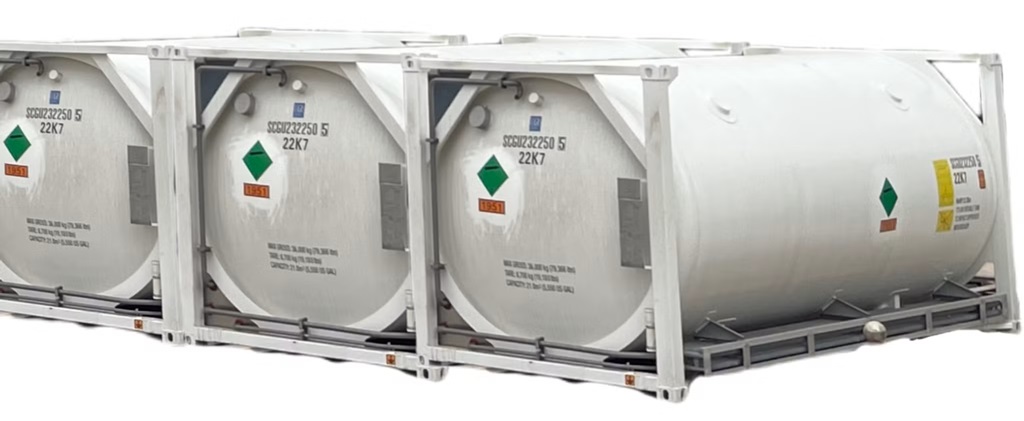
Packaging: Bulk (ISO tank containers, cryogenic tank trucks, high-pressure cylinders)
20. SUMMARY AND CRITICAL INFORMATION
Description: Liquid Carbon Dioxide (Liquid CO₂, E290, CAS 124-38-9) is a colorless, odorless, slightly acidic gas under normal conditions, which is liquefied under pressure (approximately 57 bar at 20°C). It is produced as a co-product from corn fermentation (agricultural origin) and purified to beverage-grade quality meeting ISBT standards. Liquid CO₂ is non-flammable, slightly soluble in water (forming carbonic acid), and is a greenhouse gas when released to the atmosphere.
Key Advantages:
-
High purity (≥99.9%) – suitable for food and beverage applications
-
Renewable source (corn fermentation – biogenic CO₂)
-
GRAS status for food applications (FDA)
-
Approved as E290 (EU and Turkey Food Codex)
-
Non-flammable, low toxicity
-
Versatile applications across multiple industries
-
ISBT beverage-grade quality
Key Limitations/Considerations:
-
Asphyxiation hazard in confined spaces (displaces oxygen)
-
Liquid form causes cryogenic burns (frostbite) on contact
-
Contains gas under pressure – may explode if heated
-
Slightly acidic when dissolved in water (corrosive to some metals with moisture)
-
Greenhouse gas (environmental concerns if released)
Major Applications Summary:
| Sector | Primary Uses |
|---|---|
| Food & Beverage | Carbonation (soft drinks, beer, sparkling water); dry ice; MAP packaging; pH adjustment |
| Medical | Cryotherapy, surgical cooling, respiratory gas |
| Industrial | Welding shielding gas, chemical synthesis, supercritical extraction, fire suppression |
| Environmental | Wastewater neutralization, greenhouse CO₂ enrichment, carbon capture |
Forms of CO₂:
| Form | Conditions | Primary Use |
|---|---|---|
| Gas | 1 atm, >-78.5°C | Carbonation, blanketing, shielding |
| Liquid | 5-60 bar, -56.6°C to 31°C | Transport, storage, carbonation |
| Solid (Dry Ice) | 1 atm, -78.5°C | Refrigeration, dry ice blasting |
Safety Summary:
-
GHS Classification: Gas under pressure (H280), Asphyxiant, Cryogenic hazard (liquid)
-
Non-flammable
-
Low acute toxicity (inhalation LC₅₀ = 200,000 ppm)
-
Primary hazards: Asphyxiation (oxygen displacement), cryogenic burns, pressure hazard
-
Storage: Well-ventilated area, pressure vessels, away from heat sources
-
Transport: Class 2.2 non-flammable gas (UN 2187)
Regulatory Summary:
| Region/Agency | Status |
|---|---|
| FDA (USA) | GRAS for food applications |
| EU | Approved as E290 |
| Turkey (TGK) | Approved as E290 |
| ISBT | Beverage-grade standard |
| ADR | Class 2.2 (non-flammable, non-toxic gas) |
Conclusion: Liquid Carbon Dioxide (E290, CAS 124-38-9) is a safe, effective, and versatile food additive and industrial gas. Its primary use in the food and beverage industry is for carbonation of soft drinks, beer, and sparkling water (providing effervescence and preservation), as well as for dry ice production (refrigeration and transport) and modified atmosphere packaging (shelf-life extension). Produced from renewable corn fermentation with high purity (≥99.9%) and meeting ISBT beverage-grade standards, it is approved globally as a food additive (E290). While safe for its intended uses, proper safety precautions (ventilation, pressure relief, cryogenic protection) are essential to prevent asphyxiation, cold burns, and pressure hazards.