We unleash your business potential by maximize the business innovation.
Send EmailDistillers Dried Grains with Solubles, DDGS
Distillers Dried Grains with Solubles (DDGS)
Product Name: Distillers Dried Grains with Solubles (DDGS)
Synonyms: Dried Distillers Grains, Ethanol Byproduct Feed, Corn DDGS, Wheat DDGS, Protein-Rich Feed Ingredient, Fermentation Residue, Grain Fermentation Solids
HS Code: 2303.30
Origin: USA, Europe, Turkey (imported or locally sourced)
1. PRODUCT IDENTITY
| Parameter | Information |
|---|---|
| Product Name | Distillers Dried Grains with Solubles |
| Short Name | DDGS |
| Source Grains | Corn (maize), Wheat, Barley, Sorghum |
| Common Forms | Corn DDGS (most common), Wheat DDGS |
| Production Process | Ethanol fermentation byproduct |
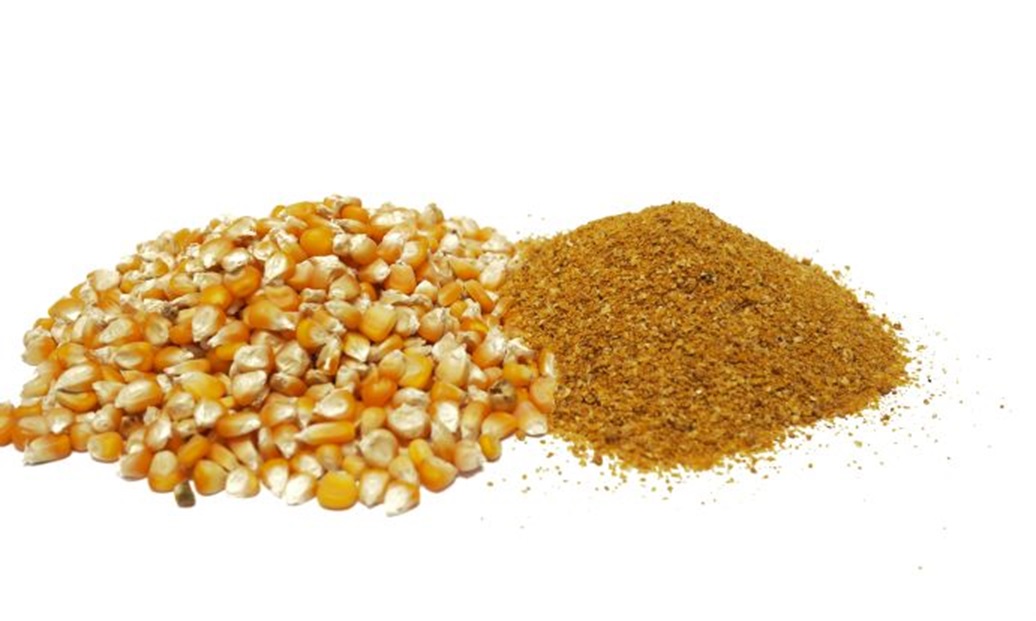
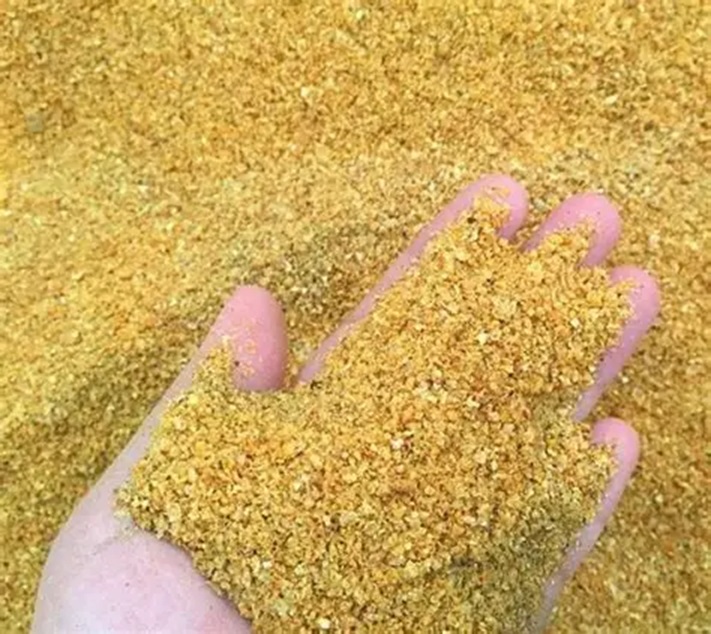
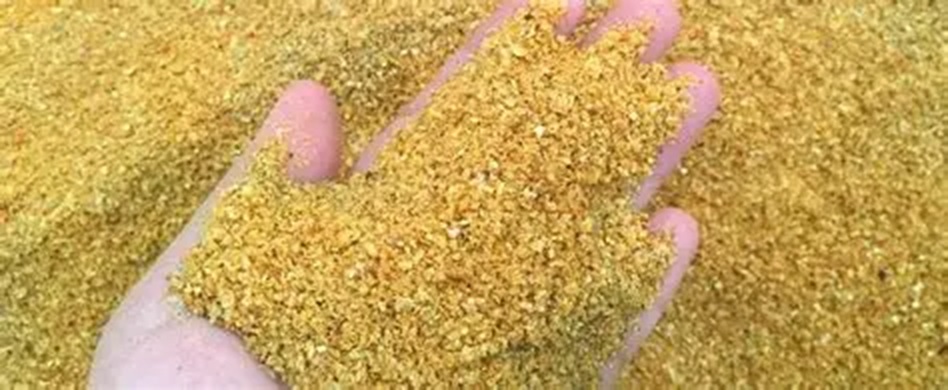
| Physical Form | Granular, free-flowing powder or pellets |
| Color | Golden brown to dark brown |
2. PRODUCTION PROCESS
| Step | Description |
|---|---|
| Step 1 – Fermentation | Grains (corn, wheat, barley) are fermented to produce ethanol |
| Step 2 – Distillation | Ethanol is distilled and removed from the mash |
| Step 3 – Separation | Remaining stillage is separated into wet solids (distillers grains) and thin stillage (solubles) |
| Step 4 – Concentration | Thin stillage is evaporated to produce condensed distillers solubles (CDS) |
| Step 5 – Blending | Wet distillers grains are blended with condensed distillers solubles |
| Step 6 – Drying | The blended mixture is dried to produce DDGS (granular form) |
Key Point: DDGS contains all non-fermentable components of the original grain (protein, fiber, fat, minerals, vitamins) plus soluble nutrients recovered from the thin stillage.
3. TYPICAL NUTRITIONAL COMPOSITION (Corn DDGS – Dry Matter Basis)
| Parameter | Typical Value | Range |
|---|---|---|
| Crude Protein | 26 – 30% | 25-32% |
| Crude Fat (Oil) | 8 – 12% | 7-14% |
| Crude Fiber | 6 – 10% | 5-11% |
| Neutral Detergent Fiber (NDF) | 30 – 40% | 28-45% |
| Acid Detergent Fiber (ADF) | 10 – 15% | 8-18% |
| Moisture | 10 – 12% | 8-14% |
| Ash (Minerals) | 4 – 6% | 3-7% |
| Starch | 3 – 8% | 2-10% |
| Total Digestible Nutrients (TDN) | 80 – 88% | 75-90% |
| Net Energy Lactation (NEL) | 1.9 – 2.1 Mcal/kg | — |
| Metabolizable Energy (ME) | 3.0 – 3.4 Mcal/kg | — |
4. CORN DDGS vs. WHEAT DDGS
| Parameter | Corn DDGS | Wheat DDGS |
|---|---|---|
| Crude Protein | 26-30% | 32-38% |
| Crude Fat | 8-12% | 3-5% |
| Crude Fiber | 6-10% | 7-11% |
| Color | Golden brown | Light to dark brown |
| Primary Use | Dairy, beef, poultry | Poultry, swine, dairy |
| Phosphorus Content | Higher | Moderate |
| Amino Acid Profile | Good (methionine lower) | Better (higher lysine) |
5. AMINO ACID PROFILE (Corn DDGS – % of Crude Protein)
| Amino Acid | Typical Value (% of CP) |
|---|---|
| Lysine | 2.5 – 3.5% |
| Methionine | 1.5 – 2.0% |
| Cystine | 1.5 – 2.0% |
| Threonine | 3.0 – 3.8% |
| Tryptophan | 0.6 – 0.8% |
| Arginine | 4.0 – 5.0% |
| Leucine | 8.0 – 10.0% |
| Isoleucine | 3.0 – 4.0% |
| Valine | 4.0 – 5.0% |
| Histidine | 2.0 – 2.8% |
| Phenylalanine | 4.0 – 5.0% |
6. MINERAL PROFILE (Corn DDGS – Dry Matter Basis)
| Mineral | Typical Value | Range |
|---|---|---|
| Calcium (Ca) | 0.05 – 0.15% | 0.02-0.30% |
| Phosphorus (P) | 0.70 – 0.90% | 0.60-1.00% |
| Magnesium (Mg) | 0.25 – 0.35% | 0.20-0.40% |
| Potassium (K) | 0.80 – 1.20% | 0.60-1.50% |
| Sulfur (S) | 0.30 – 0.60% | 0.20-0.80% |
| Sodium (Na) | 0.10 – 0.20% | 0.05-0.30% |
| Iron (Fe) | 100 – 200 ppm | 50-300 ppm |
| Zinc (Zn) | 50 – 80 ppm | 30-100 ppm |
| Copper (Cu) | 5 – 15 ppm | 3-20 ppm |
| Manganese (Mn) | 15 – 30 ppm | 10-40 ppm |
7. VITAMIN PROFILE (Corn DDGS – Dry Matter Basis)
| Vitamin | Typical Value |
|---|---|
| Vitamin E (Tocopherols) | 40 – 80 ppm |
| Thiamine (B1) | 2 – 5 ppm |
| Riboflavin (B2) | 2 – 5 ppm |
| Niacin (B3) | 30 – 60 ppm |
| Pyridoxine (B6) | 3 – 6 ppm |
| Choline | 1,500 – 2,500 ppm |
| Biotin | 0.1 – 0.3 ppm |
| Folic Acid | 0.5 – 1.5 ppm |
8. PHYSICAL PROPERTIES
| Parameter | Value |
|---|---|
| Physical Form | Granular, free-flowing |
| Color | Golden brown to dark brown |
| Odor | Pleasant, fermented (yeasty, slightly sweet) |
| Bulk Density | 480 – 560 kg/m³ (30-35 lb/ft³) |
| Particle Size | 95% through 4 mm sieve (typical) |
| pH (10% slurry) | 4.0 – 5.0 (slightly acidic) |
| Angle of Repose | 35 – 40 degrees |
9. TYPICAL PRODUCT SPECIFICATIONS (Corn DDGS)
| Parameter | Specification | Test Method |
|---|---|---|
| Crude Protein | Min. 26% | AOAC 990.03 |
| Crude Fat | Min. 8% | AOAC 920.39 |
| Crude Fiber | Max. 10% | AOAC 962.09 |
| Moisture | Max. 12% | AOAC 930.15 |
| Ash | Max. 6% | AOAC 942.05 |
| Aflatoxin (B1+B2+G1+G2) | Max. 20 ppb | HPLC |
| DON (Deoxynivalenol) | Max. 5 ppm | HPLC |
| Zearalenone | Max. 1 ppm | HPLC |
| Ochratoxin A | Max. 0.1 ppm | HPLC |
| Fumonisins | Max. 5 ppm | HPLC |
| Salmonella | Negative / 25g | ISO 6579 |
| E. coli | Negative / 25g | ISO 16649 |
| Enterobacteriaceae | Max. 100 cfu/g | ISO 21528 |
10. QUALITY GRADES
| Grade | Protein (%) | Fat (%) | Fiber (%) | Moisture (%) | Typical Use |
|---|---|---|---|---|---|
| Premium | ≥30% | ≥10% | ≤8% | ≤10% | Dairy, high-performance feeds |
| Standard (Corn DDGS) | 26-30% | 8-10% | 8-10% | 10-12% | General animal feed |
| Wheat DDGS | 32-38% | 3-5% | 7-11% | 10-12% | Poultry, swine |
| Low Fat DDGS | 26-30% | 4-6% | 8-10% | 10-12% | Ruminants (less fat) |
11. APPLICATIONS – CATTLE FEED (Beef and Dairy)
| Animal Type | Inclusion Rate (%) | Benefits |
|---|---|---|
| Dairy Cows (Lactating) | 10 – 20% | Increases milk production; provides protein and energy |
| Dairy Cows (Dry) | 5 – 15% | Maintains body condition |
| Beef Cattle (Finishing) | 20 – 40% | High energy; improves marbling |
| Beef Cattle (Growing) | 10 – 25% | Supports growth and weight gain |
| Calves (Starter) | 5 – 10% | Palatable; supports rumen development |
Key Advantages for Ruminants:
-
High bypass protein (escapes rumen degradation)
-
Good source of digestible fiber
-
High energy density (fat content)
-
Improves milk fat percentage (dairy)
12. APPLICATIONS – POULTRY FEED
| Bird Type | Inclusion Rate (%) | Benefits |
|---|---|---|
| Broilers | 5 – 15% | Supports growth; improves feed conversion |
| Layers | 5 – 12% | Maintains egg production; egg quality |
| Turkeys | 5 – 15% | Protein and energy source |
| Breeders | 5 – 10% | Reproductive performance |
Key Advantages for Poultry:
-
Good source of linoleic acid (from corn oil)
-
Improves egg yolk color (xanthophylls)
-
Contains natural vitamin E
-
Palatable
Limitations for Poultry:
-
Higher fiber content limits inclusion in young birds
-
Variable amino acid digestibility (especially lysine)
13. APPLICATIONS – SWINE FEED
| Pig Type | Inclusion Rate (%) | Benefits |
|---|---|---|
| Nursery Pigs (weaned) | 0 – 10% | Start with low levels |
| Grower Pigs | 10 – 25% | Supports growth; good energy source |
| Finisher Pigs | 15 – 25% | Improves carcass quality |
| Gestating Sows | 20 – 40% | Supports gestation; fiber source |
| Lactating Sows | 10 – 20% | Milk production |
Key Advantages for Swine:
-
Good source of available phosphorus
-
Reduces feed cost (alternative to corn and soybean meal)
-
Fiber supports gut health in sows
Limitations for Swine:
-
Lysine is the first limiting amino acid (may need supplementation)
-
High fiber limits use in nursery pigs
-
Variable quality requires consistent sourcing
14. APPLICATIONS – AQUACULTURE (Fish Feed)
| Fish Species | Inclusion Rate (%) | Benefits |
|---|---|---|
| Tilapia | 10 – 25% | Protein source; cost-effective |
| Catfish | 15 – 30% | Good growth performance |
| Salmon | 5 – 15% | Partial replacement of fishmeal |
| Trout | 5 – 15% | Energy and protein source |
| Carp | 10 – 25% | Acceptable growth |
Key Advantages for Aquaculture:
-
Plant-based protein alternative to fishmeal
-
Good palatability for many species
-
Contains phospholipids and other beneficial compounds
Limitations for Aquaculture:
-
Low methionine and lysine (may require supplementation)
-
High fiber for carnivorous fish
-
Phosphorus content (environmental concerns in effluent)
15. COMPARISON WITH TRADITIONAL FEED INGREDIENTS
| Parameter | Corn DDGS | Corn Grain | Soybean Meal (48%) | Wheat Bran |
|---|---|---|---|---|
| Crude Protein | 26-30% | 8-10% | 46-50% | 15-18% |
| Crude Fat | 8-12% | 3-5% | 1-2% | 3-5% |
| Crude Fiber | 6-10% | 2-3% | 3-5% | 10-15% |
| NEL (Mcal/kg) | 1.9-2.1 | 2.0-2.2 | 1.8-2.0 | 1.5-1.7 |
| Phosphorus (%) | 0.7-0.9 | 0.3-0.4 | 0.6-0.7 | 0.9-1.2 |
| Relative Cost | Low | Medium | High | Low |
Key Finding: DDGS offers a cost-effective alternative to corn and soybean meal, providing both protein and energy.
16. STORAGE AND HANDLING
| Parameter | Requirement |
|---|---|
| Storage Temperature | 10-25°C (cool, dry) |
| Humidity | Low humidity (<70% RH) |
| Storage Duration | 3-6 months (optimum); up to 12 months under ideal conditions |
| Container | Bags, bulk bins, silos (protected from moisture) |
| Ventilation | Good air circulation required |
| Pest Control | Rodent-proof storage; monitor for insects |
| Spoilage Signs | Mold growth, musty odor, caking, color darkening |
| Special Precautions | Do not store for extended periods in high humidity; risk of mycotoxin development |
17. ADVANTAGES AND BENEFITS
| Advantage | Description |
|---|---|
| High Nutritional Value | Rich in protein, energy, fat, fiber, minerals, and vitamins |
| Cost-Effective | Lower cost per unit of protein compared to soybean meal |
| Sustainable | Uses byproduct of ethanol production (circular economy) |
| No Additives | Natural product without preservatives (GMO-free options available) |
| Versatile | Suitable for cattle, poultry, swine, aquaculture, and other livestock |
| Palatable | Pleasant fermented odor; animals accept readily |
| High Bypass Protein (Ruminants) | Protein escapes rumen degradation; improves protein efficiency |
18. LIMITATIONS AND PRECAUTIONS
| Limitation | Precaution |
|---|---|
| Mycotoxin Risk | Regular mycotoxin testing (aflatoxin, DON, zearalenone, fumonisins) required |
| GMO Content | Non-GMO options available; verify with supplier |
| Mold Growth | Store in dry, cool conditions; use within shelf life |
| Variable Quality | Source from reputable suppliers with consistent specifications |
| High Phosphorus | Environmental concerns (excess phosphorus in manure) – balance rations |
| Low Lysine (Poultry/Swine) | Supplement with synthetic lysine or other protein sources |
| Digestibility (Young Animals) | Limit inclusion rates in starter diets |
19. REGULATORY INFORMATION
| Region/Agency | Status |
|---|---|
| FDA (USA) | Approved feed ingredient (21 CFR 573.300) |
| EU (EC) | Approved feed material (Regulation 68/2013) |
| Turkey (TGK) | Approved feed ingredient |
| GMO Labeling | Required in some regions (EU, Turkey for GMO-containing products) |
| Mycotoxin Limits | Vary by region (EU: aflatoxin B1 max. 20 ppb for feed) |
20. SUMMARY AND CRITICAL INFORMATION
Description: Distillers Dried Grains with Solubles (DDGS) is a co-product of the ethanol production industry, produced by drying the remaining grain solids (distillers grains) and solubles (condensed stillage) after fermentation and distillation of corn, wheat, barley, or sorghum. It is a golden-brown, free-flowing granular material rich in protein (26-30% for corn DDGS; 32-38% for wheat DDGS), fat (8-12%), fiber (6-10%), and minerals (especially phosphorus). DDGS is widely used as a cost-effective, sustainable feed ingredient for livestock, poultry, swine, and aquaculture.
Key Advantages:
-
High nutritional value (protein + energy + fiber + minerals + vitamins)
-
Cost-effective alternative to corn and soybean meal
-
Sustainable (uses ethanol production byproduct)
-
No added preservatives (natural product)
-
Highly palatable (animals accept readily)
-
High bypass protein for ruminants
-
Versatile across all major livestock species
Key Limitations/Precautions:
-
Mycotoxin risk (requires regular testing – aflatoxin, DON, zearalenone, fumonisins)
-
GMO content (non-GMO options available; verify with supplier)
-
Variable quality (source from reputable suppliers)
-
High phosphorus content (environmental concerns – balance rations)
-
Low lysine for poultry and swine (may need supplementation)
-
Limited inclusion in young animal starter diets
Major Applications Summary:
| Animal Type | Typical Inclusion Rate | Primary Benefit |
|---|---|---|
| Dairy Cattle | 10-20% | Milk production, bypass protein |
| Beef Cattle | 20-40% | Energy, marbling, weight gain |
| Poultry (Broilers/Layers) | 5-15% | Growth, egg production, yolk color |
| Swine (Grower/Finisher) | 10-25% | Growth, carcass quality |
| Aquaculture | 10-25% | Partial fishmeal replacement |
Comparison to Traditional Feeds:
| Feed | Protein | Fat | Cost |
|---|---|---|---|
| Corn DDGS | 26-30% | 8-12% | Low |
| Corn Grain | 8-10% | 3-5% | Low |
| Soybean Meal | 46-50% | 1-2% | High |
Storage Requirements:
-
Cool, dry conditions (10-25°C, <70% RH)
-
Use within 3-6 months (12 months under ideal conditions)
-
Protect from moisture, rodents, insects
Conclusion: DDGS is a valuable, sustainable, and cost-effective feed ingredient that provides both protein and energy for livestock, poultry, swine, and aquaculture. It is produced as a co-product of ethanol fermentation and offers an excellent alternative to traditional protein sources like soybean meal. While it requires careful quality control (mycotoxin testing, GMO verification) and management (appropriate inclusion rates, lysine supplementation for monogastrics), DDGS remains a widely used and economically attractive feed component worldwide.