We unleash your business potential by maximize the business innovation.
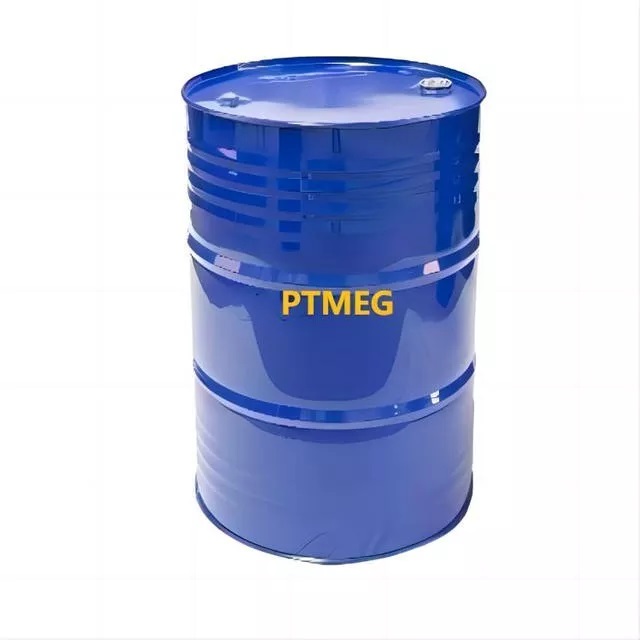
Send EmailPolytetramethylene Ether Glycol, Terathane, Polytetrahydrofuran, Polybutylene Glycol, PolyTHF, PTMEG, PTMG, PTHF, 25190-06-1
Polytetramethylene Ether Glycol (PTMEG)
CAS Number: 25190-06-1
Chemical Formula: (C₄H₈O)ₙ
Molecular Weight: Varies by grade (typically 650, 1000, 1400, 1800, 2000, 3000 g/mol)
EC Number: Polymer (exempt from EC number listing)
Synonyms: Polytetramethylene Glycol, PolyTHF, Terathane, Polybutylene Glycol, Polytetrahydrofuran (PTHF), PTMG, PTMEG, Poly(tetrahydrofuran)
1. CHEMICAL IDENTITY
| Parameter | Information |
|---|---|
| Product Name | Polytetramethylene Ether Glycol |
| IUPAC Name | Poly(oxy-1,4-butanediyl), α-hydro-ω-hydroxy- |
| CAS Number | 25190-06-1 |
| Chemical Formula | (C₄H₈O)ₙ |
| Chemical Class | Polyether Polyol, Dihydroxy-terminated Polymer |
| Synonyms | Polytetramethylene Glycol, PolyTHF, Terathane, Polybutylene Glycol, Polytetrahydrofuran (PTHF), PTMG, PTMEG, Poly(tetrahydrofuran) |
2. PHYSICAL PROPERTIES (Grade Dependent)
| Parameter | PTMEG 650 | PTMEG 1000 | PTMEG 1400 | PTMEG 1800 | PTMEG 2000 | PTMEG 3000 |
|---|---|---|---|---|---|---|
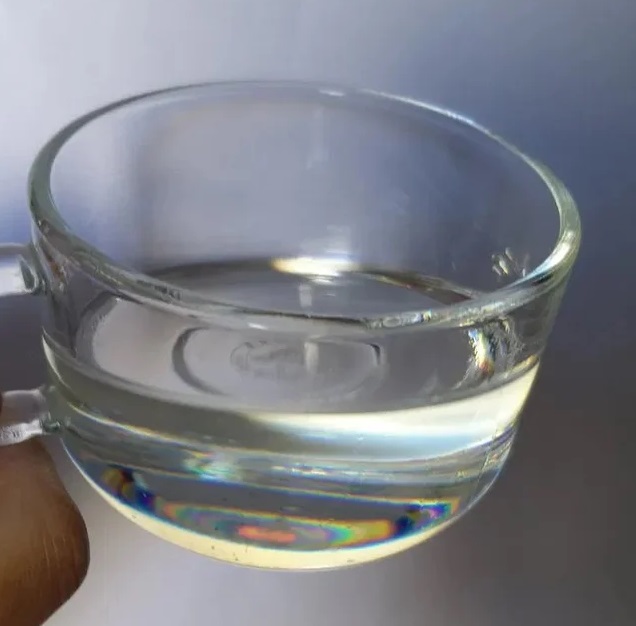
| Physical State (25°C) | Liquid | Liquid/Paste | Paste/Waxy | Waxy Solid | Waxy Solid | Waxy Solid |
| Melting Point (°C) | 10-15 | 15-22 | 22-28 | 25-30 | 28-33 | 32-40 |
| Density (g/cm³, 50°C) | ~0.98 | ~0.98 | ~0.98 | ~0.98 | ~0.98 | ~0.98 |
| Viscosity (mPa·s, 50°C) | 100-200 | 300-500 | 600-900 | 1000-1500 | 1500-2200 | 2500-4000 |
| Hydroxyl Value (mg KOH/g) | 160-180 | 106-118 | 78-85 | 60-66 | 54-60 | 36-42 |
| Color (APHA) | <50 | <50 | <50 | <50 | <50 | <50 |
| Water Content (%) | <0.05 | <0.05 | <0.05 | <0.05 | <0.05 | <0.05 |
3. THERMODYNAMIC PROPERTIES
| Parameter | Value |
|---|---|
| Glass Transition Temperature (Tg) | -85°C to -75°C (depending on molecular weight) |
| Thermal Decomposition Onset | >250°C |
| Specific Heat Capacity | ~1.8 J/g·K |
| Thermal Conductivity | ~0.18 W/m·K |
| Flash Point | >200°C (closed cup) |
4. SOLUBILITY PROPERTIES
| Solvent | Solubility (20°C) |
|---|---|
| Water | Slightly soluble (~0.2 g/100 mL, depends on molecular weight) |
| Ethanol | Soluble (especially lower molecular weight grades) |
| Acetone | Soluble |
| Tetrahydrofuran (THF) | Soluble |
| Toluene | Soluble (warm) |
| Esters | Soluble |
| Chlorinated Solvents | Soluble |
| Aliphatic Hydrocarbons | Insoluble |
5. PRODUCTION PROCESS
| Step | Description |
|---|---|
| Starting Material | Tetrahydrofuran (THF) |
| Polymerization Type | Cationic ring-opening polymerization |
| Catalysts | Strong acid catalysts (e.g., BF₃, triflic acid, fluorosulfonic acid, heteropolyacids) |
| Reaction Conditions | Controlled temperature (0-50°C), inert atmosphere (nitrogen or argon) |
| Chain Termination | Water or alcohol (to control molecular weight and introduce terminal hydroxyl groups) |
| Purification | Vacuum distillation, solvent extraction, or ion exchange |
| Key Reaction | n THF → HO-[-CH₂CH₂CH₂CH₂O-]ₙ-H (PTMEG) |
Note: The molecular weight is controlled by the water content in the reaction mixture. Higher water content produces lower molecular weight PTMEG.
6. GRADE SPECIFICATIONS AND TYPICAL VALUES
| Grade | Molecular Weight (Mn) | Hydroxyl Value (mg KOH/g) | Functionality | Melting Point (°C) |
|---|---|---|---|---|
| PTMEG 650 | ~650 | 160-180 | ~2 | 10-15 |
| PTMEG 850 | ~850 | 130-140 | ~2 | 15-20 |
| PTMEG 1000 | ~1000 | 106-118 | ~2 | 15-22 |
| PTMEG 1400 | ~1400 | 78-85 | ~2 | 22-28 |
| PTMEG 1800 | ~1800 | 60-66 | ~2 | 25-30 |
| PTMEG 2000 | ~2000 | 54-60 | ~2 | 28-33 |
| PTMEG 3000 | ~3000 | 36-42 | ~2 | 32-40 |
7. FUNCTIONAL PROPERTIES
| Property | Description |
|---|---|
| Diol Functionality | Two terminal primary hydroxyl groups available for polyurethane reactions |
| High Elasticity | Provides excellent elastic recovery to polyurethane products |
| Low Glass Transition Temperature | Maintains flexibility at low temperatures (down to -75°C) |
| Hydrolytic Stability | Resistant to hydrolysis (ether linkage is stable) |
| Good Chemical Resistance | Resistant to oils, fuels, and many solvents |
| Abrasion Resistance | Excellent wear resistance in polyurethane formulations |
| Low Temperature Flexibility | Superior performance in cold environments |
| Bacterial Resistance | Resistant to microbial attack |
8. APPLICATIONS - TEXTILE AND FIBER INDUSTRY
| Application | Description |
|---|---|
| Spandex (Elastane) Fibers | PTMEG is the primary polyol component in spandex production. Provides high elasticity, recovery, and durability to stretch fabrics. Used in sportswear, swimwear, activewear, hosiery, and medical compression garments. |
| Elastic Fibers | Enables production of highly elastic synthetic fibers for specialized textile applications |
9. APPLICATIONS - POLYURETHANE ELASTOMERS
| Application | Description |
|---|---|
| Thermoplastic Polyurethanes (TPU) | Used in injection molding, extrusion, and blow molding. Applications include: shoe soles, ski boots, wheels, casters, industrial rollers, seals, gaskets, hoses, and tubing |
| Cast Polyurethane Elastomers | High-performance elastomers for industrial parts, mining screens, liners, and rollers |
| Millable Polyurethanes | For custom molded parts requiring high abrasion resistance |
| Coatings and Sealants | Flexible, durable polyurethane coatings and sealants |
10. APPLICATIONS - ADHESIVES AND BINDERS
| Application | Description |
|---|---|
| Polyurethane Adhesives | Flexible, high-strength adhesives for automotive, construction, and footwear industries |
| Binders for Composite Materials | Binders for wood composites, fiberboard, and other engineered materials |
| Laminating Adhesives | For flexible packaging and multilayer films |
11. APPLICATIONS - OTHER INDUSTRIES
| Industry | Application |
|---|---|
| Automotive | Suspension bushings, vibration dampers, seals, gaskets, interior components |
| Electronics | Cable jacketing, wire insulation, flexible circuit board coatings |
| Medical | Catheters, medical tubing, wound dressings, implantable devices (biocompatible grades) |
| Sports Equipment | Skateboard wheels, inline skate wheels, bicycle tires, shoe soles, protective gear |
| Footwear | Shoe soles, insoles, midsoles, heel components |
| Industrial | Conveyor belts, industrial rollers, mining screens, pump housings |
| Construction | Seals, gaskets, expansion joints, waterproofing membranes |
12. PTMEG IN SPANDEX PRODUCTION
| Parameter | Value |
|---|---|
| Typical PTMEG Grade | PTMEG 1800 or PTMEG 2000 |
| Reaction Partners | MDI (Methylene Diphenyl Diisocyanate) and chain extender |
| Spandex Properties | High elongation (400-700%), excellent recovery (>95%), good tenacity |
| Typical Applications | Swimwear, sportswear, hosiery, medical compression garments, stretch denim |
Reaction Overview:
PTMEG + MDI → Prepolymer + Chain Extender (Diamine/Glycol) → Spandex Polymer
13. COMPARISON WITH OTHER POLYOLS
| Property | PTMEG | PPG (Polypropylene Glycol) | PCL (Polycaprolactone Diol) | Polyester Polyol |
|---|---|---|---|---|
| Hydrolytic Stability | Excellent | Good | Good | Poor |
| Low Temperature Flexibility | Excellent | Good | Very Good | Poor |
| Abrasion Resistance | Excellent | Moderate | Very Good | Good |
| Tensile Strength | Very High | Moderate | High | High |
| Cost | High | Low | Very High | Moderate |
| Oil/Fuel Resistance | Good | Poor | Good | Very Good |
| Microbial Resistance | Excellent | Good | Moderate | Poor |
| Primary Use | High-performance PU | General PU | Biodegradable PU | Coatings, foams |
14. COMMERCIAL BRANDS AND SUPPLIERS
| Brand Name | Manufacturer | Typical Grades |
|---|---|---|
| Terathane® | Invista (formerly DuPont) | 650, 1000, 1400, 1800, 2000, 2900 |
| PolyTHF® | BASF | 650, 1000, 1800, 2000 |
| PTMEG | Mitsubishi Chemical | 650, 1000, 1400, 1800, 2000, 3000 |
| PTMG | Hyosung | Various grades |
| PTMEG | Dairen Chemical (DCC) | Various grades |
| PTMEG | Shanxi Sanwei Group | Various grades |
15. SAFETY AND TOXICOLOGICAL PROFILE
| Parameter | Value |
|---|---|
| Acute oral toxicity (rat, LD₅₀) | >5,000 mg/kg (low toxicity) |
| Acute dermal toxicity (rabbit, LD₅₀) | >2,000 mg/kg |
| Skin irritation | Non-irritating to mildly irritating |
| Eye irritation | Mildly irritating |
| Skin sensitization | Not a sensitizer |
| Carcinogenicity | Not classified as carcinogenic |
| Genotoxicity | Negative |
| Inhalation | Low hazard (low vapor pressure) |
GHS Classification: Not classified as hazardous under normal conditions of use (molten material may cause thermal burns).
Important Note: PTMEG has low acute toxicity and is considered safe for industrial handling with standard chemical hygiene practices.
16. POTENTIAL HEALTH EFFECTS
| Route of Exposure | Effect |
|---|---|
| Inhalation | Negligible under normal conditions (low vapor pressure). Heated material may generate vapors or mists. |
| Skin Contact | May cause mild irritation. Molten material (heated above melting point) can cause thermal burns. |
| Eye Contact | May cause mild irritation. Molten material can cause thermal burns. |
| Ingestion | Low oral toxicity. Large amounts may cause gastrointestinal discomfort. |
| Chronic Exposure | No significant adverse effects reported at typical industrial exposure levels. |
17. FIRST AID MEASURES
| Exposure | First Aid Procedure |
|---|---|
| Inhalation | Remove to fresh air. If symptoms develop, seek medical attention. |
| Skin Contact | Wash with soap and water. For molten material burns, cool burned area with cold water immediately. Seek medical attention for thermal burns. |
| Eye Contact | Rinse with plenty of water for at least 15 minutes. Seek medical attention if irritation persists. |
| Ingestion | Do NOT induce vomiting. Rinse mouth. Seek medical attention if large amount ingested. |
18. FIRE FIGHTING MEASURES
| Parameter | Information |
|---|---|
| Flash Point | >200°C (>392°F) (closed cup) |
| Autoignition Temperature | >300°C |
| Suitable Extinguishing Media | Dry chemical powder, CO₂, alcohol-resistant foam, water fog |
| Unsuitable Extinguishing Media | High-pressure water jet |
| Firefighter PPE | Full protective clothing with positive pressure SCBA |
| Combustion Products | Carbon monoxide (CO), carbon dioxide (CO₂), acrolein, other organic compounds |
| Special Hazard | Molten material may spread fire |
19. STORAGE AND HANDLING
| Parameter | Requirement |
|---|---|
| Storage Temperature | 50-70°C (to maintain liquid state for pumping) or below 20°C (solid state) |
| Container Material | Stainless steel (316), carbon steel with inert coating, HDPE |
| Incompatible Materials | Strong oxidizing agents, strong acids, isocyanates (before controlled reaction) |
| Protection | Keep away from moisture; protect from direct sunlight |
| Ventilation | Store in well-ventilated area |
| Container Closure | Tightly closed (hygroscopic to some extent) |
| Shelf Life | 12-24 months under proper storage (with antioxidant) |
| Special Precautions | Use inert gas (nitrogen) blanketing for long-term storage to prevent oxidation |
Handling Notes:
-
PTMEG is hygroscopic; avoid moisture pickup
-
Heating required for pumping of higher molecular weight grades
-
Thermal stability is good, but avoid prolonged heating above 120°C
20. SUMMARY AND CRITICAL INFORMATION
Description: Polytetramethylene Ether Glycol (PTMEG, CAS 25190-06-1) is a linear, dihydroxy-terminated polyether polyol produced by the cationic ring-opening polymerization of tetrahydrofuran (THF). It is a waxy solid or viscous liquid depending on molecular weight and temperature. PTMEG is valued for its excellent elasticity, hydrolytic stability, low glass transition temperature, and abrasion resistance.
Key Advantages:
-
Excellent elastic recovery (spandex, elastomers)
-
Superior hydrolytic stability (ether linkage resistant to water)
-
Very low glass transition temperature (-85°C to -75°C)
-
Outstanding abrasion resistance
-
Good low-temperature flexibility
-
High tensile strength in polyurethane formulations
-
Microbial resistance
-
Consistent diol functionality for polyurethane reactions
Key Limitations/Considerations:
-
Higher cost compared to PPG (polypropylene glycol)
-
Requires heating for handling (higher molecular weight grades)
-
Hygroscopic (must be protected from moisture)
-
Limited solubility in water
-
Crystalline structure affects processing
Available Grades and Typical Applications:
| Grade | Primary Applications |
|---|---|
| PTMEG 650 | Adhesives, sealants, coatings |
| PTMEG 1000 | TPU, elastomers, adhesives |
| PTMEG 1400 | Cast elastomers, TPU, adhesives |
| PTMEG 1800 | Spandex fibers, high-performance TPU |
| PTMEG 2000 | Spandex fibers, high-performance elastomers |
| PTMEG 3000 | Soft elastomers, specialty applications |
Market Leadership:
| Application | Market Share |
|---|---|
| Spandex/Elastane Fibers | 45-50% of PTMEG consumption |
| TPU (Thermoplastic Polyurethane) | 30-35% of PTMEG consumption |
| Cast Elastomers and Adhesives | 15-20% of PTMEG consumption |
| Other (Coatings, Medical, etc.) | 5-10% of PTMEG consumption |
Safety Assessment:
-
Low acute toxicity (LD₅₀ >5,000 mg/kg)
-
Not classified as hazardous under normal conditions
-
Main hazards: thermal burns from molten material, mild skin/eye irritation
-
Industrial chemical with established safe handling protocols
Conclusion: PTMEG is a high-performance polyether polyol essential for producing premium polyurethane products requiring exceptional elasticity, hydrolytic stability, and low-temperature flexibility. Its primary applications are in spandex fibers (textile industry), thermoplastic polyurethanes (TPU), and cast elastomers. While more expensive than conventional polyols like PPG, PTMEG's superior properties make it the material of choice for demanding applications in textiles, automotive, footwear, medical, and industrial sectors.