We unleash your business potential by maximize the business innovation.
Send EmailPotassium Hydroxide, Caustic Potash, Potash Lye, Potassium Hydrate, Potassium Hydroxyl, E525, 1310-58-3
POTASSIUM HYDROXIDE (E525 - KOH)
PRODUCT IDENTIFICATION INFORMATION
| Parameter | Information |
|---|---|
| Product Name | Potassium Hydroxide |
| Chemical Name | Potassium Hydroxide (Caustic Potash) |
| Synonyms (Turkish) | Potas Kostik, Kostik Potas, Potasyum Kostik, Potasyum Hidrat, Potasyum İye, Potassa, Potasyum Oksidanid, Potasyum Hidroksil |
| Synonyms (English) | Potassium Hydroxide, Caustic Potash, Potash Lye, Potassium Hydrate, Potassium Hydroxyl |
| E Number | E525 |
| CAS Number | 1310-58-3 |
| EC Number | 215-181-3 |
| Molecular Formula | KOH |
| Molecular Weight | 56.11 g/mol |
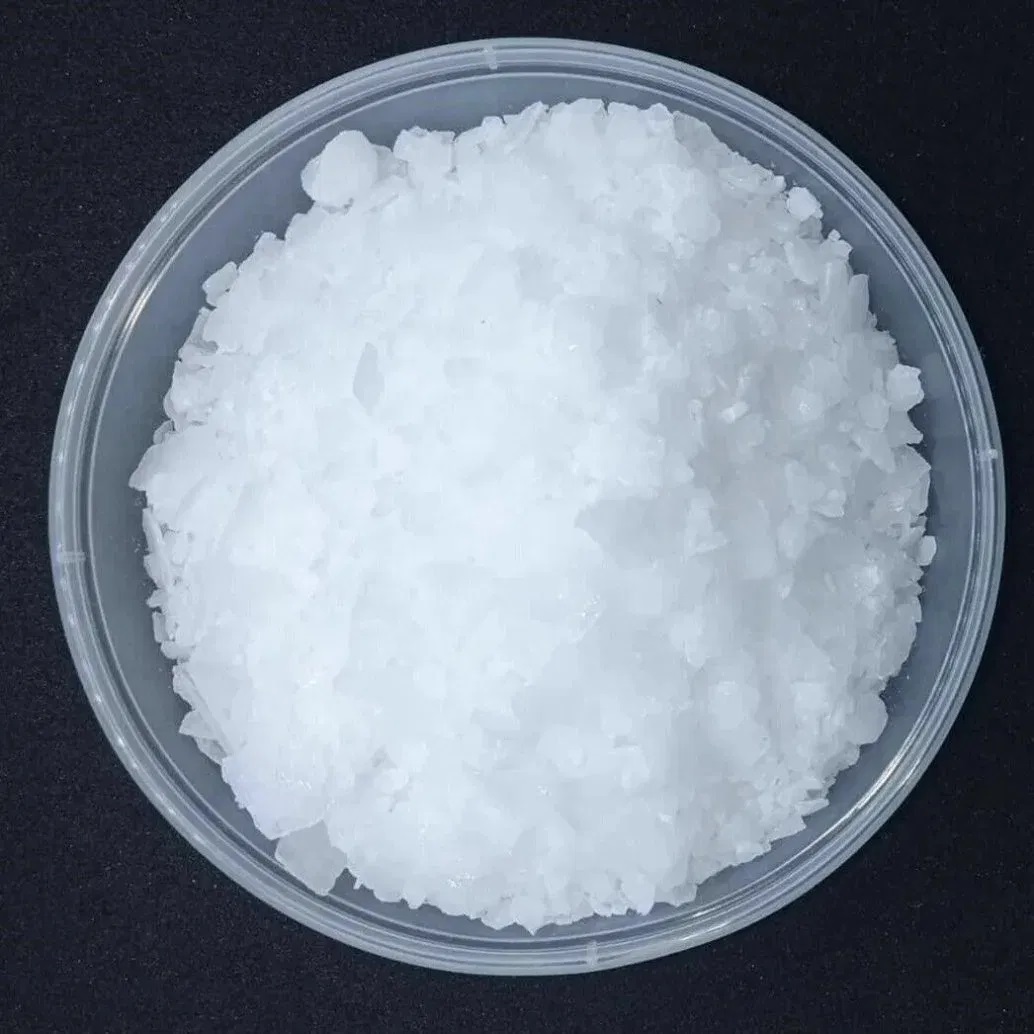
| Appearance | White or slightly yellow, solid – pellet, flake, or granule form |
| Odor | Odorless |
CHEMICAL STRUCTURE
Potassium Hydroxide Structure:
K⁺ [OH]⁻
Structure Description:
-
Ionic compound consisting of potassium cation (K⁺) and hydroxyl anion (OH⁻).
-
Strongly basic in nature.
-
Completely ionizes in water to form K⁺ and OH⁻ ions.
-
Exhibits strong alkaline properties.
SECTION 1: CHEMICAL IDENTITY AND DESCRIPTION
| Parameter | Information |
|---|---|
| Product Name | Potassium Hydroxide |
| Chemical Name | Potassium Hydroxide (Caustic Potash) |
| Synonyms (Turkish) | Potas Kostik, Kostik Potas, Potasyum Kostik, Potasyum Hidrat, Potasyum İye, Potassa, Potasyum Oksidanid, Potasyum Hidroksil |
| Synonyms (English) | Potassium Hydroxide, Caustic Potash, Potash Lye, Potassium Hydrate, Potassium Hydroxyl |
| E Number | E525 |
| CAS Number | 1310-58-3 |
| EC Number | 215-181-3 |
| REACH Registration No | 01-2119487136-33-xxxx |
| Molecular Formula | KOH |
| Molecular Weight | 56.11 g/mol |
| Chemical Class | Inorganic base; Alkali hydroxide; Food additive |
| Source | Synthetic (electrolysis of potassium chloride or treatment of potassium carbonate with lime) |
| Physical State (20°C) | Solid (pellet, flake, or granule) |
| Odor | Odorless |
| Color | White or slightly yellow |
| Taste | Caustic, burning taste (should not be consumed) |
SECTION 2: PHYSICAL AND CHEMICAL PROPERTIES
| Property | Value | Test Method / Note |
|---|---|---|
| Appearance | White or slightly yellow, solid – pellet, flake, or granule | Visual |
| Odor | Odorless | Olfactometric |
| Molecular Weight | 56.11 g/mol | Calculated |
| Density (20°C) | 2.04 g/cm³ | ASTM D4052 |
| Melting Point | 360°C | DSC |
| Boiling Point | 1324°C | – |
| Flash Point | Non-flammable | – |
| Solubility in Water (25°C) | 110 g / 100 mL water (high solubility) | General Method |
| Solubility in Ethanol | Soluble | General Method |
| Solubility in Methanol | Soluble | General Method |
| Solubility in Glycerin | Soluble | General Method |
| Solubility in Ether | Slightly soluble | General Method |
| Solubility in Polar Solvents | High solubility | – |
| pH (1% Solution) | ~13.5 (highly alkaline) | pH Meter |
| Vapor Pressure (20°C) | Negligible | – |
| Stability | Stable; Reacts with CO₂ and moisture | – |
| Corrosivity | High – corrosive | – |
| Hygroscopicity | High (absorbs moisture from air) | – |
| Heavy Metals (as Pb) | ≤ 5 ppm | AAS / ICP |
| Arsenic (As) | ≤ 2 ppm | AAS / ICP |
| Lead (Pb) | ≤ 2 ppm | AAS / ICP |
| Mercury (Hg) | ≤ 1 ppm | AAS / ICP |
| Cadmium (Cd) | ≤ 1 ppm | AAS / ICP |
| Purity (KOH) | ≥ 85% – 99% (grade dependent) | Titrimetric |
| Potassium Carbonate (K₂CO₃) | ≤ 2.0% | Titrimetric |
| Chloride (Cl) | ≤ 0.01% | Titrimetric |
| Sulfate (SO₄) | ≤ 0.01% | Titrimetric |
| Iron (Fe) | ≤ 0.001% | AAS / ICP |
SECTION 3: KOH (E525) vs OTHER ALKALIS
| Property | Potassium Hydroxide (KOH) | Sodium Hydroxide (NaOH) | Calcium Hydroxide (Ca(OH)₂) | Ammonium Hydroxide (NH₄OH) |
|---|---|---|---|---|
| CAS Number | 1310-58-3 | 1310-73-2 | 1305-62-0 | 1336-21-6 |
| Molecular Weight | 56.11 g/mol | 40.00 g/mol | 74.09 g/mol | 35.05 g/mol |
| Solubility in Water | Very high (110 g/100 mL) | High (111 g/100 mL) | Low (0.185 g/100 mL) | High (liquid) |
| pH (1% Solution) | ~13.5 | ~13.5 | ~12.4 | ~11.5 |
| Melting Point | 360°C | 318°C | 580°C (decomposes) | – (liquid) |
| Corrosivity | Very high | Very high | Moderate | Low |
| Hygroscopicity | High | High | Low | – |
| Application Area | Versatile | Versatile | Construction, agriculture | Cleaning, fertilizer |
| E Code | E525 | E524 | E526 | – |
| Food Use | Yes (E525) | Yes (E524) | Yes (E526) | No |
| Cost | Medium-High | Low-Medium | Low | Low |
SECTION 4: MECHANISM OF ACTION
| Property | Description |
|---|---|
| Basicity / Neutralization | Acts as a strong base to neutralize acids; Forms salt and water; Functions as a pH regulator. |
| Saponification | Reacts with fats and fatty acids to form soap (potassium salts); Provides emulsification. |
| Hydrolysis | Hydrolyzes esters and amides; Breaks down organic molecules. |
| pH Regulation | Neutralizes acidic solutions; Achieves desired pH level; Exhibits buffering properties. |
| Catalytic Effect | Acts as a catalyst in transesterification reactions; Alkali catalyst in biodiesel production. |
| CO₂ Absorption | Reacts with carbon dioxide to form potassium carbonate; Used as a CO₂ absorbent. |
SECTION 5: PRODUCTION PROCESS
Method 1: Electrolysis of Potassium Chloride (Membrane Cell Method)
Reaction: 2KCl + 2H₂O → 2KOH + H₂ + Cl₂
Description: Aqueous solution of potassium chloride (KCl) is electrolyzed; Membrane cell technology is used; KOH and hydrogen gas are formed at the cathode; Chlorine gas is formed at the anode; High-purity KOH solution is obtained; Solid KOH is produced by concentration and crystallization.
Method 2: Treatment of Potassium Carbonate with Lime
Reaction: K₂CO₃ + Ca(OH)₂ → 2KOH + CaCO₃
Description: Potassium carbonate (K₂CO₃) is reacted with calcium hydroxide (slaked lime); Calcium carbonate precipitate is separated; KOH solution is concentrated; Solid KOH is produced by crystallization.
SECTION 6: FUNCTIONAL PROPERTIES
| Property | Description |
|---|---|
| pH Regulator (Food) | Adjusts pH level in foods; Neutralizes acidity; Achieves desired acidity level; Functions as a stabilizer. |
| Thickening Agent | Used as a consistency enhancer in food products; Exhibits texture-improving properties. |
| Catalyst | Acts as a catalyst in chemical reactions; Increases reaction rate; Improves yield. |
| Cleaning Agent | Grease-dissolving and cleaning properties; Used in industrial equipment cleaning; Degreases metal surfaces. |
| Saponifying Agent | Forms soap with fatty acids; Used in emulsion systems. |
| CO₂ Absorbent | Absorbs carbon dioxide; Used as a CO₂ absorbent in anesthesia systems. |
| Neutralizing Agent | Neutralizes acidic wastewater; Used in neutralization processes in chemical production. |
SECTION 7: MAIN APPLICATION AREAS
| Industry / Sector | Function | Typical Use |
|---|---|---|
| Food Industry (E525) | pH regulator, thickener, stabilizer | Chocolate, cocoa products, confectionery, jellies, jams, marmalades, fruit and vegetable processing; Food-grade KOH is mandatory. |
| Chemical Industry | Raw material, catalyst | Production of potassium compounds (K₂CO₃, K₂SO₄, KMnO₄, KCl, KIO₃, etc.), neutralizing agent, catalyst. |
| Cosmetics Industry | pH buffer, emollient | Perfumes, hair sprays, hair dyes, shaving products, skin care products, shampoos; pH adjuster. |
| Cleaning Products | Degreaser, cleaner | Industrial equipment cleaning, drain openers, surface cleaners, metal surface degreasing; 25-36% concentration in liquid form. |
| Hairdressing | pH control | Perm treatments, hair styling products; Neutralizer; 0.1-5.0% range. |
| Biodiesel Production | Alkali catalyst | High-efficiency catalyst in transesterification reactions; Conversion of fatty acids to methyl esters. |
| Agriculture | Soil pH regulation, potassium source | Soil pH adjustment; Humic acid production (reaction with Leonardite); Production of potassium fertilizers. |
| Construction & Insulation | Catalyst | Production of phenol-formaldehyde resins; Catalyst in mineral wool production; Polyurethane production. |
| Battery Manufacturing | Electrolyte | Electrolyte in alkaline batteries; Up to 35% concentration; In Ni-Cd and Ni-MH batteries. |
| Surface Treatment & Metallurgy | Surface cleaner | Metal surface cleaning, degreasing; Chromium ore processing; Aluminum/steel surface preparation. |
| Polymer & Composites | Saponifier, catalyst | Polypropylene recycling; Polyurethane recycling; Rubber adhesive production. |
| Pharmaceutical & Medical | CO₂ absorber, sample preparer | Wart treatment (dermatology); Fungal microscopy sample preparation; CO₂ absorbent in anesthesia systems; Gel formulations. |
| Adhesives | pH regulator | pH adjustment in water-based adhesives; Rubber bonding processes. |
| Process Regulation | pH and reaction control | pH stabilization in industrial processes; Buffering purposes; Reaction control. |
SECTION 8: SAMPLE FORMULATIONS
Food-Grade pH Regulator Solution (1% Solution):
| Component | Amount |
|---|---|
| Potassium Hydroxide (E525 - Food Grade) | 1 g |
| Purified Water (Deionized) | 100 mL |
| Instructions: Slowly dissolve KOH in water (caution: exothermic reaction); Add with cooling; Ready-to-use pH regulator for food production. |
Cosmetic pH Buffer (0.1% Solution):
| Component | Amount |
|---|---|
| Potassium Hydroxide (Cosmetic Grade) | 0.1 g |
| Purified Water (Deionized) | 100 mL |
| Instructions: Slowly dissolve KOH in water; Use for pH adjustment in cosmetic formulations. |
SECTION 9: QUALITY SPECIFICATIONS
| Parameter | Food Grade (E525) | Pharmaceutical Grade | Industrial Grade | Test Method |
|---|---|---|---|---|
| Appearance | White or slightly yellow solid | White solid | White/yellow solid | Visual |
| Purity (KOH) | ≥ 90.0% | ≥ 99.0% | ≥ 85.0% | Titrimetric |
| Potassium Carbonate (K₂CO₃) | ≤ 2.0% | ≤ 1.0% | ≤ 3.0% | Titrimetric |
| Chloride (Cl) | ≤ 0.01% | ≤ 0.005% | ≤ 0.05% | Titrimetric |
| Sulfate (SO₄) | ≤ 0.01% | ≤ 0.005% | ≤ 0.05% | Gravimetric |
| Heavy Metals (as Pb) | ≤ 5 ppm | ≤ 5 ppm | ≤ 10 ppm | AAS / ICP |
| Arsenic (As) | ≤ 2 ppm | ≤ 1 ppm | – | AAS / ICP |
| Lead (Pb) | ≤ 2 ppm | ≤ 1 ppm | ≤ 5 ppm | AAS / ICP |
| Mercury (Hg) | ≤ 1 ppm | ≤ 0.5 ppm | – | AAS / ICP |
| Cadmium (Cd) | ≤ 1 ppm | ≤ 0.5 ppm | – | AAS / ICP |
| Iron (Fe) | ≤ 0.001% | ≤ 0.0005% | ≤ 0.005% | AAS / ICP |
| Residual Solvents | Monitored | Monitored | – | GC |
| Particle Size | Customer requirement | Customer requirement | Customer requirement | Sieve |
SECTION 10: TOXICOLOGICAL PROFILE
| Parameter | Value |
|---|---|
| Acute Oral Toxicity (LD50, Rat) | ~ 273 mg/kg (high toxicity - corrosive) |
| Acute Dermal Toxicity | Corrosive; Severe skin burns |
| Skin Irritation | Corrosive (Category 1A/1B/1C) |
| Eye Irritation | Serious eye damage (Category 1) |
| Chronic Toxicity | Systemic effects at high doses; Metabolic alkalosis |
| Carcinogenicity | Not classified (non-carcinogenic) |
| Mutagenicity | Not mutagenic |
| Reproductive Toxicity | No specific reproductive toxicity |
| Allergenicity | Low allergic reaction risk; Corrosive effect predominates |
| Acceptable Daily Intake (ADI) | Not established (leaves no residue, processing aid) |
| Special Toxicity Note | Highly corrosive properties; Avoid contact with skin and eyes; Inhalation causes severe respiratory tract damage; Ingestion causes severe internal burns; Exothermic reaction when dissolved in water; Used as a processing aid in food, leaves no residue. |
SECTION 11: GHS CLASSIFICATION AND LABELING
GHS Classification (in accordance with CLP and UN GHS):
| Hazard Class | Category | H-Statement |
|---|---|---|
| Skin Corrosion/Irritation | Category 1A | H314 |
| Serious Eye Damage | Category 1 | H318 |
| Corrosive to Metals | Category 1 | H290 |
| Acute Toxicity (Oral) | Category 4 | H302 |
| Specific Target Organ Toxicity (Single) | Category 3 | H335 |
Signal Word: DANGER
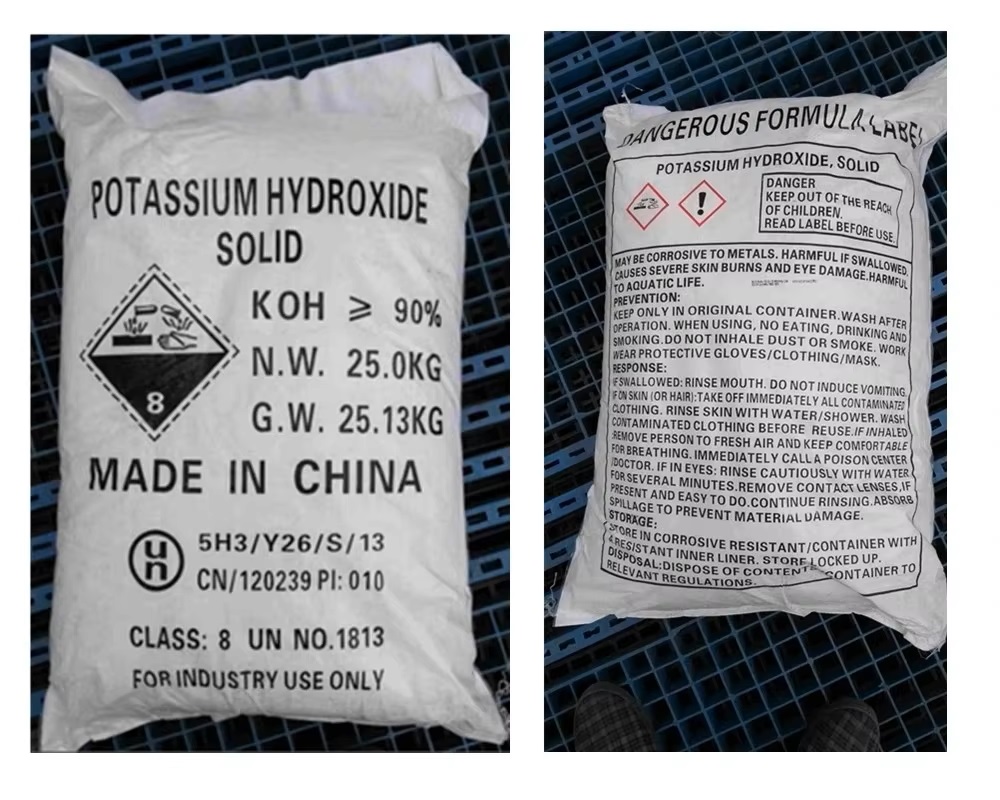
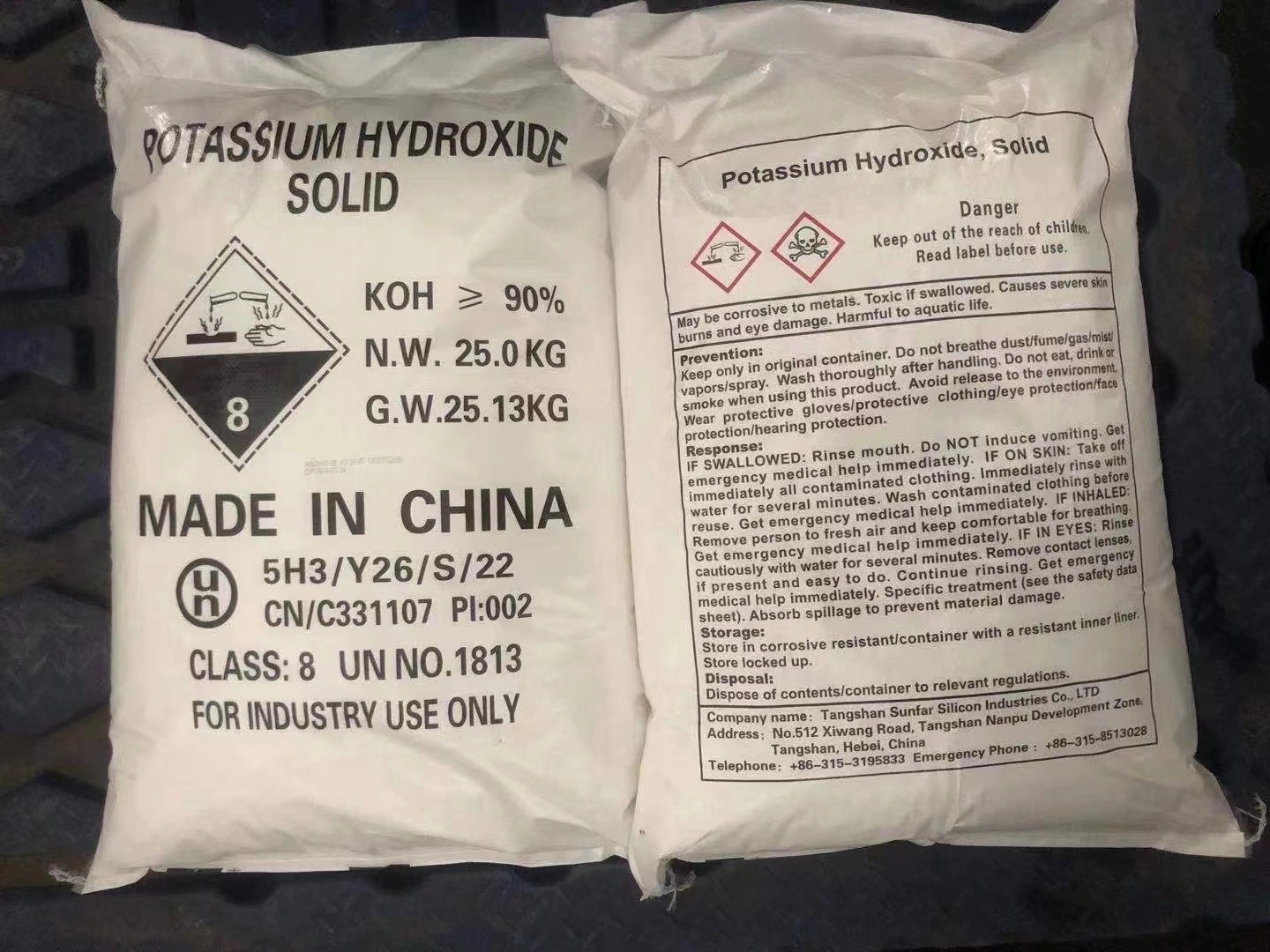
Hazard Pictograms: GHS05 (Corrosive), GHS07 (Exclamation Mark)
Hazard Statements (H-Codes):
| Code | Statement |
|---|---|
| H290 | May be corrosive to metals |
| H302 | Harmful if swallowed |
| H314 | Causes severe skin burns and eye damage |
| H318 | Causes serious eye damage |
| H335 | May cause respiratory irritation |
NFPA 704 Hazard Classification:
| Health | Flammability | Reactivity | Special |
|---|---|---|---|
| 3 | 0 | 1 | ALK |
| (Serious health hazard - corrosive) | (Non-flammable) | (Stable) | (Alkali) |
SECTION 12: PRECAUTIONARY STATEMENTS (P-CODES)
| Code | Statement |
|---|---|
| P260 | Do not breathe dust/fume/gas/mist/vapors/spray |
| P280 | Wear protective gloves/protective clothing/eye protection/face protection |
| P301+P330+P331 | IF SWALLOWED: Rinse mouth. Do NOT induce vomiting |
| P303+P361+P353 | IF ON SKIN (or hair): Take off immediately all contaminated clothing. Rinse skin with water/shower |
| P305+P351+P338 | IF IN EYES: Rinse cautiously with water for several minutes. Remove contact lenses if present and continue rinsing |
| P310 | Immediately call a POISON CENTER/doctor |
| P363 | Wash contaminated clothing before reuse |
| P403+P233 | Store in a well-ventilated place. Keep container tightly closed |
| P405 | Store locked up |
| P501 | Dispose of contents/container in accordance with local/regional/national/international regulations |
SECTION 13: FIRST AID MEASURES
| Exposure Route | Action to Take |
|---|---|
| Inhalation | Remove to fresh air. If breathing is difficult, give oxygen. If symptoms persist, seek medical attention. |
| Skin Contact | IMMEDIATELY REMOVE CONTAMINATED CLOTHING. Rinse with plenty of water for at least 15 minutes. Seek medical attention. |
| Eye Contact | IMMEDIATELY rinse with plenty of water for at least 15 minutes. Keep eyelids open. Remove contact lenses if present. GET IMMEDIATE MEDICAL ATTENTION. |
| Ingestion | RINSE MOUTH. DO NOT INDUCE VOMITING. Drink plenty of water (only if conscious). GET IMMEDIATE MEDICAL ATTENTION. |
| Note | Never give mouth-to-mouth resuscitation. Do not attempt to neutralize with acid (risk of exothermic reaction). |
SECTION 14: FIREFIGHTING MEASURES
| Parameter | Information |
|---|---|
| Fire Hazard | Non-flammable. However, gives exothermic reaction with water. |
| Hazards Arising from Fire | Thermal decomposition produces potassium oxide (K₂O); Non-combustible solid. |
| Suitable Extinguishing Media | Water spray, dry chemical powder, sand. |
| Unsuitable Extinguishing Media | Water jet (risk of splashing and exothermic reaction) |
| Special Protective Equipment | Self-contained breathing apparatus (SCBA), full protective clothing. |
| Special Precautions | Prevent fire-fighting water from entering sewers and waterways; Use protective equipment. |
SECTION 15: STORAGE AND SHELF LIFE
| Parameter | Information |
|---|---|
| Storage Conditions | Store in a cool, dry, well-ventilated area; PROTECT FROM MOISTURE and CO₂; Keep away from direct sunlight. |
| Container Requirements | Air-tight and moisture-proof containers; PE bags, HDPE containers, tightly closed drums; Avoid glass containers (corrodes glass). |
| Materials to Protect From | Moisture, CO₂, acids, organic materials, metals (aluminum, zinc, tin) |
| Temperature | 5 – 30°C is the ideal storage temperature. |
| Shelf Life | 12 – 24 months (in unopened original packaging, under proper storage conditions). |
| Stability Note | Reacts with CO₂ and moisture to form potassium carbonate; Hygroscopic (absorbs moisture from air); May lose effectiveness over time. |
| Special Storage Requirements | Store separately from acids and organic materials; Opened containers must be resealed immediately; Avoid contact with aluminum, zinc, and tin. |
SECTION 16: PACKAGING OPTIONS
| Packaging Type | Quantity | Material |
|---|---|---|
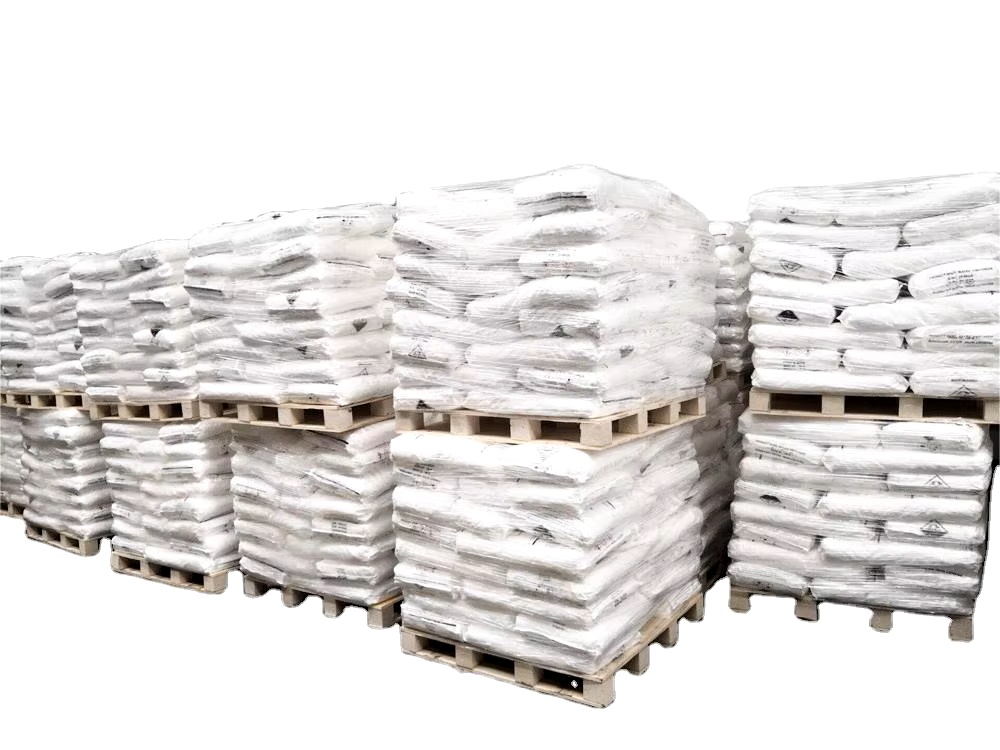
| PE Bag | 1 kg, 5 kg, 10 kg, 25 kg | Polyethylene bag (moisture-proof, sealed) |
| Plastic Canister | 5 kg, 10 kg, 25 kg | HDPE canister (sealed, moisture-proof) |
| Plastic Drum | 25 kg, 50 kg, 100 kg | HDPE drum (sealed, moisture-proof) |
| Fiber Drum | 25 kg, 50 kg | PE-lined fiberboard drum |
| Aluminum Foil Bag | 1 kg, 5 kg, 10 kg | Aluminum foil laminated bag (moisture and light-proof) |
| FIBC / Big Bag | 500 kg, 1000 kg | PE-lined, moisture-resistant PP woven bag |
SECTION 17: TRANSPORT INFORMATION
| Parameter | Information |
|---|---|
| UN Number | UN 1813 (Potassium Hydroxide, Solid) |
| Hazard Class | Class 8 - Corrosive Substances |
| Packing Group | II (Moderate hazard) |
| ADR/RID | Class 8; Code: C6; UN 1813 |
| IMDG Code | Class 8; UN 1813; Marine pollutant: No |
| IATA (Air) | Class 8; UN 1813; Packing Group II |
| Transport Label | Corrosive (Class 8) |
| Marine Pollutant | No |
| Transport Temperature | Ambient temperature; Protect from MOISTURE and CO₂. |
| Special Transport Requirements | Transport separately from acids and organic materials; Transport upright; Use leak-proof containers. |
SECTION 18: REGULATORY STATUS
| Region / Authority | Status |
|---|---|
| European Union | Food additive E525 (processing aid) approved; REACH registered. |
| USA (TSCA) | Listed (TSCA Inventory) |
| USA (FDA) | GRAS (Generally Recognized as Safe); Food additive; 21 CFR 184.1631 |
| Turkey | Food additive E525; Subject to KKDIK regulation; Ministry of Agriculture approval required. |
| EFSA | Approved as E525; Use permitted in specified food categories. |
| JECFA | Approved; Acceptable usage levels established. |
| IARC | Not classified (non-carcinogenic) |
| NTP | Not listed |
| OSHA | Regulated as corrosive |
| California (Prop 65) | Not listed |
| Halal | Yes (with certification, from appropriate source) |
| Kosher | Yes (with certification) |
| Vegan | Yes |
SECTION 19: OTHER NAMES AND SYNONYMS
| Type | Name |
|---|---|
| Turkish Names | Potas Kostik, Kostik Potas, Potasyum Kostik, Potasyum Hidrat, Potasyum İye, Potassa, Potasyum Oksidanid, Potasyum Hidroksil |
| English Names | Potassium Hydroxide, Caustic Potash, Potash Lye, Potassium Hydrate, Potassium Hydroxyl, Caustic Potassa |
| E Number | E525 |
| CAS Number | 1310-58-3 |
| EC Number | 215-181-3 |
| HS Code | 2815.20 |
| UN Number | 1813 (Solid) / 1814 (Solution) |
| Synonyms | Caustic potash, Potash lye, Potassium hydrate, Potassium oxidanide, Potassa, KOH |
SECTION 20: SUMMARY TABLE
| Parameter | Value |
|---|---|
| Product | Potassium Hydroxide (KOH - E525) |
| CAS Number | 1310-58-3 |
| E Number | E525 |
| Molecular Formula | KOH |
| Molecular Weight | 56.11 g/mol |
| Appearance | White or slightly yellow solid – pellet, flake, or granule |
| Melting Point | 360°C |
| pH (1% Solution) | ~13.5 (highly alkaline) |
| Solubility in Water | 110 g / 100 mL (25°C) |
| Primary Function | pH regulator, thickener, stabilizer, catalyst |
| Main Application Areas | Food (E525), chemical, cosmetics, cleaning, biodiesel, agriculture, medical, battery manufacturing, hairdressing, construction, polymer, metallurgy |
| Shelf Life | 12 – 24 months |
| GHS Signal Word | DANGER |
| UN Number | 1813 (Solid) / 1814 (Solution) |
| Hazard Class | Class 8 - Corrosive |
| Packing Group | II |
| Special Properties | Strong base; Highly corrosive; Hygroscopic; Non-flammable; Absorbs CO₂; Exothermic dissolution in water; Processing aid in food; Vegan and Halal certified. |
SECTION 21: CRITICAL WARNINGS AND BEST PRACTICES
CRITICAL WARNINGS:
-
HIGHLY CORROSIVE: Causes severe skin burns and eye damage (H314, H318). PERSONAL PROTECTIVE EQUIPMENT IS MANDATORY.
-
EXOTHERMIC DISSOLUTION IN WATER: Releases high heat when mixed with water. Always follow the principle of "add acid to water, not water to acid" – slowly add KOH to water.
-
HYGROSCOPIC: Absorbs moisture from air and reacts with CO₂ to form potassium carbonate. Store in tightly closed containers.
-
CORROSIVE TO METALS: Corrodes aluminum, zinc, tin, and other amphoteric metals. Proper material selection (stainless steel, HDPE) is mandatory.
-
NON-FLAMMABLE but may increase fire risk when in contact with combustible materials.
-
Only FOOD GRADE KOH should be used in food applications (E525).
-
Transported as a corrosive substance under ADR CLASS 8 (UN 1813).
-
Avoid direct contact during pregnancy/breastfeeding.
-
Keep out of reach of children.
BEST PRACTICE RECOMMENDATIONS:
-
Food Industry (E525): Use as pH regulator and thickener; Chocolate, cocoa products, confectionery, jellies, jams; USE ONLY FOOD GRADE KOH; Dosage varies by food type (follow GHPP - Good Hygiene Practice Practices); Slowly add to water when preparing solutions.
-
Chemical Industry: Use as raw material in production of potassium compounds; Acts as neutralizing agent and catalyst; Optimize reaction conditions.
-
Cosmetics: Use as pH buffer and emollient; Perfumes, hair sprays, hair dyes, shaving products; Dosage: 0.1-5.0% range (depending on product type); Adjust pH to 5.5-7.0 range.
-
Cleaning: Use for industrial equipment and metal surface cleaning; Drain openers, surface cleaners; Use 25-36% concentration in liquid form.
-
Biodiesel: Use as alkali catalyst in transesterification reactions; High-efficiency reaction; Prepare KOH solution with methanol.
-
Handling: Use in well-ventilated areas; Avoid dust formation; Use dust masks (N95/FFP2) and protective equipment; Be cautious of exothermic reaction when mixing with water.
-
Personal Protective Equipment: MANDATORY: Chemical-resistant gloves (nitrile, neoprene, butyl), chemical splash goggles, face shield (visor), protective clothing (chemical-resistant), safety boots.
-
Hygiene: Wash hands thoroughly after handling; Do not eat, drink, or smoke while using; Remove contaminated clothing and wash before reuse.
-
Storage: Store in tightly closed, moisture-proof containers; Store in cool, dry, well-ventilated area; Protect from CO₂ and moisture; Store separately from acids and organic materials; Opened containers must be resealed immediately; Shelf life: 12-24 months under proper conditions.
-
Spill Management: Neutralize with weak acid (acetic acid, citric acid); Absorb with inert material (sand, vermiculite); Collect and place in suitable sealed container; Do not allow entry into drains or waterways.
-
Disposal: Dispose of in accordance with local, regional, and national regulations; Hazardous waste (corrosive); Dispose after neutralization and treatment.
DETECTION METHODS:
| Method | Description | Advantages | Disadvantages |
|---|---|---|---|
| Acid-Base Titration | Neutralization with standard acid | Simple, low cost, rapid | Only total alkalinity |
| Potassium Analysis (AAS/ICP) | Potassium ion determination | High sensitivity, specific | High cost, requires expertise |
| Ion-Selective Electrode | Potassium ion-specific measurement | Rapid, portable | Requires calibration |
| pH Meter | Solution pH measurement | Simple, rapid | Only indirect measurement |
| Conductometer | Electrical conductivity measurement | Rapid, easy | Not specific |
KOH (E525) vs ALTERNATIVES COMPARISON:
| Product | Chemical Name / E Code | Application | Strength | Weakness | Status |
|---|---|---|---|---|---|
| KOH (E525) | Potassium Hydroxide | Food, chemical, cosmetic, biodiesel | Strong base, versatile, potassium source | Highly corrosive, costly | Widely approved |
| NaOH (E524) | Sodium Hydroxide | Food, chemical, cleaning | Low cost, strong base | Sodium source, corrosive | Widely approved |
| Ca(OH)₂ (E526) | Calcium Hydroxide | Food, construction, agriculture | Low cost, low corrosivity | Low solubility, weak base | Widely approved |
| NH₄OH | Ammonium Hydroxide | Cleaning, fertilizer | Low corrosivity, volatile | Odor, limited basicity | Not food-approved |
LEGAL DISCLAIMER:
The information provided in this document is based on our current knowledge and experience and is presented in good faith. However, as all conditions of use are beyond our control, it does not constitute a binding specification or warranty. This Technical Data Sheet is for informational purposes only. Users are responsible for testing the suitability for their own applications and for complying with all local, regional, and national regulations. For complete safety, storage, use, handling, waste, and regulatory compliance information, please refer to the official Safety Data Sheet (SDS/MSDS) provided by the manufacturer/supplier. KOH is a highly corrosive substance; appropriate personal protective equipment must be used and safety procedures must be followed at all times.