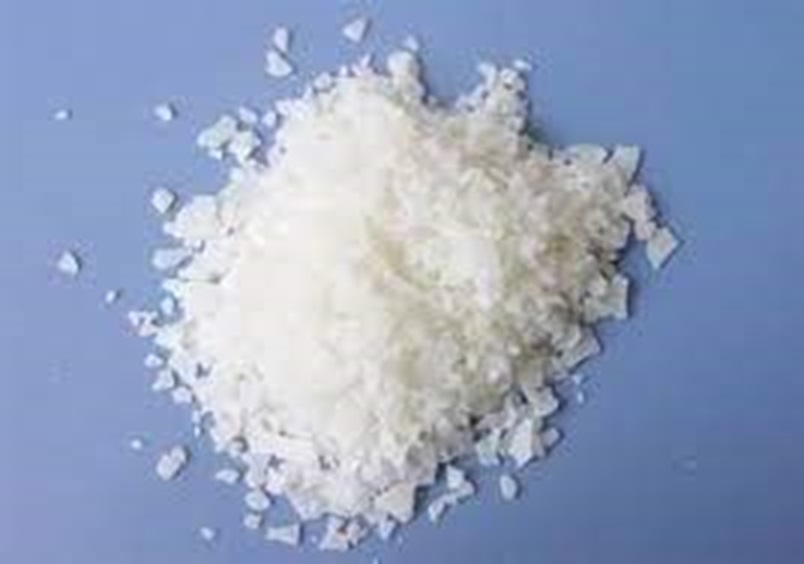
Palm Wax, Vegetable Wax, Palm Based Wax, Palm Candle Wax, Palm Pillar Wax, Palm Flake Wax, Palm Crystal Wax, 68440-10-6, 8002-75-3
PALM WAX - PALM MUMU
Vegetable Wax - Palm Candle Wax - Palm Crystal Wax
CAS: 68440-10-6 / 8002-75-3
| Product Name |
Palm Wax |
| CAS Number |
68440-10-6 (primary) / 8002-75-3 (alternative) |
| EC Number |
270-138-2 |
| Chemical Class |
Vegetable Wax (Triglyceride) |
| Source |
Elaeis guineensis (Palm Oil) |
ITEM 1: PRODUCT IDENTITY AND NOMENCLATURE
| Parameter |
Description |
| Chemical Name |
Palm Wax |
| CAS Number |
68440-10-6 (primary) / 8002-75-3 (alternative) |
| EC Number |
270-138-2 |
| INCI Name |
Hydrogenated Palm Oil / Palm Wax |
| Source |
Elaeis guineensis (Palm Oil Plant) |
| Synonyms |
Vegetable Wax, Palm-Based Wax, Palm Candle Wax, Palm Flake Wax, Palm Crystal Wax, Palm Container Wax, Palm Pillar Wax |
| HS Code |
1516.20.00.00.00 |
| REACH Status |
Registered and compliant |
Description: Palm wax is a 100% vegetable-based, renewable wax obtained through the hydrogenation of palm oil. Its crystalline structure and high melting point make it preferred in decorative candle production. It is natural, biodegradable, and derived from sustainable sources.
ITEM 2: CHEMICAL STRUCTURE AND COMPOSITION
| Parameter |
Description |
| Chemical Family |
Triglycerides (Vegetable Wax) |
| Raw Material Source |
Palm Oil (Elaeis guineensis) |
| Production Process |
Hydrogenation + Fractionation |
| Hydrogenation Degree |
Full or partial hydrogenated |
| Ester Content |
> 98% triglycerides |
| Free Fatty Acid |
< 0.5% |
| Saponification Value |
200 – 230 mg KOH/g |
| Iodine Value |
< 5 g I₂/100g |
Typical Fatty Acid Profile:
| Fatty Acid |
Typical Composition (%) |
| Palmitic Acid (C16:0) |
40 – 50 |
| Stearic Acid (C18:0) |
4 – 6 |
| Oleic Acid (C18:1) |
30 – 40 |
| Linoleic Acid (C18:2) |
5 – 10 |
| Myristic Acid (C14:0) |
1 – 2 |
Description: Palm wax is a triglyceride mixture produced through hydrogenation of palm oil. Its high palmitic acid content gives the wax its characteristic hardness and crystalline structure. Hydrogenation converts unsaturated fatty acids to saturated form, enhancing oxidative stability.
ITEM 3: PHYSICAL APPEARANCE AND FORM
| Parameter |
Specification |
Test Method |
| Appearance |
Solid, flake/granule/block |
Visual Inspection |
| Color |
Off-white to light yellow |
Visual Inspection |
| Odor |
Neutral, slightly oily |
Organoleptic |
| Texture |
Hard, waxy, crystalline |
Visual/Tactile |
| Form |
Flake, Granule or Block |
Visual Inspection |
| Foreign Matter |
None detectable |
Visual Inspection |
Description: Palm wax is an off-white to light yellow, solid, waxy, and crystalline material. It is supplied in flake, granule, or block forms. Its crystalline structure provides aesthetic appearance in decorative candles.
ITEM 4: PHYSICAL PROPERTIES - THERMAL
| Property |
Specification |
Typical Value |
Test Method |
| Melting Point Range |
50 – 60 °C |
54 – 58 °C |
ASTM D127 |
| Congealing Point |
45 – 55 °C |
50 °C |
ASTM D938 |
| Flash Point |
≥ 250 °C |
260 °C |
ASTM D92 |
| Auto-ignition Temperature |
~350 °C |
350 °C |
– |
| Boiling Point |
> 300 °C |
– |
– |
| Specific Heat Capacity |
– |
2.0 J/g·K |
DSC |
Description: Palm wax melts in the range of 50-60°C and has a high flash point, making it safe to process. Its melting point is higher than soy wax and lower than paraffin wax. The high flash point ensures safe handling and transportation.
ITEM 5: PHYSICAL PROPERTIES - DENSITY
| Property |
Specification |
Typical Value |
Test Method |
| Density (Solid, 25°C) |
0.85 – 0.90 g/cm³ |
0.88 g/cm³ |
ASTM D792 |
| Density (Liquid, 80°C) |
0.78 – 0.82 g/cm³ |
0.80 g/cm³ |
ASTM D792 |
| Specific Gravity (Solid) |
0.85 – 0.90 |
0.88 |
ASTM D792 |
| Bulk Density (Flakes) |
400 – 500 kg/m³ |
450 kg/m³ |
ASTM D1895 |
| Bulk Density (Granules) |
500 – 600 kg/m³ |
550 kg/m³ |
ASTM D1895 |
Description: Palm wax is lighter than water (0.88 g/cm³) and floats on water. The density decreases significantly in liquid form at high temperatures, which is important for volume calculations in melting and blending operations.
ITEM 6: HARDNESS AND CRYSTAL STRUCTURE
| Property |
Specification |
Typical Value |
Test Method |
| Penetration (25°C) |
8 – 15 dmm |
11 dmm |
ASTM D1321 |
| Needle Penetration (25°C) |
8 – 15 1/10 mm |
11 1/10 mm |
ASTM D5 |
| Crystal Structure |
Large, distinct crystals |
– |
Microscopic |
| Hardness |
Medium – High |
– |
– |
Description: Palm wax is known for its characteristic large crystal structure. This crystalline structure provides an aesthetic appearance to candles. Its hardness is higher than soy wax and slightly lower than paraffin wax. The crystal structure becomes more distinct with slow cooling.
ITEM 7: CHEMICAL AND SOLUBILITY PROPERTIES
| Property |
Specification / Description |
| pH |
Not applicable (wax) |
| Solubility in Water |
Insoluble |
| Solubility in Oils |
Completely soluble (hot) |
| Solubility in Organic Solvents |
Soluble (hot) |
| Acid Value |
< 0.5 mg KOH/g |
| Saponification Value |
200 – 230 mg KOH/g |
| Peroxide Value |
< 5 meq/kg |
| Iodine Value |
< 5 g I₂/100g |
| Unsaponifiable Matter |
< 1.5% |
Description: Palm wax is insoluble in water and hydrophobic. It is completely soluble in hot oils and organic solvents. Low acid and peroxide values indicate high purity and excellent oxidative stability. Low iodine value indicates hydrogenated structure and high stability.
ITEM 8: THERMAL STABILITY AND SHELF LIFE
| Property |
Specification |
Typical Value |
Test Method |
| Onset Degradation (TGA) |
≥ 250 °C |
270 °C |
TGA |
| Maximum Continuous Use Temp |
– |
80 °C |
– |
| Shelf Life (Unopened) |
2 years |
2 years |
– |
| Oxidative Stability |
High |
– |
– |
| Heat Sensitivity |
Low |
– |
– |
Description: Palm wax has high oxidative stability due to its hydrogenated structure. It remains stable for 2 years under proper storage conditions (cool, dry, away from direct sunlight). Prolonged exposure to high temperatures may cause color darkening.
ITEM 9: CANDLE APPLICATIONS
| Application |
Function / Advantage |
| Crystal Candles |
Provides unique crystalline appearance |
| Pillar Candles |
Provides hardness, easy mold release |
| Container Candles |
Stable melt pool, good fragrance throw |
| Tealight Candles |
Clean burning, slow burn rate |
| Votive Candles |
Good surface appearance, color stability |
| Decorative Candles |
Aesthetic crystalline patterns |
| Aromatherapy Candles |
Excellent fragrance throw, neutral carrier |
| Wax Melts |
High fragrance load, long-lasting |
Description: Palm wax stands out in decorative candle production with its crystalline structure. Slow cooling creates large, distinct crystals providing aesthetic appearance. It is harder and more durable than paraffin and soy wax.
ITEM 10: COATING AND PACKAGING APPLICATIONS
| Application |
Function |
| Paper Coating |
Provides moisture barrier |
| Cardboard Coating |
Provides water resistance and luster |
| Packaging Coatings |
Protective barrier layer |
| Food Packaging |
Food contact (if certified - not approved) |
| Textile Coating |
Water repellent properties (limited) |
Description: Palm wax is used as a moisture barrier on paper and cardboard surfaces. In the packaging industry, it is preferred as a coating material to provide water resistance and luster. Food contact approval is not available (no FDA/EU approval).
ITEM 11: OTHER PALM WAX VARIANTS
| Variant |
Description |
Application |
| Palm Crystal Wax |
Decorative form with crystalline appearance |
Decorative candles, visual products |
| Palm Container Wax |
Low melting point for container candles |
Container candles, jar candles |
| Palm Pillar Wax |
High melting point, hardened version |
Pillar candles, molded candles |
| Palm Flake Wax |
Flake form, easy melting and dosing |
All applications |
| Palm Wax Blend |
Blend with other vegetable waxes |
Specialty formulations |
Description: Palm wax is supplied in various variants optimized for different applications. Each variant has optimized melting point, hardness, and crystallization properties for specific applications.
ITEM 12: PALM WAX BLENDING AND COMPATIBILITY
| Material |
Compatibility Level |
| Paraffin Wax |
High compatibility |
| Soy Wax |
High compatibility |
| Coconut Wax |
High compatibility |
| Beeswax |
Medium compatibility |
| Microcrystalline Wax |
High compatibility |
| Stearic Acid |
High compatibility |
| Vegetable Oils |
Complete miscibility (hot) |
| Essential Oils |
Complete miscibility (hot) |
| Mineral Oils |
Complete miscibility (hot) |
| Organic Solvents |
Complete miscibility |
Description: Palm wax blends well with most natural and synthetic waxes. It shows high compatibility with paraffin and soy wax. This provides flexibility for creating specialty formulations and blends.
ITEM 13: RECOMMENDED PROCESSING PARAMETERS
| Parameter |
Recommendation / Value |
| Melting Temperature |
60 – 70 °C |
| Processing Temperature |
65 – 80 °C |
| Maximum Safe Temperature |
< 100 °C (prevents discoloration) |
| Pouring Temperature (Candles) |
60 – 65 °C |
| Cooling Rate |
Slow (for crystal structure) |
| Storage Temperature |
15 – 30 °C |
| Pre-melting Time |
30 – 60 minutes (at 60-70°C) |
| Re-melting Limit |
< 3 times (quality degradation) |
Description: Slow cooling is critical to achieve crystalline structure. Heating above 100°C may cause discoloration. Slow cooling (1-2°C per minute) enables formation of large, distinct crystals.
ITEM 14: PACKAGING, STORAGE AND SHELF LIFE
| Parameter |
Description |
| Standard Packaging |
25 kg bag or box |
| Bulk Packaging |
500 – 1000 kg big-bags |
| Storage Conditions |
Cool, dry, well-ventilated area |
| Storage Temperature |
15 – 30 °C |
| Light Sensitivity |
Sunlight exposure may degrade quality |
| Materials to Avoid |
High heat, moisture, direct sunlight |
| Shelf Life (Unopened) |
2 years |
| Shelf Life (Opened) |
12 months (if properly closed) |
| Signs of Degradation |
Color darkening, odor change, caking |
Description: Palm wax should be stored in original packaging in a cool, dry place away from direct sunlight and heat sources. When properly stored, it maintains quality for 2 years.
ITEM 15: SAFETY AND HEALTH INFORMATION
| Parameter |
Description |
| Health Risk |
No harmful effects identified |
| Acute Oral Toxicity |
Low (LD50 > 5000 mg/kg) |
| Skin Irritation |
Mild irritation possible |
| Eye Irritation |
Mild irritation possible |
| Skin Sensitization |
Non-sensitizing |
| Inhalation |
Dust inhalation may cause irritation |
| Carcinogenicity |
Not classified |
| Mutagenicity |
Not classified |
Personal Protective Equipment (PPE):
| Equipment |
Recommendation |
| Gloves |
Nitrile or neoprene recommended |
| Eye Protection |
Safety goggles (for dust) |
| Clothing |
Standard work clothing |
| Ventilation |
Adequate general ventilation |
Description: Palm wax is generally considered a safe material. In powder form, inhalation may cause irritation. Molten hot wax can cause thermal burns; therefore caution should be exercised.
ITEM 16: SPILL CLEANUP AND DISPOSAL
| Parameter |
Description |
| Small Spills |
Can be collected in solid form |
| Large Spills |
Dike, solidify, collect |
| Do Not |
Discharge to sewers or water sources |
| Waste Disposal |
Dispose according to local regulations |
| Biodegradability |
Yes, readily biodegradable |
| Ecotoxicity |
Large spills may cause temporary environmental pollution |
| RCRA Classification |
Not hazardous waste |
Description: Palm wax is biodegradable and environmentally friendly. Large quantities should not be discharged into water sources or soil. Proper waste management procedures should be followed.
ITEM 17: TRANSPORT INFORMATION
| Parameter |
Classification |
| UN Number |
Not regulated |
| DOT Classification |
Not hazardous |
| IMDG Classification |
Not hazardous |
| IATA Classification |
Not hazardous |
| ADR/RID Classification |
Not hazardous |
| Transport Temperature (Solid) |
Ambient (below 30°C) |
| Transport Temperature (Liquid) |
> 60°C (heated tanks) |
| Packaging Group |
Not applicable |
| Marine Pollutant |
No |
Description: Palm wax is not classified as dangerous goods for transport. Solid forms can be transported at ambient temperatures. Liquid forms require heated tankers or ISO containers maintained at 60-70°C.
ITEM 18: ENVIRONMENTAL PROFILE
| Parameter |
Description |
| Biodegradability |
Yes, readily biodegradable |
| Biodegradation Rate |
High |
| Ecotoxicity (Aquatic) |
Low toxicity |
| Persistence |
Not persistent |
| Bioaccumulation Potential |
Low |
| VOC Content |
< 100 ppm |
| Renewable Content |
100% plant-based |
| Sustainable Source |
RSPO certified available |
Description: Palm wax is a 100% renewable, plant-based material. It is readily biodegradable and not persistent in the environment. RSPO (Roundtable on Sustainable Palm Oil) certified versions are available from sustainable sources.
ITEM 19: REGULATORY AND CERTIFICATION STATUS
| Certificate / Standard |
Status |
| REACH (EC 1907/2006) |
Registered and compliant |
| TSCA (USA) |
Listed |
| EINECS (EU) |
270-138-2 |
| FDA 21 CFR |
No food contact approval |
| EU Food Additives |
No approval |
| RSPO Certification |
Available (select grades) |
| Halal Certification |
Available upon request |
| Kosher Certification |
Available upon request |
| Vegan |
Yes, 100% plant-based |
| USDA Bio-based |
Available (select grades) |
Description: Palm wax is listed in most chemical inventories and REACH compliant. No FDA or EU food additive approval exists; therefore it should not be used in food contact applications. RSPO certified versions are available from sustainable palm oil sources.
ITEM 20: TURKISH MARKET ALIASES AND LOCAL TERMS
| Turkish Term |
English Equivalent |
ERP Note |
| Palm Mumu |
Palm Wax |
Standard product name |
| Bitkisel Mum |
Vegetable Wax |
General category; alias distinction required |
| Palm Tabanlı Mum |
Palm-Based Wax |
Source emphasis; RSPO certified |
| Palm Mum Karışımı |
Palm Wax Blend |
Blend with other waxes; ratio tracking required |
| Palm Mum Pul / Flake |
Palm Flake Wax |
Physical form; packaging module |
| Palm Mum Granül |
Palm Wax Granules |
Bulk and automatic dosing |
| Palm Kristal Mum |
Palm Crystal Wax |
Decorative candle form |
| Palm Kavanoz Mumu |
Palm Container Wax |
Low melting point |
| Palm Silindir Mumu |
Palm Pillar Wax |
High melting point |
| Palm Mum (RSPO) |
Palm Wax (RSPO) |
Sustainability module |
| Palm Mum (Dekoratif) |
Palm Wax (Decorative) |
Visual purpose variant |
| Palm Mum (Teknik) |
Palm Wax (Technical) |
Industrial applications |
QUALITY AND CERTIFICATION SUMMARY
| Certificate / Standard |
Status |
| ISO 9001:2015 |
Certified manufacturing sites |
| ISO 14001:2015 |
Environmental Management System |
| REACH (EC 1907/2006) |
Registered and compliant |
| RSPO |
Available in select grades |
| Halal / Kosher |
Available upon request |
| Vegan |
100% plant-based |
SECTOR COMPATIBILITY MATRIX
| Industry |
Suitability |
Primary Functions |
| Candle Manufacturing |
Excellent |
Crystalline appearance, clean burning, fragrance throw |
| Packaging Coating |
Good |
Moisture barrier, water resistance |
| Cosmetics |
Limited |
No pharmaceutical certification |
| Textile |
Limited |
Weak in luster-required applications |
| Food Contact |
Not Suitable |
No FDA or EU food additive approval |
| Pharmaceutical |
Not Suitable |
No pharmaceutical certification |
| Plastics |
Limited |
As additive (limited) |
ALL WAX AND OIL TYPES - SECTOR COMPATIBILITY TABLE
| Product |
CAS No |
Candles |
Packaging |
Textile |
Waterproof |
Plastic |
Cosmetics |
Food |
Pharma |
Cooking Oil |
| Carnauba Wax |
8015-86-9 |
Suitable |
Suitable |
Not Suitable |
Suitable |
Not Suitable |
Suitable |
Suitable |
Not Suitable |
Suitable |
| Fully Refined Paraffin |
8002-74-2 |
Suitable |
Suitable |
Suitable |
Suitable |
Not Suitable |
Not Suitable |
Not Suitable |
Not Suitable |
Not Suitable |
| Coconut Wax |
84836-98-6 |
Suitable |
Not Suitable |
Not Suitable |
Not Suitable |
Not Suitable |
Suitable |
Not Suitable |
Not Suitable |
Not Suitable |
| Stearic Acid |
57-11-4 |
Suitable |
Not Suitable |
Suitable |
Not Suitable |
Suitable |
Suitable |
Suitable |
Suitable |
Suitable |
| Polyethylene Wax |
9002-88-4 |
Not Suitable |
Suitable |
Not Suitable |
Not Suitable |
Suitable |
Suitable |
Not Suitable |
Not Suitable |
Not Suitable |
| Liquid Paraffin |
8042-47-5 |
Not Suitable |
Suitable |
Suitable |
Not Suitable |
Suitable |
Suitable |
Suitable |
Suitable |
Not Suitable |
| Semi Refined Paraffin |
8002-74-2 |
Suitable |
Suitable |
Suitable |
Suitable |
Not Suitable |
Not Suitable |
Not Suitable |
Not Suitable |
Not Suitable |
| Palm Wax |
68440-10-6 |
Suitable |
Suitable |
Not Suitable |
Not Suitable |
Not Suitable |
Not Suitable |
Not Suitable |
Not Suitable |
Not Suitable |
| Soy Wax |
8016-70-4 |
Suitable |
Not Suitable |
Not Suitable |
Not Suitable |
Not Suitable |
Suitable |
Not Suitable |
Not Suitable |
Not Suitable |
| Rice Bran Wax |
8016-60-2 |
Not Suitable |
Not Suitable |
Not Suitable |
Not Suitable |
Not Suitable |
Suitable |
Not Suitable |
Not Suitable |
Not Suitable |
| Beeswax |
8012-89-3 |
Suitable |
Not Suitable |
Not Suitable |
Not Suitable |
Not Suitable |
Suitable |
Suitable |
Suitable |
Suitable |
| Microcrystalline Wax |
63231-60-7 |
Not Suitable |
Suitable |
Not Suitable |
Suitable |
Not Suitable |
Suitable |
Not Suitable |
Suitable |
Not Suitable |
| Slack Wax |
64742-61-6 |
Not Suitable |
Not Suitable |
Not Suitable |
Suitable |
Suitable |
Not Suitable |
Not Suitable |
Not Suitable |
Not Suitable |
| Candelilla Wax |
8006-44-8 |
Suitable |
Not Suitable |
Not Suitable |
Not Suitable |
Not Suitable |
Suitable |
Not Suitable |
Not Suitable |
Not Suitable |
Disclaimer: This Technical Data Sheet provides typical values for reference purposes only. All values are based on standard laboratory measurements and do not constitute a binding specification. For binding properties, please request the Certificate of Analysis (COA) for each specific batch. The user is solely responsible for determining product suitability for their intended application and for compliance with all applicable regulations. Safety Data Sheet (SDS) must be requested from the supplier before use.