We unleash your business potential by maximize the business innovation.
Send EmailCholine Chloride, Choline Hydrochloride, Choline chlorhydrate, Cholinium chloride, E1001iii, 67-48-1
Choline Chloride
CAS Number: 67-48-1
Chemical Formula: C₅H₁₄ClNO
Molecular Weight: 139.62 g/mol
EC Number: 200-655-4
E Number: E1001(iii)
Synonyms: Choline Hydrochloride, (2-Hydroxyethyl)trimethylammonium chloride, Cholini chloridum, Choline chlorhydrate, Cholinium chloride, (β-Hydroxyethyl)trimethylammonium chloride
1. CHEMICAL IDENTITY
| Parameter | Information |
|---|---|
| Product Name | Choline Chloride |
| IUPAC Name | (2-Hydroxyethyl)trimethylammonium chloride |
| CAS Number | 67-48-1 |
| Chemical Formula | C₅H₁₄ClNO |
| Molecular Weight | 139.62 g/mol |
| EC Number | 200-655-4 |
| E Number | E1001(iii) |
| Chemical Class | Quaternary ammonium salt, Vitamin B4 (water-soluble vitamin-like compound) |
| Synonyms | Choline Hydrochloride, (2-Hydroxyethyl)trimethylammonium chloride, Cholini chloridum, Choline chlorhydrate, Cholinium chloride, (β-Hydroxyethyl)trimethylammonium chloride |
2. PHYSICAL PROPERTIES
| Parameter | Value |
|---|---|
| Physical State (20°C) | Solid |
| Color | White to off-white |
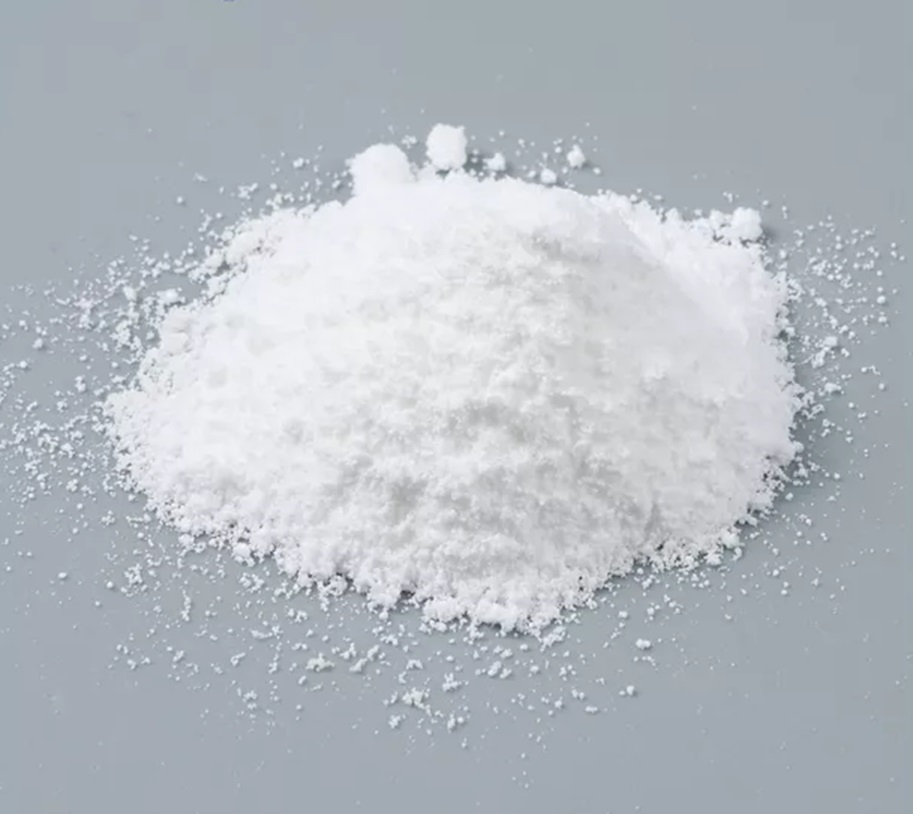
| Appearance | Crystalline powder |
| Odor | Slight characteristic (amine-like) |
| Taste | Strong, bitter, unpleasant |
| Melting Point | 302 – 305 °C (decomposes) |
| Density (20°C) | 1.07 g/cm³ (as 70% solution) |
| Hygroscopicity | Very high (strongly hygroscopic) |
| pH (50% solution, 25°C) | 5.0 – 6.5 (slightly acidic) |
| Bulk Density | 0.35 – 0.55 g/cm³ (powder form) |
3. SOLUBILITY PROPERTIES
| Solvent | Solubility |
|---|---|
| Water (20°C) | Very soluble (>650 g/L) |
| Ethanol | Soluble |
| Methanol | Soluble |
| Acetone | Slightly soluble |
| Chloroform | Slightly soluble |
| Benzene | Insoluble |
| Diethyl Ether | Insoluble |
4. THERMODYNAMIC PROPERTIES
| Parameter | Value |
|---|---|
| Decomposition Temperature | >300°C |
| Heat of Combustion | ~2,500 kJ/mol (estimated) |
5. CHEMICAL PROPERTIES AND REACTIVITY
| Parameter | Information |
|---|---|
| Chemical Class | Quaternary ammonium salt |
| Functional Groups | Hydroxyl (-OH) + Quaternary ammonium (N⁺) |
| pH Stability | Stable over wide pH range (4-9) |
| Hygroscopicity | Very high – absorbs moisture from air rapidly |
| Incompatible Materials | Strong oxidizing agents, strong bases (causes degradation) |
| Stability | Stable under normal storage conditions (dry, sealed) |
| Hydrolysis | Stable in neutral/acidic solutions; degrades in strong alkali |
6. PRODUCTION PROCESS
| Step | Description |
|---|---|
| Raw Materials | Trimethylamine + Ethylene oxide + Hydrochloric acid (or ethylene chlorohydrin) |
| Reaction Type | Quaternization |
| Reaction (Ethylene oxide route) | Trimethylamine + Ethylene oxide → Choline hydroxide → + HCl → Choline chloride |
| Reaction (Ethylene chlorohydrin route) | Trimethylamine + Ethylene chlorohydrin → Choline chloride |
| Purification | Crystallization, filtration, drying |
| Product Forms | Powder (50%, 60%, 75%), Liquid (70%, 75% aqueous solution), Silica-coated (free-flowing) |
Simplified Reaction (Ethylene chlorohydrin route):
(CH₃)₃N + Cl-CH₂-CH₂-OH → (CH₃)₃N⁺-CH₂-CH₂-OH • Cl⁻
7. TYPICAL PRODUCT SPECIFICATIONS
| Parameter | Powder (75%) | Liquid (70%) | Silica-coated | Test Method |
|---|---|---|---|---|
| Choline Chloride Content | ≥ 75.0% | ≥ 70.0% | ≥ 50.0% | Titration/HPLC |
| Moisture | ≤ 2.0% | 30-32% | ≤ 5.0% | Karl Fischer |
| pH (50% solution) | 5.0 – 6.5 | 5.0 – 6.5 | 5.0 – 6.5 | Potentiometric |
| Trimethylamine (TMA) | ≤ 0.1% | ≤ 0.1% | ≤ 0.1% | GC |
| Heavy Metals (as Pb) | ≤ 10 ppm | ≤ 10 ppm | ≤ 10 ppm | AAS/ICP |
| Arsenic (As) | ≤ 2 ppm | ≤ 2 ppm | ≤ 2 ppm | AAS |
| Lead (Pb) | ≤ 5 ppm | ≤ 5 ppm | ≤ 5 ppm | AAS |
| Particle Size (on 20 mesh) | ≥ 95% | — | ≥ 95% | Sieve analysis |
8. COMMERCIAL FORMS
| Form | Concentration | Carrier | Typical Use | Advantages |
|---|---|---|---|---|
| Powder (Corn cob) | 50% | Corn cob grits | Animal feed | Free-flowing, economical |
| Powder (Silica) | 50-60% | Silicon dioxide | Animal feed | Free-flowing, low dust |
| Liquid (Aqueous) | 70-75% | Water | Liquid feed, industrial | Easy dosing, homogeneous |
| Choline Chloride (Pure) | 98-99% | None | Pharmaceuticals, research | Highest purity |
9. BIOLOGICAL FUNCTIONS
| Function | Description |
|---|---|
| Acetylcholine Precursor | Essential for synthesis of acetylcholine (neurotransmitter for memory, muscle control) |
| Phospholipid Synthesis | Component of phosphatidylcholine (lecithin) – critical for cell membrane structure |
| Liver Health | Prevents fatty liver; regulates fat metabolism (lipotropic agent) |
| Methyl Donor | Participates in one-carbon metabolism (methionine cycle) |
| Fetal Brain Development | Critical for neural tube closure and brain development during pregnancy |
Key Biological Role: Choline is an essential nutrient (vitamin-like compound) that is neither a true vitamin nor a mineral, but is often grouped with B-vitamins due to its similar functions.
10. APPLICATIONS – ANIMAL FEED (Primary Use – >80% of production)
| Animal Type | Function | Typical Inclusion Rate |
|---|---|---|
| Broilers (Chickens) | Growth promotion, feed efficiency, leg health | 300 – 600 g/ton feed |
| Layers (Egg production) | Egg production, egg size, shell quality | 300 – 500 g/ton feed |
| Swine (Pigs) | Growth, litter size, prevention of splay leg | 200 – 500 g/ton feed |
| Dairy Cattle | Milk production, liver health (prevention of fatty liver) | 15 – 30 g/head/day |
| Beef Cattle | Growth, feed efficiency | 5 – 15 g/head/day |
| Aquaculture (Fish, Shrimp) | Growth, survival, stress resistance | 500 – 2,000 mg/kg feed |
Key Benefits in Animal Nutrition:
-
Improves growth rate and feed conversion ratio (FCR)
-
Prevents perosis (leg weakness) in poultry
-
Prevents fatty liver syndrome in layers and dairy cows
-
Enhances immune function
-
Improves egg production and hatchability
11. APPLICATIONS – HUMAN NUTRITION AND DIETARY SUPPLEMENTS
| Application | Function | Typical Dose |
|---|---|---|
| Brain Health Supplements | Memory improvement, cognitive function | 250 – 1,000 mg/day |
| Liver Health | Prevents fatty liver; supports liver function | 250 – 500 mg/day |
| Pregnancy Supplements | Fetal brain development (neural tube closure) | 450 – 550 mg/day |
| Sports Nutrition | Muscle function, recovery | 500 – 2,000 mg/day |
| Cardiovascular Health | Reduces homocysteine levels | 250 – 500 mg/day |
Adequate Intake (AI) – Adults: 425 – 550 mg/day (depends on gender and pregnancy status)
12. APPLICATIONS – PHARMACEUTICAL
| Application | Function |
|---|---|
| Neurological Support | Alzheimer's disease support (acetylcholine precursor) |
| Hepatoprotective | Liver disease treatment (fatty liver, cirrhosis) |
| Injectable Formulations | Parenteral nutrition (TPN) – choline component |
| Infant Formula | Essential nutrient for infant brain development |
13. APPLICATIONS – INDUSTRIAL
| Application | Function |
|---|---|
| Hydraulic Fracturing (Oil & Gas) | Clay control additive (prevents clay swelling in shale formations) |
| Drilling Fluids | Shale stabilizer, clay inhibitor |
| Water Treatment | Corrosion inhibitor |
| Chemical Synthesis | Intermediate for other quaternary ammonium compounds |
| Electronics | Flux for soldering |
| Textile | Softener, antistatic agent |
14. COMPARISON: CHOLINE CHLORIDE vs. OTHER CHOLINE FORMS
| Property | Choline Chloride | Choline Bitartrate | Phosphatidylcholine (Lecithin) | Betaine (Trimethylglycine) |
|---|---|---|---|---|
| Choline Content | 100% (as salt) | ~41% | ~15-20% | 0% (methyl donor only) |
| Water Solubility | Very high | High | Low | Very high |
| Taste | Bitter, unpleasant | Less bitter | Bland | Sweet |
| Hygroscopicity | Very high | Moderate | Low | High |
| Primary Use | Animal feed | Human supplements | Human supplements | Methyl donor |
| Cost | Low | Moderate | High | Low |
15. COMPARISON: CHOLINE CHLORIDE vs. BETAINE
| Property | Choline Chloride | Betaine (Trimethylglycine) |
|---|---|---|
| Structure | Quaternary ammonium | Trimethylglycine |
| Function | Acetylcholine precursor, phospholipid synthesis | Methyl donor only |
| Choline Content | Yes (100% as salt) | None |
| Taste | Bitter | Sweet |
| Cost | Low | Low |
| Animal Feed Use | Growth, egg production | Osmolyte, methyl donor |
| Synergy | Both used together in feeds | Both used together in feeds |
Note: Betaine can partially replace choline as a methyl donor but cannot replace choline's acetylcholine or phospholipid functions.
16. CHOLINE CHLORIDE IN ANIMAL FEED – NUTRITIONAL REQUIREMENTS
| Animal | Requirement (mg choline/kg feed) | Function |
|---|---|---|
| Broiler (starter) | 1,300 – 1,800 | Growth, leg health |
| Broiler (grower) | 1,000 – 1,500 | Growth, feed efficiency |
| Layer | 1,000 – 1,300 | Egg production, egg size |
| Swine (starter) | 1,000 – 1,500 | Growth, splay leg prevention |
| Swine (grower/finisher) | 500 – 1,000 | Growth |
| Dairy (transition) | 15-30 g/cow/day | Liver health, milk production |
17. ADVANTAGES AND BENEFITS
| Advantage | Description |
|---|---|
| Essential Nutrient | Required for normal growth, liver function, brain development |
| Cost-Effective | Least expensive source of choline for animal feed |
| High Bioavailability | Readily absorbed and utilized by animals and humans |
| Versatile | Used in feed, food, supplements, pharmaceuticals, and industrial applications |
| FDA Approved | GRAS status for use in animal feed and human food |
| Water Soluble | Easy to incorporate into liquid formulations |
18. SAFETY AND TOXICOLOGICAL PROFILE
| Parameter | Value |
|---|---|
| Acute oral toxicity (rat, LD₅₀) | 3,000 – 6,000 mg/kg (low to moderate toxicity) |
| Acute dermal toxicity (rabbit, LD₅₀) | >2,000 mg/kg |
| Skin irritation | Non-irritating to mildly irritating |
| Eye irritation | Mildly irritating |
| Skin sensitization | Not a sensitizer |
| Carcinogenicity | Not classified as carcinogenic |
| Mutagenicity | Negative |
GHS Classification (Choline Chloride – powder form):
| Hazard Class | Description |
|---|---|
| Not classified | Generally not classified as hazardous (non-dangerous goods) |
Potential Side Effects (Human – high doses):
-
Nausea, vomiting (above 7-10 g/day)
-
Diarrhea (osmotic effect)
-
Fishy body odor (from trimethylamine breakdown in some individuals)
19. STORAGE AND HANDLING
| Parameter | Requirement |
|---|---|
| Storage Temperature | 15-30°C (room temperature) |
| Humidity | Very low humidity (strongly hygroscopic – absorbs moisture from air) |
| Container | Tightly sealed (plastic-lined bags, drums, FIBC) |
| Incompatible Materials | Strong oxidizing agents, strong bases |
| Protection | Keep away from moisture; store in dry, well-ventilated area |
| Shelf Life | 12-24 months (depends on form; liquid forms shorter) |
| Special Precautions | Use sealed containers; once opened, use promptly. Powder may form lumps if exposed to humidity. |
20. SUMMARY AND CRITICAL INFORMATION
Description: Choline Chloride (CAS 67-48-1) is a quaternary ammonium salt and a water-soluble, vitamin-like essential nutrient. It is a white to off-white, highly hygroscopic crystalline powder with a very high water solubility (>650 g/L). Choline chloride is the most common and cost-effective form of choline used in animal feed, human supplements, and industrial applications. It is produced by the reaction of trimethylamine with ethylene oxide or ethylene chlorohydrin.
Key Advantages:
-
Essential nutrient for growth, brain development, and liver function
-
Most cost-effective choline source (used in >80% of animal feed)
-
High water solubility and bioavailability
-
Versatile – feed, food, supplements, pharmaceutical, industrial
-
FDA GRAS status
-
Well-established safety profile
Key Limitations/Precautions:
-
Very high hygroscopicity (absorbs moisture rapidly – requires sealed containers)
-
Bitter, unpleasant taste (requires masking in human supplements)
-
Hygroscopic forms may cake or deliquesce if exposed to humidity
-
High doses (human) may cause fishy odor (trimethylamine) in some individuals
Major Applications Summary:
| Sector | Primary Uses |
|---|---|
| Animal Feed | Growth promotion, feed efficiency, egg production, liver health (poultry, swine, cattle, aquaculture) – >80% of production |
| Human Nutrition | Dietary supplements (brain health, liver health, pregnancy), sports nutrition |
| Pharmaceutical | Parenteral nutrition (TPN), neurological support, liver disease treatment |
| Industrial | Hydraulic fracturing (clay control), drilling fluids, water treatment, soldering flux |
Commercial Forms Comparison:
| Form | Concentration | Primary Use |
|---|---|---|
| Powder (corn cob) | 50% | Animal feed (economical) |
| Powder (silica) | 50-60% | Animal feed (free-flowing) |
| Liquid (aqueous) | 70-75% | Liquid feed, industrial |
| Pure choline chloride | 98-99% | Pharmaceuticals, research |
Safety Summary:
-
Low to moderate acute toxicity (oral LD₅₀ 3,000-6,000 mg/kg)
-
Not classified as hazardous under normal conditions
-
High doses cause nausea, diarrhea (osmotic effect)
-
Handle in dry environment (strongly hygroscopic)
Storage: Cool, dry, tightly sealed containers; protect from moisture; 12-24 months shelf life.
Conclusion: Choline Chloride is an essential nutrient and the most widely used choline source in animal nutrition (>80% of production). It is critical for growth, feed efficiency, egg production, liver health, and brain development in poultry, swine, cattle, and aquaculture. It is also used in human dietary supplements (brain health, pregnancy), pharmaceuticals (parenteral nutrition, liver support), and industrial applications (hydraulic fracturing clay control). While it is highly hygroscopic and has a bitter taste, its low cost, high bioavailability, and proven efficacy make it the preferred choline source for the animal feed industry. FDA GRAS status and a well-established safety profile support its use in human nutrition and food applications.