We unleash your business potential by maximize the business innovation.
Send EmailPolyglycerol Polyricinoleate, Polyglycerol Esters of Condensed Castor Oil Fatty Acids, PGPR, E476, 29894-35-7
POLYGLYCEROL POLYRICINOLEATE (E476 - PGPR)
PRODUCT IDENTIFICATION INFORMATION
| Parameter | Information |
|---|---|
| Product Name | Polyglycerol Polyricinoleate |
| Chemical Name | Polyglycerol esters of condensed castor oil fatty acids |
| Synonyms (Turkish) | Poligliserol Polirisinoleat, PGPR, Poligliserol Polirisinoleat Esterleri |
| Synonyms (English) | Polyglycerol Polyricinoleate, PGPR, Polyglycerol esters of polycondensed ricinoleic acid |
| E Number | E476 |
| CAS Number | 29894-35-7 |
| Molecular Formula | Complex mixture of esters (C₁₈H₃₄O₃)n |
| Molecular Weight | Variable (typically 1,000 – 2,000 g/mol) |
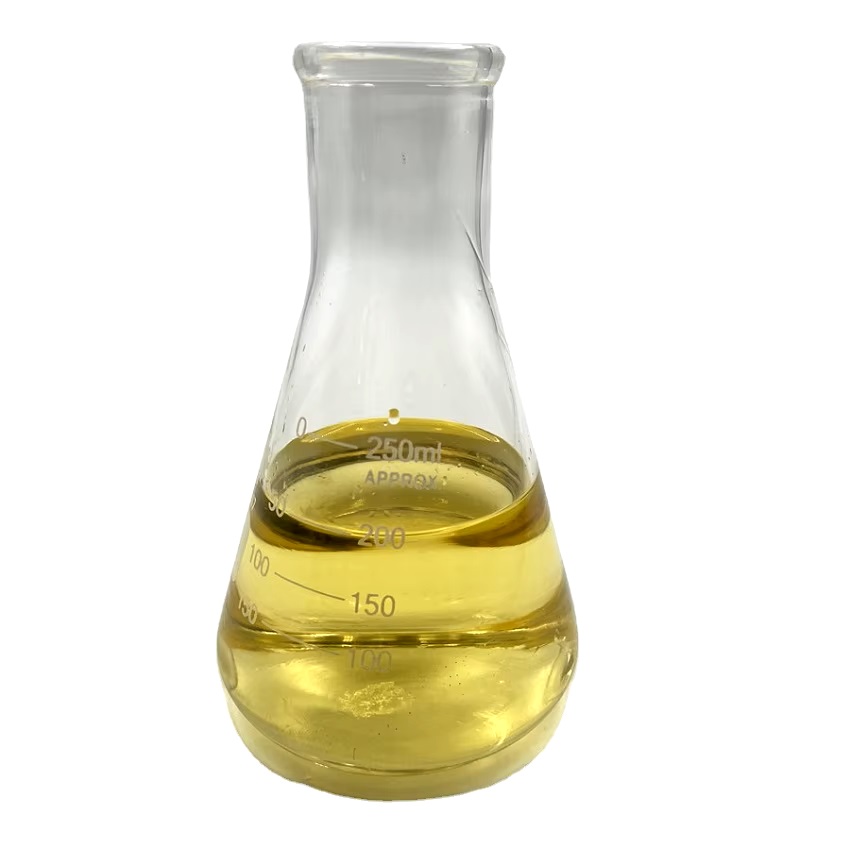
| Appearance | Clear, yellowish to brownish viscous liquid |
| Odor | Characteristic mild odor; No off-odors |
CHEMICAL STRUCTURE
PGPR Structure (Simplified Representation):
                    O
                    ||
Ricinoleic Acid—O—CH₂—(CH—CH₂—O)—CH—CH₂—O—CO—Ricinoleic Acid
                    |
                 CH₂OH
Structure Description:
-
Polyglycerol (typically 2-10 glycerol units) esterified with polycondensed ricinoleic acid (from castor oil).
-
Complex mixture of esters formed by polyglycerol and polyricinoleic acid.
-
Contains hydrophilic polyglycerol groups and lipophilic polyricinoleic acid groups.
-
Non-ionic surfactant and emulsifier.
SECTION 1: CHEMICAL IDENTITY AND DESCRIPTION
| Parameter | Information |
|---|---|
| Product Name | Polyglycerol Polyricinoleate |
| Chemical Name | Polyglycerol esters of condensed castor oil fatty acids |
| Synonyms (Turkish) | Poligliserol Polirisinoleat, PGPR, Poligliserol Polirisinoleat Esterleri |
| Synonyms (English) | Polyglycerol Polyricinoleate, PGPR, Polyglycerol esters of polycondensed ricinoleic acid |
| E Number | E476 |
| CAS Number | 29894-35-7 |
| Molecular Formula | Complex mixture of esters (C₁₈H₃₄O₃)n |
| Molecular Weight | Variable (typically 1,000 – 2,000 g/mol) |
| Chemical Class | Non-ionic emulsifier; Polyglycerol ester; Food additive |
| Source | Synthetic (esterification of polyglycerol with condensed castor oil fatty acids) |
| Physical State (20°C) | Liquid (viscous) |
| Odor | Characteristic mild odor; No off-odors |
| Color | Clear, yellowish to brownish |
| Taste | Neutral; No unpleasant taste |
SECTION 2: PHYSICAL AND CHEMICAL PROPERTIES
| Property | Value | Test Method / Note |
|---|---|---|
| Appearance | Clear, yellowish to brownish viscous liquid | Visual |
| Odor | Characteristic mild odor; No off-odors | Olfactometric |
| Molecular Weight | 1,000 – 2,000 g/mol (variable) | Calculated / GPC |
| Density (20°C) | ~0.94 – 0.98 g/cm³ | ASTM D4052 |
| Melting Point | Liquid at room temperature; Solidifies at low temperatures | – |
| Viscosity (25°C) | ~500 – 1,500 cP | Brookfield |
| Boiling Point | Decomposes before boiling | – |
| Flash Point | > 200°C | – |
| Solubility in Water | Insoluble in cold water; Dispersible | General Method |
| Solubility in Ethanol | Soluble | General Method |
| Solubility in Acetone | Soluble | General Method |
| Solubility in Fats/Oils | Soluble | General Method |
| Solubility in Hot Water | Dispersible (forms emulsion) | General Method |
| Log P (Octanol/Water) | Lipophilic (HLB ~ 1-3) | – |
| HLB Value | ~1 – 3 (very low) | – |
| pH (1% Dispersion) | ~4.0 – 6.0 | pH Meter |
| Stability | Good thermal stability; Stable at high temperatures | – |
| Emulsification Properties | Excellent water-in-oil (W/O) emulsifier | – |
| Heavy Metals (as Pb) | ≤ 10 ppm | AAS / ICP |
| Arsenic (As) | ≤ 2 ppm | AAS / ICP |
| Lead (Pb) | ≤ 2 ppm | AAS / ICP |
| Acid Value | ≤ 6.0 mg KOH/g | Titrimetric |
| Saponification Value | 170 – 185 mg KOH/g | Titrimetric |
| Hydroxyl Value | 50 – 70 mg KOH/g | Titrimetric |
| Iodine Value | 70 – 95 g I₂/100g | Titrimetric |
| Loss on Drying | ≤ 0.5% | Gravimetric |
| Assay (PGPR) | ≥ 99.0% | HPLC / Gravimetric |
SECTION 3: PGPR (E476) vs OTHER EMULSIFIERS
| Property | PGPR (E476) | Lecithin (E322) | Mono- and Diglycerides (E471) | Polyglycerol Esters (E475) |
|---|---|---|---|---|
| CAS Number | 29894-35-7 | 8002-43-5 | Various | 67784-82-1 |
| Type | Non-ionic | Amphoteric | Non-ionic | Non-ionic |
| HLB Value | ~1 – 3 | ~4 – 8 | ~2 – 4 | ~5 – 12 |
| Emulsion Type | Water-in-oil (W/O) | Oil-in-water (O/W) | W/O and O/W | O/W and W/O |
| Viscosity | High viscosity liquid | Liquid/Paste | Solid/Paste | Liquid/Paste |
| Heat Stability | Excellent | Moderate | Good | Good |
| Primary Use | Chocolate, low-fat spreads | Chocolate, bakery, margarine | Bakery, dairy, margarine | Bakery, dairy, cosmetics |
| Cost | Medium | Low-Medium | Low | Medium-High |
| Vegetarian/Vegan | Yes (from castor oil) | Yes (from soy/egg) | Yes (from plant/animal) | Yes (from plant) |
| Allergenicity | Low | Soy allergy concern | Low | Low |
SECTION 4: MECHANISM OF ACTION
| Property | Description |
|---|---|
| Emulsification Mechanism | Reduces interfacial tension between water and oil phases; Stabilizes water-in-oil (W/O) emulsions; Prevents coalescence and separation. |
| Viscosity Modification | Imparts high viscosity to the continuous phase; Provides structural stability; Affects flow properties. |
| Fat Crystal Modification | Interacts with fat crystals; Prevents fat bloom; Controls crystallization behavior. |
| Yield Value Reduction | Reduces yield value and plastic viscosity; Enables better flow; Facilitates molding and pumping. |
| Surface Activity | Highly lipophilic (very low HLB); Adsorbs at oil-water interfaces; Forms stable interfacial films. |
| Bubble Elimination | Eliminates small bubbles and voids; Prevents hollow hole formation; Facilitates easy demolding; Improves product structure. |
SECTION 5: PRODUCTION PROCESS
Method 1: Esterification of Polyglycerol with Polyricinoleic Acid
Reaction: Polyglycerol + Condensed Castor Oil Fatty Acids → PGPR + Water
Description: Castor oil is hydrolyzed to obtain ricinoleic acid; Ricinoleic acid is polymerized (condensed) to form polyricinoleic acid; Glycerol is polymerized to form polyglycerol; Polyglycerol and polyricinoleic acid are esterified under vacuum at high temperature; Product is purified by distillation and filtration.
Method 2: Direct Esterification of Polyglycerol with Castor Oil Fatty Acids
Process: Castor Oil → Hydrolysis → Ricinoleic Acid → Polymerization → Polyricinoleic Acid → Esterification → PGPR
Description: Direct esterification process using pre-prepared polyglycerol and polyricinoleic acid; Optimized reaction conditions for specific product properties.
SECTION 6: FUNCTIONAL PROPERTIES
| Property | Description |
|---|---|
| Chocolate Viscosity Reducer | Enables production of high-quality chocolate with reduced cocoa butter content; Reduces yield value and plastic viscosity; Allows production of thinner chocolate with less fat. |
| Emulsifier (W/O) | Stabilizes water-in-oil emulsions; Used in low-fat spreads and sauces; Prevents phase separation. |
| Flow Improver | Facilitates easy discharge and molding; Improves pumping properties; Enhances processing efficiency. |
| Bubble/Void Eliminator | Eliminates formation of small bubbles and hollow holes; Results in smooth, dense product structure. |
| Fat Bloom Prevention | Interacts with fat crystals; Prevents surface fat crystallization; Maintains glossy appearance. |
| Thermal Stability | Excellent thermal stability; Maintains function at high temperatures; Suitable for hot processing. |
| Synergistic Action | Works effectively with lecithin; Enhanced performance in chocolate systems; Better results in combination. |
SECTION 7: MAIN APPLICATION AREAS
| Industry / Application | Function | Typical Use |
|---|---|---|
| Chocolate & Confectionery | Viscosity reducer, emulsifier | Chocolate, compound coatings, pralines, filling creams; Dosage: 0.1 – 1.0% of total weight |
| Low-Fat Spreads | Emulsifier, stabilizer | Low-fat spreads (<41% fat), table spreads; Dosage: 0.2 – 1.0% |
| Sauces & Dressings | Emulsifier | Water-in-oil emulsions, creamy sauces; Dosage: 0.1 – 0.5% |
| Ice Cream Mixes | Stabilizer, emulsifier | Ice cream, frozen desserts; Dosage: 0.1 – 0.3% |
| Confectionery | Stabilizer | Chewing gum, soft candy, marzipan; Dosage: 0.1 – 0.5% |
| Cocoa-Based Products | Viscosity modifier, emulsifier | Cocoa-based confectionery, chocolate spreads, cocoa drinks; Dosage: 0.1 – 1.0% |
| Pharmaceutical | Emulsifier, stabilizer | Ointments, creams, oral formulations; Dosage: 0.1 – 0.5% |
| Cosmetics | Emulsifier, skin conditioner | Creams, lotions, makeup, skincare; Dosage: 0.1 – 0.5% |
| Oil-Water Emulsions | Stabilizer | Various food emulsions, technical emulsions; Dosage: 0.1 – 1.0% |
SECTION 8: SAMPLE FORMULATIONS
Chocolate Viscosity Reduction (100 kg Chocolate):
| Component | Amount |
|---|---|
| PGPR (E476) | 0.1 – 1.0 kg |
| Lecithin (E322) | 0.3 – 0.5 kg |
| Sugar | As required |
| Cocoa Butter | As required |
| Cocoa Mass | As required |
Instructions: Add PGPR during the conching process; For best results, use in combination with lecithin; Add at 45-50°C; Mix thoroughly for optimal dispersion.
Low-Fat Spread (100 kg):
| Component | Amount |
|---|---|
| PGPR (E476) | 0.2 – 1.0 kg |
| Oil Phase | 20 – 40 kg |
| Water Phase | 60 – 80 kg |
| Other Emulsifiers | As required |
| Flavorings | As required |
| Preservatives | As required |
Instructions: Dissolve PGPR in the oil phase; Mix oil and water phases with high shear; Homogenize; Cool with stirring.
SECTION 9: QUALITY SPECIFICATIONS
| Parameter | Food Grade (E476) | Pharmaceutical Grade | Cosmetic Grade | Test Method |
|---|---|---|---|---|
| Appearance | Clear, yellowish to brownish liquid | Clear, yellowish liquid | Clear, yellowish liquid | Visual |
| Assay (PGPR) | ≥ 99.0% | ≥ 99.5% | ≥ 99.0% | HPLC / Gravimetric |
| Acid Value | ≤ 6.0 mg KOH/g | ≤ 5.0 mg KOH/g | ≤ 6.0 mg KOH/g | Titrimetric |
| Saponification Value | 170 – 185 mg KOH/g | 172 – 183 mg KOH/g | 170 – 185 mg KOH/g | Titrimetric |
| Hydroxyl Value | 50 – 70 mg KOH/g | 50 – 70 mg KOH/g | 50 – 70 mg KOH/g | Titrimetric |
| Iodine Value | 70 – 95 g I₂/100g | 72 – 90 g I₂/100g | 70 – 95 g I₂/100g | Titrimetric |
| Loss on Drying | ≤ 0.5% | ≤ 0.5% | ≤ 0.5% | Gravimetric |
| Heavy Metals (as Pb) | ≤ 10 ppm | ≤ 5 ppm | ≤ 10 ppm | AAS / ICP |
| Arsenic (As) | ≤ 2 ppm | ≤ 1 ppm | ≤ 2 ppm | AAS / ICP |
| Lead (Pb) | ≤ 2 ppm | ≤ 1 ppm | ≤ 2 ppm | AAS / ICP |
| Peroxide Value | ≤ 5.0 meq/kg | ≤ 3.0 meq/kg | ≤ 5.0 meq/kg | Titrimetric |
| Viscosity (25°C) | 500 – 1,500 cP | Customer requirement | Customer requirement | Brookfield |
| Density (20°C) | 0.94 – 0.98 g/cm³ | 0.95 – 0.97 g/cm³ | 0.94 – 0.98 g/cm³ | ASTM D4052 |
SECTION 10: TOXICOLOGICAL PROFILE
| Parameter | Value |
|---|---|
| Acute Oral Toxicity (LD50, Rat) | > 5,000 mg/kg (low toxicity) |
| Acute Dermal Toxicity | Low toxicity; No significant irritation |
| Skin Irritation | Non-irritating |
| Eye Irritation | Mildly irritating |
| Chronic Toxicity | Low toxicity; No significant effects |
| Carcinogenicity | Not classified as carcinogenic |
| Mutagenicity | Not mutagenic |
| Reproductive Toxicity | No reproductive toxicity at normal levels |
| Allergenicity | Low allergenicity; No known allergenicity |
| Acceptable Daily Intake (ADI) | 25 mg/kg body weight (EFSA and JECFA) |
| Special Toxicity Note | Generally recognized as safe (GRAS); Approved for food use; High thermal stability reduces degradation products; Used safely in many food products; No known specific toxicity concerns; Metabolized to normal dietary components. |
SECTION 11: GHS CLASSIFICATION AND LABELING
GHS Classification (in accordance with CLP and UN GHS):
| Hazard Class | Category | H-Statement |
|---|---|---|
| Not classified as hazardous according to CLP criteria | – | – |
Signal Word: None (Not classified as hazardous)
Hazard Pictograms: None
Hazard Statements (H-Codes):
Not classified as hazardous under GHS. In some jurisdictions, may be classified with:
| Code | Statement (if applicable) |
|---|---|
| H315 | May cause skin irritation (mild) |
| H319 | May cause eye irritation (mild) |
NFPA 704 Hazard Classification:
| Health | Flammability | Reactivity | Special |
|---|---|---|---|
| 0 | 1 | 0 | - |
| (Minimal health hazard) | (Combustible) | (Stable) | (None) |
SECTION 12: PRECAUTIONARY STATEMENTS (P-CODES)
| Code | Statement |
|---|---|
| P264 | Wash hands thoroughly after handling |
| P280 | Wear protective gloves/protective clothing/eye protection/face protection |
| P302+P352 | IF ON SKIN: Wash with plenty of soap and water |
| P305+P351+P338 | IF IN EYES: Rinse cautiously with water for several minutes. Remove contact lenses if present and continue rinsing |
| P332+P313 | If skin irritation occurs: Get medical advice/attention |
| P337+P313 | If eye irritation persists: Get medical advice/attention |
| P362+P364 | Take off contaminated clothing and wash it before reuse |
| P403+P233 | Store in a well-ventilated place. Keep container tightly closed |
| P501 | Dispose of contents/container in accordance with local/regional/national/international regulations |
SECTION 13: FIRST AID MEASURES
| Exposure Route | Action to Take |
|---|---|
| Inhalation | Remove to fresh air. If respiratory irritation develops, seek medical attention (unlikely due to low volatility). |
| Skin Contact | Wash with plenty of soap and water. Remove contaminated clothing. If irritation persists, get medical attention. |
| Eye Contact | Rinse immediately with plenty of water for at least 15 minutes. Keep eyelids open. Remove contact lenses if present. If irritation persists, seek medical attention. |
| Ingestion | Rinse mouth. Drink plenty of water. Seek medical attention if large quantities are ingested or if feeling unwell. |
SECTION 14: FIREFIGHTING MEASURES
| Parameter | Information |
|---|---|
| Fire Hazard | Combustible organic material. May burn with thick smoke. |
| Hazards Arising from Fire | Thermal decomposition produces carbon monoxide, carbon dioxide, and irritating fumes. |
| Suitable Extinguishing Media | Water spray, CO₂, dry chemical powder, foam. |
| Unsuitable Extinguishing Media | Water jet (may spread burning liquid) |
| Special Protective Equipment | Self-contained breathing apparatus (SCBA), full protective clothing. |
| Special Precautions | Prevent material from entering sewers and waterways. Use protective equipment. |
SECTION 15: STORAGE AND SHELF LIFE
| Parameter | Information |
|---|---|
| Storage Conditions | Store in a cool, dry, well-ventilated area; PROTECT FROM LIGHT and HEAT; Keep away from direct sunlight and high temperatures. |
| Container Requirements | Tightly closed containers (HDPE, PET, stainless steel, coated drums). |
| Materials to Protect From | Light, heat, strong oxidizing agents, moisture |
| Shelf Life | 24 – 36 months (in unopened original packaging, under proper storage conditions). |
| Stability Note | Stable under recommended storage conditions; May thicken or become cloudy at low temperatures (reversible); Good thermal stability; Resists oxidation. |
| Special Storage Requirements | Store in a dark, cool, dry place; Avoid exposure to air and light; Opened containers must be resealed immediately; Keep away from sources of ignition. |
SECTION 16: PACKAGING OPTIONS
| Packaging Type | Quantity | Material |
|---|---|---|
| Plastic Canister | 5 L, 10 L, 20 L | HDPE / PET (chemical-resistant) |
| Plastic Drum | 25 kg, 50 kg, 100 kg | HDPE / Polypropylene (sealed) |
| Steel Drum | 50 kg, 100 kg, 200 kg | Stainless steel or lined steel drum |
| Composite Container | 25 kg, 50 kg | PE-lined composite drum |
| IBC Container | 500 L, 1000 L | HDPE or stainless steel IBC |
| Flexitank | 15,000 – 20,000 kg | Multi-layer flexitank for bulk transport |
SECTION 17: TRANSPORT INFORMATION
| Parameter | Information |
|---|---|
| UN Number | Not regulated (non-hazardous) |
| Hazard Class | Not applicable |
| Packing Group | Not applicable |
| ADR/RID | Not regulated |
| IMDG Code | Not regulated (non-hazardous) |
| IATA (Air) | Not regulated (non-hazardous) |
| Marine Pollutant | No |
| Transport Temperature | Ambient temperature; Protect from moisture and extreme temperatures. |
SECTION 18: REGULATORY STATUS
| Region / Authority | Status |
|---|---|
| European Union | Food additive E476 approved by EFSA; ADI: 25 mg/kg; Approved for specific food categories. |
| USA (TSCA) | Listed (TSCA Inventory) |
| USA (FDA) | GRAS (Generally Recognized as Safe); Food additive; 21 CFR 172.854 |
| Turkey | Food additive E476; Ministry of Agriculture approval required; Approved for use. |
| JECFA | Approved; ADI: 25 mg/kg body weight; Specifications included. |
| IARC | Not classified (non-carcinogenic) |
| NTP | Not listed |
| OSHA | Not regulated as hazardous |
| California (Prop 65) | Not listed |
| Halal | Yes (with certification, from halal sources) |
| Kosher | Yes (with certification) |
| Vegan | Yes (from castor oil, no animal ingredients) |
SECTION 19: OTHER NAMES AND SYNONYMS
| Type | Name |
|---|---|
| Turkish Names | Poligliserol Polirisinoleat, PGPR, Poligliserol Polirisinoleat Esterleri, Poligliserolün (Yoğunlaştırılmış Kastor Yağı Asitleri) Esterleri |
| English Names | Polyglycerol Polyricinoleate, PGPR, Polyglycerol esters of polycondensed ricinoleic acid, Polyglycerol esters of condensed castor oil fatty acids |
| E Number | E476 |
| CAS Number | 29894-35-7 |
| HS Code | 3404.20 |
| Synonyms | Polyglycerol polyricinoleate ester, Polyglycerol ricinoleate, PGPR 90, Polymuls |
SECTION 20: SUMMARY TABLE
| Parameter | Value |
|---|---|
| Product | Polyglycerol Polyricinoleate (PGPR - E476) |
| CAS Number | 29894-35-7 |
| E Number | E476 |
| Molecular Formula | Complex mixture of esters (C₁₈H₃₄O₃)n |
| Molecular Weight | Variable (1,000 – 2,000 g/mol) |
| Appearance | Clear, yellowish to brownish viscous liquid |
| Primary Function | Emulsifier, viscosity reducer, stabilizer |
| Main Application Areas | Chocolate & confectionery, low-fat spreads, sauces, ice cream, pharmaceuticals, cosmetics |
| Shelf Life | 24 – 36 months |
| GHS Signal Word | None (Not classified as hazardous) |
| UN Number | Not regulated |
| Special Properties | Water-in-oil (W/O) emulsifier; Very low HLB (~1-3); Reduces chocolate viscosity; Excellent thermal stability; Synergistic with lecithin; ADI: 25 mg/kg; Vegan and halal certified. |
SECTION 21: CRITICAL WARNINGS AND BEST PRACTICES
CRITICAL WARNINGS:
-
Not classified as hazardous under normal conditions of use.
-
Emulsifier primarily used for water-in-oil (W/O) emulsions.
-
Very effective in chocolate: Reduces yield value and viscosity; Enables reduced cocoa butter content.
-
Synergistic with lecithin: Works best when used together.
-
Thermally stable: Suitable for hot processing; Good heat resistance.
-
Insoluble in cold water: Dispersion requires proper mixing techniques.
-
May become cloudy or thicken at low temperatures (reversible upon warming).
-
No known allergenicity; Suitable for most dietary requirements.
-
ADI: 25 mg/kg body weight – safe at recommended usage levels.
BEST PRACTICE RECOMMENDATIONS:
-
Chocolate & Confectionery: Add during conching process; Recommended dosage: 0.1-1.0% of total weight; Use with lecithin (typically 3:1 to 5:1 lecithin:PGPR ratio); Add at 45-50°C; Mix thoroughly for optimal dispersion; Results in thinner chocolate with better flow properties.
-
Low-Fat Spreads: Use as primary emulsifier; Dosage: 0.2-1.0%; Dissolve in oil phase; Important for low-fat formulations (<41% fat); Provides stable water-in-oil emulsion.
-
Sauces & Dressings: Use as W/O emulsifier; Dosage: 0.1-0.5%; Dissolve in oil phase; Combine with other emulsifiers if needed.
-
Ice Cream: Use as stabilizer/emulsifier; Dosage: 0.1-0.3%; Improves texture and body; Reduces ice crystal formation.
-
Pharmaceuticals: Use as emulsifier in ointments and creams; Dosage: 0.1-0.5%; Dissolve in oil phase; Non-irritating.
-
Cosmetics: Use as emulsifier and skin conditioner; Dosage: 0.1-0.5%; Dissolve in oil phase; Stable formulations; Non-comedogenic.
-
Handling: Use appropriate pumping equipment; Room temperature handling; Avoid low temperatures during processing; Use proper mixing systems for dispersion.
-
Personal Protective Equipment: Chemical-resistant gloves, safety goggles, protective clothing (minimal risk).
-
Hygiene: Wash hands after handling; Maintain good industrial hygiene.
-
Storage: Store in tightly closed containers; Store in cool, dry, well-ventilated area; Protect from light and heat; Avoid exposure to air and moisture; Opened containers must be resealed immediately; Shelf life: 24-36 months under proper conditions.
-
Spill Management: Absorb with inert material (sand, vermiculite); Contain and collect; Avoid entry into drains or waterways.
-
Disposal: Dispose of in accordance with local, regional, and national regulations; Non-hazardous waste; Can be incinerated or recycled.
DETECTION METHODS:
| Method | Description | Advantages | Disadvantages |
|---|---|---|---|
| HPLC | Most common for food and pharmaceutical products | High sensitivity, reliable | High cost, requires expertise |
| GC-FID | Fatty acid profile analysis | Detects component fatty acids | Complex sample preparation |
| TLC | Fingerprinting method | Rapid screening, low cost | Semi-quantitative |
| FTIR | Functional group identification | Fast, non-destructive | Requires reference spectra |
| Acid/Saponification Values | Chemical characterization | Simple, standard method | Not specific to PGPR |
PGPR (E476) vs ALTERNATIVES COMPARISON:
| Product | Chemical Name / E Code | Application | Strength | Weakness | Status |
|---|---|---|---|---|---|
| PGPR (E476) | Polyglycerol Polyricinoleate | Chocolate, low-fat spreads, sauces | Excellent W/O emulsifier, reduces chocolate viscosity | High viscosity, limited use | Widely approved |
| Lecithin (E322) | Phosphatidylcholine | Chocolate, bakery, margarine | Natural, widely available | Soy allergy, moderate performance | Widely approved |
| Mono- & Diglycerides (E471) | Glycerol fatty acid esters | Bakery, dairy, margarine | Versatile, low cost | Low emulsifying power | Widely approved |
| Polyglycerol Esters (E475) | Polyglycerol fatty acid esters | Bakery, dairy, cosmetics | High HLB variety, good emulsifier | Higher cost | Widely approved |
| Sorbitan Esters (E491-495) | Sorbitan esters | Bakery, chocolate | Good W/O emulsifier | Digestion concerns | Approved, restricted |
LEGAL DISCLAIMER:
The information provided in this document is based on our current knowledge and experience and is presented in good faith. However, as all conditions of use are beyond our control, it does not constitute a binding specification or warranty. This Technical Data Sheet is for informational purposes only. Users are responsible for testing the suitability for their own applications and for complying with all local, regional, and national regulations. For complete safety, storage, use, handling, waste, and regulatory compliance information, please refer to the official Safety Data Sheet (SDS/MSDS) provided by the manufacturer/supplier.