We unleash your business potential by maximize the business innovation.
Send EmailFulvic Acid, Yellow Humic Acid, Plant Acid, Humic Substance Fraction, Leonardite Extract,, 479-66-3
Fulvic Acid (Yellow Humic Acid)
CAS Number: 479-66-3
Chemical Formula: C₁₄H₁₂O₈ (typical monomeric structure; actual composition varies)
Molecular Weight: ~308.24 g/mol (typical; range 300-1,500 Da)
EC Number: 610-395-7
UNII (FDA): XII14C5FXV
MDL Number: MFCD09838488
Synonyms: Yellow Humic Acid, Plant Acid, Humic Substance Fraction, Leonardite Extract, Shilajit Component
1. CHEMICAL IDENTITY
| Parameter | Information |
|---|---|
| Product Name | Fulvic Acid |
| IUPAC Name | 3,7,8-Trihydroxy-3-methyl-10-oxo-pyrano[4,3-b]chromene-9-carboxylic acid (representative structure) |
| CAS Number | 479-66-3 |
| Chemical Formula | C₁₄H₁₂O₈ (monomeric); actual composition is complex polymeric |
| Molecular Weight | ~308 g/mol (monomer); typical range 300-1,500 Da |
| EC Number | 610-395-7 |
| UNII | XII14C5FXV |
| Chemical Class | Humic substance, Polyhydroxycarboxylic acid, Naturally occurring organic compound |
| Synonyms | Yellow Humic Acid, Plant Acid, Humic Substance Fraction, Leonardite Extract, Shilajit Component |
2. PHYSICAL PROPERTIES
| Parameter | Value |
|---|---|
| Physical State (20°C) | Solid |
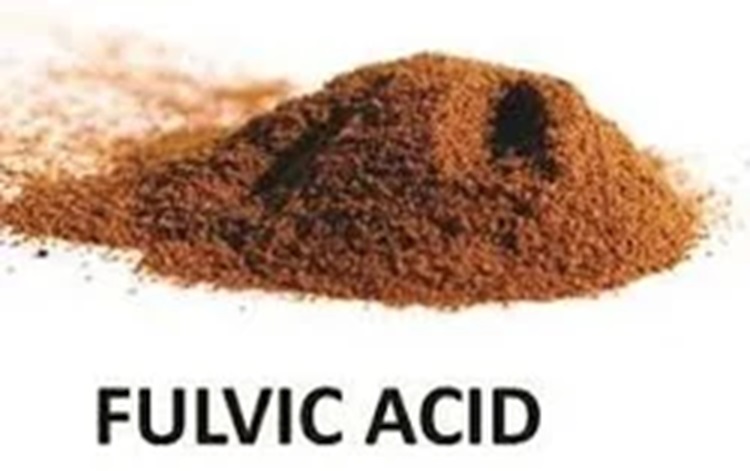
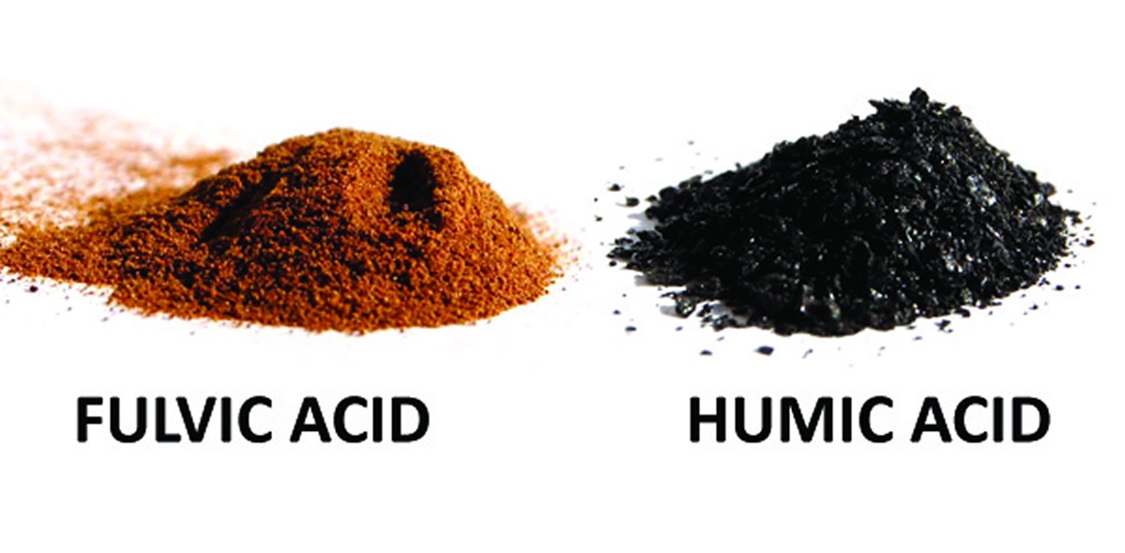
| Color | Yellow to brown (light tan to dark brown) |
| Appearance | Amorphous powder, granules, or flakes |
| Odor | Earthy, characteristic |
| Taste | Slightly acidic, bitter |
| Melting Point | ~246 °C (decomposes; no distinct melting point) |
| Density | ~1.79 g/cm³ (estimated) |
| pKa | ~2.18 (first dissociation) |
| Solubility in Water | Soluble at all pH values (distinctive property) |
| Hygroscopicity | Moderate to high |
3. SOLUBILITY PROPERTIES
| Solvent | Solubility |
|---|---|
| Water | Soluble at all pH values (unique among humic substances) |
| Alkaline Solutions (NaOH, KOH) | Highly soluble |
| Ethanol | Partially soluble |
| Acetone | Partially soluble |
| Organic Solvents (non-polar) | Insoluble |
Key Distinction: Unlike humic acid (insoluble below pH 2), fulvic acid remains soluble across the entire pH range (acidic to alkaline).
4. CHEMICAL PROPERTIES
| Parameter | Information |
|---|---|
| Functional Groups | Carboxyl (-COOH), Phenolic (-OH), Ketones (C=O), Esters (-COO-), Ether linkages |
| Oxygen Content | High (40-50% by weight) |
| Carboxyl Group Content | 5-8 meq/g |
| Phenolic OH Content | 2-5 meq/g |
| Total Acidity | 8-12 meq/g |
| Cation Exchange Capacity (CEC) | 400-600 meq/100g (very high) |
| pH (1% solution) | 3.0 – 5.0 (acidic) |
| Stability | Stable under normal conditions; may degrade at >200°C |
5. COMPARISON: FULVIC ACID vs. HUMIC ACID
| Property | Fulvic Acid | Humic Acid |
|---|---|---|
| Molecular Weight | 300 – 1,500 Da | 10,000 – 100,000 Da |
| Color | Yellow to brown | Brown to black |
| Solubility at pH <2 | Soluble | Insoluble (precipitates) |
| Solubility at pH >7 | Soluble | Soluble |
| Oxygen Content | 40-50% | 30-40% |
| Carbon Content | 40-50% | 50-60% |
| Cation Exchange Capacity | Very high (400-600 meq/100g) | High (200-400 meq/100g) |
| Plant Uptake | Readily absorbed (low MW) | Slowly absorbed (high MW) |
| Chelating Ability | Very strong | Strong |
Key Distinction: Fulvic acid is the lower molecular weight, more soluble, and more biologically active fraction of humic substances.
6. TYPICAL PRODUCT SPECIFICATIONS (Fulvic Acid Powder)
| Parameter | Specification | Test Method |
|---|---|---|
| Fulvic Acid Content (dry basis) | ≥ 70-95% (varies by grade) | UV-Vis / Titration |
| Humic Acid Content | ≤ 5-10% | UV-Vis |
| Moisture | ≤ 10-15% | Karl Fischer / LOD |
| Ash Content | ≤ 10-20% | Gravimetric (550°C) |
| pH (1% solution) | 3.0 – 5.0 | Potentiometric |
| Carboxyl Group Content | 5-8 meq/g | Titration |
| Phenolic OH Content | 2-5 meq/g | Titration |
| Cation Exchange Capacity | 400-600 meq/100g | Titration |
| Heavy Metals (as Pb) | ≤ 20 ppm | AAS/ICP |
| Arsenic (As) | ≤ 5 ppm | AAS |
| Lead (Pb) | ≤ 10 ppm | AAS |
| Cadmium (Cd) | ≤ 1 ppm | AAS |
| Mercury (Hg) | ≤ 0.5 ppm | AAS |
7. PRODUCTION PROCESS
| Method | Description |
|---|---|
| Alkaline Extraction (Leonardite/Lignite) | Leonardite → Alkaline extraction (KOH/NaOH) → Filtration → Acidification (H₂SO₄/HCl) to pH 1-2 → Humic acid precipitates (removed) → Fulvic acid remains in solution → Purification → Drying |
| Biochemical (Fermentation) | Agricultural waste (sugar cane bagasse, food waste, lignocellulosic biomass) → Microbial fermentation (yeast, bacteria) → Fulvic acid production → Purification |
| Esterification Method | Fulvic acid → Esterification with ethanol → Ethyl fulvate → Hydrolysis → Purified fulvic acid |
Natural Sources: Leonardite (oxidized lignite), peat, lignite, compost, shilajit (Himalayan mineral pitch).
8. FUNCTIONAL PROPERTIES
| Function | Description |
|---|---|
| Chelating Agent | Binds metal ions (Fe³⁺, Cu²⁺, Zn²⁺, Mn²⁺, Ca²⁺, Mg²⁺) into stable, bioavailable complexes |
| Cation Exchanger | High cation exchange capacity (400-600 meq/100g) – retains and exchanges nutrients |
| pH Buffering | Stabilizes soil and solution pH due to multiple functional groups |
| Antioxidant | Scavenges free radicals due to phenolic and quinoid groups |
| Electrolyte | Enhances mineral transport across cell membranes |
| Soil Conditioner | Improves soil structure, water retention, aeration |
| Plant Growth Stimulant | Stimulates root growth, nutrient uptake, stress tolerance |
| Detoxification | Binds and removes heavy metals, toxins |
9. APPLICATIONS – AGRICULTURE (Primary Use)
| Application | Function | Typical Rate |
|---|---|---|
| Soil Application (Liquid) | Soil conditioner; improves soil structure, CEC, water retention | 2-10 L/ha (diluted) |
| Foliar Spray | Stimulates plant growth; enhances nutrient uptake; stress tolerance | 0.5-3 g/L (0.5-3 kg/ha) |
| Seed Coating | Improves germination, root development | 0.5-1 g/kg seed |
| Hydroponics | Chelates micronutrients; improves nutrient availability | 10-50 ppm |
| Drip Irrigation (Fertigation) | Enhances fertilizer efficiency; prevents nutrient lock-up | 1-5 L/ha per application |
| Compost Accelerator | Speeds up composting process | 0.1-0.5% of compost volume |
Key Agricultural Benefits:
-
Increases nutrient use efficiency (NPK uptake by 20-30%)
-
Improves soil structure and water retention
-
Stimulates root growth and plant development
-
Enhances stress tolerance (drought, salinity, temperature)
-
Reduces fertilizer requirements (10-20% reduction possible)
10. APPLICATIONS – HORTICULTURE AND TURF
| Application | Function | Typical Rate |
|---|---|---|
| Vegetable Crops | Growth stimulation, yield increase | 1-3 kg/ha (soil); 0.5-1.5 kg/ha (foliar) |
| Fruit Trees | Fruit quality, yield, stress tolerance | 2-5 kg/ha per application |
| Ornamentals (Flowers) | Bloom quality, plant vigor | 0.5-2 g/L foliar |
| Turf and Lawns | Root development, drought tolerance | 2-5 L/ha (liquid) |
| Greenhouse Crops | Hydroponics, nutrient chelation | 10-50 ppm in nutrient solution |
11. APPLICATIONS – ANIMAL FEED (Livestock)
| Application | Function | Typical Rate |
|---|---|---|
| Poultry (Broilers/Layers) | Improved growth, feed conversion, egg production | 0.1-0.3% of feed |
| Swine (Pigs) | Gut health, immune support, growth | 0.1-0.5% of feed |
| Cattle (Dairy/Beef) | Milk production, weight gain, immune function | 0.1-0.5% of feed |
| Aquaculture (Fish/Shrimp) | Growth, stress resistance, water quality | 0.1-0.5% of feed or 1-5 ppm in water |
Key Benefits in Animal Nutrition:
-
Enhances mineral absorption (chelated minerals)
-
Improves gut health and immune function
-
Reduces stress-related mortality
-
Improves feed conversion ratio (FCR)
-
Reduces ammonia levels in manure
12. APPLICATIONS – HUMAN NUTRITION AND SUPPLEMENTS
| Application | Function | Typical Daily Dose |
|---|---|---|
| Mineral Transport (Chelated Minerals) | Enhances absorption of iron, zinc, magnesium, calcium | 100-500 mg/day |
| Antioxidant Supplement | Scavenges free radicals; reduces oxidative stress | 50-250 mg/day |
| Detoxification | Binds heavy metals; supports liver function | 100-500 mg/day |
| Digestive Health | Supports gut microbiome; enhances nutrient absorption | 100-300 mg/day |
| Energy Boost | Improves cellular energy production | 100-500 mg/day |
Common Combinations: Fulvic acid + trace minerals (chelated), fulvic acid + humic acid blends, shilajit extracts.
Form: Capsules, liquid concentrates, powder.
13. APPLICATIONS – COSMETICS AND PERSONAL CARE
| Application | Function | Typical Concentration |
|---|---|---|
| Anti-Aging Creams | Antioxidant; reduces wrinkles, improves skin elasticity | 0.1-1.0% |
| Moisturizers | Humectant; improves skin hydration | 0.1-0.5% |
| Acne Treatments | Anti-inflammatory; antimicrobial | 0.1-0.5% |
| Skin Barrier Repair | Strengthens skin barrier function | 0.1-1.0% |
| Hair Care Products | Scalp health, hair growth stimulation | 0.1-0.5% |
| Sunscreen Additives | UV protection enhancement | 0.1-0.5% |
Key Cosmetic Benefits:
-
Strong antioxidant activity (free radical scavenging)
-
Anti-inflammatory properties
-
Enhances skin penetration of active ingredients
-
Improves skin hydration and barrier function
14. APPLICATIONS – INDUSTRIAL AND ENVIRONMENTAL
| Application | Function |
|---|---|
| Heavy Metal Removal (Water Treatment) | Chelates and removes toxic metals (Pb, Cd, Hg, As) from water |
| Soil Remediation | Binds and immobilizes heavy metals in contaminated soil |
| Mining (Heap Leaching) | Enhances metal extraction (copper, gold, rare earths) |
| Drilling Fluids | Viscosity modifier, fluid loss control |
| Wastewater Treatment | Flocculant, metal precipitant |
| Bioremediation | Stimulates microbial degradation of pollutants |
15. ALTERNATIVES TO FULVIC ACID
| Alternative | Description | Comparison |
|---|---|---|
| Humic Acid | Higher MW, less soluble, lower bioactivity | Less soluble, lower plant uptake |
| Shilajit | Natural fulvic acid-rich resin from Himalayas | Higher mineral content |
| Seaweed Extract | Marine plant extract; contains alginates, cytokinins | Different mechanism (hormonal) |
| Amino Acid Chelates | Synthetic or hydrolyzed protein chelates | Higher cost, similar chelation |
| Compost Tea | Aerated compost extract | Lower concentration, variable quality |
| Lignosulfonates | Paper industry byproduct | Lower chelation capacity |
16. OTHER NAMES AND CODES
| Name Type | Name / Code |
|---|---|
| IUPAC Name | 3,7,8-Trihydroxy-3-methyl-10-oxo-pyrano[4,3-b]chromene-9-carboxylic acid (representative) |
| EINECS Number | 610-395-7 |
| MDL Number | MFCD09838488 |
| CAS Number | 479-66-3 |
| UNII (FDA) | XII14C5FXV |
| REACH EC Number | 479-66-3 |
| Common Names | Yellow humic acid, Plant acid |
| Trade Names | Fulzyme, Fulvital, Fulvic Force, Humi-Fulvate |
17. SAFETY AND TOXICOLOGICAL PROFILE
| Parameter | Value |
|---|---|
| Acute oral toxicity (rat, LD₅₀) | >5,000 mg/kg (very low toxicity) |
| Acute dermal toxicity (rabbit, LD₅₀) | >2,000 mg/kg |
| Skin irritation | Non-irritating to mildly irritating |
| Eye irritation | Mildly irritating |
| Skin sensitization | Not a sensitizer |
| Carcinogenicity | Not classified as carcinogenic |
| Mutagenicity | Negative |
GHS Classification: Not classified as hazardous under normal conditions of use.
Environmental Profile: Naturally occurring, biodegradable, non-toxic to aquatic organisms at recommended use levels.
18. POTENTIAL HEALTH EFFECTS (Human – High Doses)
| Effect | Notes |
|---|---|
| Mild gastrointestinal discomfort | Possible at very high doses (>2 g/day) |
| Diarrhea | Osmotic effect at high doses |
| Mineral imbalances | Theoretical risk with excessive long-term use |
| Allergic reaction | Rare (discontinue if rash occurs) |
Contraindications: Not established; consult healthcare professional before supplementation.
19. STORAGE AND HANDLING
| Parameter | Requirement |
|---|---|
| Storage Temperature | 15-30°C (room temperature, cool, dry) |
| Container | Tightly sealed (plastic, HDPE, paper bag with liner) |
| Humidity | Low humidity (protect from moisture – hygroscopic) |
| Light Protection | Protect from direct sunlight |
| Shelf Life | 24-36 months under proper storage |
| Special Precautions | Hygroscopic – keep container tightly closed. Avoid dust generation. |
20. SUMMARY AND CRITICAL INFORMATION
Description: Fulvic Acid (CAS 479-66-3) is a low molecular weight (300-1,500 Da), yellow to brown, water-soluble humic substance. It is the most biologically active fraction of humic materials (leonardite, lignite, peat, compost). Unlike humic acid, fulvic acid remains soluble at all pH values, from strongly acidic to strongly alkaline. It contains multiple functional groups (carboxyl, phenolic, ketone, ester, ether) that confer high cation exchange capacity (400-600 meq/100g), strong chelating ability, antioxidant activity, and pH buffering.
Key Advantages:
-
Soluble at all pH values (unique among humic substances)
-
Low molecular weight – readily absorbed by plants and animals
-
Strong chelating agent (binds and transports minerals)
-
High cation exchange capacity (400-600 meq/100g)
-
Antioxidant and anti-inflammatory properties
-
Natural, biodegradable, and non-toxic
-
Enhances nutrient uptake efficiency (20-30% improvement)
Key Limitations/Precautions:
-
Variable composition (depends on source and extraction method)
-
Hygroscopic (requires dry storage)
-
Quality varies significantly between suppliers
-
High doses may cause mild GI discomfort
-
Not a substitute for complete fertilizers (used as supplement)
Major Applications Summary:
| Sector | Primary Uses |
|---|---|
| Agriculture | Soil conditioner, foliar spray, seed coating, hydroponics, fertigation |
| Animal Feed | Growth promoter, immune support, mineral absorption (poultry, swine, cattle, aquaculture) |
| Human Nutrition | Mineral transport, antioxidant, detoxification, digestive health (supplements) |
| Cosmetics | Anti-aging creams, moisturizers, acne treatments, skin barrier repair |
| Industrial/Environmental | Heavy metal removal, soil remediation, water treatment, mining |
Typical Application Rates:
| Application | Rate |
|---|---|
| Foliar spray (agriculture) | 0.5-3 g/L |
| Soil application | 2-10 L/ha |
| Animal feed | 0.1-0.5% of feed |
| Human supplement | 100-500 mg/day |
| Cosmetics | 0.1-1.0% |
Comparison to Humic Acid:
| Property | Fulvic Acid | Humic Acid |
|---|---|---|
| Molecular Weight | Low (300-1,500 Da) | High (10,000-100,000 Da) |
| Solubility at pH<2 | Soluble | Insoluble |
| Plant uptake | Rapid | Slow |
| Chelation strength | Very strong | Strong |
Safety Summary:
-
Very low acute toxicity (LD₅₀ >5,000 mg/kg)
-
Not classified as hazardous
-
Generally recognized as safe for agricultural and supplement use
-
Naturally occurring, biodegradable
Storage: Cool, dry, tightly sealed containers; 24-36 months shelf life.
Conclusion: Fulvic Acid is the most soluble, lowest molecular weight, and most biologically active fraction of humic substances. Its unique ability to remain soluble at all pH values, combined with strong chelating ability, high cation exchange capacity, and antioxidant properties, makes it valuable across multiple industries. In agriculture, it improves soil health, nutrient uptake (NPK efficiency by 20-30%), and stress tolerance. In animal feed, it enhances growth, immunity, and mineral absorption. In human nutrition, it acts as a mineral transporter, antioxidant, and detoxification agent. In cosmetics, it provides antioxidant and anti-aging benefits. As a natural, biodegradable, and non-toxic substance, fulvic acid is a versatile supplement for soil, plants, animals, and humans.