We unleash your business potential by maximize the business innovation.
Send EmailSodium Humate, Sodium Humic Acid, 68131-04-4
Sodium Humate (Sodium Humic Acid)
CAS Number: 68131-04-4
Chemical Formula: C₉H₈Na₂O₄ (representative formula for the repeating unit)
Molecular Weight: 226.14 g/mol
EC Number: 268-608-0
Synonyms: Sodium Humic Acid, Humic Acid Sodium Salt, Natrium-Humat, Sodium Huminate, Dolaflux, Disodium bicyclo[2.2.1]hept-5-ene-2,3-dicarboxylate
1. CHEMICAL IDENTITY
| Parameter | Information |
|---|---|
| Product Name | Sodium Humate |
| IUPAC Name | Disodium bicyclo[2.2.1]hept-5-ene-2,3-dicarboxylate (representative) |
| CAS Number | 68131-04-4 |
| Chemical Formula | C₉H₈Na₂O₄ (representative; actual composition is polymeric) |
| Molecular Weight | 226.14 g/mol |
| EC Number | 268-608-0 |
| Chemical Class | Humic substance, Sodium salt of humic acid |
| Synonyms | Sodium Humic Acid, Humic Acid Sodium Salt, Natrium-Humat, Sodium Huminate, Dolaflux, Disodium bicyclo[2.2.1]hept-5-ene-2,3-dicarboxylate |
2. PHYSICAL PROPERTIES
| Parameter | Value |
|---|---|
| Physical State (20°C) | Solid |
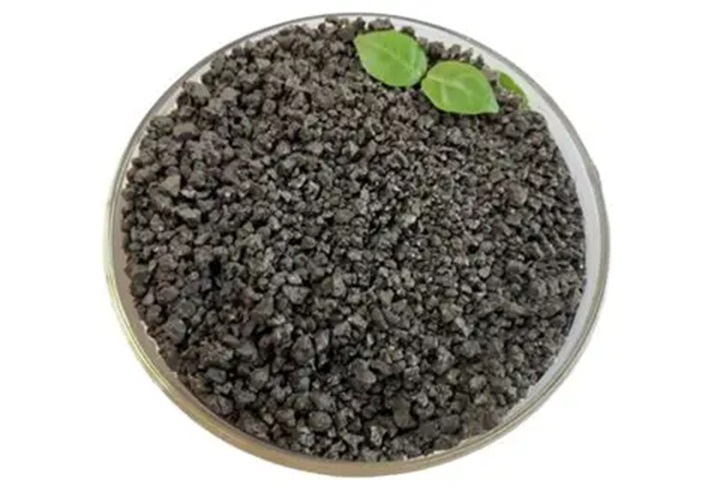
| Color | Black to dark brown |
| Appearance | Crystalline powder, flakes, or granules |
| Odor | Earthy, characteristic |
| Melting Point | >300 °C (decomposes) |
| Density | ~1.51 g/cm³ (20°C) |
| Solubility in Water | Fully soluble (33.3 mg/mL) |
| pH (1% solution) | 9.0 – 11.0 (alkaline) |
| Flammability | Non-flammable |
3. SOLUBILITY PROPERTIES
| Solvent | Solubility |
|---|---|
| Water | Fully soluble (forms a dark brown/black solution) |
| Alkaline Solutions | Highly soluble |
| Ethanol | Partially soluble |
| Organic Solvents (non-polar) | Insoluble |
Key Advantage: Unlike humic acid (which requires alkaline pH to dissolve), sodium humate is directly water-soluble at neutral pH, making it easier to handle and formulate .
4. CHEMICAL PROPERTIES
| Parameter | Information |
|---|---|
| Functional Groups | Carboxyl (-COONa), Phenolic (-OH), Ketones (C=O), Quinone |
| Humic Acid Content (dry basis) | 45-70% (technical grade) |
| Sodium Content | 8-12% (estimated) |
| pH (1% solution) | 9.0 – 11.0 (alkaline) |
| Chelating Ability | Strong (binds heavy metals: Pb, Cd, Hg, Cu, Zn) |
| Cation Exchange Capacity (CEC) | 200-400 meq/100g |
| Stability | Stable under normal conditions |
5. COMPARISON: SODIUM HUMATE vs. HUMIC ACID vs. POTASSIUM HUMATE
| Property | Sodium Humate | Humic Acid | Potassium Humate |
|---|---|---|---|
| CAS Number | 68131-04-4 | 1415-93-6 | 68514-28-3 |
| Water Solubility | High (fully soluble) | Low (only at pH>8.5) | High (fully soluble) |
| pH (1% solution) | 9.0-11.0 | 3.5-5.5 | 7.0-9.0 |
| Sodium Content | High (8-12%) | None | Low |
| Potassium Content | None | None | High (8-12%) |
| Primary Use | Soil, feed, water treatment | Soil conditioner | Foliar spray |
| Foliar Use | Good | Poor | Excellent |
| Cost | Low | Low | Moderate |
Key Advantage of Sodium Humate: It is the most cost-effective water-soluble humate form, making it ideal for large-scale agricultural and animal feed applications .
6. TYPICAL PRODUCT SPECIFICATIONS (Technical Grade)
| Parameter | Specification | Test Method |
|---|---|---|
| Sodium Humate Content (dry basis) | ≥ 90% | Titration |
| Humic Acid Content | ≥ 60-70% (typically 62.8% min) | ISO 5073 |
| Moisture | ≤ 13.5% | Karl Fischer / LOD |
| pH (1% solution) | 9.0 – 11.0 | Potentiometric |
| Water Solubility | ≥ 95% | Gravimetric |
| Ash Content | ≤ 15-20% | Gravimetric (550°C) |
| Particle Size | 50-200 mesh (powder); 1-4 mm (granules) | Sieve analysis |
| Heavy Metals (as Pb) | ≤ 50 ppm | AAS/ICP |
| Arsenic (As) | ≤ 10 ppm | AAS |
| Lead (Pb) | ≤ 20 ppm | AAS |
| Cadmium (Cd) | ≤ 2 ppm | AAS |
7. FUNCTIONAL PROPERTIES
| Function | Description |
|---|---|
| Chelating Agent | Binds metal ions (Fe³⁺, Cu²⁺, Zn²⁺, Mn²⁺, Ca²⁺, Mg²⁺) into stable, bioavailable complexes |
| Toxin Binder (Mycotoxins) | Binds mycotoxins (aflatoxin, ochratoxin, zearalenone) and heavy metals (Pb, Cd, Hg) in animal digestive tracts |
| Anti-inflammatory | Reduces inflammation in animal digestive systems |
| Antioxidant | Scavenges free radicals; reduces oxidative stress |
| pH Buffering | Stabilizes soil and solution pH |
| Water Soluble | Directly soluble in water (unlike humic acid) – easy to formulate |
| Soil Conditioner | Improves soil structure, CEC, and water retention |
| Ammonia Binder | Absorbs ammonia (NH₃) and hydrogen sulfide (H₂S) in animal waste and aquaculture |
8. PRODUCTION PROCESS
| Step | Description |
|---|---|
| Raw Material | Leonardite (oxidized lignite), lignite, or peat |
| Alkaline Extraction | Leonardite + Sodium hydroxide (NaOH) + Water → Extraction |
| Filtration | Removes insoluble residue (humin) |
| Concentration | Evaporation to concentrate the sodium humate solution |
| Drying | Spray drying or drum drying to obtain powder, flakes, or granules |
| Milling/Sieving | Grinding to desired particle size |
Simplified Reaction:
Humic Acid (insoluble) + NaOH → Sodium Humate (soluble) + H₂O
9. APPLICATIONS – AGRICULTURE (Soil and Foliar)
| Application | Function | Typical Rate |
|---|---|---|
| Soil Application (Granules/Powder) | Soil conditioner; improves soil structure, CEC, water retention | 10 – 30 kg/ha (100-300 kg/ha for poor soils) |
| Soil Application (Liquid) | Fertigation, drip irrigation | 5 – 20 L/ha (diluted) |
| Foliar Spray | Plant growth stimulation; enhances nutrient uptake; increases yield by 15-20% | 1 – 3 L/ha (0.1-0.3% solution) |
| Seed Coating | Improves germination, root development | 1 – 2 g/kg seed |
Key Agricultural Benefits:
-
Increases nutrient use efficiency (NPK uptake by 15-25%)
-
Reduces nitrogen fertilizer requirement by up to 50%
-
Increases crop yield by 15-20%
-
Improves soil structure and water retention
-
Enhances stress tolerance (drought, salinity)
-
Stabilizes soil pH
10. APPLICATIONS – ANIMAL FEED (Livestock and Poultry)
| Animal Type | Function | Typical Inclusion Rate | Results |
|---|---|---|---|
| Broilers (Chickens) | Growth promotion; gut health; antioxidant; meat quality | 0.15 – 0.3% of feed | Increased body weight; improved intestinal morphology; enhanced antioxidant capacity |
| Layers | Egg quality; immune function | 0.1 – 0.3% of feed | Improved egg production and quality |
| Swine (Pigs) | Gut health; diarrhea reduction; growth | 0.1 – 0.3% of feed | Reduced diarrhea; improved feed conversion |
| Ruminants (Cattle, Sheep) | Mycotoxin binder; immune support; growth | 5 – 20 g/head/day (0.1-0.3% of feed) | Improved rumen health; reduced mycotoxin effects |
| Honey Bees | Brood production; honey yield | 10 mL/L sugar syrup (optimum dose) | 29.8% higher honey yield (at 10 mL dose); improved brood production |
Key Benefits in Animal Nutrition :
-
Binds mycotoxins (aflatoxin, ochratoxin, zearalenone)
-
Binds heavy metals (Pb, Cd, Hg)
-
Improves gut health and intestinal morphology (increased villus height, reduced crypt depth)
-
Enhances antioxidant capacity (reduces oxidative stress)
-
Improves feed conversion ratio (FCR)
-
Reduces ammonia in manure
Broiler Study Results (Neutral Sodium Humate at 0.3% of feed) :
-
Increased body weight
-
Improved leg muscle yield
-
Improved meat quality
-
Reduced serum total cholesterol
-
Enhanced intestinal barrier integrity
Honey Bee Study Results (10 mL sodium humate per liter sugar syrup) :
-
29.8% higher honey yield compared to control
-
Improved brood production
-
High doses (50 mL) negatively affected production
11. APPLICATIONS – AQUACULTURE (Fish and Shrimp)
| Application | Function | Typical Rate |
|---|---|---|
| Pond Water Treatment | pH buffering; ammonia (NH₃) reduction; hydrogen sulfide (H₂S) removal | 2 – 5 kg/ha (every 7-10 days) |
| Shrimp Farming | Improves survival; reduces stress; water quality | 2 – 4 kg/ha per application |
| Fish Farming | Reduces ammonia toxicity; improves gill health | 1 – 3 kg/ha per application |
Key Benefits for Aquaculture:
-
Absorbs ammonia (NH₃) and hydrogen sulfide (H₂S)
-
Stabilizes pH (buffering effect)
-
Improves water quality
-
Reduces stress in aquatic animals
12. APPLICATIONS – INDUSTRIAL AND TECHNICAL
| Application | Function |
|---|---|
| Drilling Fluids (Oil & Gas) | Viscosity modifier; fluid loss control; shale stabilizer |
| Wastewater Treatment | Heavy metal chelation (removes Pb, Cd, Hg, Cu); flocculation |
| Heavy Metal Removal (Soil/Water) | Chelates and immobilizes toxic metals |
| Concrete Additives | Improves workability; increases strength |
| Coal Binder | Binds coal fines for briquette production |
| Soil Remediation | Stabilizes contaminated soils |
13. APPLICATIONS – COSMETICS
| Application | Function | Typical Concentration |
|---|---|---|
| Anti-Aging Creams | Antioxidant; reduces oxidative stress | 0.1 – 1.0% |
| Moisturizers | Humectant; improves skin hydration | 0.1 – 0.5% |
| Skin Barrier Repair | Strengthens skin barrier function | 0.1 – 1.0% |
| pH Adjuster | Adjusts formulation pH | As required |
Key Cosmetic Benefits :
-
Humectant (moisture retention)
-
Antioxidant (anti-aging)
-
pH stabilizing
14. COMPARISON: SODIUM HUMATE vs. OTHER FEED ADDITIVES
| Property | Sodium Humate | Clay Binders (Bentonite) | Yeast Products | Antibiotics |
|---|---|---|---|---|
| Mycotoxin Binding | Strong (broad spectrum) | Moderate (limited spectrum) | None | None |
| Heavy Metal Binding | Strong | Moderate | None | None |
| Gut Health | Improves morphology | Limited | Improves | Disrupts (negative) |
| Antioxidant Activity | Yes | No | Yes | No |
| Growth Promotion | Yes | Limited | Yes | Yes |
| Regulatory Restrictions | None | None | None | Restricted |
| Cost | Low | Very Low | Moderate | High |
15. REGULATORY STATUS
| Region/Agency | Status |
|---|---|
| FDA (USA) | Approved as feed additive; Generally recognized as safe |
| EU | Approved for use in animal feed (as sodium humate) |
| EFSA | Evaluated; considered safe at recommended levels |
| Türkiye (TGK) | Approved for agricultural and feed use |
| EPA | Not restricted; non-hazardous |
16. SAFETY AND TOXICOLOGICAL PROFILE
| Parameter | Value |
|---|---|
| Acute oral toxicity (rat, LD₅₀) | >5,000 mg/kg (very low toxicity) |
| Acute dermal toxicity (rabbit, LD₀) | >2,000 mg/kg |
| Skin irritation | Non-irritating to mildly irritating |
| Eye irritation | Mildly irritating (powder) |
| Skin sensitization | Not a sensitizer |
| Carcinogenicity | Not classified as carcinogenic |
| Mutagenicity | Negative |
| Inhalation (dust) | May cause mild respiratory irritation |
GHS Classification: Xi – Irritant (R36/37/38)
Risk Phrases: R36/37/38 – Irritating to eyes, respiratory system, and skin
Safety Phrases: S26-36 – In case of contact with eyes, rinse immediately; wear suitable protective clothing
PPE Requirements:
-
Dust mask (N95)
-
Safety glasses
-
Gloves
17. STORAGE AND HANDLING
| Parameter | Requirement |
|---|---|
| Storage Temperature | 5-30°C (cool, dry) |
| Container | Sealed bags (plastic-lined paper bags, woven bags) |
| Humidity | Low humidity (hygroscopic – absorbs moisture) |
| Light Protection | Protect from direct sunlight |
| Shelf Life | 24-36 months (under proper storage) |
| Special Precautions | Avoid dust generation. Keep away from strong oxidizing agents. Protect from moisture (caking). |
18. TYPICAL APPLICATION RATES (Summary Table)
| Application | Rate |
|---|---|
| Soil application (granules) | 10 – 30 kg/ha |
| Foliar spray | 1 – 3 L/ha (0.1-0.3% solution) |
| Animal feed | 0.1 – 0.3% of feed (1-3 kg/ton) |
| Aquaculture water | 2 – 5 kg/ha per application |
| Honey bees | 10 mL/L sugar syrup |
| Seed coating | 1 – 2 g/kg seed |
19. ALTERNATIVES TO SODIUM HUMATE
| Alternative | CAS Number | Notes |
|---|---|---|
| Potassium Humate | 68514-28-3 | Higher potassium content; preferred for foliar sprays |
| Humic Acid | 1415-93-6 | Less soluble; requires alkaline pH; lower cost |
| Fulvic Acid | 479-66-3 | Low molecular weight; high cell permeability |
| Lignosulfonates | 8061-51-6 | Paper industry byproduct; lower chelation capacity |
20. SUMMARY AND CRITICAL INFORMATION
Description: Sodium Humate (CAS 68131-04-4) is the sodium salt of humic acid, produced by alkaline extraction of leonardite (oxidized lignite), lignite, or peat with sodium hydroxide (NaOH). It is a black to dark brown powder, flakes, or granules that is fully water-soluble (unlike humic acid). It has a high cation exchange capacity (200-400 meq/100g), strong chelating ability, antioxidant, and anti-inflammatory properties. Sodium humate is widely used in agriculture (soil conditioner, foliar spray), animal feed (mycotoxin binder, gut health), aquaculture (water treatment), and industrial applications (heavy metal removal, drilling fluids) .
Key Advantages:
-
Fully water-soluble (easy to handle and formulate)
-
Strong mycotoxin and heavy metal binder
-
Antioxidant and anti-inflammatory properties
-
Improves soil structure, CEC, and water retention
-
Reduces fertilizer requirements (up to 50% nitrogen reduction)
-
Increases crop yield (15-20%)
-
Improves animal gut health and feed conversion
-
Increases honey yield (29.8% in honey bees)
-
Non-toxic, biodegradable, and environmentally safe
-
Low cost (most economical water-soluble humate form)
Key Limitations/Precautions:
-
Alkaline pH (9.0-11.0) – may require pH adjustment for sensitive applications
-
Hygroscopic (absorbs moisture – requires dry storage)
-
Dust may cause mild respiratory/eye irritation (use PPE)
-
Variable quality depends on source (leonardite quality)
Major Applications Summary:
| Sector | Primary Uses |
|---|---|
| Agriculture | Soil conditioner, foliar spray, fertigation, seed coating |
| Animal Feed | Mycotoxin binder, gut health promoter, growth promoter (broilers: 0.15-0.3%; ruminants: 5-20 g/head/day) |
| Aquaculture | Water treatment, ammonia/H₂S removal (2-5 kg/ha) |
| Industrial | Heavy metal removal, drilling fluids, concrete additives, wastewater treatment |
| Cosmetics | Humectant, antioxidant, pH adjuster |
Comparison to Other Humates:
| Form | Water Solubility | Best Use |
|---|---|---|
| Sodium Humate | High (fully soluble) | Soil application, feed, water treatment (most cost-effective) |
| Potassium Humate | High (fully soluble) | Foliar spray (adds potassium) |
| Humic Acid | Low (requires pH>8.5) | Soil application (granules) |
Safety Summary:
-
Very low acute toxicity (LD₅₀ >5,000 mg/kg)
-
GHS: Xi – Irritant (R36/37/38)
-
PPE: Dust mask (N95), safety glasses, gloves
-
Storage: Cool, dry, sealed containers; 24-36 months shelf life
Conclusion: Sodium Humate is the most cost-effective, water-soluble form of humic substances, widely used in agriculture (soil conditioner, foliar spray), animal feed (mycotoxin binder, gut health promoter), aquaculture (water treatment), and industrial applications (heavy metal removal, drilling fluids). In animal feed, it improves growth performance, gut health, antioxidant capacity, and meat quality (broilers at 0.15-0.3% inclusion) . In agriculture, it increases crop yield by 15-20% and reduces nitrogen fertilizer requirements by up to 50% . With a strong safety profile, low cost, and broad efficacy, sodium humate is an essential input for sustainable agriculture and animal production.