We unleash your business potential by maximize the business innovation.
Send EmailPhytic Acid, Myo-inositol Hexakisphosphate, Inositol Hexaphosphoric Acid, IP6, E391, 83-86-3
Phytic Acid (Myo-Inositol Hexakisphosphate – E391)
CAS Number: 83-86-3
Chemical Formula: C₆H₁₈O₂₄P₆
Molecular Weight: 660.04 g/mol
E Number: E391
Synonyms: Phytic Acid, Myo-Inositol Hexakisphosphate, Inositol Hexaphosphate (IP6), Inositol Hexaphosphoric Acid, Phytate (salt form)
1. CHEMICAL IDENTITY
| Parameter | Information |
|---|---|
| Product Name | Phytic Acid |
| IUPAC Name | (1R,2S,3r,4R,5S,6s)-cyclohexane-1,2,3,4,5,6-hexayl hexakis(dihydrogen phosphate) |
| CAS Number | 83-86-3 |
| Molecular Formula | C₆H₁₈O₂₄P₆ |
| Molecular Weight | 660.04 g/mol |
| E Number | E391 |
| Chemical Class | Inositol phosphate, Organophosphate, Natural antioxidant, Chelating agent |
| Synonyms | Phytic Acid, Myo-Inositol Hexakisphosphate, Inositol Hexaphosphate (IP6), Inositol Hexaphosphoric Acid, Phytate (salt form) |
2. PHYSICAL PROPERTIES
| Parameter | Value |
|---|---|
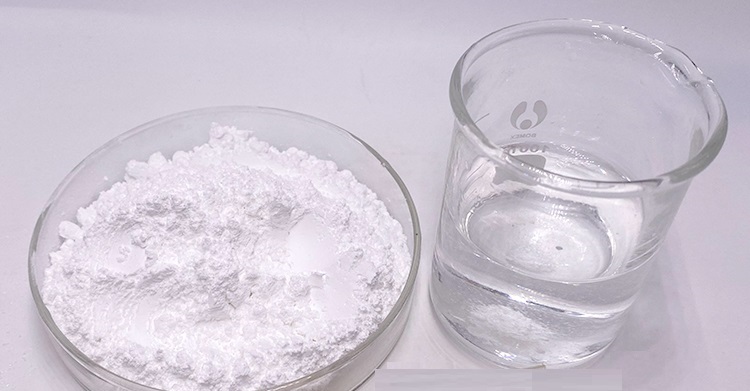
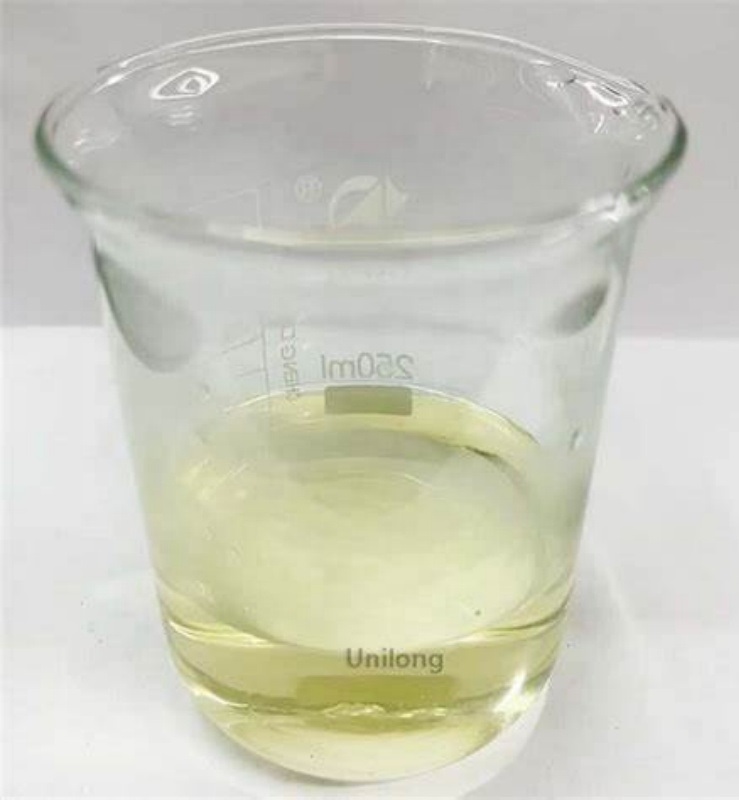
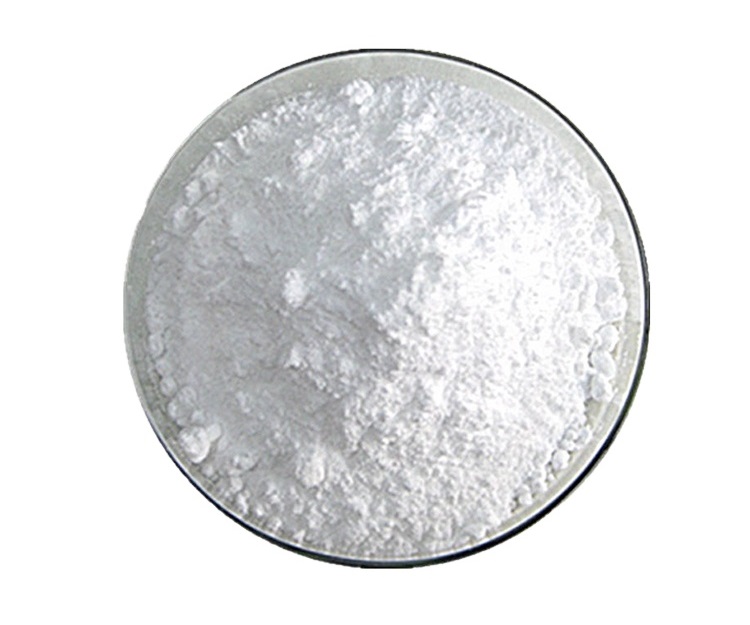
| Physical State (20°C) | Solid (crystalline powder) or Liquid (50% aqueous solution) |
| Color | White to off-white |
| Appearance | Crystalline powder or clear to slightly yellow solution |
| Odor | Odorless |
| Taste | Slightly acidic |
| Density | 1.432 g/mL at 25°C |
| pH (1% solution) | 3.0 – 4.0 (acidic) |
| Melting Point | >200°C (decomposes) |
| Solubility in Water | Soluble (forms acidic solution) |
| Hydroscopicity | Hygroscopic (absorbs moisture) |
3. SOLUBILITY PROPERTIES
| Solvent | Solubility |
|---|---|
| Water | Soluble |
| Ethanol | Slightly soluble |
| Acetone | Insoluble |
| Ether | Insoluble |
| Most Organic Solvents | Insoluble |
4. CHEMICAL PROPERTIES
| Parameter | Information |
|---|---|
| Functional Groups | Six phosphate groups (-PO₄H₂) |
| pKa Values | Multiple (1.8 – 9.5) – polyprotic acid |
| Chelating Ability | Very strong (hexadentate ligand) |
| Metal Binding | Binds Fe³⁺, Zn²⁺, Ca²⁺, Mg²⁺, Cu²⁺, Mn²⁺ |
| Antioxidant Mechanism | Chelates pro-oxidant metal ions (Fe, Cu) |
| Hydrolysis | Hydrolyzed by phytase enzyme to lower inositol phosphates |
| Thermal Stability | Stable at 100-250°C (frying applications) |
Phosphate Groups: Phytic acid contains six phosphate groups, making it a strong hexadentate chelator. Each phosphate group can bind metal ions.
5. TYPICAL PRODUCT SPECIFICATIONS
| Parameter | Crystalline Powder | 50% Aqueous Solution | Test Method |
|---|---|---|---|
| Phytic Acid Content | ≥ 95-98% | 45-55% (as is) | Titration/HPLC |
| Phosphorus (P) Content | ~28% (calculated) | ~14% | Titration |
| Moisture | ≤ 5% | ~50% | Karl Fischer |
| pH (1% solution) | 3.0-4.0 | 3.0-4.0 (diluted) | Potentiometric |
| Heavy Metals (as Pb) | ≤ 10 ppm | ≤ 10 ppm | AAS/ICP |
| Arsenic (As) | ≤ 3 ppm | ≤ 3 ppm | AAS |
| Lead (Pb) | ≤ 5 ppm | ≤ 5 ppm | AAS |
| Cadmium (Cd) | ≤ 1 ppm | ≤ 1 ppm | AAS |
| Inorganic Phosphorus | ≤ 0.5% | ≤ 0.5% | Titration |
| Appearance | White crystalline powder | Clear to slightly yellow liquid | Visual |
6. NATURAL SOURCES
| Source | Phytic Acid Content |
|---|---|
| Wheat Bran | 3-6% |
| Rice Bran | 5-8% |
| Corn (Maize) Germ | 5-7% |
| Soybeans | 1-2% |
| Chickpeas | 0.5-1.5% |
| Lentils | 0.5-1.5% |
| Nuts (Almonds, Walnuts) | 1-3% |
| Sesame Seeds | 4-6% |
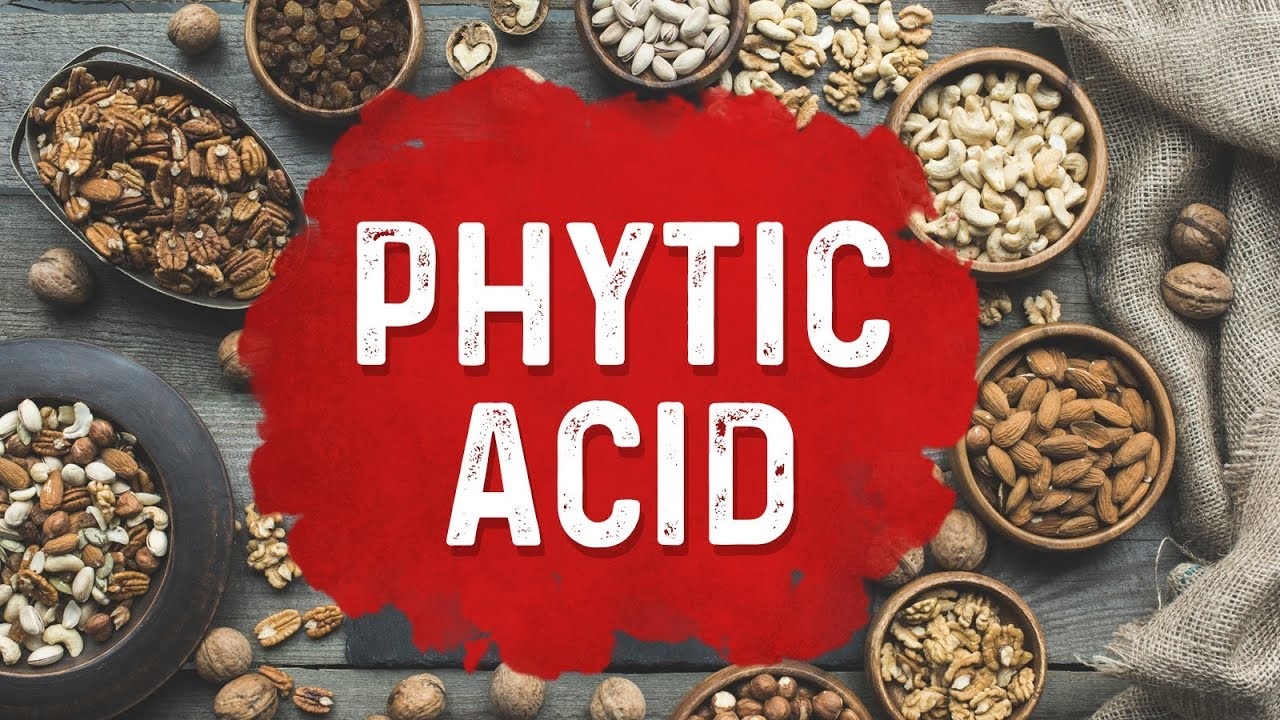
Key Point: Unrefined foods (whole grains, legumes, nuts) contain higher levels of phytic acid.
7. PRODUCTION PROCESS
| Step | Description |
|---|---|
| Raw Material | Rice bran, wheat bran, or corn steep liquor |
| Extraction | Aqueous extraction under acidic conditions (pH 2-4) |
| Purification | Filtration, ion exchange resins, or calcium phytate precipitation |
| Conversion | Calcium phytate → Acidification → Phytic acid |
| Concentration | Vacuum evaporation |
| Formulation | Crystalline powder or 50% aqueous solution |
Alternative Method: Enzymatic hydrolysis using phytase enzyme (IP6 → IP5 → IP4 → lower inositol phosphates).
8. FUNCTIONAL PROPERTIES
| Function | Description |
|---|---|
| Antioxidant | Chelates pro-oxidant metal ions (Fe³⁺, Cu²⁺) – prevents oxidative rancidity |
| Chelating Agent | Strong hexadentate chelator; binds Fe, Zn, Ca, Mg, Cu, Mn |
| Natural Preservative | Extends shelf life by preventing oxidation and metal-catalyzed reactions |
| pH Buffer | Multiple pKa values provide buffering capacity |
| Anticorrosion | Forms protective complexes on metal surfaces |
| Melanin Inhibitor | Inhibits tyrosinase activity in cosmetic applications |
9. APPLICATIONS – FOOD INDUSTRY (E391 – Antioxidant and Preservative)
| Application | Function | Typical Use Level |
|---|---|---|
| Edible Oils and Fats | Antioxidant; prevents oxidative rancidity | 0.01 – 0.1% |
| Frying Oils | Metal chelator; extends oil life (100-250°C stable) | 0.01 – 0.05% |
| Bakery Products | Preservative; extends shelf life | 0.01 – 0.1% |
| Meat and Seafood | Color stabilizer; prevents discoloration | 0.01 – 0.1% |
| Canned Vegetables | Color preservation; metal ion control | 0.01 – 0.05% |
| Beverages | Metal chelator; prevents off-flavors | 0.005 – 0.02% |
| Marinades (Pre-frying) | Applied to food before frying to reduce oil absorption | 0.1 – 0.5% |
Key Food Application: Phytic acid is used as a natural alternative to synthetic antioxidants (BHA, BHT) in frying oils. It is stable at 100-250°C and delays oil oxidation.
10. APPLICATIONS – COSMETICS AND PERSONAL CARE
| Application | Function | Typical Concentration |
|---|---|---|
| Skin Lightening / Anti-Pigmentation | Inhibits melanin production; tyrosinase inhibitor | 0.5 – 2.0% |
| Anti-Aging Creams | Antioxidant; collagen enhancement | 0.5 – 1.5% |
| Toners and Peels | Exfoliant; metal chelator | 0.5 – 2.0% |
| Sunscreen | Antioxidant booster; metal chelator | 0.1 – 0.5% |
| Hair Care | Metal chelator (removes calcium from hair) | 0.1 – 0.5% |
| Soap and Cleansers | Metal ion control; improves foaming | 0.1 – 0.5% |
Cosmetic Benefits:
-
Tyrosinase inhibitor (reduces melanin production)
-
Antioxidant (reduces oxidative stress)
-
Collagen synthesis enhancer
-
Natural EDTA alternative (sodium phytate form)
Phytate (Sodium Phytate) in Cosmetics: Sodium phytate (the sodium salt of phytic acid) is widely used as a natural, biodegradable alternative to EDTA in cosmetic formulations.
11. APPLICATIONS – SODIUM PHYTATE (Natural EDTA Alternative)
| Property | Sodium Phytate | EDTA |
|---|---|---|
| Origin | Natural (plant-derived) | Synthetic |
| Biodegradability | High | Low |
| Chelating Strength | Strong | Very strong |
| pH Range | Effective 4-12 | Effective 4-12 |
| Cosmetic Use | Preservative booster, metal chelator | Metal chelator |
| Environmental Profile | Eco-friendly | Persistent |
Sodium Phytate Benefits in Cosmetics:
-
Natural preservative booster
-
Improves foaming in cleansers (removes hardness ions)
-
Stabilizes color and fragrance
-
Precribes metal-catalyzed degradation
12. APPLICATIONS – FRYING OILS (Thermal Stability)
| Parameter | Information |
|---|---|
| Thermal Stability Range | 100 – 250°C |
| Mechanism | Chelates pro-oxidant metals (Fe, Cu) in oil |
| Effect | Reduces oil oxidation by 30-50% |
| Comparison to Synthetic Antioxidants | Comparable or better than BHA/BHT in some oils |
| Application Method | Direct addition to oil (0.01-0.05%) or pre-treatment of food (marinade) |
Frying Application Notes:
-
Phytic acid is stable at typical frying temperatures (150-200°C)
-
Does not decompose or form off-flavors
-
Can be added directly to frying oil
-
Can be applied as a pre-fry marinade (0.1-0.5% solution)
13. APPLICATIONS – METAL PROCESSING AND ANTICORROSION
| Application | Function |
|---|---|
| Magnesium Alloy Coating | Corrosion inhibitor (forms protective film) |
| Metal Surface Treatment | Converts metal surface to corrosion-resistant layer |
| Rust Inhibitor | Chelates iron and prevents rust formation |
| Water Treatment | Scale inhibitor; metal ion control |
14. APPLICATIONS – AGRICULTURE AND FERTILIZERS
| Application | Function |
|---|---|
| Soil Amendment | Chelates micronutrients (Fe, Zn, Cu); improves bioavailability |
| Phytase Enzyme Addition | Releases phosphorus from phytic acid in animal feed |
| Organic Fertilizer Additive | Phosphorus source (after phytase treatment) |
| Seed Treatment | Reduces metal toxicity in germination |
15. APPLICATIONS – DENTISTRY
| Application | Function |
|---|---|
| Endodontic Filler | Binding agent in root canal fillings |
| Irrigation Solution | Chelates calcium and removes smear layer |
| Metal Ion Control | Precipitates metal ions in dental materials |
16. COMPARISON: PHYTIC ACID vs. OTHER CHELATORS
| Property | Phytic Acid | EDTA | Citric Acid | Sodium Phytate |
|---|---|---|---|---|
| Origin | Natural | Synthetic | Natural | Natural |
| Biodegradability | High | Low | High | High |
| Chelating Strength | Very strong | Very strong | Weak | Very strong |
| Number of Binding Sites | 6 (hexadentate) | 6 (hexadentate) | 3 (tridentate) | 6 (hexadentate) |
| pH Range | 2-12 | 4-12 | 2-8 | 4-12 |
| Metal Binding | Fe, Zn, Ca, Mg, Cu | Fe, Ca, Mg, Cu | Fe, Cu, Ca | Fe, Zn, Ca, Mg, Cu |
| Food Use (E number) | E391 | E385 | E330 | Not assigned |
| Cosmetic Use | Direct or as salt | Direct | Direct | Preferred (natural) |
17. ALTERNATIVES TO PHYTIC ACID
| Alternative | Properties | Notes |
|---|---|---|
| Sodium Phytate | Natural, biodegradable | Preferred in cosmetics (EDTA alternative) |
| Tetrasodium Glutamate Diacetate (GLDA) | Biodegradable, strong chelator | Dissolvine GL; used in preservative systems |
| Citric Acid | Mild chelator, antioxidant | Food and cosmetic use |
| Ascorbic Acid (Vitamin C) | Antioxidant, color preservative | Reduces oil oxidation |
| Sodium Gluconate | Metal ion binder | Food and cosmetic use |
18. SAFETY AND TOXICOLOGICAL PROFILE
| Parameter | Value |
|---|---|
| Acute oral toxicity (rat, LD₅₀) | ~3,000 – 5,000 mg/kg (low to moderate toxicity) |
| Acute dermal toxicity (rabbit, LD₅₀) | >2,000 mg/kg |
| Skin irritation | Non-irritating to mildly irritating |
| Eye irritation | Mildly irritating |
| Skin sensitization | Not a sensitizer |
| Carcinogenicity | Not classified as carcinogenic |
| Mutagenicity | Negative |
GHS Classification: Not classified as hazardous under normal conditions of use (diluted solutions).
Nutritional Note: Phytic acid can bind dietary minerals (Fe, Zn, Ca) and reduce their bioavailability. This is only a concern at high dietary intake (e.g., unprocessed whole grains as staple food). At food additive levels (0.01-0.1%), the effect is negligible.
19. STORAGE AND HANDLING
| Parameter | Requirement |
|---|---|
| Storage Temperature | 0-10°C (refrigerated preferred) |
| Container | Airtight (Hygroscopic – absorbs moisture) |
| Light Protection | Protect from direct sunlight |
| Humidity | Low humidity |
| Shelf Life | 24-36 months (crystalline powder); 12-24 months (50% solution) |
| Special Precautions | Store in airtight container. Avoid exposure to moisture and heat. |
Stability Note: Phytic acid is stable under recommended storage conditions. It decomposes upon prolonged heating at high temperatures (>250°C).
20. SUMMARY AND CRITICAL INFORMATION
Description: Phytic Acid (Myo-Inositol Hexakisphosphate, IP6, CAS 83-86-3) is a natural organophosphate compound containing six phosphate groups. It is a white crystalline powder or 50% aqueous solution. Phytic acid is a strong hexadentate chelator (six binding sites), powerful antioxidant, and natural preservative. It is found naturally in whole grains (wheat bran, rice bran), legumes (soybeans, chickpeas), nuts, and oilseeds. As E391, it is approved as a food additive (antioxidant and preservative).
Key Advantages:
-
Natural, plant-derived, biodegradable
-
Strong hexadentate chelator (binds Fe, Zn, Ca, Mg, Cu)
-
Powerful antioxidant (chelates pro-oxidant metals)
-
Thermal stability (100-250°C) – suitable for frying oils
-
Natural EDTA alternative (sodium phytate form in cosmetics)
-
Tyrosinase inhibitor (skin lightening in cosmetics)
Key Limitations/Precautions:
-
Hygroscopic (absorbs moisture – requires airtight storage)
-
Can bind dietary minerals at high intake levels (negligible at additive levels)
-
Acidic pH (3.0-4.0) – may require pH adjustment
-
Moderate acute oral toxicity (LD₅₀ ~3,000-5,000 mg/kg)
Major Applications Summary:
| Sector | Primary Uses |
|---|---|
| Food Industry (E391) | Antioxidant in edible oils and frying oils, preservative, metal chelator (0.01-0.1%) |
| Cosmetics | Skin lightening (tyrosinase inhibitor), anti-aging, natural EDTA alternative (sodium phytate) |
| Frying Applications | Extends frying oil life; stable at 100-250°C (0.01-0.05% in oil) |
| Metal Processing | Corrosion inhibitor for magnesium alloys, rust inhibitor |
| Agriculture | Soil amendment, phosphorus source (with phytase enzyme) |
| Dentistry | Endodontic filler binding agent, irrigation solution |
Frying Applications:
| Parameter | Value |
|---|---|
| Stability | 100-250°C |
| Use Level | 0.01 – 0.05% in oil |
| Application | Direct addition to oil or pre-fry marinade (0.1-0.5%) |
| Effect | Reduces oil oxidation by 30-50%; extends oil life |
Comparison to Synthetic Antioxidants:
| Property | Phytic Acid (E391) | BHA (E320) | BHT (E321) |
|---|---|---|---|
| Origin | Natural | Synthetic | Synthetic |
| Antioxidant Mechanism | Metal chelation | Radical scavenging | Radical scavenging |
| Thermal Stability | 100-250°C | 100-200°C | 100-200°C |
| Toxicity | Low | Moderate (concerns) | Moderate (concerns) |
| Consumer Perception | Natural (clean label) | Synthetic | Synthetic |
Sodium Phytate (Natural EDTA Alternative):
| Property | Sodium Phytate | EDTA |
|---|---|---|
| Origin | Natural (plant-derived) | Synthetic |
| Biodegradability | High | Low |
| Use in Cosmetics | Preservative booster, metal chelator | Metal chelator |
Safety Summary:
-
Low to moderate acute oral toxicity (LD₅₀ ~3,000-5,000 mg/kg)
-
Not classified as hazardous under normal use
-
Approved as food additive (E391 – antioxidant)
-
Use in cosmetics safe at recommended levels (0.5-2.0%)
Storage: Refrigerated (0-10°C), airtight, dry; 24-36 months shelf life (powder); 12-24 months (50% solution).
Conclusion: Phytic Acid (IP6, E391) is a natural, plant-derived organophosphate with six phosphate groups, making it a strong hexadentate chelator and powerful antioxidant. It is used in the food industry (E391) as an antioxidant in edible oils and frying oils (stable at 100-250°C), preservative, and metal chelator (0.01-0.1%). In cosmetics, phytic acid (or sodium phytate) is used as a natural EDTA alternative, tyrosinase inhibitor (skin lightening), and anti-aging agent. In frying applications, it extends frying oil life by 30-50% by chelating pro-oxidant metals. Sodium phytate, the sodium salt of phytic acid, is widely used as a natural, biodegradable alternative to EDTA in cosmetic formulations. With excellent chelating and antioxidant properties, natural origin, and thermal stability, phytic acid is a sustainable choice for food preservation, cosmetic formulations, and metal processing applications.