We unleash your business potential by maximize the business innovation.
Send EmailInositol, Myo-Inositol, Cyclohexanehexol, Inosite, Inosital, Meat Sugar, Inosital, Kuersinitol, 87-89-7
Inositol (Myo-Inositol)
CAS Number: 87-89-7
Chemical Formula: C₆H₁₂O₆
Molecular Weight: 180.16 g/mol
EC Number: 201-781-2
Synonyms: Myo-Inositol, Cyclohexane-1,2,3,4,5,6-hexol, Meat Sugar, Inosite, Inosital, Cyclohexanehexol, cis-1,2,3,5-trans-4,6-Cyclohexanehexol
1. CHEMICAL IDENTITY
| Parameter | Information |
|---|---|
| Product Name | Inositol |
| IUPAC Name | Cyclohexane-1,2,3,4,5,6-hexol |
| CAS Number | 87-89-7 |
| Chemical Formula | C₆H₁₂O₆ |
| Molecular Weight | 180.16 g/mol |
| EC Number | 201-781-2 |
| Chemical Class | Cyclitol, Sugar alcohol (polyol), Vitamin-like compound |
| Synonyms | Myo-Inositol, Cyclohexane-1,2,3,4,5,6-hexol, Meat Sugar, Inosite, Inosital, Kuersinitol, Cyclohexanehexol, cis-1,2,3,5-trans-4,6-Cyclohexanehexol |
2. STEREOISOMERS
| Isomer | Description |
|---|---|
| Myo-Inositol | Most abundant and biologically active form (this TDS) |
| D-Chiro-Inositol | Biologically active isomer; involved in insulin signaling |
| L-Chiro-Inositol | Less common |
| Scyllo-Inositol | Found in some plants |
| Muco-Inositol | Rare |
| Neo-Inositol | Rare |
| Epi-Inositol | Rare |
| Allo-Inositol | Rare |
| Cis-Inositol | Rare |
Key Point: Myo-inositol is the most abundant stereoisomer in nature and the form used in supplements and pharmaceuticals. The human body maintains a specific physiological ratio of myo-inositol to D-chiro-inositol (approximately 40:1 in blood and tissues).
3. PHYSICAL PROPERTIES
| Parameter | Value |
|---|---|
| Physical State (20°C) | Solid |
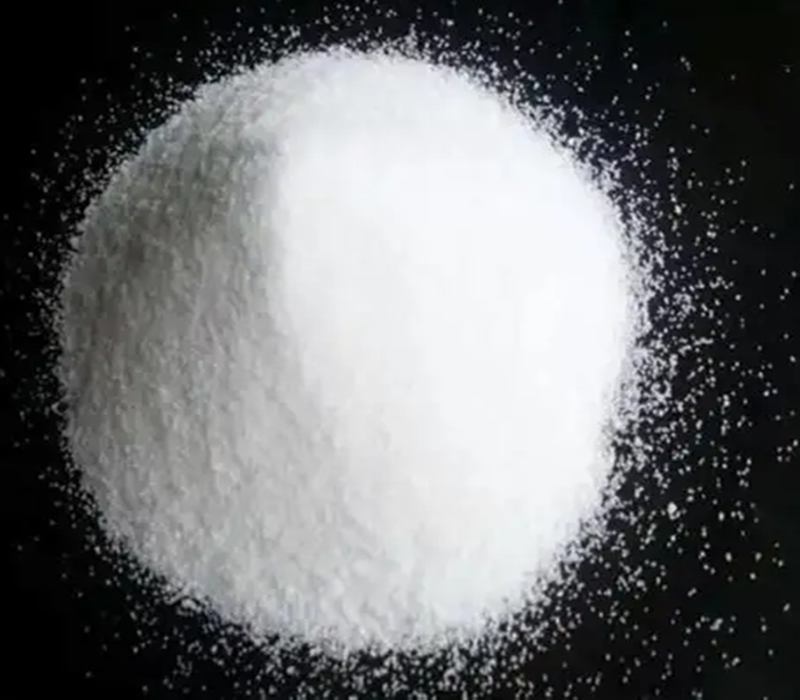
| Color | White to off-white |
| Appearance | Crystalline powder |
| Odor | Odorless |
| Taste | Sweet (slightly sweet) |
| Melting Point | 224 – 227 °C (typical: 225-227°C) |
| Density | ~1.75 g/cm³ |
| pH (1% solution) | 5.0 – 7.0 (neutral to slightly acidic) |
| Hygroscopicity | Slightly hygroscopic |
4. SOLUBILITY PROPERTIES
| Solvent | Solubility (20°C) |
|---|---|
| Water | 14 g/100 mL (25°C) – moderately soluble |
| Ethanol | Slightly soluble |
| Methanol | Slightly soluble |
| Acetone | Practically insoluble |
| Ether | Practically insoluble |
| Chloroform | Practically insoluble |
5. CHEMICAL PROPERTIES
| Parameter | Information |
|---|---|
| Functional Groups | Six hydroxyl groups (-OH) |
| Chemical Class | Cyclitol (cyclic sugar alcohol) |
| pKa | ~12-13 (very weak acid) |
| Optical Activity | Optically inactive (meso form) |
| Stability | Stable under normal conditions |
| Incompatible Materials | Strong oxidizing agents, strong acids |
| Hydroscopicity | Slightly hygroscopic |
6. TYPICAL PRODUCT SPECIFICATIONS (Food/Pharma Grade)
| Parameter | Specification | Test Method |
|---|---|---|
| Appearance | White crystalline powder | Visual |
| Assay (Myo-Inositol, dried basis) | 98.0 – 102.0% (min. 98.0%) | HPLC / Titration |
| Melting Range | 224.0 – 227.0 °C | USP <741> |
| Loss on Drying | ≤ 0.5% | Gravimetric |
| Residue on Ignition (Sulfated Ash) | ≤ 0.1% | Gravimetric |
| Chloride (Cl) | ≤ 0.005% (50 ppm) | Titration |
| Sulfate (SO₄) | ≤ 0.006% (60 ppm) | Turbidimetric |
| Calcium (Ca) | Pass test | AAS / Titration |
| Iron (Fe) | ≤ 0.0005% (5 ppm) | AAS |
| Heavy Metals (as Pb) | ≤ 10 ppm | AAS/ICP |
| Arsenic (As) | ≤ 3 ppm | AAS |
| Lead (Pb) | ≤ 4 mg/kg (4 ppm) | AAS |
| Cadmium (Cd) | ≤ 0.1 ppm | AAS |
| Mercury (Hg) | ≤ 0.1 ppm | AAS |
| Total Plate Count | ≤ 1,000 cfu/g | Plate Count |
| Yeast and Mold | ≤ 100 cfu/g | Plate Count |
| E. coli | Negative | PCR/Culture |
| Salmonella (per 25g) | Negative | PCR/Culture |
| Staphylococcus aureus | Negative | PCR/Culture |
7. PRODUCTION PROCESS
| Step | Description |
|---|---|
| Raw Material | Phytin (phytic acid – calcium/magnesium salt) from rice bran, corn steep liquor, or other plant sources |
| Step 1 – Hydrolysis | Phytin is hydrolyzed under high pressure in acidic conditions → Inositol + Phosphoric acid |
| Step 2 – Neutralization | Calcium hydroxide (Ca(OH)₂) is added to adjust pH to 7-8 (precipitates calcium phosphate) |
| Step 3 – Filtration/Centrifugation | Calcium phosphate is removed |
| Step 4 – Decolorization | Activated carbon treatment removes color impurities |
| Step 5 – Crystallization | Inositol is crystallized from solution |
| Step 6 – Drying and Milling | Final crystalline powder is dried and milled |
| Alternative Method | Microbial fermentation (using yeast or bacteria) – more sustainable, increasingly used |
Alternative Production: Microbial fermentation methods are gaining popularity as a more sustainable and cost-effective alternative to phytic acid hydrolysis .
8. NATURAL SOURCES
| Food Source | Inositol Content |
|---|---|
| Rice Bran | Very high (primary commercial source) |
| Corn (Maize) | High (corn steep liquor) |
| Wheat Bran | High |
| Oats | Moderate |
| Legumes (Beans, Lentils) | Moderate |
| Nuts | Moderate |
| Citrus Fruits | Low |
| Cantaloupe | Low |
Note: Myo-inositol is widely distributed in plants and animals. The highest concentrations are found in cereal brans (rice, wheat, corn).
9. FUNCTIONAL PROPERTIES
| Function | Description |
|---|---|
| Cell Membrane Component | Myo-inositol is incorporated into phosphatidylinositol (PI) and phosphoinositides – essential for cell membrane structure and function |
| Second Messenger Precursor | Phosphatidylinositol 4,5-bisphosphate (PIP2) is hydrolyzed to IP3 (inositol trisphosphate) and DAG (diacylglycerol) – critical for intracellular calcium signaling |
| Insulin Sensitizer | Myo-inositol and D-chiro-inositol act as insulin mediators; improve insulin sensitivity |
| Osmolyte | Protects cells from osmotic stress |
| Antioxidant Activity | Demonstrated antioxidant activity; reduces negative effects of AGEs (Advanced Glycation End-products) |
| Neurotransmitter Modulation | Influences serotonin and dopamine systems; calming effect on central nervous system |
10. BIOLOGICAL ROLES
| Role | Description |
|---|---|
| Insulin Signal Transduction | Myo-inositol and D-chiro-inositol are key mediators of insulin action; inositol phosphoglycans (IPGs) act as insulin second messengers |
| Ovarian Function | Regulates ovarian steroidogenesis; maintains healthy myo-Ins to D-chiro-Ins ratio (physiological ~40:1 in blood) |
| Neurotransmitter Systems | Influences serotonin, dopamine, and noradrenaline signaling; antidepressant and anti-anxiety effects |
| Lipid Metabolism | Prevents fatty liver; promotes export of triglycerides from liver |
| Fetal Development | Critical for neural tube closure during early pregnancy |
| Cell Signaling | Phosphoinositide pathway (IP3/DAG) regulates calcium release and protein kinase C (PKC) activation |
11. APPLICATIONS – FOOD AND BEVERAGE
| Application | Function | Typical Use Level |
|---|---|---|
| Infant Formula | Essential nutrient for infant brain and eye development; added to mimic breast milk composition | 50-150 mg/100 kcal |
| Functional Beverages | Added to energy drinks, sports drinks, and wellness beverages | 100-500 mg/serving |
| Vitamin Supplements | B-vitamin-like compound; often included in B-complex and multivitamin formulations | 250-1000 mg/tablet |
| Fortified Foods | Added to cereals, nutrition bars, and protein powders | 100-500 mg/serving |
| Meat Products (Processed) | Used as a nutrient supplement (minor use) | As required |
Regulatory Status: GRAS (Generally Recognized as Safe) for use in food and beverages.
12. APPLICATIONS – DIETARY SUPPLEMENTS (Human)
| Application | Function | Typical Daily Dose | Clinical Evidence |
|---|---|---|---|
| PCOS (Polycystic Ovary Syndrome) | Improves insulin sensitivity; restores ovulation; improves metabolic parameters; reduces hyperandrogenism | 2,000 – 4,000 mg/day (myo-inositol alone or combined with D-chiro-inositol 40:1 ratio) | Strong evidence |
| Insulin Resistance / Metabolic Syndrome | Acts as insulin sensitizer; improves glucose metabolism | 2,000 – 4,000 mg/day | Good evidence |
| Type 2 Diabetes | Improves insulin sensitivity; reduces blood glucose | 1,000 – 2,000 mg/day | Moderate evidence |
| Depression and Anxiety | Modulates serotonin receptors; calming effect on CNS | 6,000 – 12,000 mg/day (high dose) | Good evidence |
| Panic Disorder | Reduces frequency and severity of panic attacks | 6,000 – 12,000 mg/day | Good evidence |
| Gestational Diabetes (GDM) | Improves insulin sensitivity during pregnancy; reduces need for insulin therapy | 2,000 – 4,000 mg/day | Emerging evidence |
| Male Fertility | Improves sperm quality and motility | 2,000 – 4,000 mg/day | Moderate evidence |
| Neurodegenerative Disorders | Potential neuroprotective effects (Alzheimer's, Parkinson's, Huntington's) | Research stage | Preliminary |
Key Clinical Applications:
-
PCOS (Polycystic Ovary Syndrome): Myo-inositol is considered an effective alternative to metformin. Combined myo-inositol and D-chiro-inositol at a 40:1 ratio is commonly used (physiological ratio in blood). Clinical trials show improved ovulation, menstrual regularity, and metabolic parameters .
-
Depression and Panic Disorder: High-dose inositol (6-12 g/day) has shown antidepressant and anti-anxiety effects comparable to SSRIs in some studies.
-
Metabolic Health: Myo-inositol acts as an insulin sensitizer, improving glucose metabolism and reducing insulin resistance .
13. APPLICATIONS – PHARMACEUTICAL
| Application | Function |
|---|---|
| PCOS Treatment | Insulin sensitizer; ovulation induction; hormonal regulation |
| Prevention of Neural Tube Defects | Critical for fetal neural tube closure (works synergistically with folic acid) |
| Gestational Diabetes Management | Improves insulin sensitivity during pregnancy |
| Lipid-Lowering (Liver Health) | Prevents and treats fatty liver disease |
| Respiratory Distress Syndrome (Neonatal) | Surfactant component (phosphatidylinositol) – used in premature infants |
| Intravenous Nutrition (TPN) | Component of total parenteral nutrition formulations |
14. APPLICATIONS – COSMETICS AND PERSONAL CARE
| Application | Function | Typical Concentration |
|---|---|---|
| Hair Conditioners | Humectant; anti-static agent; improves hair manageability | 0.5 – 2.0% |
| Moisturizers (Creams, Lotions) | Humectant; skin hydration; anti-aging (antioxidant) | 0.5 – 2.0% |
| Anti-Aging Serums | Antioxidant; skin repair; stimulates cell renewal | 0.5 – 2.0% |
| Skin Barrier Repair | Supports skin barrier function; improves hydration | 0.5 – 1.0% |
| Oral Care Products | Humectant; flavor carrier | 0.1 – 0.5% |
INCI Name: Inositol (or Myo-Inositol)
15. APPLICATIONS – ANIMAL FEED (Veterinary)
| Animal Type | Function | Typical Inclusion Rate |
|---|---|---|
| Aquaculture (Fish, Shrimp) | Growth promoter; improves feed conversion; stress resistance | 500 – 2,000 mg/kg feed |
| Poultry (Broilers, Layers) | Growth promotion; improves eggshell quality; lipid metabolism | 500 – 1,000 mg/kg feed |
| Swine (Pigs) | Growth promoter; liver health; lipid metabolism | 500 – 1,000 mg/kg feed |
| Companion Animals (Dogs, Cats) | Skin and coat health; antioxidant; joint health | 100 – 500 mg/day |
16. APPLICATIONS – CELL CULTURE AND BIOTECHNOLOGY
| Application | Function |
|---|---|
| Cell Culture Media | Essential component for many mammalian cell lines (particularly CHO cells for recombinant protein production) |
| Research | Study of phosphoinositide signaling pathways (IP3/DAG pathway) |
| Biotechnology | Production of inositol phosphates and other derivatives |
17. COMPARISON: MYO-INOSITOL vs. D-CHIRO-INOSITOL
| Property | Myo-Inositol | D-Chiro-Inositol |
|---|---|---|
| Structure | Most abundant stereoisomer | Rare stereoisomer |
| Physiological Ratio (Blood) | ~40 parts | ~1 part |
| Primary Role | Second messenger precursor | Insulin mediator |
| Insulin Sensitivity | Improves (moderate) | Improves (strong) |
| Ovarian Function | Supports follicular development | Modulates steroidogenesis |
| PCOS Treatment | Restores ovulation | Reduces hyperandrogenism |
| Optimal Ratio in PCOS | 40:1 (myo:D-chiro) | 40:1 (myo:D-chiro) |
| Cost | Moderate | Higher (more expensive) |
Key Clinical Note: The physiological myo-inositol to D-chiro-inositol ratio in human blood and tissues is approximately 40:1. This ratio is critical for normal ovarian and metabolic function. PCOS is associated with an altered ratio (higher D-chiro-inositol relative to myo-inositol). Supplementation with the 40:1 ratio is recommended for PCOS treatment .
18. REGULATORY STATUS
| Region/Agency | Status |
|---|---|
| FDA (USA) | GRAS (Generally Recognized as Safe) for use in food and supplements |
| EU | Approved as a novel food ingredient and dietary supplement |
| EFSA | Considered safe at recommended intake levels |
| Türkiye (TGK) | Approved for use in food supplements |
| JECFA (WHO) | Acceptable daily intake (ADI) not specified (low toxicity) |
GRAS Status: Inositol (myo-inositol) has GRAS status in the USA for use as a nutrient supplement in foods and beverages at levels up to 100 mg/serving (self-affirmed GRAS).
19. STORAGE AND HANDLING
| Parameter | Requirement |
|---|---|
| Storage Temperature | 15-30°C (room temperature, cool, dry) |
| Container | Tightly sealed (HDPE drums, bags, fiber drums) |
| Humidity | Low humidity (slightly hygroscopic) |
| Light Protection | Protect from direct sunlight |
| Incompatible Materials | Strong oxidizing agents, strong acids |
| Shelf Life | 24-36 months under proper storage |
| Special Precautions | Avoid moisture absorption; keep container tightly closed. |
20. SUMMARY AND CRITICAL INFORMATION
Description: Inositol (Myo-Inositol, CAS 87-89-7) is a six-carbon cyclic sugar alcohol (cyclitol) with six hydroxyl groups. It is a white, crystalline powder with a slightly sweet taste, melting point of 224-227°C, and moderate water solubility (14 g/100 mL at 25°C). Myo-inositol is the most abundant and biologically active stereoisomer of inositol and is considered a vitamin-like compound (formerly classified as Vitamin B8). It is widely distributed in nature, with the highest concentrations found in rice bran, corn, and wheat bran. Inositol is produced commercially by hydrolysis of phytic acid (phytin) from rice bran or by microbial fermentation.
Key Advantages:
-
Essential component of cell membranes (phosphatidylinositol)
-
Key second messenger precursor (IP3/DAG signaling pathway)
-
Acts as an insulin sensitizer (insulin mediator)
-
Improves metabolic and reproductive health in PCOS
-
Modulates neurotransmitter systems (serotonin, dopamine)
-
Low toxicity (LD₅₀ >5,000 mg/kg)
-
GRAS status for food and supplement use
Key Limitations/Considerations:
-
Slightly hygroscopic (requires dry storage)
-
High doses (6-12 g/day) may cause mild gastrointestinal discomfort (bloating, nausea)
-
Not a classical vitamin (body can synthesize small amounts)
-
Limited water solubility compared to other sugar alcohols
-
Higher cost than some other bulking agents
Major Applications Summary:
| Sector | Primary Uses |
|---|---|
| Food & Beverage | Infant formula, functional beverages, vitamin supplements, fortified foods |
| Dietary Supplements | PCOS, insulin resistance, depression, panic disorder, metabolic health |
| Pharmaceutical | PCOS treatment, neural tube defect prevention, gestational diabetes, TPN |
| Cosmetics | Hair conditioners, moisturizers, anti-aging serums (humectant, antioxidant) |
| Animal Feed | Aquaculture, poultry, swine (growth promoter, lipid metabolism) |
| Cell Culture | Mammalian cell culture media (CHO cells for recombinant proteins) |
Clinical Applications Summary:
| Condition | Typical Dose | Evidence Level |
|---|---|---|
| PCOS | 2,000 – 4,000 mg/day (myo-inositol alone or 40:1 with D-chiro) | Strong |
| Depression / Anxiety | 6,000 – 12,000 mg/day | Good |
| Insulin Resistance | 2,000 – 4,000 mg/day | Good |
| Gestational Diabetes | 2,000 – 4,000 mg/day | Emerging |
| Male Fertility | 2,000 – 4,000 mg/day | Moderate |
Comparison of Inositol Isomers:
| Isomer | Myo-Inositol | D-Chiro-Inositol |
|---|---|---|
| Abundance | Most abundant (commercial) | Rare |
| Physiological Ratio | 40 parts | 1 part |
| Primary Role | Second messenger precursor | Insulin mediator |
| PCOS Ratio | 40:1 (with D-chiro) | 1 part in 40:1 ratio |
Safety Summary:
-
Very low acute toxicity (LD₅₀ >5,000 mg/kg)
-
GRAS for food and supplement use
-
Generally well-tolerated at recommended doses (2-4 g/day)
-
High doses (6-12 g/day) may cause mild GI discomfort
-
Not classified as hazardous under normal conditions
Storage: Cool, dry, tightly sealed containers; 24-36 months shelf life.
Conclusion: Myo-Inositol (CAS 87-89-7) is a naturally occurring cyclitol (sugar alcohol) essential for cell membrane structure, intracellular signaling (IP3/DAG pathway), insulin signal transduction, and neurotransmitter modulation. It is widely used in dietary supplements for PCOS (polycystic ovary syndrome), insulin resistance, metabolic disorders, depression, and anxiety. In the food industry, it is added to infant formula, functional beverages, and vitamin supplements. In cosmetics, it acts as a humectant and antioxidant. In animal feed, it promotes growth and improves feed conversion in aquaculture, poultry, and swine. With a strong safety profile, GRAS status, and growing clinical evidence for metabolic and reproductive health applications, myo-inositol is an important ingredient in the nutraceutical and functional food industries.