We unleash your business potential by maximize the business innovation.
Send EmailIsopropyl Laurate, Isopropyl Dodecanoate, IPL, 10233-13-3
Isopropyl Laurate (Isopropyl Dodecanoate – IPL)
CAS Number: 10233-13-3
Chemical Formula: C₁₅H₃₀O₂
Molecular Weight: 242.40 g/mol
EC Number: 233-560-1
Synonyms: Isopropyl Dodecanoate, Lauric Acid Isopropyl Ester, Dodecanoic Acid Isopropyl Ester, Propan-2-yl Dodecanoate, Isopropyllaurat
1. CHEMICAL IDENTITY
| Parameter | Information |
|---|---|
| Product Name | Isopropyl Laurate |
| IUPAC Name | Propan-2-yl dodecanoate |
| CAS Number | 10233-13-3 |
| Chemical Formula | C₁₅H₃₀O₂ |
| Molecular Weight | 242.40 g/mol |
| EC Number | 233-560-1 |
| Chemical Class | Fatty Acid Ester, Isopropyl Ester |
| Synonyms | Isopropyl Dodecanoate, Lauric Acid Isopropyl Ester, Dodecanoic Acid Isopropyl Ester, Propan-2-yl Dodecanoate, Isopropyllaurat |
2. PHYSICAL PROPERTIES
| Parameter | Value |
|---|---|
| Physical State (20°C) | Liquid |
| Color | Colorless |
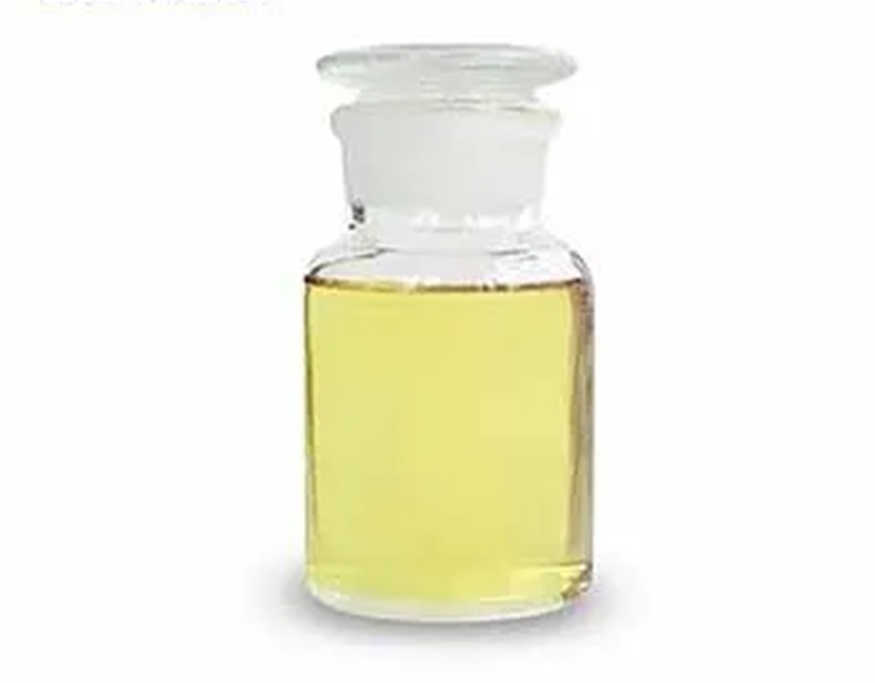
| Appearance | Clear, low-viscosity liquid |
| Odor | Slight, characteristic |
| Density | ~0.8536 g/cm³ |
| Melting Point | ~4.2°C (estimated) |
| Boiling Point | ~285.2°C (estimated) |
| Refractive Index | ~1.4280 |
| Log P (Partition Coefficient) | 6.23 (highly lipophilic) |
3. SOLUBILITY PROPERTIES
| Solvent | Solubility |
|---|---|
| Water | Practically insoluble (high Log P) |
| Ethanol | Soluble |
| Oils and Organic Solvents | Soluble |
| Mineral Oils | Miscible |
4. CHEMICAL PROPERTIES
| Parameter | Information |
|---|---|
| Functional Groups | Ester (-COO-) |
| Source | Lauric acid (C12 fatty acid) + Isopropyl alcohol |
| Production Method | Esterification (with catalyst) |
| Stability | Stable under normal conditions |
| Incompatible Materials | Strong oxidizing agents, strong acids, strong bases |
| Toxicity | Low toxicity |
5. PRODUCTION PROCESS
| Step | Description |
|---|---|
| Raw Materials | Lauric acid + Isopropyl alcohol |
| Reaction Type | Esterification |
| Catalyst | Acid catalyst (e.g., sulfuric acid) or enzymatic |
| Reaction | Lauric Acid + Isopropyl Alcohol → Isopropyl Laurate + Water |
| Purification | Distillation, washing, drying |
| Shelf Life | 24 months in dry conditions at room temperature |
Simplified Reaction:
C₁₁H₂₃COOH + (CH₃)₂CHOH → C₁₁H₂₃COOCH(CH₃)₂ + H₂O
6. TYPICAL PRODUCT SPECIFICATIONS
| Parameter | Specification | Test Method |
|---|---|---|
| Purity | ≥ 95% - 98% | GC |
| Acid Value | ≤ 0.5 mg KOH/g | Titration |
| Water Content | ≤ 0.1% | Karl Fischer |
| Color (APHA) | ≤ 50 | ASTM D 1209 |
| Density (25°C) | 0.850 - 0.860 g/cm³ | ASTM D 4052 |
| Refractive Index (25°C) | 1.426 - 1.430 | ASTM D 1218 |
| Appearance | Colorless clear liquid | Visual |
7. FUNCTIONAL PROPERTIES
| Function | Description |
|---|---|
| Emollient | Softens and smooths skin; provides non-greasy feel |
| Lubricant / Slip Agent | Improves spreadability; reduces tackiness |
| Carrier / Solvent | Effective solvent for fragrance oils, active ingredients, and UV filters |
| Pigment Dispersant | Ensures homogeneous dispersion of pigments and solids in formulations |
| Skin Conditioning Agent | Supports skin barrier, moisturizes, reduces dryness |
| Lubricant (Industrial) | Provides slip in industrial applications |
8. APPLICATIONS – COSMETICS AND PERSONAL CARE
| Product Category | Function | Typical Concentration |
|---|---|---|
| Face Creams and Lotions | Emollient, moisturizer, silky feel | 1-10% |
| Body Lotions and Oils | Softens skin, non-greasy shine | 2-15% |
| Sunscreens | Solvent for UV filters; even distribution | 2-10% |
| Makeup Primers and Foundations | Pigment dispersant, slip agent | 1-8% |
| Lipsticks and Lip Care | Emollient, gloss, lubricity | 2-10% |
| Hair Conditioners and Shampoos | Softens hair, adds shine | 0.5-3% |
| Perfumes and Colognes | Solvent, fixative, carrier | Up to 8% |
| Soaps | Moisturizer, foam softener | 1-5% |
Cosmetic Advantages:
-
Rapidly absorbed into skin; leaves no greasy or sticky residue
-
Provides silky, smooth skin feel
-
High lipophilicity (Log P 6.23) – excellent solubility in oily media
-
Low skin irritation potential
9. APPLICATIONS – PHARMACEUTICAL
| Application | Function |
|---|---|
| Topical Ointments and Creams | Oil phase component, emollient, carrier |
| Transdermal Drug Carriers | Penetration enhancer excipient |
| Vaginal and Rectal Creams | Base component, lubricant |
| Oral Care Products | Flavor carrier, emollient |
Note: When used in pharmaceutical formulations as an excipient, quality and purity standards must meet pharmaceutical grade requirements.
10. APPLICATIONS – INDUSTRIAL
| Industry | Application | Function |
|---|---|---|
| Plastics and Polymers | Plasticizer, slip agent | Flexibility and processability enhancer |
| Packaging (Food Contact) | Lubricant in lamination processes | Preferred due to low toxicity |
| Printing Inks | Solvent, flow regulator | High boiling point, good flow |
| Lubricants | Industrial lubricant component | Low toxicity, biodegradable properties |
| Cigarette Filters | Binder | Auxiliary agent |
| Cleaning Products | Solvent, surfactant auxiliary | Alternative to classical solvents |
11. APPLICATIONS – PET CARE
| Application | Function |
|---|---|
| Pet Shampoos | Fur softener, shine, moisturizer |
| Fur Care Sprays | Softener, anti-static agent |
12. COMPARISON WITH SIMILAR ESTERS
| Property | Isopropyl Laurate (C12) | Isopropyl Myristate (C14) | Isopropyl Palmitate (C16) |
|---|---|---|---|
| Chain Length | C12 (lauric) | C14 (myristic) | C16 (palmitic) |
| Melting Point | ~4.2°C | ~3°C | ~13°C |
| Viscosity | Very low | Low | Medium |
| Skin Feel | Very light, silky | Light, non-greasy | Heavier, greasier |
| Absorption Rate | Very fast | Fast | Medium |
| Log P | ~6.2 | ~7.7 | ~9.2 |
| Best Use | Sprays, light lotions, perfumes | Creams, lotions | Rich creams, lipsticks |
13. FORMULATION ADVANTAGES
| Advantage | Description |
|---|---|
| Low Viscosity | Easy processing; suitable for sprays |
| High Lipophilicity | Ideal solvent for oil-soluble actives and fragrances |
| Non-Greasy Feel | Does not leave oily or sticky residue on skin |
| Broad Compatibility | Compatible with most cosmetic ingredients |
| Low Skin Irritation | Suitable for sensitive skin formulations |
| Pigment Dispersion | Ensures even distribution in foundations and color cosmetics |
14. TYPICAL USE LEVELS (COSMETICS)
| Product Type | Typical Concentration |
|---|---|
| Facial Lotions and Moisturizers | 1-5% |
| Body Lotions | 2-10% |
| Sunscreens | 2-10% |
| Makeup Primers | 1-8% |
| Lipsticks | 2-10% |
| Hair Products | 0.5-3% |
| Perfumes (as solvent) | Up to 8% |
15. SAFETY AND TOXICOLOGICAL PROFILE
| Parameter | Assessment | Source |
|---|---|---|
| Skin Irritation | Low (avoid irritation when formulated) | |
| Eye Irritation | Low | |
| Carcinogenicity | Low concern | |
| Allergy / Immunotoxicity | Low concern | |
| Developmental & Reproductive Toxicity | Low concern | |
| Environmental Toxicity | Possible environmental toxin (for aquatic organisms) | |
| Bioaccumulation | Not suspected | |
| Persistence | Not suspected |
Safety Summary:
-
Approved as safe for use in cosmetics by CIR (Cosmetic Ingredient Review) with specified concentration limitations
-
Used in food packaging and lamination processes due to low toxicity profile
-
Avoid direct discharge into waterways due to potential environmental toxicity
16. REGULATORY STATUS
| Region/Agency | Status |
|---|---|
| FDA (USA) | Approved for use as indirect food additive in packaging materials |
| EU (CosIng) | Listed as cosmetic ingredient |
| REACH (Europe) | Registered |
| CIR | Safe for use in cosmetics (with concentration limitations) |
| Halal / Kosher | Certified options available |
| Vegan / Gluten-Free | Suitable when sourced appropriately |
17. ALTERNATIVE NAMES
| Name Type | Name |
|---|---|
| Chemical Name | Isopropyl Dodecanoate, Dodecanoic acid isopropyl ester |
| INCI Name | Isopropyl Laurate |
| IUPAC Name | Propan-2-yl dodecanoate |
| German | Isopropyllaurat |
| French | Laurate d'isopropyle |
| Other | Lauric acid isopropyl ester, 1-Methylethyl dodecanoate |
18. STORAGE AND HANDLING
| Parameter | Requirement |
|---|---|
| Storage Temperature | 15-30°C (room temperature) |
| Container | Tightly closed (HDPE, stainless steel, glass) |
| Light Protection | Protect from light (to preserve colorless form) |
| Stability | Store in dry, well-ventilated area |
| Shelf Life | 24-36 months under proper storage |
| Special Precautions | Freezing point ~4°C; may solidify in cold conditions; warm to room temperature to liquefy |
19. ENVIRONMENTAL INFORMATION
| Parameter | Assessment |
|---|---|
| Biodegradability | High (due to ester structure) |
| Aquatic Toxicity | Possible environmental toxin (for aquatic organisms) |
| Bioaccumulation | Not suspected |
| Persistence | Not suspected |
| Environmental Precautions | Do not discharge directly into waterways, sewers, or soil |
20. SUMMARY AND CRITICAL INFORMATION
Description: Isopropyl Laurate (IPL, CAS 10233-13-3) is a fatty acid ester produced by the esterification of lauric acid (C12) with isopropyl alcohol. It is a colorless, clear, low-viscosity liquid with high lipophilicity (Log P: 6.23) and low toxicity. It is widely used in cosmetic, pharmaceutical, and industrial applications. It penetrates skin rapidly and leaves a non-greasy, silky feel.
Key Advantages:
-
Rapidly absorbed into skin; leaves no greasy or sticky residue
-
High lipophilicity (Log P: 6.23) – excellent solvent for oil-soluble actives
-
Low skin irritation – suitable for sensitive skin formulations
-
Effective pigment dispersant and slip agent
-
Broad pH and formulation compatibility
-
Low toxicity – used in food packaging and lamination applications
-
Approved as safe for use in cosmetics by CIR
Key Limitations/Precautions:
-
Possible environmental toxin (for aquatic organisms) – do not discharge into waterways
-
Freezing point ~4°C – requires careful storage and handling in cold climates
-
Insoluble in water (only suitable for oil-based systems)
Major Applications by Sector:
| Sector | Primary Uses |
|---|---|
| Cosmetics | Emollient, moisturizer, solvent, pigment dispersant (creams, lotions, sunscreens, makeup, hair products, perfumes) |
| Pharmaceutical | Excipient in topical formulations, carrier, emollient |
| Industrial | Plasticizer, slip agent, lamination lubricant, solvent |
| Food Packaging | Lubricant in lamination processes (indirect additive) |
Comparison to Similar Esters:
| Property | Isopropyl Laurate (C12) | Isopropyl Myristate (C14) |
|---|---|---|
| Chain Length | Shorter (C12) | Longer (C14) |
| Skin Feel | Lighter, faster absorption | Light, slightly richer |
| Viscosity | Lower | Higher |
| Best Use | Sprays, light lotions, perfumes | Creams, lotions |
Safety Summary:
-
Skin and eye irritation: Low concern
-
Carcinogenicity: Low concern
-
CIR approved: Safe for use in cosmetics (when formulated to avoid irritation)
-
Low toxicity profile
Storage: Store at room temperature in cool, dry conditions in tightly closed containers. Freezing point is ~4°C; if solidified in cold conditions, warm to room temperature to liquefy. Shelf life is 24-36 months under proper storage.
Conclusion: Isopropyl Laurate (Isopropyl Dodecanoate) is a preferred emollient and solvent in cosmetic formulations, valued for its light, non-greasy feel and rapid absorption. Its high lipophilicity makes it an excellent carrier for oil-soluble active ingredients (fragrances, UV filters, vitamins). Due to its low toxicity, it is also safely used in food packaging and industrial applications. Its low skin irritation potential makes it suitable for sensitive skin formulations. Compared to isopropyl myristate and palmitate, its shorter chain length provides lower viscosity and faster absorption, making it ideal for sprays, light lotions, and perfumes. It is a valuable auxiliary ingredient for cosmetic formulators seeking a clean, non-heavy slip that does not leave a "weighty" feel on the skin.