We unleash your business potential by maximize the business innovation.
Send EmailVinyl Pyrrolidone, N-Vinylpyrrolidone, Vinyl Pyrrolidinone, VP, NVP, 88-12-0
1-VINYL-2-PYRROLIDONE (NVP)
PRODUCT IDENTIFICATION INFORMATION
| Parameter | Information |
|---|---|
| Product Name | 1-Vinyl-2-pyrrolidone |
| Chemical Name (IUPAC) | 1-Ethenyl-2-pyrrolidinone |
| Synonyms (Turkish) | Vinil Pirolidon, N-Vinil Pirolidon, VP, NVP |
| Synonyms (English) | 1-Vinyl-2-pyrrolidone, N-Vinylpyrrolidone, N-Vinyl-2-pyrrolidinone, N-Vinyl-2-pyrrolidone, Vinyl Pyrrolidinone, VP, NVP, V-Py |
| CAS Number | 88-12-0 |
| EC Number (EINECS) | 201-800-4 |
| Molecular Formula | C₆H₉NO |
| Molecular Weight | 111.14 g/mol |
| Appearance | Colorless to pale yellow clear liquid |
CHEMICAL STRUCTURE
1-Vinyl-2-pyrrolidone (NVP)
O
║
C
/
CH₂ CH₂
| |
CH₂ CH₂
\ /
N—CH=CH₂
Molecular Formula: C₆H₉NO
SMILES: C=CN1CCCC1=O
InChI: InChI=1S/C6H9NO/c1-2-7-5-3-4-6(7)8/h2H,1,3-5H2
InChIKey: WHNWPMSKXPGLAX-UHFFFAOYSA-N
Structure: Five-membered lactam ring (pyrrolidone) with a vinyl group (-CH=CH₂) attached to the nitrogen atom; Reactive monomer for polymerization.
SECTION 1: CHEMICAL IDENTITY AND DESCRIPTION
| Parameter | Information |
|---|---|
| Product Name | 1-Vinyl-2-pyrrolidone |
| Chemical Name (IUPAC) | 1-Ethenyl-2-pyrrolidinone |
| Synonyms (Turkish) | Vinil Pirolidon, N-Vinil Pirolidon, VP, NVP |
| Synonyms (English) | 1-Vinyl-2-pyrrolidone, N-Vinylpyrrolidone, N-Vinyl-2-pyrrolidinone, N-Vinyl-2-pyrrolidone, Vinyl Pyrrolidinone, VP, NVP, V-Py |
| CAS Number | 88-12-0 |
| EC Number (EINECS) | 201-800-4 |
| Molecular Formula | C₆H₉NO |
| Molecular Weight | 111.14 g/mol |
| Chemical Class | Vinyl monomer; Lactam; Heterocyclic compound; Reactive monomer |
| Physical State (20°C) | Liquid |
| Odor | Characteristic, amine-like odor |
| Color | Colorless to pale yellow |
| Taste | Bitter (experimental; not for ingestion) |
SECTION 2: PHYSICAL AND CHEMICAL PROPERTIES
| Property | Value | Test Method / Note |
|---|---|---|
| Appearance | Colorless to pale yellow clear liquid | Visual |
| Odor | Characteristic, amine-like | Olfactometric |
| Molecular Weight | 111.14 g/mol | Calculated |
| Density (20-25°C) | ~1.04 g/cm³ | ASTM D4052 |
| Melting Point | 13 – 14°C | DSC |
| Boiling Point | 92 – 95°C (at 11 mmHg); ~214°C (atmospheric, with decomposition) | – |
| Flash Point | ~95°C (closed cup) | Pensky-Martens |
| Autoignition Temperature | ~240°C | – |
| Explosion Limits | 1.4 – 10% (v/v) in air | – |
| Vapor Pressure | ~0.12 hPa (at 20°C) | – |
| Refractive Index (20°C) | n₂₀/D 1.512 | – |
| Viscosity (Dynamic, 25°C) | ~2.5 mPa·s | Brookfield |
| Solubility in Water | Completely miscible | General Method |
| Solubility in Organic Solvents | Completely miscible with alcohols, ethers, ketones, and most organic solvents | General Method |
| pH (100 g/L in water) | 9 – 10 (basic due to inhibitor; NaOH or amine) | pH Meter |
| Stability | Stable when inhibited; Uninhibited monomer is prone to polymerization | – |
| Inhibition | Usually stabilized with 0.01-0.1% NaOH, KOH, or N,N'-di-2-naphthyl-p-phenylenediamine | – |
| WGK (Germany Water Hazard Class) | 1 (low water hazard) | – |
| log P (Octanol/Water) | -0.12 (slightly hydrophilic) | – |
SECTION 3: MONOMER COMPARISON
| Property | N-Vinylpyrrolidone (NVP) | N-Vinylcaprolactam (VCap) | Vinyl Acetate (VAc) | Acrylamide (AM) |
|---|---|---|---|---|
| CAS Number | 88-12-0 | 2235-00-9 | 108-05-4 | 79-06-1 |
| Molecular Weight | 111.14 | 153.22 | 86.09 | 71.08 |
| Ring Size | 5-membered | 7-membered | No ring (ester) | No ring (amide) |
| Physical State | Liquid | Solid (mp ~35-38°C) | Liquid | Solid |
| Solubility in Water | Fully miscible | Soluble | Slightly soluble | Highly soluble |
| Toxicity | Irritant; Harmful | Lower toxicity | Moderate | Neurotoxic |
| Polymer Properties | Hydrophilic; Rigid | Thermoresponsive; Hydrophobic | Flexible; Hydrophobic | Hydrophilic; High water absorption |
| Primary Use | PVP production | PNVCL production | Polyvinyl acetate | Polyacrylamide |
SECTION 4: CHEMICAL PROPERTIES AND REACTIVITY
| Parameter | Information |
|---|---|
| Chemical Character | Reactive vinyl monomer; Lactam; Highly reactive towards polymerization; Nucleophilic (vinyl group) |
| Stability | Stable when inhibited; Uninhibited monomer polymerizes spontaneously (especially with heat, light, or peroxides); Store at <25°C |
| Reactivity | Undergoes free radical polymerization (thermal or UV initiation); Undergoes copolymerization with acrylates, vinyl acetate, styrene, etc.; Vinyl group undergoes addition reactions (hydroformylation, hydroboration, halogenation); Lactam ring can be opened via controlled hydrolysis |
| Incompatible Materials | Strong oxidizing agents (violent polymerization), strong acids (ring opening), peroxides and initiators (polymerization), light and heat (polymerization) |
| Polymerization | Free radical polymerization (homopolymerization to PVP); Copolymerization with vinyl acetate (VP/VA copolymers), acrylates, methacrylates, styrene |
| Decomposition Products (Heating) | Carbon monoxide, carbon dioxide, nitrogen oxides (NOx) |
| Hydrolysis | Lactam ring can be hydrolyzed under strong acidic or basic conditions to aminovaleric acid derivatives |
| Vinyl Group Reactions | Hydroformylation, hydroboration, halogenation, epoxidation |
| N-Alkylation | Can be further functionalized at the nitrogen atom |
| Inhibition | Inhibited with NaOH, KOH, or N,N'-di-2-naphthyl-p-phenylenediamine to prevent premature polymerization |
| Polymer Properties (PVP) | Water-soluble; Forms clear films; Excellent binder and adhesive; Biocompatible; Non-toxic |
SECTION 5: PRODUCTION METHODS
Method 1: Reppe Vinylation (Acetylene Process)
Reaction: 2-Pyrrolidone + Acetylene → 1-Vinyl-2-pyrrolidone
Description: 2-Pyrrolidone is reacted with acetylene under high temperature (120-160°C) and high pressure; Base catalyst (potassium hydroxide, sodium hydroxide, or potassium alkoxide) is used in liquid phase; The reaction is carried out in a pressurized reactor; Product is purified by distillation; Inhibitor is added to prevent polymerization. Most common industrial method.
Method 2: Dehydrohalogenation Process
Reaction: N-(2-haloethyl)-2-pyrrolidone → NVP + HX
Description: N-(2-haloethyl)-2-pyrrolidone (chloro or bromo derivative) is treated with base to eliminate hydrogen halide; Forms the vinyl group; Less common; Used for specific high-purity grades.
Method 3: Vinyl Exchange Process
Reaction: 2-Pyrrolidone + Vinyl ester (e.g., vinyl acetate) → NVP + carboxylic acid
Description: Transvinylation reaction using vinyl acetate or other vinyl esters; Catalyzed by mercury salts or palladium complexes; Gives NVP and carboxylic acid by-product; Used in some industrial processes.
SECTION 6: FUNCTIONAL PROPERTIES AND MECHANISM OF ACTION
| Property | Description |
|---|---|
| Vinyl Monomer for Polymerization | Primary monomer for polyvinylpyrrolidone (PVP) production; Undergoes free radical polymerization; Forms water-soluble, biocompatible polymers; Essential building block for many copolymers |
| Reactive Diluent (UV-Curable Systems) | Reduces viscosity in UV-curable coatings and inks; Contains reactive vinyl group for cross-linking; Improves adhesion and film hardness; Increases cure speed; Lowers VOC emissions |
| Copolymerization Reactivity | Copolymerizes with vinyl acetate (VP/VA copolymers); Copolymerizes with acrylates, methacrylates, styrene; Wide range of copolymer compositions possible; Tailors polymer properties (hydrophilicity, glass transition temperature, solubility) |
| Lactam Ring Reactivity | The pyrrolidone ring provides polarity and hydrophilicity; Ring can be opened for functionalization; Stable under normal polymerization conditions |
| Film Formation (PVP) | PVP forms clear, flexible, adhesive films; Excellent binder for tablets and coatings; Film properties depend on molecular weight and copolymer composition |
| Compatibility | Compatible with many polymers, resins, and active ingredients; Excellent solubility in water and organic solvents; Good compatibility with pigments and fillers |
SECTION 7: MAIN APPLICATION AREAS
| Industry / Application | Function | Typical Use |
|---|---|---|
| Polymer Production (PVP) | Monomer for polymerization | Production of polyvinylpyrrolidone (PVP) homopolymer; Production of VP/VA copolymers; Production of other copolymers (VP/acrylates, VP/styrene) |
| Pharmaceuticals & Biomedical | Monomer for excipient production | PVP production (tablet binder, solubilizer, film former); Nanoparticle carrier systems; Controlled release hydrogels; Plasma volume expanders (PVP); Drug delivery systems |
| Cosmetics & Personal Care | Monomer for polymer synthesis | VP/VA copolymers for hair sprays, shampoos, conditioners, styling products; Film former, fixative; Moisturizer and emulsion stabilizer in skin care |
| Coatings & Inks | Reactive diluent, cross-linker | UV-curable coatings and inks; Reduces viscosity; Improves adhesion, hardness, and cure speed; Formulations: 5-30% by weight |
| Adhesives | Monomer for polymer synthesis | Pressure-sensitive adhesives; Hot-melt adhesives; Improves adhesion and cohesion |
| Textile | Monomer for finishing agents | Water and stain repellent finishes; Fabric coatings; Fiber treatment |
| Paper Industry | Dispersant | Paper coatings and sizing; Improves printability and surface properties |
| Food & Beverage | Polymer intermediate | PVP as clarifying agent (beer, wine); PVP as stabilizer; Not direct food additive (polymer only) |
| Research & Development | Monomer for specialty polymers | Genotoxicity studies; Photoinitiator systems; RAFT/ATRP polymerizations; Specialty hydrogels |
SECTION 8: SAMPLE FORMULATIONS AND USAGE RATES
VP/VA Copolymer Hair Spray (Typical):
| Component | Amount |
|---|---|
| VP/VA Copolymer (70:30) | 0.5 – 7% solids |
| Ethanol | 50 – 90% |
| Water | Balance |
| Propellant (Aerosol) | As required |
UV-Curable Coating Formulation:
| Component | Amount |
|---|---|
| Oligomer (Urethane Acrylate, Epoxy Acrylate) | 40 – 60% |
| Reactive Diluent (NVP + other acrylates) | 5 – 30% |
| Photoinitiator | 1 – 5% |
| Additives (Leveling agents, defoamers) | ≤ 1% |
Pharmaceutical Tablet Binder (PVP):
| Component | Amount |
|---|---|
| Active Pharmaceutical Ingredient | Variable |
| PVP (from NVP polymerization) | 0.5 – 5% |
| Excipients (fillers, disintegrants) | Balance |
VP/VA Copolymer Composition Guide:
| VP:VA Ratio | Typical Tg (°C) | Properties | Applications |
|---|---|---|---|
| 70:30 | ~107°C | Hard and strong hold; Resists curl in high humidity | Hair sprays, high-hold styling products |
| 60:40 | ~92°C | Flexible film; Good hold with flexibility | Styling lotions, mousses |
| 50:50 | ~78°C | Softer, more flexible film | Hair conditioners, cream-based products |
| 30:70 | ~50-60°C | Hydrophobic, elastic film | Water-resistant mascara, decorative cosmetics |
SECTION 9: QUALITY SPECIFICATIONS
| Parameter | Technical Grade | High Purity Grade | Polymer Grade | Test Method |
|---|---|---|---|---|
| Appearance | Colorless to pale yellow clear liquid | Colorless clear liquid | Colorless clear liquid | Visual |
| Assay (NVP) | ≥ 99.0% | ≥ 99.5% | ≥ 99.8% | GC |
| Moisture Content | ≤ 0.1% | ≤ 0.05% | ≤ 0.03% | Karl Fischer |
| Density (20°C) | 1.035 – 1.045 | 1.037 – 1.042 | 1.038 – 1.042 | ASTM D4052 |
| Refractive Index (20°C) | 1.510 – 1.515 | 1.511 – 1.514 | 1.511 – 1.514 | – |
| pH (10% Aqueous) | 9.0 – 10.5 | 9.0 – 10.5 | 9.0 – 10.5 | pH Meter |
| Color (APHA) | ≤ 50 | ≤ 20 | ≤ 15 | ASTM D1209 |
| Inhibitor Content (NaOH or KOH) | 0.01 – 0.1% | 0.01 – 0.1% | 0.01 – 0.1% | Titrimetric |
| Water Insoluble | ≤ 0.05% | ≤ 0.02% | ≤ 0.01% | Gravimetric |
| Heavy Metals (as Pb) | ≤ 10 ppm | ≤ 5 ppm | ≤ 2 ppm | AAS / ICP |
| Iron (Fe) | ≤ 5 ppm | ≤ 2 ppm | ≤ 1 ppm | AAS / ICP |
| Ash Content | ≤ 0.05% | ≤ 0.02% | ≤ 0.01% | Gravimetric |
| Polymerization Test | Negative (stability) | Negative (stability) | Negative (stability) | – |
SECTION 10: TOXICOLOGICAL PROFILE
| Parameter | Value |
|---|---|
| Acute Oral Toxicity (LD50, Rat) | ~ 1,100 mg/kg (moderate toxicity) |
| Acute Dermal Toxicity (LD50, Rabbit) | ~ 1,000 mg/kg (harmful) |
| Acute Inhalation Toxicity (LC50, Rat) | ~ 2.5 mg/L (4 hours) |
| Skin Irritation | Irritating; Causes skin irritation (H315) |
| Eye Irritation | Causes serious eye irritation (H319) |
| Respiratory Irritation | May cause respiratory tract irritation (H335) |
| Chronic Toxicity | Limited data; May cause skin sensitization; Liver and kidney effects in animal studies |
| Carcinogenicity | Not classified as carcinogenic (IARC Group 3: Not classifiable) |
| Mutagenicity | Non-mutagenic (Ames test negative) |
| Reproductive Toxicity | No reproductive toxicity data; Limited studies |
| Target Organs | Eyes, skin, respiratory system, liver, kidneys |
| Occupational Exposure Limit (8h TWA) | Not established; Use with adequate ventilation |
| Special Toxicity Note | Harmful if swallowed, inhaled, or in contact with skin (H302, H332, H312); Flammable liquid; Inhibited to prevent polymerization; Uninhibited monomer polymerizes spontaneously with heat/light; Use only with adequate ventilation and PPE |
SECTION 11: GHS CLASSIFICATION AND LABELING
GHS Classification (in accordance with CLP and UN GHS):
| Hazard Class | Category | H-Statement |
|---|---|---|
| Flammable Liquid | Category 3 | H226 |
| Acute Toxicity (Oral) | Category 4 | H302 |
| Acute Toxicity (Dermal) | Category 4 | H312 |
| Acute Toxicity (Inhalation) | Category 4 | H332 |
| Skin Irritation | Category 2 | H315 |
| Eye Irritation | Category 2 | H319 |
| Specific Target Organ Toxicity (Single Exposure) | Category 3 | H335 |
Signal Word: WARNING
Hazard Pictograms: GHS02 (Flame), GHS07 (Exclamation Mark)
Hazard Statements (H-Codes):
| Code | Statement |
|---|---|
| H226 | Flammable liquid and vapor |
| H302 | Harmful if swallowed |
| H312 | Harmful in contact with skin |
| H315 | Causes skin irritation |
| H319 | Causes serious eye irritation |
| H332 | Harmful if inhaled |
| H335 | May cause respiratory irritation |
NFPA 704 Hazard Classification:
| Health | Flammability | Reactivity | Special |
|---|---|---|---|
| 2 | 2 | 1 | - |
| (Moderate health hazard) | (Combustible – must be preheated to ignite) | (Moderate reactivity – polymerization hazard) | (None) |
SECTION 12: PRECAUTIONARY STATEMENTS (P-CODES)
| Code | Statement |
|---|---|
| P210 | Keep away from heat, hot surfaces, sparks, open flames and other ignition sources. No smoking |
| P233 | Keep container tightly closed |
| P240 | Ground and bond container and receiving equipment |
| P241 | Use explosion-proof electrical/ventilating/lighting equipment |
| P242 | Use only non-sparking tools |
| P243 | Take precautionary measures against static discharge |
| P261 | Avoid breathing dust/fume/gas/mist/vapors/spray |
| P264 | Wash hands thoroughly after handling |
| P270 | Do not eat, drink or smoke when using this product |
| P271 | Use only outdoors or in a well-ventilated area |
| P280 | Wear protective gloves/protective clothing/eye protection/face protection |
| P301+P312 | IF SWALLOWED: Call a POISON CENTER/doctor if you feel unwell |
| P302+P352 | IF ON SKIN: Wash with plenty of soap and water |
| P304+P340 | IF INHALED: Remove person to fresh air and keep comfortable for breathing |
| P305+P351+P338 | IF IN EYES: Rinse cautiously with water for several minutes. Remove contact lenses if present and continue rinsing |
| P312 | Call a POISON CENTER/doctor if you feel unwell |
| P332+P313 | If skin irritation occurs: Get medical advice/attention |
| P337+P313 | If eye irritation persists: Get medical advice/attention |
| P362+P364 | Take off contaminated clothing and wash it before reuse |
| P403+P235 | Store in a well-ventilated place. Keep cool |
| P501 | Dispose of contents/container in accordance with local/regional/national/international regulations |
SECTION 13: FIRST AID MEASURES
| Exposure Route | Action to Take |
|---|---|
| Inhalation | Remove to fresh air immediately. If breathing is difficult, give oxygen. If symptoms (headache, dizziness, respiratory irritation) persist, seek medical attention. |
| Skin Contact | Remove contaminated clothing immediately. Wash skin with plenty of soap and water for at least 15 minutes. If irritation develops, seek medical attention. |
| Eye Contact | Rinse immediately with plenty of water for at least 15 minutes. Keep eyelids open. Remove contact lenses if present. Continue rinsing. Seek medical attention (H319). |
| Ingestion | Rinse mouth. Do NOT induce vomiting (risk of aspiration). Drink plenty of water. Seek immediate medical attention. |
| General | Harmful if swallowed, inhaled, or in contact with skin; Use appropriate PPE; Avoid exposure. |
SECTION 14: FIREFIGHTING MEASURES
| Parameter | Information |
|---|---|
| Fire Hazard | Flammable liquid. Flash point: ~95°C (closed cup). May form explosive mixtures with air at elevated temperatures. |
| Hazards Arising from Fire | Thermal decomposition produces toxic gases: carbon monoxide (CO), carbon dioxide (CO₂), nitrogen oxides (NOx). May polymerize under fire conditions (exothermic). |
| Suitable Extinguishing Media | Alcohol-resistant foam, CO₂, dry chemical powder, water spray (for cooling). |
| Unsuitable Extinguishing Media | Water jet (may spread fire) |
| Special Protective Equipment | Self-contained breathing apparatus (SCBA), full protective clothing (for surrounding fire). |
| Special Precautions | Containers may explode in fire. Cool containers with water spray. Prevent from entering sewers and waterways. Polymerization may occur under fire conditions. |
SECTION 15: STORAGE AND SHELF LIFE
| Parameter | Information |
|---|---|
| Storage Conditions | Store in a cool, dry, well-ventilated area (<25°C); PROTECT FROM LIGHT and HEAT; Keep away from heat, sparks, open flames, and direct sunlight; Store under inert atmosphere (nitrogen) if possible. |
| Container Requirements | Tightly closed, corrosion-resistant containers (stainless steel, aluminum, HDPE, glass); Use dark or amber containers to protect from light. |
| Materials to Protect From | Light, heat, strong oxidizing agents, polymerization initiators, peroxides, strong acids |
| Shelf Life | 12 – 24 months (in unopened original packaging, under proper storage conditions, with inhibitor active). |
| Stability Note | Inhibitor effectiveness must be checked periodically; Uninhibited monomer polymerizes spontaneously; Avoid prolonged contact with air; Nitrogen blanketing recommended; Do not store near polymerization initiators. |
| Special Storage Requirements | Store in a well-ventilated area; Keep away from direct sunlight and heat sources; Protect from moisture; Store separately from incompatible materials; Check inhibitor content periodically; Use explosion-proof equipment. |
SECTION 16: PACKAGING OPTIONS
| Packaging Type | Quantity | Material |
|---|---|---|
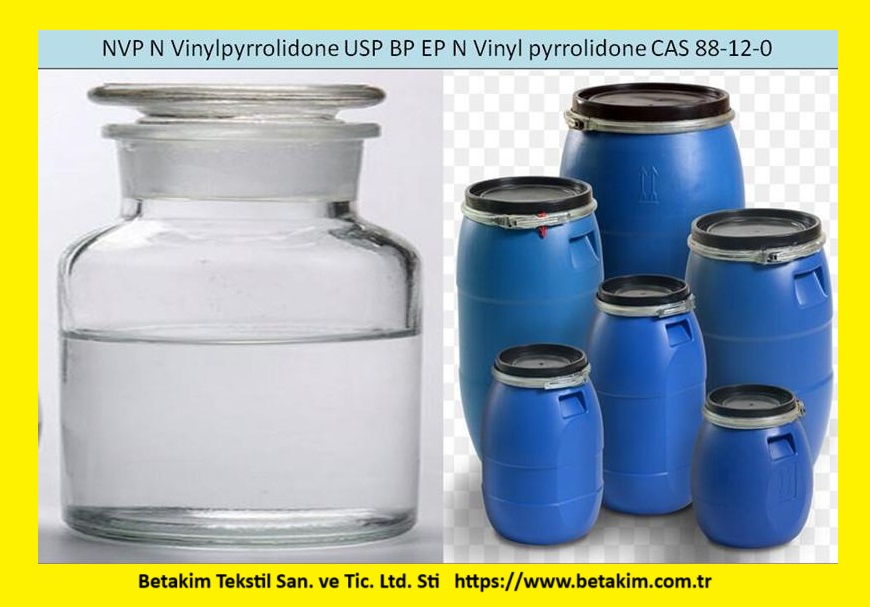
| Glass Bottle | 500 mL, 1 L | Amber glass (laboratory/sample) |
| Plastic Can | 1 L, 5 L, 10 L | HDPE (dark color preferred) |
| Plastic Drum | 20 L, 25 L, 30 L | HDPE (dark color preferred) |
| Steel Drum | 200 L | Stainless steel or lined carbon steel |
| IBC Container | 1000 L | Stainless steel or lined carbon steel |
| Bulk Tanker | 10,000 – 25,000 L | Stainless steel |
SECTION 17: TRANSPORT INFORMATION
| Parameter | Information |
|---|---|
| UN Number | UN 2924 (Flammable liquid, corrosive, n.o.s.) or UN 1993 (Flammable liquid, n.o.s.) |
| Hazard Class | 3 (Flammable liquids) |
| Subsidiary Hazard | 8 (Corrosive) |
| Packing Group | III |
| ADR/RID | Class 3, PG III, UN 1993 or UN 2924 |
| IMDG Code | Class 3, PG III, UN 1993 or UN 2924 |
| IATA (Air) | Class 3, PG III, UN 1993 or UN 2924 |
| Marine Pollutant | No |
| Transport Temperature | Ambient temperature; Protect from light and heat. |
SECTION 18: REGULATORY STATUS
| Region / Authority | Status |
|---|---|
| European Union | REACH registered; Flammable liquid; Irritant; Listed in EINECS (201-800-4); Not restricted under REACH |
| USA (TSCA) | Listed (TSCA Inventory) |
| USA (FDA) | Not approved as food additive; PVP (polymer) is approved as food additive (21 CFR 173.50) and pharmaceutical excipient |
| Turkey | Industrial chemical; Subject to KKDIK regulation (REACH-aligned); Flammable and irritant |
| IARC | Group 3 (Not classifiable as carcinogenic to humans) |
| NTP | Not listed |
| OSHA | Regulated as flammable liquid |
| California (Prop 65) | Not listed |
| EU Cosmetic Regulation | Monomer is not used directly; PVP and copolymers are approved cosmetic ingredients |
SECTION 19: OTHER NAMES AND SYNONYMS
| Type | Name |
|---|---|
| Turkish Names | Vinil Pirolidon, N-Vinil Pirolidon, VP, NVP |
| English Names | 1-Vinyl-2-pyrrolidone, N-Vinylpyrrolidone, N-Vinyl-2-pyrrolidinone, N-Vinyl-2-pyrrolidone, Vinyl Pyrrolidinone, VP, NVP, V-Py |
| Chemical Names | 1-Ethenyl-2-pyrrolidinone; N-Vinylbutyrolactam; Vinylpyrrolidone |
| CAS Number | 88-12-0 |
| EC Number | 201-800-4 |
| Molecular Formula | C₆H₉NO |
| HS Code | 2933.79 |
| Synonyms | 1-Vinyl-2-pyrrolidinone; N-Vinylpyrrolidin-2-one; VP; NVP; V-Py; PVP Monomer |
SECTION 20: SUMMARY TABLE
| Parameter | Value |
|---|---|
| Product | 1-Vinyl-2-pyrrolidone (NVP) |
| CAS Number | 88-12-0 |
| Molecular Formula | C₆H₉NO |
| Molecular Weight | 111.14 g/mol |
| Appearance | Colorless to pale yellow clear liquid |
| Density (20°C) | ~1.04 g/cm³ |
| Melting Point | 13 – 14°C |
| Boiling Point | 92-95°C (11 mmHg); ~214°C (atmospheric) |
| Flash Point | ~95°C |
| pH (10% Aqueous) | 9 – 10 |
| Primary Function | Monomer for polymerization; Reactive diluent |
| Main Application Areas | PVP production, VP/VA copolymers, UV-curable coatings, pharmaceuticals, cosmetics, adhesives, textiles |
| Shelf Life | 12 – 24 months (inhibited) |
| GHS Signal Word | WARNING |
| UN Number | UN 1993 or UN 2924 (Flammable liquid) |
| Special Properties | Reactive monomer; Inhibited; Polymerizes spontaneously if uninhibited; Highly miscible with water and organic solvents |
SECTION 21: CRITICAL WARNINGS AND BEST PRACTICES
CRITICAL WARNINGS:
-
Flammable liquid (H226). Keep away from heat, sparks, open flames, and other ignition sources. Use explosion-proof equipment.
-
Harmful if swallowed, inhaled, or in contact with skin (H302, H332, H312). Avoid ingestion, inhalation, and skin contact. Use with adequate ventilation.
-
Causes skin irritation (H315) and serious eye irritation (H319). Wear protective gloves and eye protection.
-
May cause respiratory irritation (H335). Avoid inhalation of vapors. Use local exhaust ventilation.
-
Uninhibited monomer polymerizes spontaneously. Always store with inhibitor. Check inhibitor effectiveness periodically. Heat and light accelerate polymerization.
-
Polymerization is exothermic. Can be violent if uncontrolled. Never store near polymerization initiators or peroxides.
-
Incompatibilities: Strong oxidizing agents (violent polymerization), strong acids (ring opening), peroxides and initiators (uncontrolled polymerization), heat, light.
-
Hygroscopic? No (liquid, miscible with water but not hygroscopic as a liquid).
-
Store at <25°C to maintain inhibitor effectiveness and prevent polymerization.
BEST PRACTICE RECOMMENDATIONS:
Polymer Production (PVP): Use as monomer for PVP production; Free radical polymerization in aqueous solution (typically with H₂O₂/NH₃ as initiator); For laboratory scale: use AIBN or other azo initiators; Maintain strict temperature control (exothermic polymerization); Use inhibitor-free monomer for polymerization (remove inhibitor by distillation or use inhibitor-free grade).
VP/VA Copolymer Production: Use for VP/VA copolymer synthesis; Various VP:VA ratios (30:70 to 70:30) for different properties; High VP content → harder, more hydrophilic films; High VA content → softer, more hydrophobic films; Use appropriate polymerization conditions (solution, suspension, or emulsion polymerization).
UV-Curable Coatings and Inks: Use as reactive diluent (5-30% of formulation); Reduces viscosity; Improves adhesion and cure speed; Combine with acrylate monomers; Use appropriate photoinitiator system; Store in opaque containers to prevent light-induced polymerization.
Pharmaceutical Applications: Use as monomer for PVP production (pharmaceutical grade); PVP is used as excipient (binder, solubilizer, film former); Ensure pharmaceutical grade quality; Comply with USP/Ph.Eur. specifications; Not used as direct monomer in final products (polymerized to PVP).
Cosmetics & Personal Care: Use as monomer for VP/VA copolymers; Hair sprays, shampoos, conditioners; Choose VP:VA ratio based on desired film properties; High VP ratio for hard, high-hold films; Low VP ratio for soft, flexible films; Comply with cosmetic regulations.
Handling: Use in well-ventilated areas (local exhaust ventilation); Avoid heat, sparks, open flames; Use explosion-proof equipment; Avoid skin contact – wear impervious gloves (nitrile, neoprene, butyl); Avoid eye contact – wear safety goggles; Use non-sparking tools; Ground and bond all equipment.
Personal Protective Equipment: Chemical-resistant gloves (nitrile, neoprene, butyl), chemical splash goggles (face shield recommended), protective clothing (impervious), NIOSH-approved respirator with organic vapor cartridge (if ventilation inadequate), explosion-proof equipment, safety shower and eyewash station nearby.
Hygiene: Wash hands thoroughly after handling; Do not eat, drink, or smoke while using; Remove contaminated clothing and wash before reuse; Shower after handling.
Storage: Store in tightly closed, corrosion-resistant containers (stainless steel, aluminum, HDPE, glass); Store in a cool, dry, well-ventilated area (<25°C); Use inert atmosphere (nitrogen) to prevent moisture pick-up and oxygen exposure; Keep away from heat, sparks, open flames, and direct sunlight; Protect from light (dark/amber containers); Check inhibitor effectiveness periodically; Store separately from incompatible materials; Shelf life: 12-24 months under proper conditions; Do not store near polymerization initiators.
Spill Management: Evacuate area; Wear full protective equipment; Ventilate area; Eliminate ignition sources; Contain spill with inert absorbent material (sand, vermiculite); Prevent from entering drains or waterways; Collect and place in suitable sealed container; Dispose of as hazardous waste.
Disposal: Dispose of in accordance with local, regional, and national regulations; NVP waste is considered hazardous (flammable, toxic); Consider inhibitor deactivation before disposal; Do not discharge to sewers without treatment; Incineration in compliance with regulations.
SPECIAL NOTE ON POLYMERIZATION (PVP PRODUCTION):
NVP is the primary monomer for polyvinylpyrrolidone (PVP) production:
-
Homopolymerization: NVP → PVP (free radical polymerization)
-
Typical Conditions: Aqueous solution polymerization; Initiator: H₂O₂/NH₃ (industrial), AIBN (laboratory); Temperature: 50-80°C (controlled); Inhibitor must be removed or deactivated before polymerization
-
PVP Properties: Water-soluble; Biocompatible; Non-toxic; Excellent binder, film former, and stabilizer
-
PVP Applications: Pharmaceuticals (tablet binder, solubilizer), cosmetics (hair fixative, skin care), food (clarifying agent), industrial (adhesives, coatings)
-
Grades: K-15, K-30, K-60, K-90, K-120 (based on molecular weight; higher K = higher MW)
SPECIAL NOTE ON VP/VA COPOLYMERS:
VP/VA copolymers are key polymers for cosmetics and coatings:
-
Composition: Varying VP:VA ratios (typically 30:70 to 70:30)
-
Properties: Higher VP → more hydrophilic, higher Tg (harder films); Higher VA → more hydrophobic, lower Tg (softer, more flexible films)
-
Applications: Hair sprays (70:30 for high hold); Styling lotions (60:40); Conditioners (50:50); Water-resistant cosmetics (30:70)
-
Advantages: Excellent film formation; Good adhesion; Water-soluble; Non-toxic; Clear films
SPECIAL NOTE ON INHIBITOR MANAGEMENT:
NVP is always supplied with inhibitor to prevent spontaneous polymerization:
-
Typical Inhibitors: NaOH (0.01-0.1%), KOH, N,N'-di-2-naphthyl-p-phenylenediamine
-
Function: Prevents premature polymerization during storage and transport
-
Effectiveness: Must be checked periodically; Depletes over time (especially with heat/light exposure)
-
Removal: For polymerization, inhibitor must be removed (distillation or inhibitor-free grade) or deactivated
-
Reactivation: If inhibitor depleted, product may polymerize; Add fresh inhibitor or use inhibitor-free grade for polymerization
-
Storage: Store <25°C to maintain inhibitor effectiveness
SPECIAL NOTE ON UV-CURABLE SYSTEMS:
NVP is an effective reactive diluent in UV-curable coatings:
-
Function: Reduces viscosity; Increases cure speed; Improves adhesion; Enhances cross-linking density
-
Typical Usage: 5-30% of total formulation (with acrylate monomers/oligomers)
-
Advantages: Low volatility (reduces VOC emissions); Reacts into polymer network (no solvent evaporation); Good adhesion to difficult substrates (plastics, metals)
-
Limitations: Irritant (use PPE); Potential for skin sensitization; Monitor concentration to avoid over-crosslinking (brittle films)
LEGAL DISCLAIMER:
The information provided in this document is based on our current knowledge and experience and is presented in good faith. However, as all conditions of use are beyond our control, it does not constitute a binding specification or warranty. This Technical Data Sheet is for informational purposes only. Users are responsible for testing the suitability for their own applications. For complete safety, storage, use, handling, waste, and regulatory compliance information, please refer to the official Safety Data Sheet (SDS/MSDS) provided by the manufacturer/supplier.