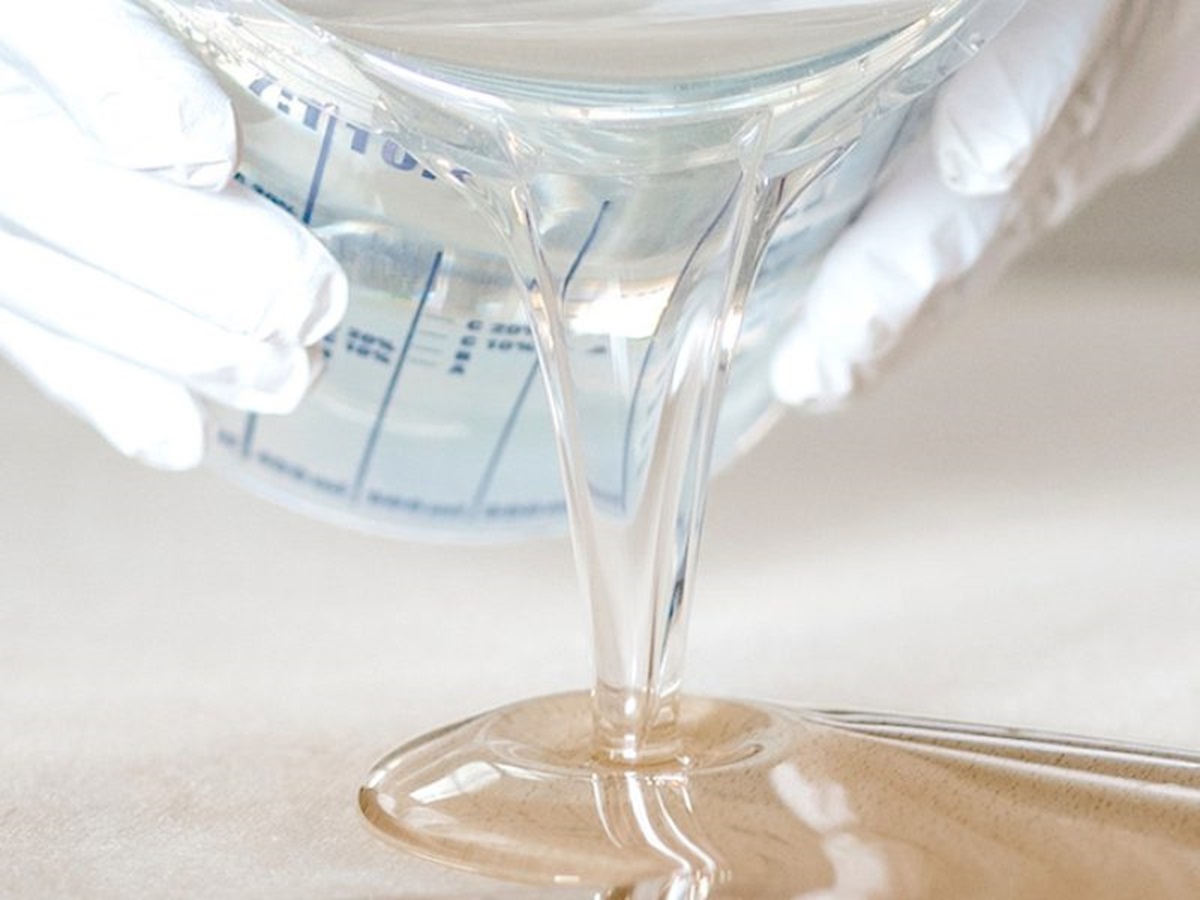
Tetrahydrofurane, Tetra Hydro Furane, Oxolane, Tetramethylene Oxide, Butylene Oxide, Epoxy Butane, THF, 109-99-9
TETRAHYDROFURAN (THF) - TECHNICAL DATA SHEET (TDS)
CAS Number: 109-99-9
EC Number (EINECS): 203-726-8
Molecular Formula: C₄H₈O
Molecular Weight: 72.11 g/mol
UN Number: 2056
SECTION 1: PRODUCT IDENTIFICATION AND CHEMICAL IDENTITY
| Parameter |
Description |
| Chemical Name (IUPAC) |
Oxolane |
| Other Names |
THF, Tetrahydrofuran, Tetrahydrofurane, Tetra Hydro Furane, Oxolane, Tetramethylene Oxide, Butylene Oxide, 1,4-Epoxybutane, Di-Ethylene Oxide |
| CAS Number |
109-99-9 |
| EC Number (EINECS) |
203-726-8 |
| Molecular Formula |
C₄H₈O |
| Molecular Weight |
72.11 g/mol |
| Chemical Class |
Cyclic ether (oxolane) |
| Structure |
Five-membered cyclic ether ring |
| Appearance |
Colorless, clear liquid |
| Odor |
Ether-like, characteristic |
| UN Number |
2056 |
| Hazard Class |
3 (Flammable Liquid) |
| Packing Group |
II |
SECTION 2: PHYSICAL AND CHEMICAL PROPERTIES
| Property |
Value / Range |
| Molecular Formula |
C₄H₈O |
| Molecular Weight |
72.11 g/mol |
| Appearance |
Colorless, clear liquid |
| Odor |
Ether-like, characteristic |
| Melting Point |
−108°C |
| Boiling Point |
65 - 67°C |
| Density (25°C) |
~0.889 g/cm³ |
| Refractive Index (n²⁰D) |
1.407 |
| Flash Point |
−21°C (closed cup) |
| Autoignition Temperature |
~230°C |
| Vapor Pressure (20°C) |
~143 mmHg (19.1 kPa) |
| Solubility in Water |
Completely miscible |
| Solubility in Organic Solvents |
Completely miscible |
| Explosion Limits |
1.5% - 12.4% (v/v) |
| Viscosity (25°C) |
~0.46 cP |
| Dielectric Constant (25°C) |
~7.6 |
| Freezing Point |
−108°C |
| Vapor Density (air=1) |
2.5 |
| LogP (octanol/water) |
0.46 |
| Stabilizer |
200 - 400 ppm BHT (prevents peroxide formation) |
SECTION 3: SOLUBILITY PROFILE
| Solvent |
Solubility |
Condition |
| Water |
Completely miscible |
All temperatures |
| Methanol |
Completely miscible |
- |
| Ethanol |
Completely miscible |
- |
| Acetone |
Completely miscible |
- |
| Ethyl Acetate |
Completely miscible |
- |
| Toluene |
Completely miscible |
- |
| Chloroform |
Completely miscible |
- |
| Ether |
Completely miscible |
- |
| Hexane |
Completely miscible |
- |
| Aliphatic Hydrocarbons |
Completely miscible |
- |
Critical Note: THF is completely miscible with water and most organic solvents. This property makes it an ideal solvent for organic syntheses, polymer dissolution, and extraction processes.
SECTION 4: CHEMICAL PROPERTIES AND REACTIONS
| Property |
Description |
| Chemical Class |
Cyclic ether (oxolane) |
| Functional Group |
Ether (C-O-C) |
| Reactivity |
Low under normal conditions |
| Peroxide Formation |
Forms explosive peroxides upon exposure to air (CRITICAL HAZARD!) |
| Ring Opening |
Ring can be cleaved in acidic or basic conditions |
| Solvent Role |
Ideal medium for nucleophilic reactions and organometallic syntheses |
| Thermal Decomposition |
> 200°C releases carbon oxides |
| Oxidation |
Slow oxidation in air → peroxides |
4.1. Key Reactions
| Reaction Type |
Description |
| Peroxide Formation |
Air exposure → explosive peroxides (CRITICAL HAZARD) |
| Ring Opening |
Acidic/basic medium → 1,4-butanediol derivatives |
| Lewis Base |
Forms complexes with metal ions |
| Ether Bond |
Ether bond can be cleaved by strong acids |
4.2. Stability
| Parameter |
Information |
| Thermal Stability |
Stable under normal conditions |
| Peroxide Formation |
Forms peroxides in air (explosion hazard) |
| Stabilizer |
Contains 200-400 ppm BHT |
| Incompatibilities |
Strong acids, strong bases, oxidizers, air (peroxides) |
| Decomposition Products |
CO, CO₂, hydrocarbons |
SECTION 5: SPECTRAL DATA
| Parameter |
Value |
| FTIR (KBr, cm⁻¹) |
2950 (C-H), 2850 (C-H), 1450 (C-H bend), 1250 (C-O-C), 1070 (C-O-C) |
| ¹H-NMR (CDCl₃, ppm) |
3.75 (t, 4H, O-CH₂), 1.85 (m, 4H, CH₂) |
| ¹³C-NMR (CDCl₃, ppm) |
67.5 (O-CH₂), 25.5 (CH₂) |
| Mass Spectrometry (EI-MS) |
72 [M]⁺, 71 [M-H]⁺, 57 [C₃H₅O]⁺, 43 [C₃H₇]⁺, 41 [C₃H₅]⁺ |
SECTION 6: PURITY AND QUALITY SPECIFICATIONS
| Parameter |
Standard Grade |
High Purity Grade |
| Purity (GC) |
≥ 99.0% |
≥ 99.9% |
| Appearance |
Colorless, clear liquid |
Colorless, clear liquid |
| Density (25°C) |
0.887 - 0.891 g/cm³ |
0.888 - 0.890 g/cm³ |
| Refractive Index (n²⁰D) |
1.406 - 1.408 |
1.407 - 1.408 |
| Water Content (KF) |
≤ 0.05% |
≤ 0.01% |
| Peroxide Content |
≤ 5 ppm |
≤ 1 ppm |
| BHT Content |
200 - 400 ppm |
200 - 400 ppm |
| Color (APHA) |
≤ 10 |
≤ 5 |
SECTION 7: MAJOR APPLICATIONS AND END-USES
7.1. Pharmaceutical Industry
| Application |
Function |
Suitability |
| API Synthesis |
Reaction solvent |
High |
| Peptide Coupling |
Solvent and reaction medium |
High |
| Crystallization |
Purification medium |
High |
7.2. Polymer Industry
| Application |
Function |
Suitability |
| PVC Production |
Solvent, polymerization medium |
High |
| Polyurethane |
Solvent, reaction medium |
High |
| Elastomers |
Solvent, processing aid |
High |
| Polymer Dissolution |
Solvent for PVC, polystyrene, polycarbonate |
High |
7.3. Battery Production
| Application |
Function |
Suitability |
| Lithium-Ion Batteries |
Electrolyte solvent |
High |
| Supercapacitors |
Electrolyte component |
Moderate |
7.4. Coatings and Adhesives
| Application |
Function |
Suitability |
| Resin Dissolution |
Viscosity control |
High |
| Adhesives |
Solvent |
High |
| Coatings |
Solvent, flow control |
High |
7.5. Laboratory Use
| Application |
Function |
Suitability |
| Grignard Reactions |
Solvent |
High |
| Organolithium Reactions |
Solvent |
High |
| Chromatography |
Mobile phase component |
High |
| Extraction |
Solvent |
High |
7.6. Specialty Applications
| Application |
Function |
Suitability |
| Biofuel Research |
Combustion enhancer (research) |
Research |
| Agricultural Chemicals |
Solvent |
Moderate |
| Textiles |
Dyeing auxiliary |
Moderate |
SECTION 8: INDUSTRY SUITABILITY MATRIX
| Industry |
Suitability |
Explanation |
| Pharmaceuticals |
High |
API synthesis, peptide coupling, crystallization |
| Polymers/Plastics |
High |
PVC, polyurethane, elastomer, polymer dissolution |
| Batteries |
High |
Lithium-ion battery electrolyte solvent |
| Coatings/Adhesives |
High |
Resin dissolution, viscosity control |
| Laboratory |
High |
Grignard, organolithium, chromatography |
| Agriculture |
Moderate |
Solvent in pesticide formulations |
| Textiles |
Moderate |
Dyeing auxiliary |
| Cosmetics |
Limited |
Only in specific formulations |
| Food |
Not suitable |
Not used as food additive |
SECTION 9: TYPICAL USE LEVELS
| Application |
Typical Use Level |
| Pharmaceutical Synthesis |
5% - 50% of reaction volume |
| Polymer Processing |
10% - 30% in solvent mixtures |
| Battery Electrolytes |
20% - 40% of solvent system |
| Laboratory Syntheses |
10% - 80% of reaction volume |
| Coating Formulations |
5% - 20% |
SECTION 10: OTHER NAMES AND IDENTIFIERS
| Type |
Name / Description |
| IUPAC Name |
Oxolane |
| Commercial Names |
THF, Tetrahydrofuran |
| Synonyms |
Oxolane, Tetramethylene Oxide, Butylene Oxide, 1,4-Epoxybutane, Di-Ethylene Oxide, Tetrahydrofurane, Tetra Hydro Furane |
| Common Names |
THF solvent, Polymer ether, Battery electrolyte base |
| CAS Number |
109-99-9 |
| EC Number |
203-726-8 |
| UN Number |
2056 |
SECTION 11: PRODUCTION METHODS
11.1. Main Production Methods
| Method |
Description |
| 1,4-Butanediol Dehydration |
Acid-catalyzed dehydration (most common method) |
| Furan Hydrogenation |
Catalytic hydrogenation (Pd or Ni catalyst) |
| Butadiene Route |
Butadiene oxidation and cyclization |
11.2. Purification
| Parameter |
Description |
| Distillation |
Distillation under inert atmosphere (N₂) |
| Peroxide Removal |
Treatment with alumina, molecular sieves, or sodium/benzophenone |
| Stabilization |
Addition of 200 - 400 ppm BHT |
SECTION 12: ALTERNATIVE PRODUCTS
| Alternative |
CAS Number |
Description |
| 2-Methyltetrahydrofuran (2-MeTHF) |
96-47-9 |
Bio-based, eco-friendly, lower peroxide risk |
| Cyclopentyl Methyl Ether (CPME) |
5614-37-9 |
Low peroxide risk, higher boiling point |
| Dimethylformamide (DMF) |
68-12-2 |
Similar polarity, higher boiling point |
| Acetonitrile |
75-05-8 |
For chromatography and polar reactions |
| 1,4-Dioxane |
123-91-1 |
Similar ether solvent, higher boiling point |
SECTION 13: TOXICOLOGY AND HEALTH EFFECTS
| Parameter |
Value / Description |
| GHS Classification |
Danger |
| Signal Word |
Danger |
| Hazard Statements |
H225 (Highly flammable liquid and vapor), H319 (Causes serious eye irritation), H335 (May cause respiratory irritation), H351 (Suspected of causing cancer) |
| Precautionary Statements |
P210 (Keep away from heat/sparks/open flames), P233 (Keep container tightly closed), P240 (Ground/bond container), P241 (Use explosion-proof equipment), P280 (Wear protective gloves/protective clothing/eye protection/face protection), P305+P351+P338 (IF IN EYES: Rinse cautiously with water) |
| Oral LD50 (Rat) |
~1,650 mg/kg |
| Dermal LD50 (Rabbit) |
~2,000 mg/kg |
| Inhalation LC50 (Rat) |
~21,000 ppm (3 hours) |
| Skin Irritation |
Mild irritant |
| Eye Irritation |
Severe irritant |
| Skin Sensitization |
Not sensitizing |
| Mutagenicity |
Negative |
| Carcinogenicity |
IARC Group 2B (possibly carcinogenic to humans) |
| Reproductive Toxicity |
Not classified |
| Target Organs |
Eyes, respiratory system, liver, kidneys |
| Peroxide Hazard |
Forms explosive peroxides! |
SECTION 14: ECOTOXICOLOGY AND ENVIRONMENTAL BEHAVIOR
| Parameter |
Value / Description |
| Fish Toxicity (LC50, 96 hours) |
~200 - 500 mg/L |
| Daphnia Toxicity (EC50, 48 hours) |
~200 - 500 mg/L |
| Algae Toxicity (EC50, 72 hours) |
~200 - 500 mg/L |
| Biodegradability |
Readily biodegradable (OECD 301) |
| Bioaccumulation Factor (BCF) |
Low (LogP 0.46) |
| Hydrolysis |
Hydrolytically stable |
| Soil Mobility |
High (water soluble) |
| Bioaccumulation Potential |
Low |
| Persistence |
Low (readily biodegradable) |
| Water Hazard Class (WGK Germany) |
WGK 1 (low hazard to water) |
Ecotoxicological Summary: THF is readily biodegradable (OECD 301) and has low bioaccumulation potential. It shows moderate aquatic toxicity (LC₅₀ 200-500 mg/L). Classified as WGK 1 (low hazard to water).
SECTION 15: SAFETY MEASURES AND PERSONAL PROTECTIVE EQUIPMENT
| Parameter |
Information |
| Respiratory Protection |
Organic vapor cartridge (at high concentrations) |
| Gloves |
Chemically resistant (butyl rubber, Viton, neoprene) |
| Eye Protection |
Chemical safety goggles + face shield |
| Body Protection |
Chemical-resistant apron, flammable liquid protection |
| Ventilation |
Local exhaust ventilation and general ventilation |
| Special Precautions |
Grounding for static electricity; explosion-proof equipment |
| Engineering Controls |
Closed systems; inert atmosphere (N₂) |
SECTION 16: STORAGE INFORMATION
| Parameter |
Information |
| Storage Conditions |
Cool, dry, well-ventilated area |
| Temperature |
Room temperature (15 - 30°C) |
| Container |
Tightly closed, inert containers (glass, stainless steel, aluminum) |
| Special Requirements |
Store under inert atmosphere (N₂); contains stabilizer (BHT) |
| Materials to Avoid |
Fire, sparks, direct sunlight, oxidizers, acids, air (peroxides) |
| Peroxide Monitoring |
Regular peroxide testing required |
| Shelf Life |
12 - 24 months (under recommended conditions) |
| Packaging |
200 kg drum, 1000 kg IBC |
Peroxide Testing Warning
THF forms explosive peroxides in air. Regular peroxide testing is required. If peroxide level exceeds 5 ppm, THF should not be used and must be properly disposed of.
SECTION 17: TRANSPORT INFORMATION
| Parameter |
Information |
| UN Number |
2056 |
| Hazard Class |
3 (Flammable Liquid) |
| Packing Group |
II |
| Proper Shipping Name |
Tetrahydrofuran |
| Labels |
3 (Flammable Liquid) |
| ADR/RID |
UN 2056, Class 3, PG II |
| IMDG Code |
UN 2056, Class 3, PG II |
| IATA (Air) |
UN 2056, Class 3, PG II |
| Marine Pollutant |
No |
| Transport Notes |
Keep away from heat and fire; take precautions against static electricity |
SECTION 18: FIRE-FIGHTING MEASURES
| Parameter |
Information |
| Fire Hazard |
Highly flammable (flash point −21°C) |
| Extinguishing Media |
Alcohol-resistant foam, CO₂, dry chemical, water fog |
| Special Hazards |
Vapors are heavier than air (2.5×), explosive peroxide formation |
| Decomposition Products |
CO, CO₂, hydrocarbons |
| Protective Equipment |
Self-contained breathing apparatus (SCBA), full protective clothing |
| Explosion Risk |
Vapor/air mixtures explosive (1.5% - 12.4% v/v) |
| Water Use |
Prevent fire-fighting water from entering the environment |
SECTION 19: ACCIDENTAL RELEASE AND CLEANUP
| Parameter |
Information |
| Personal Protection |
Gloves, safety goggles, face shield, protective clothing, SCBA |
| Ventilation |
Increase ventilation; evacuate area |
| Control |
Stop source; prevent vapor spread |
| Cleanup Methods |
Absorb with absorbent material (sand, vermiculite, earth); collect in sealed containers |
| Environmental Precautions |
Prevent entry into drains, sewers, and water bodies |
| Special Hazard |
Be aware of peroxide formation! |
| Waste Disposal |
According to local regulations; approved incineration |
SECTION 20: SUMMARY AND CRITICAL WARNINGS
Product Summary
| Parameter |
Value |
| Product |
Tetrahydrofuran (THF) |
| CAS |
109-99-9 |
| Appearance |
Colorless, clear liquid |
| Odor |
Ether-like |
| Density (25°C) |
~0.889 g/cm³ |
| Boiling Point |
65 - 67°C |
| Water Solubility |
Completely miscible |
| Flash Point |
−21°C |
| UN Number |
2056 |
| Hazard Class |
3 (Flammable Liquid) |
| Key Industries |
Pharmaceuticals, polymers, batteries, laboratory |
CRITICAL WARNINGS
-
Peroxide Formation (CRITICAL HAZARD): THF forms explosive peroxides in air. Regular peroxide testing is required. If peroxide level exceeds 5 ppm, do not use. Store under inert atmosphere (N₂) and use stabilized (BHT) product.
-
Flammability (CRITICAL HAZARD): Flash point −21°C, highly flammable. Keep away from heat, sparks, and open flames. Use explosion-proof equipment.
-
Vapor Density: THF vapors are heavier than air (2.5×). Accumulates on the ground, in pits, and low areas. Extra ventilation required in confined spaces.
-
Skin and Eye Irritation: Causes serious eye irritation (H319). Use appropriate protective equipment.
-
Carcinogenic Risk: IARC Group 2B (possibly carcinogenic to humans) (H351). Avoid prolonged exposure.
-
Low Toxicity: Oral LD₅₀ ~1,650 mg/kg, low toxicity. However, high concentrations of vapors may cause respiratory irritation.
-
Biodegradability: Readily biodegradable (OECD 301) with low bioaccumulation potential.
-
Storage: Store in cool, dry, well-ventilated areas. Store under inert atmosphere (N₂). Keep away from strong oxidizers and acids.
-
Transport: Classified as UN 2056, Class 3, Packing Group II. Static electricity precautions required.
-
Alternatives: 2-MeTHF is more environmentally friendly with lower peroxide risk; CPME has higher boiling point and low peroxide risk.
IMPORTANT DISCLAIMER: This Technical Data Sheet (TDS) is for informational purposes only and is based on available technical data. The user is solely responsible for determining the product's suitability for their specific application and for complying with all applicable local, national, and international regulations. THF can form explosive peroxides! For complete safety, storage, handling, transportation, disposal, and regulatory compliance information, always refer to the official Safety Data Sheet (SDS/MSDS) provided by the manufacturer/supplier. Users are responsible for testing the product in their own processes and applications. All local, national, and international regulations must be followed when working with THF.