We unleash your business potential by maximize the business innovation.
Send EmailButylated Hydroxytoluene, Dibutyl Hydroxy Toluene, E321, BHT, 128-37-0
BUTYLATED HYDROXYTOLUENE (BHT - E321)
PRODUCT IDENTIFICATION INFORMATION
| Parameter | Information |
|---|---|
| Product Name | Butylated Hydroxytoluene |
| Chemical Name | 2,6-Di-tert-butyl-4-methylphenol |
| Synonyms (Turkish) | Butil Hidroksi Toluen, Bütil Hidroksi Toluen, BHT, E321 |
| Synonyms (English) | Butylated Hydroxytoluene, BHT, 2,6-Di-tert-butyl-4-methylphenol, Antioxidant 264, Lonol, Dibutylhydroxytoluene |
| E Number | E321 |
| CAS Number | 128-37-0 |
| Molecular Formula | C₁₅H₂₄O |
| Molecular Weight | 220.35 g/mol |
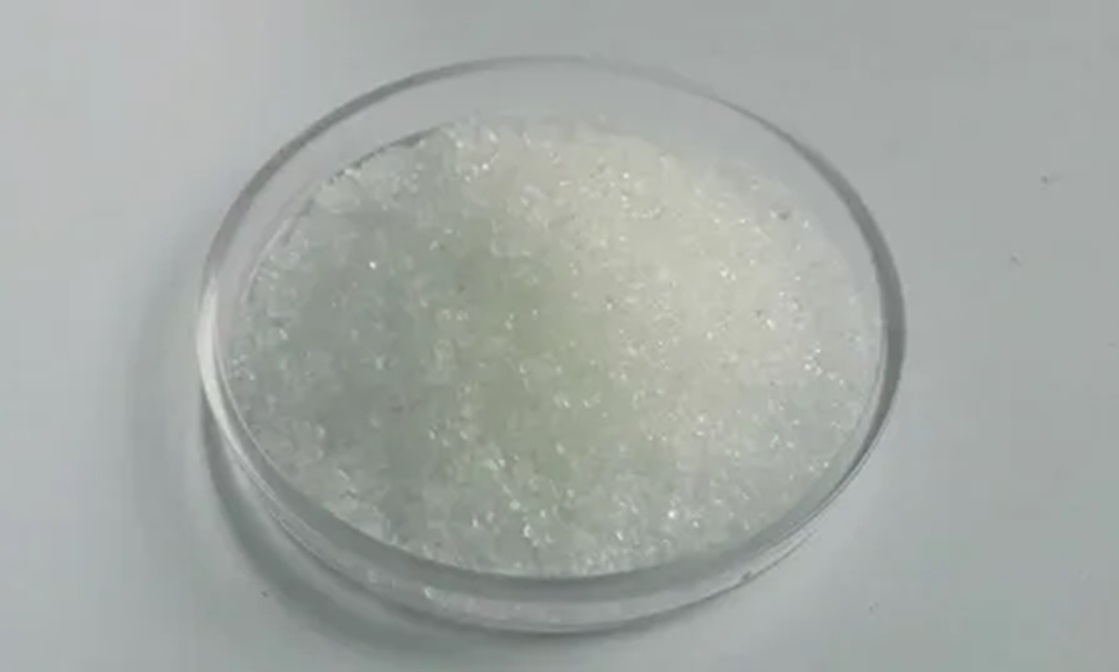
| Appearance | White to light yellow crystalline powder |
| Odor | Slight phenolic odor |
CHEMICAL STRUCTURE
Butylated Hydroxytoluene (BHT)
OH
|
(CH₃)₃C—C₆H₂—C(CH₃)₃
|
CH₃
Molecular Formula: C₁₅H₂₄O
SMILES: CC1=CC(=C(C(=C1)C(C)(C)C)O)C(C)(C)C
InChI: InChI=1S/C15H24O/c1-10-8-11(14(2,3)4)13(16)12(9-10)15(5,6)7/h8-9,16H,1-7H3
InChIKey: NLZUEZXRPGMBCV-UHFFFAOYSA-N
Structure: Substituted phenol with two tert-butyl groups at positions 2 and 6, and a methyl group at position 4; Lipophilic phenolic antioxidant; Prevents autoxidation by scavenging free radicals.
SECTION 1: CHEMICAL IDENTITY AND DESCRIPTION
| Parameter | Information |
|---|---|
| Product Name | Butylated Hydroxytoluene |
| Chemical Name | 2,6-Di-tert-butyl-4-methylphenol |
| Synonyms (Turkish) | Butil Hidroksi Toluen, Bütil Hidroksi Toluen, BHT, E321 |
| Synonyms (English) | Butylated Hydroxytoluene, BHT, 2,6-Di-tert-butyl-4-methylphenol, Antioxidant 264, Lonol, Dibutylhydroxytoluene |
| E Number | E321 |
| CAS Number | 128-37-0 |
| Molecular Formula | C₁₅H₂₄O |
| Molecular Weight | 220.35 g/mol |
| Chemical Class | Phenolic antioxidant; Substituted phenol; Lipophilic compound |
| Source | Synthetic |
| Physical State (20°C) | Solid (crystalline powder) |
| Odor | Slight phenolic odor |
| Color | White to light yellow |
| Taste | Slightly bitter (characteristic) |
SECTION 2: PHYSICAL AND CHEMICAL PROPERTIES
| Property | Value | Test Method / Note |
|---|---|---|
| Appearance | White to light yellow crystalline powder | Visual |
| Odor | Slight phenolic odor | Olfactometric |
| Molecular Weight | 220.35 g/mol | Calculated |
| Density (20°C) | 1.048 g/cm³ | ASTM D4052 |
| Melting Point | 71°C | DSC |
| Boiling Point | 265°C | – |
| Flash Point | 127°C (closed cup) | – |
| Solubility in Water | Insoluble | General Method |
| Solubility in Ethanol | Soluble | General Method |
| Solubility in Methanol | Soluble | General Method |
| Solubility in Isopropanol | Soluble | General Method |
| Solubility in Propylene Glycol | Insoluble | General Method |
| Solubility in Oils/Fats | Freely soluble | General Method |
| Vapor Pressure | 0.01 mmHg (20°C) | – |
| Log P (Octanol/Water) | 5.1 (lipophilic) | – |
| Stability | Stable under normal conditions; Sensitive to light | – |
| Antioxidant Activity | High | – |
| Heavy Metals (as Pb) | ≤ 10 ppm | AAS / ICP |
| Arsenic (As) | ≤ 2 ppm | AAS / ICP |
| Lead (Pb) | ≤ 2 ppm | AAS / ICP |
| Purity | ≥ 99.0% | GC / HPLC |
SECTION 3: BHT vs BHA COMPARISON
| Property | BHT (E321) | BHA (E320) |
|---|---|---|
| CAS Number | 128-37-0 | 25013-16-5 |
| Chemical Name | 2,6-Di-tert-butyl-4-methylphenol | 3-tert-butyl-4-hydroxyanisole |
| Molecular Weight | 220.35 g/mol | 180.24 g/mol |
| Physical Form | White crystalline powder | White to waxy solid |
| Melting Point | 71°C | 48-63°C |
| Stability | Less stable | More stable |
| Heat Stability | Good | Excellent |
| Solubility | Fat-soluble | Fat-soluble |
| Primary Use | Fats, oils, cosmetics | Fats, oils, foods |
| Antioxidant Type | Phenolic | Phenolic |
SECTION 4: MECHANISM OF ACTION
| Property | Description |
|---|---|
| Antioxidant Mechanism | Scavenges free radicals; Donates hydrogen atom to lipid peroxyl radicals; Breaks autoxidation chain reaction; Prevents lipid peroxidation |
| Free Radical Scavenger | The phenolic OH group donates hydrogen; Neutralizes reactive oxygen species (ROS); Stabilizes free radicals by forming resonance-stabilized phenoxyl radicals |
| Autoxidation Inhibition | Prevents oxidation of unsaturated organic compounds; Protects against oxidative degradation; Extends shelf life of fats and oils |
| Lipophilic Character | Fat-soluble; Protects lipids, oils, and fats from oxidation; Effective in hydrophobic environments; Works in lipid membranes |
| Synergistic Effect | Works synergistically with other antioxidants (ascorbic acid, citric acid); Chelates metal ions (with phosphoric acid); Enhanced protection |
SECTION 5: PRODUCTION PROCESS
Method 1: Friedel-Crafts Alkylation
Reaction: p-Cresol + 2-Methylpropene → 2,6-Di-tert-butyl-4-methylphenol
Description: p-Cresol (4-methylphenol) is alkylated with isobutylene (2-methylpropene) in the presence of an acid catalyst (sulfuric acid or aluminum chloride); The reaction introduces tert-butyl groups at the 2 and 6 positions; Product is purified by crystallization and distillation; Yields white crystalline BHT.
Method 2: Catalytic Alkylation
Process: p-Cresol + Isobutylene (catalyst) → BHT
Description: p-Cresol is reacted with isobutylene using a solid acid catalyst (zeolite, ion-exchange resin); More environmentally friendly process; Higher purity product; Less waste.
Method 3: Continuous Flow Process
Process: p-Cresol + Isobutylene → BHT (continuous reactor)
Description: Continuous alkylation process; Higher efficiency; Used for large-scale industrial production.
SECTION 6: FUNCTIONAL PROPERTIES
| Property | Description |
|---|---|
| Antioxidant (Fats and Oils) | Prevents oxidation of fats and oils; Extends shelf life of fatty foods; Prevents rancidity; Effective at low concentrations (0.01-0.1%) |
| Preservative (Food) | Prevents oxidative degradation; Protects flavors and colors; Maintains food quality; Food additive E321 |
| Cosmetic Ingredient | Prevents oxidation of cosmetic formulations; Protects oils and fats in creams; Extends product shelf life; Anti-aging support |
| Feed Additive | Used in animal feed; Prevents oxidation of fats; Protects vitamins; Improves feed stability |
| Pharmaceutical Ingredient | Used as antioxidant in drug formulations; Protects active ingredients; Prevents degradation; Extends shelf life |
| Industrial Antioxidant | Used in lubricants, greases, cutting fluids; Protects against oxidation; Extends service life; Used in turbine oils, gear oils |
| Polymer Stabilizer | Used in rubber and plastics; Prevents oxidative degradation; Improves product durability |
| Synergistic Agent | Enhances effectiveness of other antioxidants; Works with ascorbic acid, citric acid, tocopherols |
SECTION 7: MAIN APPLICATION AREAS
| Industry / Application | Function | Typical Use |
|---|---|---|
| Food Industry (E321) | Antioxidant, preservative | Fats, oils, margarine, butter, lard, cooking oils; Snack foods, nuts, cereals; Chewing gum; Processed meats; Food additive E321 |
| Cosmetics | Antioxidant, preservative | Creams, lotions, lip balms, makeup; Hair care products; Sunscreens; Anti-aging products |
| Pharmaceutical | Antioxidant, stabilizer | Drug formulations; Vitamin supplements; Topical preparations; Ointments, creams (NSAID creams for joint and muscle pain) |
| Animal Feed | Antioxidant, preservative | Poultry, swine, cattle feed; Pet food; Fish feed; Feed premixes (with vitamins) |
| Petroleum Industry | Antioxidant, stabilizer | Lubricants, greases, cutting fluids, gear oils, turbine oils; Prevents oxidation; Extends service life of oils |
| Rubber and Plastics | Antioxidant, stabilizer | Rubber products; Plastics; Polymer stabilization |
| Insecticides and Pesticides | Stabilizer | Insect repellents; Pesticide formulations; Mosquito repellents |
| Industrial Applications | Antioxidant | Aromas, flavors; Coatings; Adhesives; Paints |
| Veterinary Medicine | Preservative | Veterinary drugs; Anti-inflammatory treatments; Animal health products |
SECTION 8: SAMPLE FORMULATIONS
Oil Antioxidant Blend:
| Component | Amount |
|---|---|
| BHT (E321) | 0.01 – 0.1% |
| Vegetable Oil | 100% |
| Citric Acid (Synergist) | 0.01 – 0.05% |
Instructions: Dissolve BHT in oil with gentle heating (40-50°C); Add citric acid for synergistic effect; Store in cool, dark place.
Cosmetic Cream Antioxidant (100 g):
| Component | Amount |
|---|---|
| BHT | 0.05 – 0.2 g |
| Oil Phase | As required |
| Water Phase | As required |
| Emulsifiers | As required |
Instructions: Dissolve BHT in oil phase before emulsification; Prevents oxidation of oils; Extends product shelf life.
Animal Feed Premix (1 kg):
| Component | Amount |
|---|---|
| BHT | 1 – 10 g |
| Carrier | To 1 kg |
| Vitamins | As required |
SECTION 9: QUALITY SPECIFICATIONS
| Parameter | Food Grade (E321) | Feed Grade | Industrial Grade | Test Method |
|---|---|---|---|---|
| Appearance | White to light yellow powder | White to light yellow powder | White to light yellow powder | Visual |
| Assay (BHT) | ≥ 99.0% | ≥ 98.0% | ≥ 97.0% | GC / HPLC |
| Melting Point | 69 – 72°C | 69 – 72°C | 69 – 72°C | DSC |
| Loss on Drying | ≤ 0.5% | ≤ 0.5% | ≤ 1.0% | Gravimetric |
| Sulfated Ash | ≤ 0.1% | ≤ 0.1% | ≤ 0.2% | Gravimetric |
| Heavy Metals (as Pb) | ≤ 10 ppm | ≤ 20 ppm | ≤ 50 ppm | AAS / ICP |
| Arsenic (As) | ≤ 2 ppm | ≤ 5 ppm | ≤ 10 ppm | AAS / ICP |
| Lead (Pb) | ≤ 2 ppm | ≤ 5 ppm | ≤ 10 ppm | AAS / ICP |
| Phenol | ≤ 0.02% | ≤ 0.05% | ≤ 0.1% | – |
| Particle Size | Customer requirement | Customer requirement | Customer requirement | Sieve / Laser |
SECTION 10: TOXICOLOGICAL PROFILE
| Parameter | Value |
|---|---|
| Acute Oral Toxicity (LD50, Rat) | ~ 2,000 – 3,000 mg/kg (moderate toxicity) |
| Acute Dermal Toxicity | Mild irritant |
| Skin Irritation | May cause mild irritation |
| Eye Irritation | May cause irritation |
| Chronic Toxicity | Controversial; Studies in animals show liver enzyme changes at high doses; FDA GRAS status; EFSA approved within limits |
| Carcinogenicity | IARC Group 3 (Not classifiable as carcinogenic to humans); Some animal studies show effects at high doses |
| Mutagenicity | Not mutagenic |
| Reproductive Toxicity | No reproductive toxicity at normal levels |
| Target Organs | Liver (at high doses), skin, eyes |
| Acceptable Daily Intake | 0.3 mg/kg body weight (EU) / 0.125 mg/kg body weight (USA) |
| Special Toxicity Note | Controversial safety profile; FDA GRAS status; EFSA approved (E321) within limits; Food additive; Not a common allergen; High doses may cause liver effects in animal studies; Widely used in food and cosmetic industries; Safe for use at approved levels |
SECTION 11: GHS CLASSIFICATION AND LABELING
GHS Classification (in accordance with CLP and UN GHS):
| Hazard Class | Category | H-Statement |
|---|---|---|
| Not classified as hazardous | – | – |
SIGNAL WORD: NONE (not classified as hazardous)
Hazard Pictograms: NONE
Hazard Statements (H-Codes): Not classified as hazardous under GHS regulations.
NFPA 704 Hazard Classification:
| Health | Flammability | Reactivity | Special |
|---|---|---|---|
| 1 | 1 | 0 | - |
| (Slight health hazard) | (Combustible – must be preheated to ignite) | (Stable) | (None) |
SECTION 12: PRECAUTIONARY STATEMENTS (P-CODES)
| Code | Statement |
|---|---|
| P261 | Avoid breathing dust/fume/gas/mist/vapors/spray |
| P264 | Wash hands thoroughly after handling |
| P271 | Use only outdoors or in a well-ventilated area |
| P280 | Wear protective gloves/protective clothing/eye protection/face protection |
| P302+P352 | IF ON SKIN: Wash with plenty of soap and water |
| P304+P340 | IF INHALED: Remove person to fresh air and keep comfortable for breathing |
| P305+P351+P338 | IF IN EYES: Rinse cautiously with water for several minutes. Remove contact lenses if present and continue rinsing |
| P312 | Call a POISON CENTER/doctor if you feel unwell |
| P332+P313 | If skin irritation occurs: Get medical advice/attention |
| P337+P313 | If eye irritation persists: Get medical advice/attention |
| P362+P364 | Take off contaminated clothing and wash it before reuse |
| P403+P233 | Store in a well-ventilated place. Keep container tightly closed |
| P501 | Dispose of contents/container in accordance with local/regional/national/international regulations |
SECTION 13: FIRST AID MEASURES
| Exposure Route | Action to Take |
|---|---|
| Inhalation | Remove to fresh air immediately. If respiratory irritation develops, seek medical attention. |
| Skin Contact | Wash with plenty of soap and water. If irritation persists, get medical attention. |
| Eye Contact | Rinse immediately with plenty of water for at least 15 minutes. Keep eyelids open. Remove contact lenses if present. If irritation persists, seek medical attention. |
| Ingestion | Rinse mouth. Drink plenty of water. If large quantities are ingested, seek medical attention. |
SECTION 14: FIREFIGHTING MEASURES
| Parameter | Information |
|---|---|
| Fire Hazard | Combustible organic material. Flash point 127°C. May burn if exposed to high heat. |
| Hazards Arising from Fire | Thermal decomposition produces carbon monoxide, carbon dioxide, and irritating fumes. |
| Suitable Extinguishing Media | Water spray, CO₂, dry chemical powder, foam. |
| Unsuitable Extinguishing Media | Water jet (may spread) |
| Special Protective Equipment | Self-contained breathing apparatus (SCBA), full protective clothing. |
| Special Precautions | Prevent from entering sewers and waterways. Keep containers cool. |
SECTION 15: STORAGE AND SHELF LIFE
| Parameter | Information |
|---|---|
| Storage Conditions | Store in a cool, dry, well-ventilated area; PROTECT FROM LIGHT and HEAT; Keep away from direct sunlight and high temperatures; Store in tightly closed containers. |
| Container Requirements | Tightly closed, light-proof containers (HDPE, aluminum-lined bags, amber glass). |
| Materials to Protect From | Light, heat, strong oxidizing agents, moisture |
| Shelf Life | 24 – 48 months (in unopened original packaging, under proper storage conditions). |
| Stability Note | Stable under normal conditions; Sensitive to light; May darken over time; Keep container tightly closed; Protect from excessive heat and light. |
| Special Storage Requirements | Store in a dark, cool, dry place; Avoid exposure to air and light; Opened containers must be resealed immediately. |
SECTION 16: PACKAGING OPTIONS
| Packaging Type | Quantity | Material |
|---|---|---|
| Multi-layer Paper Bag | 10 kg, 20 kg, 25 kg | PE-lined kraft paper bag (moisture-proof) |
| Plastic Bag | 5 kg, 10 kg, 25 kg | PE bag (inner-lined, sealed, moisture-proof) |
| Fiber Drum | 20 kg, 25 kg | PE-lined fiberboard drum |
| Plastic Drum | 25 kg, 50 kg | HDPE / Polypropylene (moisture-proof) |
| FIBC / Big Bag | 500 kg, 1000 kg | PE-lined, moisture-resistant PP woven bag |
| Small Pack | 1 kg, 5 kg | Foil-lined plastic bags (laboratory/sample) |
SECTION 17: TRANSPORT INFORMATION
| Parameter | Information |
|---|---|
| UN Number | UN 3077 (Environmentally hazardous substance, solid, n.o.s.) |
| Hazard Class | 9 (Miscellaneous dangerous goods) |
| Packing Group | III |
| ADR/RID | Class 9, PG III, UN 3077 |
| IMDG Code | Class 9, PG III, UN 3077 |
| IATA (Air) | Class 9, PG III, UN 3077 |
| Marine Pollutant | Yes |
| Transport Temperature | Ambient temperature; Protect from light and heat. |
SECTION 18: REGULATORY STATUS
| Region / Authority | Status |
|---|---|
| European Union | Food additive E321 approved by EFSA; ADI: 0.3 mg/kg body weight; Not classified as hazardous |
| USA (TSCA) | Listed (TSCA Inventory) |
| USA (FDA) | GRAS (Generally Recognized as Safe) – 21 CFR 182.3173; Food additive; ADI: 0.125 mg/kg body weight |
| Turkey | Food additive E321; Subject to KKDIK regulation |
| IARC | Group 3 (Not classifiable as carcinogenic to humans) |
| NTP | Not listed |
| OSHA | Not regulated as toxic or carcinogenic substance |
| California (Prop 65) | Not listed |
| Halal | Yes (with certification) |
| Kosher | Yes (with certification) |
SECTION 19: OTHER NAMES AND SYNONYMS
| Type | Name |
|---|---|
| Turkish Names | Butil Hidroksi Toluen, Bütil Hidroksi Toluen, BHT, E321 |
| English Names | Butylated Hydroxytoluene, BHT, 2,6-Di-tert-butyl-4-methylphenol, Antioxidant 264, Lonol, Dibutylhydroxytoluene |
| Chemical Names | 2,6-Di-tert-butyl-4-methylphenol; 2,6-Di-tert-butyl-p-cresol; 4-Methyl-2,6-di-tert-butylphenol |
| E Number | E321 |
| CAS Number | 128-37-0 |
| Molecular Formula | C₁₅H₂₄O |
| HS Code | 2907.19 |
| Synonyms | Ionol, Antioxidant 264, BHT, Dibutylhydroxytoluene, Butylhydroxytoluene |
SECTION 20: SUMMARY TABLE
| Parameter | Value |
|---|---|
| Product | Butylated Hydroxytoluene (BHT - E321) |
| CAS Number | 128-37-0 |
| E Number | E321 |
| Molecular Formula | C₁₅H₂₄O |
| Molecular Weight | 220.35 g/mol |
| Appearance | White to light yellow crystalline powder |
| Melting Point | 71°C |
| Density | 1.048 g/cm³ |
| Primary Function | Antioxidant, preservative |
| Main Application Areas | Food (E321), cosmetics, pharmaceuticals, animal feed, lubricants, rubber, plastics |
| Shelf Life | 24 – 48 months |
| GHS Signal Word | NONE (not classified as hazardous) |
| UN Number | UN 3077 (Environmentally hazardous) |
| Special Properties | Lipophilic; Phenolic antioxidant; Free radical scavenger; Food additive E321; FDA GRAS; EFSA approved |
SECTION 21: CRITICAL WARNINGS AND BEST PRACTICES
CRITICAL WARNINGS:
-
Not classified as hazardous under GHS. FDA GRAS status. EFSA approved (E321).
-
Food additive E321 – Approved by EFSA and FDA within limits (ADI: 0.3 mg/kg in EU, 0.125 mg/kg in USA).
-
Controversial safety profile – Some animal studies show effects at high doses; Use within approved limits.
-
IARC Group 3 – Not classifiable as carcinogenic to humans.
-
Lipophilic – fat-soluble; Works in oils, fats, and lipid systems.
-
Light sensitive – protect from direct sunlight; Store in opaque containers.
-
Combustible – flash point 127°C; Keep away from open flames and high heat.
-
Not water-soluble – dissolves in fats, oils, ethanol, methanol, isopropanol.
-
Synergistic with other antioxidants – Works best with ascorbic acid, citric acid, tocopherols.
-
Not a common allergen – suitable for most individuals.
-
Safe at approved levels – widely used in food, cosmetics, and pharmaceutical industries.
BEST PRACTICE RECOMMENDATIONS:
Food Industry (E321): Use as antioxidant in fats and oils; Margarine, butter, cooking oils, snack foods, nuts, chewing gum; Dosage 0.01-0.1% (100-1000 ppm); Dissolve in oil/fat phase with gentle heating (40-50°C); Combine with citric acid or ascorbic acid for synergistic effect.
Cosmetics: Use as antioxidant to prevent oxidation of oils and fats; Creams, lotions, lip balms, makeup, hair care products; Dosage 0.05-0.2%; Dissolve in oil phase before emulsification; Protects against rancidity; Extends shelf life.
Pharmaceutical: Use as antioxidant and stabilizer; Drug formulations; Vitamin supplements; Topical preparations; Dosage depends on formulation; Follow regulatory limits.
Animal Feed: Use as antioxidant in feed premixes; Poultry, swine, cattle feed; Pet food; Dosage 10-100 g/ton; Protects vitamins and fats; Improves feed stability.
Lubricants and Oils: Use as antioxidant in gear oils, turbine oils, cutting fluids; Prevents oxidation; Extends service life; Dosage 0.1-1.0%.
Handling: Use in well-ventilated areas; Avoid dust formation; Use dust masks (N95/FFP2) when handling powder; Use gloves and safety goggles.
Personal Protective Equipment: Dust mask (N95/FFP2 or higher), safety goggles, protective gloves (nitrile, neoprene). Not required for solution handling.
Hygiene: Wash hands thoroughly after handling; Do not eat, drink, or smoke while using.
Storage: Store in tightly closed, light-proof containers; Store in a cool, dry, well-ventilated area; Protect from light, heat, and moisture; Opened containers must be resealed immediately; Shelf life: 24-48 months under proper conditions.
Spill Management: Sweep or vacuum (HEPA) and place in suitable sealed container; Avoid dust formation; Do not allow entry into drains or waterways.
Disposal: Dispose of in accordance with local, regional, and national regulations; Non-hazardous waste; Can be incinerated in compliance with regulations.
BHT vs BHA COMPARISON:
| Property | BHT (E321) | BHA (E320) |
|---|---|---|
| CAS Number | 128-37-0 | 25013-16-5 |
| Molecular Weight | 220.35 | 180.24 |
| Melting Point | 71°C | 48-63°C |
| Stability | Less stable | More stable |
| Heat Stability | Good | Excellent |
| Cost | Lower | Higher |
| Primary Use | Fats, oils, cosmetics | Fats, oils, foods |
LEGAL DISCLAIMER:
The information provided in this document is based on our current knowledge and experience and is presented in good faith. However, as all conditions of use are beyond our control, it does not constitute a binding specification or warranty. This Technical Data Sheet is for informational purposes only. Users are responsible for testing the suitability for their own applications. For complete safety, storage, use, handling, waste, and regulatory compliance information, please refer to the official Safety Data Sheet (SDS/MSDS) provided by the manufacturer/supplier.
.jpg)
