We unleash your business potential by maximize the business innovation.
Send EmailSodium Dichloroisocyanurate, Troclosene Sodium, Chlor, SDIC, NaDCC, DCCNa, 2893-78-9, 51580-86-0
SODIUM DICHLOROISOCYANURATE (SDIC / NaDCC)
Sodium Dichloroisocyanurate / Troclosene Sodium / Dichloro-s-triazinetrione Sodium Salt
CAS Number (Anhydrous): 2893-78-9
CAS Number (Dihydrate): 51580-86-0
EC Number: 220-767-7
1. PRODUCT IDENTIFICATION AND CHEMICAL IDENTITY
| Parameter | Description |
|---|---|
| Chemical Name (IUPAC) | Sodium 3,5-dichloro-2,4,6-trioxo-1,3,5-triazinan-1-ide |
| Common Name | Sodium Dichloroisocyanurate (SDIC) |
| Other Names | Troclosene Sodium, NaDCC, DCCNa, Dichloro-s-triazinetrione sodium salt |
| CAS Number (Anhydrous) | 2893-78-9 |
| CAS Number (Dihydrate) | 51580-86-0 |
| EC Number (EINECS) | 220-767-7 |
| Molecular Formula (Anhydrous) | C₃Cl₂N₃NaO₃ |
| Molecular Formula (Dihydrate) | C₃Cl₂N₃NaO₃·2H₂O |
| Molecular Weight (Anhydrous) | 219.95 g/mol |
| Molecular Weight (Dihydrate) | 255.98 g/mol |
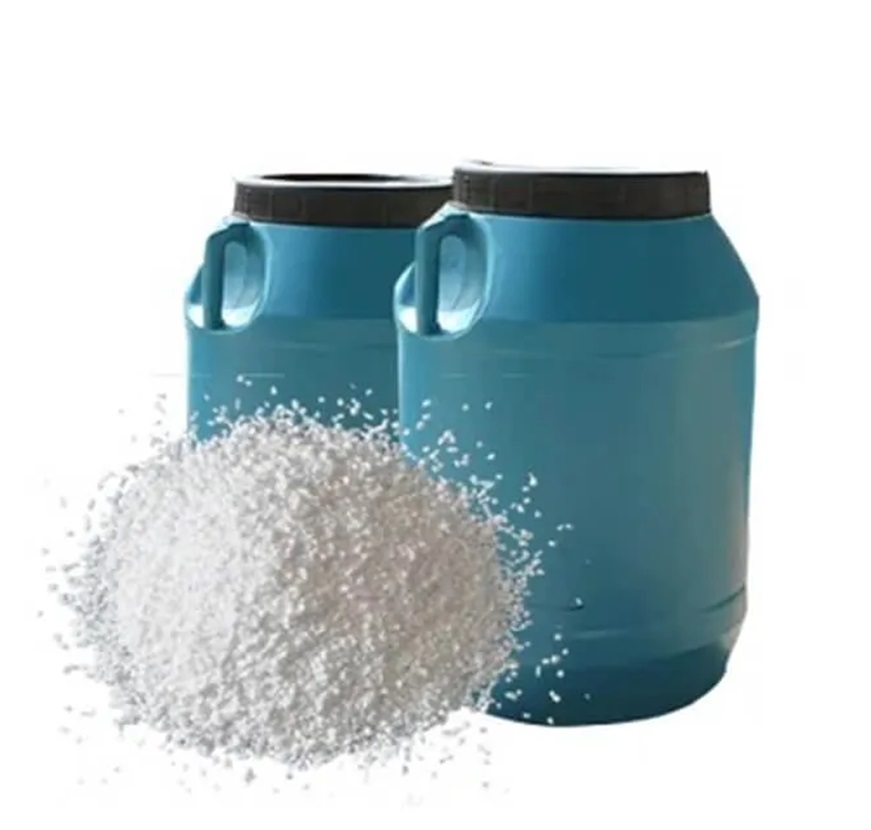
| Appearance | White granules, tablets, or powder |
| Odor | Slight chlorine-like odor |
| Chemical Class | Chlorinated isocyanurate (organochlorine compound) |
2. CHEMICAL STRUCTURE
2.1. Molecular Structure
SDIC is a derivative of cyanuric acid with chlorine bonded to two nitrogen atoms of the ring. The N-Cl bonds in the structure are responsible for the oxidizing and disinfecting properties of chlorine.
Ring Structure (Cyanuric Acid Skeleton):
        O
        ||
        C
       / \
      /   \
  Cl-N     N-Na
     |     |
     C     C
    / \   / \
   /   \ /   \
  O     C     O
        ||
        O
Simpler Representation:
      O
      ||
      C
     / \
    /   \
Cl-N     N-Cl
   |     |
   C     C
  / \   / \
 /   \ /   \
O     C     O
      ||
      O
    (Na⁺ ion is located outside the ring)
2.2. Molecular Formula (Anhydrous)
C₃Cl₂N₃NaO₃
2.3. Molecular Weight (Anhydrous)
219.95 g/mol
2.4. Key Structural Features
| Feature | Description |
|---|---|
| Central Structure | Cyanuric acid ring (1,3,5-triazine-2,4,6-trione) |
| Active Groups | N-Cl bonds (provide the oxidizing power of chlorine) |
| Anion | Dichloroisocyanurate anion (C₃Cl₂N₃O₃⁻) |
| Cation | Sodium (Na⁺) |
| Coordination | Sodium ion is located outside the ring |
3. REACTION MECHANISM AND MODE OF ACTION
3.1. Hydrolysis Reaction
SDIC hydrolyzes in a controlled manner when dissolved in water, releasing hypochlorous acid (HOCl) as the active disinfectant species and cyanuric acid as a stabilizer:
C₃Cl₂N₃NaO₃ + 2 H₂O → 2 HOCl + C₃H₃N₃O₃ (Cyanuric Acid) + Na⁺
3.2. Disinfection Mechanism
| Step | Description |
|---|---|
| Hydrolysis | SDIC dissolves in water to form hypochlorous acid (HOCl) and cyanuric acid. |
| Oxidation | The generated hypochlorous acid (HOCl) is a strong oxidant. It oxidizes microbial cell walls, denatures proteins, disrupts enzyme functions, and rapidly inactivates microorganisms. |
| Broad Spectrum | Exhibits broad-spectrum activity against bacteria, viruses, fungi, and algae. |
| Cell Death | Increases cell membrane permeability, causing cytoplasmic leakage and cell death. |
3.3. Stabilization (UV Protection)
The released cyanuric acid protects free chlorine from the degrading effects of UV light. This ensures that chlorine remains active for a much longer period, especially in outdoor swimming pools.
3.4. pH Effect
The pH of SDIC solution is typically in the range of 5.5–7.0. In this pH range, the HOCl form, which has the highest disinfection power, is predominant.
3.5. Controlled Release
SDIC releases chlorine gradually rather than all at once when dissolved. This prevents sudden chlorine shock and provides longer-lasting, stable disinfection.
4. PHYSICAL AND CHEMICAL PROPERTIES
| Property | Value / Description |
|---|---|
| Physical Form | White granules, tablets, or powder |
| Odor | Slight chlorine-like odor |
| Available Chlorine Content | 55 – 60% (by weight) |
| pH (1% aqueous solution, 25°C) | 5.5 – 7.0 (slightly acidic – neutral) |
| Water Solubility (25°C) | ~25 g/100 mL (soluble) |
| Density | ~0.7 – 0.9 g/cm³ (bulk density) |
| Melting Point | 230-250°C (decomposes) |
| Stability | Very stable in solid form and dry conditions; long shelf life. Slowly decomposes in solution. |
| Reactivity | When dissolved in water, releases hypochlorous acid (HOCl) and cyanuric acid. Reacts with strong acids and reducing agents. |
| Solubility (Organic Solvents) | Slightly soluble in acetone, ethanol, and methanol; insoluble in ether |
| Hygroscopicity | Low degree of hygroscopicity |
| Vapor Pressure | Negligible |
5. SOLUBILITY PROFILE
| Solvent | Solubility | Conditions |
|---|---|---|
| Water | ~25 g/100 mL | 25°C |
| Water | ~40 g/100 mL | 50°C |
| Acetone | Slightly soluble | 25°C |
| Ethanol | Slightly soluble | 25°C |
| Methanol | Slightly soluble | 25°C |
| Ether | Insoluble | 25°C |
| Benzene | Insoluble | 25°C |
| Toluene | Insoluble | 25°C |
6. OTHER NAMES AND SYNONYMS
| Type | Name |
|---|---|
| Turkish Names | Sodyum Dikloroizosiyanürat, Sodyum Dikloroizosiyanürat Dihidrat |
| English Names | Sodium Dichloroisocyanurate, Troclosene Sodium, Sodium Dichloro-s-triazinetrione |
| Abbreviations | SDIC, NaDCC, DCCNa |
| INN (International Nonproprietary Name) | Troclosene Sodium |
| CAS Number (Anhydrous) | 2893-78-9 |
| CAS Number (Dihydrate) | 51580-86-0 |
| EC Number | 220-767-7 |
| HS Code | 2933.69.80 |
7. PRODUCTION METHOD
SDIC production is carried out in three main stages:
| Stage | Process | Description |
|---|---|---|
| 1 | Cyanuric Acid Production | Cyanuric acid (C₃H₃N₃O₃) is obtained by pyrolysis of urea at high temperature (200-250°C). |
| 2 | Dichlorination | Cyanuric acid is reacted with chlorine gas (Cl₂) in aqueous phase to form dichloroisocyanuric acid. |
| 3 | Neutralization and Drying | The resulting acid is neutralized with sodium hydroxide (NaOH) to form the sodium salt of SDIC. The product is then crystallized, dried, and converted to the desired form (powder, granules, tablets). |
Overall Reaction:
C₃H₃N₃O₃ + 2Cl₂ + NaOH → C₃Cl₂N₃NaO₃ + 2HCl + H₂O
8. SECTORAL APPLICATIONS AND USAGE RATES
| Sector | Application | Typical Usage Rate / Description |
|---|---|---|
| Swimming Pools and Spas | Routine chlorination, shock chlorination, algae control | 1–3 ppm free chlorine residual targeted; SDIC is ideal for shock chlorination due to its rapid solubility. |
| Drinking Water Treatment | Emergency disinfection, rural/small-scale systems | 1–5 ppm (WHO/EPA approved emergency disinfectant); tablet form provides portability. |
| Industrial Water Systems | Cooling towers, boiler feed water, recirculation systems | 0.5–5 ppm continuous dosage; effective in biofilm control. |
| Wastewater Treatment | Effluent disinfection | 5–20 ppm; long-term chlorine release provides advantage. |
| Food Industry | Surface and equipment disinfection, CIP systems | 50–200 ppm solution; careful dosage and rinsing required due to residue risk. |
| Agriculture and Greenhouses | Irrigation water disinfection, seed/seedling protection | 0.5–5 ppm (irrigation); biofilm control in drip irrigation lines. |
| Healthcare Facilities | Surface disinfection, equipment sterilization, medical waste decontamination | 1000–5000 ppm solution; broad-spectrum efficacy (bacteria, viruses, fungi). |
| Livestock | Barn/cage disinfection, drinking water systems | 1–5 ppm (drinking water); 0.1–0.5% solution (surface disinfection). |
| Household Cleaning | Toilet, sink, general surface disinfection | Ready-to-use products in tablet or granule form. |
| Textile and Paper | Bleaching and microbial control | Process-specific; careful use required on colored fabrics. |
9. CRITICAL / INDISPENSABLE APPLICATIONS FOR SDIC
| Application | Description |
|---|---|
| Outdoor Swimming Pools | Thanks to the cyanuric acid buffering effect, chlorine is protected from UV light. While alternatives like calcium hypochlorite degrade rapidly under UV, SDIC provides long-lasting protection. |
| Emergency / Disaster Zone Water Disinfection | Lightweight, portable, long shelf life, and rapidly soluble tablet form is ideal for providing safe drinking water in emergencies such as earthquakes and floods. |
| Mobile Military and Field Water Treatment Units | Its compact structure and easy dosing provide a reliable disinfection solution in mobile units. |
| Rural and Off-Grid Drinking Water Systems | High efficacy at low doses and applicability with simple equipment make it suitable for regions without access to centralized treatment plants. |
10. ALTERNATIVES AND COMPARISON
| Alternative | Available Chlorine / Oxidant Content | Form | Advantage | Disadvantage | Comparison with SDIC |
|---|---|---|---|---|---|
| SDIC (NaDCC) | 55–60% | Solid (tablet/powder/granule) | Stable, portable, long shelf life, controlled chlorine release, UV protection (cyanuric acid) | May leave residues; careful dosage required in food and textiles | Reference product |
| Trichloroisocyanuric Acid (TCCA) | 90% | Solid (tablet/granule) | Very high chlorine content, slow dissolution | Slow dissolution in water; not suitable for shock chlorination | SDIC dissolves faster, more suitable for shock chlorination and emergencies |
| Calcium Hypochlorite (Ca(ClO)₂) | 65–70% | Solid (powder/granule) | High chlorine content, economical | Degrades rapidly under UV, leaves residue (calcium), corrosive | SDIC is more stable, provides UV protection, leaves no residue |
| Sodium Hypochlorite (NaOCl) | 10–15% | Liquid | Inexpensive, widely available | Short shelf life, bulky, degrades under UV, high by-product risk | SDIC is superior in transport and storage with its solid form |
| Chlorine Dioxide (ClO₂) | (Generated on-site) | Gas / Liquid | Effective over wide pH range, does not form by-products | Requires on-site generation, high equipment cost | SDIC is a simple and ready-to-use solution |
| Peracetic Acid (PAA) | 5–15% (equilibrium solution) | Liquid | Leaves no residue, environmentally friendly | Corrosive, pungent odor, requires careful handling | SDIC is more common, especially in water disinfection |
11. CHEMICAL COMPATIBILITY TABLE
| Substance / Environment | Compatibility | Description |
|---|---|---|
| Water | COMPATIBLE | Easily soluble; hydrolysis yields HOCl and cyanuric acid. |
| Acids (HCl, H₂SO₄) | INCOMPATIBLE | Releases toxic chlorine gas (Cl₂). |
| Alkalis (NaOH, KOH) | LIMITED | Hypochlorite formation; heat is released. |
| Oxidizers | LIMITED | Reactive combinations possible. |
| Reducing Agents | INCOMPATIBLE | Violent reaction, fire or explosion risk. |
| Organic Materials | INCOMPATIBLE | Fire and explosion risk. |
| Ammonia / Amines | INCOMPATIBLE | Forms toxic chloramine gases. |
| Flammable Materials | INCOMPATIBLE | Intensifies fire. |
| Moisture | LIMITED | Product decomposes; releases chlorine gas. |
| Stainless Steel | COMPATIBLE | Suitable for storage and transport. |
| Carbon Steel | LIMITED | Corrosion risk. |
| Plastic (HDPE, PP, PVC) | COMPATIBLE | Packaging and container material. |
12. TOXICOLOGICAL PROFILE
| Parameter | Value |
|---|---|
| Acute Oral Toxicity (LD50, Rat) | 750 – 1000 mg/kg (moderate toxicity) |
| Acute Dermal Toxicity (LD50, Rabbit) | > 2000 mg/kg |
| Acute Inhalation Toxicity | Dust may irritate the respiratory tract. |
| Skin Irritation | Mild irritant |
| Eye Irritation | Causes serious eye irritation (H319) |
| Skin Sensitization | Not classified as a sensitizer. |
| Mutagenicity | Negative |
| Carcinogenicity | Not classified |
| Reproductive Toxicity | Not classified |
| Target Organs | Respiratory system, eyes, skin |
| Environmental Hazard | Very toxic to aquatic life with long-lasting effects (H410) |
13. GHS CLASSIFICATION AND LABELING
GHS Classification (in accordance with CLP Regulation):
| Hazard Class | Category | H-Statement |
|---|---|---|
| Oxidizing Solid | Category 2 | H272 |
| Acute Toxicity (Oral) | Category 4 | H302 |
| Serious Eye Damage/Irritation | Category 2 | H319 |
| STOT - SE | Category 3 | H335 |
| Aquatic Toxicity (Chronic) | Category 1 | H410 |
Signal Word: DANGER
Hazard Pictograms: GHS03 (Flame Over Circle), GHS07 (Exclamation Mark), GHS09 (Environment)
Hazard Statements (H-Codes):
| Code | Statement |
|---|---|
| H272 | May intensify fire; oxidizer. |
| H302 | Harmful if swallowed. |
| H319 | Causes serious eye irritation. |
| H335 | May cause respiratory irritation. |
| H410 | Very toxic to aquatic life with long-lasting effects. |
14. PRECAUTIONARY STATEMENTS (P-CODES)
| Code | Statement |
|---|---|
| P210 | Keep away from heat/sparks/open flames/hot surfaces. No smoking. |
| P220 | Keep away from clothing/other combustible materials. |
| P261 | Avoid breathing dust/fume/gas/mist/vapors/spray. |
| P264 | Wash hands thoroughly after handling. |
| P273 | Avoid release to the environment. |
| P280 | Wear protective gloves/protective clothing/eye protection/face protection. |
| P301+P312 | IF SWALLOWED: Immediately call a POISON CENTER/doctor. |
| P305+P351+P338 | IF IN EYES: Rinse cautiously with water for several minutes. Remove contact lenses if present. |
| P370+P378 | In case of fire: Use appropriate extinguishing media. |
| P501 | Dispose of contents/container in accordance with local regulations. |
15. FIRST AID MEASURES
| Route of Exposure | Action to Be Taken |
|---|---|
| Inhalation | Move to fresh air. If respiratory irritation persists, seek medical attention. |
| Skin Contact | Remove contaminated clothing. Wash with plenty of soap and water. If irritation occurs, seek medical attention. |
| Eye Contact | Rinse thoroughly with plenty of water for at least 15 minutes. Remove contact lenses. Seek medical attention. |
| Ingestion | Rinse mouth with water. Do not induce vomiting. Seek immediate medical attention. |
| General Note | If symptoms persist, always consult a healthcare facility. |
16. FIRE-FIGHTING MEASURES
| Parameter | Information |
|---|---|
| Fire Hazard | Oxidizer; may intensify fire (H272). |
| Hazards During Fire | Toxic chlorine gas (Cl₂), hydrogen chloride (HCl), nitrogen oxides (NOx), cyanide compounds. |
| Suitable Extinguishing Media | Water spray, dry chemical powder, CO₂, alcohol-resistant foam. |
| Special Protective Equipment | Self-contained breathing apparatus (SCBA), full chemical protective clothing. |
| Special Precautions | Prevent fire-fighting water from entering the environment. |
17. ACCIDENTAL RELEASE MEASURES
| Parameter | Information |
|---|---|
| Personal Protection | Dust mask, protective goggles, gloves, coverall. |
| Ventilation | Increase ventilation; use local exhaust in confined spaces. |
| Containment | Cover spilled area to prevent dust dispersion. |
| Cleaning Methods | Collect dry using vacuum or careful sweeping. Avoid washing with water. |
| Environmental Precautions | Prevent entry into drains, sewers, and water bodies. |
| Waste Disposal | Dispose of as hazardous waste in accordance with local regulations. |
18. STORAGE AND SHELF LIFE
| Parameter | Information |
|---|---|
| Storage Conditions | Store in a cool (15-25°C), dry, and well-ventilated area, in tightly closed original packaging. |
| Materials to Avoid | Heat, direct sunlight, flames, sparks, moisture, combustible materials, reducing agents, strong acids, nitrogenous compounds, organic materials. |
| Container Requirements | Tightly closed, HDPE or polypropylene containers. |
| Shelf Life | 24 months (under proper storage conditions). |
| Stability Note | Moisture may cause decomposition and release of chlorine gas. |
| Packaging Options | 1-50 kg plastic pails, 25-50 kg fiber drums, 1000 kg big-bags. |
19. PACKAGING OPTIONS
| Packaging Type | Quantity | Material |
|---|---|---|
| Plastic pail + lid | 1 – 50 kg | HDPE / Polypropylene |
| Fiber drum | 25 – 50 kg | Cardboard / Metal / Plastic |
| Big-Bag | 500 – 1000 kg | Polypropylene |
| Tablet blister / box | Variable | Aluminum / Plastic |
20. TRANSPORT INFORMATION
| Parameter | Information |
|---|---|
| UN Number | UN 2465 (Dichloroisocyanuric Acid, Sodium Salt) |
| Hazard Class | 5.1 (Oxidizing Substances) |
| Packing Group | II |
| ADR/RID | UN 2465, 5.1, PG II |
| IMDG Code | UN 2465, Oxidizer, 5.1, PG II |
| IATA (Air) | UN 2465, Oxidizer, 5.1, PG II |
| Marine Pollutant | Yes (Marine Pollutant) |
| Transport Temperature | Ambient temperature; protect from moisture and heat. |
21. REGULATORY STATUS
| Region / Authority | Status |
|---|---|
| European Union | REACH registered; regulated as a biocidal product. |
| USA (EPA) | Approved as a drinking water disinfectant and biocidal product. |
| Turkey | Mandatory registration as a biocidal product. |
| WHO (World Health Organization) | Approved for drinking water disinfection in emergency situations. |
| Food Contact | Permitted for use on food processing surfaces in some countries under specific limits; rinsing is mandatory after use. |
22. DRINKING WATER DISINFECTION (EMERGENCY)
| Step | Description |
|---|---|
| Clear Water | Add 1 standard SDIC tablet (usually 33 mg) to 1 liter of water. Wait for dissolution. Allow the water to stand for at least 30 minutes before drinking. |
| Turbid Water | Pre-filter the water through a cloth or filter. Add 2 tablets to 1 liter of turbid water. Wait for dissolution. Allow the water to stand for at least 30 minutes before drinking. |
| Warning | Always follow the product instructions for exact dosage. |
23. QUICK REFERENCE TABLE
| Property | Value |
|---|---|
| CAS (Anhydrous) | 2893-78-9 |
| CAS (Dihydrate) | 51580-86-0 |
| Formula (Anhydrous) | C₃Cl₂N₃NaO₃ |
| Formula (Dihydrate) | C₃Cl₂N₃NaO₃·2H₂O |
| Molecular Weight (Anhydrous) | 219.95 g/mol |
| Appearance | White granules / tablets / powder |
| Available Chlorine | 55 – 60% |
| pH (1% solution) | 5.5 – 7.0 |
| Water Solubility (25°C) | ~25 g/100 mL |
| Shelf Life | 24 months |
| Main Uses | Water disinfection, pool chlorination, surface disinfectant |
| Hazard Warning | Oxidizer, harmful, toxic to environment (H272, H302, H410) |
| UN Number | UN 2465 |
| Hazard Class | 5.1 (Oxidizer) |
24. SDIC AND TCCA COMPARISON
| Property | SDIC (NaDCC) | TCCA |
|---|---|---|
| Chemical Form | Sodium salt | Acid form |
| Available Chlorine | 55 – 60% | 90% |
| Solubility | Rapidly soluble | Slowly soluble |
| pH Solution | 5.5 – 7.0 (slightly acidic) | 2.5 – 3.5 (acidic) |
| Suitable Application | Shock chlorination, emergency, rapid disinfection | Long-term slow release, pool tablets |
| UV Protection | Releases cyanuric acid (UV protection) | Releases cyanuric acid (UV protection) |
| Residue | Low | Low |
25. CRITICAL NOTICES AND BEST PRACTICES
CRITICAL NOTICES:
-
Oxidizing Agent: SDIC is an oxidizer (H272). Contact with combustible materials, reducing agents, organic materials, and strong acids creates a fire and explosion risk.
-
Chlorine Gas: Contact with acids releases toxic chlorine gas (Cl₂). Inhalation can cause serious health problems.
-
Eye and Respiratory Irritation: Causes serious eye irritation (H319) and respiratory irritation (H335). Protective goggles and dust mask must be used.
-
Environmental Impact: Very toxic to aquatic life with long-lasting effects (H410). Avoid release to the environment.
-
Moisture: Moisture may cause decomposition and release of chlorine gas. Store tightly closed in a dry environment.
-
Food Applications: Surfaces must be thoroughly rinsed after use on food processing surfaces. Careful dosage is required due to residue risk.
BEST PRACTICE RECOMMENDATIONS:
-
Storage: Store in a cool (<30°C), dry, and well-ventilated area, in original packaging. Keep away from heat, direct sunlight, flames, and sparks.
-
Personnel Protection: Use protective gloves, goggles/face shield, and dust mask. Ensure adequate ventilation.
-
Dosage Control: Determine the correct dosage according to the intended use. Overdosing may cause toxic effects and equipment corrosion.
-
Solution Preparation: Always prepare solutions in cold water. Hot water may accelerate chlorine gas release.
-
Waste Management: Dispose of unused product and waste at licensed facilities. Do not pour down drains.
LEGAL DISCLAIMER:
The information provided in this document is based on our current knowledge and experience and is presented in good faith; however, as all conditions of use are beyond our control, it does not constitute a binding specification or warranty. This Technical Data Sheet is for informational purposes only. Users are obligated to test the suitability of the product for their own applications. For complete safety, storage, handling, transport, waste, and regulatory compliance information, the official Safety Data Sheet (SDS/MSDS) provided by the manufacturer/supplier must be consulted.