We unleash your business potential by maximize the business innovation.
Send EmailLevulinic Acid, Oxopentanoic Acid, Acetylpropionic Acid, Acetopropionic Acid, Ketovaleric Acid, Oxovaleric Acid, 123-76-2
LEVULINIC ACID (4-Oxopentanoic Acid, beta-Acetylpropionic Acid)
SECTION 1: IDENTIFICATION
| Parameter | Information |
|---|---|
| Chemical Name | Levulinic Acid |
| IUPAC Name | 4-Oxopentanoic acid |
| Other Names | beta-Acetylpropionic acid, gamma-Ketovaleric acid, 3-Acetylpropionic acid, Acetopropionic acid |
| Formula | C5H8O3 |
| CAS Number | 123-76-2 |
| EC Number (EINECS) | 204-649-2 |
| REACH Registration No. | 01-2119475428-35-xxxx (representative) |
| Molar Mass | 116.115 g/mol ± 0.005 |
| MDL Number | MFCD00004437 |
| PubChem CID | 11579 |
| Beilstein Number | 506796 |
SECTION 2: PHYSICAL AND CHEMICAL PROPERTIES (DETAILED)
| Parameter | Value | Unit | Condition / Method |
|---|---|---|---|
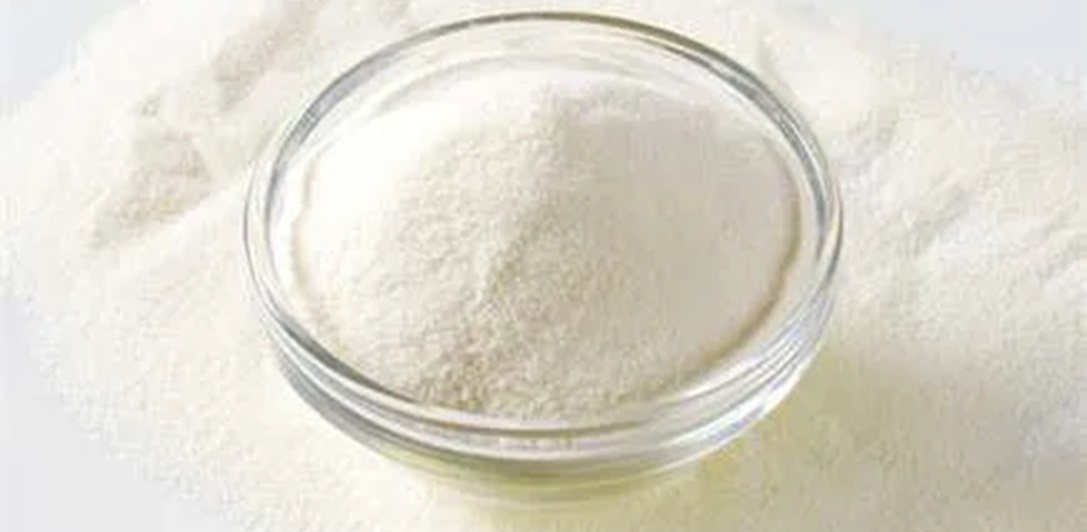
| Appearance | White to off-white crystalline powder or prismatic crystals | - | Visual inspection |
| Odor | Slight caramel-like, burnt, acidic | - | Organoleptic |
| Density | 1.1447 | g/cm³ | 20°C, ASTM D4052 |
| Density (liquid, 40°C) | 1.129 | g/cm³ | Calculated |
| Melting Point | 33 – 35 | °C | ISO 3146 (capillary tube) |
| Melting Point (pure) | 37.2 | °C | DSC (10°C/min) |
| Boiling Point | 245 – 246 | °C | ISO 7609 (with some decomposition) |
| Boiling Point (10 mmHg) | 145 – 146 | °C | Reduced pressure distillation |
| Flash Point | 110 (closed cup) | °C | ISO 2719 |
| Autoignition Temperature | 365 | °C | DIN 51794 |
| Vapor Pressure (20°C) | < 0.01 | mmHg | Calculated (0.003) |
| Vapor Pressure (50°C) | 0.12 | mmHg | Calculated |
| Dynamic Viscosity (40°C) | 4.5 | mPa·s | ASTM D445 |
| pH (10% aqueous solution, 20°C) | 2.5 – 3.0 | - | ISO 10523 |
| Partition Coefficient (log P, octanol/water) | -0.49 | - | 25°C, experimental |
| pKa (25°C) | 4.64 | - | Potentiometric titration |
| Surface Tension (1% aq, 20°C) | 68.5 | mN/m | Ring method |
| Refractive Index (nD, 40°C) | 1.442 | - | Abbe refractometer |
| Dielectric Constant (20°C) | 22.5 | - | - |
Solubility (g/100 g solvent, 25°C):
-
Water: 67.5 (high)
-
Ethanol (abs.): > 50
-
Acetone: > 50
-
Ethyl acetate: 48.2
-
Tetrahydrofuran (THF): 52.1
-
Diethyl ether: 15.3
-
Toluene: 4.2
-
n-Heptane: 0.8
-
Oils (e.g., sunflower oil): < 0.5
SECTION 3: SPECTROSCOPIC DATA (REFERENCE)
-
NMR (1H, DMSO-d6, ppm): 12.1 (s, 1H, COOH), 2.58 (t, 2H, CH2-CO), 2.12 (s, 3H, CO-CH3), 2.47 (t, 2H, CH2-COOH) (order may vary with solvent)
-
NMR (13C, DMSO-d6, ppm): 207.5 (C=O ketone), 173.8 (C=O acid), 37.6 (CH2-CO), 29.6 (CH3-CO), 27.8 (CH2-COOH)
-
FTIR (ATR, cm-1): 3080-2500 (broad, OH acid), 1710 (C=O acid), 1705 (C=O ketone), 1415, 1295, 1205, 1155, 1080, 920
-
UV-Vis (water, λmax): 265 nm (weak n→π* transition)
SECTION 4: THERMODYNAMIC DATA (ESTIMATED)
| Parameter | Value | Unit |
|---|---|---|
| Heat Capacity (Cp, 25°C, solid) | 190 | J/(mol·K) |
| Heat Capacity (Cp, 50°C, liquid) | 240 | J/(mol·K) |
| Enthalpy of Formation (ΔHf°, solid, 25°C) | -721.0 | kJ/mol |
| Enthalpy of Formation (ΔHf°, liquid, 25°C) | -695.5 | kJ/mol |
| Gibbs Free Energy of Formation (ΔGf°, 25°C) | -584.2 | kJ/mol |
| Enthalpy of Vaporization (ΔHvap, at normal boiling point) | 62.5 | kJ/mol |
| Enthalpy of Fusion (ΔHfus) | 20.1 | kJ/mol |
| Entropy of Fusion (ΔSfus) | 65.2 | J/(mol·K) |
SECTION 5: QUALITY SPECIFICATIONS (TECHNICAL AND HIGH PURITY)
| Parameter | Technical Grade | High Purity (Pharma/Cosmetic) | Unit | Analytical Method |
|---|---|---|---|---|
| Purity (GC) | ≥ 98.0 | ≥ 99.5 | % | ISO 25101 (modified) |
| Water Content (Karl Fischer) | ≤ 0.5 | ≤ 0.2 | % | ISO 760 |
| Sulfated Ash | ≤ 0.1 | ≤ 0.05 | % | ISO 759 |
| Color (APHA, Pt-Co) | ≤ 150 | ≤ 50 | - | ASTM D1209 |
| Iron (Fe) | ≤ 10 | ≤ 2 | ppm | ICP-OES |
| Lead (Pb) | ≤ 5 | ≤ 1 | ppm | ICP-MS |
| Arsenic (As) | ≤ 2 | ≤ 0.5 | ppm | ISO 17025 |
| Mercury (Hg) | ≤ 1 | ≤ 0.1 | ppm | ICP-MS |
| Cadmium (Cd) | ≤ 1 | ≤ 0.5 | ppm | ICP-MS |
| Formic Acid (GC) | ≤ 0.5 | ≤ 0.1 | % | GC-FID |
| Acetic Acid (GC) | ≤ 0.5 | ≤ 0.1 | % | GC-FID |
| Furfural (GC) | ≤ 0.2 | ≤ 0.05 | % | GC-FID |
| Anionic Chloride (Cl-) | ≤ 50 | ≤ 10 | ppm | Ion chromatography |
| Sulfate (SO4-2) | ≤ 100 | ≤ 20 | ppm | Ion chromatography |
| Particle Size (D90) | < 500 | < 200 | µm | Sieve / Laser diffraction |
| Microbial Load (TPC) | - | ≤ 100 | CFU/g | ISO 21149 (cosmetic) |
SECTION 6: PRODUCTION PROCESS FLOW (LIGNOCELLULOSIC HYDROLYSIS)
Step 1: Feedstock Preparation
Agricultural residues (corn stover, wheat straw) → Milling (particle size < 2 mm) → Washing → Drying (moisture < 10%)
Step 2: Pretreatment
Dilute sulfuric acid (1-5% w/w) at 120-140°C for 30 minutes in autoclave → Hemicellulose hydrolysis (xylose, furfural)
Step 3: Acid-Catalyzed Hydrolysis
Solid phase (cellulose) → Dilute H2SO4 (2-4%) at 190-220°C for 2-4 hours → Glucose → HMF (hydroxymethylfurfural) → Levulinic Acid + Formic Acid
Reaction: C6H12O6 (glucose) → HMF (C6H6O3) → C5H8O3 (levulinic acid) + HCOOH (formic acid)
By-products: Furfural, humins (polymeric tar)
Step 4: Separation and Purification
Cooling of reaction mixture → Filtration (remove humins) → Extraction (methyl ethyl ketone or ethyl acetate) → Distillation (remove formic acid and water, 100-110°C) → Vacuum distillation (145-150°C, 10 mmHg) → Crystallization (cooling) → Centrifugation → Drying (40°C under vacuum)
Yield: Theoretical maximum ~70 mol%, industrial 55-65%.
SECTION 7: APPLICATION DETAILS (SECTOR-SPECIFIC)
7.1 Pharmaceutical Industry
-
Key intermediate for Aminolevulinic Acid (ALA) synthesis: Levulinic acid + bromine → 5-bromolevulinic acid → ammonia → ALA.
-
ALA is used in photodynamic therapy (PDT) for actinic keratosis, basal cell carcinoma, and bladder cancer.
-
Levulinic acid derivatives (esters, amides) show anti-inflammatory, antibacterial, and antifungal activity.
-
Pharmacopoeia grade (USP, Ph.Eur.) requires additional tests: Related substances (HPLC), residual solvents (GC), heavy metals.
7.2 Cosmetic Industry
-
Used as pH adjuster at 0.2-2.0% in shampoos, shower gels, facial cleansers.
-
Acts as a synergist in natural preservative systems (usually as sodium levulinate) as a paraben alternative.
-
Preferred in baby and sensitive skin products (low irritation potential).
-
Antimicrobial activity: MIC 500-1000 mg/L against Gram-positive bacteria (Staphylococcus aureus).
-
Not listed in allowed ingredients of Cosmetic Regulation (EC) 1223/2009, but can be used as an auxiliary agent.
7.3 Polymer and Plastics Industry
-
Bio-based plasticizer: Ethyl levulinate and butyl levulinate as phthalate alternatives for PVC and polylactic acid (PLA).
-
Monomer source: Esterification of levulinic acid with 1,4-butanediol and succinic acid to produce polyester (polybutylene succinate-co-levulinate).
-
Polyamide synthesis: Levulinic acid + hexamethylenediamine → polyamide 5,6 analogue.
-
Used in biodegradable film formulations (PVA/PLA blends) for food packaging to increase mechanical flexibility.
7.4 Energy and Biofuel
-
Ethyl levulinate (EL): Esterification with ethanol, cetane number 35-40, used as diesel blend (10-20%) with reduced emissions.
-
gamma-Valerolactone (GVL): Hydrogenation of levulinic acid (Ru/C or Ni catalyst, 150°C, 50 bar H2). Energy density of GVL is 33 MJ/L (ethanol 21 MJ/L). GVL can be used as an oxygenate in biodiesel and gasoline blends.
-
Levulinic acid itself is not recommended as a direct fuel additive (corrosive, low energy content).
7.5 Agriculture
-
Soil conditioner: Levulinic acid can increase soil microbial carbon biomass by 15-25% (laboratory studies).
-
Organic herbicide formulations: As an acid stabilizer (cannot compete with synthetic herbicides like glyphosate, but has potential in organic farming).
-
Animal feed additive: Under research, possible probiotic effect (limited data).
7.6 Food Industry (Research Stage)
-
Preservative potential: Antimicrobial activity at pH below 4.5 (MIC 1500 mg/L against E. coli O157:H7).
-
Bio-based packaging coatings: Antimicrobial film when blended with chitosan.
-
No GRAS status; not approved as food additive by FDA or EU. Only allowed as a flavoring agent under FEMA 4320 in very small quantities in some countries.
SECTION 8: COMPARATIVE TABLE (LEVULINIC ACID vs. OTHER BIO-BASED CHEMICALS)
| Property | Levulinic Acid | Succinic Acid | Itaconic Acid | Furfural | HMF | GVL |
|---|---|---|---|---|---|---|
| Market Size (2025 est.) | 110 M USD | 300 M USD | 130 M USD | 600 M USD | 50 M USD | 70 M USD |
| Production Volume (kton/yr) | 25 | 80 | 40 | 400 | 5 | 15 |
| Biodegradability | High | High | High | Medium | High | High |
| Toxicity (LD50, oral, rat) | 1850 mg/kg | 2260 mg/kg | 1750 mg/kg | 650 mg/kg | 2500 mg/kg | 1300 mg/kg |
| Main Market | Polymers, Pharma | Polymers, Food | Polymers, Resins | Resins, Solvents | Polymers, Pharma | Fuels, Solvents |
SECTION 9: TOXICOLOGY AND SAFETY INFORMATION (DETAILED)
Acute Toxicity:
-
Oral (rat): LD50 1850 mg/kg (OECD 401) – Category 4 (Harmful)
-
Dermal (rabbit): LD50 > 2000 mg/kg (OECD 402) – Category 5
-
Inhalation (rat, dust): LC50 > 5 mg/L/4h – Low risk
Skin Irritation: Rabbit, OECD 404 – Moderately irritating (erythema and edema, reversible within 72 hours)
Eye Irritation: Rabbit, OECD 405 – Irritating (conjunctival redness, clears within 7 days)
Skin Sensitization: Guinea pig, OECD 406 – Negative (not sensitizing)
Repeated Dose Toxicity (90-day, oral, rat): NOAEL 500 mg/kg/day (mild increase in hepatic enzymes)
Genotoxicity: Ames test (negative), in vitro chromosome aberration (negative)
Carcinogenicity: Not listed by IARC, NTP, or OSHA.
Reproductive/Developmental Toxicity: Rat, NOAEL 1000 mg/kg/day (no effects)
Ecotoxicology:
-
Fish (Danio rerio, 96h): LC50 > 100 mg/L
-
Daphnia magna (48h): EC50 150 mg/L
-
Algae (Pseudokirchneriella subcapitata): EC50 80 mg/L
-
Bioaccumulation: log Kow < 1, not expected.
Environmental Fate: Readily biodegradable in water (OECD 301F, 85% degradation in 28 days). Half-life in soil 3-5 days.
SECTION 10: TRANSPORT, STORAGE AND HANDLING
Transport Information (No UN number, general cargo):
-
ADR/RID: Not classified (not corrosive, but acidic)
-
IATA/IMDG: Not classified.
-
Packing Group: Not applicable.
-
Precaution: In case of spill, dilute with water and neutralize.
Storage:
-
Container type: HDPE, stainless steel (316L), glass, or polyethylene containers. Avoid aluminum and carbon steel (corrosion over time).
-
Temperature: 15-25°C (cool), protect from freezing (melting point 33°C; solidifies below, can be reheated).
-
Humidity: Keep closed in a dry environment (not hygroscopic, but can absorb water).
-
Shelf Life: Technical grade, in original container, 24 months (purity drop 0.5-1%). High purity 18 months.
-
Stability: Slow decarboxylation above 150°C (forming acetone and CO2). Accelerated in presence of acid or base.
Personal Protective Equipment (PPE):
-
Safety goggles, protective gloves (nitrile, neoprene), lab coat.
-
Dust mask (N95) if dust is generated.
-
Emergency eyewash station.
SECTION 11: REGULATORY INFORMATION (REGIONAL)
United States (US):
-
TSCA Inventory: Listed.
-
FDA: Not approved as a food additive under 21 CFR. Acceptable as a cosmetic ingredient (CIR not evaluated, but widely used).
-
EPA: Not subject to byproduct regulations.
European Union (EU):
-
REACH: Registered (EC 204-649-2), tonnage band 100-1000 t/y.
-
CLP: Classification – Skin Irrit. 2 (H315), Eye Irrit. 2 (H319), STOT SE 3 (H335)
-
Labeling: GHS07 (Exclamation mark)
-
Cosmetics: No restriction in EC 1223/2009 Annex III.
-
Food Flavor: FEMA 4320 (not approved in EU, only FEMA list).
Turkey:
-
KKDIK (REACH-like): Pre-registered. Full registration required by end of 2025.
-
SEVESO (Major accident hazards): Out of scope.
-
Cosmetics: Can be used within Cosmetic Product Safety Report (CPSR).
Other Regions:
-
China (IECSC): Listed
-
Japan (ENCS): Listed (2-3184)
-
Korea (KECI): Listed
SECTION 12: PACKAGING INFORMATION
-
25 kg HDPE bag (inner lined) – for crystalline powder
-
200 kg steel drum (polyethylene lined) – for molten liquid form
-
1000 kg IBC (stainless steel) – for liquid form
-
Laboratory quantities: 100 g, 500 g, 1 kg glass bottles
Palletization: Euro pallet, max 1000 kg/pallet.
Hazard Label: GHS07 (Exclamation mark), “Warning”.
SECTION 13: ANALYTICAL METHODS (REFERENCE)
| Analysis | Method | Equipment |
|---|---|---|
| Purity | GC-FID, DB-5 column (30 m), programmed temp. | Agilent 7890 |
| Water | Karl Fischer titration (volumetric) | Metrohm 870 |
| Heavy Metals | ICP-MS | Agilent 7900 |
| pH | Calibrated pH meter | - |
| Melting Point | DSC (10°C/min) | Mettler Toledo |
| Color | APHA comparison (spectrophotometric) | - |
| Anions | Ion chromatography (Metrohm) | Conductivity detector |
| Microbiology | Membrane filtration (TPC) | - |
SECTION 14: DISCLAIMER
This Technical Data Sheet (TDS) is for information purposes only, and the values stated are typical values. No express or implied warranty is given regarding the suitability of the product for any particular use. The user is responsible for conducting their own risk assessment under their specific field conditions. The supplier shall not be liable for any direct or indirect damages arising from the use of this information.