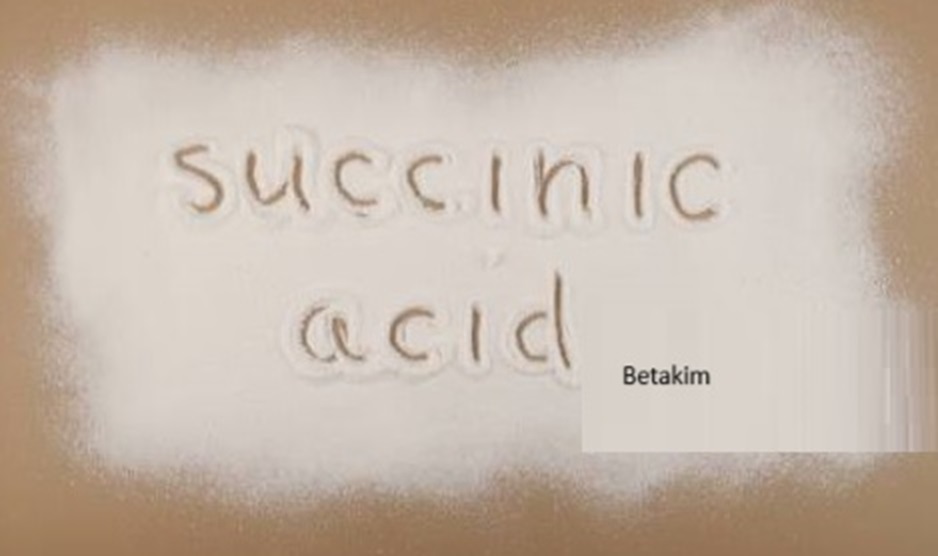
Succinic Acid, Butanedioic Acid, Amber Acid, Dihydrofumaric Acid, Ethylene Succinic Acid, Wormwood Acid, E363, 110-15-6
SUCCINIC ACID (E363)
CAS Number: 110-15-6
EC Number (EINECS): 203-740-4
Molecular Formula: C₄H₆O₄
Molecular Weight: 118.09 g/mol
Chemical Class: Dicarboxylic acid
E Number: E363
SECTION 1: PRODUCT IDENTIFICATION AND CHEMICAL IDENTITY
| Parameter |
Description |
| Chemical Name (IUPAC) |
Butanedioic acid |
| Other Names |
Succinic Acid, Amber Acid, 1,4-Butanedioic acid, Dihydrofumaric acid, Ethylene Succinic acid, Wormwood acid, Bernsteinsäure, Acidum succinicum |
| CAS Number |
110-15-6 |
| EC Number (EINECS) |
203-740-4 |
| E Number |
E363 |
| Molecular Formula |
C₄H₆O₄ |
| Molecular Weight |
118.09 g/mol |
| Chemical Class |
Dicarboxylic acid |
| Structure |
HOOC–CH₂–CH₂–COOH |
| Appearance |
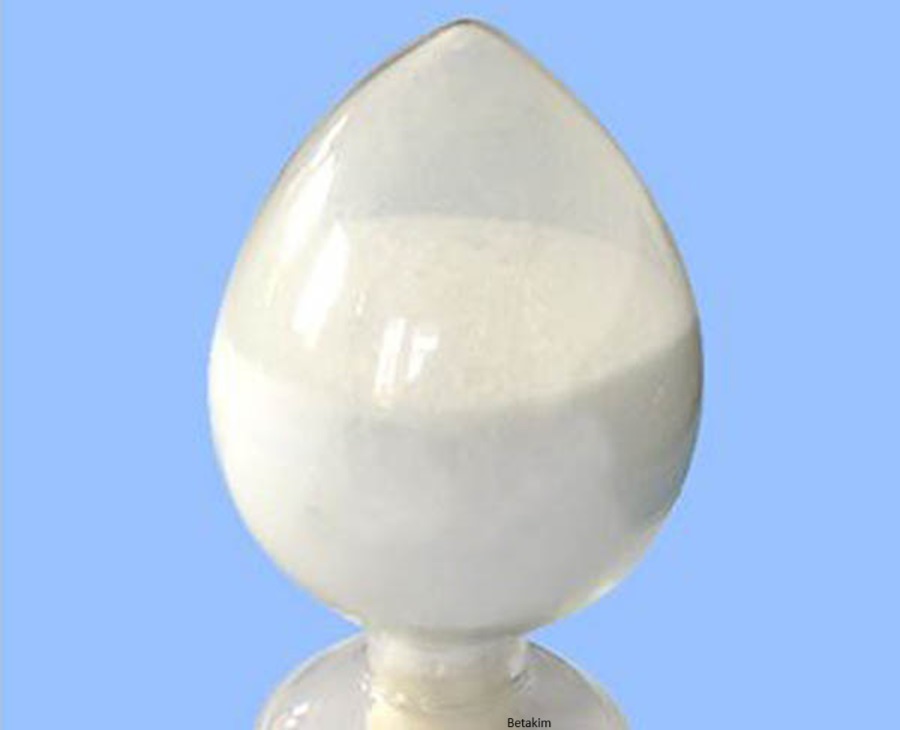
White crystalline powder |
| Odor |
Odorless |
| Taste |
Slightly acidic, salty |
SECTION 2: PHYSICAL AND CHEMICAL PROPERTIES
| Property |
Value / Range |
| Molecular Formula |
C₄H₆O₄ |
| Molecular Weight |
118.09 g/mol |
| Appearance |
White crystalline powder |
| Odor |
Odorless |
| Taste |
Slightly acidic, salty |
| Melting Point |
184–190°C |
| Boiling Point |
~235°C (decomposes) |
| Density |
~1.56 g/cm³ |
| Solubility in Water (20°C) |
~80 g/L |
| Solubility in Ethanol |
Soluble |
| Solubility in Ether |
Slightly soluble |
| pKa (25°C) |
pKa₁: 4.21, pKa₂: 5.64 |
| pH (1% aqueous solution) |
~3.0 (acidic) |
| Hygroscopicity |
Not hygroscopic |
| Stability |
Stable under normal conditions |
| Thermal Decomposition |
> 200°C releases CO₂, CO, and water vapor |
SECTION 3: SOLUBILITY PROFILE
| Solvent |
Solubility |
Condition |
| Water |
Soluble (~80 g/L) |
20°C |
| Ethanol |
Soluble |
- |
| Methanol |
Soluble |
- |
| Acetone |
Slightly soluble |
- |
| Ether |
Slightly soluble |
- |
| Benzene |
Insoluble |
- |
Critical Note: Succinic acid is soluble in water and alcohol but insoluble in ether and benzene. It is not hygroscopic, which facilitates storage.
SECTION 4: PRODUCTION METHODS
4.1. Biotechnological Production (Sustainable Method)
| Parameter |
Description |
| Method |
Microbial fermentation |
| Feedstocks |
Glucose, starch, lignocellulosic biomass |
| Microorganisms |
Escherichia coli, Actinobacillus succinogenes, Anaerobiospirillum succiniciproducens |
| Advantage |
Renewable resources, eco-friendly, low carbon footprint |
| Product |
Bio-based succinic acid |
4.2. Chemical Production
| Parameter |
Description |
| Method 1 |
Hydrogenation of maleic anhydride |
| Method 2 |
Oxidation of adipic acid |
| Method 3 |
Hydrogenation of fumaric acid |
| Disadvantage |
Petrochemical sources, high carbon footprint |
SECTION 5: CHEMICAL PROPERTIES AND REACTIONS
| Property |
Description |
| Chemical Class |
Dicarboxylic acid |
| Functional Groups |
Two carboxyl groups (-COOH) |
| Reactivity |
Exhibits typical carboxylic acid reactions |
| Esterification |
Reacts with alcohols to form esters |
| Amidation |
Reacts with amines to form amides |
| Salt Formation |
Reacts with bases to form succinate salts |
| Dehydration |
Forms succinic anhydride when heated |
| Thermal Decomposition |
> 200°C releases CO₂, CO, and water vapor |
| Reduction |
Can be reduced to 1,4-butanediol |
| Oxidation |
Can be oxidized to fumaric acid |
5.1. Key Reactions
| Reaction Type |
Description |
| Esterification |
Succinic acid + Alcohol → Succinate esters |
| Salt Formation |
Succinic acid + Base → Succinate salts |
| Dehydration |
Heat → Succinic anhydride |
| Reduction |
Succinic acid + H₂ → 1,4-Butanediol |
| Amidation |
Succinic acid + Amine → Succinamide |
SECTION 6: MAJOR APPLICATIONS AND END-USES
6.1. Food Industry (E363)
| Application |
Function |
Suitability |
| Beverages |
Acidity regulator, flavoring agent |
High |
| Confectionery |
Acidity regulator, flavoring agent |
High |
| Jams and Jellies |
pH regulator, preservative |
High |
| Dairy Products |
Emulsifier, stabilizer |
High |
| Alcoholic Beverages |
Acidity regulator |
High |
| Bakery Products |
Leavening aid |
High |
6.2. Pharmaceutical and Health
| Application |
Function |
Suitability |
| ATP Production |
TCA cycle intermediate |
High |
| Mitochondrial Function |
Energy metabolism support |
High |
| Anti-inflammatory |
Inflammation reduction |
Research |
| Antioxidant |
Free radical scavenger |
Research |
| Fibromyalgia |
Symptom management (research) |
Research |
| Metabolic Disorders |
Metabolic support (research) |
Research |
6.3. Cosmetics and Personal Care
| Application |
Function |
Suitability |
| Skin Care Products |
pH regulator |
High |
| Creams and Lotions |
Moisturizer, anti-aging |
High |
| Hair Care Products |
pH regulator |
High |
| Cleansers |
pH regulator |
High |
6.4. Industrial Applications
| Application |
Function |
Suitability |
| Bioplastics |
Monomer |
High |
| Biodegradable Polymers |
Monomer (PBS) |
High |
| Polyester Polyols |
Raw material |
High |
| Polyurethanes |
Raw material |
High |
| Plasticizers |
Raw material |
High |
| Metal Plating |
Surface treatment agent |
High |
| Solvents |
Green solvent |
High |
SECTION 7: INDUSTRY SUITABILITY MATRIX
| Industry |
Suitability |
Explanation |
| Food Industry |
High |
Acidity regulator, flavoring agent (E363) |
| Pharmaceutical / Health |
High |
Metabolic support, anti-inflammatory |
| Cosmetics |
High |
pH regulator, moisturizer |
| Bioplastics |
High |
Monomer, PBS production |
| Polymers |
High |
Polyester, polyurethane, plasticizer |
| Chemicals |
High |
Intermediate, solvent |
| Agriculture |
Moderate |
Soil conditioner, plant growth regulator |
| Animal Feed |
Moderate |
Feed additive |
SECTION 8: ALTERNATIVE PRODUCTS
| Alternative |
Description |
Application |
| Adipic Acid |
Common in nylon and polyurethane production |
Polymers, plastics |
| Maleic Anhydride |
Important for polyester resins and plasticizers |
Resins, coatings |
| Fumaric Acid |
Alternative in food and pharmaceutical industries |
Food, pharmaceuticals |
| Itaconic Acid |
Sustainable option for bio-based polymers |
Polymers, bioplastics |
| Malic Acid |
Acidity regulator in food and beverages |
Food |
| Citric Acid |
Common acidity regulator in food and cosmetics |
Food, cosmetics |
| Lactic Acid |
Food, cosmetics, bioplastics |
Food, cosmetics, polymers |
SECTION 9: OTHER NAMES AND IDENTIFIERS
| Type |
Name / Description |
| IUPAC Name |
Butanedioic acid |
| E Number |
E363 |
| Commercial Names |
Succinic Acid, Succinic Acid |
| Synonyms |
Amber Acid, 1,4-Butanedioic acid, Dihydrofumaric acid, Ethylene Succinic acid, Wormwood acid, Bernsteinsäure, Acidum succinicum |
| CAS Number |
110-15-6 |
| EC Number |
203-740-4 |
| HS Code |
29172000 |
SECTION 10: TOXICOLOGY AND HEALTH EFFECTS
| Parameter |
Value / Description |
| GHS Classification |
Warning |
| Hazard Statements |
H315 (Causes skin irritation), H319 (Causes serious eye irritation), H335 (May cause respiratory irritation) |
| Precautionary Statements |
P261 (Avoid breathing dust), P280 (Wear protective gloves/eye protection), P302+P352 (IF ON SKIN: Wash with plenty of water), P305+P351+P338 (IF IN EYES: Rinse cautiously with water) |
| Oral LD50 (Rat) |
~5,000-10,000 mg/kg |
| Dermal LD50 (Rabbit) |
> 2,000 mg/kg |
| Skin Irritation |
Mild irritant |
| Eye Irritation |
Irritant |
| Skin Sensitization |
Not sensitizing |
| Mutagenicity |
Negative |
| Carcinogenicity |
Not classified |
| Target Organs |
Skin, eyes, respiratory system |
| Metabolism |
Natural intermediate in TCA cycle |
SECTION 11: ECOTOXICOLOGY AND ENVIRONMENTAL BEHAVIOR
| Parameter |
Value / Description |
| Biodegradability |
Readily biodegradable |
| Aquatic Toxicity |
Low |
| Bioaccumulation |
Low |
| Water Hazard Class (WGK Germany) |
WGK 1 (slight hazard to water) |
SECTION 12: SAFETY AND STORAGE
| Parameter |
Information |
| Storage Conditions |
Cool, dry, well-ventilated area |
| Temperature |
Room temperature (15-30°C) |
| Container |
Tightly closed, original packaging |
| Special Requirements |
Not hygroscopic; no special moisture protection needed |
| Materials to Avoid |
Strong oxidizers, high heat |
| Shelf Life |
24 months (under recommended conditions) |
| Packaging |
25 kg bags, 500 kg big bags |
SECTION 13: TRANSPORT INFORMATION
| Parameter |
Information |
| UN Number |
Not regulated (not classified as dangerous goods) |
| Hazard Class |
Not applicable |
| Packing Group |
Not applicable |
| Proper Shipping Name |
Succinic Acid |
| ADR/RID |
Not regulated |
| IMDG Code |
Not regulated |
| IATA (Air) |
Not regulated |
| Marine Pollutant |
No |
SECTION 14: FIRE-FIGHTING MEASURES
| Parameter |
Information |
| Fire Hazard |
Combustible dust |
| Extinguishing Media |
Water fog, CO₂, dry chemical, foam |
| Special Hazards |
When heated, releases CO, CO₂ |
| Decomposition Products |
CO, CO₂, water vapor |
| Protective Equipment |
Self-contained breathing apparatus (SCBA), full protective clothing |
SECTION 15: ACCIDENTAL RELEASE AND CLEANUP
| Parameter |
Information |
| Personal Protection |
Gloves, safety goggles, dust mask |
| Ventilation |
Increase ventilation |
| Cleanup Methods |
Sweep while preventing dust formation; collect in sealed containers |
| Environmental Precautions |
Prevent entry into drains |
| Waste Disposal |
According to local regulations |
SECTION 16: FIRST AID MEASURES
| Exposure Route |
Action |
| Inhalation |
Move to fresh air. Seek medical attention if symptoms persist. |
| Skin Contact |
Remove contaminated clothing. Wash with soap and plenty of water. |
| Eye Contact |
Rinse with plenty of water for at least 15 minutes. Seek medical attention if irritation persists. |
| Ingestion |
Do NOT induce vomiting. Drink plenty of water. Seek medical attention. |
SECTION 17: REGULATORY INFORMATION
| Region / Authority |
Status |
| EU REACH |
Registered |
| Turkey KKDİK |
Registration required |
| USA TSCA |
Listed |
| USA FDA |
GRAS / Approved as food additive |
| EU Food Additives |
Approved as E363 |
| EINECS |
203-740-4 |
| WGK (Germany) |
1 (slight hazard to water) |
SECTION 18: SUMMARY AND CRITICAL WARNINGS
Product Summary
| Parameter |
Value |
| Product |
Succinic Acid (E363) |
| CAS |
110-15-6 |
| Appearance |
White crystalline powder |
| Molecular Weight |
118.09 g/mol |
| Water Solubility |
~80 g/L |
| Key Industries |
Food, pharmaceuticals, cosmetics, polymers, bioplastics |
CRITICAL WARNINGS
-
TCA Cycle Intermediate: Succinic acid is a key intermediate in cellular respiration (TCA cycle). It is naturally present in the body and plays a role in ATP production.
-
Food Additive (E363): Succinic acid is used in the food industry as an acidity regulator, flavoring agent, and preservative. It is commonly found in beverages, confectionery, jams, and dairy products.
-
Sustainable Bio-Production: Succinic acid can be produced via microbial fermentation from renewable resources (glucose, starch, lignocellulosic biomass). This provides an eco-friendly alternative to petrochemical production.
-
Bioplastic Raw Material: Succinic acid is a key monomer for bio-based polymers (PBS - Polybutylene succinate). It plays an important role in sustainable plastic production.
-
Not Hygroscopic: Succinic acid is not hygroscopic, making storage and handling easier. No special moisture protection is required.
-
Low Toxicity: LD₅₀ > 5,000 mg/kg indicates low toxicity. It is naturally metabolized in the body.
-
Versatile Applications: Used across a wide range of industries including food, pharmaceuticals, cosmetics, bioplastics, polymers, coatings, and metal processing.
-
Alternatives: Fumaric acid, malic acid, citric acid, and adipic acid can be used in similar applications.
-
Storage: Store in cool, dry, well-ventilated areas. Keep away from strong oxidizers.
-
Regulatory Status: FDA GRAS, EU approved as E363. Registered under REACH.
IMPORTANT DISCLAIMER: This Technical Data Sheet (TDS) is for informational purposes only and is based on available technical data. The user is solely responsible for determining the product's suitability for their specific application and for complying with all applicable local, national, and international regulations. For complete safety, storage, handling, transportation, disposal, and regulatory compliance information, always refer to the official Safety Data Sheet (SDS/MSDS) provided by the manufacturer/supplier. Users are responsible for testing the product in their own processes and applications. All local, national, and international regulations must be followed when working with Succinic Acid.