We unleash your business potential by maximize the business innovation.
Send EmailDiacetone Acrylamide, Diacetonyl Acrylamide, DAA, DAAM, 2873-97-4
DIACETONE ACRYLAMIDE (DAAM)
CAS Number: 2873-97-4
EC Number (EINECS): 220-713-2
Molecular Formula: C₉H₁₅NO₂
Molecular Weight: 169.22-169.25 g/mol
Chemical Class: N-substituted acrylamide
SECTION 1: PRODUCT IDENTIFICATION AND CHEMICAL IDENTITY
| Parameter | Description |
|---|---|
| Chemical Name (IUPAC) | N-(1,1-Dimethyl-3-oxobutyl)prop-2-enamide |
| Other Names | Diacetone Acrylamide, DAA, DAAM, N-(1,1-Dimethyl-3-oxobutyl)acrylamide, N-(2-Methyl-4-oxopentan-2-yl)prop-2-enamide, Diacetonyl Acrylamide |
| CAS Number | 2873-97-4 |
| EC Number (EINECS) | 220-713-2 |
| Molecular Formula | C₉H₁₅NO₂ |
| Molecular Weight | 169.22-169.25 g/mol |
| Chemical Class | N-substituted acrylamide |
| Structure | CH₂=CHCONHC(CH₃)₂CH₂COCH₃ |
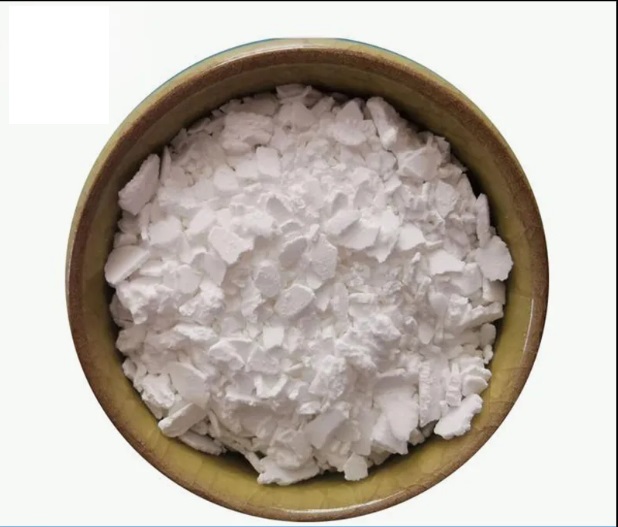
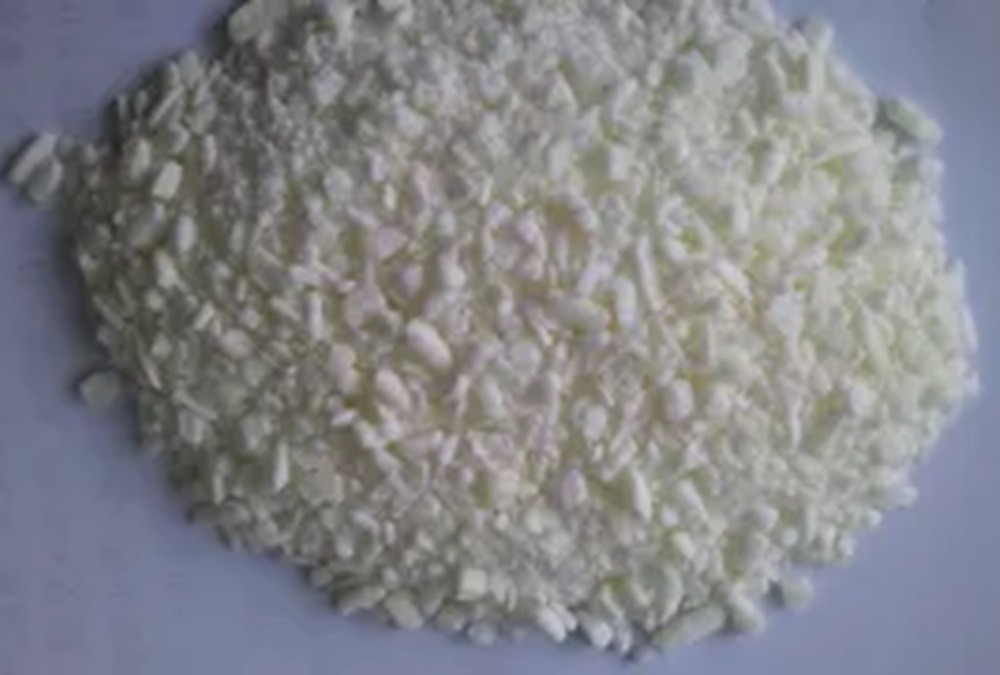
| Appearance | White to slightly yellowish granules or crystals |
| Odor | Characteristic |
SECTION 2: PHYSICAL AND CHEMICAL PROPERTIES
| Property | Value / Range |
|---|---|
| Molecular Formula | C₉H₁₅NO₂ |
| Molecular Weight | 169.22-169.25 g/mol |
| Appearance | White to slightly yellowish granules |
| Melting Point | 53-58°C |
| Boiling Point | 120°C (at 8 mmHg) |
| Density (60°C) | 0.998 g/mL |
| Flash Point | 109-113°C |
| pH (20% aqueous solution) | 4.0 - 8.0 |
| Color (APHA) | ≤ 100 |
| Purity | ≥ 99.0% |
| Inhibitor | ≤ 100 ppm (to prevent polymerization) |
| Water Content | ≤ 0.3% |
SECTION 3: SOLUBILITY PROFILE
| Solvent | Solubility | Condition |
|---|---|---|
| Water | Soluble | - |
| Methanol | Soluble | - |
| Toluene | Soluble | - |
| Tetrahydrofuran (THF) | Soluble | - |
| Benzene | Soluble | - |
| Ethyl Acetate | Soluble | - |
| Chloroform | Soluble | - |
| Petroleum Ether | Insoluble | - |
Critical Note: DAAM is soluble in water and most organic solvents. This property facilitates its use in water-based coating and emulsion systems. Due to its hygroscopic nature, it must be protected from moisture during storage.
SECTION 4: CHEMICAL PROPERTIES AND REACTIONS
| Property | Description |
|---|---|
| Chemical Class | N-substituted acrylamide |
| Functional Groups | Vinyl group (polymerizable), ketone group (crosslinking) |
| Reactivity | High; vinyl polymerization and ketone condensation |
| Polymerization | Easily polymerizes (bulk, solution, emulsion) |
| Crosslinking | Ketone group reacts with hydrazides (DAAM-ADH system) |
| Thermal Decomposition | > 200°C releases nitrogen oxides (NOₓ) and CO₂ |
| Oxidation | May form explosive peroxides via autoxidation in air |
4.1. Key Reactions
| Reaction Type | Description |
|---|---|
| Radical Polymerization | Forms acrylamide polymers via vinyl group |
| Ketone-Hydrazide Reaction | Crosslinking with ADH (hydrazone formation) |
| Copolymerization | Forms copolymers with various vinyl monomers |
| Hydrolysis | Converts to acrylic acid in acidic/basic media |
4.2. Stability
| Parameter | Information |
|---|---|
| Thermal Stability | Stable under normal conditions (contains polymerization inhibitor) |
| Polymerization Risk | Triggered by heat, light, or peroxides |
| Moisture Sensitivity | Hygroscopic (absorbs moisture) |
| Incompatibilities | Strong oxidizers, strong bases, reducing agents |
| Special Hazard | May form peroxides in air |
SECTION 5: MAJOR APPLICATIONS AND END-USES
5.1. Water-Based Coatings (Most Important Application)
| Application | Function | Suitability |
|---|---|---|
| Acrylic Emulsions | Crosslinking monomer | High |
| Water-Based Paints | Water resistance and mechanical strength enhancer | High |
| Latex Films | Film formation and durability enhancer | High |
5.2. Polymer and Resin Production
| Application | Function | Suitability |
|---|---|---|
| Epoxy Resins | Modification and crosslinking | High |
| Photosensitive Resins | As component | High |
| Polymer Synthesis | High molecular weight polymers | High |
5.3. Textile and Paper
| Application | Function | Suitability |
|---|---|---|
| Crease-Resistant Fabrics | Durable press coatings | High |
| Paper Coatings | Durability enhancer | High |
5.4. Other Applications
| Application | Function | Suitability |
|---|---|---|
| Adhesives | Crosslinker and adhesion enhancer | High |
| Wastewater Treatment | Polymeric flocculant | Moderate |
| Gel Electrophoresis | Matrix component | Moderate |
| Lubricant Oils | As additive | Moderate |
SECTION 6: INDUSTRY SUITABILITY MATRIX
| Industry | Suitability | Explanation |
|---|---|---|
| Coatings | High | Crosslinker in water-based acrylic emulsions |
| Polymers / Resins | High | Epoxy, photosensitive resins |
| Textiles | High | Crease-resistant fabric coatings |
| Adhesives | High | Crosslinker and adhesion enhancer |
| Wastewater Treatment | Moderate | Polymeric flocculants |
| Cosmetics | Not suitable | No cosmetic use |
| Food | Not suitable | Not approved as food additive |
SECTION 7: OTHER NAMES AND IDENTIFIERS
| Type | Name / Description |
|---|---|
| IUPAC Name | N-(1,1-Dimethyl-3-oxobutyl)prop-2-enamide |
| Commercial Names | DAAM, DAA |
| Synonyms | N-(1,1-Dimethyl-3-oxobutyl)acrylamide, N-(2-Methyl-4-oxopentan-2-yl)acrylamide, Diacetonyl Acrylamide |
| CAS Number | 2873-97-4 |
| EC Number | 220-713-2 |
| RTECS Number | AS3475000 |
| MDL Number | MFCD00008788 |
| HS Code | 29241900 |
SECTION 8: PRODUCTION METHOD
| Parameter | Description |
|---|---|
| Method | Acrylonitrile + Acetone → Diacetone Acrylamide |
| Reaction | Ritter reaction (with concentrated sulfuric acid catalyst) |
| Conditions | Controlled temperature, acidic medium |
| Purification | Crystallization |
| Purity | ≥ 99.0% |
SECTION 9: TOXICOLOGY AND HEALTH EFFECTS
| Parameter | Value / Description |
|---|---|
| GHS Classification | Warning |
| Signal Word | Warning |
| Hazard Statements | H302 (Harmful if swallowed), H315 (Causes skin irritation), H319 (Causes serious eye irritation), H335 (May cause respiratory irritation) |
| Precautionary Statements | P261, P264b, P270, P280, P301+P312, P305+P351+P338 |
| Oral LD50 (Mouse) | 7.7 mmol/kg (~1,300 mg/kg) |
| Skin Irritation | Irritant |
| Eye Irritation | Serious irritant |
| Skin Sensitization | No data |
| Mutagenicity | No data |
| Carcinogenicity | Not classified |
| Target Organs | Skin, eyes, respiratory system |
SECTION 10: SAFETY AND STORAGE
| Parameter | Information |
|---|---|
| Storage Conditions | Cool, dry, well-ventilated area |
| Temperature | Refrigerated storage recommended |
| Container | Tightly closed, inert containers |
| Special Requirements | Protect from moisture (hygroscopic); contains polymerization inhibitor |
| Materials to Avoid | Heat, light, strong oxidizers, strong bases |
| Shelf Life | 12-24 months (under recommended conditions) |
| Packaging | 25 kg bags, fiber drums |
SECTION 11: TRANSPORT INFORMATION
| Parameter | Information |
|---|---|
| UN Number | Not regulated (not classified as dangerous goods) |
| Hazard Class | Not applicable |
| Packing Group | Not applicable |
| Proper Shipping Name | Diacetone Acrylamide |
| ADR/RID | Not regulated |
| IMDG Code | Not regulated |
| IATA (Air) | Not regulated |
| Marine Pollutant | No |
SECTION 12: FIRE-FIGHTING MEASURES
| Parameter | Information |
|---|---|
| Fire Hazard | Combustible solid |
| Extinguishing Media | Dry chemical, CO₂, halon |
| Special Hazards | When heated, releases nitrogen oxides (NOₓ), CO₂ |
| Decomposition Products | Nitrogen oxides, CO, CO₂ |
| Protective Equipment | Self-contained breathing apparatus (SCBA), full protective clothing |
SECTION 13: ACCIDENTAL RELEASE AND CLEANUP
| Parameter | Information |
|---|---|
| Personal Protection | Gloves, safety goggles, dust mask |
| Ventilation | Increase ventilation |
| Cleanup Methods | Moisten spill with water, transfer to appropriate container |
| Environmental Precautions | Prevent entry into drains |
| Waste Disposal | According to local regulations |
SECTION 14: FIRST AID MEASURES
| Exposure Route | Action |
|---|---|
| Inhalation | Move to fresh air. Seek medical attention if symptoms persist. |
| Skin Contact | Remove contaminated clothing. Wash with soap and plenty of water. |
| Eye Contact | Rinse with plenty of water for at least 15-20 minutes. Seek immediate medical attention. |
| Ingestion | Do NOT induce vomiting. If conscious, give 1-2 glasses of water. Seek immediate medical attention. |
SECTION 15: REGULATORY INFORMATION
| Region / Authority | Status |
|---|---|
| EU REACH | Registered |
| Turkey KKDİK | Registration required |
| USA TSCA | Listed |
| EINECS | 220-713-2 |
| RTECS | AS3475000 |
| WGK (Germany) | 1 (slight hazard to water) |
SECTION 16: SUMMARY AND CRITICAL WARNINGS
Product Summary
| Parameter | Value |
|---|---|
| Product | Diacetone Acrylamide (DAAM) |
| CAS | 2873-97-4 |
| Appearance | White to slightly yellowish granules |
| Melting Point | 53-58°C |
| Purity | ≥ 99.0% |
| Key Industries | Coatings, polymers, textiles |
CRITICAL WARNINGS
-
Dual Functionality: DAAM contains both a vinyl group for polymerization and a ketone group for crosslinking. This unique property enables both film formation and crosslinking in water-based coatings.
-
DAAM-ADH Crosslinking System: The ketone group reacts with adipic acid dihydrazide (ADH) to form hydrazone bonds. This provides an effective crosslinking system for water-based acrylic emulsions.
-
Hygroscopic Nature: DAAM is hygroscopic (moisture-absorbing). It must be stored in a dry environment with tightly closed containers. Moisture can trigger polymerization or reduce product quality.
-
Polymerization Risk: DAAM polymerizes easily upon exposure to heat, light, or peroxides. Commercial products contain inhibitors (≤100 ppm) to prevent polymerization. Protect from excessive heat and light during storage.
-
Peroxide Formation: May form explosive peroxides via autoxidation in air. Peroxide testing is recommended before extended storage.
-
Toxicological Profile: H302 (Harmful if swallowed), H315 (Causes skin irritation), H319 (Causes serious eye irritation). Appropriate PPE (gloves, goggles, dust mask) is mandatory during handling.
-
Performance in Water-Based Coatings: DAAM significantly improves water resistance, mechanical strength, and film quality in water-based paints and coatings. It is particularly preferred in acrylic emulsion systems.
IMPORTANT DISCLAIMER: This Technical Data Sheet (TDS) is for informational purposes only and is based on available technical data. The user is solely responsible for determining the product's suitability for their specific application and for complying with all applicable local, national, and international regulations. DAAM can polymerize and form peroxides! For complete safety, storage, handling, transportation, disposal, and regulatory compliance information, always refer to the official Safety Data Sheet (SDS/MSDS) provided by the manufacturer/supplier. Users are responsible for testing the product in their own processes and applications. All local, national, and international regulations must be followed when working with Diacetone Acrylamide.