We unleash your business potential by maximize the business innovation.
Send EmailSodium Aluminosilicate, Aluminum Sodium Silicate, 1344-00-9
SODIUM ALUMINOSILICATE (AlNaO₆Si₂)
1. Chemical Identity and Material Classification
-
Chemical Name: Sodium Aluminosilicate, Aluminum Sodium Silicate, Aluminosilicic Acid Sodium Salt
-
Synonyms: Sodium Silicoaluminate, Molecular Sieve (certain grades), Zeolite (type A or 4A), E554 (food additive)
-
CAS Number: 1344-00-9
-
Molecular Formula: AlNaO₆Si₂ (also written as NaAlSi₂O₆ or Na₂O·Al₂O₃·4SiO₂·nH₂O for hydrated forms)
-
Molecular Weight: 202.14 g/mol (anhydrous basis)
-
EC Number: 215-684-8
2. Physical Properties
2.1 General Physical Properties
| Property | Value |
|---|---|
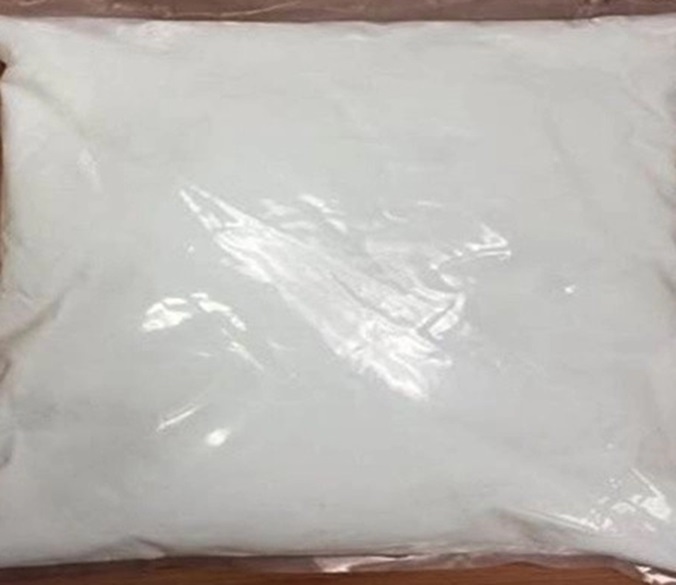
| Appearance | White to off-white crystalline powder or beads |
| Crystal structure | Cubic (zeolite A type), framework aluminosilicate |
| Odor | Odorless |
| Density (20°C) | 2.05–2.20 g/cm³ |
| Bulk density (tapped) | 0.45–0.75 g/cm³ (depending on grade) |
| Particle size (D50) | 2–50 μm (anticaking grade); 0.5–5 mm (beads/molecular sieve) |
| Specific surface area (BET) | 300–700 m²/g (molecular sieve grades) |
| Pore diameter | 0.3–1.0 nm (typically 0.4 nm for type 4A) |
| Melting point | >1000°C (decomposes before melting) |
| Refractive index | 1.45–1.48 |
2.2 Thermal Properties
| Parameter | Value |
|---|---|
| Dehydration temperature | 100–300°C (loss of adsorbed water) |
| Structural collapse temperature | >700°C (depending on grade) |
| Specific heat capacity (C_p, 25°C) | ~0.85 J/(g·K) |
3. Chemical Properties and Composition
3.1 Typical Chemical Composition
| Component | Content (%) |
|---|---|
| SiO₂ (silica) | 40–45% |
| Al₂O₃ (alumina) | 30–35% |
| Na₂O (sodium oxide) | 15–20% |
| Loss on ignition (H₂O) | 5–15% (depending on hydration) |
| CaO (calcium oxide) | ≤ 0.5% |
| Fe₂O₃ (iron oxide) | ≤ 0.1% |
3.2 SiO₂/Al₂O₃ Molar Ratio
| Parameter | Value |
|---|---|
| Typical SiO₂/Al₂O₃ ratio | 1.8–2.2 (for zeolite A type) |
| Higher ratios | >5 (other zeolite structures, different properties) |
3.3 Ion Exchange Properties
| Parameter | Value |
|---|---|
| Cation exchange capacity (CEC) | 200–350 meq/100g (depends on grade) |
| Sodium exchange capacity | ~5–7% Na₂O exchangeable |
| pH of aqueous slurry (10%) | 9.0–11.0 (alkaline due to sodium content) |
4. Solubility and Stability
| Parameter | Value |
|---|---|
| Water solubility | Insoluble (disperses but does not dissolve) |
| Solubility in acids | Soluble (dissolves in strong mineral acids, destroys structure) |
| Solubility in alkalis | Slightly soluble (in concentrated NaOH) |
| Solubility in organic solvents | Insoluble |
| Stability in water | Stable (does not hydrolyze, but exchanges sodium for other cations) |
| Stability in air | Stable; hygroscopic (absorbs moisture) |
| Hydrolytic stability | Framework stable at pH 4–11; degrades outside this range |
5. Production Methods
5.1 Synthesis from Sodium Silicate and Sodium Aluminate
-
Reactions:
Na₂SiO₃ + NaAlO₂ + H₂O → NaAlSiO₄·nH₂O + NaOH (crystallization) -
Process:
-
Sodium silicate and sodium aluminate solutions are mixed
-
Gel formation occurs
-
Hydrothermal crystallization at 70–100°C
-
Filtration, washing, drying
-
Calcination (for molecular sieve activation – removes water from pores)
-
-
Yield: >95%
-
Product types: Zeolite A (4A), 3A, 5A, 13X (depending on synthesis conditions and post-treatment)
5.2 Natural Sources (Less Common)
-
Minerals: Analcime, natrolite, thomsonite (naturally occurring zeolites)
-
Purity: Lower than synthetic grades; limited to specific industrial uses
5.3 Particle Size Control
| Grade | Typical D50 | Production Method |
|---|---|---|
| Fine powder (anticaking) | 2–10 μm | Milling/classification |
| Standard powder | 10–50 μm | Direct synthesis + classification |
| Beads (molecular sieve) | 0.5–5 mm | Extrusion/spheronization + drying |
6. Quality Specifications
6.1 Anticaking Grade (Food/Feed – E554)
| Parameter | Specification |
|---|---|
| Purity (as NaAlSi₂O₆, w/w) | ≥ 99.0% |
| Loss on drying (105°C, 2 hours) | ≤ 10% |
| Loss on ignition (800°C) | 12–20% |
| pH (10% aqueous slurry) | 9.0–11.0 |
| Sieve residue (45 μm) | ≤ 5% |
| Lead (Pb) | ≤ 5 ppm |
| Arsenic (As) | ≤ 3 ppm |
| Mercury (Hg) | ≤ 1 ppm |
| Cadmium (Cd) | ≤ 1 ppm |
| Particle size (D98) | < 150 μm (typically < 45 μm) |
6.2 Molecular Sieve Grade (Zeolite 4A)
| Parameter | Specification |
|---|---|
| Purity | ≥ 97% |
| Loss on ignition (800°C) | ≤ 22% |
| Water adsorption capacity (25°C, 40% RH) | ≥ 20% by weight |
| Bulk density (compacted) | 0.65–0.75 g/cm³ |
| Particle size (beads) | 0.5–5 mm (as specified) |
| Crush strength (beads) | ≥ 20 N (for 1.5–2.5 mm beads) |
7. Mechanism of Action – Anticaking Agent (Food Industry)
7.1 Anticaking Mechanism
| Step | Description |
|---|---|
| 1 | Sodium aluminosilicate particles coat the surface of hygroscopic powder particles |
| 2 | Particles act as physical spacers between powder particles |
| 3 | Prevents particle-to-particle contact and bridging |
| 4 | Adsorbs excess moisture from the powder surface |
| 5 | Maintains free-flowing properties of the powder |
7.2 Applications as Anticaking Agent (E554)
| Product Type | Typical Addition Level |
|---|---|
| Table salt | 0.5–2.0% |
| Baking powder | 0.5–2.0% |
| Powdered milk | 0.2–1.0% |
| Powdered eggs | 0.5–1.5% |
| Instant coffee/tea | 0.3–1.0% |
| Spice blends | 0.5–2.0% |
| Dry mix soups | 0.5–1.5% |
| Powdered sugar | 0.5–2.0% |
8. Mechanism of Action – Molecular Sieve (Adsorption)
8.1 Adsorption Mechanism
-
Principle: Uniform pore structure (0.4 nm for zeolite 4A) allows selective adsorption of molecules smaller than pore diameter
-
Driving force: High internal surface area (300–700 m²/g) and strong electrostatic fields within pores
-
Water adsorption: Strong affinity for water molecules (polar)
-
Selectivity: Adsorbs small molecules (H₂O, CO₂, NH₃, methanol); excludes larger molecules (hydrocarbons >C4)
8.2 Water Adsorption Isotherm (Zeolite 4A)
| Relative Humidity (25°C) | Water Adsorption (wt%) |
|---|---|
| 10% | 10–15% |
| 20% | 15–20% |
| 40% | 20–25% |
| 60% | 23–27% |
| 80% | 25–30% |
8.3 Molecular Sieve Applications
| Application | Description | Typical Dosage/Use |
|---|---|---|
| Gas drying | Removal of H₂O from natural gas, air, refrigerant | 2–10 kg/m³ gas |
| Solvent drying | Removal of water from organic solvents | 5–10% by weight |
| CO₂ removal | Removal of CO₂ from natural gas | 2–10 kg/m³ gas |
| Separation | Separation of linear from branched hydrocarbons (5A) | Process specific |
| Oxygen concentration | Pressure swing adsorption (PSA) for O₂ generation (13X) | 13X zeolite |
9. Industrial Applications – Water Treatment
9.1 Ion Exchange for Water Softening
| Parameter | Value |
|---|---|
| Application | Removal of calcium (Ca²⁺) and magnesium (Mg²⁺) from hard water |
| Mechanism | 2Na⁺ (zeolite) + Ca²⁺ (water) → Ca²⁺ (zeolite) + 2Na⁺ (water) |
| Exchange capacity | 200–350 meq/100g (for zeolite A) |
| Regeneration | 10% NaCl solution (reverse exchange) |
| Common form | Zeolite 4A powder or beads |
9.2 Heavy Metal Removal
| Metal Ion | Removal Efficiency | pH Range |
|---|---|---|
| Pb²⁺ (lead) | 90–99% | 4–8 |
| Cu²⁺ (copper) | 85–95% | 4–8 |
| Zn²⁺ (zinc) | 80–90% | 5–8 |
| Cd²⁺ (cadmium) | 85–95% | 5–8 |
| Ni²⁺ (nickel) | 70–85% | 5–8 |
9.3 Ammonium Removal (Wastewater)
| Parameter | Value |
|---|---|
| Application | Removal of NH₄⁺ from municipal and industrial wastewater |
| Exchange capacity | 1.5–2.5 meq NH₄⁺/g |
| Selectivity | NH₄⁺ > K⁺ > Na⁺ > Ca²⁺ > Mg²⁺ |
| Regeneration | NaCl or KCl solution |
10. Industrial Applications – Petrochemical Industry
10.1 Fluid Catalytic Cracking (FCC) Catalyst Component
| Parameter | Value |
|---|---|
| Function | Matrix material in FCC catalysts |
| Role | Provides thermal stability, metal passivation, bottoms cracking |
| Typical content in FCC catalyst | 5–15% |
| Zeolite type | HY, USY, REY (sodium aluminosilicate-derived) |
10.2 Catalytic Applications (Other)
| Application | Zeolite Type | Function |
|---|---|---|
| Alkylation | Zeolite Y | Acid catalyst |
| Isomerization | Zeolite Y, Beta | Skeletal rearrangement |
| Hydrocracking | Zeolite Y (with metals) | Cracking and hydrogenation |
| Methanol-to-olefins (MTO) | SAPO-34 (silicoaluminophosphate) | Shape-selective catalysis |
11. Industrial Applications – Ceramics and Glass
| Application | Function | Typical Addition |
|---|---|---|
| Ceramic glazes | Flux and stabilizer | 5–15% |
| Glass-ceramics | Nucleating agent | 1–5% |
| Refractory binders | Thermal stability | 10–20% |
| Porcelain | Filler | 5–10% |
12. Other Industrial Applications
12.1 Detergent Builder (Laundry Powders)
| Parameter | Value |
|---|---|
| Application | Replacement of phosphates in laundry detergents |
| Function | Water softening (ion exchange for Ca²⁺/Mg²⁺) |
| Typical content | 15–30% by weight of detergent |
| Advantages | Biodegradable, phosphate-free, effective at low temperatures |
12.2 Paper Industry
| Application | Function |
|---|---|
| Filler | Improves opacity, brightness, printability |
| Pitch control | Adsorbs resinous compounds |
12.3 Agriculture and Animal Feed
| Application | Function |
|---|---|
| Mycotoxin binder | Adsorbs aflatoxins and other mycotoxins in animal feed |
| Anticaking agent | Prevents caking in feed powders |
13. Safety and Toxicology
13.1 Acute Toxicity
| Parameter | Value |
|---|---|
| Oral LD₅₀ (rat) | >5,000 mg/kg (very low toxicity) |
| Dermal LD₅₀ (rabbit) | >2,000 mg/kg |
| Inhalation LC₅₀ (rat, dust) | >5 mg/L (low toxicity) |
| Skin irritation | Non-irritant (mild abrasion possible from dust) |
| Eye irritation | Mild irritant (dust) |
| Skin sensitization | Non-sensitizer |
| Mutagenicity | Negative (Ames test) |
| Carcinogenicity | Not classified (IARC Group 3 – not classifiable) |
13.2 Regulatory Status
| Regulation | Status |
|---|---|
| FDA (US) | GRAS for certain uses (anticaking agent) |
| EU Food Additive | E554 – permitted in specified foods at QS (quantum satis) |
| EU maximum usage (salt) | 10 g/kg (sodium aluminosilicate, expressed on anhydrous basis) |
| ADI (FAO/WHO) | Not specified (generally recognized as safe at intended levels) |
13.3 Occupational Exposure
| Parameter | Value |
|---|---|
| OSHA PEL (respirable dust) | 5 mg/m³ (for silicates) |
| ACGIH TLV (inhalable) | 10 mg/m³ (nuisance dust) |
| NIOSH REL | 5 mg/m³ (respirable dust) |
14. Safety Precautions and Personal Protective Equipment (PPE)
-
Hazards:
-
Low acute toxicity
-
Dust may cause mechanical irritation to eyes and respiratory tract
-
May be abrasive due to crystalline nature
-
-
PPE (recommended):
-
Dust mask (FFP1 or N95) – for powder handling
-
Safety glasses with side shields (EN 166)
-
Protective gloves (nitrile – optional, low hazard)
-
Protective clothing (dust protection)
-
-
Engineering controls:
-
Local exhaust ventilation (LEV) for powder handling
-
Dust collection systems
-
Eyewash stations
-
-
First aid:
-
Inhalation: Move to fresh air
-
Skin contact: Wash with soap and water (mild abrasive – rinse thoroughly)
-
Eye contact: Rinse with water for 15 minutes
-
Ingestion: Rinse mouth; drink water (low hazard)
-
15. Environmental Fate and Disposal
| Parameter | Value |
|---|---|
| Biodegradation | Not applicable (inorganic) |
| Aquatic ecotoxicity (fish, LC₅₀, 96 hours) | >1,000 mg/L (very low toxicity) |
| Daphnia magna (EC₅₀, 48 hours) | >500 mg/L |
| Algal toxicity (EC₅₀, 72 hours) | >500 mg/L |
| Mobility in soil | Low (particulate, settles) |
| Hydrolysis | Stable (does not hydrolyze) |
| Disposal method | Landfill (non-hazardous waste) or recycling (regeneration possible for molecular sieves) |
16. Storage and Shelf Life
-
Storage conditions:
-
Cool, dry, well-ventilated area (10–30°C)
-
Keep tightly closed in original packaging (hygroscopic)
-
Protect from moisture (prevents caking and loss of adsorption capacity)
-
Avoid contact with strong acids or alkalis
-
-
Shelf life:
-
Sealed container (anticaking grade): 24–36 months
-
Sealed container (molecular sieve grade): 12–24 months (if kept dry)
-
Opened container: 6–12 months (if properly resealed, protected from moisture)
-
-
Degradation indicators:
-
Caking/hardening (moisture absorption)
-
Reduced adsorption capacity (molecular sieve grade)
-
17. Transport Information
| Regulation | Classification |
|---|---|
| UN Number | Not regulated (non-hazardous) |
| ADR/RID | Not classified as dangerous goods |
| IMDG | Not regulated |
| IATA | Not regulated |
| Proper shipping name | Sodium aluminosilicate (non-hazardous) |
18. Synonyms and Common Names
-
English: Sodium aluminosilicate, Aluminum sodium silicate, Sodium silicoaluminate, Aluminosilicic acid sodium salt, Zeolite A (4A), Molecular sieve (type 4A), E554
-
Trade names: Valfor® (PQ Corporation), Doucil®, Zeolum®, Baylith®, Siliporite®
-
French: Aluminosilicate de sodium
-
German: Natriumaluminosilicat
-
Spanish: Aluminosilicato de sodio
-
Turkish: Sodyum alüminosilikat, Alüminyum sodyum silikat
19. Why Choose Sodium Aluminosilicate? (Technical Summary)
| Advantage | Description |
|---|---|
| Effective anticaking agent | Prevents clumping in powdered foods, salts, and industrial powders at low addition levels (0.2–2%) |
| High water adsorption capacity | Up to 25–30% by weight (molecular sieve grades) |
| Selective adsorption | Pore structure (0.4 nm) allows selective removal of small molecules (H₂O, CO₂, NH₃) |
| Ion exchange properties | Removes Ca²⁺, Mg²⁺, heavy metals, and ammonium from water |
| Thermal stability | Stable up to 700°C (structural integrity maintained) |
| Regenerable | Molecular sieves can be regenerated by heating (200–300°C) or pressure swing |
| Low toxicity | GRAS for food use (E554), low environmental impact |
| Phosphate-free detergent builder | Environmentally friendly alternative to sodium tripolyphosphate (STPP) |
| Versatile particle sizes | From fine powder (2–10 μm) to beads (0.5–5 mm) for different applications |
| Cost-effective | Low cost compared to many synthetic adsorbents |
| Limitation note: | Insoluble in water (disperses but does not dissolve). Degrades in strong acids or strong alkalis (pH <4 or >11). Dust may be abrasive. Adsorption capacity reduced at high humidity (pre-loading with water). |
20. Sectoral Suitability Summary Table
| Sector | Application | Typical Usage | Alternatives |
|---|---|---|---|
| Food Industry | Anticaking agent (E554) – salt, baking powder, powdered milk, spices | 0.2–2% | Silicon dioxide (E551), calcium silicate (E552), magnesium silicate (E553a) |
| Water Treatment | Ion exchange softening (Ca²⁺/Mg²⁺ removal), heavy metal removal | Packed bed or 10–50 mg/L | Ion exchange resins, zeolite (clinoptilolite) |
| Detergent Industry | Builder (phosphate replacement) – laundry powders | 15–30% of formulation | Zeolite P, layered silicates (SKS-6) |
| Petrochemical | Molecular sieve – gas drying, CO₂ removal, FCC catalyst component | 2–10 kg/m³ gas | Activated alumina, silica gel, other zeolites |
| Chemical Industry | Solvent drying, selective adsorption, catalyst | 5–10% (solvent drying) | Molecular sieves (3A, 5A, 13X), activated carbon |
| Agriculture/Feed | Anticaking in feed, mycotoxin binder (aflatoxins) | 0.2–2% | Clays (bentonite), activated carbon |
| Ceramics/Glass | Flux, stabilizer, nucleating agent | 1–15% | Feldspar, nepheline syenite |
| Paper Industry | Filler (opacity, brightness), pitch control | 5–20% (filler) | Calcium carbonate, kaolin clay, talc |
| Pharmaceutical | Excipient, tablet diluent, moisture adsorbent | 1–10% | Silicon dioxide, calcium phosphate |
| Plastics | Anticaking in polymer powders, anti-block additive | 0.1–2% | Talc, calcium carbonate |
This TDS is prepared in compliance with ISO 11014-1 format and is intended for food technologists, water treatment engineers, detergent formulators, petrochemical engineers, ceramicists, and procurement professionals. Certificates of Analysis (CoA), Safety Data Sheets (SDS), adsorption isotherm data, and sample validation reports are available upon request.